
Thailand and Bali have become synonymous with tropical escapes, digital nomad life, and influencer getaways. But with their popularity has come a surge of over-tourism, skyrocketing prices, and crowded beaches that can make the once-idyllic dream feel more like a tourist trap. As these hotspots become saturated, savvy travelers are looking elsewhere without sacrificing beauty, culture, or affordability.
What if we told you there are equally stunning destinations across Asia, Latin America, and even parts of Africa and Europe that offer the same tropical vibes, cultural depth, and bucket-list experiences without the endless lines and selfie sticks? These 12 places are often overshadowed by Thailand and Bali, but they’re quietly becoming havens for those seeking authenticity, value, and less chaos.
Whether you want turquoise water, thriving food scenes, lush jungles, or spiritual retreats, this list has something for you. These underrated gems don’t just offer a better travel experience they might just be what Thailand and Bali used to be 20 years ago.
Read here Best eSim for International Travel and Best Travel Insurance Comparison
BOOK YOUR TRAVEL INSURANCE
Two of our favorite travel insurance: Heymondo Vs Safetwing cheapest travel Insurance. You can get for $135 USD your Heymondo Travel Insurance with Heymondo discount code valid for 90 days. Read our full comparison of Genki vs Safetywing Travel Insurance Review and the comparison Heymondo vs Genki
Why Choose These Alternatives?
Fewer Crowds: Avoid over-tourism and enjoy a more peaceful experience.
Authenticity: Many of these destinations retain their cultural charm and authenticity.
Diverse Experiences: From beaches to mountains, these locations offer unique opportunities.
Affordable Luxury: Many of these places offer incredible experiences without breaking the bank.
These destinations are perfect for travelers looking to explore beyond the beaten path and experience the beauty of Asia and the Indian Ocean without the overwhelming crowds of Thailand and Bali.
Quick Easy Tips
Visit during shoulder seasons to enjoy better prices and fewer crowds.
Learn a few phrases in the local language these are less touristy spots and locals will appreciate it.
Don’t expect Western-style convenience everywhere part of the charm is the authenticity.
Use regional low-cost airlines to get there cheaper than you think.
Always check visa requirements some hidden gems are even visa-free.
The rise of mass tourism has transformed once-pristine destinations into heavily commercialized versions of themselves. Many travelers now report that Thailand and Bali feel more like Instagram sets than authentic cultures. This isn’t to say they’ve lost all value, but for those seeking depth and connection, they can feel more exhausting than enriching.
Another overlooked factor is the environmental and cultural toll of over-tourism. Thailand’s Maya Bay was closed due to damage caused by millions of visitors. In Bali, infrastructure is struggling to keep up with the influx, with locals speaking out about housing inflation and water shortages. Choosing lesser-known destinations can reduce your footprint and support communities that are excited rather than exhausted to welcome you.
Some critics argue that avoiding big-name destinations is elitist or “too cool,” but the truth is: seeking alternatives is often about sustainability and respect. It’s about putting your money where it matters and getting a more meaningful travel experience in return. Just because a place isn’t trending doesn’t mean it’s not worth visiting.
Alternatives To Visit Thailand and Bali
1. Sri Lanka: The Island of Serendipity

Stunning beaches, ancient temples, tea plantations, and diverse wildlife.
Highlights:
Mirissa for whale watching and pristine beaches.
Ella for tea plantations and breathtaking train rides.
Sigiriya Rock Fortress for history and panoramic views.
Why It’s Better:
Offers a mix of culture, nature, and tranquility without Bali’s tourist crowds.
2. The Philippines

A tropical paradise with over 7,000 islands offering pristine beaches, turquoise waters, and world-class diving.
Highlights:
Palawan for the underground river and El Nido’s lagoons.
Siargao for surfing and island-hopping.
Bohol for Chocolate Hills and tarsiers.
Why It’s Better:
Quieter beaches and more off-the-beaten-path experiences than Thailand.
3. Vietnam

Incredible landscapes, delicious food, and a rich cultural heritage.
Highlights:
Hoi An for lantern-lit streets and historic charm.
Ha Giang Loop for motorcycle adventures through stunning mountains.
Phu Quoc for tropical beaches.
Why It’s Better:
A blend of culture, adventure, and relaxation at affordable prices.
4. Cambodia

A land of ancient ruins, lush jungles, and peaceful countryside.
Highlights:
Angkor Wat for breathtaking temples.
Kep for serene beaches and seafood.
Kampot for riverside tranquility and pepper farms.
Why It’s Better:
Less commercialized and more budget-friendly than Thailand.
5. Laos

Known for its slow-paced life, stunning waterfalls, and rich Buddhist heritage.
Highlights:
Luang Prabang for temples and the Kuang Si Waterfalls.
Vang Vieng for limestone karsts and caves.
Si Phan Don (4000 Islands) for ultimate relaxation.
Why It’s Better:
Laos offers a laid-back vibe and unspoiled natural beauty.
6. Malaysia
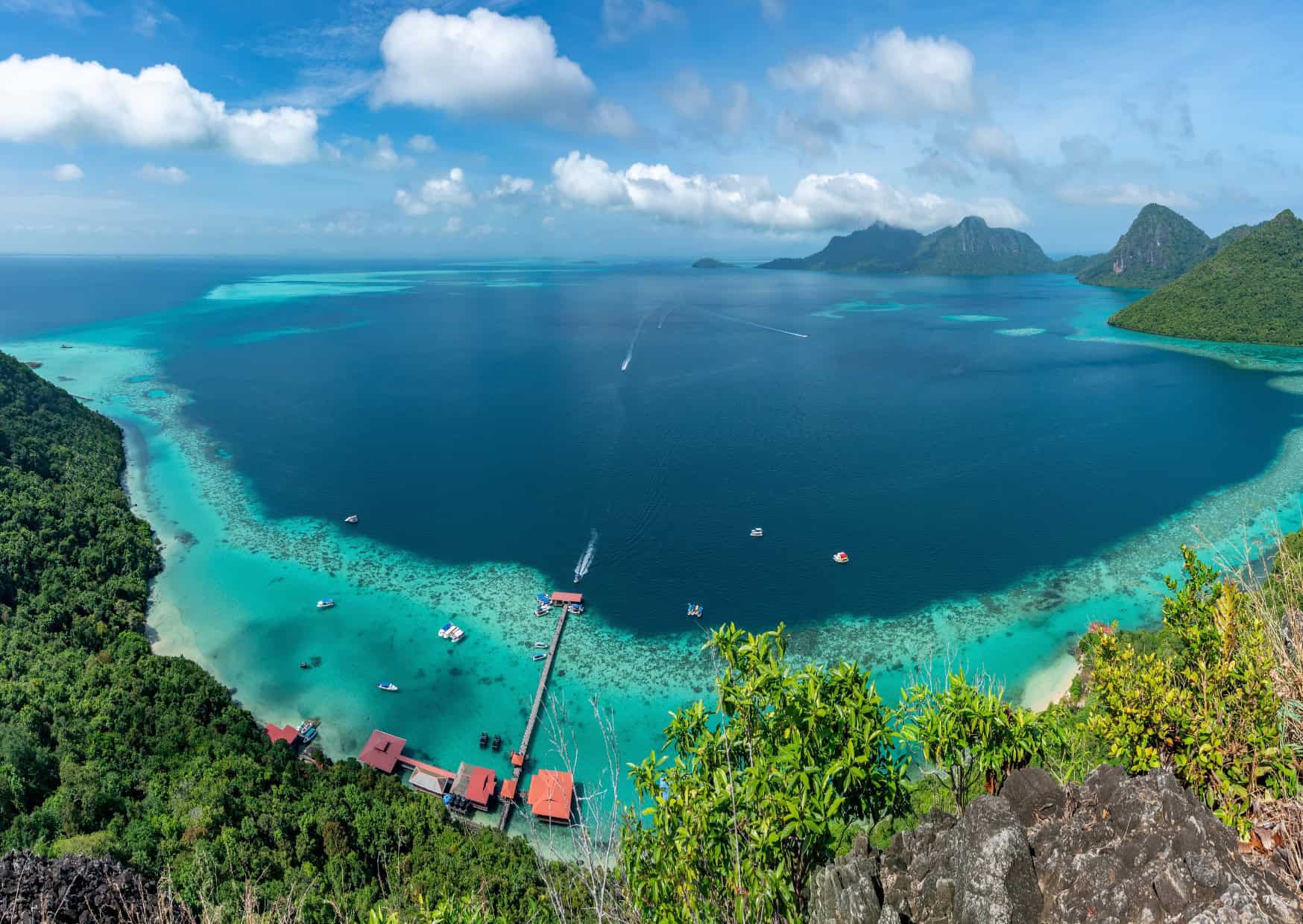
A melting pot of cultures with pristine beaches, bustling cities, and lush rainforests.
Highlights:
Langkawi for beach resorts and eco-tourism.
Penang for its food and cultural diversity.
Borneo for wildlife and Mount Kinabalu.
Why It’s Better:
Combines adventure, city life, and beach relaxation without Bali’s crowds.
7. The Maldives (Beyond the Resorts)

Known for its overwater bungalows, but local islands like Maafushi offer affordable, authentic experiences.
Highlights:
Snorkeling and diving among vibrant coral reefs.
Local island stays to experience Maldivian culture.
Why It’s Better:
Offers tranquility and unparalleled natural beauty.
8. Myanmar
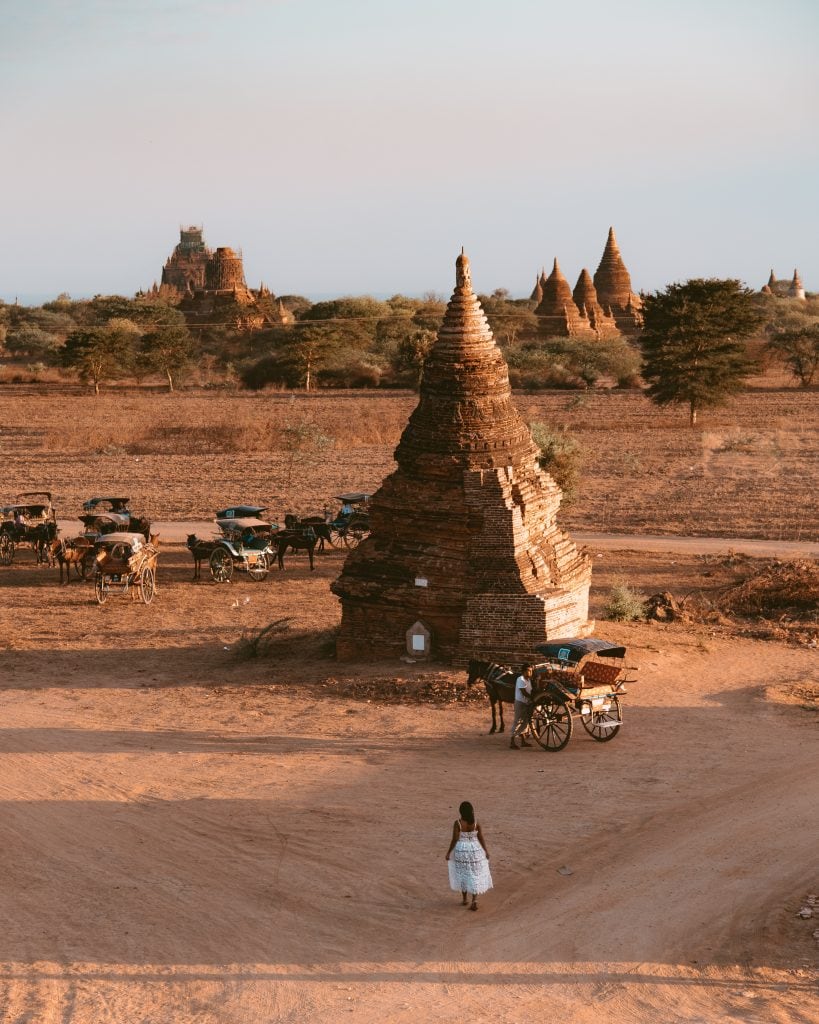
A hidden gem with ancient temples, serene landscapes, and welcoming locals.
Highlights:
Bagan for hot air balloon rides over thousands of temples.
Inle Lake for floating villages and gardens.
Ngapali Beach for untouched coastline.
Why It’s Better:
Far less commercialized, offering a truly unique cultural experience.
9. Seychelles
Why Visit:
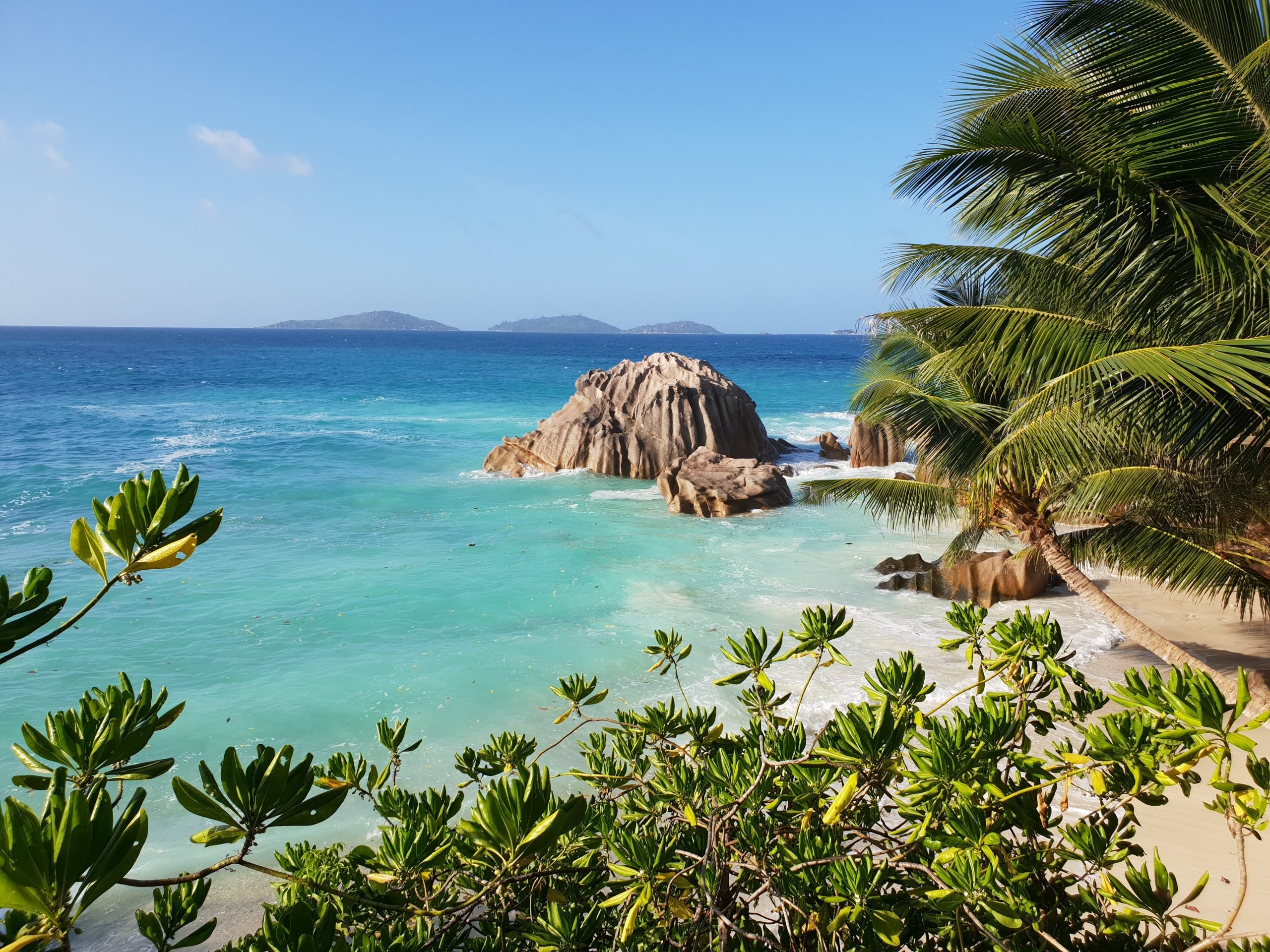
A pristine archipelago in the Indian Ocean known for its granite boulders and white sandy beaches.
Highlights:
Anse Source d’Argent for iconic beach views.
La Digue for slow-paced island life.
Aldabra Atoll for snorkeling and rare wildlife.
Why It’s Better:
Exclusive and stunningly beautiful, without Bali’s heavy tourism.
10. Papua New Guinea

Why Visit:
Untouched natural beauty, indigenous cultures, and some of the world’s best diving.
Highlights:
Kokoda Track for trekking through history.
Tufi for fjords and diving.
Mount Wilhelm for climbing adventures.
Why It’s Better:
Offers unparalleled adventure and cultural immersion.
11. Zanzibar, Tanzania

A mix of stunning beaches, rich history, and Swahili culture.
Highlights:
Stone Town for history and architecture.
Nungwi for pristine beaches and diving.
Spice Tours for an aromatic adventure.
Why It’s Better:
Combines culture and relaxation, often with fewer tourists.
12. Kerala, India

Known as “God’s Own Country,” Kerala offers serene backwaters, beaches, and lush green landscapes.
Highlights:
Alleppey for houseboat cruises on the backwaters.
Munnar for tea plantations and cool weather.
Varkala for cliffside beaches.
Why It’s Better:
A unique blend of natural beauty and cultural richness at affordable prices.
Why You Should Consider These Destinations
Choosing lesser-known destinations can lead to a more relaxed travel experience. Fewer crowds often mean less waiting, more space to explore, and a greater sense of calm throughout your trip.
These places also provide opportunities for more meaningful interactions. With fewer tourists, locals may be more open to conversation, allowing for deeper cultural exchanges and a better understanding of daily life.
Another advantage is the potential for unique experiences. Without the influence of mass tourism, activities and traditions may feel more genuine and less staged, which can add depth to your trip.
Traveling to emerging destinations can also help diversify tourism. By spreading visitor interest more evenly, it reduces pressure on overcrowded areas and supports economies that may benefit from responsible tourism.
Finally, it encourages a different mindset. Instead of following established routes, you become more adaptable and curious, which can make travel feel more rewarding and memorable.
Why You Might Still Choose Bali or Thailand
Established destinations offer a level of convenience that can be hard to match. Infrastructure, transportation, and services are often well-developed, making travel smoother and more predictable.
There’s also a reason these places are popular: they consistently deliver strong experiences. From food to accommodations to activities, the quality and variety are often reliable, especially for first-time travelers.
Accessibility is another factor. Flights, tours, and travel resources are widely available, which can simplify planning and reduce uncertainty compared to lesser-known destinations.
For some travelers, familiarity brings comfort. Knowing what to expect can make a trip feel less stressful, especially when traveling for relaxation rather than exploration.
Lastly, popular destinations continue to evolve. Even in well-visited places, it’s still possible to find quieter areas or unique experiences if you’re willing to look beyond the most crowded spots.
Final Thoughts
The concept of “hidden gems” is often temporary. Once a destination is widely shared, it quickly becomes part of the same cycle that affected places like Bali and Thailand. Travelers seeking exclusivity may find that these locations don’t stay “undiscovered” for long.
There’s also the reality that less-developed destinations may lack the infrastructure many travelers expect. Transportation, healthcare access, and convenience can vary significantly, which may impact comfort and safety for some visitors.
Another consideration is cultural impact. Increased tourism, even in smaller numbers, can change local communities over time. What starts as a quiet destination can gradually shift to accommodate visitor demand, sometimes at the expense of local traditions.
Cost is another factor that isn’t always straightforward. While some hidden destinations are more affordable, others can be surprisingly expensive due to limited options and lack of competition. This can challenge the assumption that lesser-known always means cheaper.
Finally, there’s the issue of expectations. Travelers often associate hidden places with perfection, but every destination has its own challenges. Approaching them with realistic expectations leads to a more balanced and enjoyable experience.

About the Author: Ruben, co-founder of Gamintraveler.com since 2014, is a seasoned traveler from Spain who has explored over 100 countries since 2009. Known for his extensive travel adventures across South America, Europe, the US, Australia, New Zealand, Asia, and Africa, Ruben combines his passion for adventurous yet sustainable living with his love for cycling, highlighted by his remarkable 5-month bicycle journey from Spain to Norway. He currently resides in Spain, where he continues sharing his travel experiences with his partner, Rachel, and their son, Han.