
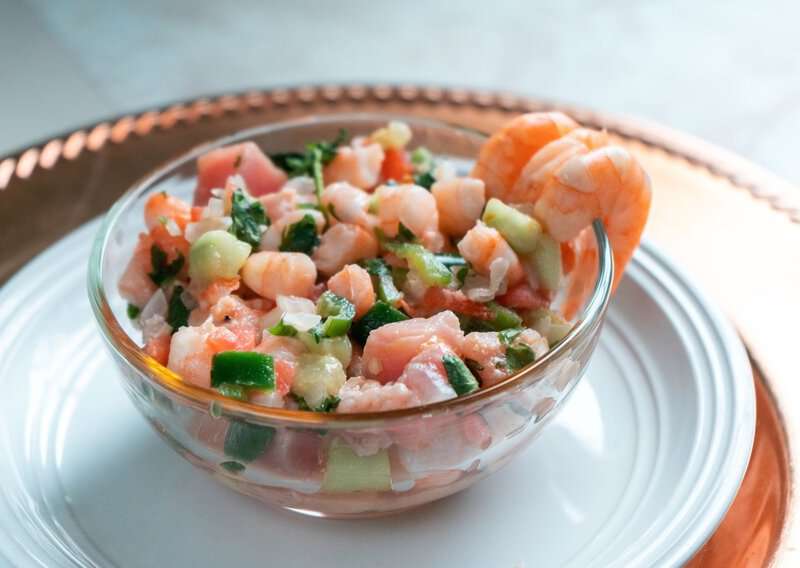
Ceviche, the iconic Latin American seafood dish, is often treated as a single recipe—but ask any foodie or local chef, and they’ll quickly correct you. Peruvian and Mexican ceviche may share a name, but they’re two distinct culinary experiences shaped by geography, culture, and flavor philosophy. Both are fresh, citrusy, and beloved—but what separates them is more than just ingredients. It’s a reflection of national identity on a plate.
Peruvian ceviche, widely considered the original version, is minimalist and elegant. It typically features raw white fish “cooked” in lime juice and served with red onion, sweet potato, and corn. It’s all about highlighting the purity of the fish. On the other hand, Mexican ceviche leans into bold, colorful, and spicy territory—often including tomatoes, chilies, cilantro, and sometimes even ketchup, with shrimp or mixed seafood taking center stage.
In this guide, we’ll walk you through the key differences in ingredients, preparation, taste, and presentation, plus include recipe variations for both styles. Whether you’re craving zesty and clean or spicy and hearty, you’ll discover which ceviche fits your flavor mood—and maybe even try both.
Read here vegetarian food in Peru, Peruvian drinks and best breakfast in Peru
BOOK YOUR TRAVEL INSURANCE
Two of our favorite travel insurance: Heymondo Vs Safetwing cheapest travel Insurance. You can get for $135 USD your Heymondo Travel Insurance with Heymondo discount code valid for 90 days. Read our full comparison of Genki vs Safetywing Travel Insurance Review and the comparison Heymondo vs Genki
Best Time to Eat & What to Pair It With
Ceviche is the perfect warm-weather dish, making it ideal for spring and summer lunches, beachside picnics, or light weekend dinners. It’s best served fresh and cold—right after preparation to enjoy the brightness of the citrus and the delicate texture of the seafood.
Pair Peruvian ceviche with a chilled glass of Pisco Sour or a dry white wine like Sauvignon Blanc. A side of sweet potato chips or boiled corn enhances its clean flavor profile. For Mexican ceviche, a cold Mexican lager, Michelada, or margarita pairs beautifully, along with tortilla chips, avocado slices, or tostadas for texture and balance.
Ceviche isn’t just food—it’s a vibe. Serve it when you want to impress guests with something refreshing yet deceptively easy, or enjoy it solo while imagining yourself lounging seaside in Lima or Tulum. Either way, your taste buds are in for a coastal adventure.
Peruvian Ceviche vs Mexican Ceviche
1. Peruvian Ceviche
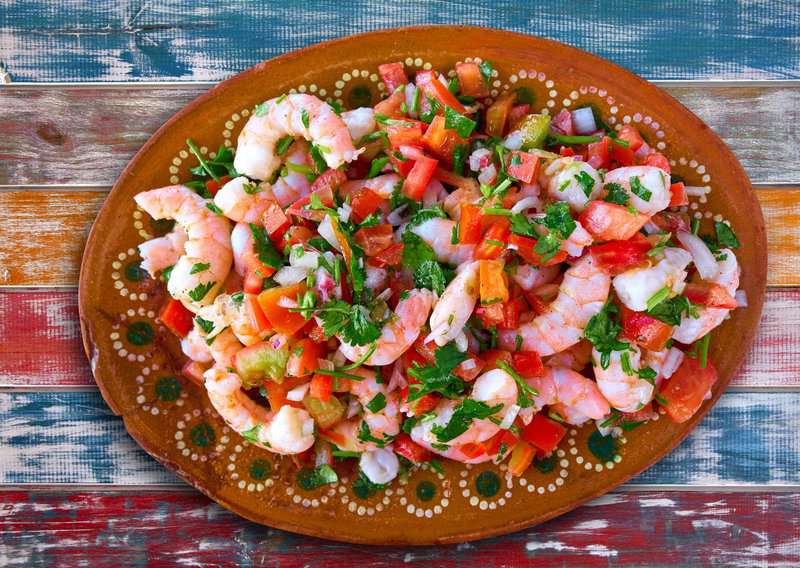
Peruvian ceviche is known for its simplicity and focus on fresh ingredients, particularly the fish. Traditionally, it’s served with a marinade called leche de tigre (“tiger’s milk”), which combines lime juice with the fish juices, seasonings, and occasionally a touch of spice.
Ingredients for Peruvian Ceviche (Serves 4)
1 lb fresh fish (sea bass, sole, or any firm white fish), cubed
1/2 cup fresh lime juice
1/4 red onion, thinly sliced
1-2 small ají limo or habanero peppers, sliced (optional for heat)
1/4 cup cilantro, chopped
Salt, to taste
Traditional Accompaniments:
Sweet potato, cooked and sliced
Corn kernels or Peruvian corn (choclo), boiled
Lettuce leaves
Instructions:
Place fish in a bowl, add salt, and pour lime juice over it. Let it marinate for 10-15 minutes. Add the red onion, ají peppers (if using), and cilantro. Stir gently to combine.
Arrange lettuce leaves on a plate, spoon the ceviche on top, and serve with slices of sweet potato and corn kernels on the side.
Tips for Peruvian Ceviche
Since the fish is the star, make sure it’s as fresh as possible. In Peruvian ceviche, the fish is typically marinated for only a few minutes to maintain its raw texture.
The marinating liquid, or “tiger’s milk,” is often enjoyed as a side drink or poured over the ceviche for extra flavor.
Calories:
Calories per serving (1 cup): Approximately 180-220 kcal
Protein: 20g
Fat: 3-5g
Carbohydrates: 15g (with sweet potato and corn)
Read here how to make Peruvian Ceviche
2. Mexican Ceviche

Mexican ceviche tends to have a more colorful and varied mix of ingredients, often incorporating tomatoes, avocado, and additional vegetables. It is marinated for longer, typically resulting in a more “cooked” texture compared to Peruvian ceviche.
Ingredients for Mexican Ceviche (Serves 4)
1 lb fresh fish (tilapia, shrimp, or any white fish), cubed
1/2 cup fresh lime juice
1/2 cup tomato, diced
1/4 cup red onion, finely chopped
1/2 cup cucumber, diced
1/4 cup cilantro, chopped
1 avocado, diced
1 jalapeño or serrano pepper, minced (optional for heat)
Salt and pepper, to taste
Traditional Accompaniments:
Tortilla chips or tostadas
Hot sauce or salsa (optional)
Instructions
Place the fish in a bowl, season with salt, and add lime juice. Cover and refrigerate for 30-60 minutes until the fish turns opaque.
Stir in tomato, red onion, cucumber, cilantro, and jalapeño. Season with additional salt and pepper if needed. Gently fold in the avocado cubes just before serving.
Serve with tortilla chips or tostadas and optional hot sauce for added heat.
Tips for Mexican Ceviche
Mexican ceviche is usually marinated longer than Peruvian ceviche, giving the fish a more “cooked” texture. You can add other vegetables like radishes, bell peppers, or mango for extra flavor and texture.
This adds a crunchy texture that complements the marinated fish and veggies.
Calories:
Calories per serving (1 cup): Approximately 250-300 kcal
Protein: 20g
Fat: 8-10g (with avocado)
Carbohydrates: 15g (with tostadas or chips)
The calorie content for both types of ceviche varies depending on the ingredients and accompaniments:
Peruvian Ceviche: Roughly 180-220 kcal per serving, primarily from fish, with additional calories if served with sweet potato and corn.
Mexican Ceviche: Roughly 250-300 kcal per serving, higher due to added vegetables (especially avocado) and tortilla chips or tostadas.
Tips for Making the Best Ceviche

Freshness is essential as the fish is not cooked with heat. Opt for firm white fish like sea bass, tilapia, or snapper. Lime is the primary acid used, but you can experiment with lemon or even a touch of vinegar to balance flavors.
If left too long in the lime juice, the fish can become tough. Keep an eye on the marination time to achieve your preferred texture. Ceviche is best served chilled, so refrigerate until ready to serve for a refreshing flavor.
Origin and History
Ceviche’s origin is deeply rooted in ancient coastal communities along the Pacific, long before modern national borders existed. In what is now Peru, early civilizations marinated fish with local fruits, using the acidic juice of tumbo or chicha-based liquids to lightly cure seafood. This early method centered on the abundance of fish along the Peruvian coast and a cultural emphasis on fresh, minimally altered ingredients. When citrus fruits arrived with Spanish colonization, ceviche evolved into the lemon-lime–based preparation associated with Peru today.
As ceviche traveled northward through Central America and ultimately Mexico, the dish absorbed new influences and adapted to the region’s diverse climates and culinary traditions. In Mexico, ceviche grew into a vibrant, layered dish marked by tomatoes, onions, cilantro, chilies, and sometimes avocado. Rather than focusing solely on the purity of the fish, Mexican ceviche incorporated ingredients from the milpa agricultural system and the spice traditions of the indigenous communities who shaped the cuisine across centuries.
By the 20th century, both Peru and Mexico had developed distinct ceviche identities. Peru positioned ceviche as a cultural symbol tied to the Pacific Ocean and the ingredients harvested along its coastline. Mexico, meanwhile, embraced multiple regional versions—from Sinaloan, lime-forward styles to Yucatecan variants with habanero and bitter orange. Today, both nations claim ceviche as an essential dish that reflects their landscapes, histories, and philosophies of freshness.
One of the major controversies arises from the global misconception that Peruvian and Mexican ceviche are interchangeable. Tourists often assume that ceviche simply involves raw fish and lime, overlooking the philosophical differences that define each style. Peru views ceviche as a minimalist expression of seafood quality, while Mexico embraces it as a refreshing, flavor-layered preparation. Locals from both countries argue that confusing the two diminishes the cultural identity each version represents.
Another debate centers on marination time. Tourists often believe ceviche must “cook” in citrus for long periods, a misunderstanding common in foreign interpretations of Mexican and Peruvian cuisine. Peruvians typically marinate fish briefly to preserve texture and brightness, treating citrus more as seasoning than a cooking medium. Mexican ceviche may marinate longer, depending on region and fish variety. Locals argue these differences are intentional, not mistakes, and represent fundamental culinary traditions rather than arbitrary choices.
A further controversy involves the addition of tomatoes and other vegetables. Peruvian chefs frequently insist that authentic Peruvian ceviche never includes tomatoes, considering them distracting from the fish. Mexican ceviche, however, embraces tomatoes as essential to balance acidity and add freshness, especially in coastal regions. Tourists often misinterpret these differences as inconsistencies instead of cultural distinctions. Locals from both countries remain passionate about protecting the integrity of their traditions.
How Long It Takes to Prepare
Peruvian ceviche is known for its speed. Once ingredients are prepped, it takes about fifteen minutes to assemble. The fish is cut into uniform pieces, seasoned with salt, and mixed with lime juice, onion, cilantro, and chili. The brief marination highlights the fish’s natural texture. Preparation demands precision but not extended time, making it ideal for fresh, immediate consumption.
Mexican ceviche takes longer, not because it is complicated, but because it often requires marinating the fish for thirty minutes to an hour, depending on the cut and regional style. This slightly longer curing process integrates the flavors of tomatoes, chilies, and herbs. Some regions prepare their ceviche ahead of time and allow the mixture to rest in the refrigerator to meld flavors, creating a juicier, more cohesive result.
If preparing both versions at home for comparison, plan for about an hour total. Most of the time involves chopping vegetables, slicing fish, and allowing marination. Neither dish requires heat, ovens, or elaborate equipment. Ceviche’s simplicity is part of what makes it so appealing: two distinct preparation philosophies, both relying on fresh ingredients and mindful timing.
Serving Suggestions
Peruvian ceviche is traditionally served with sweet potato, large-kernel choclo corn, and thin slices of red onion. These accompaniments provide contrast: sweetness, starchiness, and crunch against the acidity of the fish. A small amount of leche de tigre—the citrusy marinade—may be served on the side or in a shot glass as a bold palate cleanser. Presentation is simple, focused, and refreshing, reflecting Peru’s coastal dining culture.
Mexican ceviche is commonly served with tostadas or tortilla chips, adding a crispy base that contrasts the marinated fish mixture. Lime wedges, sliced avocado, and additional chilies are often offered so diners can customize heat and acidity. Some regions serve ceviche with cucumber, reflecting the lighter, more hydrating style suited to warmer climates. The dish is casual, customizable, and ideal for sharing.
Both versions pair well with light, crisp beverages. Peruvian ceviche often accompanies chilled beer or pisco-based cocktails, while Mexican ceviche pairs naturally with micheladas or citrus-forward drinks. Regardless of version, the key is serving ceviche immediately once assembled to preserve texture and brightness.
Final Thoughts
Peruvian and Mexican ceviche share ancient origins but diverge into two distinct culinary identities shaped by geography, culture, and philosophy. Understanding their differences allows travelers and home cooks to appreciate not just the ingredients but the intention behind each dish. Ceviche is not a single recipe; it is a story told through coastal traditions, agricultural heritage, and generations of technique.
Tourists often misunderstand ceviche because they look for universal rules rather than recognizing regional nuances. Locals know that each version has its own logic, shaped by the fish available, the flavors prized in the region, and the cultural meaning of the dish. These differences are not disagreements—they are expressions of identity. Appreciating them deepens the experience of tasting ceviche anywhere in the world.
Ultimately, comparing Peruvian and Mexican ceviche is not about deciding which is “better.” It is about understanding how distinct culinary philosophies can evolve from shared roots and reflect the landscapes and histories of their regions. Preparing both at home offers a rare opportunity to experience this contrast firsthand. Each version celebrates freshness, technique, and tradition in its own way, proving that ceviche’s global appeal lies in its diversity, not uniformity.

About the Author: Ruben, co-founder of Gamintraveler.com since 2014, is a seasoned traveler from Spain who has explored over 100 countries since 2009. Known for his extensive travel adventures across South America, Europe, the US, Australia, New Zealand, Asia, and Africa, Ruben combines his passion for adventurous yet sustainable living with his love for cycling, highlighted by his remarkable 5-month bicycle journey from Spain to Norway. He currently resides in Spain, where he continues sharing his travel experiences with his partner, Rachel, and their son, Han.