
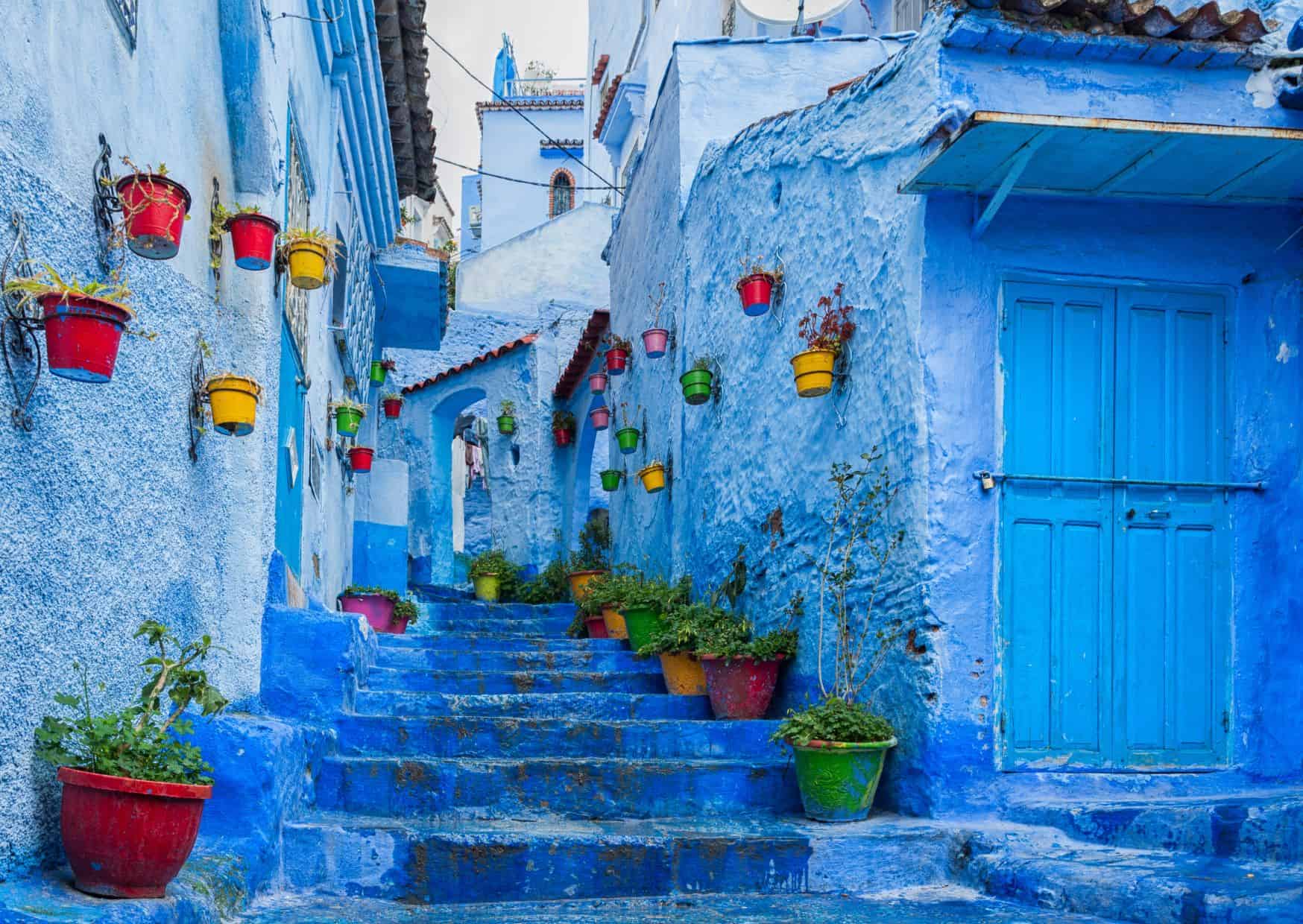
Morocco can feel familiar and completely different at the same time. Major cities have modern hotels, cafés, shopping centers, and international restaurants, yet everyday social habits can still surprise Americans almost immediately.
Some of the biggest culture shocks are not dramatic. They come from small things: how people greet each other, how long meals last, how bargaining works, how modesty is understood, and how much importance is placed on family and hospitality.
Americans may also notice that public and private behavior can feel more clearly separated than it does at home. What is acceptable in a tourist district may not feel appropriate in a residential neighborhood or more traditional setting.
The easiest way to enjoy Morocco is to stop expecting every interaction to follow American rules. Once you understand that different social habits are not automatically unfriendly, inefficient, or restrictive, the country becomes much easier to navigate.
The goal is not to become Moroccan during a short visit. It is simply to recognize the local rhythm well enough that you can move through the country with more confidence and fewer misunderstandings.
Read here 6 Days Morocco Itinerary and What to wear in Morocco
Read here the best Moroccan food, vegetarian food in Morocco, best Moroccan drinks and best breakfast in Morocco
BOOK YOUR TRAVEL INSURANCE
Two of our favorite travel insurance: Heymondo Vs Safetwing cheapest travel Insurance. You can get for $135 USD your Heymondo Travel Insurance with Heymondo discount code valid for 90 days. Read our full comparison of Genki vs Safetywing Travel Insurance Review and the comparison Heymondo vs Genki
Tips for Navigating Culture Shocks in Morocco
Dress modestly: Especially outside of tourist zones. Long sleeves and pants help you blend in and show respect.
Always ask before taking photos: Especially of people, markets, and mosques.
Don’t expect punctuality: “Inshallah time” is real. Things move at a slower pace.
Haggling is expected: Never accept the first price at souks it’s part of the culture to negotiate.
Public displays of affection are frowned upon: Holding hands is fine, but kissing or hugging in public can cause offense.
Left hand = dirty hand: Don’t eat, offer items, or shake hands with your left.
Friday is the holy day: Many businesses shut down early or don’t open at all plan accordingly.
The controversial truth is that Americans sometimes label unfamiliar behavior as rude when it is really just direct, formal, or culturally different. A negotiation in a market, a slower service style, or a conservative social expectation can feel frustrating if you expect everything to work exactly as it does at home.
Another uncomfortable reality is that American informality does not always translate well. Loud voices, casual clothing, overly familiar behavior, or treating every interaction like friendly small talk can feel out of place in certain Moroccan settings.
There is also a tendency to romanticize Morocco as exotic while ignoring that it is a real country with its own social boundaries. Markets, religious spaces, neighborhoods, and family traditions are not just backdrops for photographs.
At the same time, Morocco should not be portrayed as rigid or culturally uniform. Casablanca, Marrakech, Fez, Tangier, rural villages, and coastal towns can all feel very different, and younger generations may approach traditions differently from older ones.
The bigger controversy is that successful travel requires compromise. You do not have to agree with every social norm, but expecting another country to adapt entirely to your preferences usually creates more frustration than simply learning how things work locally.
Culture Shocks for Americans in Morocco
1. The Call to Prayer

What to Expect:
The Islamic call to prayer (Adhan) is broadcast from mosques five times a day, starting early in the morning before sunrise.
Culture Shock:
Americans, especially those unfamiliar with Islamic traditions, may find the loud, melodic recitation surprising, especially at dawn.
How to Adapt:
Embrace the cultural experience and view it as an integral part of Morocco’s identity. Consider using earplugs if you’re a light sleeper.
2. Bargaining in Souks

What to Expect:
Prices in Moroccan markets (souks) are rarely fixed, and bargaining is a normal and expected part of shopping.
Culture Shock:
Americans used to fixed prices may find the haggling process stressful or intimidating.
How to Adapt:
Treat bargaining as part of the cultural experience. Start with an offer about half the asking price and negotiate politely with a smile.
3. Conservative Dress Standards

What to Expect:
While Morocco is relatively liberal compared to some Muslim-majority countries, modest clothing is still the norm, especially in rural areas.
Culture Shock:
Americans accustomed to casual or revealing clothing might feel out of place wearing shorts, tank tops, or tight-fitting clothes.
How to Adapt:
Pack modest clothing that covers your shoulders and knees. Lightweight, breathable fabrics are perfect for the climate.
4. Gender Roles and Interaction
What to Expect:
Morocco has more traditional gender roles compared to the U.S., and public interactions between men and women may be more reserved.
Culture Shock:
Women traveling alone may receive more attention, including unsolicited comments or stares. Men might notice that Moroccan women are less likely to engage in casual conversation with strangers.
How to Adapt:
Women can reduce attention by dressing modestly and being assertive but polite. Men should respect local norms and avoid overly friendly behavior with local women.
5. Eating Customs

What to Expect:
Meals in Morocco are often communal and eaten with the hands, particularly using the right hand, as the left hand is considered unclean.
Culture Shock:
Americans used to individual plates and cutlery might find this unfamiliar or awkward.
How to Adapt:
Embrace the experience! Wash your hands before meals, and use bread or your right hand to scoop food. Feel free to request utensils if you’re uncomfortable.
6. The Pace of Life

What to Expect:
Life in Morocco tends to move at a slower pace, with long meals, relaxed schedules, and a focus on social interaction.
Culture Shock:
Americans used to fast-paced, efficiency-focused routines might find delays or a lack of urgency frustrating.
How to Adapt:
Practice patience and enjoy the slower rhythm. Use the time to engage with locals and soak in the culture.
7. Hospitality and Personal Space

What to Expect:
Moroccans are famously hospitable and often invite guests for tea or meals, even if you’ve just met them.
Culture Shock:
Americans accustomed to personal space and privacy might find this level of hospitality overwhelming.
How to Adapt:
Accept invitations graciously if you feel comfortable, but don’t hesitate to politely decline if you’re not up for it. Offering small gifts (like sweets) is a kind gesture.
8. The Role of Religion in Daily Life

What to Expect:
Islam is deeply ingrained in Moroccan society, influencing daily routines, laws, and social norms.
Culture Shock:
Americans from secular or less religiously observant backgrounds may find the prominence of religion surprising.
How to Adapt:
Be respectful of religious practices and avoid behaviors that could be seen as disrespectful, such as eating or drinking in public during Ramadan.
9. Public Displays of Affection
What to Expect:
Public displays of affection (PDA) are generally frowned upon, especially in conservative areas.
Culture Shock:
Couples used to casual displays of affection, like holding hands or kissing in public, might feel restricted.
How to Adapt:
Keep PDA minimal and reserve affection for private settings.
10. Toilet Facilities

What to Expect:
Many public restrooms in Morocco are squat toilets, and you might need to bring your own toilet paper.
Culture Shock:
Americans used to modern, fully-equipped restrooms may find this inconvenient.
How to Adapt:
Carry a small pack of tissues and hand sanitizer. Learn how to use squat toilets for when they’re unavoidable.
11. Transportation Chaos
What to Expect:
Traffic in cities like Marrakech and Casablanca can be hectic, with cars, motorbikes, and donkeys sharing the road.
Culture Shock:
Americans used to orderly traffic might find the lack of adherence to traffic rules stressful.
How to Adapt:
Be cautious when crossing streets and use official transportation like taxis or ride-hailing apps.
12. Street Vendors and Touts

What to Expect:
Vendors in tourist-heavy areas can be very persistent in selling goods or services.
Culture Shock:
Americans may feel overwhelmed by the aggressive sales tactics or pressured to buy something.
How to Adapt:
Politely decline by saying “La shukran” (no, thank you) and keep walking.
13. Limited Alcohol Availability
What to Expect:
Alcohol is available in Morocco but not widely consumed or advertised due to Islamic traditions.
Culture Shock:
Americans accustomed to drinking in public or finding alcohol easily might find it less accessible.
How to Adapt:
Look for licensed restaurants, bars, or hotels that serve alcohol. Try traditional mint tea instead—it’s a cultural staple.
14. Language Barrier
What to Expect:
Arabic and Berber are the official languages, and French is widely spoken. English is less common, especially outside tourist areas.
Culture Shock:
Americans relying on English might struggle to communicate in rural or non-touristy areas.
How to Adapt:
Learn a few basic phrases in Arabic or French. Use translation apps or carry a phrasebook.
15. Hammam Experience

What to Expect:
Traditional Moroccan baths, or hammams, involve communal bathing and vigorous scrubbing by an attendant.
Culture Shock:
Americans unused to communal spaces or the intensity of the scrubbing might find the experience awkward.
How to Adapt:
Embrace the cultural experience, or opt for private hammam sessions available in some upscale spas.
Why You Should Follow Local Customs
You should follow basic local etiquette because it immediately improves interactions. A polite greeting, respectful tone, and a little patience can make conversations feel far warmer.
Modest dress can also be a practical choice in more conservative areas. It does not require extreme changes, but dressing with some awareness of the setting can reduce unwanted attention and show respect.
You should also learn how bargaining works before entering markets. Negotiation can be part of the experience, but treating it like an aggressive competition can turn an enjoyable interaction into an uncomfortable one.
Respecting religious customs matters as well. Prayer times, mosques, Ramadan practices, and religious holidays are part of everyday life for many people, not tourist performances.
Most importantly, following local norms helps you see Morocco on its own terms. You stop judging every difference against American habits and begin understanding why the country feels the way it does.
Why You Should Not Care So Much
You should not become afraid of making small mistakes. Morocco welcomes large numbers of international visitors, and most people understand that tourists will not know every social expectation.
You also do not need to change your personality completely. Being friendly, curious, and expressive is not a problem as long as you stay aware of the setting.
There is no reason to treat every cultural difference as a strict rule. What feels appropriate in a rural village may be completely different from what feels normal in central Marrakech or Casablanca.
You should also avoid assuming that one awkward interaction means you offended someone. Sometimes people are simply busy, tired, or uninterested, just as they are anywhere else.
Most of all, do not let cultural anxiety ruin the trip. Observation, politeness, and common sense usually matter far more than perfect knowledge.
Final Thoughts
Morocco is memorable partly because it challenges assumptions travelers do not realize they have.
The culture shocks become easier once you stop treating them as problems to solve and start viewing them as differences to understand.
Respect does not require perfection. It simply means paying attention, adapting when necessary, and recognizing that your own habits are not universal.
At the same time, Morocco is diverse enough that no list can describe every person or place accurately.
In the end, the best way to handle culture shock is with curiosity. The more willing you are to observe before judging, the more interesting and rewarding the experience becomes.

About the Author: Ruben, co-founder of Gamintraveler.com since 2014, is a seasoned traveler from Spain who has explored over 100 countries since 2009. Known for his extensive travel adventures across South America, Europe, the US, Australia, New Zealand, Asia, and Africa, Ruben combines his passion for adventurous yet sustainable living with his love for cycling, highlighted by his remarkable 5-month bicycle journey from Spain to Norway. He currently resides in Spain, where he continues sharing his travel experiences with his partner, Rachel, and their son, Han.