
Costa Rica has a reputation for being relaxed, friendly, and easygoing, which is exactly why some visitors underestimate the importance of local etiquette. “Pura Vida” may describe a laid-back attitude, but it does not mean that every behavior is automatically acceptable.
Many mistakes happen because travelers confuse informality with a lack of boundaries. Loud behavior, impatience, careless treatment of nature, or assuming everyone works on a tourist schedule can create unnecessary friction.
Costa Rica is also a country where environmental awareness matters deeply. Beaches, forests, wildlife, and national parks are not just attractions; they are part of daily life and national identity.
The easiest way to avoid problems is to pay attention to how locals behave. Respect for people, patience with slower rhythms, and common sense around nature will take you much further than trying to memorize dozens of rigid rules.
The goal is not to act Costa Rican. It is simply to recognize that a relaxed culture can still have clear expectations about manners, respect, and responsible travel.
Read here Things to know before visiting Costa Rica, 3 Week Costa Rica Itinerary and best Costa Rica Sim card for tourist
BOOK YOUR TRAVEL INSURANCE
Two of our favorite travel insurance: Heymondo Vs Safetwing cheapest travel Insurance. You can get for $135 USD your Heymondo Travel Insurance with Heymondo discount code valid for 90 days. Read our full comparison of Genki vs Safetywing Travel Insurance Review and the comparison Heymondo vs Genki
Quick Easy Tips
Do say “Pura Vida” — it’s more than a phrase, it’s a way of life and a polite greeting.
Don’t expect things to run on a strict schedule — “Tico time” means being flexible and relaxed.
Avoid touching or feeding wildlife — it’s illegal and harms the ecosystem.
Don’t assume prices are always negotiable — haggling is not a common practice in most Costa Rican shops.
The controversial truth is that tourists sometimes treat Costa Rica like an eco-themed playground instead of a real country. Wildlife gets too close, beaches become photo sets, and local communities are treated as background scenery.
Another uncomfortable reality is that Americans can bring a sense of urgency that does not always fit the local rhythm. Expecting instant service, demanding exact timing, or becoming visibly frustrated can make interactions feel more tense than they need to be.
There is also a tendency to think “Pura Vida” means locals are endlessly tolerant. Costa Ricans may be friendly and patient, but friendliness should not be mistaken for permission to ignore etiquette or environmental rules.
Tourists also sometimes romanticize Costa Rica as perfectly safe, cheap, and effortless. It is beautiful, but travel still requires awareness around transportation, weather, wildlife, petty theft, and changing road conditions.
The real controversy is that Costa Rica rewards travelers who slow down. Visitors who stop trying to control every detail often enjoy the country more than those who approach it like a tightly scheduled checklist.
Things Not to Do in Costa Rica
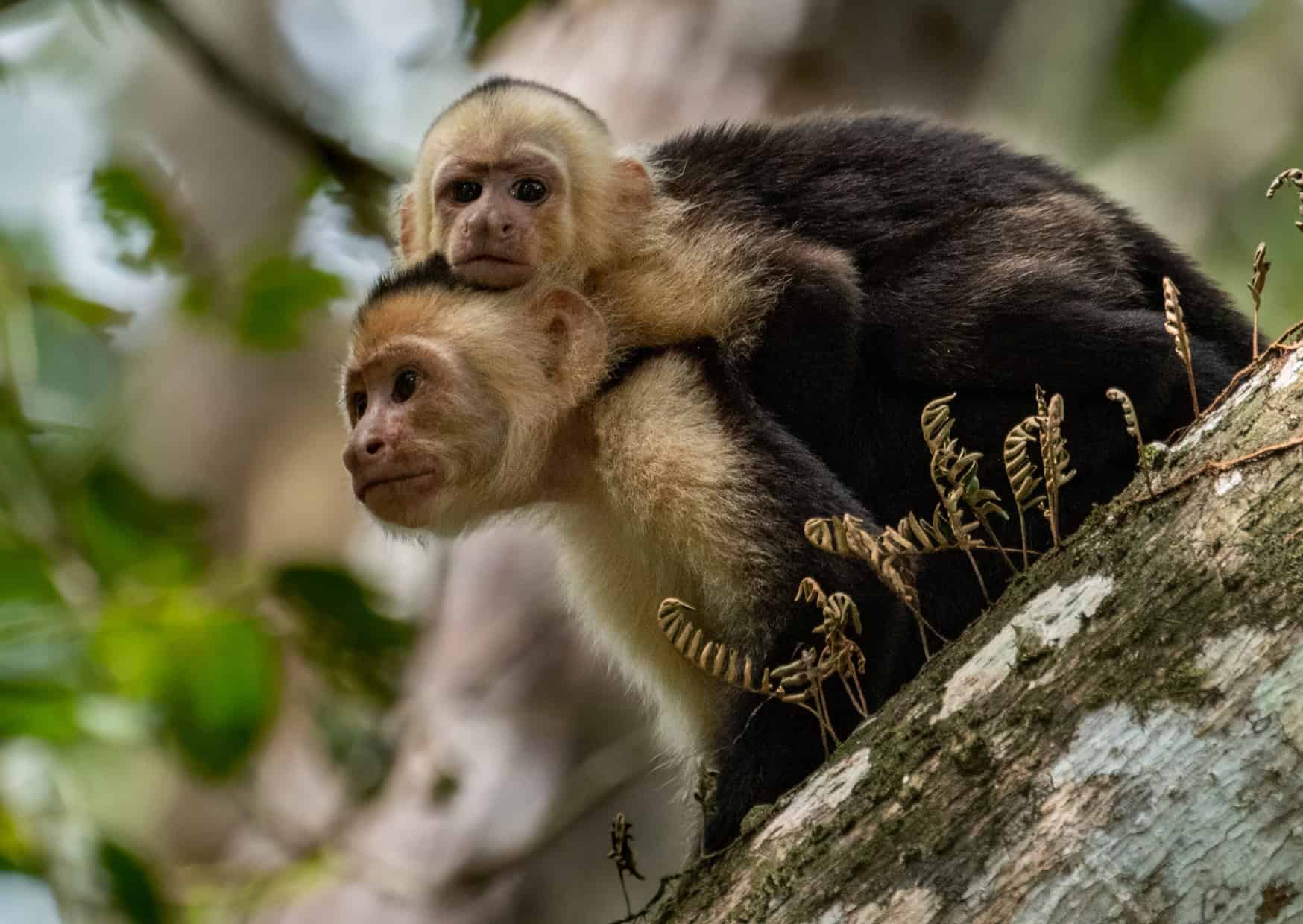
1. Don’t Disrespect Wildlife
Why Not:
Costa Rica is famous for its incredible biodiversity, and disturbing or feeding wildlife can harm the animals and disrupt ecosystems.
What to Do Instead:
Observe wildlife from a distance and use eco-friendly tours with certified guides.
Avoid touching animals, especially in protected areas like Manuel Antonio or Monteverde.
2. Don’t Underestimate the Weather
Why Not:
Costa Rica has microclimates, and weather can change quickly. Rainy season (May–November) can bring sudden downpours and muddy conditions.
What to Do Instead:
Pack appropriately with waterproof gear, quick-dry clothing, and sturdy shoes.
Check the weather forecast, especially if planning outdoor activities like hiking or zip-lining.
3. Don’t Ignore the Local Currency (Colones)

Why Not:
While U.S. dollars are widely accepted in tourist areas, using them exclusively may lead to unfavorable exchange rates.
What to Do Instead:
Carry a mix of colones and U.S. dollars, especially for small purchases in local markets or rural areas.
Familiarize yourself with exchange rates to avoid overpaying.
4. Don’t Rely Only on Public Transportation
Why Not:
Public buses are affordable but can be slow and unreliable, especially for reaching remote locations.
What to Do Instead:
Rent a car or use private shuttles for better access to off-the-beaten-path destinations.
If driving, opt for a 4×4 vehicle for unpaved roads in places like Nicoya Peninsula or La Fortuna.
5. Don’t Assume Every Beach is Safe for Swimming

Why Not:
Strong currents and rip tides are common in Costa Rica, and many beaches lack lifeguards.
What to Do Instead:
Research beach conditions before swimming and pay attention to warning signs.
Stick to calmer beaches like Playa Conchal or Tamarindo for swimming.
6. Don’t Forget to Protect Yourself from Mosquitoes
Why Not:
Mosquito-borne illnesses like dengue fever and Zika virus are risks in some areas.
What to Do Instead:
Use insect repellent, wear long sleeves in the evening, and consider accommodations with mosquito nets.
7. Don’t Overpack Your Itinerary

Why Not:
Costa Rica’s relaxed vibe and road conditions can make rushing between destinations stressful.
What to Do Instead:
Focus on fewer destinations to fully enjoy each location. Spend time in key regions like Arenal, Monteverde, and Guanacaste.
8. Don’t Litter or Ignore Eco-Friendly Practices
Why Not:
Costa Rica is a global leader in environmental sustainability, and locals take pride in keeping the country clean.
What to Do Instead:
Use designated trash bins and recycling stations.
Choose eco-friendly accommodations and tours.
9. Don’t Be Late Without Warning

Why Not:
Costa Ricans, or Ticos, value punctuality in professional settings, even if the “pura vida” lifestyle suggests a relaxed pace.
What to Do Instead:
Communicate if you’re running late, especially for tours or reservations.
10. Don’t Forget Travel Insurance
Why Not:
Activities like zip-lining, surfing, and hiking can come with risks, and medical costs in private clinics can be expensive.
What to Do Instead:
Purchase travel insurance that covers medical emergencies and adventure activities.
11. Don’t Drink Tap Water in Remote Areas
Why Not:
While tap water is safe in most cities, rural areas may have untreated water that could cause stomach issues.
What to Do Instead:
Stick to bottled or filtered water if unsure about water quality.
12. Don’t Drive at Night
Why Not:
Poorly lit roads, sharp turns, and unexpected wildlife crossings make driving at night dangerous.
What to Do Instead:
Plan your travel during daylight hours and be cautious on rural roads.
13. Don’t Be Alarmed by “Pura Vida” Culture

Why Not:
“Pura vida” (pure life) is more than a saying; it’s a way of life. Ticos may seem overly relaxed or less urgent in some situations.
What to Do Instead:
Embrace the laid-back attitude. Be patient and enjoy the slower pace.
14. Don’t Skip the Local Food

Why Not:
Sticking to international cuisine means missing out on Costa Rica’s delicious dishes like gallo pinto (rice and beans) and casado (a hearty plate of rice, beans, plantains, and protein).
What to Do Instead:
Visit local sodas (small restaurants) for authentic and affordable meals.
15. Don’t Ignore National Park Rules

Why Not:
Straying from designated paths or disturbing wildlife can damage fragile ecosystems.
What to Do Instead:
Follow park regulations and use guides when exploring national treasures like Corcovado or Tortuguero.
16. Don’t Expect Bargaining
Why Not:
Bargaining is not common in Costa Rica, especially in stores or restaurants.
What to Do Instead:
Pay the listed price unless you’re at a market where bargaining might be acceptable.
17. Don’t Forget to Tip
Why Not:
While a 10% service charge is often included in restaurant bills, tipping is appreciated, especially for exceptional service.
What to Do Instead:
Leave a small additional tip (5–10%) or tip guides and drivers directly.
18. Don’t Skip Travel Planning During Peak Season

Why Not:
Costa Rica’s dry season (December–April) is peak tourist time, and accommodations and tours can fill up quickly.
What to Do Instead:
Book accommodations, tours, and transportation well in advance if traveling during high season.
19. Don’t Overlook Safety in Urban Areas

Why Not:
Petty crime like pickpocketing can occur in urban centers like San José.
What to Do Instead:
Keep valuables secure, avoid flashing expensive items, and use taxis or rideshares after dark.
20. Don’t Forget to Enjoy the Journey
Why Not:
Rushing through your trip can make you miss the beauty of Costa Rica’s natural landscapes and local culture.
What to Do Instead:
Slow down, embrace the pura vida lifestyle, and savor the unique experiences Costa Rica offers.
Why You Should Follow These Rules
You should follow local etiquette because it makes interactions smoother. Simple politeness, patience, and a respectful tone can completely change how people respond to you.
Respecting nature is especially important. Feeding wildlife, touching animals, leaving marked trails, or ignoring beach and park rules can cause real harm and may also put you at risk.
You should also be flexible with timing. Transportation, weather, traffic, and local schedules do not always move with the same precision visitors expect, especially outside major urban areas.
Following local norms can also improve your experience. You are more likely to have genuine conversations, discover better food, and enjoy smaller communities when you are not rushing through them.
Most importantly, adapting shows that you understand Costa Rica is more than a vacation product. It is someone else’s home, with its own rhythms, priorities, and expectations.
Why You Should Not Care So Much
You should not become anxious about every small mistake. Costa Rica receives huge numbers of international visitors, and most people understand that travelers will not know every local custom immediately.
You also do not need to copy every behavior you see. Being respectful does not mean giving up your own personality or pretending to understand traditions you have only just encountered.
There is no reason to treat every delay or inconvenience as a cultural issue either. Sometimes traffic is simply bad, weather changes quickly, or a business is busy.
You should also avoid assuming that Costa Rica is culturally uniform. San José, Guanacaste, the Caribbean coast, and rural mountain areas can all feel very different.
Most of all, do not let etiquette rules turn the trip into a test. Basic awareness and courtesy matter much more than trying to behave perfectly.
Final Thoughts
Costa Rica is easy to enjoy when you understand that relaxed does not mean careless.
The country’s friendliness, natural beauty, and slower pace work best when visitors approach them with respect rather than entitlement.
You do not need to memorize every unwritten rule. Watching how people interact and treating the environment carefully will prevent most of the mistakes tourists make.
At the same time, keep things in perspective. One awkward moment or small mistake does not define your trip.
In the end, the best way to experience Costa Rica is to move a little slower, observe a little more, and remember that “Pura Vida” is not an excuse to ignore local culture it is an invitation to enjoy it properly.

About the Author: Ruben, co-founder of Gamintraveler.com since 2014, is a seasoned traveler from Spain who has explored over 100 countries since 2009. Known for his extensive travel adventures across South America, Europe, the US, Australia, New Zealand, Asia, and Africa, Ruben combines his passion for adventurous yet sustainable living with his love for cycling, highlighted by his remarkable 5-month bicycle journey from Spain to Norway. He currently resides in Spain, where he continues sharing his travel experiences with his partner, Rachel, and their son, Han.