
Vietnam is one of those destinations where visitors can feel welcomed almost immediately, yet still realize very quickly that everyday social rules do not always work the way they do at home. From greetings and dining to traffic, bargaining, and personal space, small differences can shape the entire experience.
Many tourist mistakes are not dramatic. They come from speaking too loudly, rushing interactions, handling money carelessly, misunderstanding indirect communication, or assuming that a smile always means agreement.
The easiest way to travel well in Vietnam is to observe first. Notice how people greet one another, how they behave in homes and temples, how they cross the street, and how they handle disagreements without making them public.
It also helps to understand that saving face matters in many social situations. Direct confrontation, public embarrassment, or forcing someone to say “no” can feel much harsher than many Americans realize.
You do not need to memorize every rule before you arrive. Basic politeness, patience, and curiosity will usually take you much further than trying to perform Vietnamese culture perfectly.
Read here the best things to know before visiting Vietnam, how to get from Hanoi airport to Old Quarter and Ho Chi Minh airport to city center.
BOOK YOUR TRAVEL INSURANCE
Two of our favorite travel insurance: Heymondo Vs Safetwing cheapest travel Insurance. You can get for $135 USD your Heymondo Travel Insurance with Heymondo discount code valid for 90 days. Read our full comparison of Genki vs Safetywing Travel Insurance Review and the comparison Heymondo vs Genki
Quick Easy Tips
Learn basic phrases: A few words in Vietnamese go a long way in showing respect.
Dress appropriately: Especially when visiting temples or rural areas, modest clothing matters.
Observe first, act second: Watch how locals behave before jumping into a situation, whether it’s dining or crossing busy streets.
One controversial aspect of visiting Vietnam is how tourists often prioritize convenience over cultural respect. For example, many visitors insist on Western dining standards instead of embracing local etiquette, which can come across as dismissive. Some argue that adapting fully isn’t necessary, but locals often view it differently.
Another point of debate is bargaining. While haggling is common in markets, some tourists push it too far, turning a cultural practice into an uncomfortable exchange. Critics argue that trying to save a few cents overlooks the bigger picture of supporting small vendors. Others defend bargaining as part of the cultural experience.
Lastly, there’s the growing conversation about social media’s impact. Travelers frequently stage photos at temples, markets, or even with locals without asking for permission. While some claim it’s harmless, others believe it commodifies Vietnamese culture and reduces it to a backdrop. This ongoing debate highlights the fine line between sharing memories and exploiting moments.
Unwritten Rules of Visiting Vietnam
Here’s your essential guide to the unspoken etiquette of visiting Vietnam:
1. Respect Elders First and Always
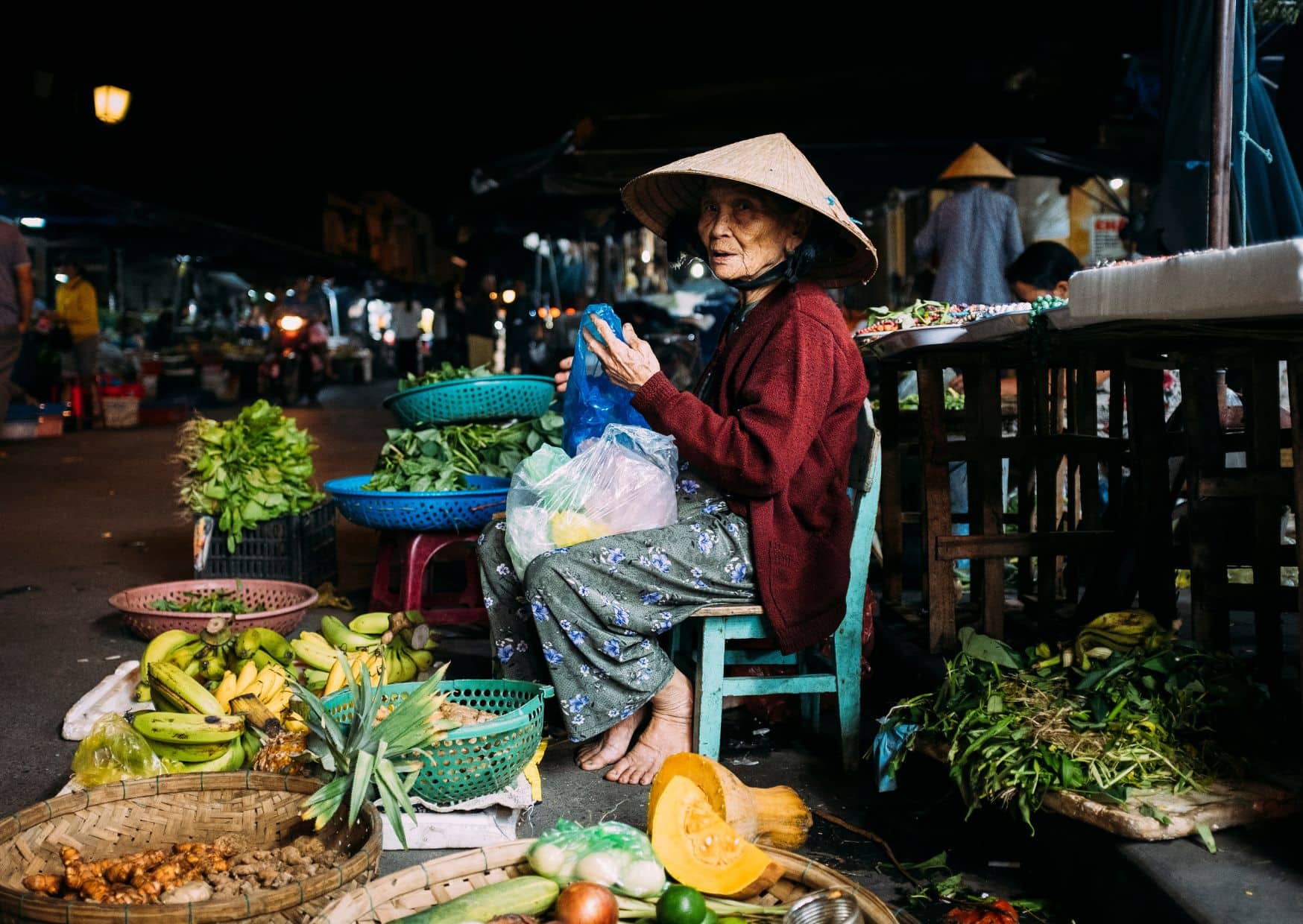
Vietnamese society is heavily influenced by Confucian values, which emphasize respect for elders and authority.
What to do:
Greet the eldest person in a group first.
Let older people go ahead of you in lines or when entering a room.
Use both hands when offering something to an elder.
2. Dress Modestly in Public and Temples
While Vietnam is modern in many ways, it remains conservative in dress, especially in religious or rural settings.
Guidelines:
Cover shoulders and knees when visiting temples, pagodas, or countryside villages.
Avoid revealing outfits in public spaces.
Swimwear is fine at the beach or pool—but not on the streets or in shops nearby.
3. Take Your Shoes Off Indoors
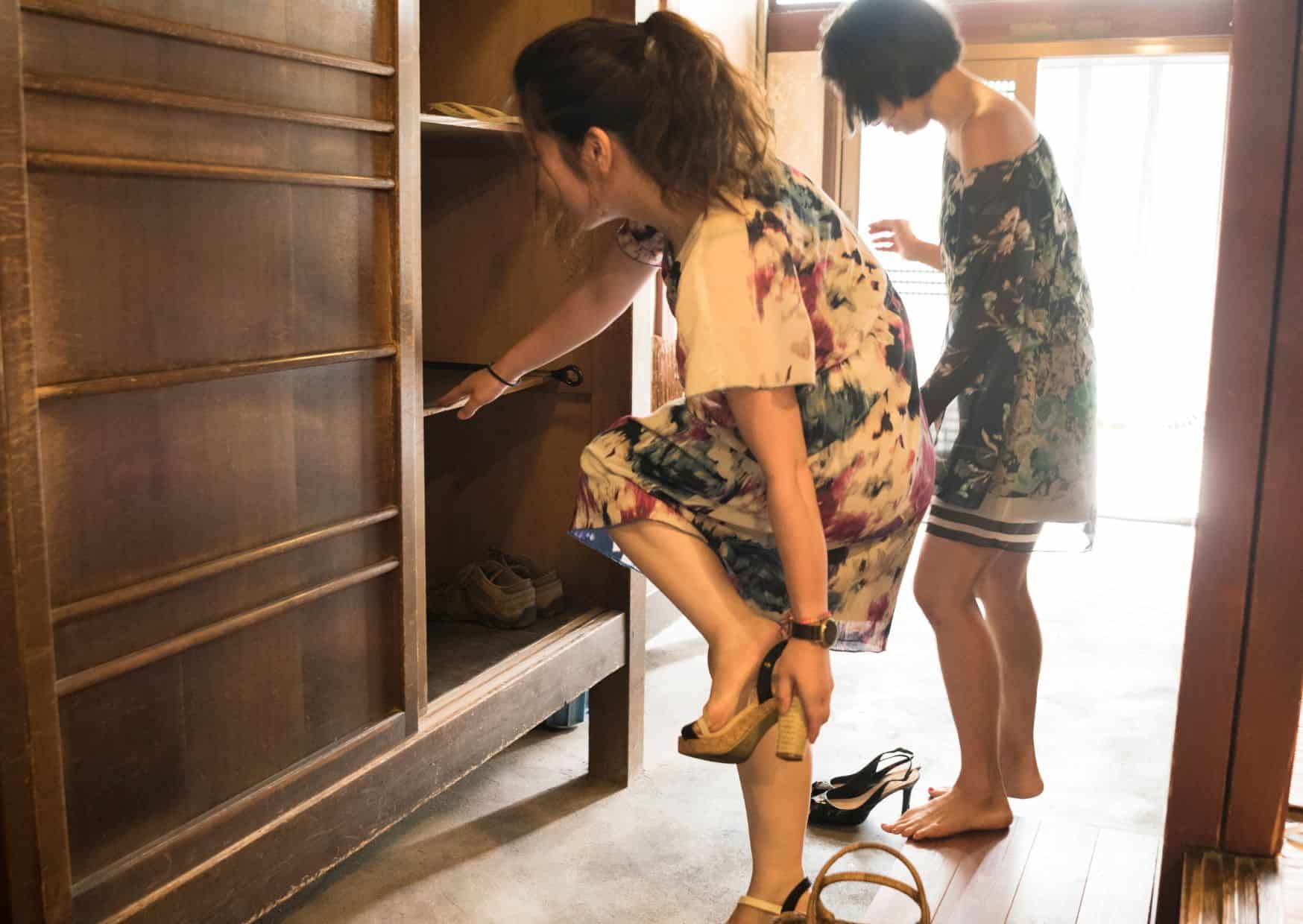
It’s customary to remove your shoes before entering someone’s home, certain shops, and temples.
What to do:
Look for a pile of shoes by the door as a cue.
Wear socks or keep your feet clean—bare feet are fine, but dirty ones are not appreciated.
4. Don’t Touch People’s Heads—Especially Children

The head is considered sacred, especially in Buddhist culture. Touching someone’s head, even affectionately, is seen as disrespectful.
What to avoid:
Patting kids on the head
Touching strangers too casually
5. Use Both Hands or the Right Hand to Give or Receive
When handing someone money, a gift, or even your passport, use both hands or your right hand with your left touching your arm to show respect.
6. Honking Isn’t Rude It’s Communication

The streets of Vietnam are filled with the sound of honking, especially in big cities like Hanoi or Ho Chi Minh City.
What it means:
A honk is usually just a warning or alert, not aggression.
Don’t take it personally it’s part of the flow of traffic, not a sign of road rage.
7. Don’t Raise Your Voice in Public
Even in heated moments, losing your temper or yelling in public is frowned upon. Calmness and “saving face” are important.
What to do:
Speak softly and maintain a polite tone, even when frustrated.
Try to solve problems with patience, not pressure.
8. Be Careful with Public Displays of Affection
Hand-holding is acceptable, but kissing, hugging, or being overly affectionate in public can draw stares or make people uncomfortable, especially in rural areas.
9. Haggling Is Normal But Be Polite About It

Bargaining is expected in markets, but should be done with a smile and mutual respect.
Tips:
Don’t haggle too hard over pennies.
If you’re not interested, a polite “no thank you” and a smile goes a long way.
10. Don’t Stick Chopsticks Upright in Rice

This mimics a Buddhist funeral ritual and is considered very bad luck.
What to do instead:
Lay your chopsticks neatly across your bowl or on a holder when not in use.
11. Keep Your Feet on the Ground
Pointing your feet at people or resting them on chairs or tables is seen as disrespectful. Feet are considered the lowest part of the body.
12. Don’t Drink Without Toasting First
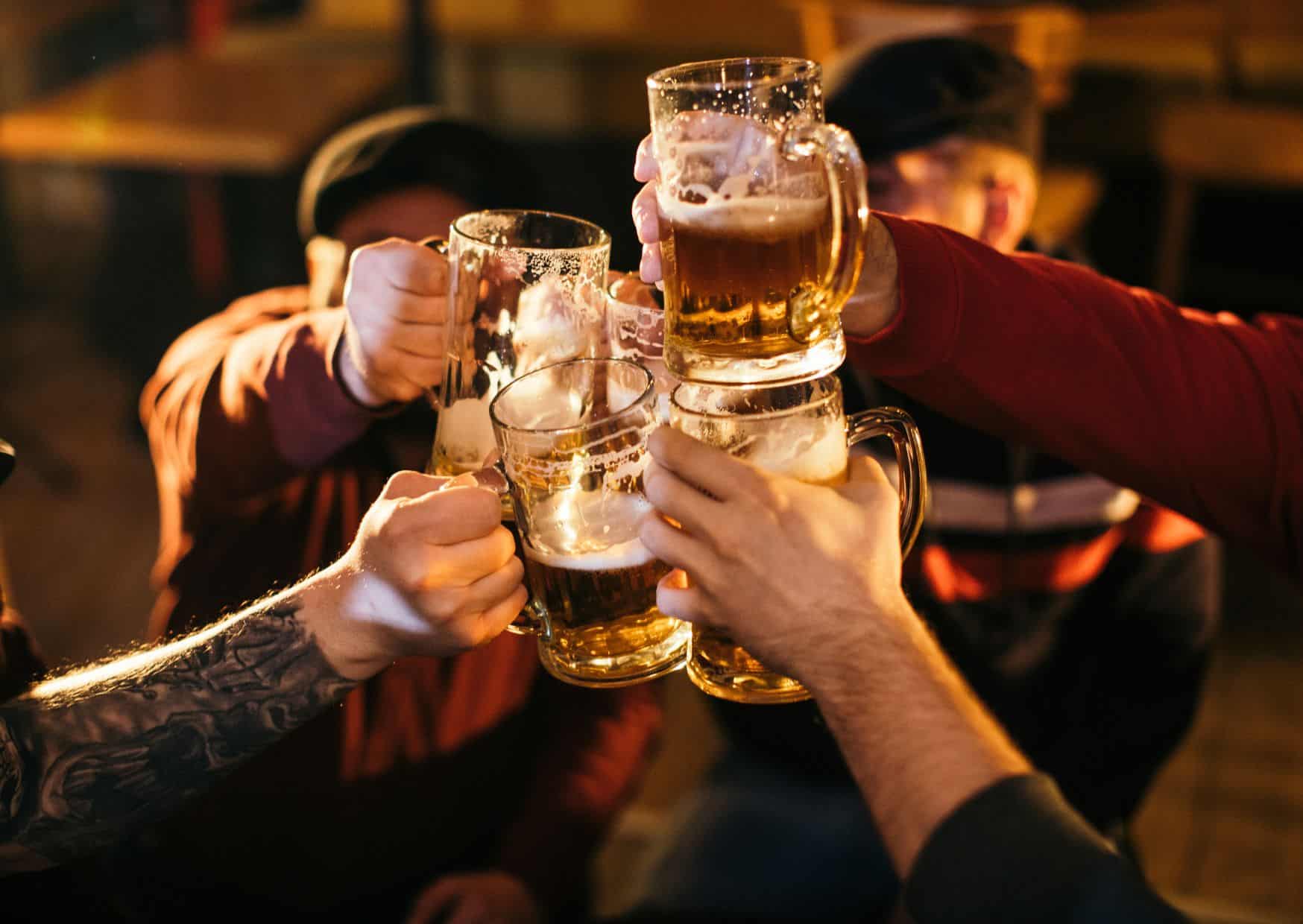
In Vietnam, drinking (especially with locals) is a social ritual. People often clink glasses and say “Một, hai, ba, dzô!” (One, two, three, cheers!) before each round.
What to do:
Make eye contact when you toast.
It’s polite to join in, even if you only sip.
13. Don’t Assume Everyone Speaks English
English is widely spoken in tourist areas, but learning a few Vietnamese phrases shows effort and respect.
Try these:
Xin chào – Hello
Cảm ơn – Thank you
Dạ / Vâng – Yes (polite)
Không – No
14. Tipping Is Appreciated But Not Mandatory

Tipping is not expected everywhere, but is welcomed in restaurants, with drivers, guides, and hotel staff.
Suggested Tips:
Restaurants: 5–10%
Tour guides: 50,000–100,000 VND
Housekeepers or bellhops: 20,000–50,000 VND
15. Don’t Touch or Point at Sacred Objects
When visiting temples or pagodas, be respectful of Buddha statues and altars.
What to do:
Don’t touch the statues.
Dress appropriately and stay quiet.
Bow slightly as a sign of respect when entering.
Why You Should Follow These Rules
You should follow basic etiquette because it makes conversations smoother. A respectful greeting, a patient tone, and a willingness to listen can completely change how people respond to you.
You should also be careful with public disagreement. Correcting someone aggressively, raising your voice, or forcing an argument can cause more embarrassment than the original problem.
Respecting temples, homes, and family spaces matters too. Removing shoes when expected, dressing appropriately, and paying attention to where you sit or place belongings can show that you understand the setting.
You should also learn the rhythm of street and market interactions. Bargaining can be normal in some places, but there is a big difference between negotiating lightly and treating every price as a battle.
Most importantly, following local norms can help you experience Vietnam more naturally. You stop fighting the culture and start noticing the logic behind it.
Why You Should Not Care So Much
You should not become anxious about making every small mistake. Vietnam receives huge numbers of international visitors, and most people understand that tourists will not know every unwritten rule.
You also do not need to copy every behavior you see. Respecting the culture does not mean suppressing your personality or pretending to understand every custom immediately.
There is no reason to interpret every awkward interaction as cultural failure. Sometimes people are simply busy, tired, or not interested in talking.
You should also remember that Vietnam is not culturally uniform. Hanoi, Ho Chi Minh City, Da Nang, Hoi An, rural areas, and different generations can all feel very different.
Most of all, do not let etiquette turn the trip into a test. Basic awareness and a willingness to adjust matter far more than perfection.
Final Thoughts
Vietnam becomes easier to understand once you stop expecting every interaction to follow familiar rules.
The country rewards travelers who observe carefully, stay patient, and avoid forcing situations into an American style of communication.
Respect does not require perfect knowledge. It means noticing the setting, listening more closely, and adapting when necessary.
At the same time, Vietnam is diverse enough that no list of unwritten rules will fit every city, family, or social group.
In the end, the best approach is simple: be curious, stay respectful, and leave room for the culture to teach you how it works.

About the Author: Ruben, co-founder of Gamintraveler.com since 2014, is a seasoned traveler from Spain who has explored over 100 countries since 2009. Known for his extensive travel adventures across South America, Europe, the US, Australia, New Zealand, Asia, and Africa, Ruben combines his passion for adventurous yet sustainable living with his love for cycling, highlighted by his remarkable 5-month bicycle journey from Spain to Norway. He currently resides in Spain, where he continues sharing his travel experiences with his partner, Rachel, and their son, Han.