
In Portuguese towns and villages there is a quiet morning procession you can see any day of the week. Older women, many in their seventies and eighties, walk from their homes to Mass, and then from the church to the market, and then home again with the day’s shopping, a circuit of perhaps two miles, done on foot, every single morning, for decades. They would not call it exercise, because it is not, it is simply how they live, how they worship and shop and see their neighbors. And yet that unremarkable daily walk is, in health terms, a substantial and consistent dose of activity that helps keep these women mobile, well, and often remarkably free of the pill bottles that line so many American medicine cabinets.
The striking thing is that none of it is intentional fitness. These women are not working out, they are living a life that happens to be built around walking, and the movement comes free, woven into errands they would do anyway. That is precisely what makes the routine so powerful and so worth understanding, because the hardest part of beneficial exercise is doing it consistently, and these women have solved that without even trying.
Here is what the two-mile morning routine actually delivers, why incidental walking like this is so good for the body, and how to think honestly about the claim that it keeps them off pills. This is general health information, not medical advice, and nobody should change or stop medication based on it.
What the Routine Actually Is

Look closely at the morning circuit and you see a surprisingly complete piece of daily activity. The walk to Mass, then on to the market, then home carrying the shopping, adds up to something like two miles of walking a day, done at an unhurried but steady pace, on ordinary streets and often on hills, which is a meaningful amount of movement for anyone and a great deal for a woman in her seventies or eighties. It is not a stroll to the corner and back, it is a real daily journey on foot.
Crucially, it is incidental, built into the necessary business of the day rather than added on as exercise. The women walk because that is how they get to church and how they do the shopping, not because they have decided to get their steps in, so the activity requires no special time, no gym, no motivation, and no decision, it simply happens as a byproduct of living. The errands produce the exercise automatically, which is the whole secret, because movement that comes free with daily life is movement that actually gets done.
It is also daily and lifelong, repeated every morning for decades, which is what turns a modest two-mile walk into a powerful health input. A single two-mile walk is pleasant and minor, but two miles every day for forty or fifty years is an enormous cumulative dose of activity, sustained with a consistency that no exercise program could hope to match, precisely because it is not a program but a way of life. The power is in the repetition, and the repetition is guaranteed by the routine.
Why Incidental Walking Beats the Gym
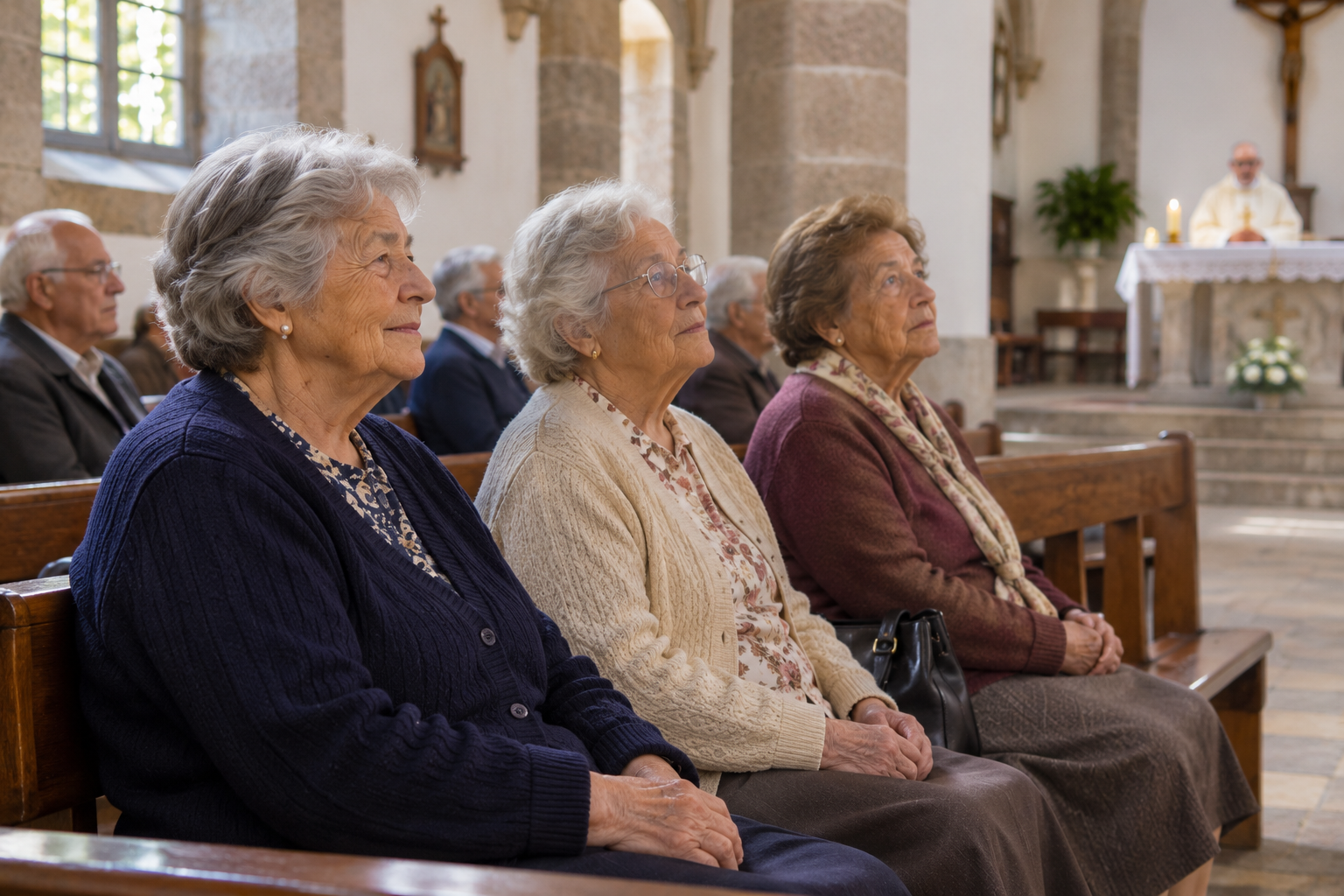
The reason this kind of routine works so well, where gym memberships so often fail, comes down to the single hardest problem in all of exercise: consistency. Most people can exercise, what they cannot do is keep exercising, week after week, year after year, through the days when they do not feel like it, and the research is clear that it is sustained activity over the long term that delivers the health benefits. The Portuguese women never face the motivation problem, because their walking is not something they choose to do but something that simply happens as they live.
This is the deep advantage of built-in movement over scheduled exercise. A gym workout is a decision that must be made and remade, a thing requiring time, willpower, and motivation, all of which fail eventually for most people, whereas walking to Mass and the market is not a decision at all, it is just the morning. The errands have to be done, the church is where it is, the market is where it is, and so the walk happens regardless of mood or motivation, which is exactly why it persists for a lifetime where deliberate exercise so often lapses.
This is the same lesson that shows up wherever you find active, long-lived older people, that the healthiest activity is usually the kind woven invisibly into daily life rather than performed as exercise. The cultures where people stay mobile and well into old age tend not to be gym cultures but walking cultures, where getting around on foot is simply normal, and the Portuguese women’s morning routine is a perfect example, a life arranged, by tradition and circumstance, so that substantial daily movement is unavoidable. The movement is the point, and the genius is in making it automatic.
The Health Behind the Walk
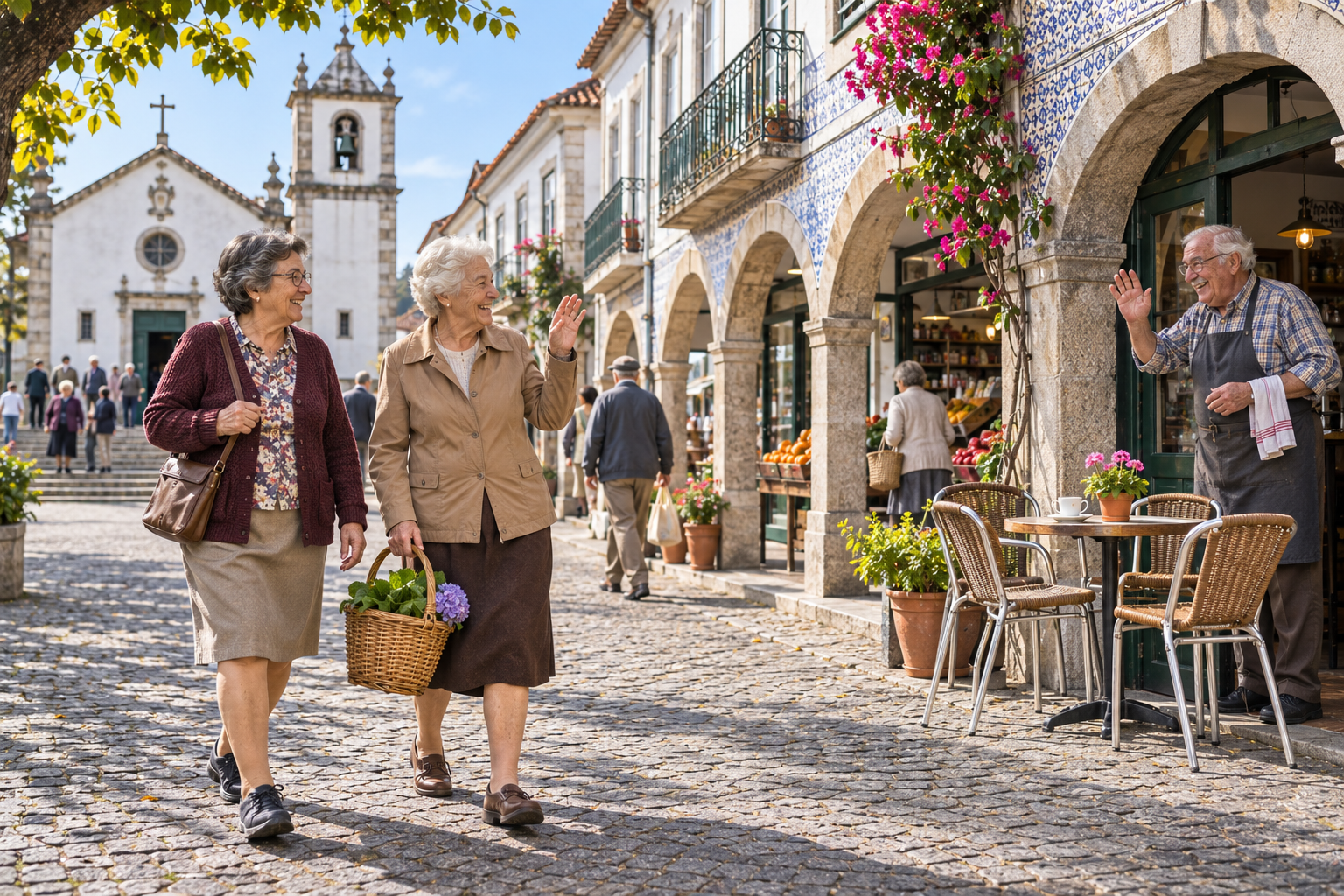
The health benefits of regular daily walking are among the best established in all of medicine, which is why this modest routine does so much. Walking most days supports cardiovascular health, helping with blood pressure and circulation and lowering the risk of heart disease, and it supports metabolic health, helping the body manage blood sugar and weight, both of which bear directly on the chronic conditions that so often lead to medication in later life. A daily two-mile walk is a steady, sustained intervention against exactly the problems that accumulate with age.
Walking also preserves mobility, strength, and balance, the physical capacities that determine whether an older person stays independent or declines, so the women who walk every morning keep the ability to keep walking, in a virtuous circle that sedentary aging breaks. The daily movement keeps joints working, muscles engaged, and balance sharp, which protects against the falls and the loss of function that so often cascade into frailty, medication, and dependence. The walk is not just good for the heart, it keeps the whole body capable.
And there are the benefits beyond the strictly physical, because the morning routine also delivers sunlight, fresh air, social contact, and structure. The women see their neighbors, exchange news at the market, participate in the life of their community, and move through their day with a reliable rhythm, all of which support mental health and wellbeing in ways that compound the physical benefits. The routine nourishes body and mind together, which is part of why the women who keep it so often seem not just physically well but content and engaged, woven into their community rather than isolated in their homes.
The Off-Pills Claim, Honestly
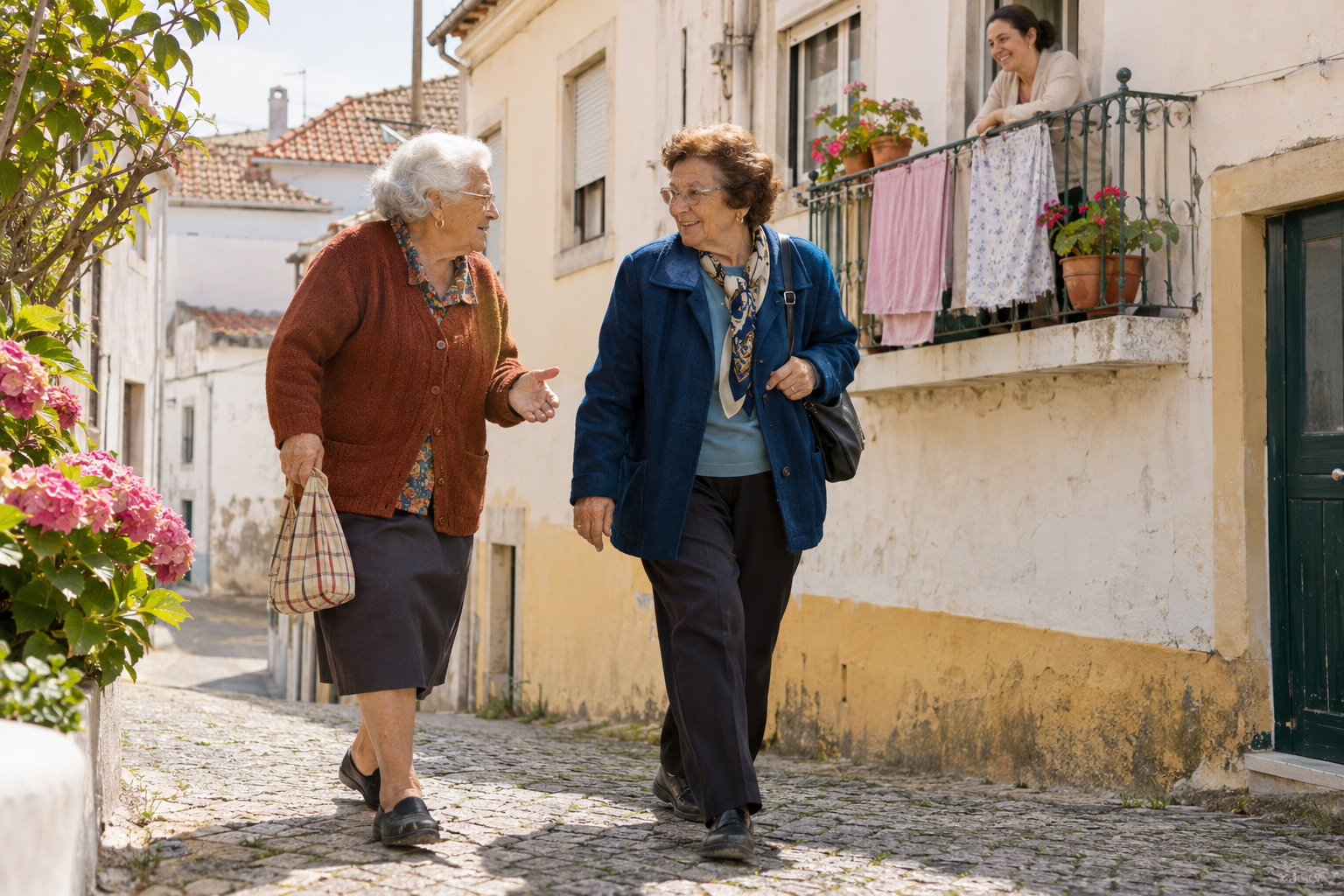
The idea that this routine keeps the women off pills needs careful and honest handling, because there is truth in it but also real potential for harm in overstating it. What is genuinely true is that regular physical activity like daily walking is associated with better management of, and lower risk of, the chronic conditions that commonly lead to medication in older age, particularly high blood pressure, type 2 diabetes, and the general decline that brings a cascade of prescriptions. A life of daily walking plausibly means some of these women need less medication than they otherwise would, and that is a real and well-supported association.
But the claim must not be read as a promise that walking replaces medication or that these women avoid all pills because they walk, because that would be both false and dangerous. Many people need medication regardless of how active they are, some conditions require treatment that no amount of walking can substitute for, and individual outcomes depend on genetics, diet, and much else besides activity. The honest statement is that daily walking supports the kind of health that can reduce the need for some medications for some people, not that it is a substitute for medical treatment or a reason anyone already on medication should feel they are doing something wrong.
Most importantly, and this cannot be overstated, nobody should stop or change prescribed medication based on this or any article, because that is a decision only a doctor can make with you, and stopping needed medication can be seriously harmful. If a person becomes more active and their health improves, any change to their medication is something for their doctor to assess and manage, never something to do on their own in the belief that walking has made the pills unnecessary. The right reading of the off-pills idea is as encouragement to build healthy daily movement into life, under the ordinary care of a doctor, not as license to abandon treatment.
The Structure That Guarantees It
Part of what makes the Portuguese routine so durable is that it is anchored by two fixed daily purposes, Mass and the market, which together guarantee the walk happens. The church provides a reason to leave the house every morning at a set time, and the market provides a second destination and a reason to keep going, so the two anchors between them produce a substantial walk as the natural path from one to the other and home. The errands are not optional extras, they are the fabric of the day, and the walking is simply how they are accomplished.
This is worth noticing because it shows how to build a routine that lasts, by anchoring the movement to purposes that are themselves non-negotiable. The women do not have to decide to walk, because they have to go to Mass and they have to do the shopping, and the walk is the unavoidable means to both, so the activity is protected by the necessity of its destinations. A habit tied to things you are going to do anyway is a habit that survives, where a habit that depends only on the desire to exercise is a habit that fades.
The daily timing matters too, because the routine happens every morning, at a consistent time, which makes it a fixed part of the day’s rhythm rather than a sometimes thing. The reliability of the schedule, the same walk at the same time to the same places every day, is what accumulates into the lifelong consistency that delivers the benefit, and it is the regularity, as much as the walking itself, that these women have gotten so right. The structure is the secret within the secret, the arrangement of daily life that makes the healthy behavior automatic and permanent.
The American Contrast and How to Borrow It

The contrast with typical American life could hardly be sharper, because American towns are built around the car, so the daily errands that produce two miles of walking in Portugal produce two miles of driving in much of the United States. The American who drives to church, drives to the store, and drives home gets none of the incidental movement the Portuguese woman gets for free, and then, if health-conscious, has to add exercise back in as a separate, effortful, easily abandoned activity. The American design strips the walking out of daily life, and then sells it back as a gym membership.
Borrowing the Portuguese model, then, is about putting the movement back into the errands, as far as your circumstances allow. Where you can, walk to the things you were going to do anyway, the shop, the cafe, the church, the friend’s house, choosing the on-foot version of daily tasks so that the activity comes built in rather than added on. The aim is to arrange your days so that some real walking is simply how you accomplish your ordinary business, which is far more sustainable than any exercise program because it does not depend on motivation.
Where walking to errands is not possible, the transferable principle is to anchor a daily walk to a fixed routine, tying it to something non-negotiable in your day so it happens automatically, the way Mass and the market anchor the Portuguese women’s. A daily walk attached to a reliable cue, after breakfast, before dinner, to a regular destination, with the same timing every day, borrows the structure that makes the routine last. And the usual caveat applies, that anyone starting or increasing activity should do so sensibly and, if they have health conditions, with their doctor’s input, building up gradually to a sustainable daily habit.
The Bottom Line
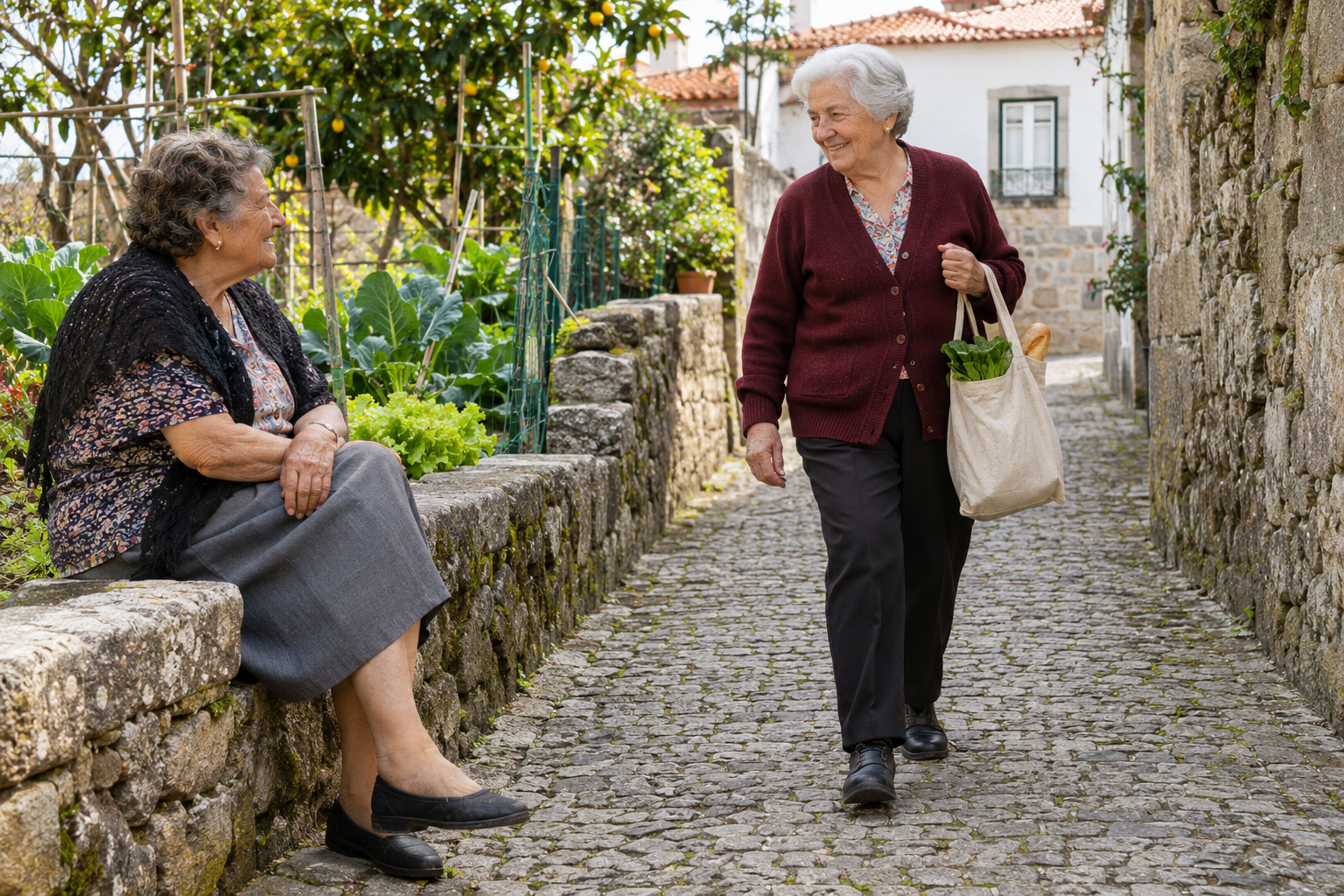
The Portuguese women walking to Mass and the market every morning are not exercising, they are living a life built around walking, and that is exactly why their routine works where deliberate exercise so often fails. Two miles a day, woven invisibly into the errands of life, repeated for decades, is a powerful and consistent dose of the single most accessible health-protective activity there is, and it comes free, without a gym, a plan, or a shred of motivation. The movement is automatic because the life is arranged to make it so.
The honest version of the off-pills idea is that this kind of daily activity supports the health that can reduce the need for some medications for some people, not that walking replaces treatment, and certainly not that anyone should stop their prescriptions, which is a matter for a doctor alone. Held in that honest frame, the routine is genuinely inspiring, a demonstration that staying well into old age can come not from heroic effort but from a life built around movement.
So the lesson to take home is not to walk two miles once, but to arrange your days so that walking is simply how you live, anchored to the things you do anyway, repeated reliably, sustained for years, and overseen by your doctor like any part of your health. The Portuguese women found that arrangement in the path from the church to the market, kept every morning of their long lives. Find your own version of that path, and keep it, and you will have borrowed the real secret, which was never the mountain of effort but the quiet, automatic, lifelong habit of moving through your days on foot.

About the Author: Ruben, co-founder of Gamintraveler.com since 2014, is a seasoned traveler from Spain who has explored over 100 countries since 2009. Known for his extensive travel adventures across South America, Europe, the US, Australia, New Zealand, Asia, and Africa, Ruben combines his passion for adventurous yet sustainable living with his love for cycling, highlighted by his remarkable 5-month bicycle journey from Spain to Norway. He currently resides in Spain, where he continues sharing his travel experiences with his partner, Rachel, and their son, Han.