
By the time the Christmas decorations come down, a particular craving sets in across the colder half of Europe and among expats enduring their first grey northern winter: the longing for sun. The holidays are over, the festive lights are packed away, the short dark days stretch ahead, and January looms as the longest, bleakest month of all. This is exactly the moment when a warm weather escape becomes irresistible, and the good news is that Europe itself has genuinely warm corners in the depths of winter, places where you can find real sun and mild air in January without leaving the continent.
This is the winter sun list, aimed squarely at the trip you book after the holidays, when the festive spending is behind you, the quiet week between the years gives you time to plan, and you want somewhere warm to break up the long haul to spring. It covers where in Europe actually stays warm through January, how warm each place really gets, what each is like in the off season, and how to think about booking a post holiday escape, so that anyone facing a grey European January knows exactly where the continent keeps its winter sun. This is general travel information, and weather is never guaranteed, so check conditions before you book.
The Warmest Corner: The Canary Islands
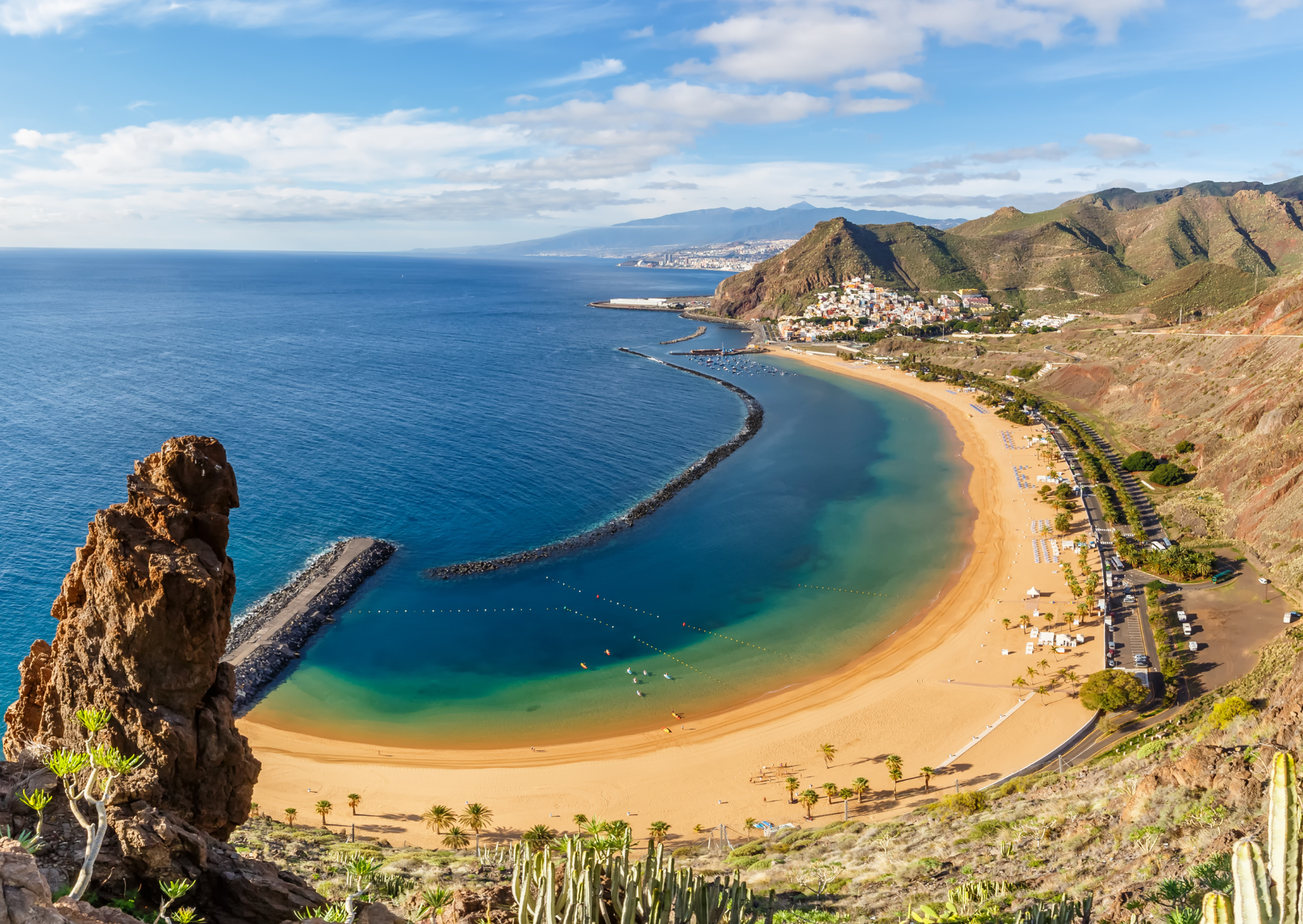
If there is one answer to where Europe stays warm in January, it is the Canary Islands, the Spanish archipelago off the northwest coast of Africa that is, reliably, the warmest part of Europe in the depths of winter. Lying far south of the European mainland, on the latitude of the Sahara, the Canaries enjoy a subtropical climate that holds up through January, with daytime temperatures typically in the low twenties Celsius, around the low seventies Fahrenheit, warm enough for comfortable days out, long walks, and even, for the hardy, the beach and the sea. This is the closest thing to guaranteed winter warmth that Europe offers.
The archipelago spreads the warmth across several distinct islands, each with its own character, so the Canaries are not one destination but a choice of several. Tenerife, the largest, offers everything from resorts to the volcanic heights of Mount Teide; Gran Canaria balances beaches, dunes, and a lively capital; Lanzarote brings a stark volcanic beauty and striking design; and Fuerteventura is all vast beaches and wind. All share the mild, sunny, subtropical January climate, so the choice is one of character rather than weather, and all deliver the warmth that mainland Europe cannot.
For a post holiday escape, the Canaries are close to ideal, reachable by a few hours’ flight from across Europe, well set up for visitors year round, and genuinely warm when everywhere north is freezing, which is why they are the continent’s premier winter sun destination and busiest in exactly these months. January here means shirt sleeve days, blue skies more often than not, and the simple restorative pleasure of sun on your face in the middle of winter. If your only goal is to be reliably warm in January without leaving Europe, the Canary Islands are the first and best answer.
Madeira, the Island of Eternal Spring

Portugal’s answer to the winter sun question is Madeira, the lush Atlantic island often called the island of eternal spring for its mild, equable climate that holds pleasantly warm through the winter. Lying out in the Atlantic southwest of the mainland, Madeira stays mild and green all year, with January daytime temperatures typically in the high teens to around twenty Celsius, the high sixties Fahrenheit, not quite as hot as the Canaries but reliably gentle, and the island’s dramatic mountains, gardens, and coastline make it a beautiful place to be warm. It is spring in the depths of winter.
Madeira’s appeal in January is less about the beach, of which it has little, being steep and rocky, and more about the mild air and the spectacular landscape, so it suits a different kind of winter escape. The island is famous for its hiking, especially along the levadas, the old irrigation channels whose paths thread through the green interior, and for its lush gardens, its capital Funchal, and its wine, so a Madeira winter break is active and scenic rather than a beach holiday. For those who want warmth with walking, nature, and beauty rather than sunbathing, it is perfect.
Madeira also has a particular January draw in the aftermath of its famous New Year celebrations, but through the whole month it offers the reliable mildness that makes it a favorite winter retreat, especially for older travellers and those who prize gentle warmth and gorgeous scenery over heat and crowds. It is warm enough to be outdoors in comfort all day, beautiful enough to fill a trip with walks and gardens and views, and far enough south to escape the grey, which makes it one of the loveliest post holiday escapes Europe offers. The island of eternal spring earns its name most of all in January.
The Mediterranean Warm Spots: Malta, Cyprus, and the Far South
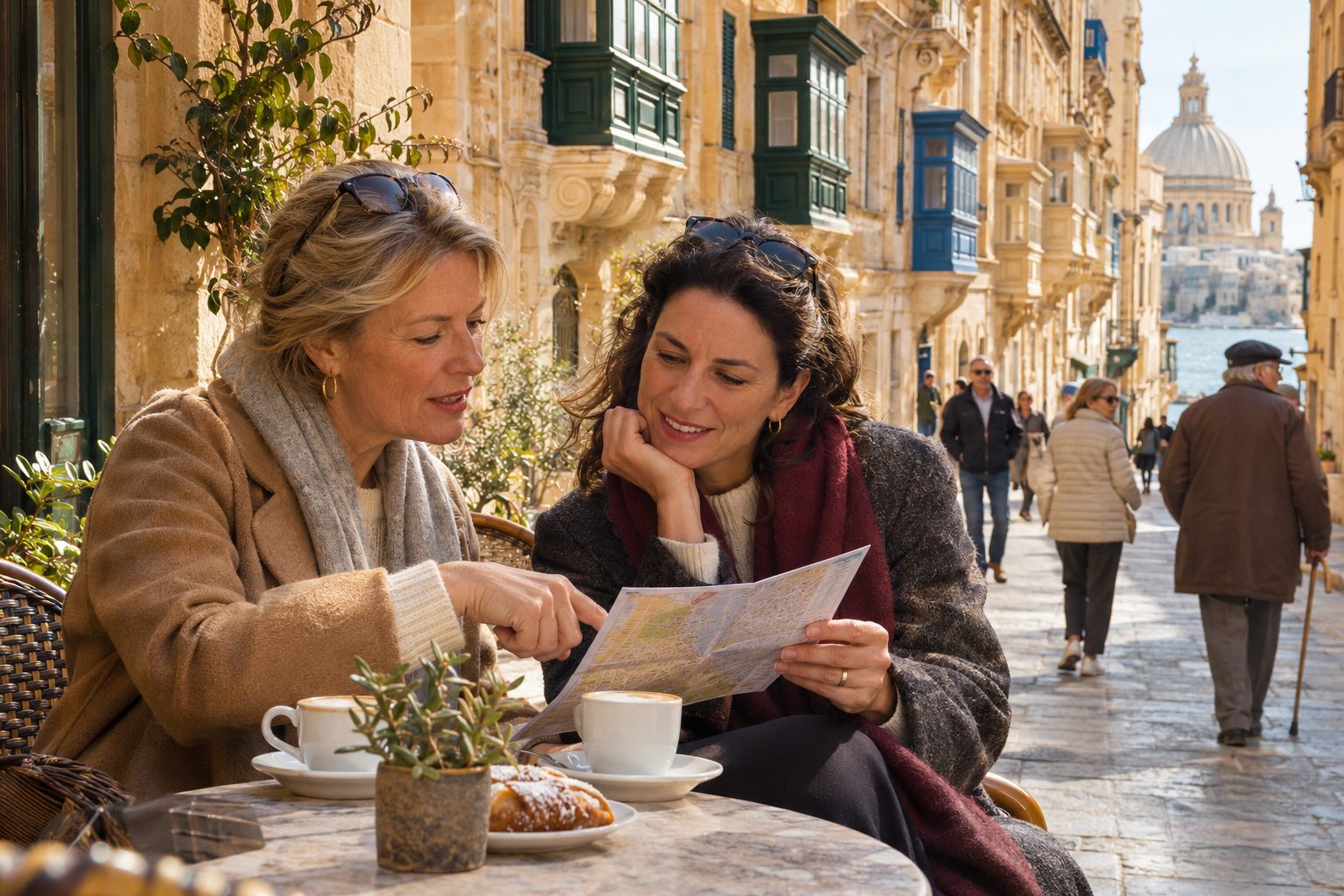
Back in the Mediterranean, a handful of places in the far south stay mild enough through January to count as genuine winter sun, led by Malta and Cyprus. Malta, the small island nation south of Sicily, enjoys a mild Mediterranean winter with January days typically around fifteen to seventeen Celsius, the high fifties to low sixties Fahrenheit, often sunny, and its compact size, rich history, and walkable towns make it a rewarding winter destination even when it is too cool for the beach. It is mild, sunny, and full of things to see, a good winter city and culture break with warmth thrown in.
Cyprus, far to the east of the Mediterranean, is one of the warmest Mediterranean options, with the Paphos area in particular staying mild and sunny in January, daytime temperatures often in the high teens Celsius, around the low sixties Fahrenheit, and a reputation as one of the sunniest winter spots in the region. Like Malta it offers history, coast, and comfortable winter days, and it reliably clears the bar for mild, bright winter weather that the rest of the Mediterranean cannot promise. For warmth with a Mediterranean flavor, Cyprus and Malta are the pick.
The far south of mainland Europe adds a few more mild options, though with more caution, since they are cooler and less reliable than the islands. Southern Spain, the Costa del Sol and Andalusia, can be pleasantly mild and sunny in January, often in the high teens Celsius by day, and the Algarve in southern Portugal, Sicily, and Crete can likewise offer gentle winter days, though all are cooler than the Canaries and subject to spells of rain and chill. These are the mild rather than warm options, good for a bright winter break with lower expectations of heat, and best chosen with a flexible attitude to the weather.
Why January Is the Time to Go
There is a strong case for making the winter sun trip specifically in January, after the holidays, and it is as much practical as meteorological. January is the bleakest stretch of the European winter, the festivities over, the days short and dark, the long haul to spring just beginning, so a warm escape does the most good precisely then, lifting the spirits when morale is lowest and breaking up the hardest part of the year. The trip is most valuable exactly when the winter is most oppressive, which is January.
Booking after the holidays also makes sense financially and logistically, because the big festive spending is behind you, the quiet week between Christmas and the new year gives you time to research and plan, and January and the shoulder of winter can offer better value than the peak festive period, with the warm destinations themselves often quieter and cheaper than in summer. Planning the escape in that reflective post holiday lull, when the grey has set in and the credit card has recovered, is both natural and practical, turning the low point of the year into the moment you arrange your relief from it.
There is a psychological rhythm to it too, the winter sun trip giving you something to look forward to through the darkest weeks and a genuine midwinter reset when you take it, so that even the planning is a tonic. For expats in particular, facing perhaps their first full northern winter, the January escape to the Canaries or Madeira can be the thing that makes the season bearable, a reminder that warmth and light still exist and are only a short flight away. Booking a post holiday winter sun trip is one of the sanest responses to a European January, and the places above are where to point it.
How to Plan the Post Holiday Escape

For anyone planning this trip, a few practical pointers help turn the craving into a good break. The first is to match the destination to what you want, because the warm corners of Europe differ in kind: the Canaries for the most reliable heat and beach, Madeira for mild air and spectacular walking, Malta and Cyprus for sunny history and culture, the southern mainland for a milder, cheaper, less certain bright break. Knowing whether you want guaranteed warmth, scenery, culture, or value points you to the right place.
The second is to be realistic about the weather, since even Europe’s warm spots are winter destinations, not summer ones, so January means pleasant warmth rather than heat, cooler evenings, the possibility of some rain, and sea that is bracing rather than inviting in most places. Packing layers, planning for mild rather than hot days, and choosing activities that do not depend on beach heat, walking, sightseeing, gardens, culture, will make the trip a success, whereas expecting a summer beach holiday in January will disappoint. The sun is real but gentle, and the right expectations make all the difference.
The third is to book thoughtfully in the post holiday window, using the quiet early weeks of January to plan, comparing the warm destinations, and taking advantage of the off season value while being aware that the best winter sun spots, especially the Canaries, are busy precisely because everyone else wants them in winter too. A little research in the reflective days after the holidays, matching place to preference and setting expectations for winter warmth rather than summer heat, turns the January escape from a vague longing into a genuinely restorative trip. The winter sun is there in Europe for those who plan the escape well, and January is exactly when to take it.
The Long Stay Option for Those Who Can
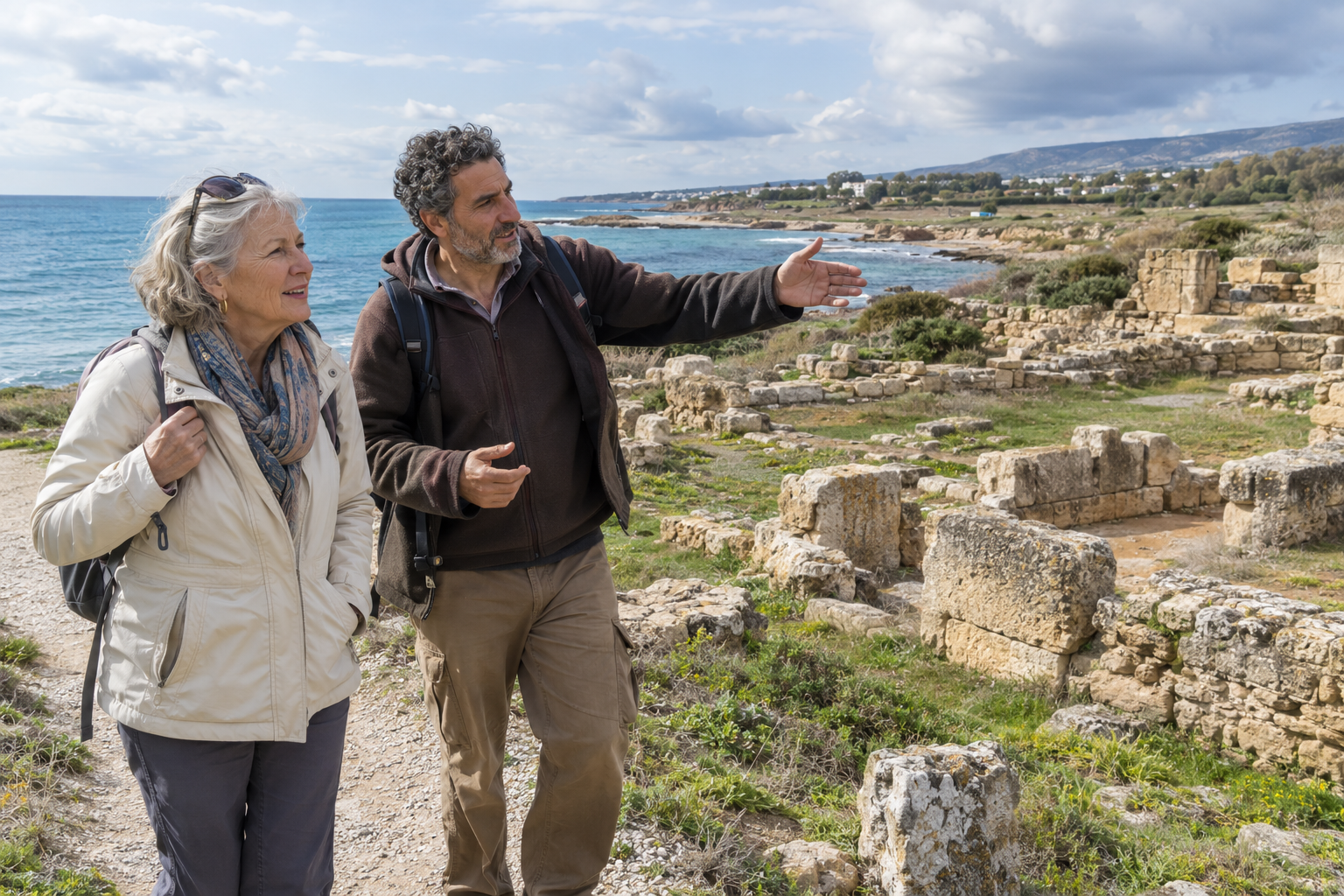
For a certain fortunate group, the retired, the remote working, the flexible, the post holiday escape can be more than a week’s break, because the same warm corners of Europe are ideal for a longer winter stay, a tradition of wintering in the sun that goes back generations. Rather than flying south for a few days, those with the freedom to do so decamp to the Canaries, Madeira, southern Spain, or the Algarve for weeks or even the whole worst stretch of winter, renting an apartment and simply living in the warmth until spring returns to the north. It is the grandest version of the winter sun trip.
This long stay approach has real advantages beyond the obvious one of more sun. Renting for a month or a season is often far cheaper per day than a short hotel stay, the slower pace lets you actually live in a place rather than rushing a holiday, and escaping the darkest, coldest, most dispiriting weeks of the northern winter wholesale can do more for body and spirit than any short break. The winter sun belt of southern Europe fills each year with northern Europeans and expats doing exactly this, and the infrastructure for it, rentals, communities, services, is well established.
For expats already in Europe, the long winter stay is especially accessible, since you are already on the continent, already navigating European life, and a season in the Canaries or the Algarve is a short hop rather than an intercontinental undertaking. Many who move to Europe discover this option with delight, realizing that a grim northern winter is not compulsory and that the warm south is theirs to retreat to, and it becomes a cherished annual rhythm, north for the warm half of the year, south for the cold.
Not everyone has the freedom to winter abroad for weeks, of course, and for most the post holiday week’s escape is the realistic and still hugely worthwhile version. But for those who can, the long stay is the winter sun list taken to its logical and blissful conclusion, and it is worth knowing that the same destinations that make a lovely January week make an even lovelier January, February, and March. The sun is there for a week or for a season, and Europe’s warm corners welcome both.
The Bottom Line
Europe does keep genuine winter sun through January, and for anyone facing the grey, bleak stretch after the holidays, the warm corners of the continent are the answer to the longing for light and heat. The warmest and most reliable is the Canary Islands, subtropical and sitting on the latitude of the Sahara, with January days in the low twenties Celsius, followed by Portugal’s Madeira, the island of eternal spring, mild and spectacularly green and ideal for walking rather than the beach.
In the Mediterranean, Malta and Cyprus stay mild and sunny enough to count as winter sun, good for history and culture with comfortable bright days, while southern Spain, the Algarve, Sicily, and Crete offer milder, cheaper, less certain bright breaks for those with flexible expectations. The islands deliver warmth; the mainland south delivers mildness; and both beat the frozen north.
January is the ideal time to go, when the winter is bleakest and a warm escape does the most good, when the festive spending is behind you and the quiet post holiday week gives time to plan, and when the warm destinations offer off season value. Match the place to what you want, be realistic about winter rather than summer warmth, and book thoughtfully in the post holiday window, and the grey European January becomes something you can fly out of, into the sun that the continent keeps, just a short flight south.

About the Author: Ruben, co-founder of Gamintraveler.com since 2014, is a seasoned traveler from Spain who has explored over 100 countries since 2009. Known for his extensive travel adventures across South America, Europe, the US, Australia, New Zealand, Asia, and Africa, Ruben combines his passion for adventurous yet sustainable living with his love for cycling, highlighted by his remarkable 5-month bicycle journey from Spain to Norway. He currently resides in Spain, where he continues sharing his travel experiences with his partner, Rachel, and their son, Han.