
Portugal is one of those countries where visitors often describe people as warm, polite, and easygoing, yet still manage to miss some of the social rules that locals notice immediately. The confusing part is that many of these expectations are not explained outright. Nobody is likely to stop you in the street and give you a lesson on how to greet properly, how loudly to speak, when to arrive, or how to behave at the table. Instead, people simply observe whether you seem aware of the rhythm around you. That can make etiquette mistakes surprisingly easy to commit.
Americans in particular can run into friction because friendliness is expressed differently. In the United States, being upbeat, casual, direct, and immediately familiar can be seen as positive. In Portugal, warmth often exists alongside more restraint, especially in first encounters. A polite greeting, a respectful tone, and a little patience can matter more than trying to create instant intimacy. What Americans may interpret as formality can simply be a different way of showing respect.
Restaurant culture is another area where visitors can misread the situation. Meals are often less rushed, service may feel more hands-off, and there is usually less pressure to turn tables quickly. A waiter may not interrupt every few minutes to ask whether everything is okay, and that does not necessarily mean the service is bad. Likewise, snapping fingers, calling across the room, or expecting highly enthusiastic service can come across as impatient or overly demanding.
Social timing can also be tricky. Portugal is often stereotyped as relaxed about schedules, but that does not mean punctuality never matters. The expectations can change depending on whether you are meeting someone socially, attending a business appointment, or arriving for a formal event. Visitors who assume “southern Europe means nobody cares about time” can end up looking careless rather than culturally informed.
The best way to understand Portuguese etiquette is not as a list of rigid rules but as a system built around consideration. Greet people, observe the environment, avoid unnecessary confrontation, and give interactions enough time to unfold naturally. Most of the things locals expect are simple, but because they are rarely announced, they can be easy for visitors to overlook.
Read here best things to know before visiting Portugal, buying a Madeira sim card, best Portugal sim card for tourist and the best Portuguese food
BOOK YOUR TRAVEL INSURANCE
Two of our favorite travel insurance: Heymondo Vs Safetwing cheapest travel Insurance. You can get for $135 USD your Heymondo Travel Insurance with Heymondo discount code valid for 90 days. Read our full comparison of Genki vs Safetywing Travel Insurance Review and the comparison Heymondo vs Genki
Quick & Easy Tips for Navigating Portuguese Etiquette
Always greet with a “Bom dia” or “Boa tarde” even in shops or cafés. It’s considered rude to skip it.
Don’t raise your voice in public quiet tones are preferred and seen as polite.
Respect mealtime hours lunch is typically around 1–2 p.m., and dinner rarely before 8 p.m.
Be modest and respectful in dress, especially in smaller towns or when visiting churches.
Don’t rush slower pace is normal, and patience is seen as a virtue.
Avoid touchy topics early on, like politics or personal finances.
The controversial truth is that some behaviors Americans consider friendly can feel excessive in Portugal. Loud voices, instant first-name familiarity, personal questions, or joking too quickly with strangers may work perfectly well in some situations, but they can also make an interaction feel more intrusive than intended. Portuguese politeness often has a slightly more reserved layer, especially at the beginning of a relationship.
At the same time, Portuguese communication can seem indirect to outsiders. Americans are often taught to say exactly what they want and resolve problems quickly. In Portugal, people may soften criticism, avoid open disagreement, or communicate disapproval through tone rather than blunt statements. That can frustrate visitors who prefer direct answers because they may not realize a polite response is actually a refusal.
There is also a tendency among tourists to confuse relaxed service with poor service. In the United States, attention is often demonstrated through constant check-ins, refills, and proactive interaction. In Portugal, leaving diners alone can be part of good hospitality. The server is not necessarily ignoring you; they may simply assume you want time to enjoy the meal without interruption.
Another uncomfortable point is that visitors sometimes expect Portugal to adapt to them because tourism is so important to the country. English is widely spoken in many tourist areas, and hospitality workers deal with foreigners constantly. That can create the impression that local etiquette no longer matters. In reality, making even a small effort with greetings, basic Portuguese phrases, or local manners can completely change how an interaction feels.
Portugal should not be romanticized as universally polite either. People can be impatient, rude, dismissive, or unfriendly just as they can anywhere else. Cultural etiquette explains patterns, not every individual encounter. The goal is to understand the norms without pretending an entire country behaves according to one personality.
1. Always Greet (Politely and Properly)

What locals expect:
Whether you walk into a shop, restaurant, elevator, or waiting room greet everyone present.
Use “Bom dia” (Good morning), “Boa tarde” (Good afternoon), or “Boa noite” (Good evening).
A nod, a smile, or a soft “olá” is better than silence.
Why it matters:
Portuguese culture values respectful acknowledgment, even among strangers. Skipping greetings can come off as rude or cold.
Bonus tip: Don’t just greet the staff greet other customers in small spaces like bakeries or clinics.
2. Use Formal Speech (Until Invited Otherwise)
What locals expect:
Until someone invites you to be informal, use titles and formal language especially with elders, professionals, and new acquaintances.
Say Senhor/Senhora (Mr./Mrs.) followed by last name or title.
Use “você” cautiously it’s often seen as overly familiar. Instead, use “o senhor/a senhora” in formal speech.
Why it matters:
Politeness and hierarchy are important in Portuguese society. Formality is a sign of respect, not distance.
Bonus tip: In business or academic settings, it’s common to refer to someone by their profession (e.g., “Engenheiro,” “Professor,” “Doutor”).
3. Dining Is Sacred Don’t Rush or Skip Rituals
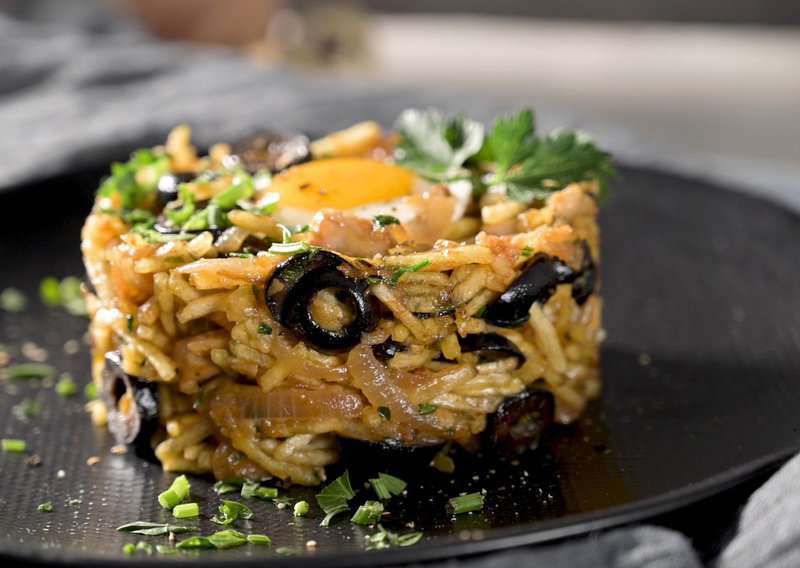
Meals are more than nourishment they’re social events. Even simple lunches have structure and etiquette.
Don’t begin eating until everyone is served and the host invites you to start.
Keep your hands above the table, not in your lap.
Use utensils correctly cutlery in both hands, even for salad.
Why it matters:
Table manners are taken seriously. Meal time reflects respect, hospitality, and connection.
Bonus tip: Don’t ask for separate checks at a sit-down meal splitting the bill casually at the end is the norm.
4. Keep Your Voice Down in Public
What locals expect:
Portuguese people are generally soft-spoken. Public spaces restaurants, buses, metros are quiet by design.
Conversations are calm and moderate in tone.
Phone calls in public are kept brief and discreet.
Why it matters:
Being overly loud in public is seen as attention-seeking or disrespectful.
Bonus tip: Even in lively social settings, volume is controlled. If you’re the loudest person in the room you’re too loud.
5. Don’t Refuse the Receipt (Or the Couvert) Without Understanding Why
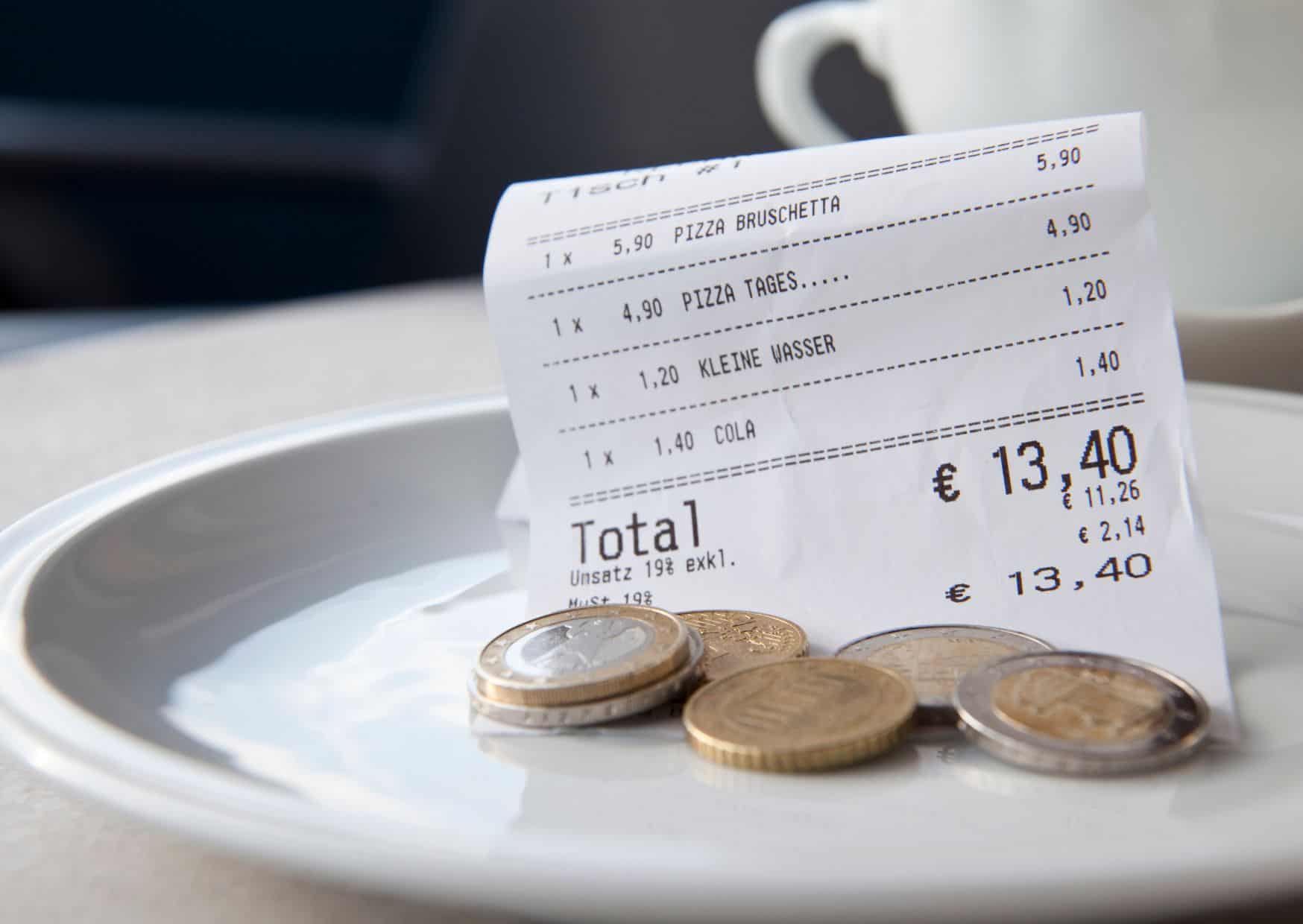
What locals expect:
At restaurants or shops, you’ll always be offered a receipt (fatura). In eateries, small snacks like olives and bread (couvert) may appear.
Receipts are mandatory by law, even for coffee.
Cover charges are normal and priced separately even if not ordered.
Why it matters:
Refusing a receipt or questioning small charges without understanding can make you seem accusatory or rude.
Bonus tip: If you don’t want the couvert, politely say, “Não, obrigado/obrigada.”
6. Dress With Intention

What locals expect:
Even casual outfits in Portugal are put-together, clean, and well-fitting. Locals dress neatly even to grab groceries.
Beachwear is for the beach only, not the city.
Flip-flops are rarely worn in cities (except by tourists).
Gym wear is for the gym not restaurants, shopping, or transit.
Why it matters:
Appearance signals respect for yourself and others. Looking overly casual may be read as lazy or inconsiderate.
Bonus tip: When visiting churches, modesty is key cover shoulders and knees, even in hot weather.
7. Subtlety and Modesty Are Valued

What locals expect:
Portugal is a country of understatement and humility. Loud bragging, aggressive self-promotion, or excessive displays of wealth are frowned upon.
Don’t oversell yourself or dominate conversations.
Avoid complaining too openly or comparing Portugal to your home country (especially unfavorably).
Why it matters:
Modesty is a virtue here. People are more impressed by quiet competence than bold declarations.
Bonus tip: Praise Portugal genuinely, especially food and culture but avoid political or historical debates unless invited.
8. Don’t Assume Everyone Speaks English (Even If They Do)
What locals expect:
Many Portuguese people speak English well but starting with English is still a bit presumptuous.
A simple “Olá” and “Fala inglês?” (Do you speak English?) goes a long way.
Learn a few basic phrases it’s seen as respectful and appreciated.
Why it matters:
Portuguese pride is tied to language. Assuming English dominance can come off as arrogant.
Bonus tip: In smaller towns, English is less common. A little effort in Portuguese gets you big kindness in return.
9. Respect Local Rhythms (And Days of Rest)

What locals expect:
Life in Portugal follows a slower, balanced rhythm. Sundays are quiet. Lunchtimes are sacred. Bureaucracy has its own pace.
Don’t expect 24/7 service or instant replies.
Many businesses close for lunch, Sundays, or holidays this is normal.
Respect workers’ time, even in tourist areas.
Why it matters:
Portuguese culture values balance and boundaries. Pushing against them isn’t efficient it’s offensive.
Bonus tip: Try adapting to the local rhythm instead of fighting it. You’ll enjoy your stay more.
10. Let Locals Walk the Right Way
What locals expect:
Sidewalk and escalator etiquette is real in Portugal.
On escalators: stand on the right, walk on the left.
Don’t block narrow sidewalks especially in busy areas.
Always give way to elderly people and parents with kids.
Why it matters:
These small gestures show awareness of others, which is central to Portuguese etiquette.
Bonus tip: If someone is walking behind you on a narrow path, step aside and let them pass. It’s common courtesy.
Why You Should Care and Follow
Following Portuguese etiquette can make everyday interactions noticeably smoother. A simple “bom dia” before asking a question, waiting patiently rather than interrupting, or speaking at the volume of the room can immediately make you seem more considerate. These are small changes, but they signal that you are paying attention rather than expecting everyone else to adapt to you.
It also helps with restaurants, cafés, shops, and hotels. When you understand that service may be less performative, you are less likely to become frustrated by the pace. You learn when to get the server’s attention, when to wait, and when a slower interaction is normal rather than a problem.
Good etiquette is especially valuable if you are spending more than a few days in Portugal. Expats and long-term visitors benefit far more from social awareness than tourists passing through quickly. Neighbors, shop owners, coworkers, and acquaintances tend to remember whether you are respectful, patient, and easy to deal with.
Following local customs can also help you avoid being misread. Americans often have good intentions but can come across as too loud, too rushed, or too informal simply because those habits feel normal at home. Adjusting slightly can prevent people from interpreting confidence as arrogance or friendliness as intrusion.
Most importantly, etiquette gives you a better window into Portuguese culture. It helps you see why conversations unfold the way they do, why meals are paced differently, and why some interactions feel more formal at first. Once you stop expecting Portugal to behave like the United States, a lot of the culture becomes much easier to appreciate.
Why You Should Not Care and Follow Too Much
At the same time, you do not need to become obsessed with performing Portuguese etiquette perfectly. Visitors sometimes read cultural guides and become terrified of making any mistake at all. That usually creates more awkwardness than the original mistake would have.
You should also remember that context matters. Lisbon is not Porto, Porto is not the Algarve, and a family dinner is not the same as a business meeting. Younger people may be much more casual than older generations, and international workplaces may follow very different norms from traditional social environments.
There is also no reason to erase your own personality. If you are naturally enthusiastic, talkative, or direct, you do not have to become quiet and formal just to fit in. The point is to notice when your usual style might overwhelm the situation and adjust enough to remain respectful.
Cultural etiquette should not become an excuse for tolerating bad treatment either. If someone is genuinely rude, dismissive, or disrespectful, you are not required to accept it as “just Portuguese culture.” Understanding cultural differences should increase empathy, not remove your boundaries.
The healthiest approach is to learn the broad patterns and then pay attention to the people in front of you. Real interaction is always more important than a list of rules. If you observe, adapt, and stay respectful, you will usually be fine.
Final Thoughts
Portuguese etiquette is not particularly complicated, but it is often subtle. That is what makes it easy to miss. The biggest mistakes rarely come from dramatic behavior; they come from small assumptions about how quickly to speak, how familiar to become, or how service should work.
The most useful habit is simple observation. Watch how locals greet one another, how loudly they speak, how they order, and how much space they give each other. You can learn a surprising amount without anyone needing to explain the rules to you.
It is also worth remembering that respect travels well. You do not need perfect Portuguese or deep cultural knowledge to make a good impression. Basic courtesy, patience, and a willingness to adjust are usually enough.
The real mistake is not breaking a rule you did not know existed. It is refusing to notice that the rules are different at all. Travel becomes far easier when you stop assuming your normal way of doing things is universal.
Portugal rewards people who pay attention to those small differences. Once you understand the social rhythm, interactions feel less confusing, meals feel more relaxed, and everyday life becomes easier to navigate. What initially looks like a list of hidden rules starts to feel more like a simple principle: be considerate, observe first, and do not rush the experience.

About the Author: Ruben, co-founder of Gamintraveler.com since 2014, is a seasoned traveler from Spain who has explored over 100 countries since 2009. Known for his extensive travel adventures across South America, Europe, the US, Australia, New Zealand, Asia, and Africa, Ruben combines his passion for adventurous yet sustainable living with his love for cycling, highlighted by his remarkable 5-month bicycle journey from Spain to Norway. He currently resides in Spain, where he continues sharing his travel experiences with his partner, Rachel, and their son, Han.