
Traveling through Europe has a way of exposing habits you never realized were habits. Before spending enough time moving between countries, cities, train stations, airports, hotels, cafés, and neighborhoods, it is easy to assume that your normal way of traveling is simply the way travel works. Then Europe forces you to adjust. You walk more. You rely on trains. You learn that dinner may start later, shops may close earlier, reservations matter in some places, and carrying too much luggage becomes miserable very quickly. Little by little, your travel style changes.
Some of those changes are practical. You stop overpacking because dragging a giant suitcase over cobblestones is punishment enough to cure you. You stop assuming every city needs a rental car because public transportation may be faster, cheaper, and less stressful. You stop building itineraries that require crossing an entire city three times in one day because European cities reward slower movement and neighborhood-based planning. What once felt efficient can start to look exhausting.
Other changes are more psychological. Europe can make you realize how much pressure travelers put on themselves to maximize every hour. There is a temptation to treat a trip like a checklist: five landmarks, three museums, two restaurants, one viewpoint, all before dinner. But after enough rushed days, you begin to understand that some of the best travel memories come from the time you did not schedule. A long lunch, an unexpected neighborhood, a conversation in a café, or a train ride through the countryside can matter more than another famous attraction.
It also changes how you think about comfort. At first, unfamiliar habits can feel inconvenient. Smaller hotel rooms, different restaurant service, limited air-conditioning, fewer late-night shopping options, or slower meals may seem frustrating. Over time, you start asking whether every inconvenience actually needs to be fixed. Some things are simply different, and adapting can make travel easier than constantly trying to recreate home abroad.
That is why the biggest lessons from traveling through Europe are often not about individual destinations. They are about the habits you stop carrying with you. After enough trips, there are certain things you simply do not want to do anymore because you have learned, sometimes the hard way, that they make travel more expensive, more stressful, or less enjoyable.
Read here how to pack for Europe and Best eSIM for Europe
Quick Tips for Better Travel
Choose fewer destinations, stay longer. Depth builds connections; speed just builds exhaustion.
Pack ethically light. If it’s not essential, leave it at home.
Buy travel insurance. It’s cheap protection for big surprises.
Carry a power bank. Never risk a dead phone when you’re navigating abroad.
Adapt to local schedules. Let local rhythms guide your days and avoid unnecessary hassle.
Talk to locals. Skip the guidebook let real residents show you around.
Schedule slow days. Sundays, siesta hours embrace the pause.
Walk, don’t run. Comfortable shoes and open eyes will show you more than any tour bus.
Limit photo ops. Connect with the moment, not just your camera.
Pack mindfulness, not panic. Take what you need and some breathing room.
The controversial part is that many travelers are not actually bad at travel; they are simply repeating habits that work at home. Americans in particular often travel with assumptions built around distance, convenience, speed, and service. Renting a car feels natural. Large luggage feels manageable. Fast meals feel efficient. Packing every day with activities feels like getting your money’s worth. Europe often challenges all of those ideas at once.
One of the biggest mindset shifts is realizing that more does not always mean better. Travelers sometimes brag about visiting six countries in ten days or seeing four cities in a week, but the result can be a trip spent mostly in airports, stations, taxis, and hotel check-ins. Europe’s compact geography makes this kind of itinerary tempting because everything looks close on a map. In reality, constant movement can destroy the experience you were trying to maximize.
There is also a tendency to romanticize European travel after learning these lessons. It is easy to swing too far and act as though every European habit is automatically smarter. That is not true either. Sometimes renting a car is absolutely the right choice. Sometimes a fast itinerary is necessary. Sometimes convenience is worth paying for. The lesson is not to reject every American travel habit but to stop following them automatically.
Another uncomfortable realization is that tourists often create their own frustration by resisting the place they are visiting. They expect dinner at the same time, stores to stay open late, service to work the same way, and transportation to match what they know. When those expectations are not met, they blame the destination. But travel becomes much easier once you accept that adaptation is part of the experience rather than a problem to solve.
The deeper point is that good travel is less about knowing secret hacks and more about becoming flexible. The travelers who enjoy Europe most are not necessarily the ones with the biggest budgets or the longest itineraries. They are often the ones who can adjust quickly, observe how things work locally, and let go of the idea that their usual habits must travel with them.
1. Rushing Through Too Many Cities
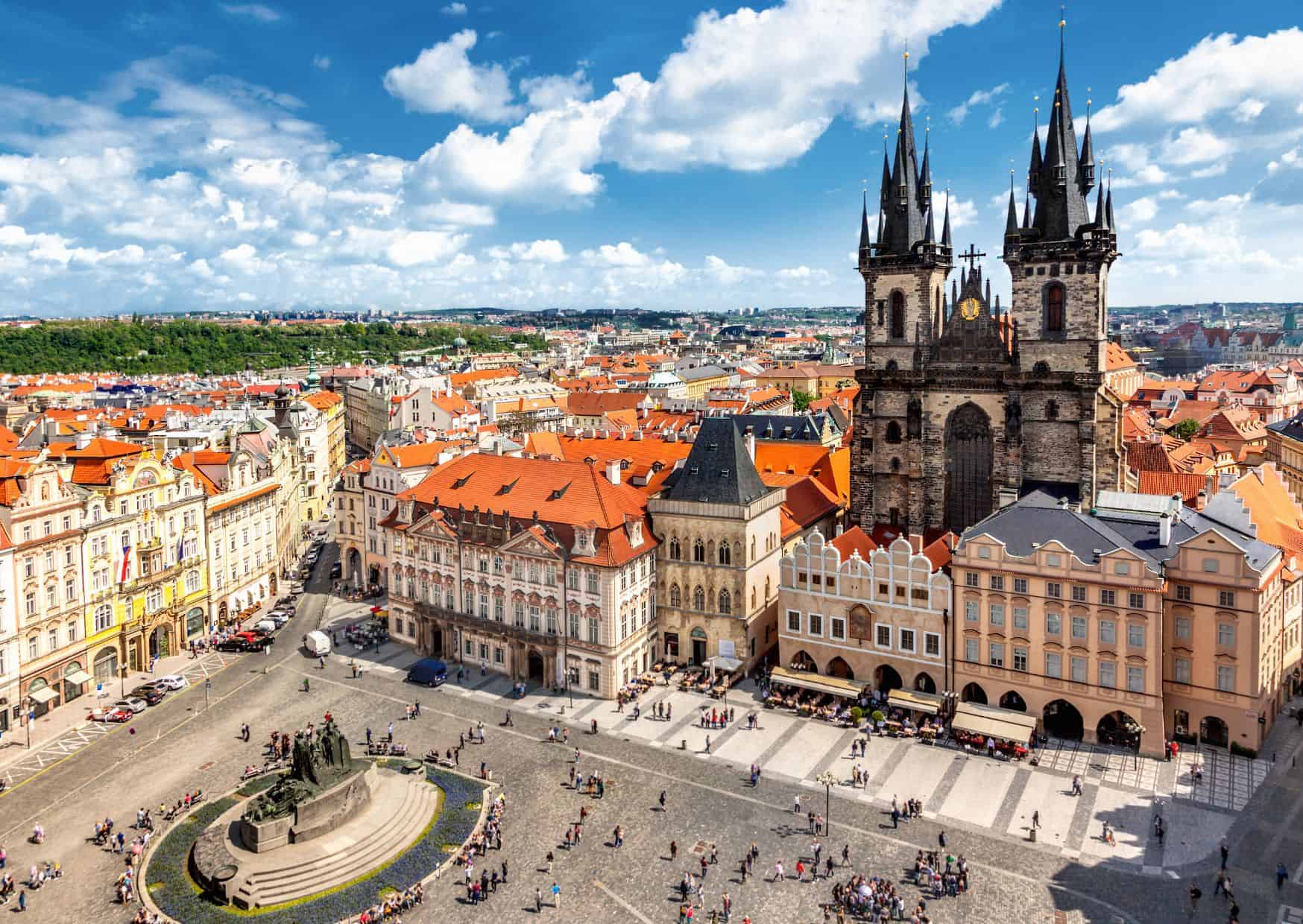
A tight itinerary might look impressive on paper, but it often means you barely scratch the surface. Instead of six major cities in two weeks, slow down. Choose one or two and truly soak them in. As one backpacker reflected, pushing through multiple capitals left her drained and longing for slower-paced trips.
2. Overly Packed Itineraries

There’s a big difference between planning and overplanning. One traveler admitted to moving too quickly around Kraków and wasted visits due to packed schedules.
Build flexibility into your days for wandering, café stops, or just sitting by the river and people-watching.
3. Overpacking Everything

I’ve lugged my entire closet across Europe when all I needed was a carry-on. Lean packing works wonders not just for avoiding baggage fees but for easing logistics. A wise tip from past travelers: ditch the extras; you’ll only wear your favorite trio of outfits.
4. Chasing Only “Must-See” Tourist Hotspots
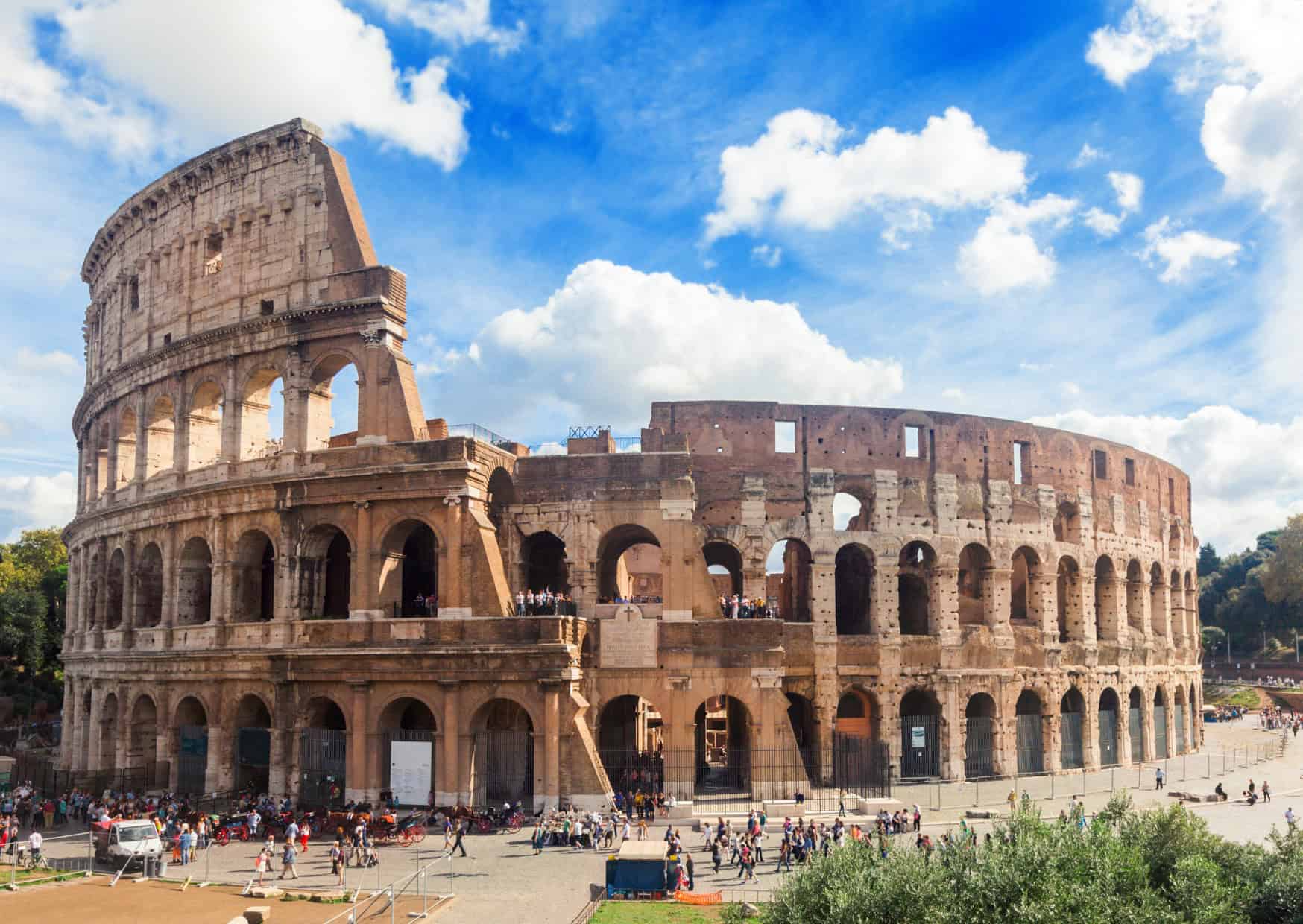
Just snapping photos at every landmark gets old fast. Instead, mix in small towns, local markets, and museums unknown to guidebooks. You’ll walk away with genuine stories and souvenirs that matter to you, not your Instagram feed.
5. Traveling With Clogged Phone Battery
Life on the go often means your phone is your map, planner, and go-to translator. Sleepovers at hostels, all-day tours they all drain your battery. A simple power bank is the difference between phone-dead panic and smooth travel.
6. Skipping Travel Insurance
Skipping travel insurance to save money is a false economy. From missed flights to medical emergencies, plenty of unexpected costs can arise. One traveler emphasized it’s non-negotiable.
Two of our favorite travel insurance: Heymondo Vs Safetwing cheapest travel Insurance. You can get for $135 USD your Heymondo Travel Insurance with Heymondo discount code valid for 90 days. Read our full comparison of Genki vs Safetywing Travel Insurance Review and the comparison Heymondo vs Genki
7. Ignoring Local Daily Routines

In much of Europe, life doesn’t stop after 5 p.m. Think siestas, later dinners, and shops opening later. I learned the hard way that buying groceries at 8 p.m. often means empty stores. Adapting to local time rhythms will save panicked trips and frustrations.
8. Forgetting to Ask and Listen
Locals offer the best insights not Lonely Planet or Reddit. I once missed Bevagna, Italy’s hidden gem, until my hosts insisted. It turned out to be my favorite discovery.
9. Living in an Over-Sanitized Bubble

It’s convenient to stay in chain hotels and follow US norms, but that satisfies neither the heart nor the soul. I’ll never again skip local stays whether it’s a farm stay in Tuscany or a B&B in Galicia. Embracing local style, odd plugs and all, adds layers to your story.
10. Skipping the “Setting Aside One Day”

My final regret: filling every day with activities. Europeans set aside slow afternoons no museums, no tours just café time, market strolls, or siesta. Those are the moments that stay with you. Future trips will always include that open day.
Why You Should Care and Follow
You should care about these lessons because they can save you money almost immediately. Overpacking can lead to baggage fees, taxis, and unnecessary stress. Renting a car where you do not need one adds parking fees, fuel costs, tolls, and the possibility of fines. Booking attractions at the wrong time or ignoring local transport systems can turn a reasonably priced trip into an expensive one very quickly.
Following a more flexible travel style can also make your days physically easier. European cities often involve more walking than Americans expect, especially in historic centers where cars are restricted or impractical. Packing lighter, wearing better shoes, and planning fewer major activities per day can make the difference between enjoying a city and feeling completely exhausted by early afternoon.
It also improves your relationship with time. When you stop trying to squeeze maximum productivity from every hour, you notice more. You sit down for coffee instead of drinking it while walking. You spend longer in one neighborhood instead of rushing across town for another attraction. You allow room for delays, weather, spontaneous plans, and the simple fact that travel rarely unfolds exactly as expected.
There is also a cultural benefit. Following local rhythms makes it easier to understand why people live the way they do. You begin to notice when shops close, when restaurants fill up, when neighborhoods become lively, and how locals move through their own cities. Travel becomes less about collecting sights and more about understanding the environment around you.
Most importantly, these habits make travel more sustainable for you personally. A trip should not leave you needing another vacation to recover from it. When you learn to carry less, move less aggressively, plan more intelligently, and stop treating every day like a race, you can travel longer and enjoy it more.
Why You Should Not Care and Follow Too Much
At the same time, you should not turn these lessons into rigid rules. What works beautifully on one European trip may be completely wrong for another. A train-heavy itinerary makes sense in Switzerland or France, while a car may be essential in rural areas of Greece, Spain, Italy, or Portugal. Travel advice becomes useless when it ignores context.
You should also avoid feeling guilty for liking convenience. There is nothing wrong with taking a taxi when you are exhausted, paying extra for a direct flight, staying in a centrally located hotel, or choosing a restaurant because it is easy. Not every decision needs to be optimized for authenticity or budget. Sometimes comfort is exactly what makes a trip enjoyable.
It is equally important not to perform “European travel” for the sake of appearing sophisticated. You do not need to travel with one tiny backpack, drink espresso standing at a bar, or reject every popular attraction to prove you understand Europe. Some tourist experiences are popular because they are genuinely worth seeing.
You also should not force yourself into a slower travel style if you enjoy moving quickly. Some travelers love long stays and neighborhood wandering; others genuinely enjoy covering more ground. The goal is not to adopt one correct method but to recognize which habits make you happier and which ones consistently create stress.
The best approach is to take the lessons that improve your travel and ignore the ones that do not. Adaptation should make a trip feel freer, not more restrictive. If a new habit saves money, time, or energy, keep it. If it only makes you feel like you are following someone else’s rulebook, let it go.
Final Thoughts
The most valuable thing Europe can teach you about travel is that many of your habits are optional. You do not have to bring everything. You do not have to see everything. You do not have to move constantly, schedule every hour, or recreate the routines you use at home.
Some lessons only become obvious after they go wrong once. You pack too much and regret it on the first staircase. You rent a car and spend half the trip worrying about parking. You overplan a day and realize by lunchtime that you are no longer enjoying it. Those mistakes are frustrating in the moment, but they often become the habits you never repeat.
Over time, travel becomes less about doing more and more about doing what actually works. You start choosing convenience more intentionally, leaving space in your schedule, packing only what you need, and accepting that some of the best moments will not appear on the itinerary.
Europe does not automatically make someone a better traveler, but it gives you plenty of chances to notice what is not working. Different transportation systems, older cities, smaller spaces, slower meals, and unfamiliar social rhythms force you to reconsider choices you previously made without thinking.
And that may be the biggest change of all. After enough time traveling through Europe, you stop asking how much you can fit into a trip and start asking what will make the trip genuinely good. Once that question changes, the way you travel rarely goes back to what it was before.

About the Author: Ruben, co-founder of Gamintraveler.com since 2014, is a seasoned traveler from Spain who has explored over 100 countries since 2009. Known for his extensive travel adventures across South America, Europe, the US, Australia, New Zealand, Asia, and Africa, Ruben combines his passion for adventurous yet sustainable living with his love for cycling, highlighted by his remarkable 5-month bicycle journey from Spain to Norway. He currently resides in Spain, where he continues sharing his travel experiences with his partner, Rachel, and their son, Han.