
Vietnam can feel wonderfully welcoming, energetic, and easygoing, but social behavior is often more structured than first-time visitors realize. The biggest mistakes usually do not come from breaking obvious laws. They come from missing small signals around respect, hierarchy, politeness, body language, and how people behave in homes, restaurants, temples, and everyday conversations. These details can seem minor, but they shape how interactions feel.
One of the most important differences is that directness does not always work the same way it does in the United States. Americans may value speaking plainly, correcting a problem immediately, or saying exactly what they think. In Vietnam, preserving harmony and avoiding public embarrassment can matter more in many situations. That means the most effective response is not always the loudest or most direct one.
Age and status can also influence communication more than many Western travelers expect. The way people address older relatives, teachers, employers, or respected guests can reflect a strong awareness of hierarchy. Foreign visitors are not expected to understand every nuance, but showing patience and basic respect can make a noticeable difference.
Body language matters too. Gestures involving the head, feet, pointing, touching, or handing something to another person can carry more meaning than tourists realize. What feels casual at home may appear overly familiar or disrespectful in a different cultural setting.
The useful lesson is not to memorize dozens of rules and become nervous about every interaction. It is to recognize that Vietnam has its own social rhythm. Observing how people around you behave, speaking respectfully, and being willing to adjust will usually take you much further than trying to act as though the culture works exactly like home.
Read here the best things to know before visiting Vietnam, how to get from Hanoi airport to Old Quarter and Ho Chi Minh airport to city center.
BOOK YOUR TRAVEL INSURANCE
Two of our favorite travel insurance: Heymondo Vs Safetwing cheapest travel Insurance. You can get for $135 USD your Heymondo Travel Insurance with Heymondo discount code valid for 90 days. Read our full comparison of Genki vs Safetywing Travel Insurance Review and the comparison Heymondo vs Genki
Quick Tips for Navigating Social Etiquette in Vietnam
Use Two Hands When Giving or Receiving: Especially when handing over money, gifts, or a business card—it’s a sign of respect.
Don’t Touch Anyone’s Head: The head is considered sacred in Vietnamese culture, even for children.
Avoid Public Displays of Affection: Holding hands is okay, but kissing or hugging in public is often frowned upon.
Keep Your Feet Off Furniture: Pointing your feet at someone or resting them on chairs/tables is seen as disrespectful.
Smile and Stay Calm: Confrontation is avoided in Vietnamese culture politeness and calmness go a long way, even in disagreements.
One controversial truth is that Western ideas about openness and honesty are not universally considered the most polite way to communicate. In some situations, blunt criticism can create unnecessary embarrassment or make a problem harder to solve. A softer approach may feel indirect to an American but more respectful within the local context.
Another uncomfortable point is that tourists sometimes confuse informality with equality. Vietnam can feel relaxed on the surface, especially in busy cafés, markets, and street-food settings, but that does not mean age, family position, or professional status are irrelevant. Social hierarchy can still shape how people speak and behave.
There is also a tendency for travelers to judge unfamiliar manners too quickly. A communication style may seem evasive, formal, or overly cautious when it is actually designed to preserve harmony. The mistake is assuming that the American way of being friendly or straightforward is automatically neutral.
Another controversial issue is that etiquette guides can overstate how rigid these customs are. Vietnam is changing quickly, especially in major cities and among younger generations. What feels traditional in one family or region may be much more relaxed somewhere else.
The larger lesson is that social rules are best understood as patterns rather than absolute laws. Knowing the general expectations helps, but context still matters. The goal is cultural awareness, not pretending every Vietnamese person behaves the same way.
Vietnamese Social Rules
1. Elders Are Always Respected Without Question
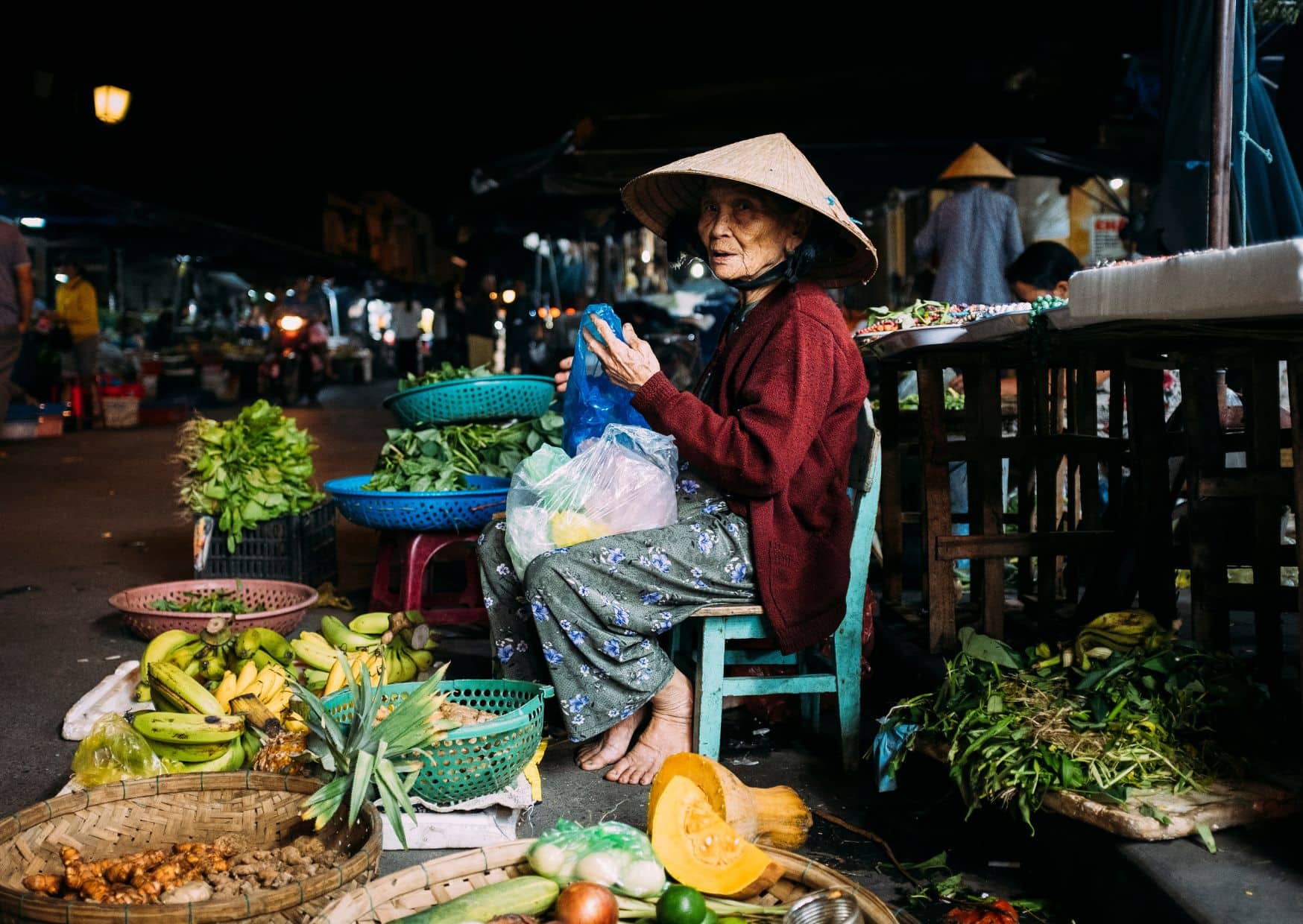
In Vietnamese culture, age equals authority. Elders are treated with great respect, and it’s expected to greet and address them properly. Even in informal settings, the age hierarchy plays a major role in conversations and decision-making.
Why it baffles Americans:
While Americans value respect, they also tend to treat everyone as equals, regardless of age. In Vietnam, not showing deference to elders can be seen as rude or disrespectful.
2. First Names Aren’t Always First
Vietnamese names are written family name first, then middle, then given name. For example, in the name Nguyễn Văn Minh, “Nguyễn” is the family name, “Văn” is the middle name, and “Minh” is the given name.
Why it baffles Americans:
Americans are used to the first name being the person’s actual “first” or personal name. Referring to someone by their family name without understanding the order can lead to confusion.
3. Public Displays of Affection Are Rare
You won’t see much kissing or hugging in public, even among couples. Physical affection is considered very private, and even hand-holding between romantic partners is subtle.
Why it baffles Americans:
In the U.S., hugs, kisses, or holding hands are common forms of affection. In Vietnam, this kind of openness is considered too intimate for public.
4. Don’t Touch Someone’s Head Especially a Child’s

In Vietnamese (and many Asian) cultures, the head is considered sacred, especially for children. Touching someone’s head even affectionately is viewed as intrusive or disrespectful.
Why it baffles Americans:
In the U.S., ruffling a child’s hair or giving a friendly pat on the head is seen as harmless affection. In Vietnam, it can be seen as culturally insensitive.
5. Personal Space Is Much Smaller
Vietnam is densely populated, and people are used to living and interacting closely. Whether it’s on a bus, in a market, or at a family gathering, closeness is the norm, and physical space is often limited.
Why it baffles Americans:
Americans generally value personal space. In Vietnam, crowded conditions and close proximity are just part of everyday life.
6. Smiling Doesn’t Always Mean Happiness

In Vietnam, people smile in a wide range of situations including when they’re nervous, embarrassed, or even apologetic. A smile may not always mean someone is happy or pleased.
Why it baffles Americans:
Americans typically interpret smiling as friendliness or joy. In Vietnam, a smile might be a way to mask discomfort or avoid confrontation.
7. Avoid Pointing with Your Finger or Feet
Pointing directly at someone especially using your index finger or your foot—is considered rude. Feet are viewed as the lowest and least clean part of the body.
Why it baffles Americans:
Americans often use pointing for directions or emphasis. In Vietnam, gestures are more subtle, and it’s better to use your whole hand or chin to indicate direction.
8. You’ll Rarely Hear “No” Directly
Vietnamese people may avoid saying “no” outright to maintain harmony or save face. Instead, they may say, “maybe,” “not sure,” or give vague responses to avoid confrontation or offense.
Why it baffles Americans:
Americans value directness and clarity. The Vietnamese tendency to communicate indirectly can be interpreted as evasiveness, when it’s actually a sign of politeness.
9. Family Comes First Always

In Vietnam, family is the cornerstone of society, and decisions—whether personal or professional often involve family input. It’s not uncommon for adult children to live with their parents well into adulthood.
Why it baffles Americans:
The American cultural focus on individualism and independence contrasts with Vietnam’s communal, family-first approach to life.
10. Taking Off Your Shoes Indoors Is Mandatory
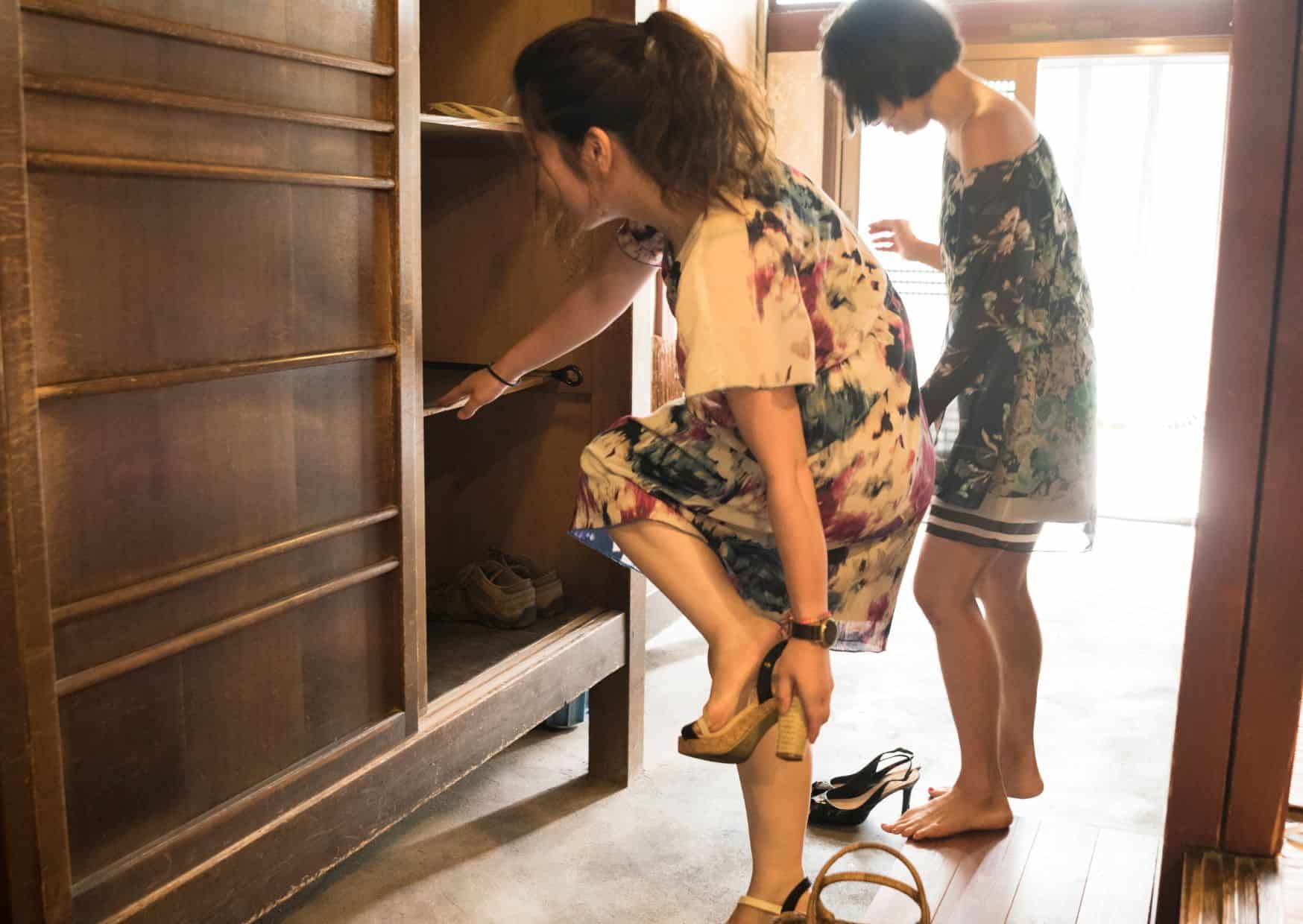
It’s customary to remove shoes before entering someone’s home, and sometimes even certain indoor spaces like temples or traditional hotels. Not doing so is considered very disrespectful.
Why it baffles Americans:
In the U.S., wearing shoes indoors is common. In Vietnam, cleanliness and respect for personal space start at the front door.
11. The Concept of “Face” Is Deeply Rooted
“Saving face” refers to maintaining dignity, honor, and social harmony. Public criticism, raising your voice, or causing someone embarrassment can cause a person to “lose face”which is taken very seriously.
Why it baffles Americans:
Americans may value open discussion or feedback, but in Vietnam, preserving harmony and respect takes precedence over blunt honesty.
12. Don’t Stick Chopsticks Upright in Rice
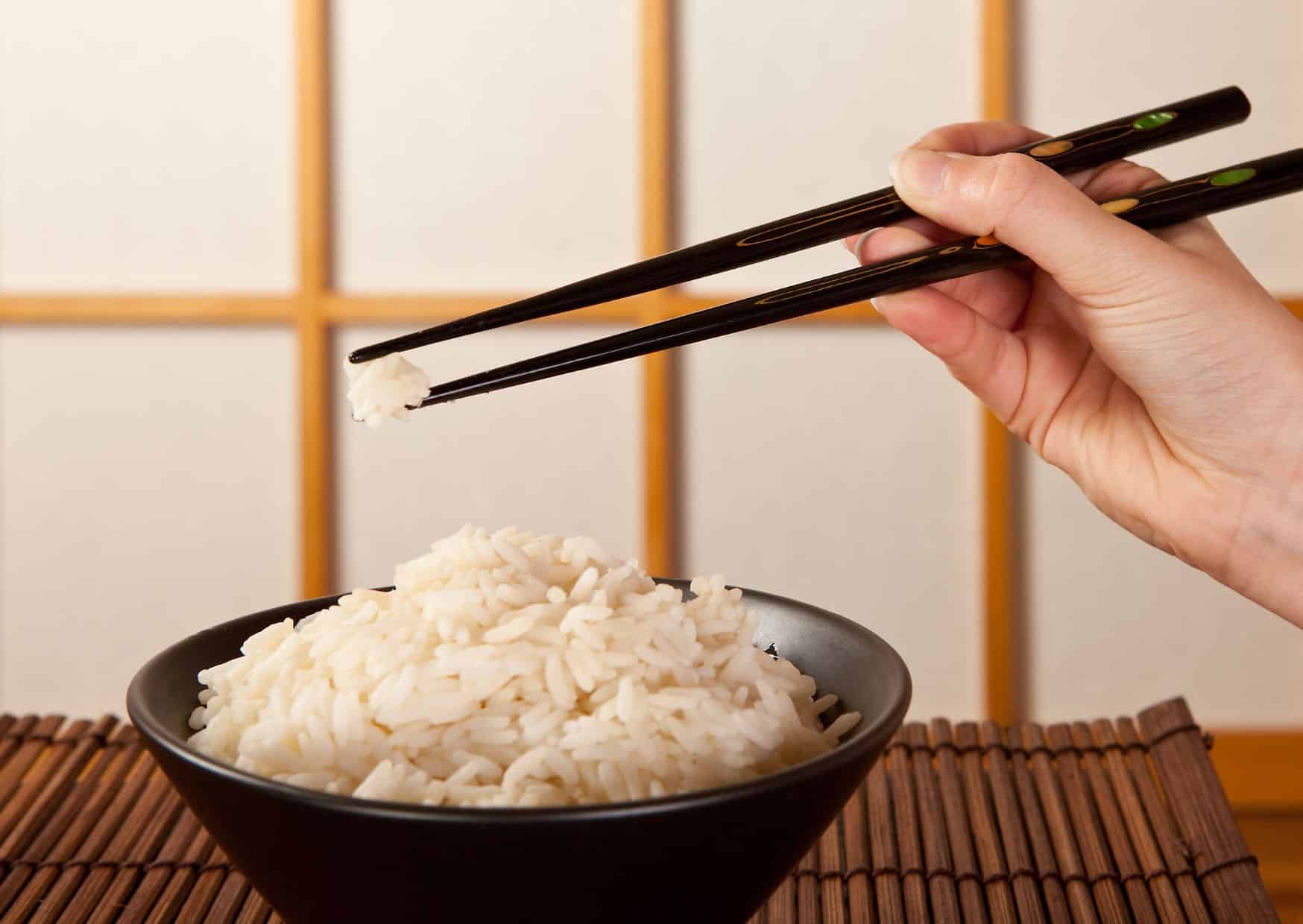
This is a major faux pas. Sticking chopsticks upright in a bowl of rice resembles incense offerings at funerals and is considered bad luck or even disrespectful.
Why it baffles Americans:
It’s an innocent habit for Americans who don’t know the symbolism but in Vietnam, table manners carry deeper meaning.
Why You Should Care and Follow
You should care because following basic social etiquette can make everyday interactions much smoother. A respectful greeting, patient tone, or appropriate gesture can create goodwill immediately, especially in situations where language barriers already make communication harder.
It can also help you avoid unnecessary conflict. When something goes wrong, staying calm and allowing the other person to save face can often be more effective than becoming confrontational. This is especially useful in hotels, restaurants, transportation, and other situations where misunderstandings happen easily.
Following local social habits can also lead to more meaningful travel experiences. People are often more open when they feel respected, and that can turn a simple transaction into a genuinely memorable conversation or invitation.
There is also practical value in observing before acting. Watching how locals remove shoes, greet elders, exchange items, or behave in temples can answer questions faster than trying to remember a long etiquette list.
Most importantly, caring about these customs shows that you recognize travel as more than consumption. You are entering someone else’s social environment, and small efforts to adapt can make the experience better for both you and the people you meet.
Why You Should Not Care and Follow Too Much
At the same time, you should not become anxious about making every interaction perfect. Most Vietnamese people understand that foreign visitors may not know every local custom, and genuine politeness usually matters more than flawless etiquette.
You should also avoid treating every social rule as universal. Vietnam is diverse, and expectations can vary between Hanoi, Ho Chi Minh City, smaller towns, rural areas, families, generations, and social settings.
There is no need to suppress your personality either. Being respectful does not mean becoming silent or overly formal. You can still be friendly, curious, and direct when necessary while adjusting your tone and approach.
You should also be cautious with etiquette advice that turns cultural differences into dramatic warnings. Not every mistake will offend someone, and not every unfamiliar behavior carries deep meaning. Sometimes a gesture is simply a gesture.
Ultimately, the best approach is flexible awareness. Learn the basics, observe the situation, and do not panic if you get something wrong. A sincere apology and willingness to adapt usually go a long way.
Final Thoughts
Vietnamese social rules are interesting because they reveal how much culture lives in everyday behavior. Tone of voice, body language, hierarchy, and the way people handle disagreement can all communicate respect without being explicitly explained.
For American travelers, the biggest adjustment may be recognizing that directness is not always the same thing as politeness. Sometimes a calmer, softer, more observant approach works better.
The smartest thing you can do is watch how people around you behave. Local cues often tell you more than a guidebook ever could, especially in situations that vary by family, region, or generation.
It is also worth remembering that culture is not static. Vietnam is modernizing rapidly, and social expectations continue to evolve. Traditional habits and contemporary lifestyles often exist side by side.
Ultimately, the goal is not to perform Vietnamese etiquette perfectly. It is to travel with enough awareness to avoid unnecessary disrespect and enough curiosity to understand why people may behave differently from what you are used to.

About the Author: Ruben, co-founder of Gamintraveler.com since 2014, is a seasoned traveler from Spain who has explored over 100 countries since 2009. Known for his extensive travel adventures across South America, Europe, the US, Australia, New Zealand, Asia, and Africa, Ruben combines his passion for adventurous yet sustainable living with his love for cycling, highlighted by his remarkable 5-month bicycle journey from Spain to Norway. He currently resides in Spain, where he continues sharing his travel experiences with his partner, Rachel, and their son, Han.