
Morocco is one of those destinations that can look almost impossibly beautiful from the outside. The medinas, desert landscapes, mountain villages, riads, colorful markets, tilework, food, and architecture create exactly the kind of imagery that makes people want to book a flight immediately. But Morocco is also a country where the reality of traveling can feel much more intense than the photographs suggest. The same things that make it exciting can also make it overwhelming, especially for travelers who prefer predictability, quiet, personal space, and a very relaxed pace.
For some visitors, the constant stimulation is part of the appeal. For others, it becomes exhausting very quickly. Busy souks, persistent sellers, traffic, unfamiliar social norms, bargaining, heat, language barriers, and crowded streets can combine into a travel experience that feels demanding rather than carefree. Morocco is not necessarily difficult in the same way for everyone, but it can require more patience and cultural adjustment than many first-time visitors expect.
Another challenge is that travelers often arrive with an extremely romanticized image of the country. Social media tends to focus on rooftop breakfasts, desert camps, intricate interiors, and photogenic blue streets. Those things are real, but they are only part of the experience. You may also encounter chaotic transportation, aggressive sales tactics, uneven infrastructure, misunderstandings, and situations where you need to stay alert. None of this means Morocco is a bad destination, but it does mean the trip can feel very different from the fantasy.
Morocco is also a place where cultural expectations matter. Dress, public behavior, negotiation, gender dynamics, religious customs, and communication can feel unfamiliar depending on where you come from. A traveler who expects everything to operate according to Western social norms may become frustrated very quickly. Someone who arrives curious, observant, and willing to adapt may have a completely different experience.
This article is not about saying Morocco is a place nobody should visit. It is about recognizing that some destinations are a better fit for certain travelers than others. Morocco can be unforgettable, but it can also be intense. Understanding the potential frustrations before you arrive gives you a better chance of deciding whether the experience matches the kind of trip you actually want.
Read Here 6 Days Itinerary in Morocco, 2 Days Marrakech Itinerary and Things to know Before visiting Marrakech
Quick Easy Tips
Prepare for heat and hustle: wear breathable clothing, carry water, and pace yourself in busy souks.
Haggling is expected but polite firmness (not hostility) works best.
Blend respect with curiosity: learn basic greetings and dress modestly when visiting religious sites.
One controversial truth is that some travelers are afraid to admit when a famous destination simply is not for them. There is a lot of pressure to describe every trip as life-changing, beautiful, and worth doing. Morocco is often placed in that category. People may feel guilty saying they found the medinas stressful, the bargaining exhausting, or the attention uncomfortable because those reactions seem less sophisticated than saying they “embraced the culture.”
Another uncomfortable point is that cultural appreciation and personal discomfort can exist at the same time. You can admire Moroccan architecture, food, history, and hospitality while still finding certain parts of the travel experience difficult. Those positions are not contradictory. Respecting a culture does not require pretending that every aspect of visiting it feels easy or enjoyable to you personally.
There is also a tendency in travel writing to blame either the traveler or the destination whenever something goes wrong. The truth is usually more complicated. Some frustrations come from poor preparation or unrealistic expectations, while others come from genuine differences in how tourism, commerce, public space, and personal boundaries operate. A traveler can be respectful and still feel overwhelmed, just as a destination can be culturally rich and still be challenging.
Another controversial issue is the way travelers talk about “authenticity.” Some people complain that Morocco feels too touristy while simultaneously visiting the most famous markets, squares, and desert camps. Others say they want authentic local interaction but become uncomfortable when the experience does not resemble the polished version they imagined. Authenticity is not always comfortable, and it is not always designed around the visitor.
The bigger truth is that travel is not a moral test. You do not become a better person simply because you enjoy a difficult destination, and you are not closed-minded because you prefer somewhere calmer. Morocco can be incredible for one traveler and exhausting for another. The useful question is not whether Morocco is objectively good or bad, but whether its style of travel suits you.
Reasons Why You Should Not Visit Morocco
1. Safety Concerns
Petty Crime:
Prevalence: There is a significant occurrence of petty crime such as pickpocketing and scams, especially in crowded areas and tourist hotspots like Marrakech and Fes.
Tourist Targeting: Tourists can be targeted by thieves and con artists who are adept at taking advantage of the unprepared.
Advice:
Precautions: Stay vigilant, keep your belongings secure, and avoid carrying large sums of cash or wearing flashy jewelry.
Two of our favorite travel insurance: Heymondo Vs Safetwing cheapest travel Insurance. You can get for $135 USD your Heymondo Travel Insurance with Heymondo discount code valid for 90 days. Read our full comparison of Genki vs Safetywing Travel Insurance Review and the comparison Heymondo vs Genki
2. Hassles and Scams

Aggressive Vendors:
Experience: Vendors, especially in tourist areas, can be extremely persistent and aggressive in trying to sell their goods, which can be overwhelming and stressful.
Tactics: Some may use high-pressure sales tactics, making it difficult to browse peacefully.
Tour Guides:
Unlicensed Guides: Many unofficial guides offer their services, often leading tourists on overpriced tours or to specific shops where they receive commissions.
Quality Issues: The quality and reliability of these guides can be questionable.
Advice:
Dealing with Vendors: Be firm but polite in declining offers and consider hiring a reputable guide through your hotel or a trusted agency.
3. Cultural Differences

Dress Code:
Modesty Required: Morocco is a conservative Muslim country, and visitors are expected to dress modestly, especially women.
Attention: Failure to do so can attract unwanted attention and make travelers feel uncomfortable.
Public Behavior:
Cultural Norms: Public displays of affection are frowned upon, and it is important to respect local customs and traditions to avoid offending locals.
Advice:
Respect the Culture: Research local customs and dress codes before your trip and be mindful of your behavior in public.
4. Hygiene and Health Concerns

Food and Water Safety:
Risk: Street food and tap water may pose health risks, leading to potential food poisoning or stomach issues.
Hygiene Standards: Varying hygiene standards in restaurants and public places can be a concern.
Medical Facilities:
Availability: While major cities have hospitals and clinics, the quality and availability of medical care can be limited in rural areas.
Advice:
Precautions: Stick to bottled water, be cautious with street food, and ensure you have travel insurance that covers medical expenses.
5. Environmental Issues

Pollution:
Air Quality: In some cities, air pollution can be an issue due to traffic and industrial activities.
Waste Management: Litter and poor waste management can be noticeable in certain areas.
Advice:
Choose Wisely: Research your destinations within Morocco to choose cleaner, less polluted areas for your stay.
6. Transportation Challenges
Traffic and Driving:
Road Conditions: Driving in Morocco can be challenging due to chaotic traffic, unpredictable road conditions, and aggressive driving behavior.
Public Transport: While public transport is available, it can be crowded and less reliable.
Advice:
Transportation Choices: Consider using reputable taxi services, private transfers, or organized tours to navigate the country more comfortably.
7. Language Barrier
Limited English:
Communication Issues: While French and Arabic are widely spoken, English is less common, which can make communication challenging, especially in rural areas.
Navigating: This can make it difficult to navigate, ask for directions, or fully engage with locals.
Advice:
Learn Basics: Learning a few basic phrases in French or Arabic can greatly enhance your experience and help you navigate more smoothly.
Main Reasons to Visit Morocco
Morocco is a country rich in culture, history, and natural beauty, offering a wide range of experiences for every type of traveler. Here are the main reasons why you should consider visiting Morocco.
Morocco’s diverse landscapes, rich cultural heritage, vibrant markets, delicious cuisine, historical sites, warm hospitality, and adventure activities make it a compelling travel destination. Whether you’re seeking cultural immersion, outdoor adventures, or a taste of exotic flavors, Morocco offers a unique and unforgettable experience.
1. Diverse Landscapes

Overview:
Morocco boasts a stunning variety of landscapes, from the sandy beaches of the Atlantic and Mediterranean coasts to the rugged Atlas Mountains and the vast expanse of the Sahara Desert.
Key Experiences:
Atlas Mountains: Ideal for hiking, trekking, and experiencing traditional Berber villages.
Sahara Desert: Take a camel trek into the dunes, spend a night in a desert camp, and watch the sunrise over the sand.
Coastal Retreats: Relax on the beaches of Essaouira and Agadir or explore the picturesque blue city of Chefchaouen in the Rif Mountains.
2. Rich Cultural Heritage

Overview:
Morocco’s history is reflected in its architecture, traditions, and daily life. Influences from Berber, Arab, and French cultures create a unique cultural tapestry.
Key Experiences:
Medinas: Wander through the ancient medinas of cities like Fez and Marrakech, with their labyrinthine alleys, bustling souks, and historic sites.
Architecture: Visit stunning architectural landmarks such as the Koutoubia Mosque in Marrakech, Hassan II Mosque in Casablanca, and the Roman ruins of Volubilis.
Museums and Festivals: Explore the cultural and artistic heritage in museums and attend vibrant festivals like the Fes Festival of World Sacred Music.
3. Vibrant Markets and Souks

Overview:
Moroccan markets, or souks, are a feast for the senses, offering a dizzying array of goods including spices, textiles, ceramics, and jewelry.
Key Experiences:
Marrakech Souks: Explore the famous souks of Marrakech’s medina, particularly around Jemaa el-Fnaa square, where you can haggle for souvenirs and enjoy street performances.
Fez Souks: Discover the more traditional and authentic souks in Fez, particularly the leather tanneries and intricate metalwork shops.
Local Crafts: Purchase unique handicrafts such as Moroccan carpets, lanterns, and leather goods.
4. Delicious Cuisine

Overview:
Moroccan cuisine is known for its rich flavors and aromatic spices. Traditional dishes are a highlight of any visit.
Key Experiences:
Tagine: Enjoy this slow-cooked stew made with meat, vegetables, and a blend of spices, traditionally served in a clay pot.
Couscous: Savor the national dish of steamed semolina topped with meat and vegetables.
Street Food: Try local delicacies like pastilla (a sweet and savory pie), harira (a hearty soup), and fresh mint tea.
Cooking Classes: Participate in a cooking class to learn how to prepare Moroccan dishes and understand the use of spices.
Read here for the best traditional breakfast in Morocco
5. Historical and Architectural Sites

Overview:
Morocco’s long history has left a legacy of fascinating historical and architectural sites.
Key Experiences:
Kasbahs: Visit ancient fortresses like the UNESCO-listed Ait Benhaddou, known for its dramatic location and historical significance.
Palaces: Explore the opulent palaces such as the Bahia Palace in Marrakech and the Royal Palace in Rabat.
Medersas: Discover beautiful Islamic schools such as the Bou Inania Medersa in Fez and the Ben Youssef Medersa in Marrakech.
6. Warm Hospitality

Overview:
Moroccans are known for their warm hospitality and friendliness, making visitors feel welcome and at home.
Key Experiences:
Riads: Stay in traditional Moroccan guesthouses, known as riads, which are often beautifully decorated with inner courtyards and fountains.
Local Interaction: Engage with locals, enjoy traditional music and dance, and participate in cultural experiences such as tea ceremonies.
7. Adventure Activities
Overview:
Morocco offers a variety of adventure activities for thrill-seekers and outdoor enthusiasts.
Key Experiences:
Trekking: Hike in the Atlas Mountains or take on the challenge of climbing Mount Toubkal, the highest peak in North Africa.
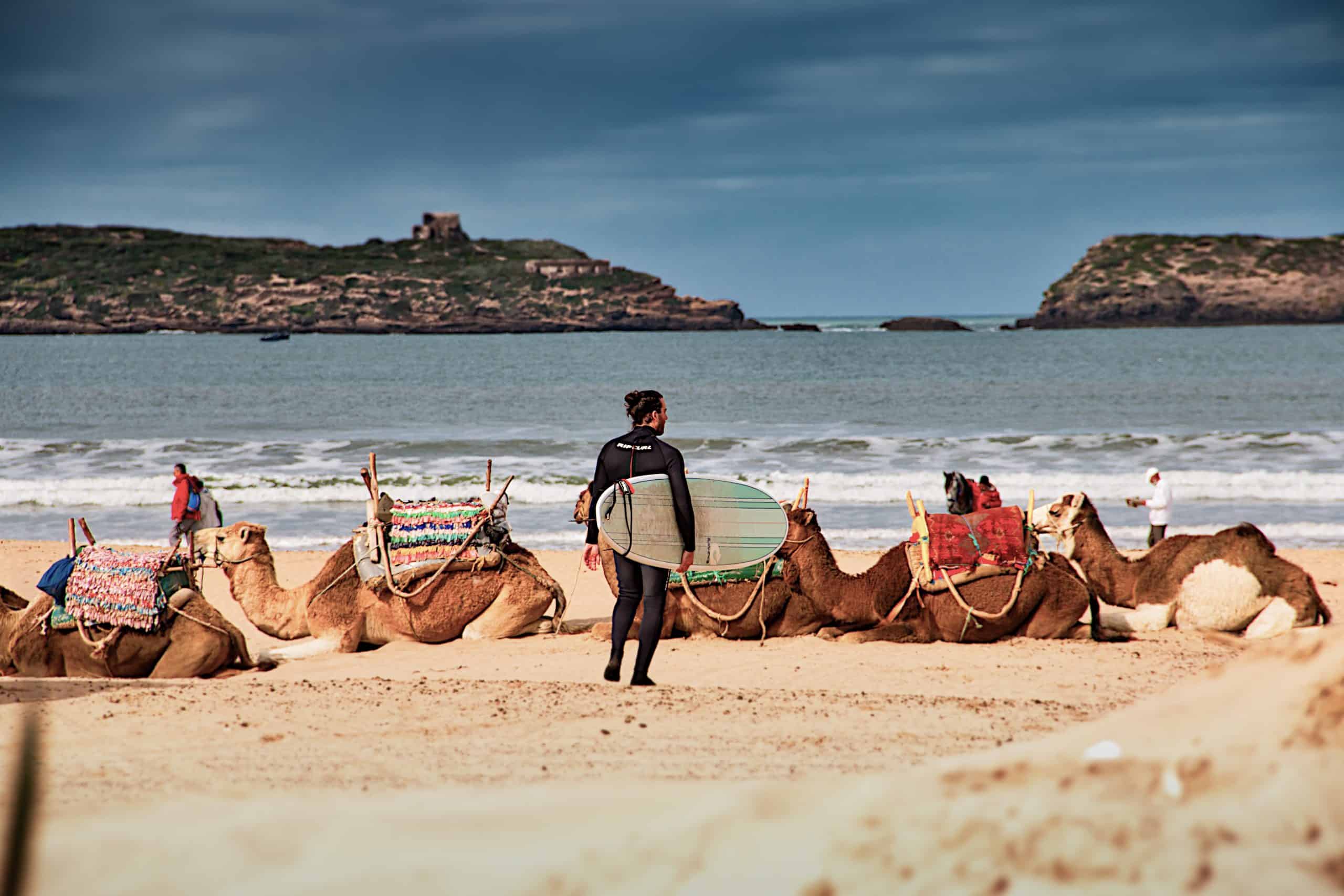
Desert Adventures: Experience dune surfing, quad biking, and camel trekking in the Sahara Desert.
Water Sports: Enjoy surfing, kite surfing, and windsurfing along the Atlantic coast, particularly in Essaouira and Taghazout.
Why You Should Care
You should care because understanding the possible downsides can prevent a disappointing trip. Morocco rewards travelers who arrive prepared. Knowing that bargaining may be common, that medinas can be confusing, and that sales approaches may feel persistent allows you to respond with less stress. When you expect intensity, it becomes easier to manage.
You should also care because your comfort level affects how much you enjoy a destination. If you dislike crowds, aggressive sales environments, constant negotiation, or feeling disoriented, those preferences matter. Ignoring them because a destination is fashionable can lead to spending a lot of money on a trip that never feels relaxing.
It also helps to think honestly about how much cultural adjustment you enjoy. Some travelers love being pushed outside their comfort zone. Others want a vacation that feels easy. Morocco can require more observation and adaptation than destinations where the social rules feel more familiar. That is not a flaw, but it is something worth considering before booking.
There are also practical reasons to care. Choosing the right neighborhood, booking reliable transportation, researching dress expectations, understanding common scams, and knowing when to use a guide can change the quality of your experience significantly. Preparation can turn a stressful trip into a manageable one.
Most importantly, caring about these issues helps you travel more respectfully. When you understand that a destination operates differently from home, you are less likely to react with frustration or entitlement. You arrive with more patience and fewer assumptions, which makes the experience better for both you and the people you interact with.
Why You Should Not Care Too Much
You should not let negative travel stories convince you that Morocco is automatically unsafe, unpleasant, or not worth visiting. Online travel discussions often amplify the most dramatic experiences because those are the stories people remember and share. One difficult interaction does not define an entire country.
You should also avoid assuming that every part of Morocco feels the same. Marrakech can feel very different from Essaouira, Chefchaouen, the Atlas Mountains, or smaller towns. The pace, level of tourism, and social atmosphere can change dramatically depending on where you go. A traveler who dislikes one city may still love another part of the country.
It is also worth remembering that discomfort can sometimes become one of the most memorable parts of travel. Learning how to navigate a medina, negotiate a price, or understand a social custom can make you feel more confident by the end of the trip. Not every difficult moment is necessarily a bad one.
You should not overthink every interaction either. Most people you meet are simply going about their day, working, selling, helping, or talking. Constantly assuming someone is trying to scam or pressure you can make you suspicious and closed off. Awareness is useful, but paranoia can ruin the trip just as easily as naivety.
Finally, you should not let a list of potential problems replace your own judgment. If Morocco excites you, the challenges may be completely worth it. If you prepare properly and choose an itinerary that matches your travel style, you may have an extraordinary experience.
Final Thoughts
Morocco is not an easy destination to summarize. It can be beautiful, exhausting, fascinating, frustrating, welcoming, chaotic, and unforgettable all within the same day. That complexity is exactly why some travelers love it so much and others decide they would not return.
The most important thing is to arrive with realistic expectations. Do not expect every moment to look like a travel advertisement. Expect noise, negotiation, confusion, and cultural differences alongside the beauty, food, history, and hospitality. That balanced expectation makes it easier to appreciate the good without being blindsided by the difficult parts.
You should also choose your itinerary based on your personality rather than someone else’s bucket list. If you hate crowds, you may want to spend less time in the busiest medinas. If you love slow travel, add coastal towns or mountain areas. Morocco has enough variety that you do not need to experience it in only one way.
Travel becomes more enjoyable when you stop forcing yourself to love every famous destination. Some places will fit you perfectly, and others will not. There is nothing wrong with admitting that. Knowing what kind of traveler you are is often more useful than following generic advice about where everyone “must” go.
Ultimately, Morocco is worth considering because it is distinctive, not because it is universally easy. Go if the culture, landscapes, food, and intensity excite you. Skip it if the challenges sound more stressful than rewarding. The best trip is not the one everyone else praises. It is the one that actually suits you.

About the Author: Ruben, co-founder of Gamintraveler.com since 2014, is a seasoned traveler from Spain who has explored over 100 countries since 2009. Known for his extensive travel adventures across South America, Europe, the US, Australia, New Zealand, Asia, and Africa, Ruben combines his passion for adventurous yet sustainable living with his love for cycling, highlighted by his remarkable 5-month bicycle journey from Spain to Norway. He currently resides in Spain, where he continues sharing his travel experiences with his partner, Rachel, and their son, Han.
Said
Wednesday 31st of July 2024
You are a biased writer to say bad things about visiting Morocco. If this is your reason ,can you find somewhere without any problems?.