
Booking flights often feels like a guessing game. Prices fluctuate daily, advice contradicts itself, and travelers are left wondering whether they should book now or wait. This uncertainty leads many people to overpay simply because they don’t understand how airline pricing actually works.
The idea that there is a single “best day” to book flights has become one of the most persistent travel myths. While timing does matter, it’s not as simple as picking a Tuesday or setting an alarm months in advance. Airlines use dynamic pricing systems that respond to demand, seasonality, and booking behavior.
What makes flight booking especially stressful is that mistakes are invisible until it’s too late. You rarely know you overpaid unless you keep checking prices after booking, which only adds to frustration. As a result, many travelers rely on habits rather than strategy.
Understanding when to book flights isn’t about hacking the system. It’s about learning the patterns airlines follow and avoiding the common behaviors that drive prices up. Once you know those patterns, booking becomes more predictable and far less expensive.
Read here Best eSim for International Travel and Best Travel Insurance Comparison
BOOK YOUR TRAVEL INSURANCE
Two of our favorite travel insurance: Heymondo Vs Safetwing cheapest travel Insurance. You can get for $135 USD your Heymondo Travel Insurance with Heymondo discount code valid for 90 days. Read our full comparison of Genki vs Safetywing Travel Insurance Review and the comparison Heymondo vs Genki
Quick Easy Tips
Set price alerts with apps or airline websites so you can track fare changes automatically.
Aim to book domestic flights around 1–3 months in advance and international flights 3–6 months ahead.
Be flexible with your dates shifting your trip by even one or two days can dramatically lower fares.
The controversial truth is that there is no single perfect day of the week when flights suddenly become cheapest for everyone. The old advice about always booking on Tuesday sounds appealing because it gives travelers a simple rule, but airfare pricing is far more dynamic than that. Airlines constantly adjust fares based on demand, remaining seats, competition, seasonality, and route performance.
Another uncomfortable reality is that waiting for the absolute lowest fare can cost you more than simply booking a good one. Travelers often see a reasonable price, convince themselves it will fall further, and then watch the fare increase as the departure date gets closer. Cheap airfare is not always about finding the lowest price ever recorded. It is often about recognizing when the current price is good enough.
Booking extremely early is not automatically the smartest move either. Airlines sometimes release schedules many months in advance without offering their most competitive fares immediately. Buying the moment a flight appears can occasionally mean paying a premium simply because you are purchasing before airlines have much reason to discount seats.
At the opposite extreme, last-minute bargains are far less dependable than many travelers imagine. Airlines know that passengers booking close to departure are often business travelers, people dealing with emergencies, or travelers with fixed schedules. Instead of dropping dramatically, fares can become much more expensive when flexibility disappears.
The biggest misconception is that timing alone determines whether you get a cheap flight. Flexible dates, alternate airports, route competition, destination season, and willingness to travel at inconvenient times can matter just as much. Someone with flexible travel plans may save far more by leaving on Wednesday instead of Friday than by discovering a supposedly perfect day to click the purchase button.
Best Time to Book a Flight
Knowing when to book flights can save hundreds of dollars per trip, especially on long-haul or peak-season travel. Small timing differences often create large price gaps, and travelers who book strategically benefit from airlines’ pricing cycles rather than fighting them.
Booking at the right time also reduces stress. Instead of constantly refreshing search pages or second-guessing your purchase, you can book with confidence, knowing the price aligns with historical trends rather than impulse.
Avoiding common booking mistakes matters just as much as timing. Searching too frequently, booking too far in advance, or waiting until the last minute can all signal demand and push prices higher. Being intentional prevents you from unintentionally driving up your own costs.
Finally, mastering flight timing gives you flexibility. When you’re not overpaying for airfare, you have more room in your budget for accommodations, experiences, or upgrades. The savings don’t just reduce costs they improve the overall quality of your trip.
1. When is the Best Time to Book a Flight?

Domestic Flights
Best time to book: 1 to 3 months before departure
Cheapest days to fly: Tuesdays, Wednesdays, and Saturdays
Avoid: Booking within 21 days of departure (prices tend to rise)
International Flights
Best time to book: 2 to 6 months before departure
Cheapest days to fly: Mid-week (Tuesday to Thursday)
Avoid: Last-minute bookings, as international flights tend to increase sharply in price
Holiday and Peak Travel Seasons
Book at least 3 to 6 months in advance for Christmas, Thanksgiving, summer holidays, and spring break.
Flexibility is key: Flying a day or two before or after peak dates can save you money.
Last-Minute Flights
For domestic: Last-minute deals are rare, but sometimes available 1 to 2 weeks before departure (mainly red-eye or less popular flights).
For international: Last-minute flights tend to be expensive unless using points or miles.
2. What is the Best Day to Book a Flight?
Best day to book: Tuesday or Wednesday (airlines often release deals on these days).
Best time of day to book: Early morning (6 AM to 9 AM) or late at night (after 10 PM).
Avoid: Booking on weekends, especially Friday and Sunday, when prices tend to be higher.
3. How to Find the Cheapest Flights

Use Fare Comparison Websites
Google Flights – Great for flexible date searches
Skyscanner – Best for comparing prices across multiple airlines
Hopper – Predicts price trends and notifies you when fares drop
Kayak – Searches multiple travel sites for the best deal
Be Flexible with Dates and Airports
Use the “flexible dates” option to find the cheapest fares.
Consider alternate airports (e.g., flying into a nearby city and taking a train or bus).
Set Price Alerts
Use tools like Google Flights, Skyscanner, and Hopper to track prices and get alerts when fares drop.
Book One-Way Tickets Instead of Round-Trip
Sometimes booking two one-way tickets on different airlines can be cheaper than a round-trip ticket.
Use Airline Miles and Points
If you have credit card rewards or frequent flyer miles, use them to reduce or eliminate ticket costs.
4. Common Mistakes to Avoid When Booking Flights

Booking Too Early or Too Late
Booking too far in advance (more than 6 months) can sometimes result in higher fares.
Waiting too long (last-minute) can lead to sky-high prices.
Ignoring Budget Airlines
Low-cost carriers like Ryanair, Wizz Air, and Southwest often have much cheaper fares.
Just be aware of extra fees for luggage, seat selection, and boarding passes.
Not Clearing Cookies or Using Incognito Mode
Some travel sites track your searches and increase prices if you check a flight multiple times.
Solution: Use incognito mode or clear your cookies before searching again.
Forgetting About Baggage Fees
Some airlines charge extra for checked bags and even carry-ons.
Check the airline’s baggage policy before booking to avoid surprise fees.
Overlooking Stopovers and Layovers
A long layover can save you money.
Some cities offer free stopover programs (e.g., Icelandair in Reykjavik, Qatar Airways in Doha).
Not Checking Visa and COVID-19 Requirements
Some countries require a visa or COVID-related travel documentation before arrival.
Solution: Check visa policies and travel restrictions well in advance.
5. Pro Tips for Getting the Best Flight Deals
Book at the right time: 1-3 months in advance for domestic, 2-6 months for international.
Fly on cheaper days: Mid-week flights (Tuesday, Wednesday, Saturday) are usually less expensive.
Sign up for airline newsletters to get alerts about flash sales and discounts.
Consider booking in a different currency – Sometimes, using a foreign currency can result in a lower fare.
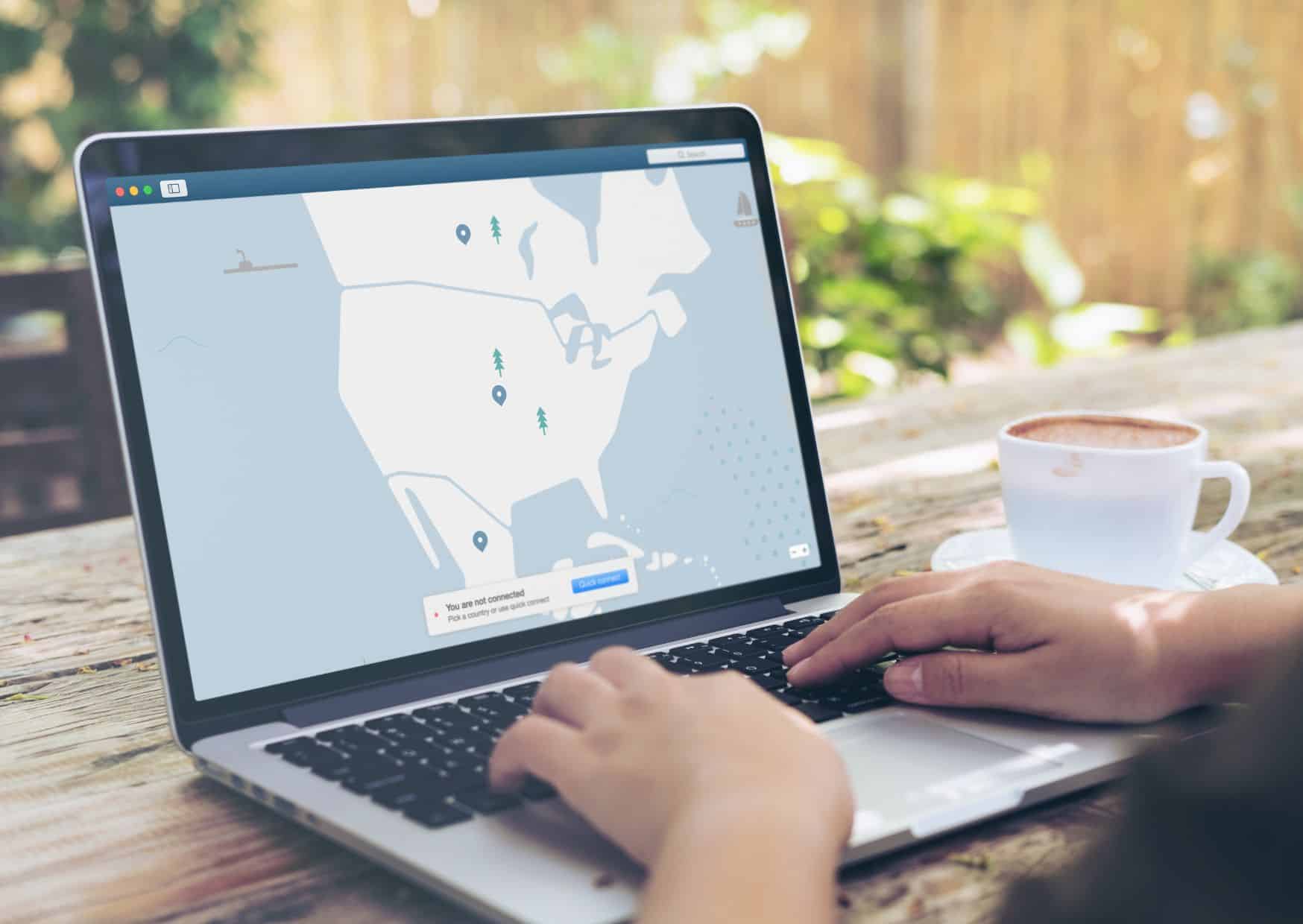
Use a VPN to check prices from different locations – Some airlines adjust prices based on your location.
Look for mistake fares on sites like Secret Flying and Scott’s Cheap Flights.
Why You Should Follow Booking Timing Advice
Paying attention to booking windows can help prevent one of the most expensive travel mistakes: leaving everything until the last minute. When your dates are fixed, beginning your search early gives you time to understand what a normal fare looks like before pressure forces you to buy whatever remains.
You should also use price tracking rather than relying entirely on instinct. Flight search tools can monitor specific routes and alert you when fares change. This makes it easier to recognize whether a price is unusually high, relatively normal, or potentially worth booking.
Timing becomes especially important during Christmas, summer vacations, spring break, major festivals, and other high-demand periods. When thousands of travelers want the same flights on the same dates, waiting for a dramatic last-minute discount can be a risky strategy.
International trips also deserve more advance planning than many short domestic journeys. The exact ideal window varies considerably by destination and season, but giving yourself more time allows you to compare routes, connections, airports, and airlines rather than accepting whichever itinerary is still available.
Most importantly, following a sensible booking strategy reduces stress. Instead of repeatedly checking fares and wondering whether tomorrow will be cheaper, you can establish a price you are willing to pay and book once the itinerary and fare both make sense.
Why You Should Not Care So Much
You should not become obsessed with finding the mathematically perfect moment to buy a plane ticket. Airfare changes constantly, and even sophisticated forecasting tools cannot guarantee that a fare will rise or fall tomorrow. Spending weeks checking the same flight several times a day can quickly become more frustrating than the possible savings are worth.
There is also no reason to feel cheated if the fare drops after you book. Someone will almost always pay less than you, while someone else on the same plane will probably pay considerably more. Airline cabins are filled with passengers who paid different prices for nearly identical seats.
You should not choose terrible travel dates solely to save a small amount of money. A 6 a.m. departure, two long connections, or an airport several hours away may make a cheaper ticket much less attractive once transportation, meals, hotels, and lost time are included.
Generic booking-window advice should not be treated as a universal law. New York to London behaves differently from Madrid to Rome, and Thanksgiving travel behaves differently from an ordinary February weekend. Route-specific demand matters more than any rule that claims every flight should be purchased a precise number of days ahead.
Finally, do not let airfare optimization dominate the entire trip. Saving $40 on the flight is not much of a victory if you sacrifice a full vacation day or spend hours obsessing over price fluctuations. The objective is to find a reasonably priced itinerary that fits your trip, not to defeat an airline pricing algorithm.
Final Thoughts: When Should You Book Your Flight?
If you’re planning a trip, the best strategy is to:
Start searching early (at least 2-3 months ahead for domestic, 4-6 months for international).
Use comparison tools like Google Flights and Skyscanner.
Book mid-week (Tuesdays or Wednesdays) for the best deals.
Be flexible with your dates and consider budget airlines.
There is no perfect moment that guarantees the cheapest flight every time, but there are clearly better windows and worse ones. Understanding those windows puts you in control rather than at the mercy of unpredictable price swings.
The biggest mistake travelers make is treating flight booking as random or emotional. Airlines price flights based on patterns, not feelings. When you stop reacting and start planning, the results change immediately.
Booking smart doesn’t require advanced tools or insider access. It requires patience, awareness, and a willingness to ignore outdated advice. Most savings come from avoiding bad timing rather than chasing impossible deals.
Once you learn how airline pricing works, booking flights becomes less intimidating and more empowering. Instead of wondering if you got a good deal, you’ll know you made a smart one and that confidence is just as valuable as the money you saved.

About the Author: Ruben, co-founder of Gamintraveler.com since 2014, is a seasoned traveler from Spain who has explored over 100 countries since 2009. Known for his extensive travel adventures across South America, Europe, the US, Australia, New Zealand, Asia, and Africa, Ruben combines his passion for adventurous yet sustainable living with his love for cycling, highlighted by his remarkable 5-month bicycle journey from Spain to Norway. He currently resides in Spain, where he continues sharing his travel experiences with his partner, Rachel, and their son, Han.