
Nobody really warns you about the first Christmas. When you move abroad, you brace yourself for the big, obvious challenges: the language, the paperwork, finding a doctor, making friends. What catches people off guard is something quieter and sharper, and it arrives in December.
The holidays are when the pull of home is strongest, and the first time you face them in a new country, far from the people and the traditions you associate with the season, it can hit surprisingly hard. The loneliness is real, and it is okay to feel it.
But here is the thing so many expats say afterward, the thing they wish someone had told them in advance: that ache tends to be sharp, specific, and short. It peaks, often right around the holiday itself, and then it eases, and what grows in its place can become something you genuinely come to love. Here is what the first Christmas abroad is really like, why it stings, why it passes, how common it is, and what expats wish they had known going in. If you are facing your first December far from home, this is the reassurance you probably need to hear.
The Loneliness Is Real
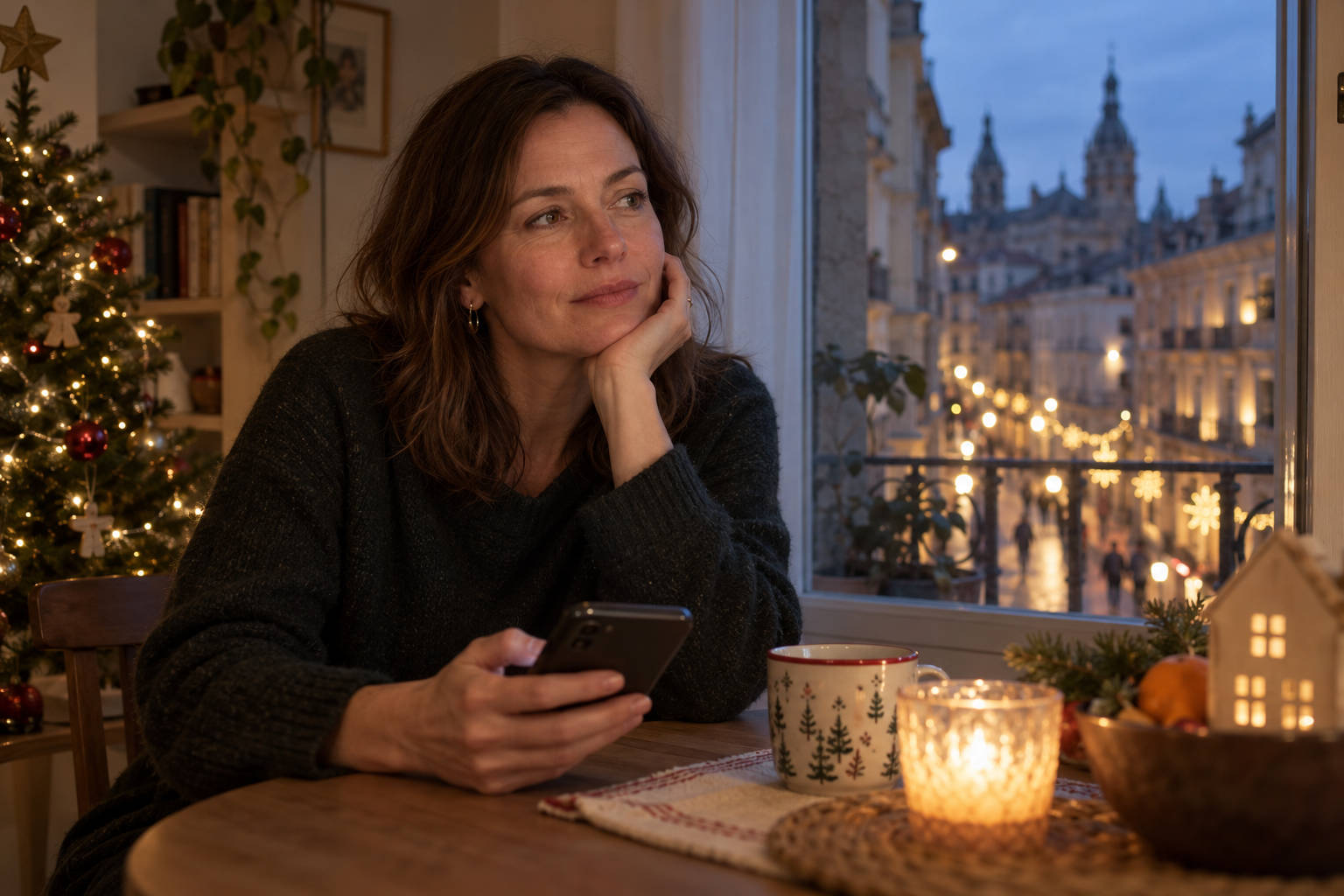
Let us not pretend the first Christmas abroad is easy, because minimizing it does nobody any favors. For most people, the holidays are woven through with family, familiarity, and years of accumulated tradition, and being suddenly without all of that can leave a genuine ache.
You miss the specific things. The particular way your family does Christmas morning, the foods only your mother makes, the faces around a table that is now an ocean away. Scrolling through photos of everyone gathered without you can make the distance feel enormous, and there is a special loneliness in being somewhere beautiful and new while your heart is somewhere else entirely.
If that is how you feel during your first December abroad, there is nothing wrong with you. Feeling it deeply is a sign of how much your people and your home mean to you, not a sign that you made a mistake in leaving.
The move can be entirely right and the homesickness entirely real at the same time. Both things are true, and holding them together is simply part of what it means to build a life in a new place.
Why It Hits Hardest at Christmas
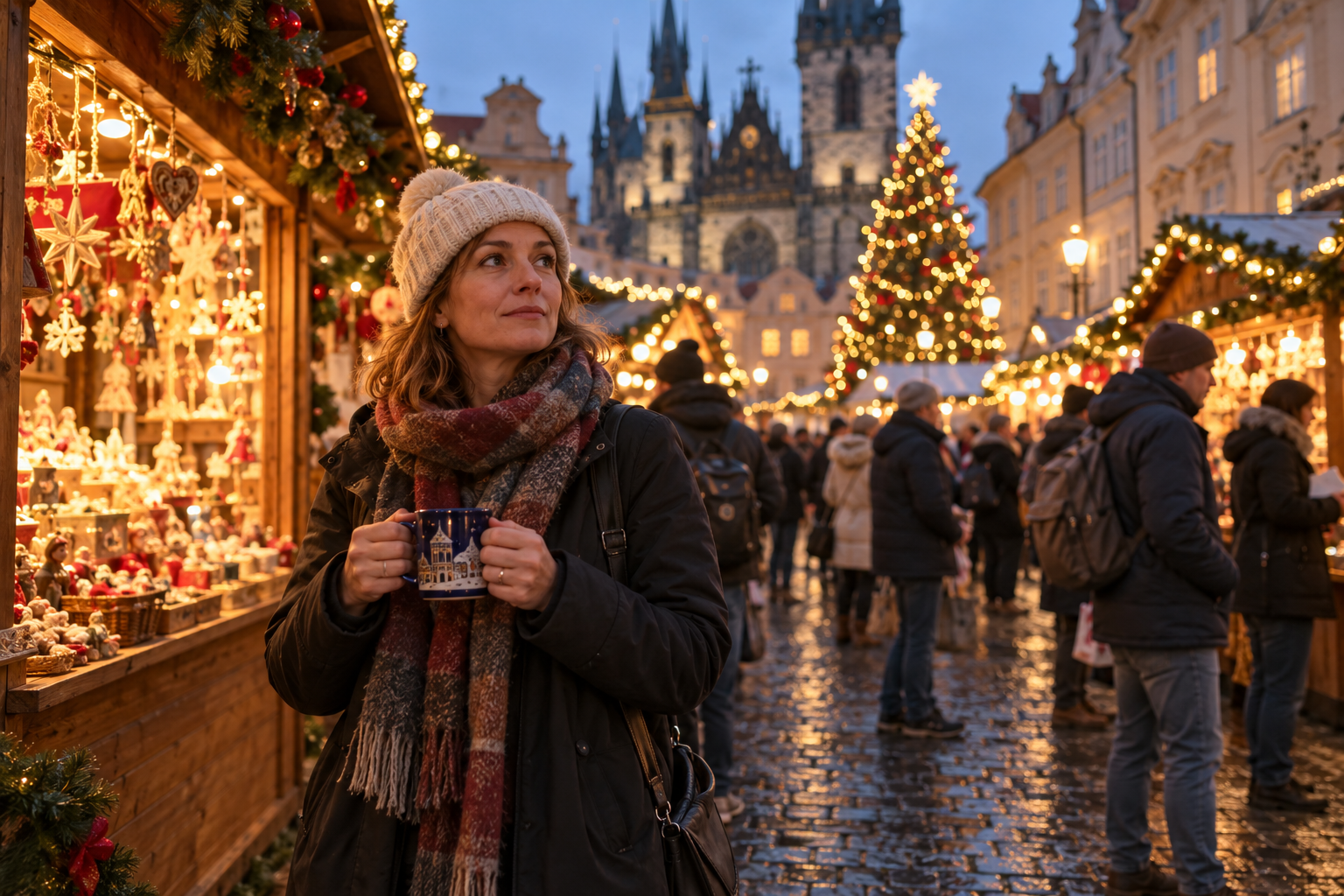
It helps to understand why the holidays, specifically, are so much harder than an ordinary week abroad. You can go months feeling perfectly settled and happy in a new country, and then December arrives and knocks you sideways, and the reason is that Christmas is the most tradition-soaked time of the year.
Most of the year, you are building a new life and it feels like an adventure. But the holidays are built almost entirely out of memory and repetition, the same rituals year after year, and those rituals are tied to a particular place and particular people. When the season that is supposed to feel like home finds you somewhere that is not yet home, the contrast is at its sharpest.
The distance makes itself felt in small, constant ways too. The time difference means the family video call happens at an odd hour. Everyone back home is together, and you are watching from the outside through a screen. It is a concentrated dose of being far away, delivered precisely when you most want to be close, which is why it can feel so acute.
And Then It Passes
Here is the part worth holding onto when you are in the thick of it. For most people, the hardest part is a short, specific window, and it is often worse in the dreading than in the living.
The days leading up to Christmas, and the day itself, tend to be the peak. You brace for them, you get through them, and very often you find that the actual day was gentler than the anticipation of it. And then, almost as quickly as it came, the sharpest edge of the loneliness softens. The holiday passes, ordinary life resumes, and the ache that felt overwhelming a few days earlier loosens its grip.
It is worth being honest that this is not a precise schedule, and everyone is different. For some people the adjustment takes longer, and if a heavy, lasting loneliness settles in rather than lifting, that is worth taking seriously and reaching out about, to friends, to family, to anyone who can help you feel less alone. But for a great many expats, the pattern really is that simple: a hard week, and then a turning.
You Are Far From the Only One

One of the most comforting things to remember, when the first Christmas abroad feels isolating, is how profoundly unoriginal the feeling is. All over the world, in every expat city, there are people feeling the exact same thing at the exact same time.
Every December, millions of people wake up far from the homes they grew up in and feel that familiar pang. The student abroad for the first year, the worker on an overseas posting, the retiree who moved for the sunshine, the person who followed love to a new country, all of them know this particular ache intimately. It is one of the most universal experiences in expat life.
Knowing that does not make the loneliness disappear, but it reframes it. You are not strange or ungrateful for feeling it; you have simply joined a very large, very quiet club of people who love where they come from and chose, for their own good reasons, to live somewhere else. And the members of that club tend to be wonderfully kind to one another in December, precisely because they all understand.
What Replaces It
What surprises people most is not that the loneliness passes but what grows in its place. The first Christmas abroad is also, if you let it be, the start of something new and often wonderful.
Freed from the old obligations and the old script, you get to build your own version of the holiday. Expats all over the world gather for what are affectionately called orphan Christmases, where people far from their families come together and become, for a day, a family of their own. These gatherings of fellow far-from-home souls can be some of the warmest, most relaxed celebrations you will ever have. Nobody is performing the perfect family holiday; everyone is just glad of the company.
There is a particular ease to a Christmas with no decades of family expectation behind it, where the only tradition is kindness and a shared meal. Many people find they prefer it to the pressure of the real thing.
There is also the gift of a whole new Christmas to discover. Your adopted country has its own festive traditions, its markets and foods and customs, and experiencing them for the first time can be genuinely magical rather than merely a substitute for what you miss. Many expats find, within a few years, that they have built a holiday they love just as much as the old one, and sometimes more, stitched together from new friends, new traditions, and the particular freedom of making it all up as you go.
What Expats Wish They Had Known
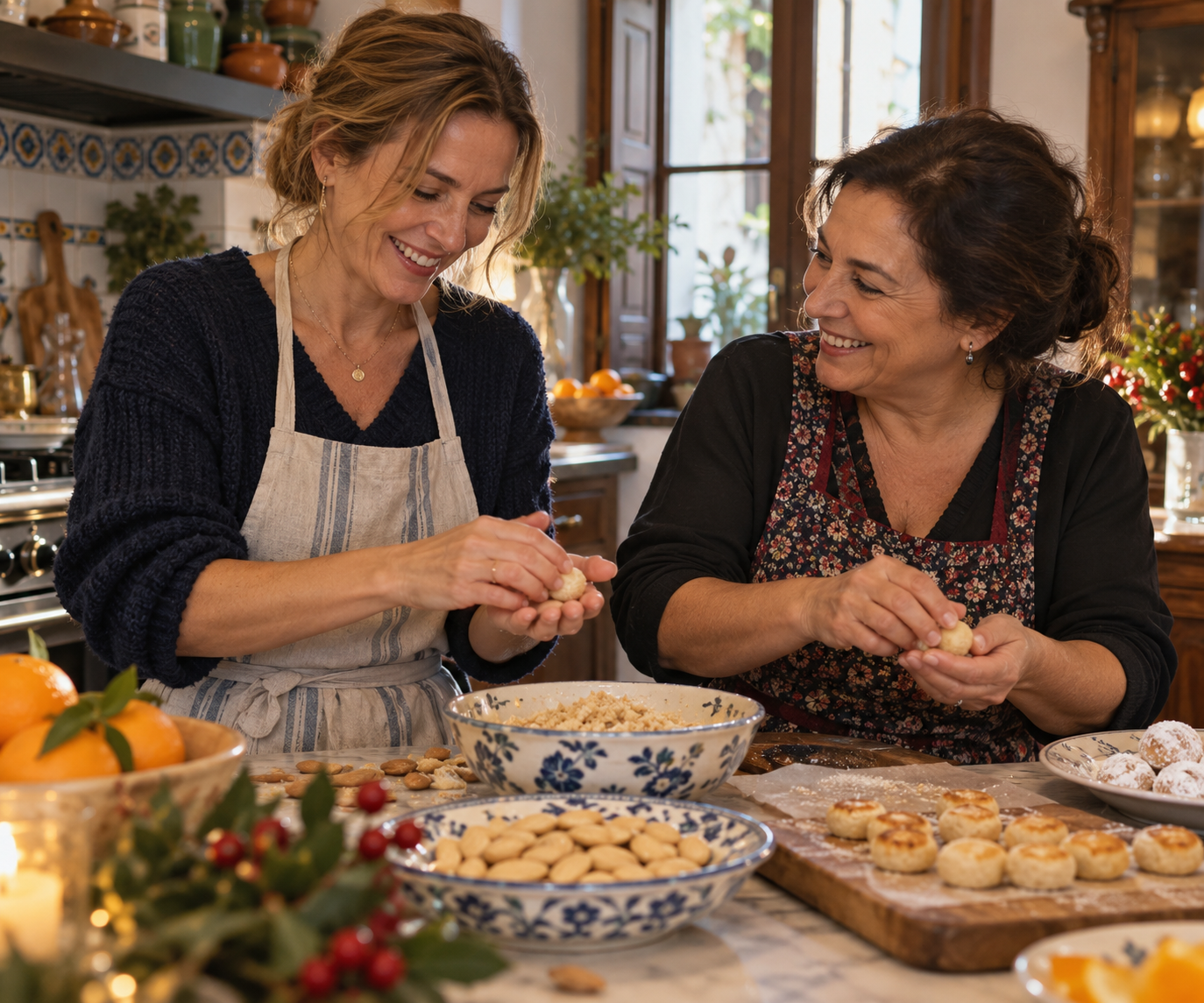
If you could gather a room full of experienced expats and ask them what they wish they had known before that first Christmas, the advice would be remarkably consistent, and it comes down to a few gentle things.
The first is not to spend the day alone if you can help it. Make a plan, however small, so the day is not an empty space you fall into; reach out to anyone you know, say yes to invitations, or host something yourself. The second is to stay connected to home without drowning in it. A call or video with family is precious, but spending the whole day watching everyone else’s celebration through a screen tends to deepen the ache rather than ease it, so give yourself permission to be present where you actually are.
Above all, they would tell you to be kind to yourself and to trust that it gets easier. The first Christmas is almost always the hardest one; the second is gentler, and by the third you often have traditions and people of your own.
The loneliness of that first December is real and it deserves to be felt. But it is not the whole story, and it is not the end of it.
It is the price of admission to a life that, holidays included, can become every bit as rich as the one you left, just in a different and unexpected shape. The expats who have been through it will tell you, almost to a person, that they would not trade the Christmases they have now.

About the Author: Ruben, co-founder of Gamintraveler.com since 2014, is a seasoned traveler from Spain who has explored over 100 countries since 2009. Known for his extensive travel adventures across South America, Europe, the US, Australia, New Zealand, Asia, and Africa, Ruben combines his passion for adventurous yet sustainable living with his love for cycling, highlighted by his remarkable 5-month bicycle journey from Spain to Norway. He currently resides in Spain, where he continues sharing his travel experiences with his partner, Rachel, and their son, Han.