
The Caribbean is easy to romanticize as a place where everyday life feels like a permanent vacation. Warm weather, turquoise water, beaches, slower routines, and outdoor living can make the idea of relocating there feel almost irresistible.
But living in the Caribbean is very different from spending a week at a resort. Once you move beyond the beach, practical issues start to matter: housing, healthcare, groceries, transportation, internet, hurricane exposure, residency rules, and the cost of importing everyday goods.
That does not make the region less appealing. It simply means the best place to live is rarely the island with the prettiest resort. The right choice depends on whether you want affordability, infrastructure, international flights, nightlife, quiet, community, tax advantages, or access to good medical care.
Different islands also offer very different lifestyles. Some feel highly developed and international, while others are quieter, more local, and far less connected. Two places that look almost identical in vacation photos can feel completely different once you try to build a routine there.
The smartest way to compare Caribbean destinations is therefore to look beyond scenery. The best place to live is the one where the everyday compromises still feel worth it after the novelty wears off.
Read here Best eSim for International Travel and Best Travel Insurance Comparison
Read here Best Caribbean Sim Card and Best Caribbean Breakfast
Tips for Living Affordably in the Caribbean
Look beyond touristy spots – Lesser-known towns offer cheaper rent and more authenticity.
Negotiate long-term rentals – Many landlords are open to discounted monthly rates.
Shop local – Imported goods are expensive; eat what the locals eat for savings and flavor.
Secure good Wi-Fi – If you’re working remotely, test connection strength before moving.
Be mindful of hurricane season – Consider elevation and infrastructure when picking your location.
The controversial truth is that some of the most famous Caribbean islands are better for vacationing than for living. Resort areas can be stunning while long-term residents deal with high prices, traffic, limited housing, or services that are less convenient than visitors expect.
Another uncomfortable reality is that island life is not automatically cheap. Imported food, cars, appliances, utilities, and construction materials can make everyday expenses surprisingly high, especially on smaller or more isolated islands.
There is also a tendency to romanticize slower living without considering what “slower” can mean in practice. A relaxed pace may feel wonderful until you need a repair, specialist appointment, government document, or delivery quickly.
Some people also underestimate how small an island can feel after several months. Limited shopping, fewer cultural events, fewer direct flights, and a smaller social circle can become significant if you are used to living in a large city.
The real controversy is that paradise can still come with ordinary problems. Beautiful weather and beaches do not cancel out bureaucracy, infrastructure issues, natural-disaster risk, or the challenge of building a social life from scratch.
BOOK YOUR TRAVEL INSURANCE
Two of our favorite travel insurance: Heymondo Vs Safetwing cheapest travel Insurance. You can get for $135 USD your Heymondo Travel Insurance with Heymondo discount code valid for 90 days. Read our full comparison of Genki vs Safetywing Travel Insurance Review and the comparison Heymondo vs Genki
Best Places In The Caribbean To Live For Less Than $2,000
1. Puerto Plata, Dominican Republic
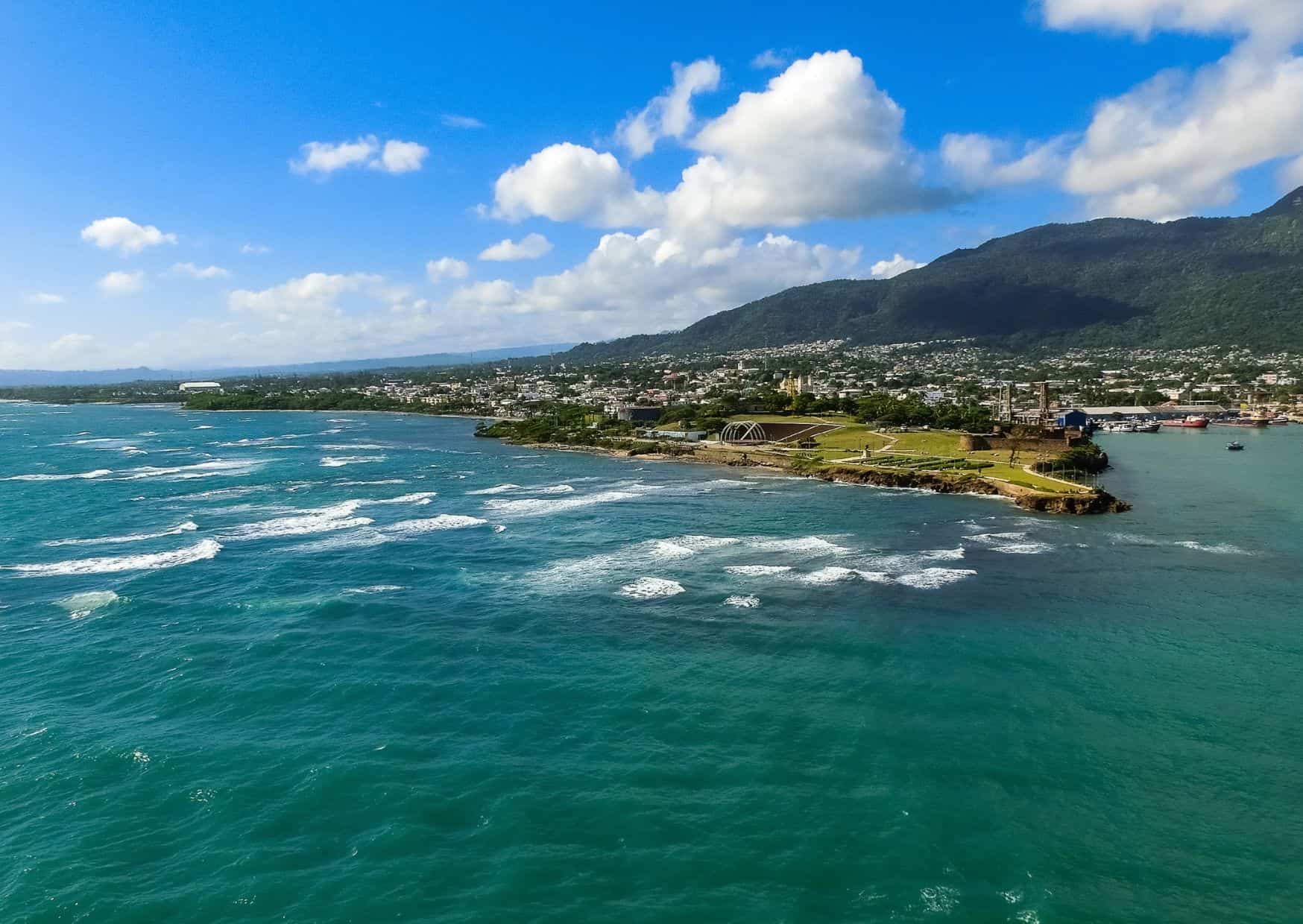
Why It’s Affordable: The Dominican Republic is one of the most affordable Caribbean countries, and Puerto Plata offers a combination of beautiful beaches, a lively expat community, and a relatively low cost of living. With its affordable real estate and reasonable daily expenses, you can comfortably live in Puerto Plata on less than $2,000 per month.
Highlights:
Stunning Beaches: Playa Dorada and Sosúa Beach are perfect for swimming and water sports.
Expanding Expat Community: The area is popular among expats, offering a range of social activities.
Rich History: Explore the historic center, including the Fortaleza San Felipe, a 16th-century fort.
Outdoor Activities: Hiking at Mount Isabel de Torres and exploring nearby waterfalls.
Cost Breakdown:
Rent: $500-800 for a furnished one-bedroom apartment.
Utilities and Internet: $100-150.
Groceries and Dining: $200-300.
Total Estimated Monthly Cost: $1,200-1,700.
2. Granada, Nicaragua
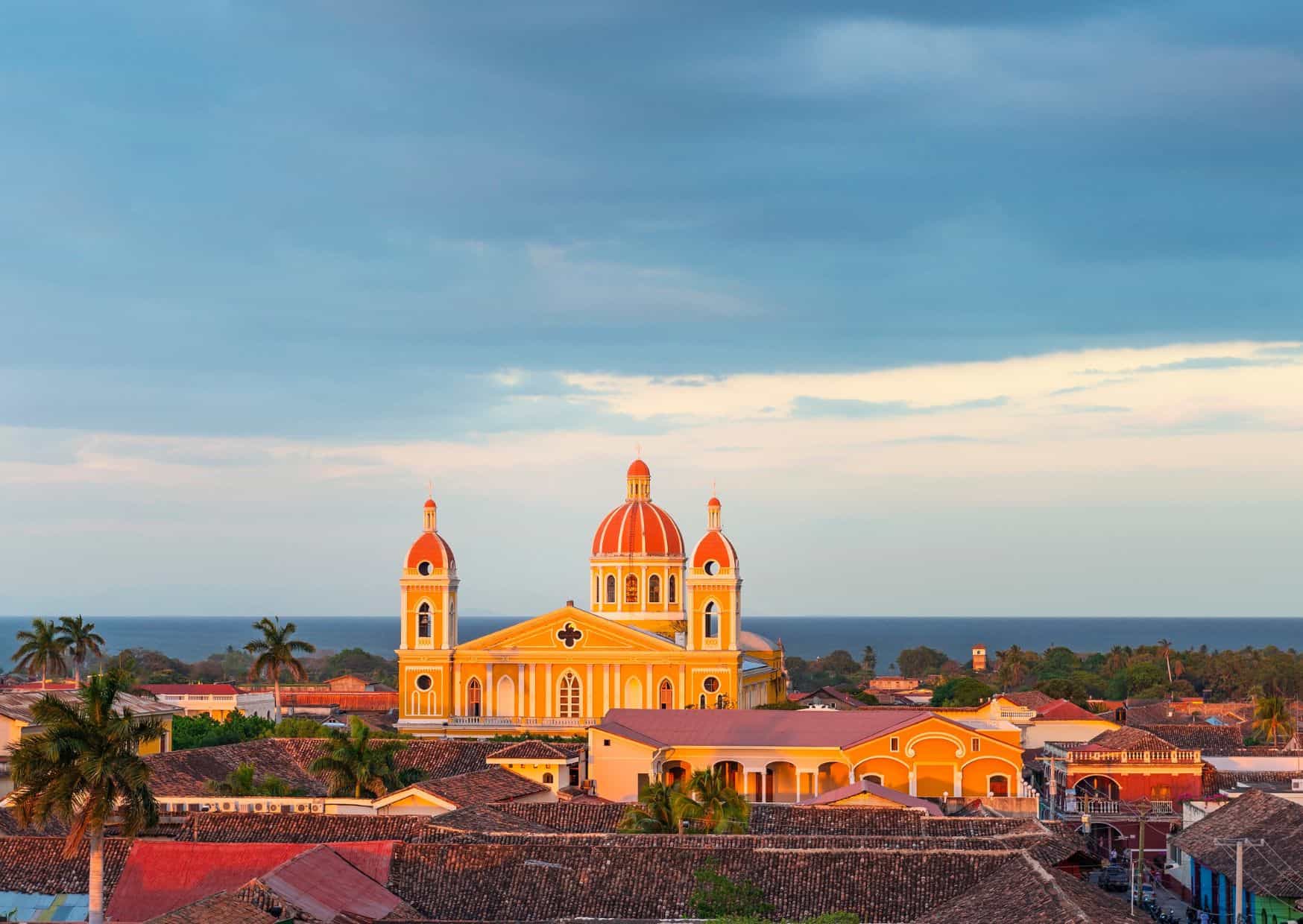
Why It’s Affordable: While not an island, Granada is a charming colonial city located near Lake Nicaragua, offering a Caribbean-like atmosphere. The low cost of living, colorful architecture, and cultural experiences make Granada an attractive destination for budget-conscious expats.
Highlights:
Colonial Architecture: Explore beautiful colonial buildings, churches, and plazas.
Outdoor Activities: Enjoy kayaking on Lake Nicaragua or hiking Mombacho Volcano.
Vibrant Expat Scene: Many expats have settled here, creating a welcoming community.
Affordable Dining: Local restaurants offer delicious Nicaraguan food at low prices.
Cost Breakdown:
Rent: $300-600 for a comfortable one-bedroom apartment.
Utilities and Internet: $100-120.
Groceries and Dining: $200-300.
Total Estimated Monthly Cost: $800-1,200.
3. Bocas del Toro, Panama

Why It’s Affordable: Bocas del Toro is a laid-back archipelago on Panama’s Caribbean coast, known for its stunning beaches, turquoise waters, and vibrant community. It’s perfect for those seeking a relaxed lifestyle on a budget, with plenty of opportunities for water sports, snorkeling, and beach hopping.
Highlights:
Beautiful Beaches: Spend your days lounging on Red Frog Beach or Starfish Beach.
Water Activities: The area is famous for its snorkeling, diving, and surfing.
Colorful Town: The main town, Bocas Town, is lively with colorful wooden houses and a thriving nightlife.
Eco-Friendly Community: Embrace a sustainable lifestyle with eco-lodges and green initiatives.
Cost Breakdown:
Rent: $500-700 for a one-bedroom apartment or small house.
Utilities and Internet: $100-150.
Groceries and Dining: $250-350.
Total Estimated Monthly Cost: $1,200-1,800.
4. Santo Domingo, Dominican Republic

Why It’s Affordable: The capital city of the Dominican Republic, Santo Domingo offers a mix of modern amenities and colonial charm. It’s possible to live comfortably on a modest budget while enjoying the city’s vibrant cultural scene, nightlife, and historic sites.
Highlights:
Colonial Zone: Explore the oldest European city in the Americas with its beautiful colonial architecture.
Vibrant Cultural Scene: Museums, theaters, and galleries are abundant.
Modern Amenities: The city offers modern shopping centers, international restaurants, and excellent healthcare facilities.
Beach Access: Nearby Boca Chica and Juan Dolio beaches are perfect for day trips.
Cost Breakdown:
Rent: $400-700 for a one-bedroom apartment in a central area.
Utilities and Internet: $100-150.
Groceries and Dining: $250-350.
Total Estimated Monthly Cost: $1,200-1,800.
5. Isla Mujeres, Mexico
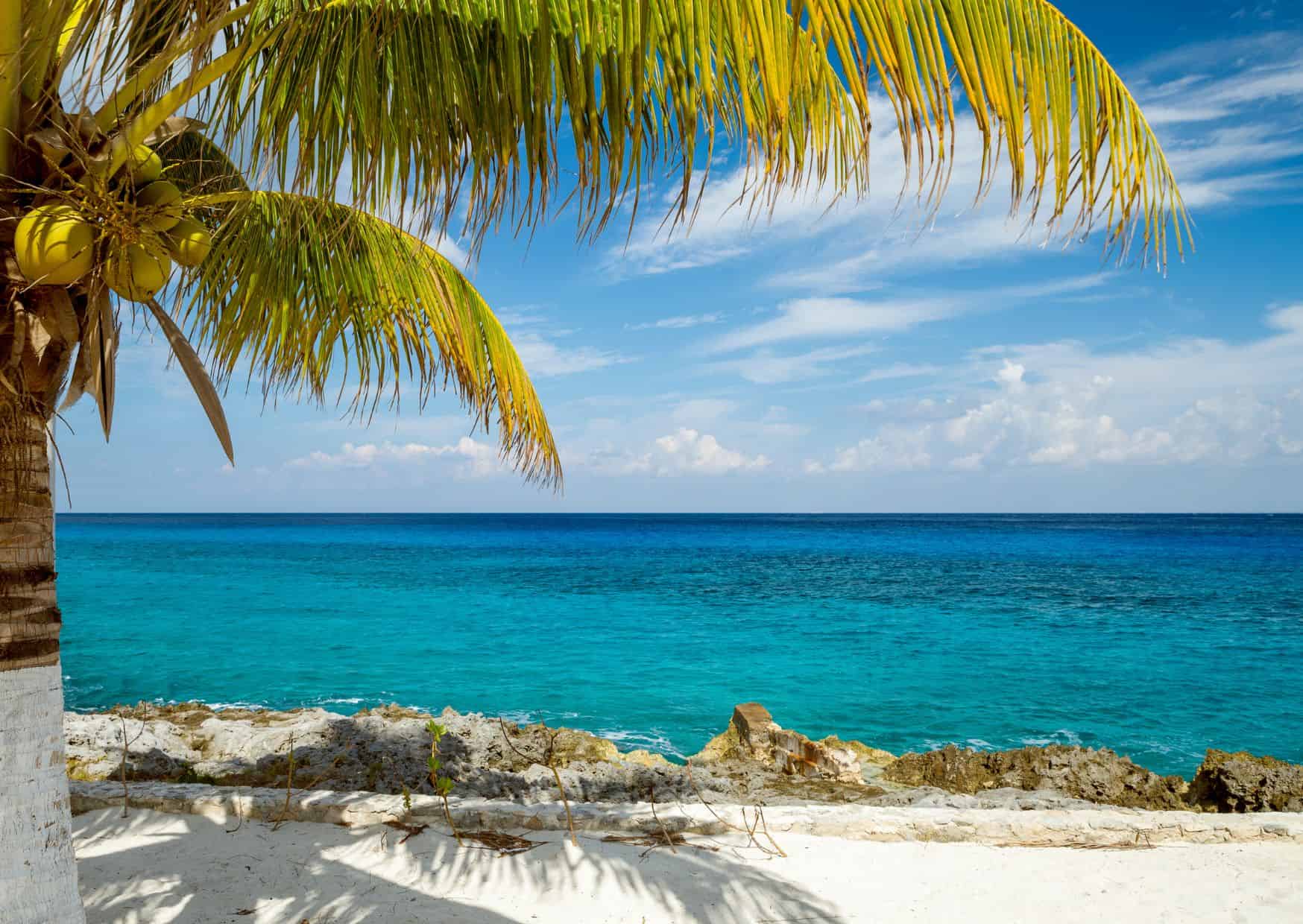
Why It’s Affordable: Located off the coast of Cancun, Isla Mujeres is a small island with stunning beaches, a laid-back atmosphere, and relatively low living costs. Although not technically part of the Caribbean, it has all the Caribbean charm and is an ideal destination for those wanting island living at a fraction of the price.
Highlights:
Beautiful Beaches: Playa Norte is one of the most beautiful beaches in Mexico.
Snorkeling and Diving: Explore the MUSA underwater museum and vibrant coral reefs.
Close to Cancun: Easy access to the amenities and international flights from Cancun.
Local Dining: Enjoy fresh seafood and affordable street food.
Cost Breakdown:
Rent: $500-900 for a small apartment or studio.
Utilities and Internet: $100-130.
Groceries and Dining: $200-300.
Total Estimated Monthly Cost: $1,200-1,800.
6. Corozal, Belize

Why It’s Affordable: Corozal is a small town near the Mexican border with a large expat community and a relaxed vibe. It’s one of the most affordable places to live in Belize, offering access to the Caribbean Sea, friendly locals, and a slower pace of life.
Highlights:
Waterfront Living: Many affordable homes and rentals are available with stunning sea views.
Proximity to Chetumal, Mexico: Easy access to shopping, healthcare, and services just across the border.
English-Speaking Community: Belize is English-speaking, making it easier for Americans to settle in.
Local Markets: Fresh produce and seafood are available at affordable prices.
Cost Breakdown:
Rent: $400-600 for a waterfront apartment or house.
Utilities and Internet: $100-150.
Groceries and Dining: $200-300.
Total Estimated Monthly Cost: $1,000-1,500.
7. Las Terrenas, Dominican Republic

Why It’s Affordable: Las Terrenas is a hidden gem on the Samaná Peninsula in the Dominican Republic, known for its beautiful beaches, lush green landscapes, and affordable living. It’s ideal for expats looking for a tranquil beach town with a mix of local and French influences.
Highlights:
Gorgeous Beaches: Playa Bonita and Playa Cosón are two of the most beautiful beaches in the Caribbean.
European Influence: With a large French expat community, the town has excellent bakeries, restaurants, and a cosmopolitan vibe.
Outdoor Adventures: Explore nearby waterfalls, go horseback riding, or take boat trips to hidden beaches.
Lower Cost of Living: Las Terrenas is less developed than the main tourist hubs, making it more budget-friendly.
Cost Breakdown:
Rent: $500-800 for a furnished one-bedroom apartment.
Utilities and Internet: $100-150.
Groceries and Dining: $200-300.
Total Estimated Monthly Cost: $1,200-1,700.
8. Roatán, Honduras

Why It’s Affordable: Roatán, part of the Bay Islands of Honduras, is a diving and snorkeling paradise with an affordable cost of living. The island’s close-knit expat community, beautiful beaches, and relaxed lifestyle make it a perfect place to live well on a budget.
Highlights:
World-Class Diving: Roatán is part of the Mesoamerican Barrier Reef, the second-largest coral reef in the world.
Beachfront Living: Enjoy direct access to stunning beaches and turquoise waters.
Laid-Back Lifestyle: Roatán offers a slow, relaxed pace of life that’s ideal for retirees and remote workers.
Cost Breakdown:
Rent: $500-800 for a beachfront apartment or small house.
Utilities and Internet: $100-130.
Groceries and Dining: $200-300.
Total Estimated Monthly Cost: $1,200-1,600.
9. Grenada

Why It’s Affordable:
Known as the “Spice Island,” Grenada offers affordable rentals and fresh, low-cost local produce.
Monthly Expenses:
Rent: $400–$600
Utilities & Internet: $150
Food & Groceries: $300
Total: ~$1,100–$1,400
Highlights:
Stunning beaches, rainforests, and friendly locals.
10. St. Vincent and the Grenadines
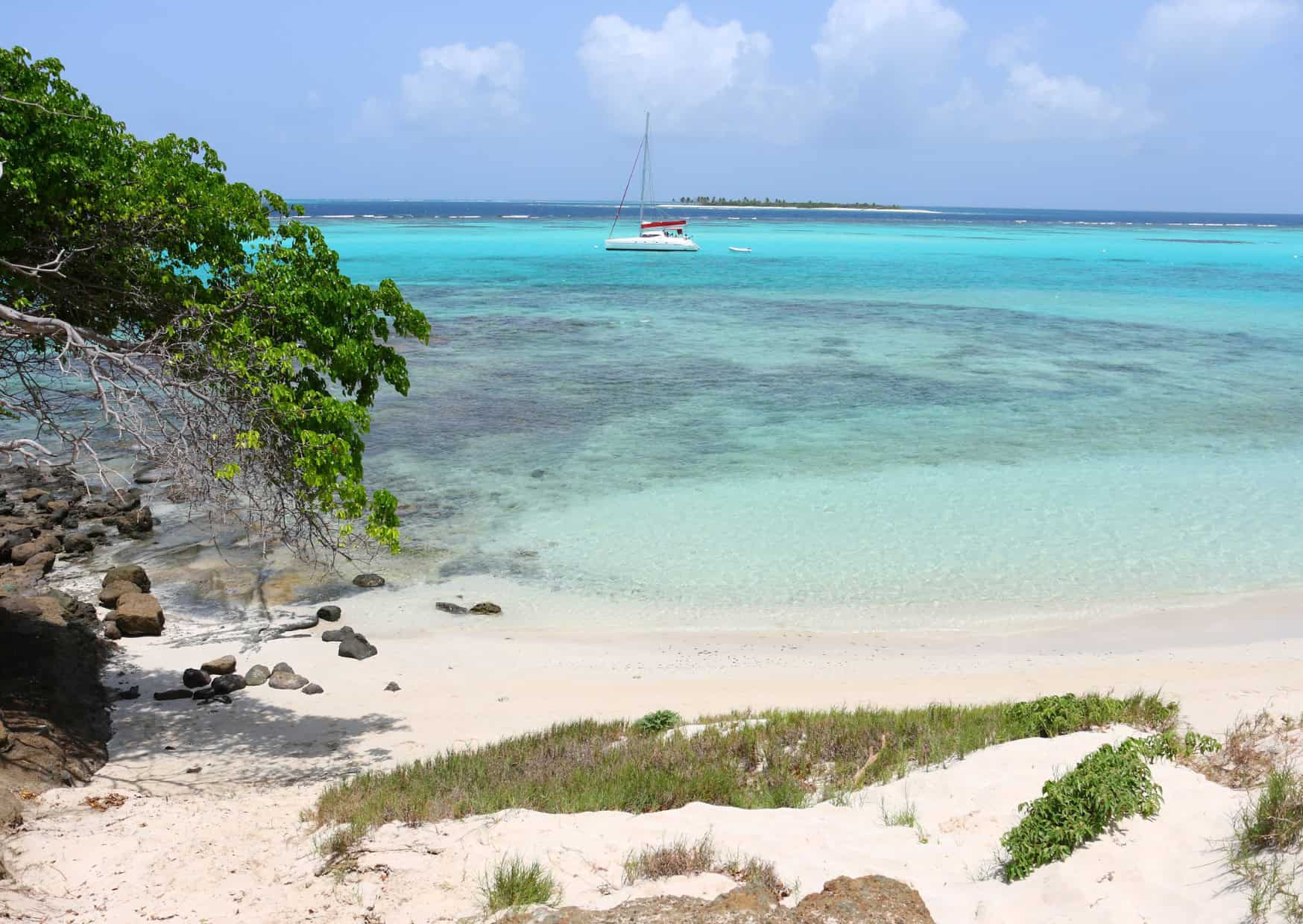
Why It’s Affordable:
Smaller islands like St. Vincent offer lower living costs and less tourist-driven inflation.
Monthly Expenses:
Rent: $300–$500
Utilities & Internet: $150
Food & Groceries: $300
Total: ~$1,000–$1,300
Highlights:
Tranquil beaches, lush landscapes, and a peaceful lifestyle.
11. Barbados – Speightstown

Why It’s Affordable:
While Barbados can be expensive, towns like Speightstown offer more budget-friendly options for expats.
Monthly Expenses:
Rent: $500–$700
Utilities & Internet: $200
Food & Groceries: $350–$400
Total: ~$1,300–$1,700
Highlights:
Rich culture, beautiful beaches, and vibrant local markets.
12. Trinidad and Tobago

Why It’s Affordable:
Trinidad and Tobago offer affordable living with access to both vibrant city life and serene beaches.
Monthly Expenses:
Rent: $400–$600
Utilities & Internet: $150
Food & Groceries: $300–$400
Total: ~$1,100–$1,500
Highlights:
Carnival festivities, diverse cuisine, and vibrant music culture.
Why You Should Consider Living in the Caribbean
You should consider the Caribbean if climate and outdoor living matter greatly to you. Being able to spend more of the year outside can have a major effect on how daily life feels.
The region can also offer a slower pace that appeals to people who are tired of long commutes, constant urgency, and the pressure of larger cities. For some, that change alone is worth the move.
Many Caribbean destinations also have strong international communities. That can make it easier for newcomers to meet people, find services, and adjust to life abroad.
Living near the ocean can also change how you spend your free time. Swimming, diving, sailing, walking, and simply being outside become part of normal life rather than activities reserved for vacations.
Most importantly, the Caribbean offers a wide range of lifestyles. You can choose somewhere highly developed, somewhere affordable, somewhere remote, or somewhere closely connected to the United States or Europe depending on your priorities.
Why You Should Not Care Too Much About Rankings
You should not assume that the island ranked number one is automatically the best choice for you. A place that works perfectly for a retiree may be frustrating for a remote worker, family, or young professional.
You also should not choose based on beaches alone. Once you live somewhere, healthcare, transportation, internet, safety, and housing become much more important than whether the water looks perfect every afternoon.
There is also no reason to chase the cheapest island if the compromises do not match your lifestyle. Saving money is less useful if you constantly need expensive flights, private healthcare, or imported goods.
You should be cautious about assuming that expat popularity equals quality of life. Famous expat areas can be convenient, but they can also be expensive, crowded, and disconnected from local life.
Finally, island living is not for everyone. Some people thrive in smaller communities and slower environments, while others eventually miss the variety, convenience, and anonymity of a major city.
Final Thoughts
The best places to live in the Caribbean are not necessarily the most famous ones. They are the places where lifestyle, cost, infrastructure, and daily convenience line up with what you actually need.
The smartest way to choose is to think about ordinary Tuesday mornings rather than vacation sunsets. Ask yourself where you would shop, work, see a doctor, meet people, and handle everyday errands.
It is also worth spending extended time in a destination before committing. A month in a residential neighborhood can teach you far more about island life than a week at an all-inclusive resort.
You may discover that the place you expected to love is too expensive or isolated, while a less glamorous island feels much easier to live in. That is why research matters more than reputation.
In the end, the Caribbean can be an incredible place to build a life, but paradise works best when it also functions. The right island is the one that still feels good after the vacation mindset disappears.

About the Author: Ruben, co-founder of Gamintraveler.com since 2014, is a seasoned traveler from Spain who has explored over 100 countries since 2009. Known for his extensive travel adventures across South America, Europe, the US, Australia, New Zealand, Asia, and Africa, Ruben combines his passion for adventurous yet sustainable living with his love for cycling, highlighted by his remarkable 5-month bicycle journey from Spain to Norway. He currently resides in Spain, where he continues sharing his travel experiences with his partner, Rachel, and their son, Han.