
If you’re planning to go to Paris, remember the top mistakes tourists make in Paris. We wrote this guide to address all these top mistakes and how tourists and travelers can avoid them.
Paris may be one of the most romantic and enchanting cities in the world, but it can quickly turn frustrating for first-time visitors who unknowingly fall into common tourist traps. While the Eiffel Tower, croissants, and sidewalk cafés are timeless charms, there’s a lot more to enjoying Paris than ticking off the obvious attractions.
Many travelers make the same errors overpacking their itineraries, ignoring local etiquette, or relying too heavily on guidebooks—and end up missing the city’s real magic. The truth is, Paris rewards those who take the time to experience it like a local, not just a tourist.
By avoiding these common mistakes, you can move beyond the crowded hotspots and discover the quieter, more authentic Paris that Parisians love.
Essential Purchases Before Leaving for Paris:
– eSIM for Paris – for flexible data usage
Two of our favorite travel insurance: Heymondo Vs Safetwing cheapest travel Insurance. You can get for $135 USD your Heymondo Travel Insurance with Heymondo discount code valid for 90 days. Read our full comparison of Genki vs Safetywing Travel Insurance Review and the comparison Heymondo vs Genki
Quick & Easy Tips
Learn a few French phrases a simple “bonjour” goes a long way.
Skip the midday museum rush visit early or late.
Use public transport taxis are slow and expensive in traffic.
Dress smartly Parisians value style, even in casual wear.
Explore beyond central Paris outer arrondissements have hidden gems.
The controversial truth about Paris is that tourists are often not treated differently because Parisians are inherently rude. They are treated differently because visitors sometimes ignore social rules locals follow automatically. Speaking loudly, skipping greetings, blocking sidewalks, dressing for convenience everywhere, or expecting American-style service can make someone stand out before they even realize it.
Another uncomfortable truth is that many Americans arrive in Paris expecting the city to adapt to them. They expect fast service, casual friendliness, large portions, flexible rules, and constant customer attention. Paris operates differently. What feels cold or inefficient to an American can simply be normal French social distance, formality, or pacing.
The biggest mistake is assuming politeness works the same way everywhere. In the United States, friendliness can mean smiling, chatting, and getting straight to the point. In Paris, a simple “bonjour” before asking a question can matter more than enthusiastic small talk. Skipping that ritual can make a request feel abrupt even when the words themselves are polite.
There is also a fashion element that tourists underestimate. Paris is not a runway every day, but presentation matters more than many visitors expect. Wearing gym clothes, oversized travel gear, or overly casual outfits in certain settings can immediately identify someone as a tourist. That does not mean locals are judging every outfit, but the contrast can be obvious.
The real controversy is that travelers sometimes confuse cultural discomfort with hostility. Paris can feel less accommodating when you are unfamiliar with the rules, but once you understand the basics, the city often becomes easier. The issue is not becoming French. It is recognizing that different social systems reward different behaviors.
Mistake No. 1: Misjudging the Maze of 20 Arrondissements

Paris’s unique layout with 20 arrondissements can be a maze for first-time visitors. Recognizing their spiral pattern is critical to choosing the right district for your stay and avoiding common tourist pitfalls.
What are arrondissements?
Arrondissements are administrative districts used in France, Belgium, and some former French colonies. Paris is divided into 20 arrondissements in France, each with a town hall and local government. The other major cities in France also have arrondissements. Still, they are typically less numerous and more crucial than those in Paris. Arrondissements are a way of organizing local government and services, and they can also be used for statistical purposes.
Choosing the Right Arrondissement for Your Stay
| Arrondissement | Highlights |
|---|---|
| 1st | Louvre, Palais Royal, Seine River views |
| 4th | Notre-Dame, Marais, trendy boutiques |
| 7th | Eiffel Tower, Musée d’Orsay, high-end dining |
| 18th | Montmartre, Sacré-Cœur, bohemian ambiance |
Remember that each arrondissement offers a different slice of French life when planning your trip to Paris. The 1st arrondissement sits at the city’s core, home to iconic landmarks like the Louvre. It’s perfect if you want to be in the heart of historic Paris. However, the 4th arrondissement might appeal more if you love the vibrant street life with spots like the Marais and bustling cafes.
Avoiding the Wrong Arrondissement Mistake
The wrong arrondissement mistake commonly trips up tourists. Depending on your interests, some districts might be different from the right fit. For example, the 20th might be better if you’re looking for the classic Parisian glamour; it’s known more for its authentic charm away from the tourist crowds. Conversely, the 8th is great if you’re keen on luxury shopping on avenues like the Champs-Élysées but may not have the same quaint atmosphere as less commercial areas.
- 20th Arrondissement: More residential, famed for Père Lachaise Cemetery.
- 8th Arrondissement: High-end fashion, Arc de Triomphe, business-centric.
Remember, the arrondissements are numbered in a clockwise spiral. As the numbers increase, you move further from the center. Consider this when booking your accommodation to minimize long transits and soak in the desired Parisian experience.
Mistake No. 2: Losing Your Way in Paris’s Public Transport

Mastering the intricate public transport network is critical to an efficient and enjoyable trip to Paris. The Paris Metro and bus lines are gateways to the city’s many marvels, offering an affordable and convenient alternative to car travel.
Mastering the Metro Lines
Paris is renowned for its Metro, a vast and efficient underground rail system that interconnects across the city. Here’s what you need to know:
- Number of Lines: There are 16 Metro lines, labeled from 1 to 14, with two additional secondary lines (3bis and 7bis).
- Operational Hours: Trains run roughly from 5:30 AM until 1:15 AM, providing extensive daily coverage.
- Frequency: Expect trains every 2-4 minutes during rush hour and every 5-7 minutes during slower periods.
Purchasing a day pass for unlimited travel within zones 1-2 at 8,45€ can save you money if you plan multiple daily trips. Remember, it’s valid from purchase until midnight of the same day.
Opting for Buses Over Cars
While exploring Paris, consider the bus system a scenic alternative to the Metro. Benefits of taking the bus include:
- Views: You get to see more of Paris’s streets and architecture.
- Congestion: Unlike cars, buses have dedicated lanes, which help avoid common traffic jams.
Here are tips for bus travel:
- Routes: Familiarize yourself with the bus routes that complement the Metro for optimal coverage.
- Schedule: Services are less frequent than the Metro, so check the timetable beforehand.
Focusing on public transportation will help you navigate Paris like a savvy traveler and enjoy a more authentic experience.
Mistake No. 3: Overlooking Parisian Culture and Language Nuances
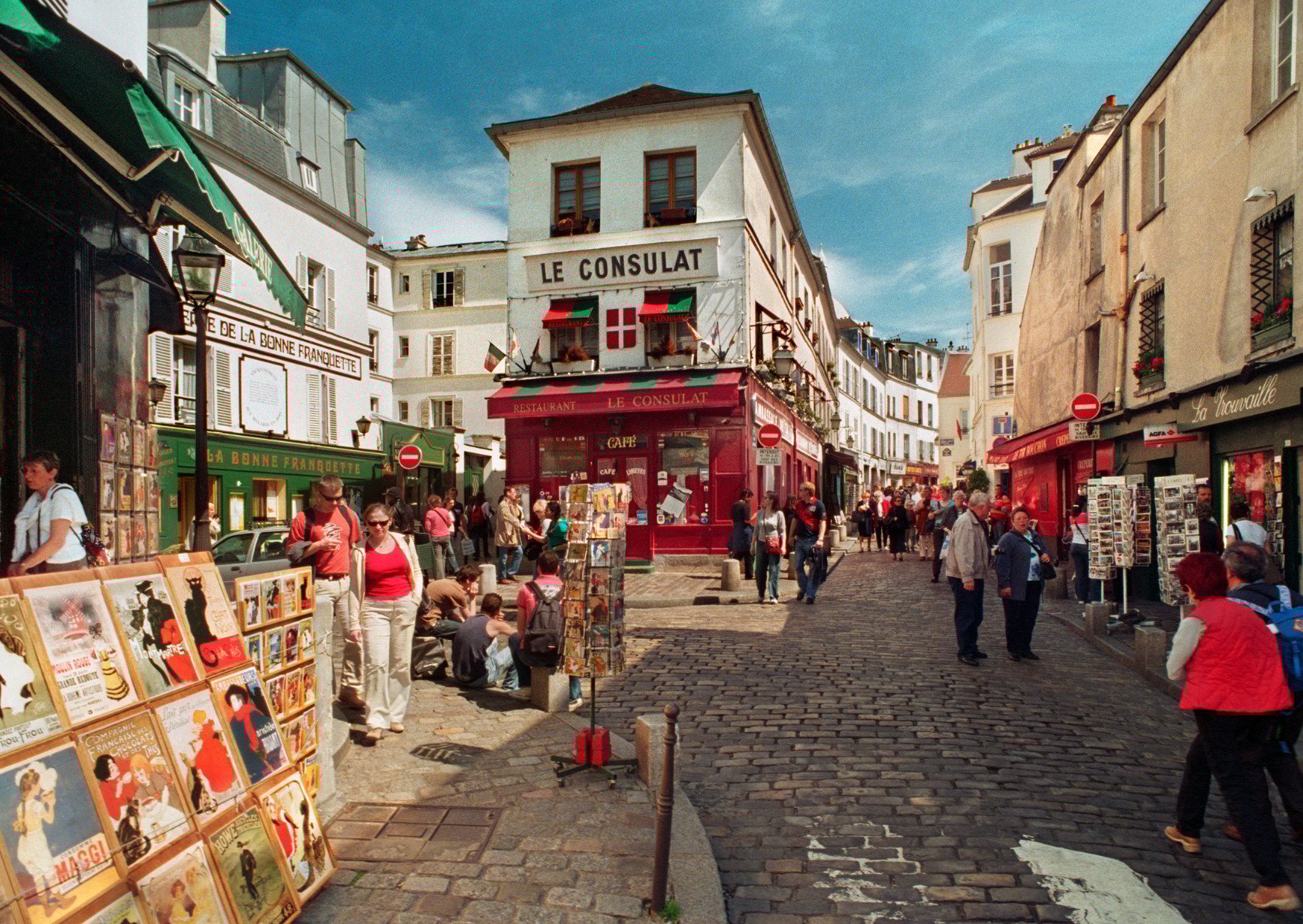
Embarking on a Parisian adventure means embracing French culture and the nuances of the French language. It’s essential to respect the local customs and show a willingness to communicate, even with a limited vocabulary.
The Importance of Greeting with ‘Bonjour’
The power of a simple ‘Bonjour’ – the French word for hello – cannot be overstated in Paris. It’s a sign of respect and an easy way to show you’re trying to engage with French culture. Remember, whether talking to a bus driver, waiter, or shopkeeper, always start your interaction with ‘Bonjour.’ This greeting primes your listener for a positive conversation or request and marks you as a polite visitor.
Understanding French Tipping Etiquette
Tipping in France is different from what you may be used to. Service charges are often included in your bill, embodying the concept of ‘service comprise.’ However, leaving a small extra—a few euros for a meal at a restaurant, for instance—is an excellent way to express your satisfaction with the service. Tipping isn’t obligatory but is appreciated for exemplary service. Remember that tips in France are usually given in cash, so carry some small change for this purpose.
Mistake No. 4: Falling Prey to Common Tourist Scams

When exploring Paris, it’s essential to be aware of common tourist scams that prey on unwary visitors. The following tips are designed to help you safeguard your valuables and ensure your dining experiences are genuine.
Steering Clear of Pickpockets
Pickpocketing is one of the most prevalent tourist scams in Paris. To protect yourself:
- Be vigilant in crowded places like the Eiffel Tower, museums, and on the Metro.
- Carry your belongings securely. Use bags that close firmly, and consider wearing a money belt.
- Avoid distractions that thieves may use to their advantage. This includes street performances and petitions, often tactics to distract victims.
Being Wary of Overpriced Restaurants
Avoid becoming a victim of overpriced dining experiences:
- Check menus and prices before entering a restaurant, as some may have hidden charges or exorbitant prices aimed at tourists.
- Learn about the average cost of meals by consulting reliable online reviews.
- Dine in less tourist-heavy areas to find more authentic and fairly-priced meals.
Following these tips can help you enjoy a more secure and authentic Parisian adventure. Remember, awareness is your best defense against falling prey to scams.
Mistake No. 5: Spending Where You Shouldn’t in Paris

Managing your budget wisely while in Paris can make the difference between an enjoyable trip and one fraught with financial worries. Focus on economizing where you can, especially on essentials like water and transportation, while avoiding the pitfalls of overspending on typical tourist attractions that could inflate your expenses unnecessarily.
Smart Saving on Water and Transportation Costs
When sightseeing in Paris, tap water is safe and palatable to drink. Take advantage of this by carrying a refillable water bottle with you. Not only does this help the environment, but it also spares your wallet from the added cost of bottled water, which can add up quickly.
To get around, consider the many transportation options available. Buy a carnet, a book of 10 single-use tickets for the Metro and buses, offering a significant discount over buying individual tickets. A day or multi-day pass can provide unlimited rides and further savings if you plan to explore extensively. Walking or using the city’s bike-share program, Vélib’, can also be economical and give you a more intimate experience of Paris’s charming streets.
Saying No to Costly Tourist Traps
Paris is famous for its tourist traps where the cost of goods and services, including tipping, can be exaggerated. Avoid restaurants near major tourist sights, which tend to be overpriced for dining. Opt for eateries where locals go; remember, tipping is not mandatory. It should be more modest than the US, with a few extra euros often sufficing for good service.
Remember that a higher price sometimes means better quality when shopping for souvenirs. Shop at local markets or from street vendors for authentic, affordable gifts. Always be mindful of your budget and resist the urge to splurge on items simply because they’re marketed as unique to Paris. Doing some research can ensure you pay a fair price for your keepsakes.
Mistake No. 6: Poorly Planning Parisian Sightseeing
When you visit Paris for the first time, you’re entering a world dazzling with iconic landmarks and hidden treasures. Knowing how to approach sightseeing strategically can help you make the most of your time in the City of Light.
Planning Visits to Major Attractions like the Eiffel Tower
The Eiffel Tower is often at the top of any Paris sightseeing list. To avoid common mistakes, book tickets in advance and consider visiting during off-peak hours to dodge the lengthy queues. Some travelers insist the best view of Paris comes from the tower’s top. Still, the Arc de Triomphe offers a breathtaking panorama with a different level of crowding. During peak tourist season, plan your visit to other famous sights, like the Louvre or Montmartre, with the same foresight — book tickets online and arrive early or late in the day to beat the rush.
Seeking Out Paris’ Hidden Gems
Beyond the well-trodden path lies a Paris ripe with hidden gems. Each secret attraction gives you insight into the city’s charm. Swap a packed Eiffel Tower experience for the vistas at Sacré-Cœur’s tower, or discover the lesser-visited Rodin Museum. Venturing off the beaten track not only allows a unique perspective but often reduces the stress of navigating through swarms of tourists. A pro tip: dedicate time to stroll through less famous but equally enchanting neighborhoods like Le Marais or Canal Saint-Martin.
Mistake No. 7: Packing Wrong for Parisian Weather
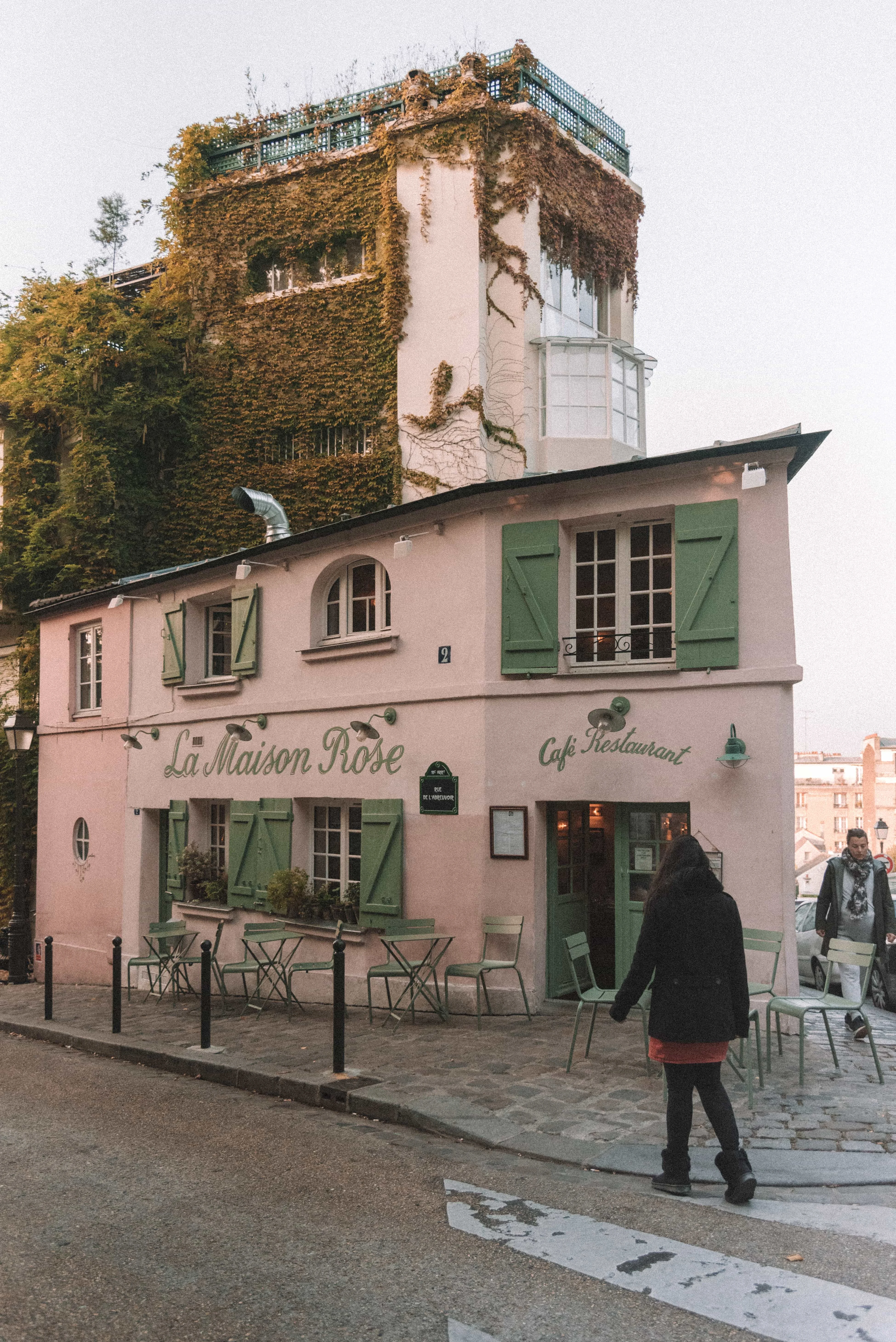
Navigating Paris’s unpredictable climate means packing smart. Your attire can make or break your experience, especially as a first-time visitor.
Emphasizing Comfort with the Right Walking Shoes
Comfortable walking shoes are your feet’ best friends in Paris. You’ll likely be on your feet touring vibrant neighborhoods like Le Marais or strolling along the Seine. Opt for shoes that blend style with comfort, preferably those worn to prevent blisters. Ensure they’re suited to various weather conditions. Paris can surprise you with a sunny day followed by a sudden shower.
- Style Tip: No need to sacrifice style—select sleek sneakers or waterproof low-heeled boots.
- Practical Note: If visiting in high season, breathable materials can be a lifesaver.
Preparing for High Season Crowds and Weather
The high season in Paris, typically April through October, offers warm weather and brings crowds. Lightweight and layered clothing allows you to adapt to fluctuating temperatures.
- Rain Essentials: Short rains are common, so pack a compact umbrella or a stylish raincoat.
- Pack Smart: Balance your wardrobe between casual and chic—think neutral tones with a splash of color to blend in with the Parisian crowd.
- Climate Table:Month Temperature Range Weather Note April-May 8°C to 16°C Mild with rainfall June-August 15°C to 25°C Warmer and busier September 13°C to 20°C Beginning to cool
Remember to check for new travel regulations before your trip. Enjoy your Parisian adventure with the right gear!
Mistake No. 8: Misunderstanding French Dining and Reservation Etiquette
When in Paris, you’ll want to immerse yourself in the richness of French gastronomy and avoid common tourist pitfalls by understanding how to navigate restaurant reservations and dining etiquette properly.
Making Reservations and Avoiding Long Lines
In Paris, planning ahead is critical to a seamless dining experience. Most local restaurants appreciate or even require reservations, especially the highly sought-after spots. Booking a table can be done quickly over the phone or increasingly through online platforms. Skipping this step can result in lengthy waits or even being turned away, a top tourist mistake.
- Reservations: Secure your spot, particularly for dinner and weekend meals.
- Lines: Avoid peak times or be prepared to wait, as Parisians dine later than some cultures.
Embracing French Dining Etiquette and Practices
French culture holds dining to a high standard, emphasizing etiquette. First, remember to keep your hands visible on the table rather than in your lap. Contrary to some North American habits, this shows respect in France. Also, be aware that meals are often leisurely, so patience is critical, and pushing for the check can be seen as uncouth.
- Manners: Hands on the table, elbows off.
- Pace: Enjoy your meal without rushing; savoring the experience is part of French dining culture.
Remember, navigating the Parisian dining scene with an awareness of reservation norms and etiquette will enrich your experience and show respect for the local culture.
Why You Should Follow These Rules
You should follow basic Paris etiquette because small adjustments can improve interactions immediately. Greeting people before asking a question, lowering your voice, and observing how locals move through shared spaces takes almost no effort. Those details can make conversations feel smoother and more respectful.
Following local customs can also help you avoid unnecessary friction in restaurants, shops, and cafés. Understanding that service may be slower, that servers are not hovering constantly, and that meals are meant to take time can completely change your expectations. When you stop comparing everything to American service culture, the experience often becomes more enjoyable.
You should also pay attention to public-space behavior. Paris sidewalks, metro platforms, escalators, and narrow streets move according to rhythms locals understand. Standing in the wrong place, stopping suddenly, or blocking entrances can create more irritation than tourists realize. Learning those habits helps you move through the city without constantly getting in the way.
Dressing appropriately for the setting can also help. You do not need designer clothes, but looking intentional rather than purely functional can make you feel more comfortable in restaurants, museums, and neighborhoods where people tend to dress neatly. The goal is not to impress anyone. It is simply to match the environment a little better.
Most importantly, following these rules can help you experience Paris on its own terms. The city becomes much more interesting when you stop expecting it to behave like somewhere else. Adapting slightly allows you to notice the rhythms, manners, and social cues that make Paris feel distinct in the first place.
Why You Don’t Need to Worry So Much
You do not need to obsess over appearing like a tourist. You are one, and that is completely normal. Paris receives visitors from all over the world every day, and locals are used to seeing people who do not know every rule. Making one small mistake will not ruin your trip.
You also should not assume every Parisian is judging you. Most people are busy with their own lives, work, errands, families, and schedules. Tourists often imagine they are being scrutinized far more than they actually are. Standing out slightly is not the same as offending someone.
There is no need to turn etiquette into a performance. Trying too hard to imitate locals can feel more awkward than simply being polite. You do not need perfect French, flawless fashion, or deep knowledge of every social code. A little awareness goes much further than forced sophistication.
You should also remember that Paris itself is diverse. Different neighborhoods, generations, workplaces, and personalities all have different levels of formality. What feels expected in a traditional restaurant may matter much less in a casual café or student neighborhood. There is no single Parisian rulebook that applies everywhere.
Finally, the goal is to enjoy the city, not pass a cultural exam. Learn the basic habits that reduce friction, be respectful, and then relax. Paris is much more enjoyable when you stop worrying about whether everyone thinks you look like a tourist and start paying attention to the city around you.
Final Thoughts on Mistakes Tourists Make in Paris and Essential Tips on Avoiding Them
Paris rewards travelers who pay attention. The city can feel intimidating when you do not understand its rhythms, but many of the so-called rules are really just small gestures of awareness. A greeting, a lower voice, a little patience, and respect for shared space can change the tone of an entire interaction.
At the same time, you should not confuse cultural adaptation with pretending to be someone you are not. You are allowed to be curious, ask questions, take photos, and enjoy famous places. Being a tourist is not the problem. Acting as though the city exists only for tourists is.
The best approach is to learn enough etiquette to avoid unnecessary friction, then stop overthinking it. Paris is not waiting for you to fail some invisible test. Most mistakes are minor, and most people will move on quickly if you are polite and willing to adjust.
It is also worth remembering that some of the habits that make you stand out are not necessarily bad. Enthusiasm, friendliness, and openness can be positive qualities. The goal is not to erase those traits, but to express them in a way that fits the setting a little better.
In the end, the easiest way to enjoy Paris is to stop trying so hard to look like you belong and focus on behaving respectfully while you are there. Learn the basic cues, accept that you will occasionally get something wrong, and let the city be different from home. That difference is part of the reason you traveled there in the first place.

About the Author: Ruben, co-founder of Gamintraveler.com since 2014, is a seasoned traveler from Spain who has explored over 100 countries since 2009. Known for his extensive travel adventures across South America, Europe, the US, Australia, New Zealand, Asia, and Africa, Ruben combines his passion for adventurous yet sustainable living with his love for cycling, highlighted by his remarkable 5-month bicycle journey from Spain to Norway. He currently resides in Spain, where he continues sharing his travel experiences with his partner, Rachel, and their son, Han.
John
Friday 10th of May 2024
Just to let you know, the 10 ticket carnets have been discontinued quite a while ago. Replaced by a rechargeable travel card similar to the oyster card in London.