
International travel often looks easier than it really is. Flights are booked online, hotels are confirmed in seconds, and maps make every destination feel manageable. That convenience creates a false sense that the hard part is simply getting on the plane. In reality, many of the biggest travel problems begin days or even weeks before departure.
What makes these mistakes dangerous is that they are rarely dramatic at first. Forgetting to check passport validity, assuming your bank card will work everywhere, ignoring entry rules, or failing to download important documents can seem minor until the exact moment you need them. By then, fixing the problem may be expensive, stressful, or impossible.
Experienced travelers are not necessarily people who never make mistakes. They are usually people who have learned which small details create the biggest consequences. They know that one missed rule can cost more than a bad hotel or an overpriced dinner. Preparation becomes less about being obsessive and more about protecting the trip you already paid for.
International travel also involves systems that do not always work the way they do at home. Payment methods, transportation, tipping, phone service, healthcare, airport procedures, and even basic identification rules can change from one country to another. The more travelers assume everything will work exactly as expected, the more vulnerable they become to avoidable problems.
These 15 mistakes matter because most of them are completely preventable. You do not need to become an expert on every country you visit. You simply need to know which details deserve attention before departure so the trip does not fall apart over something that could have been handled in ten minutes.
Read Here European Things that terrify Americans and American Habits that make Europeans Cringe
Read here how to pack for Europe and Best eSIM for Europe
BOOK YOUR TRAVEL INSURANCE
Two of our favorite travel insurance: Heymondo Vs Safetwing cheapest travel Insurance. You can get for $135 USD your Heymondo Travel Insurance with Heymondo discount code valid for 90 days. Read our full comparison of Genki vs Safetywing Travel Insurance Review and the comparison Heymondo vs Genki
Quick & Easy Tips Before You Go
Check passport expiration rules. Many countries require your passport to be valid for at least six months beyond your travel dates. Don’t assume yours is fine just because it’s not technically expired.
Research visa and entry requirements. Some countries allow visa-free entry, others don’t. Always check with official government sites don’t rely on hearsay or outdated blog posts.
Call your bank and phone carrier. Inform your bank about international use to avoid frozen cards. For your phone, turn off roaming or get a local SIM to avoid astronomical bills.
Get travel insurance. Medical emergencies, trip delays, or lost luggage are more common than you think. A solid travel insurance plan can save you thousands and endless stress.
Scan and save your documents. Keep digital and printed copies of your passport, travel insurance, hotel confirmations, and visas. Losing your ID in another country is a nightmare you don’t want to live through.
The controversial truth is that many travel disasters are not really bad luck. They are the result of overconfidence. Travelers love blaming airlines, airports, hotels, foreign rules, and confusing systems, but sometimes the real problem is that they never checked the basics. A missed visa requirement or invalid passport is frustrating, but calling it unfair does not make it less preventable.
Modern travel has also made people dangerously dependent on their phones. Boarding passes, hotel confirmations, maps, payment apps, translation tools, and travel documents now live on one device. That feels efficient until the battery dies, the phone is stolen, roaming fails, or an app stops working. Convenience has quietly created a single point of failure for the entire trip.
Another uncomfortable issue is that travelers often spend more time researching restaurants than entry rules. People will watch twenty videos about the best coffee shop in Rome but never check whether their passport needs six months of validity. That says something about how travel is marketed. The exciting parts get attention while the boring details are ignored until they become expensive.
There is also a strange belief that travel should feel spontaneous to be authentic. Some people resist planning because they think too much preparation ruins the adventure. In reality, basic preparation often creates more freedom. Knowing your transport options, backup payment methods, and entry requirements means you can be spontaneous without turning every surprise into a crisis.
The biggest controversy is that travel mistakes are often romanticized as part of the experience. Missing a train or getting lost can become a great story. Missing a flight because you ignored airport rules or losing hundreds in exchange fees is less charming. There is a difference between adventure and preventable chaos, and travelers should stop confusing the two.
1. Don’t Forget to Check Your Passport’s Expiration Date
Many countries require your passport to be valid for at least six months beyond your arrival date. Showing up at the airport with a soon-to-expire passport could get you denied boarding.
What to do instead: Check your passport’s expiration as soon as you start planning. If it expires within the next 9 months, renew it now.
2. Don’t Assume You Don’t Need a Visa

Every country has its own entry rules. Some require visas in advance, some offer visas on arrival, and others waive them for short visits but not always.
What to do instead: Look up the entry requirements for your nationality on your destination’s official immigration website or government travel advisory page.
3. Don’t Skip Travel Insurance
Many travelers think insurance is optional until they’re dealing with lost luggage, delayed flights, or a medical emergency abroad.
What to do instead: Get travel insurance that covers medical care, trip cancellation, and baggage loss. It’s a small cost for major peace of mind.
4. Don’t Rely Solely on Credit or Debit Cards

Some places (especially smaller towns or markets) are cash-only, and foreign cards can be declined or incur hefty fees.
What to do instead: Bring a small amount of local currency and research whether to use your card or exchange cash. Inform your bank of your travel dates to avoid fraud alerts.
5. Don’t Forget to Research Electrical Plug Types

Outlets vary from country to country, and using the wrong one could damage your electronics or leave you unable to charge anything.
What to do instead: Buy a universal travel adapter and check if your devices need a voltage converter, especially for items like hairdryers or electric razors.
6. Don’t Overpack “Just in Case” Items

Bringing too many clothes, full-size toiletries, or non-essentials only leads to heavy luggage and limited space for souvenirs.
What to do instead: Pack light, versatile clothing, and travel-sized essentials. Most things can be purchased at your destination if truly needed.
7. Don’t Ignore Health or Vaccination Requirements
Some destinations require proof of vaccinations, particularly for diseases like yellow fever or COVID-19, depending on recent travel history.
What to do instead: Check the CDC or WHO travel pages, and confirm requirements with the destination’s official health ministry site.
8. Don’t Skip Making Digital & Physical Copies of Documents
Losing your passport or ID abroad is a nightmare. Having copies makes it much easier to get help from your embassy or consulate.
What to do instead: Make physical and digital copies of your passport, visa, itinerary, and insurance. Store digital copies in secure cloud storage or your email.
9. Don’t Rely on Wi-Fi Without Backup
Assuming you’ll have Wi-Fi access everywhere is risky, especially during transit or in rural areas.
What to do instead: Download offline maps (Google Maps has this feature), translation apps, and travel info. Consider getting a local SIM card or eSIM for data.
10. Don’t Wait Until the Airport to Exchange Currency

Airport exchange rates are notoriously bad, and fees can be high.
What to do instead: Order foreign currency from your bank in advance or withdraw local cash from ATMs upon arrival for better rates.
11. Don’t Leave Without Notifying Your Bank
Using your card abroad without a travel notice can trigger fraud protection and suddenly, you can’t access your money.
What to do instead: Notify your bank and credit card companies of your travel dates and destinations.
12. Don’t Pack Your Whole Wallet
Losing your wallet abroad is bad enough. Losing every card, ID, and piece of info? Worse.
What to do instead: Bring only what you need: 1–2 cards, ID, and some cash. Leave backup cards in a separate location in your luggage.
13. Don’t Leave Without Checking Entry Rules (Again)
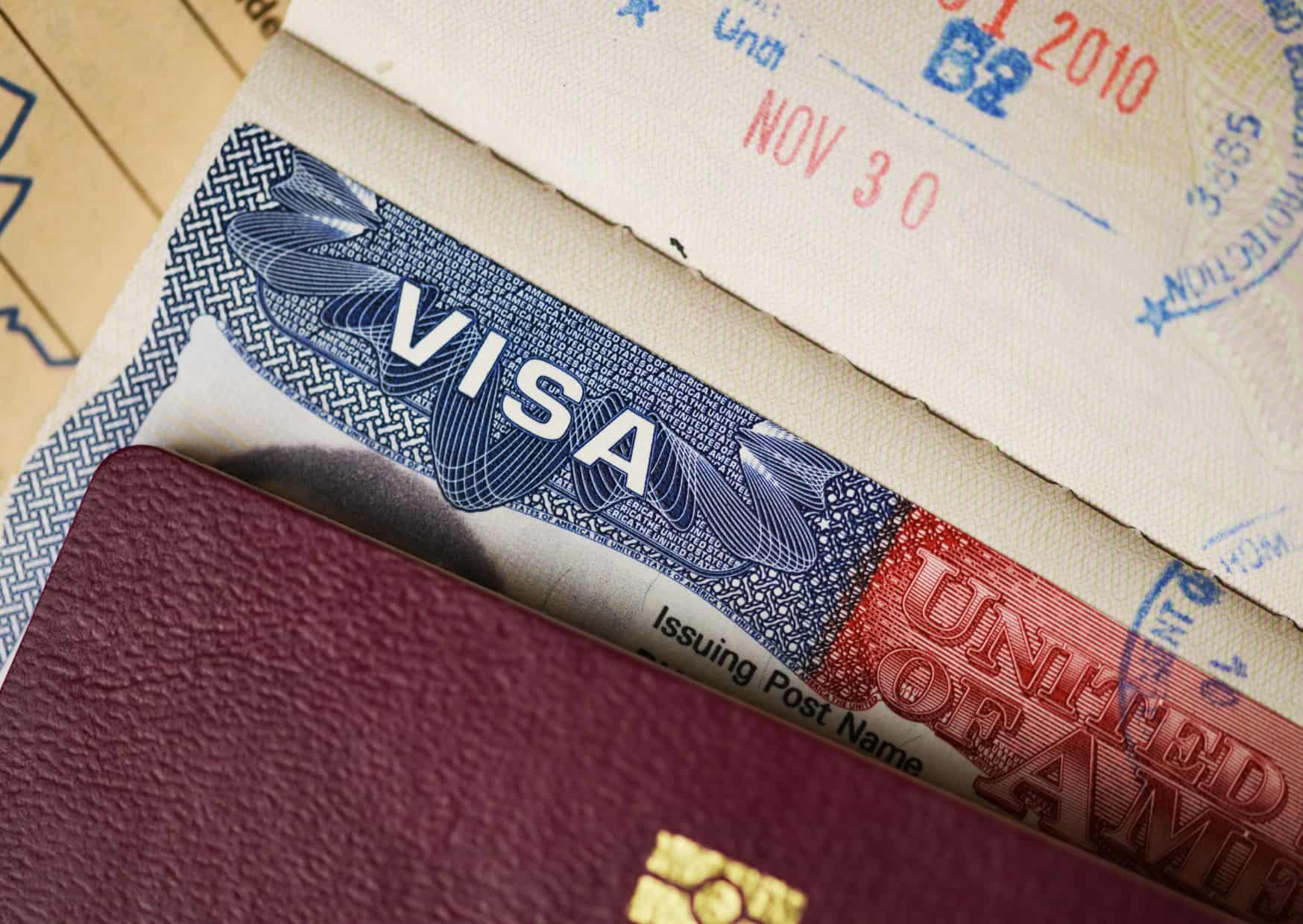
Rules can change last-minute especially due to health or political updates.
What to do instead: Re-check entry requirements a week before departure, including visa status, vaccination documents, or pre-arrival forms.
14. Don’t Forget to Arrange Airport Transfers or Arrival Info
Landing in a new country without a plan to get to your hotel can be disorienting and even unsafe.
What to do instead: Know your transport options ahead of time research taxis, trains, or shuttle services and download any apps you may need.
15. Don’t Assume Your Cell Plan Works Abroad
Roaming fees can be shocking. And not all phones are unlocked for international SIMs.
What to do instead: Call your carrier to check your international plan. Consider an eSIM or prepaid local SIM for data and calls.
Why You Should Follow This Advice
You should follow this advice because small preparations can protect a large investment. International trips involve flights, accommodation, transportation, insurance, and time away from work. Spending a little time checking documents, payment options, airport procedures, and local rules is a tiny effort compared with the cost of fixing a major mistake abroad.
Preparation also reduces stress. Arriving in a new country is already mentally demanding, especially after a long flight. Knowing where you are going, how you will pay, how to access your documents, and what to do if something goes wrong removes unnecessary pressure. The first few hours of a trip become much easier when you are not solving preventable problems at the airport.
Following these tips can also save money. Avoiding bad exchange rates, unnecessary roaming charges, overweight baggage fees, expensive airport transfers, and last-minute document issues can preserve hundreds of dollars. Travel budgets are often ruined not by one luxury purchase, but by a series of small mistakes that add up quickly.
It also gives you more independence. A traveler who understands local transportation, keeps backup documents, and has more than one payment method is less dependent on strangers, hotel staff, or expensive emergency solutions. That confidence makes it easier to navigate unfamiliar places without feeling helpless.
Most importantly, good preparation creates more freedom, not less. When the essential details are handled, you can actually enjoy the trip. You can change plans, explore new neighborhoods, or take spontaneous day trips because the important things are already under control. Preparation is what makes spontaneity safer.
Why You Shouldn’t Follow This Advice Too Rigidly
You should not turn preparation into obsession. There is a point where researching every possible mistake creates more anxiety than value. You cannot control every delay, weather problem, schedule change, or unexpected closure. Trying to eliminate all uncertainty is impossible and can make travel feel like a military operation.
Overplanning can also kill the best parts of a trip. If every hour is scheduled, there is no room to stay longer somewhere you love or follow a recommendation you just heard. Some of the most memorable travel experiences happen because the original plan changed. Preparation should support flexibility, not eliminate it.
You should also avoid assuming every warning applies equally to every destination. A concern that matters in one country may be irrelevant in another. Entry rules, payment systems, public transportation, and local customs vary widely. Generic travel advice is useful, but it should always be adapted to the specific place you are visiting.
Another problem is that fear-based travel advice can exaggerate risk. Articles about scams, mistakes, and worst-case scenarios can make normal travel sound dangerous. Most international trips go perfectly fine, and most locals are simply living their lives. Awareness is useful, but paranoia will not improve the experience.
Finally, remember that making a mistake does not mean the trip is ruined. Travelers will occasionally miss a train, overpay for something, forget an item, or choose the wrong neighborhood. That is normal. The goal is not perfection. The goal is to avoid the mistakes that are expensive or difficult to fix while leaving enough room for the unpredictable parts that make travel interesting.
Final Thoughts
International travel is one of life’s richest experiences, but it demands a little homework. Being unprepared can take a dream trip and turn it into a logistical mess. Avoiding these 15 common mistakes from forgetting important documents to ignoring local customs can make the difference between a smooth journey and one filled with preventable chaos.
What matters most is mindful preparation and flexibility. Equip yourself with knowledge, but don’t be afraid to adapt when things go off script. Travel teaches you as much about patience and problem-solving as it does about landmarks and languages.
Above all, remember that every trip even the chaotic ones adds something valuable to your life story. Mistakes will happen. But by knowing what not to do, you can spend less time stressing and more time soaking up the world in all its messy, beautiful glory.

About the Author: Ruben, co-founder of Gamintraveler.com since 2014, is a seasoned traveler from Spain who has explored over 100 countries since 2009. Known for his extensive travel adventures across South America, Europe, the US, Australia, New Zealand, Asia, and Africa, Ruben combines his passion for adventurous yet sustainable living with his love for cycling, highlighted by his remarkable 5-month bicycle journey from Spain to Norway. He currently resides in Spain, where he continues sharing his travel experiences with his partner, Rachel, and their son, Han.