
For decades, the Greek Islands have reigned supreme as Europe’s ultimate sun-soaked escape. Santorini’s blue-domed churches, Mykonos’ beach clubs, and Crete’s rugged coastline attract millions each year. But in 2026, travelers are beginning to ask: Are the Greek Islands still worth it? With rising prices, overcrowded streets, cruise ship traffic, and a slowly eroding sense of authenticity, more tourists are looking elsewhere for their Mediterranean escape and they’re finding jaw-dropping alternatives.
From under-the-radar islands in Albania and Croatia to coastal towns in Italy and even far-flung spots in the Azores and Turkey, there are stunning alternatives that rival the beauty of Greece without the price tag or the crowds. These destinations offer turquoise waters, traditional food, charming villages, and unique cultural experiences without needing to elbow your way through selfie-stick traffic or pay €50 for a sunbed.
This post introduces you to breathtaking Mediterranean and European coastal gems where you can relax, explore, and connect more meaningfully with the local culture. If you’ve done Greece, or want a more peaceful experience the first time around, these lesser-known escapes might be exactly what you’re looking for.
Read here Things to know before going to Santorini, best Greece sim card for tourist and things to know before visiting Greece!
BOOK YOUR TRAVEL INSURANCE
Two of our favorite travel insurance: Heymondo Vs Safetwing cheapest travel Insurance. You can get for $135 USD your Heymondo Travel Insurance with Heymondo discount code valid for 90 days. Read our full comparison of Genki vs Safetywing Travel Insurance Review and the comparison Heymondo vs Genki
Quick & Easy Tips
Visit shoulder season (May or September) for mild weather, fewer crowds, and lower prices.
Use local ferries and buses many of these destinations have excellent but underrated public transport.
Don’t expect big-name resorts. These places thrive on boutique guesthouses and small family-run stays.
Learn a few local phrases, especially in lesser-touristed regions, to earn smiles and better service.
Research visa-free access many of these alternatives are outside Schengen and ideal for travelers managing their 90-day EU limit.
Suggesting travelers “forget about” the Greek Islands can spark backlash from die-hard Hellenophiles, but the reality is complex. Yes, the Greek Islands are stunning. But the tourism industry has overdeveloped much of their charm. In high season, prices rival Paris, and what was once a tranquil fishing village may now be an Instagram circus with sky-high menus and sold-out sunsets. Meanwhile, the environmental toll especially on water-stressed islands is growing.
Many travelers cling to the “must-see” status of Greece without realizing they’re missing equally spectacular destinations where their travel dollars go further and their presence does less damage. Choosing lesser-known places doesn’t just offer better value it supports local economies that actually benefit from (and still appreciate) tourism, rather than being overwhelmed by it.
Alternatives To Visit Greek Islands
1. Lofoten Islands, Norway
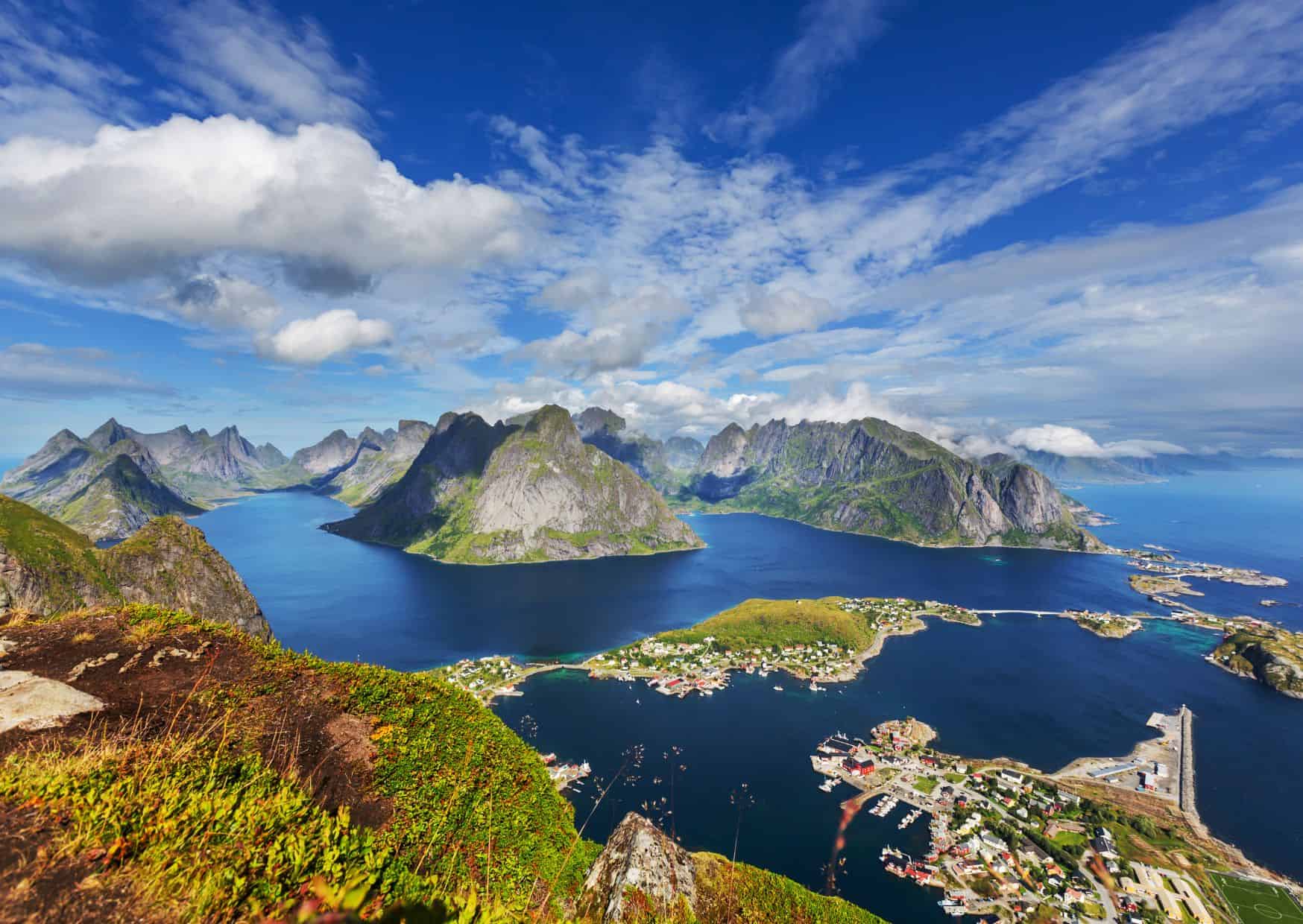
Why Visit:
A stark contrast to sunny Greece, the Lofoten Islands offer dramatic fjords, Arctic beaches, and a chance to see the Northern Lights.
Highlights:
Explore charming fishing villages like Reine and Henningsvær.
Go hiking, kayaking, or whale watching.
Witness the midnight sun during summer or the aurora borealis in winter.
Best Time to Visit: May to September for mild weather or November to February for the Northern Lights.
2. Corsica, France

Why Visit:
Known as “The Island of Beauty,” Corsica boasts rugged mountains, pristine beaches, and a unique blend of French and Italian culture.
Highlights:
Visit the cliffside town of Bonifacio and the historic capital, Ajaccio.
Explore the GR20 hiking trail, one of the toughest in Europe.
Relax on beaches like Palombaggia and Santa Giulia.
Best Time to Visit: May to October.
3. Madeira, Portugal

This lush, volcanic island in the Atlantic offers year-round mild weather, spectacular hiking trails, and rich flora.
Highlights:
Walk the scenic levadas (irrigation channels) through forests and mountains.
Visit the vibrant capital, Funchal, and its famous Mercado dos Lavradores market.
Enjoy a glass of Madeira wine with traditional espetada (beef skewers).
Best Time to Visit: March to September.
4. Azores, Portugal

This archipelago offers unspoiled landscapes, geothermal hot springs, and excellent whale-watching opportunities.
Highlights:
Explore São Miguel’s Sete Cidades crater lakes and Furnas hot springs.
Hike on Pico Island, home to Portugal’s highest mountain.
Go diving in clear waters teeming with marine life.
Best Time to Visit: April to October.
5. Isle of Skye, Scotland
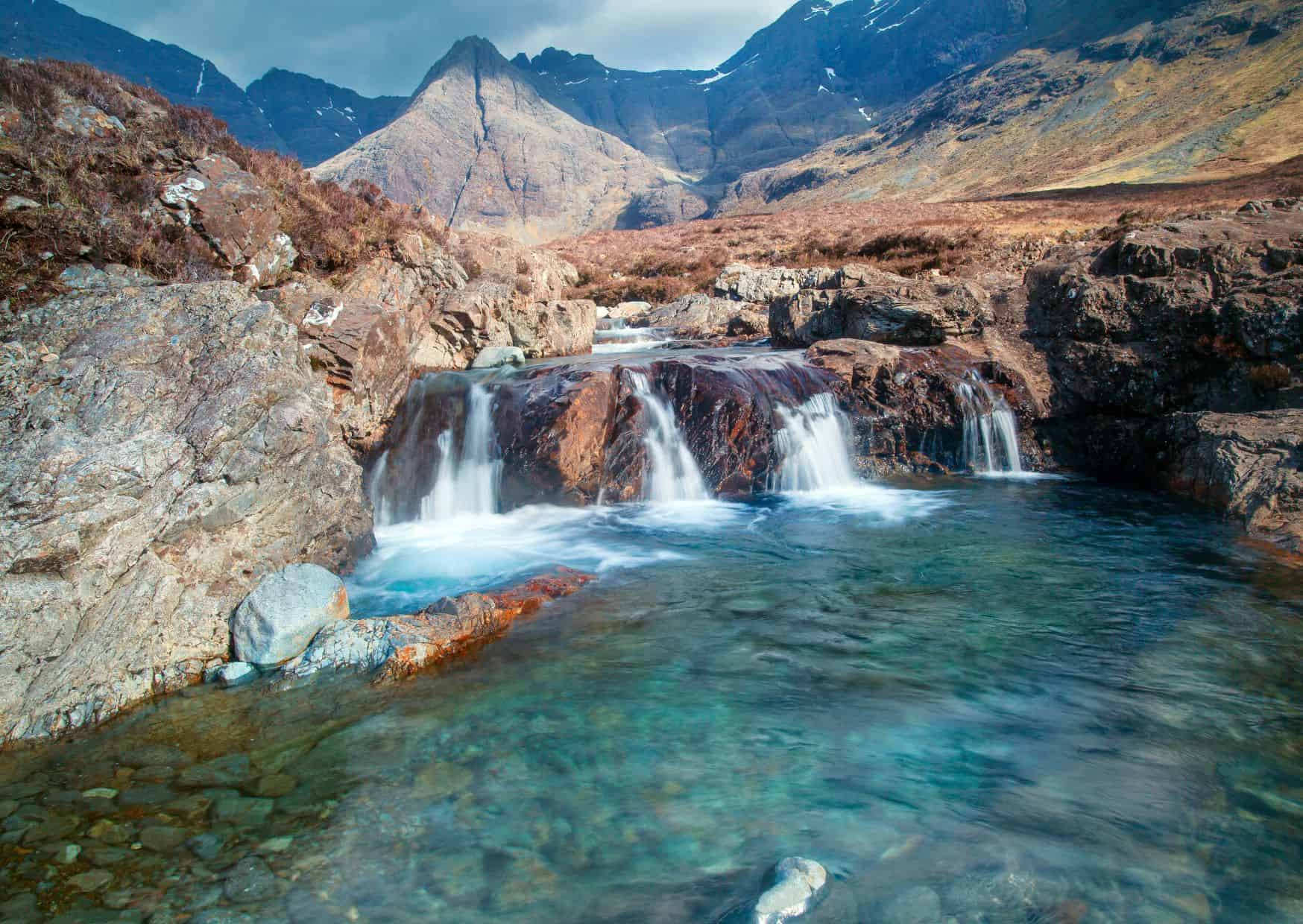
Why Visit:
A paradise for nature lovers, the Isle of Skye is famous for its rugged cliffs, misty landscapes, and fairy-tale charm.
Highlights:
Visit landmarks like the Old Man of Storr, Fairy Pools, and Dunvegan Castle.
Enjoy fresh seafood in the village of Portree.
Experience traditional Scottish hospitality in cozy inns.
Best Time to Visit: May to September.
6. Elba, Italy
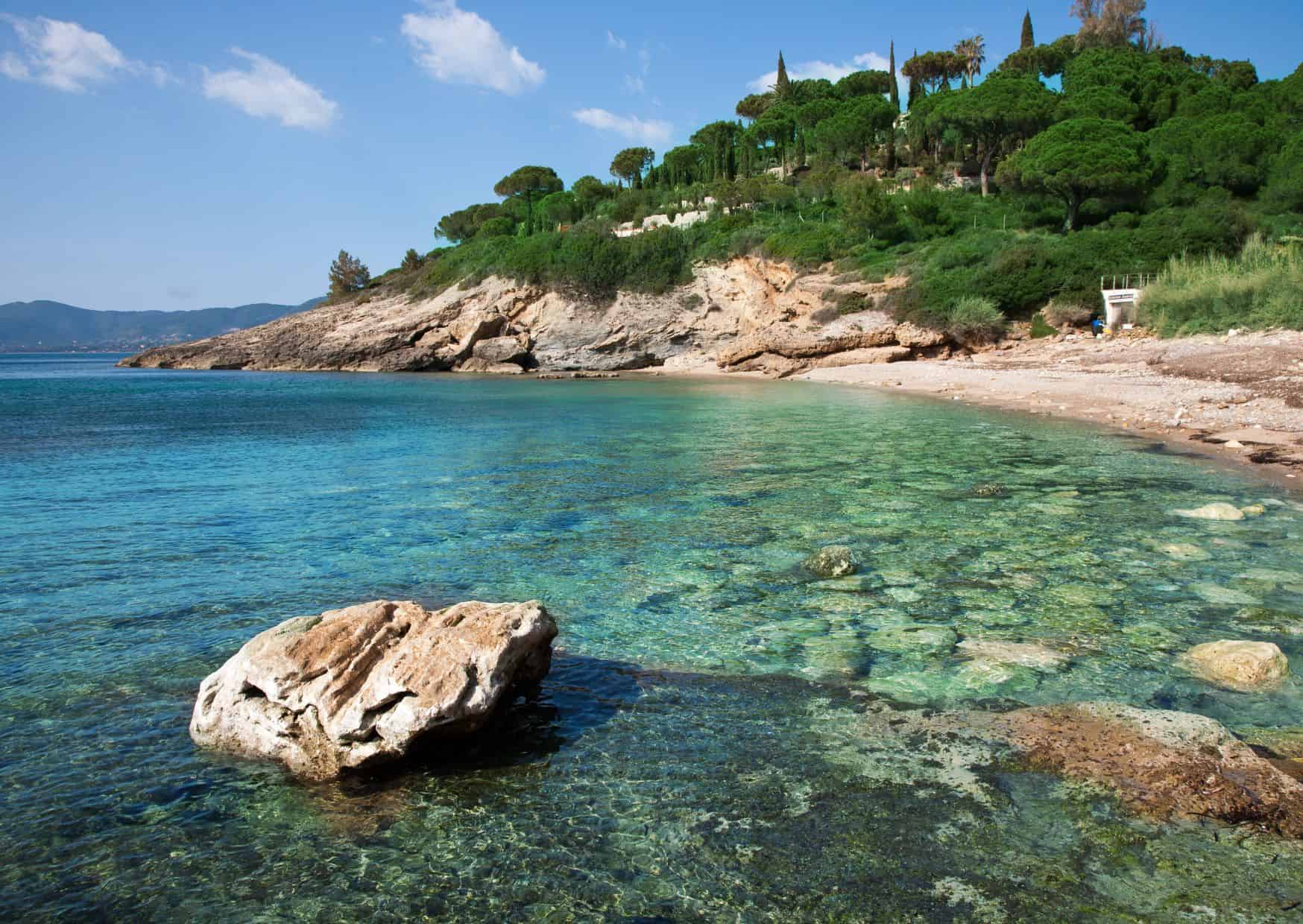
Why Visit:
Known as Napoleon’s place of exile, Elba offers crystal-clear waters, sandy beaches, and historical charm.
Highlights:
Tour Napoleon’s residences and historical sites.
Snorkel or dive in the marine-rich waters of Sant’Andrea.
Hike Monte Capanne for panoramic views.
Best Time to Visit: June to September.
7. Sardinia, Italy

Why Visit:
Famous for its white-sand beaches and turquoise waters, Sardinia also boasts ancient ruins and delicious cuisine.
Highlights:
Relax on beaches like Cala Luna and Spiaggia del Principe.
Explore Nuraghe Su Nuraxi, a Bronze Age archaeological site.
Taste Sardinian specialties like pecorino cheese and porceddu (roast suckling pig).
Best Time to Visit: May to September.
8. Hvar and Korčula, Croatia
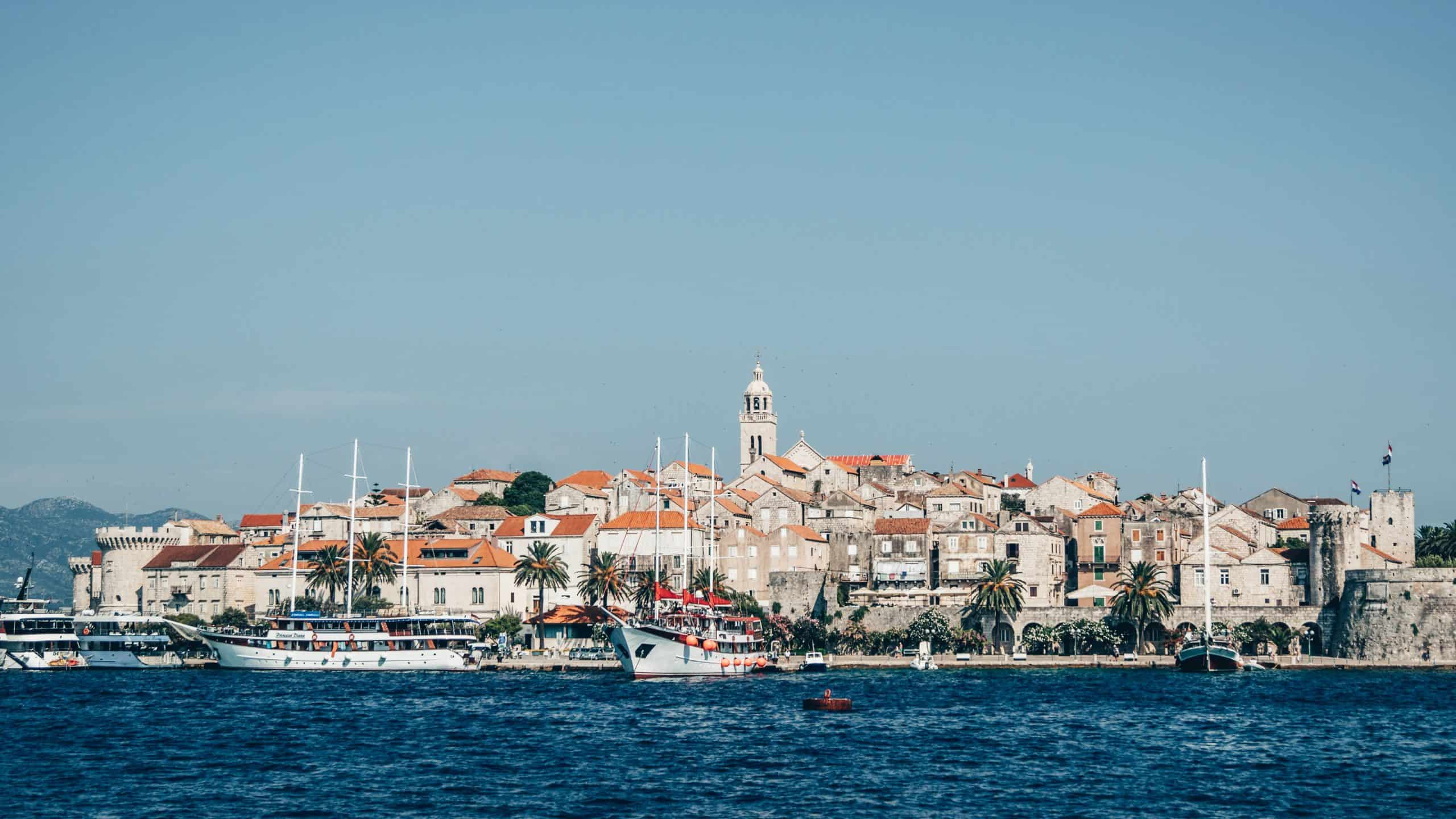
Why Visit:
These Croatian islands rival the Greek Islands with their picturesque towns, crystal-clear waters, and Mediterranean vibe.
Highlights:
Hvar offers lively nightlife, stunning beaches, and lavender fields.
Korčula is quieter, known for its medieval architecture and wine.
Best Time to Visit: June to September.
9. Gotland, Sweden
Why Visit:
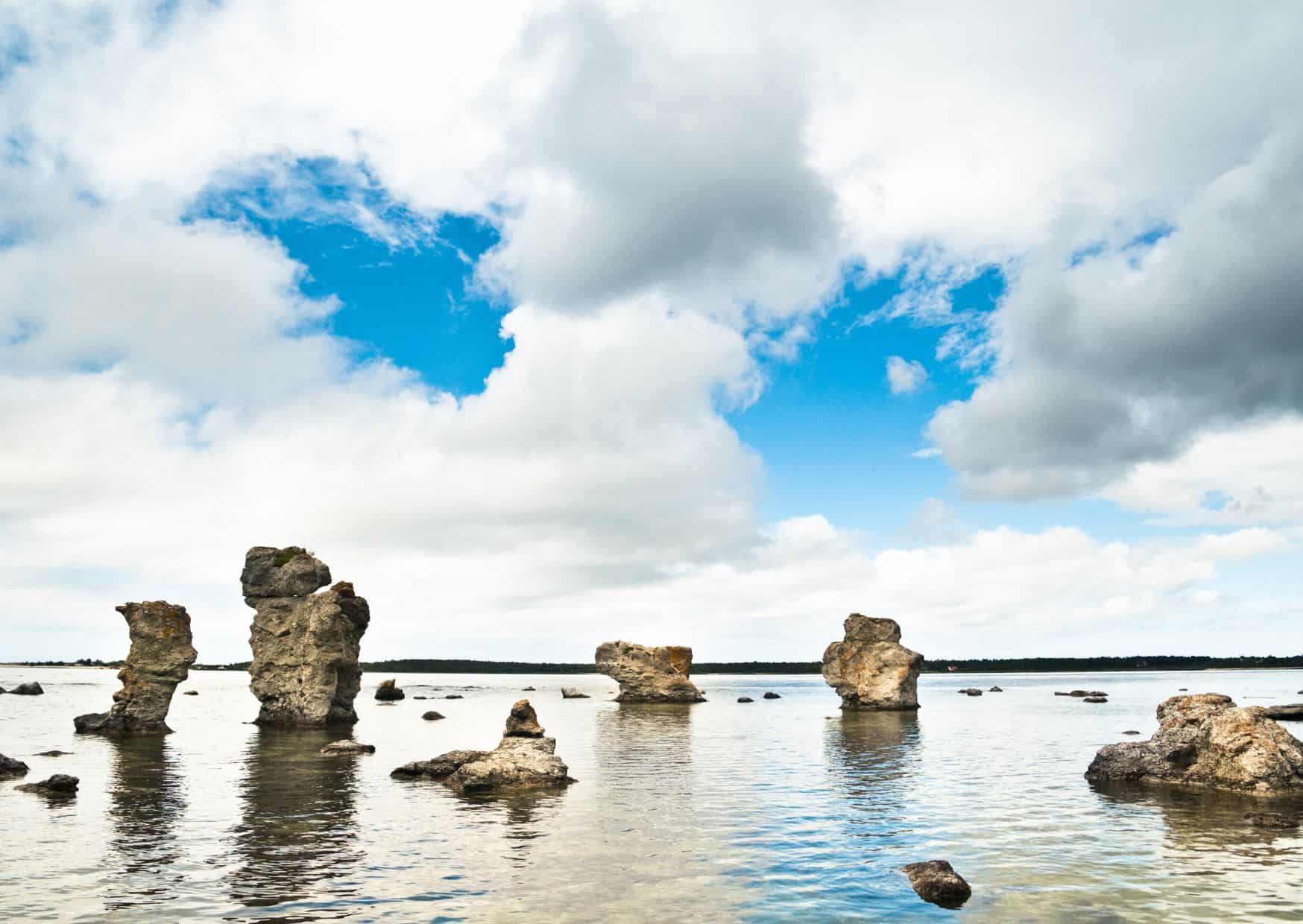
Sweden’s largest island, Gotland, is a blend of medieval history, sandy beaches, and unique rock formations.
Highlights:
Wander the UNESCO-listed town of Visby with its well-preserved medieval walls.
Visit the surreal limestone formations at Fårö.
Enjoy a bike ride across the scenic countryside.
Best Time to Visit: June to August.
10. Canary Islands, Spain

With a subtropical climate, these volcanic islands offer a mix of beaches, hiking trails, and stargazing opportunities.
Highlights:
Tenerife features Mount Teide, Spain’s highest peak.
Lanzarote boasts unique volcanic landscapes and César Manrique’s art installations.
Gran Canaria offers golden dunes at Maspalomas.
Best Time to Visit: November to April.
11. Malta
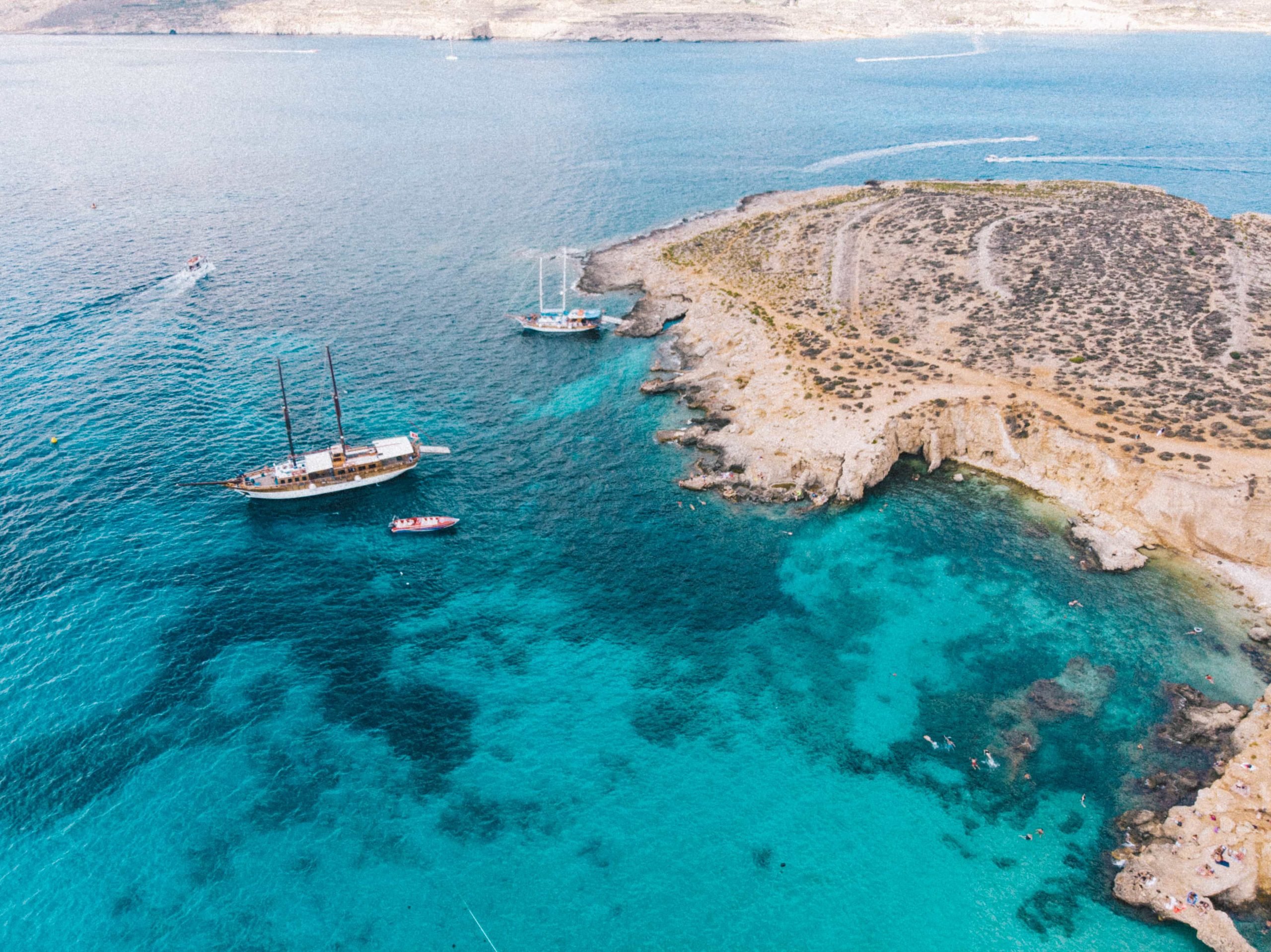
This small island nation is packed with historical sites, clear blue seas, and vibrant nightlife.
Highlights:
Explore the ancient city of Mdina and the UNESCO-listed capital, Valletta.
Swim in the Blue Lagoon on the nearby island of Comino.
Discover the Megalithic Temples, older than the Egyptian pyramids.
Best Time to Visit: April to October.
12. Faroe Islands, Denmark
Why Visit:
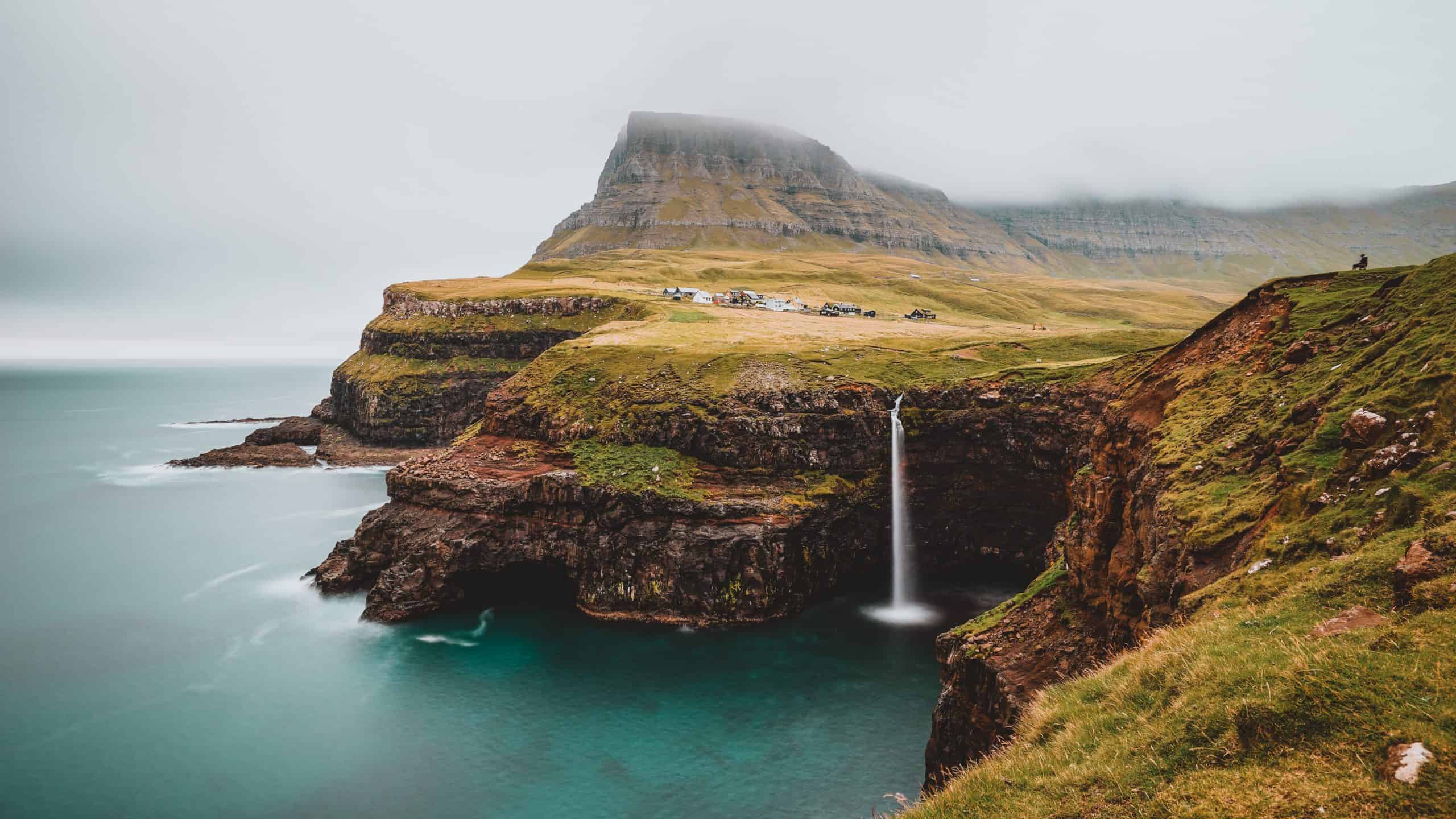
Remote and unspoiled, the Faroe Islands offer dramatic cliffs, verdant landscapes, and a unique culture.
Highlights:
Visit the tiny village of Gásadalur with its iconic waterfall.
Explore the colorful capital, Tórshavn.
Hike to Kallur Lighthouse for stunning ocean views.
Best Time to Visit: May to August.
13. Capri, Italy

This glamorous island is known for its stunning cliffs, luxury shopping, and natural wonders.
Highlights:
Take a boat tour of the Blue Grotto.
Ride the chairlift to Monte Solaro for panoramic views.
Wander through the chic Piazzetta.
Best Time to Visit: April to October.
14. Aland Islands, Finland
Why Visit:
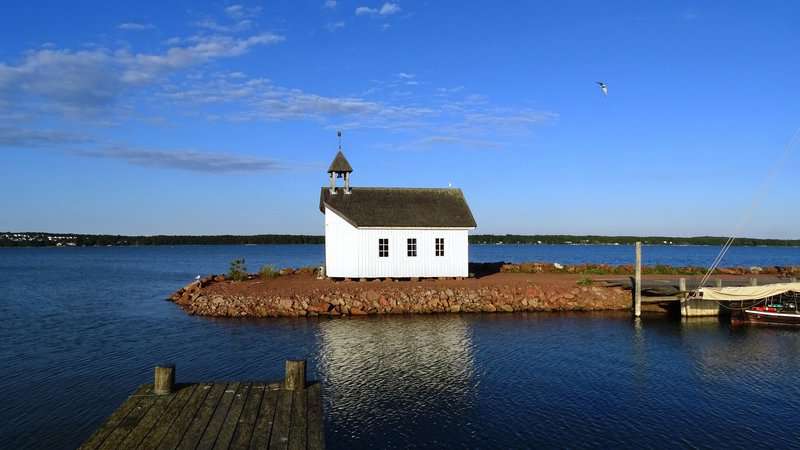
This archipelago in the Baltic Sea is perfect for a peaceful getaway with a mix of Swedish and Finnish influences.
Highlights:
Visit the Kastelholm Castle and Viking relics.
Cycle across quiet islands connected by ferries and bridges.
Enjoy fresh seafood like smoked salmon and herring.
Best Time to Visit: June to August.
15. Ischia, Italy
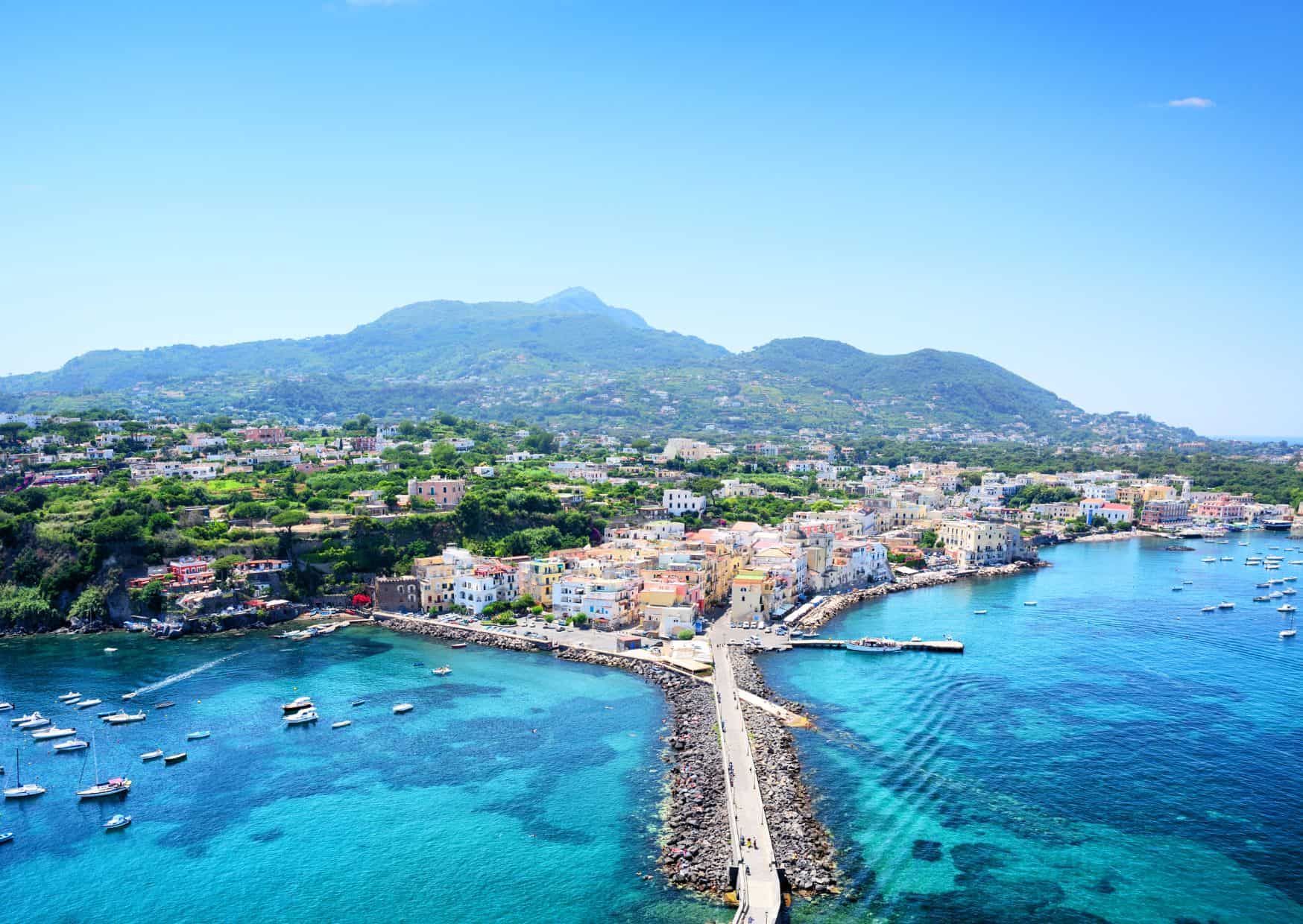
Why Visit:
Known as the “Island of Eternal Youth,” Ischia is famous for its thermal spas, lush gardens, and sandy beaches.
Highlights:
Relax in the hot springs of Poseidon Thermal Gardens.
Explore the medieval Aragonese Castle.
Enjoy fresh seafood pasta and local wines.
Best Time to Visit: May to September.
Why You Should Not Visit
If your idea of a European island vacation is tied specifically to whitewashed villages, blue-domed churches, and that unmistakable Cycladic look, the alternatives may not fully satisfy you. Places in Croatia, Spain, Italy, Portugal, or Montenegro can be just as beautiful, but they offer a different atmosphere. If Santorini or Mykonos has been on your bucket list for years, replacing it with somewhere else just because it is cheaper or less crowded may leave you feeling like you settled.
Some of these alternatives are also less polished for tourism. Smaller islands and coastal towns may have fewer direct flights, limited public transportation, less frequent ferries, and fewer English-speaking services. That can be part of the charm, but it can also make a simple beach trip more complicated than expected. Travelers who prefer easy logistics may find the extra planning frustrating.
Nightlife can also be much quieter. Travelers expecting the party atmosphere of Mykonos, Ios, or other famous Greek islands may be disappointed by destinations where evenings revolve around dinner, wine, and a quiet promenade rather than clubs and beach parties. These alternatives often work better for couples, families, and slower travelers than for people looking for nonstop entertainment.
You may also find fewer famous landmarks and “must-see” attractions. Many underrated European islands are beautiful because they are less developed and less internationally famous. That means the trip may focus more on swimming, hiking, food, and wandering around small towns rather than checking major attractions off a list. Travelers who like packed itineraries may feel there is not enough to do.
Finally, choosing an alternative just to avoid crowds can sometimes backfire. Many previously underrated destinations are becoming more popular themselves, especially during July and August. Accommodation prices can rise quickly, beaches can still become crowded, and the peaceful experience you imagined may disappear during peak season. If avoiding crowds is your main goal, timing matters just as much as choosing the destination.
Why You Should Visit
The biggest reason to consider alternatives to the Greek islands is that you can often get equally dramatic scenery without fighting the same level of crowds. Across Europe, there are islands and coastal destinations with turquoise water, historic villages, dramatic cliffs, and beautiful beaches that receive a fraction of the international attention. The experience can feel far more relaxed, especially outside peak season.
Your money may also stretch further. Famous Greek islands can become extremely expensive during summer, particularly when it comes to hotels, beachfront restaurants, taxis, and sunset-view properties. Less famous destinations often offer better-value accommodation and restaurants where locals still make up much of the customer base. That can make the trip feel less commercial and more connected to everyday life.
These destinations are also ideal for travelers who want something more authentic than a heavily photographed hotspot. Instead of lining up for the same sunset viewpoint as hundreds of other visitors, you may find yourself eating seafood in a family-run restaurant, swimming from an almost-empty cove, or wandering through a village where tourism has not completely taken over. Those quieter moments often become the most memorable part of the trip.
Visiting alternatives can also introduce you to European cultures and cuisines you might otherwise overlook. A Croatian island, a Spanish archipelago, an Italian coastal village, or a Portuguese island all offer their own traditions, foods, architecture, and landscapes. You are not simply finding a substitute for Greece; you are discovering destinations that deserve attention in their own right.
Most importantly, these alternatives can bring back the feeling that many travelers are searching for in the first place: a beautiful European escape that still feels like an escape. You can enjoy clear water, long lunches, historic streets, and slow evenings without constantly competing for space. Greece is still extraordinary, but Europe has plenty of other places capable of delivering the same sense of wonder with fewer crowds and, in many cases, a much easier price tag.
Final Thoughts
Greece will always have its magic but it’s no longer the only place in Europe where you can find whitewashed villages, clear waters, and soulful Mediterranean living. If you’re tired of the crowds, overpricing, and over-saturation, there’s a whole coastline of quieter, cheaper, and arguably more authentic places waiting to be discovered.
Travelers today have more tools and flexibility than ever before. Use that to your advantage and go beyond the obvious. Not only will you avoid the common pitfalls of over-tourism, but you’ll also enjoy a richer, more intimate experience and likely spend less doing it.
In 2025, the real travel flex isn’t ticking off the same spots as everyone else. It’s discovering the places they haven’t heard of yet. And when it comes to alternatives to the Greek Islands, those places are not only real they’re ready.

About the Author: Ruben, co-founder of Gamintraveler.com since 2014, is a seasoned traveler from Spain who has explored over 100 countries since 2009. Known for his extensive travel adventures across South America, Europe, the US, Australia, New Zealand, Asia, and Africa, Ruben combines his passion for adventurous yet sustainable living with his love for cycling, highlighted by his remarkable 5-month bicycle journey from Spain to Norway. He currently resides in Spain, where he continues sharing his travel experiences with his partner, Rachel, and their son, Han.