
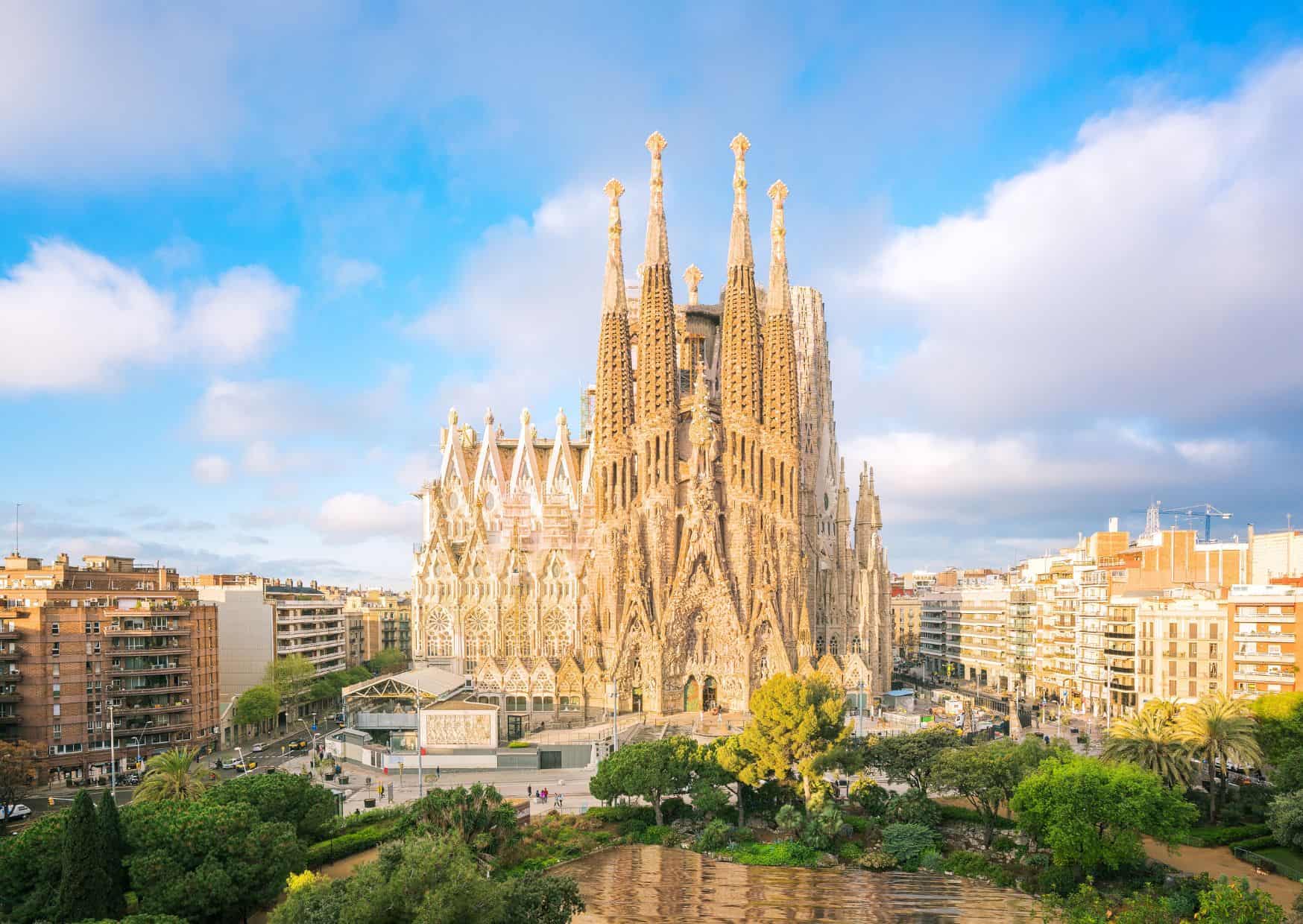
Barcelona is one of those cities that can be spectacular and frustrating at the same time. Few destinations combine Mediterranean beaches, extraordinary architecture, late-night dining, historic neighborhoods, and world-famous attractions so effortlessly. But Barcelona’s popularity also means it has developed an entire layer of businesses, restaurants, experiences, and neighborhoods designed primarily around visitors rather than local life.
For first-time travelers, the biggest mistake is assuming that anything located near La Rambla, the Gothic Quarter, Sagrada Família, or the waterfront must be worth the price. Some of Barcelona’s best experiences are indeed in heavily visited areas, but those same neighborhoods also contain overpriced restaurants, mediocre souvenir shops, unnecessary “skip-the-line” packages, and attractions that survive almost entirely because tourists keep arriving.
The good news is that Barcelona is remarkably easy to enjoy once you understand how the city works. Walking just a few blocks away from the busiest streets can dramatically change the experience. A restaurant packed with tourists may sit only five minutes from a neighborhood bar serving a much better menú del día, while an overcrowded plaza can give way to a quiet residential street almost immediately.
Avoiding tourist traps does not mean avoiding Barcelona’s famous attractions. Sagrada Família, Park Güell, the Gothic Quarter, Casa Batlló, and La Rambla are famous for legitimate reasons. The trick is knowing which experiences are worth paying for, when to visit them, and where tourism has inflated prices without adding much value.
Barcelona is also changing quickly. Tourism remains a huge part of the city’s economy, but residents and local authorities are increasingly questioning how much tourism is sustainable. That tension makes responsible travel more important than ever: spend money at independent businesses, respect residential neighborhoods, avoid illegal vacation rentals, and remember that Barcelona is home to more than a million people, not simply an open-air attraction.
What is The Best Way From Barcelona Airport To City Center?
The best way from Barcelona airport to downtown is by shared transfer for €13 per person you can book online and it will take 30 minutes to get to your hotel.
Read here Barcelona Airport to Las Ramblas and Barcelona airport to Sagrada Familia
Read here 4 Days Barcelona Itinerary and Sim Card Barcelona Airport
BOOK YOUR TRAVEL INSURANCE
Two of our favorite travel insurance: Heymondo Vs Safetwing cheapest travel Insurance. You can get for $135 USD your Heymondo Travel Insurance with Heymondo discount code valid for 90 days. Read our full comparison of Genki vs Safetywing Travel Insurance Review and the comparison Heymondo vs Genki
Barcelona’s Current Travel Situation Right Now
Barcelona remains very much open to travelers in 2026, and demand remains extremely strong. Catalonia entered another potentially record-breaking summer tourism season this year, with expectations that foreign visitor numbers could surpass the previous year’s total. At the same time, the debate about overtourism has become much more visible, especially around housing, crowded public spaces, and whether constantly increasing visitor numbers actually benefit residents.
One of the biggest issues travelers should understand is accommodation. Barcelona has taken an increasingly aggressive position toward short-term tourist apartments because of concerns about housing availability and rents. The city has committed to allowing roughly 10,000 existing tourist-flat licenses to expire by the end of 2028, with the intention of returning those properties to normal residential use.
That does not mean tourists are unwelcome. Barcelona’s own tourism strategy acknowledges how important visitors are to the city, while increasingly focusing on managing tourism rather than simply attracting more people. Leisure tourism remains the dominant reason people visit Barcelona, accounting for roughly 70% of visits in the city’s tourism profile data.
Travelers should also expect Barcelona to feel expensive compared with many other Spanish destinations. Accommodation, major attractions, restaurant meals in tourist zones, and local tourism taxes can add significantly to the cost of a trip. Barcelona already applies both Catalonia’s tourist tax and a municipal surcharge, meaning the amount added to a hotel bill varies according to the type of accommodation.
The most noticeable change, however, is the atmosphere around mass tourism. Barcelona is not a destination visitors need to avoid, but travelers should recognize that some residents are frustrated by overcrowding and the pressure tourism places on housing and neighborhoods. The best approach in 2026 is not to cancel Barcelona—it is to visit more thoughtfully. Consider traveling outside July and August, stay in legal accommodation, use public transportation, spend beyond the obvious tourist corridors, and treat residential neighborhoods as places where people actually live.
Tourist Traps to Avoid in Barcelona
1. La Rambla
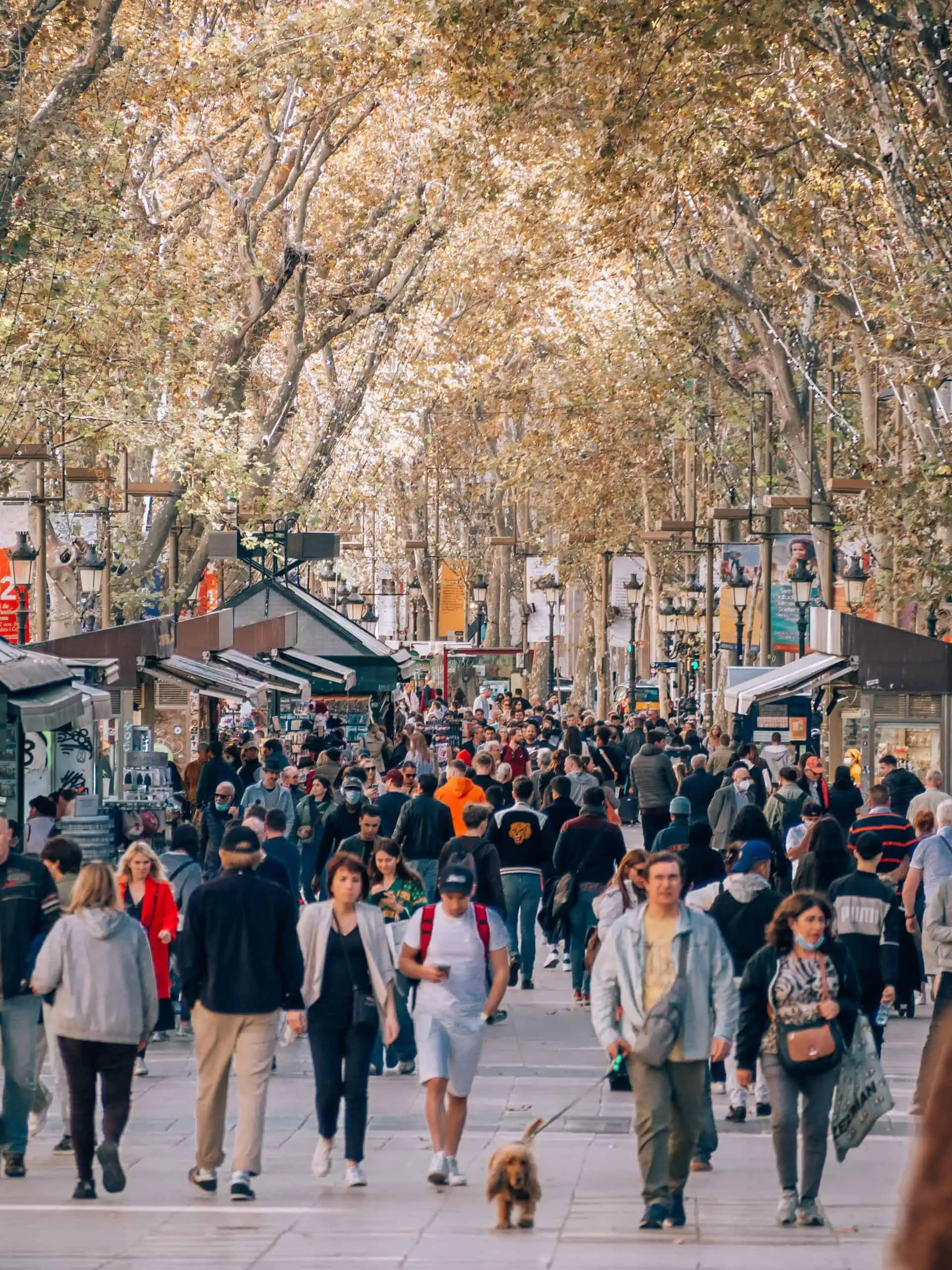
Why to Avoid: La Rambla is perhaps the most famous street in Barcelona, but it’s also notorious for being overcrowded, overpriced, and a hotspot for pickpockets.
Alternative: Instead of spending too much time on La Rambla, explore the nearby neighborhoods of El Raval or El Born. These areas offer a more authentic atmosphere with great local shops, bars, and restaurants.
2. Sagrada Familia’s Long Lines
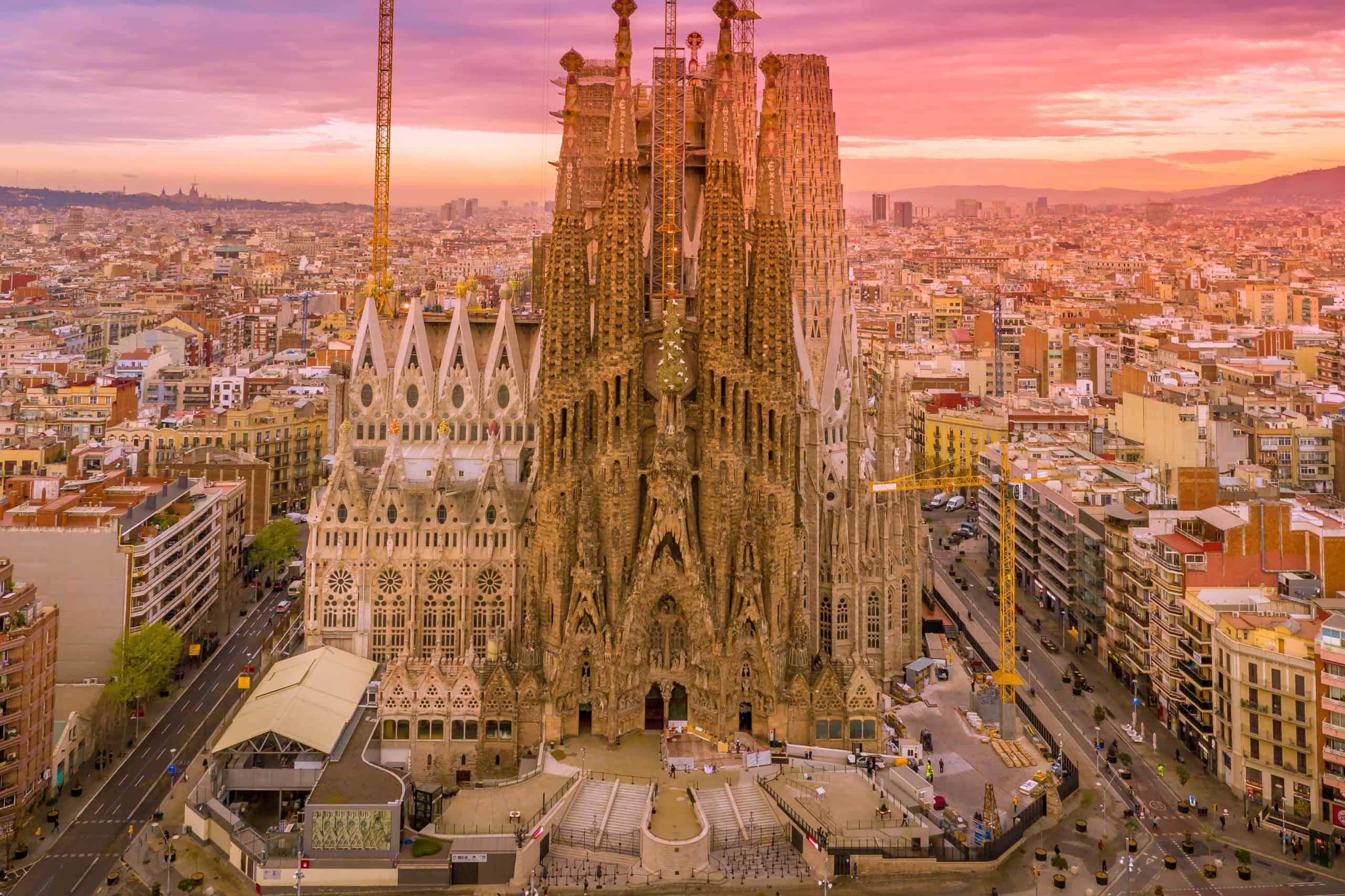
Why to Avoid: Waiting in line for hours to enter the Sagrada Familia can eat up a significant portion of your day.
Alternative: Purchase tickets online in advance to skip the long lines. This not only saves time but ensures your entry during peak hours.
3. Paella on La Rambla
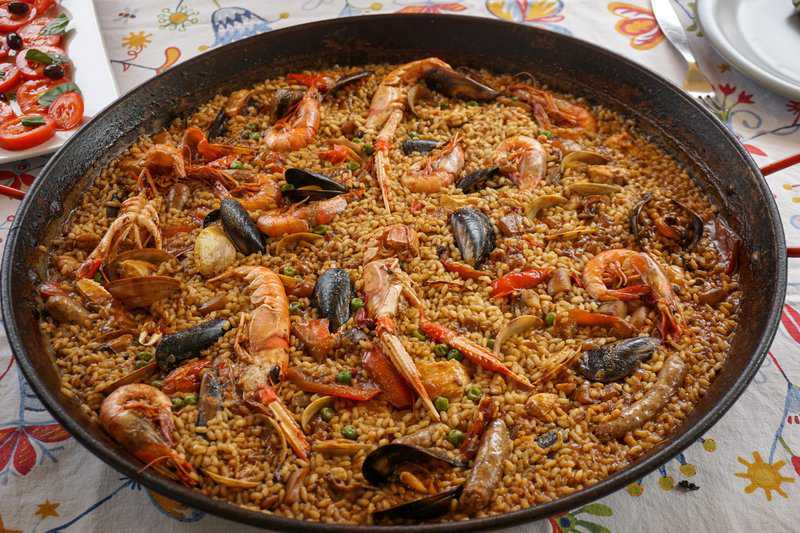
Why to Avoid: The paella served in most restaurants along La Rambla is often overpriced and not authentic. These places generally cater to tourists and may not offer the best quality.
Alternative: For authentic paella, head to the Barceloneta neighborhood near the beach, where many locals go. Restaurants like Can Majó or La Mar Salada are popular for their seafood dishes.
You will be able to save 20-30% of the final bill by eating a paella in a local place.
4. Generic Souvenir Shops
Why to Avoid: Many souvenir shops in central tourist areas sell generic, sometimes non-Spanish items at high prices.
Alternative: For unique and authentic souvenirs, try exploring local markets like Mercat de Sant Josep de la Boqueria or artisan shops in the Gothic Quarter. These places offer goods that are more likely to be locally made.
5. Expensive Tapas Bars in Tourist Areas
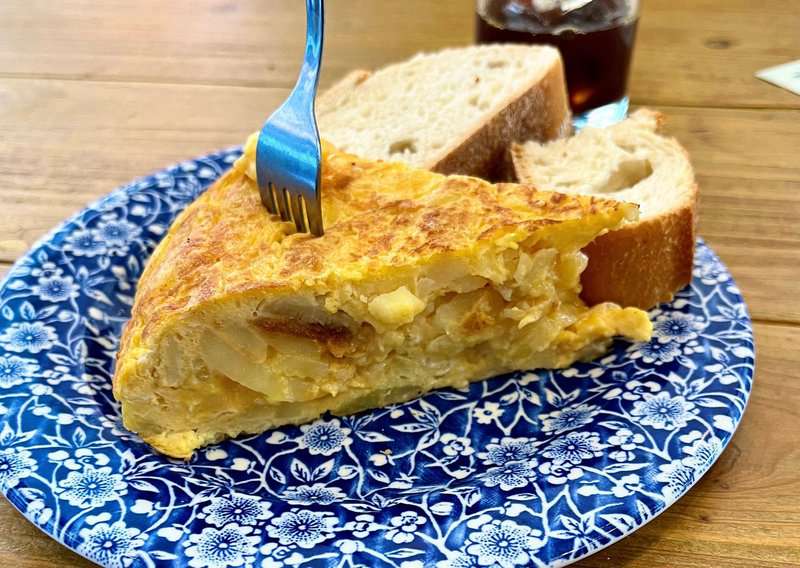
Why to Avoid: Tapas bars located in prime tourist locations often charge more for smaller, less authentic dishes.
Alternative: Visit tapas bars that are favored by locals. Areas like Gracia or Poble Sec have numerous bars and restaurants that offer delicious, authentic tapas at reasonable prices.
6. Street Performers and Costume Characters
Why to Avoid: The human statues and other performers along La Rambla can be entertaining, but they often expect money for photos and can be persistent.
Alternative: Enjoy these performances from a distance if you’re interested, but be aware of your belongings and avoid interacting too much if you’re not interested in tipping.
7. Montjuïc Cable Car
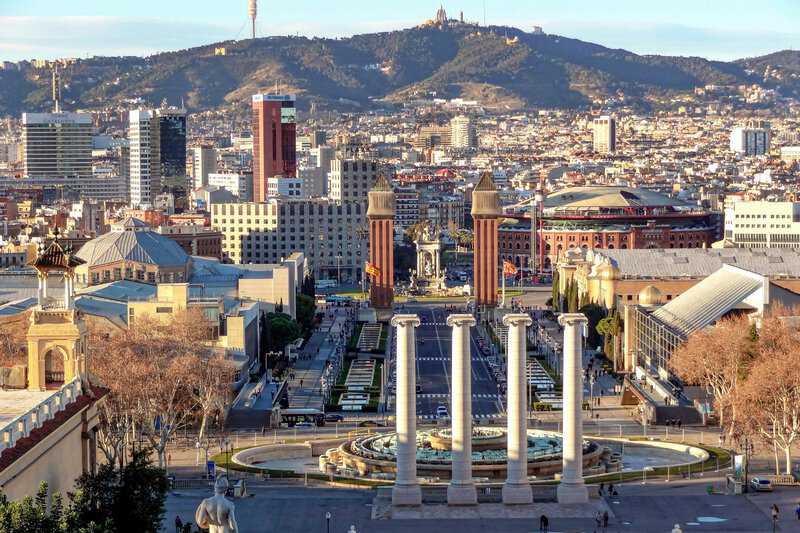
Why to Avoid: The Montjuïc Cable Car is quite expensive, and the queues can be long during tourist season.
Alternative: For stunning views over the city and a pleasant walk, consider taking the funicular railway up to Montjuïc and then explore the area on foot.
By steering clear of these common tourist traps, you can enjoy a more authentic and enjoyable experience in Barcelona. Embrace the city’s rich culture, historic architecture and delicious cuisine to make the most for your trip to Barcelona.
Why You Should Visit Barcelona
Barcelona remains one of Europe’s most visually distinctive cities. Antoni Gaudí’s architecture alone gives the city an identity unlike anywhere else. Sagrada Família, Casa Batlló, Casa Milà, and Park Güell are not simply tourist attractions; they are some of Europe’s most recognizable architectural works. Even travelers skeptical of heavily promoted landmarks often find the buildings much more impressive in person.
The city also offers a combination that surprisingly few European destinations can match: major-city culture and Mediterranean beaches in the same trip. You can spend the morning exploring medieval streets, have lunch in a century-old neighborhood restaurant, visit a major art museum in the afternoon, and finish the day beside the Mediterranean.
Barcelona is also an excellent destination for travelers who like exploring on foot. Neighborhoods such as Gràcia, El Born, Eixample, Poble-sec, and Sant Antoni each have their own atmosphere. The city becomes considerably more interesting when you stop treating La Rambla as its center and begin moving through neighborhoods where everyday Barcelona is still visible.
Food is another major reason to visit. Barcelona gives travelers access to Catalan cooking as well as food from across Spain and the Mediterranean. Instead of eating paella beside La Rambla every night, look for neighborhood vermouth bars, bakeries, seafood restaurants, traditional Catalan dishes, market cooking, and weekday lunch menus. The difference in both quality and price can be enormous.
Finally, Barcelona works extremely well as part of a larger Spain itinerary. High-speed trains make Madrid, Valencia, Zaragoza, Girona, and other destinations relatively easy to combine with the city, while Catalonia itself offers beaches, medieval towns, mountains, vineyards, and smaller cities beyond Barcelona. That makes Barcelona useful not only as a destination but also as a starting point for exploring northeastern Spain.
Why You Shouldn’t Visit Barcelona
The strongest argument against Barcelona is simply overcrowding. During peak periods, some of the city’s most famous locations can feel less like neighborhoods and more like queues. Sagrada Família, Park Güell, La Rambla, the Gothic Quarter, and parts of the waterfront can become extremely congested, particularly during summer afternoons and weekends.
Barcelona is also considerably more expensive than travelers expecting “cheap Spain” may anticipate. Spain can still offer excellent value, but Barcelona’s international popularity has pushed prices higher in many tourist-heavy areas. Visitors who eat beside major attractions, rely on last-minute accommodation, and purchase numerous attraction tickets can spend far more than expected.
Pickpocketing is another issue travelers need to take seriously. Barcelona’s busiest transportation hubs and tourist districts require more situational awareness than many visitors are accustomed to. This does not mean the city is inherently unsafe, but careless tourists carrying phones or wallets loosely in crowded spaces make particularly easy targets.
Some travelers may also find the tension surrounding tourism uncomfortable. Residents have legitimate concerns about housing affordability, congestion, noise, and short-term rentals. Visitors who expect every neighborhood to enthusiastically embrace mass tourism may be surprised. Understanding the political and social context makes the city easier to navigate respectfully.
Finally, Barcelona may simply be the wrong choice for travelers looking for quiet, inexpensive, traditional Spain. There are dozens of Spanish cities where restaurants are cheaper, historic centers feel less overwhelmed, and everyday local life is easier to experience. Girona, Tarragona, Zaragoza, Valencia, Cádiz, Córdoba, Salamanca, and many smaller destinations can offer a completely different experience. Barcelona is extraordinary, but extraordinary popularity comes with trade-offs.
Final Thoughts
Barcelona’s biggest tourist traps work because visitors arrive with limited time and assume the busiest place must be the best place. That is rarely true. The city rewards travelers who research restaurants, book major attractions directly, walk a few streets beyond the obvious tourist zones, and resist the temptation to buy every experience marketed specifically toward foreigners.
You do not need to skip La Rambla, the Gothic Quarter, or Barcelona’s famous Gaudí attractions. They are part of the city and deserve to be seen. What matters is avoiding the assumption that your entire Barcelona experience should happen around them. See the landmarks, then keep walking.
Food is perhaps the easiest place to avoid disappointment. Restaurants displaying giant photographs of paella, sangria, burgers, tapas, pizza, and dozens of unrelated dishes on the same menu are usually selling convenience rather than memorable Catalan food. Some of the best meals will be found where the menu is shorter, lunch is busier than dinner, and local residents outnumber visitors.
Travel timing can transform Barcelona as well. Spain as a whole is seeing increasing interest in spring and autumn travel as visitors react to summer prices, crowds, and extreme heat. September, October, April, and May can therefore offer a much more comfortable experience than the height of July or August, although Barcelona is becoming busy across more of the year.
Barcelona is still absolutely worth visiting, but the best version of the city is not the one packaged most aggressively for tourists. Book the attractions that genuinely matter to you, avoid obvious traps, spend money with local businesses, wander away from the busiest streets, and give Barcelona enough time to become more than Sagrada Família, La Rambla, and a plate of overpriced paella. That is when the city starts becoming one of Europe’s most rewarding destinations.

About the Author: Ruben, co-founder of Gamintraveler.com since 2014, is a seasoned traveler from Spain who has explored over 100 countries since 2009. Known for his extensive travel adventures across South America, Europe, the US, Australia, New Zealand, Asia, and Africa, Ruben combines his passion for adventurous yet sustainable living with his love for cycling, highlighted by his remarkable 5-month bicycle journey from Spain to Norway. He currently resides in Spain, where he continues sharing his travel experiences with his partner, Rachel, and their son, Han.