
Piri piri chicken is the smell of a Portuguese summer, the char of the grill, the bite of chili, the garlic and the lemon, a whole butterflied bird blistered over fire and slicked with a fierce red sauce, eaten with your hands and a pile of fries and a cold beer. It is one of the great grilled chickens of the world, and like so much of the best Portuguese food, it carries a history that crosses oceans, the little fiery bird’s-eye chili, the piri piri itself, brought from Africa to Portugal through the old colonial connections to Mozambique and Angola, and woven into the Portuguese kitchen until it became as Portuguese as the bacalhau.
The good news for the home cook is that proper piri piri chicken is not hard, requiring no special equipment beyond a grill or even just an oven, and the sauce that makes it, the piri piri itself, is a simple thing to make and infinitely better fresh than from a bottle. It is one of those dishes that delivers enormous flavor for modest effort, the kind of thing that turns a backyard into Portugal for an evening. Here is how piri piri chicken works, what makes the sauce sing, and how to make a proper one at home.
What Piri Piri Actually Is
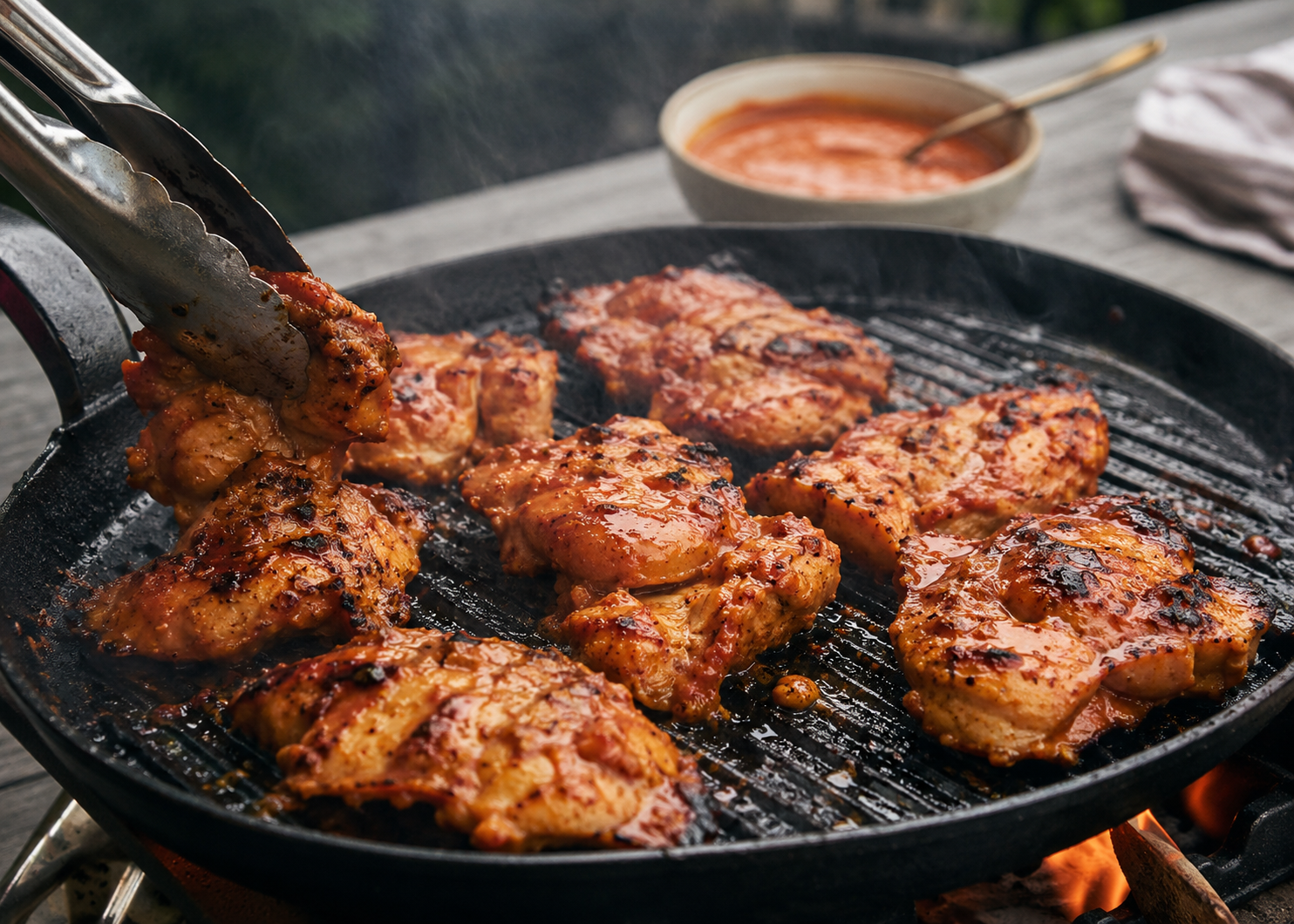
Before the cooking, it helps to understand what piri piri means, since the term refers both to a chili and to the sauce and dish built around it.
Piri piri, also spelled peri peri or pili pili, is first of all a chili, the small fierce African bird’s-eye chili that gives the dish its name and its heat, a little pepper that packs a serious punch, brought into Portuguese cooking through Portugal’s historical connections to its former African territories, Mozambique and Angola in particular. From this chili comes the piri piri sauce, the fiery marinade and basting sauce that defines the dish, made by combining the chili with garlic, lemon, oil, vinegar, and herbs and spices into a hot, tangy, garlicky red sauce that is both the marinade the chicken soaks in and the sauce it is basted and served with. And from the sauce comes the dish, frango piri piri, the chicken marinated in and grilled with the sauce, the whole thing, chili, sauce, and chicken, going by the same name, the fiery little pepper at the root of all of it.
This African-Portuguese origin is the key to understanding the dish, since piri piri chicken is a product of the Portuguese colonial encounter with Africa, the African chili and the flavors of that exchange brought back to Portugal and made into a beloved national dish, much as other empires absorbed the foods of their colonies. The dish is now thoroughly Portuguese, a fixture of Portuguese restaurants and homes and the churrasqueira grill houses that specialize in it, but its fiery heart is African, the bird’s-eye chili carrying the history of the connection between Portugal and its former African territories. Understanding that piri piri is the African chili at the center of a Portuguese dish, the sauce and the chicken built around that fierce little pepper, is the foundation for making it well, the chili and its heat being the soul of the whole thing.
The Sauce Is Everything
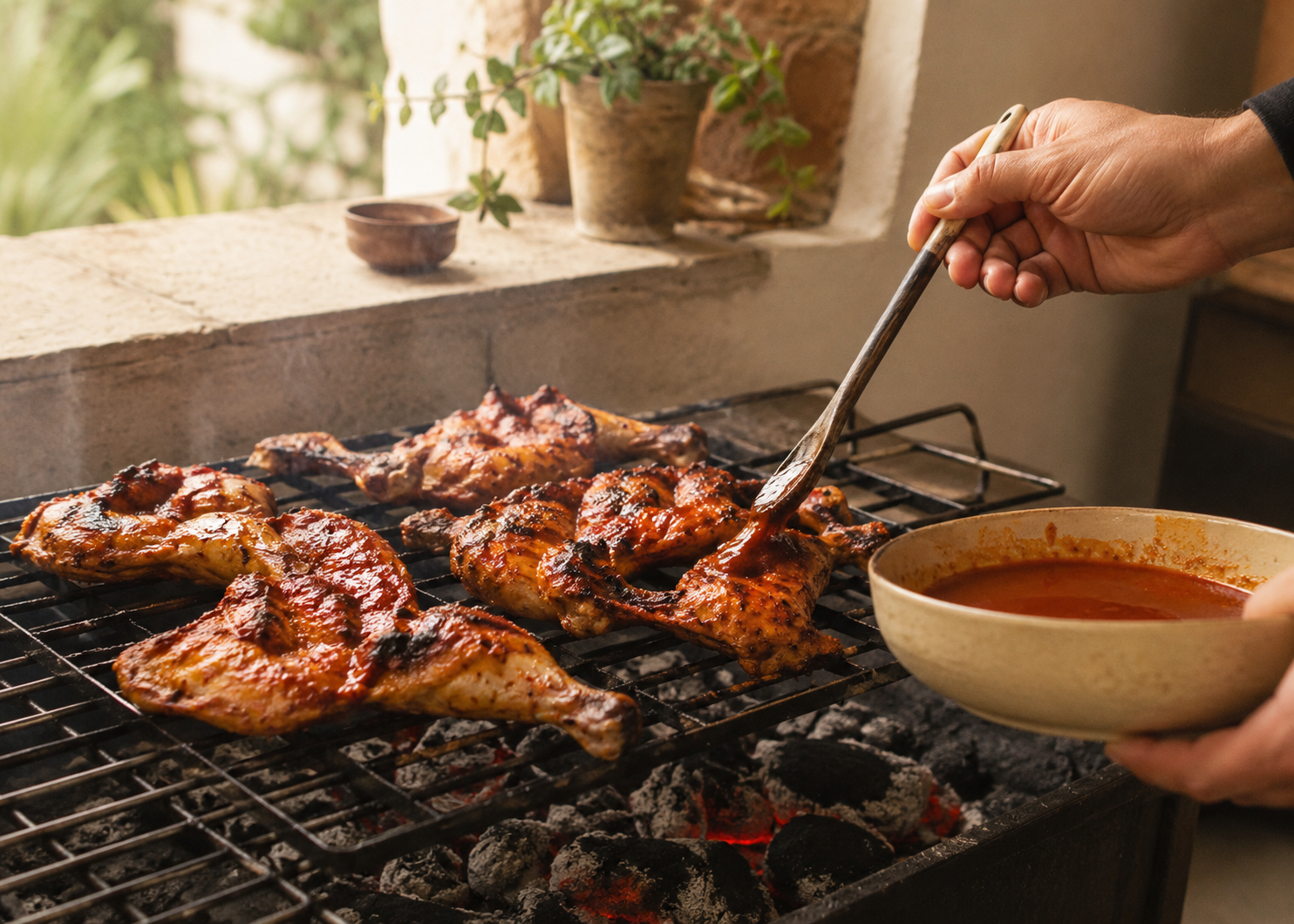
As with so many simple dishes, everything depends on the sauce, and the piri piri sauce is where the dish lives or dies.
The piri piri sauce is the heart of the dish, the fiery red marinade and basting sauce that gives the chicken all its flavor, and it is built from the piri piri chili, garlic, lemon juice, oil, vinegar, and a handful of other elements like paprika, herbs, and salt, blended into a hot, tangy, garlicky, vivid sauce. The balance is what matters, the heat of the chili tempered by the acid of the lemon and vinegar, the garlic assertive, the oil carrying it all, the whole thing fierce but balanced, hot but bright, not just spicy but complex and tangy and deeply flavored. A good piri piri sauce is a thing of real character, and made fresh from real chilies it is vastly better than the bottled versions, the fresh sauce vivid and alive where the bottle is flat, so making your own sauce is the single most important thing for a great piri piri chicken.
The sauce does double duty, serving both as the marinade in which the chicken soaks up the flavor before cooking and as the basting and finishing sauce applied during and after grilling, so it flavors the chicken through and through, the long marinade penetrating the meat and the basting building layers of flavor and char on the surface. This dual role is part of the technique, the chicken marinated in the sauce for hours or overnight to absorb the flavor deeply, then grilled and basted with more of the sauce to build the charred, sticky, fiery exterior, and finally served with yet more sauce for those who want extra heat. Make a good fresh piri piri sauce, use it to marinate and to baste and to serve, and the chicken is carried by it, the fierce bright garlicky sauce being the thing that makes the dish what it is.
Butterflying And Grilling The Bird
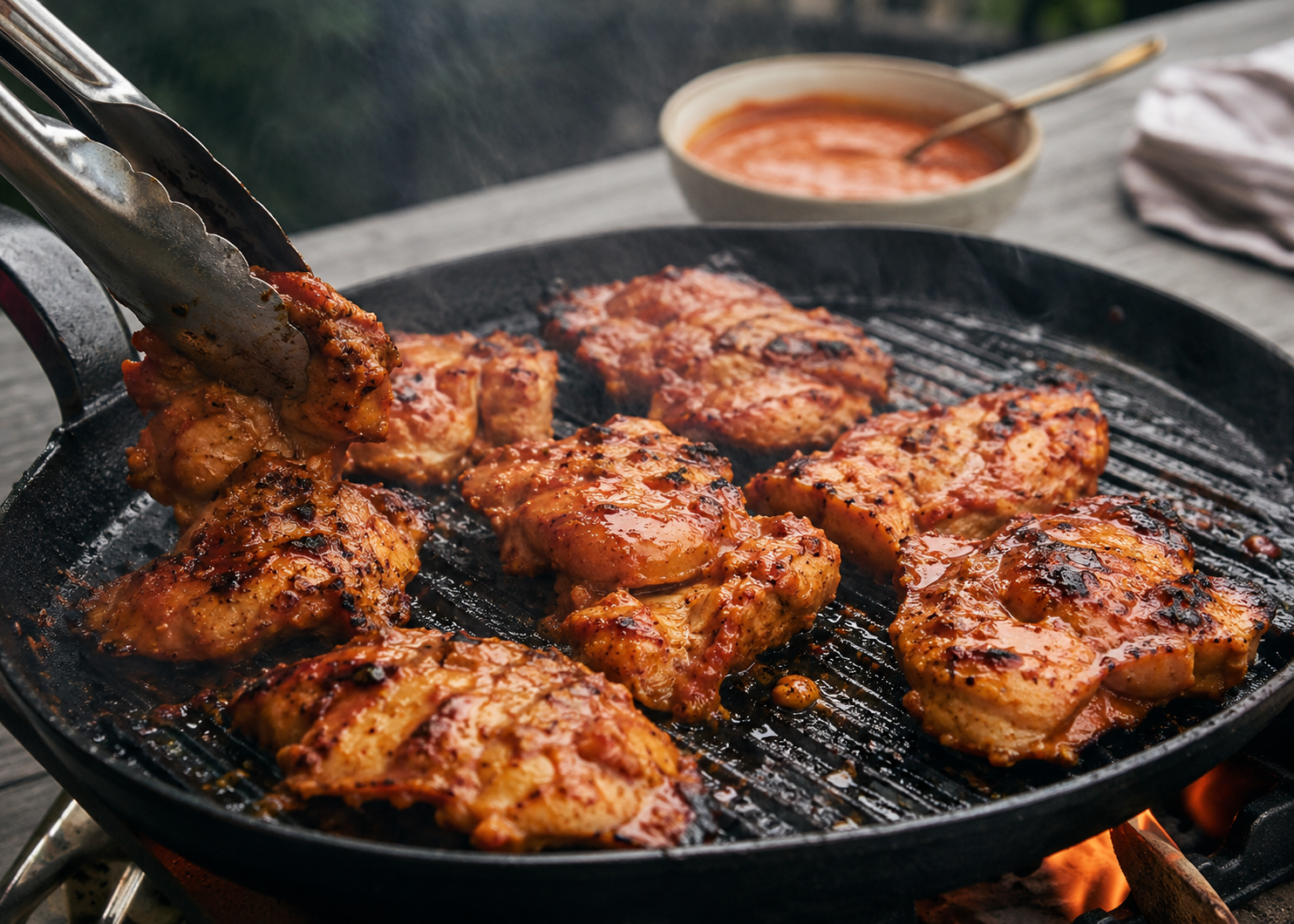
The technique with the chicken itself is straightforward but important, and the butterflying in particular is key to a proper piri piri chicken.
The classic piri piri chicken is spatchcocked or butterflied, the backbone removed and the bird flattened out, which is essential to the dish for good reasons, since the flattened bird cooks evenly and quickly, exposes maximum surface area to the sauce and the char, and grills beautifully flat over the fire, the whole technique built around the butterflied bird. Butterflying is simple, cutting out the backbone with kitchen shears and pressing the bird flat, and it transforms the chicken for grilling, allowing it to cook through evenly without the breast drying out before the thighs are done, and giving that wide flat surface for the sauce and the char. This is the traditional and best way to cook piri piri chicken, and it is well worth learning the small technique of butterflying, which makes the whole dish work as it should.
The grilling is the other key, since piri piri chicken is traditionally cooked over fire, the charcoal grill giving the smoky char that is part of the dish’s character, the butterflied bird cooked over moderate heat, basted with the sauce, turned, until it is cooked through and the skin is charred and sticky with the fiery glaze. The fire and the char matter to the authentic dish, the smokiness and the blistered edges being part of what makes it special, though an oven, or an oven finish under the broiler, can produce an excellent version too for those without a grill, the high heat and the basting building similar flavor. Whether over charcoal or in the oven, the keys are the butterflied bird for even quick cooking, the basting with the sauce for layered flavor and glaze, and the char for the smoky blistered character, and getting these right produces the proper fiery, charred, juicy piri piri chicken.
Controlling The Heat
Since piri piri is defined by its chili heat, a few words on managing that heat will help you make the dish suit your table.
The heat of piri piri chicken is adjustable, and understanding how to control it lets you make the dish as fierce or as gentle as you like, since the chili is the source of the heat and the amount and type used determines how hot the sauce and the chicken end up. The traditional piri piri chili is very hot, so using the full amount produces a genuinely fiery dish, while reducing the chili, removing the seeds and membranes where much of the heat lives, or substituting a milder chili produces a gentler version that still has the garlicky tangy character without the fierce burn. This adjustability means piri piri chicken can suit any palate, from the seriously spicy version that chili lovers crave to a mild aromatic version that the heat-averse can enjoy, the cook controlling the fire through the chili.
The balance of heat against the other flavors is part of the art, since even a hot piri piri should not be only heat but should keep the brightness of the lemon, the punch of the garlic, the depth of the paprika and herbs, the heat being one element in a complex sauce rather than the whole point. A well-made piri piri, however hot, tastes of more than burn, the fire balanced by acid and garlic and aromatics into something complex and crave-able, and getting this balance right, the heat present but not dominating, is what separates a great piri piri from a merely painful one. Adjust the chili to your preferred heat level, keep the other flavors bright and present, and the dish suits your table while keeping its essential fiery, tangy, garlicky character, the heat a pleasure rather than an ordeal.
Serving It The Portuguese Way
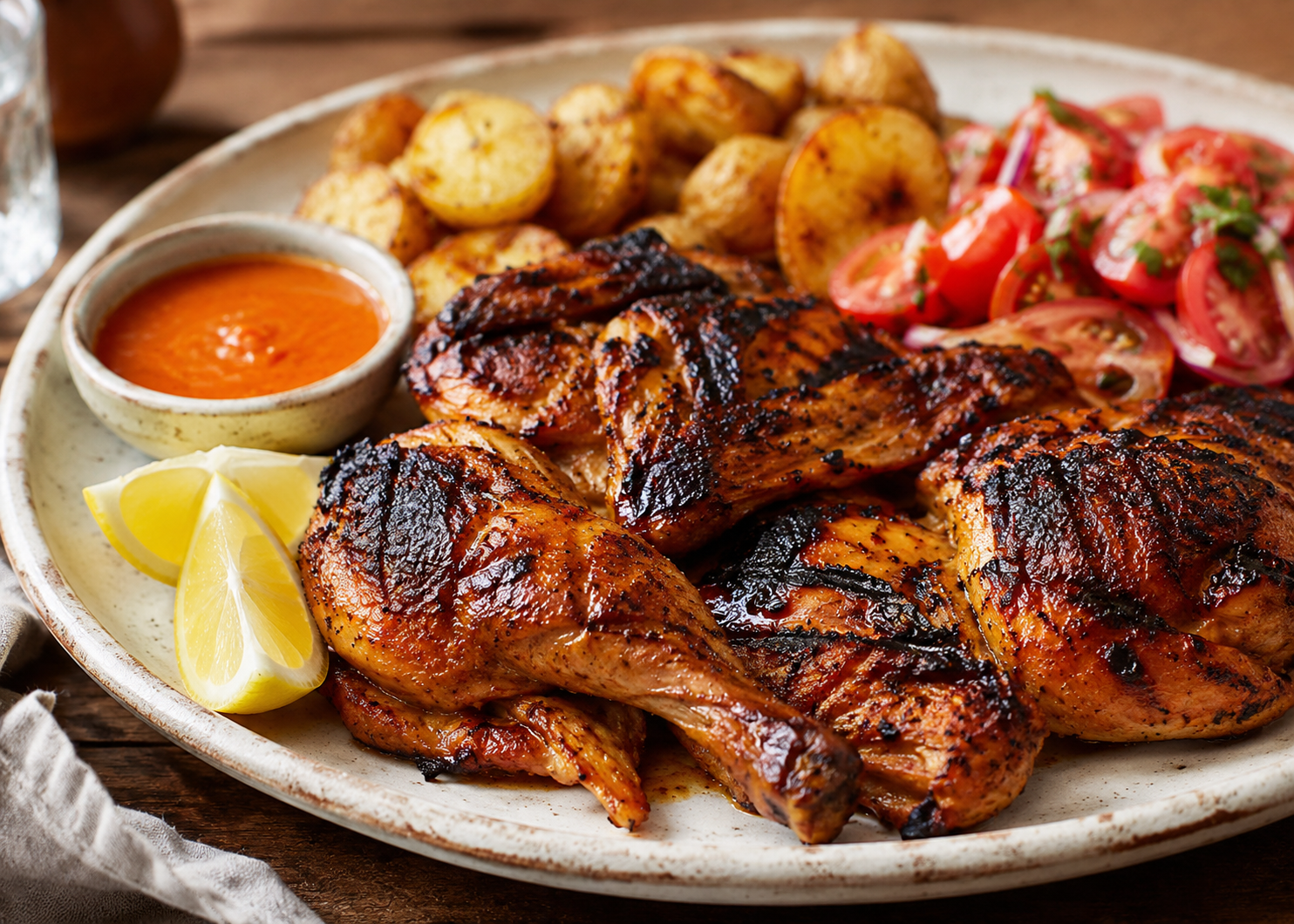
How piri piri chicken is served completes the picture, and the traditional accompaniments are part of the experience.
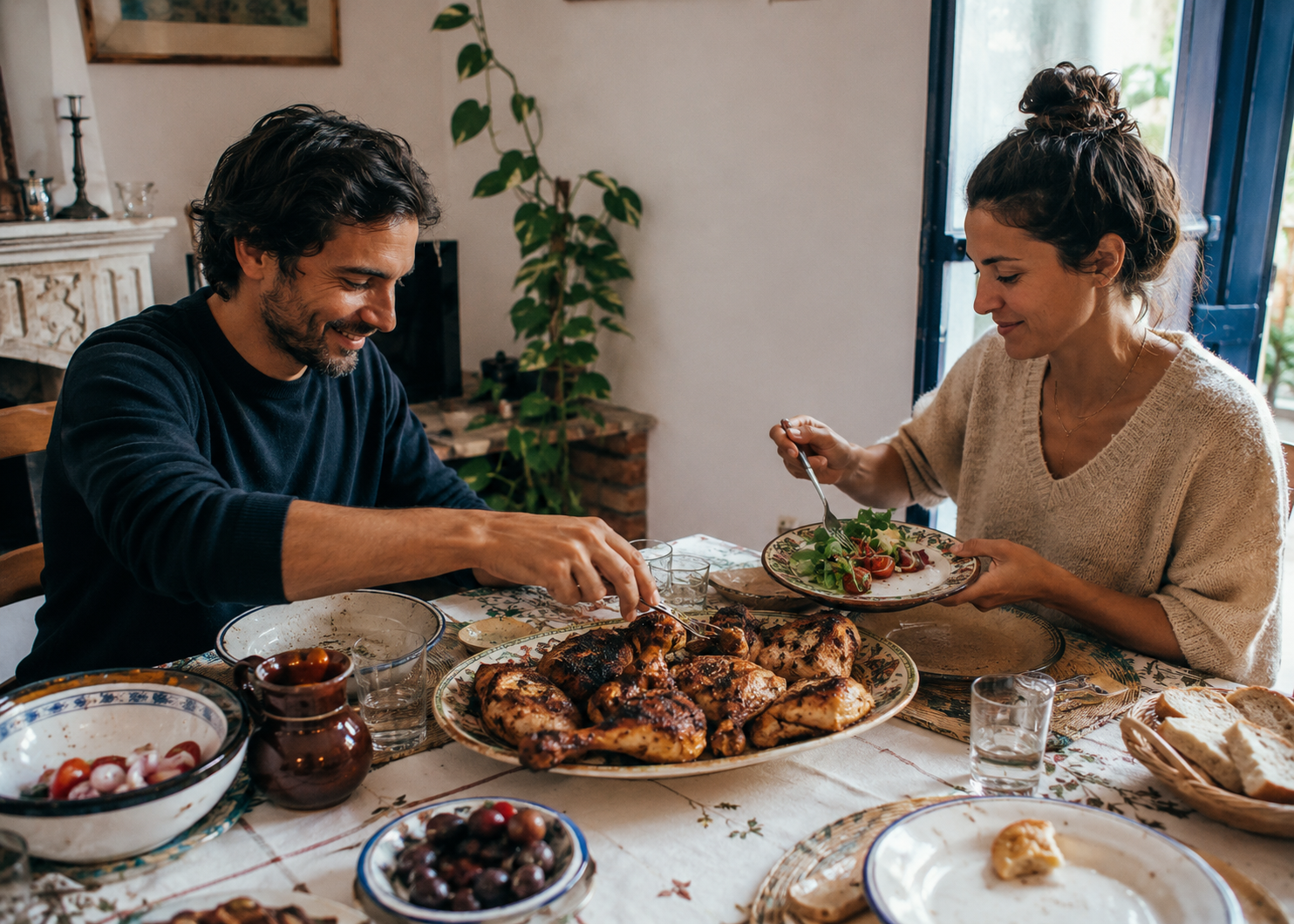
Piri piri chicken is classically served with fries, the Portuguese batatas fritas, and often a simple salad, the fries perfect for soaking up the fiery juices and sauce, the salad providing a fresh cool counterpoint to the heat, the whole making a satisfying and balanced meal. It is informal, hands-on food, the chicken pulled apart and eaten with the fingers, the fries dipped in the extra sauce, a cold beer or a glass of vinho verde alongside, a relaxed convivial way of eating that suits the bold flavors and the summer-grill character of the dish. This is how Portugal eats it, in the churrasqueira grill houses and at home, casual and generous and shared, and serving it this way, with fries and salad and beer, hands-on and relaxed, is part of the pleasure.
Extra piri piri sauce on the table is essential, since the heat is a personal matter and those who want more can add it, the bottle or bowl of fierce sauce passed around for each to dose their chicken and fries to taste, part of the interactive generous spirit of the meal. The dish is meant to be shared and enjoyed casually, the fiery chicken the centerpiece of a relaxed gathering, and bringing a little of the Portuguese churrasqueira spirit to your own table, the grilled fiery bird, the fries, the salad, the extra sauce, the beer, the hands-on sharing, is part of making the dish properly. Serve it the Portuguese way, casual and generous with the traditional accompaniments and plenty of extra sauce, and you have not just cooked a Portuguese dish but borrowed a Portuguese way of eating, fiery and convivial and deeply satisfying.
Why Fresh Beats The Bottle
It is worth dwelling on why making the sauce from scratch matters so much, since it is the difference between a good piri piri chicken and a great one.
The bottled piri piri sauces, widely available and convenient, are fine in their way, but they cannot match a sauce made fresh from real chilies, garlic, lemon, and herbs, the fresh sauce being vivid, bright, alive with the punch of fresh garlic and citrus and the clean heat of fresh chili, where the bottle is comparatively flat, dulled, preserved. The difference is the same as between fresh and jarred in any sauce, the fresh ingredients giving a brightness and complexity and life that processing and preservation strip away, and for a dish where the sauce is everything, this difference is decisive, the fresh sauce transforming the chicken into something far better than any bottled version could. Making the sauce fresh is the single biggest upgrade available to the home cook, and it is not difficult, just a matter of blending the real ingredients.
The fresh sauce also lets you control everything, the heat, the balance, the garlic, the acid, tuning it exactly to your taste in a way the fixed bottled product cannot allow, so the homemade sauce is both better and yours, made precisely as you like it. And it keeps, so a batch made can flavor several meals, the effort banked, the sauce on hand for chicken or for other uses, since piri piri sauce is wonderful on all sorts of grilled meats and vegetables beyond the chicken. Make the sauce fresh, control it to your taste, keep a batch on hand, and the piri piri chicken you produce is in a different class from the bottled-sauce version, vivid and bright and fierce and alive, the real thing made by your own hand, far better than anything that came from a jar and not much harder to achieve.
Piri Piri Sauce
Makes enough to marinate, baste, and serve one chicken, with a little extra. Adjust the chili to your heat preference.
Ingredients
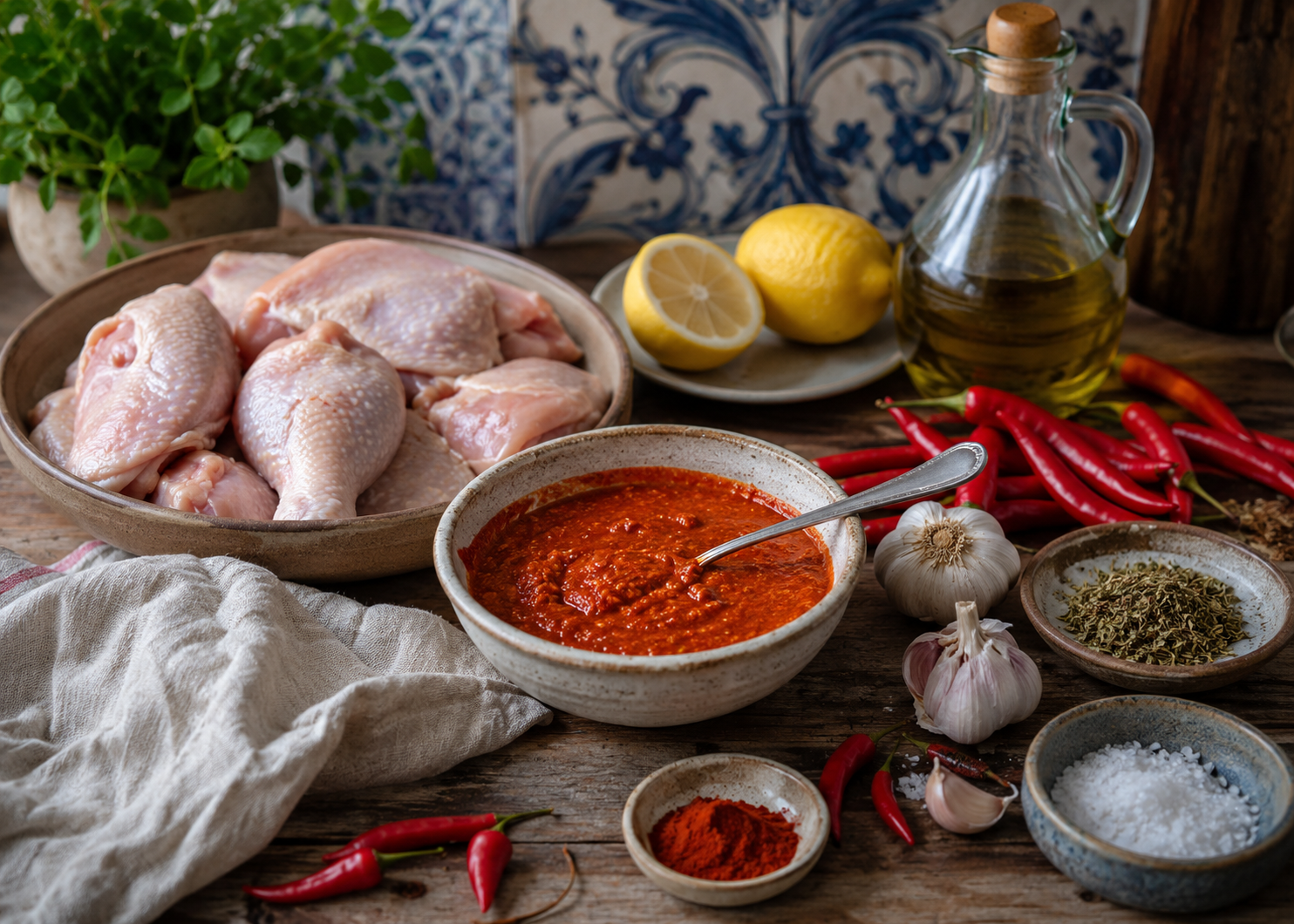
- 8 to 12 piri piri (bird’s-eye) chilies, or to taste
- 6 garlic cloves
- Juice and zest of 2 lemons
- 3 tbsp red wine vinegar
- 120ml (½ cup) olive oil
- 1 tbsp smoked paprika
- 1 tsp dried oregano
- 1 tsp salt
- 1 red bell pepper, roughly chopped (for body and milder color)
Method
- Roughly chop the chilies (remove seeds for less heat) and the bell pepper.
- Put everything in a blender and blend to a smooth, vivid red sauce.
- Taste and adjust the salt, acid, and heat. Set aside a third of the sauce for serving.
Frango Piri Piri (Portuguese Piri Piri Chicken)
Serves 4. Marinate ahead, ideally overnight. Grill or oven-roast.
Ingredients
- 1 whole chicken (about 1.5kg / 3½ lb)
- 1 batch piri piri sauce (above)
- Salt
- Lemon wedges, fries, and salad, to serve
Method
- Butterfly the chicken: with kitchen shears, cut out the backbone and press the bird flat, breast side up.
- Season with salt and rub two-thirds of the piri piri sauce all over and under the skin. Reserve the rest for basting and serving. Cover and marinate in the fridge for at least 4 hours, ideally overnight.
- To grill: cook over medium charcoal heat, skin side up first, turning and basting with sauce every few minutes, for about 35 to 45 minutes until charred and cooked through (juices run clear, internal temperature 75°C / 165°F).
- To oven-roast: roast flat on a rack at 200°C / 400°F for about 40 to 45 minutes, basting with sauce, then finish under the broiler for a few minutes to char the skin.
- Rest for 5 minutes, cut into pieces, and serve with lemon wedges, fries, salad, and the reserved sauce on the side.

About the Author: Ruben, co-founder of Gamintraveler.com since 2014, is a seasoned traveler from Spain who has explored over 100 countries since 2009. Known for his extensive travel adventures across South America, Europe, the US, Australia, New Zealand, Asia, and Africa, Ruben combines his passion for adventurous yet sustainable living with his love for cycling, highlighted by his remarkable 5-month bicycle journey from Spain to Norway. He currently resides in Spain, where he continues sharing his travel experiences with his partner, Rachel, and their son, Han.