
Panama has this incredible way of making travelers feel instantly welcomed while quietly expecting them to pick up on a whole set of social cues no one ever explains. Tourists arrive thinking they understand Latin culture, Central American culture, or even Caribbean culture, but Panama blends all three in ways that surprise even seasoned travelers. What looks casual on the surface actually runs on its own rhythm, its own manners, and its own unwritten codes.
You’ll notice it the second you step into a local restaurant, a family gathering, or even a neighborhood corner store. People interact differently. Time moves differently. Conversations sound different. And if you don’t catch the nuances, you might accidentally offend someone or misread a situation without ever realizing why people reacted the way they did.
But the moment you understand the unspoken rules, Panama becomes even more magical. You move more easily through conversations, you build stronger connections, and you stop feeling like an outsider trying to decode everything. These insights don’t just help you avoid awkward moments—they help you experience Panama the way locals actually live it.
To help you navigate the nuances of Panamanian life, here are the unspoken rules of Panamanian life that visitors should know.
Read here Panamanian food, vegetarian food in Panama, Panamanian drinks, Panamanian breakfast and what to wear in Panama
BOOK YOUR TRAVEL INSURANCE
Two of our favorite travel insurance: Heymondo Vs Safetwing cheapest travel Insurance. You can get for $135 USD your Heymondo Travel Insurance with Heymondo discount code valid for 90 days. Read our full comparison of Genki vs Safetywing Travel Insurance Review and the comparison Heymondo vs Genki
Quick Easy Tips
Don’t rush conversations; social warmth matters more than efficiency.
Take polite hints seriously, even if they sound indirect.
Follow the crowd’s rhythm instead of trying to impose your own.
One of the biggest misunderstandings tourists bring is the idea that “relaxed culture” means “no rules.” Panama is laid-back, yes, but it’s also incredibly structured beneath the surface. Locals follow social hierarchies, family expectations, and community norms that are rarely spoken out loud. When tourists act too casually or too independently, locals sometimes interpret it as disrespectful even if that wasn’t the intention.
Another friction point is punctuality. Tourists see the slower pace as disorganization. Locals see it as flexibility and human connection taking priority over the clock. While some Panamanians do follow exact schedules, especially in business settings, everyday social life operates on its own time. To many visitors, it feels chaotic. To Panamanians, it feels natural.
The last big cultural misunderstanding is directness. American or European travelers often expect clear, straightforward communication. But Panamanians tend to soften answers, avoid uncomfortable truths, and offer social niceties instead of blunt honesty. What sounds like a yes might actually be a polite no. What seems vague to a tourist is perfectly clear to a local. Without noticing these subtleties, visitors can misinterpret intentions completely.
Unspoken Rules of Panamanian Life
1. Greetings Are Essential

What Tourists Don’t Understand:
Panamanians value polite and friendly greetings. Walking into a shop, restaurant, or even a room without saying hello can come across as rude.
What to Do Instead:
Always greet with “Buenos días” (Good morning), “Buenas tardes” (Good afternoon), or “Buenas noches” (Good evening).
When meeting someone, a handshake or a cheek kiss (women to men or women) is common.
2. Punctuality Is Flexible
What Tourists Don’t Understand:
While punctuality is expected for business meetings, in social settings, being 15–30 minutes late is considered normal.
What to Do Instead:
Don’t stress if things don’t start exactly on time, especially casual events.
For formal appointments, aim to arrive on time or just a few minutes late.
3. Taxis Are Negotiated, Not Metered
What Tourists Don’t Understand:
Outside Panama City, taxis don’t have meters, and fares are typically negotiated beforehand. Even in the city, taxis rarely use meters.
What to Do Instead:
Ask the driver how much the ride will cost before getting in the taxi.
Use ride-hailing apps like Uber or Cabify for clear pricing in urban areas.
4. Personal Space Can Be Smaller
What Tourists Don’t Understand:
In Panama, standing close during conversations is common, and personal space isn’t as large as it might be in the U.S.
What to Do Instead:
Don’t step back when someone stands closer than you’re used to—it’s part of their friendly nature.
Be mindful of body language and keep interactions warm.
5. No Rush: Embrace the “Tranquilo” Lifestyle

What Tourists Don’t Understand:
Life in Panama follows a relaxed pace, even in cities. Impatience or rushing is often viewed as unnecessary stress.
What to Do Instead:
Adopt a “tranquilo” (calm) mindset and go with the flow.
Avoid showing frustration if things take longer than expected—this applies to service, transportation, and schedules.
6. Siesta-Like Breaks Are Common
What Tourists Don’t Understand:
Many businesses, especially in smaller towns, close during the afternoon (typically 12:00 PM–2:00 PM) for a lunch break.
What to Do Instead:
Plan your errands and meals around these closures.
Use the downtime to relax and enjoy the slower pace of life.
7. Small Talk Is Important

What Tourists Don’t Understand:
Jumping straight into business or skipping pleasantries can come off as abrupt. Panamanians often prefer to start conversations with small talk.
What to Do Instead:
Start with polite questions like “¿Cómo está?” (How are you?) before diving into a request or discussion.
Be patient—it’s about building relationships, not just efficiency.
8. Respect for Elders Is Key
What Tourists Don’t Understand:
Panamanians hold deep respect for older generations, and showing courtesy to elders is an important part of daily life.
What to Do Instead:
Always address older people with respect, using “Señor” (Mr.) or “Señora” (Mrs.).
Offer your seat on public transportation to elderly passengers.
9. No Touching Produce at Markets
What Tourists Don’t Understand:
At local markets, it’s considered rude to touch fruits or vegetables without permission. Vendors prefer to pick the produce for you.
What to Do Instead:
Ask the vendor for what you need, and let them handle it.
If you’re allowed to choose your produce, do so gently and respectfully.
10. Modest Dress Is Preferred
What Tourists Don’t Understand:
While beachwear is acceptable in coastal areas, dressing too casually or revealingly in cities or small towns can be seen as disrespectful.
What to Do Instead:
Opt for smart-casual clothing when exploring cities or towns.
Save flip-flops and swimsuits for the beach or pool areas.
11. Sundays Are Family Days
What Tourists Don’t Understand:
Sundays are often reserved for family gatherings, church, and relaxation. Many businesses outside of Panama City may close early or remain closed.
What to Do Instead:
Avoid scheduling major plans or errands on Sundays.
If invited to a family meal, accept—it’s a cherished tradition.
12. Tipping Is Appreciated but Not Expected
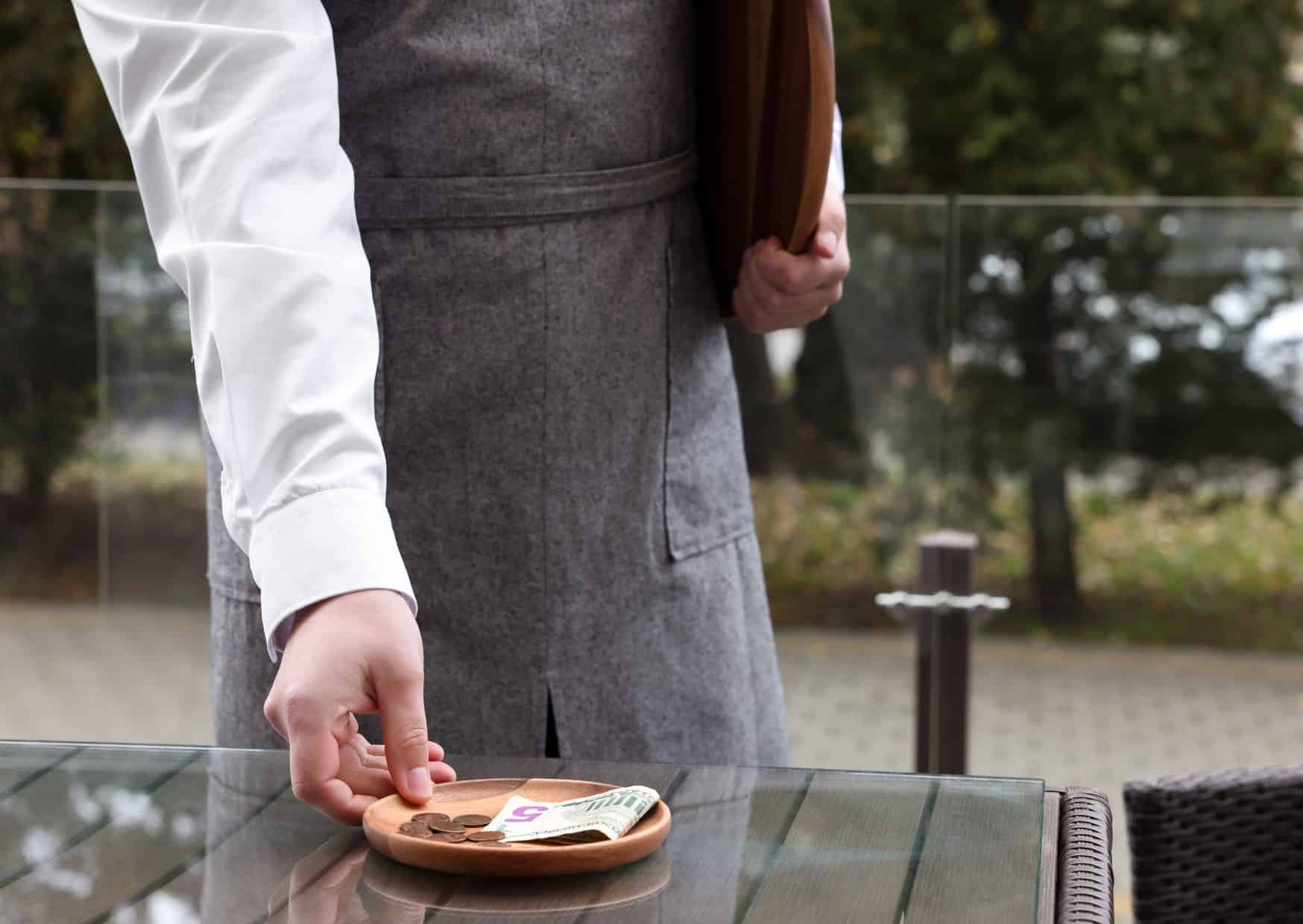
What Tourists Don’t Understand:
Tipping isn’t as ingrained in Panama as it is in the U.S., but it’s appreciated for good service.
What to Do Instead:
Tip 10% in restaurants if service isn’t already included.
Round up the fare for taxis or leave small tips for hotel staff and tour guides.
13. Panama Hats Are Not from Panama
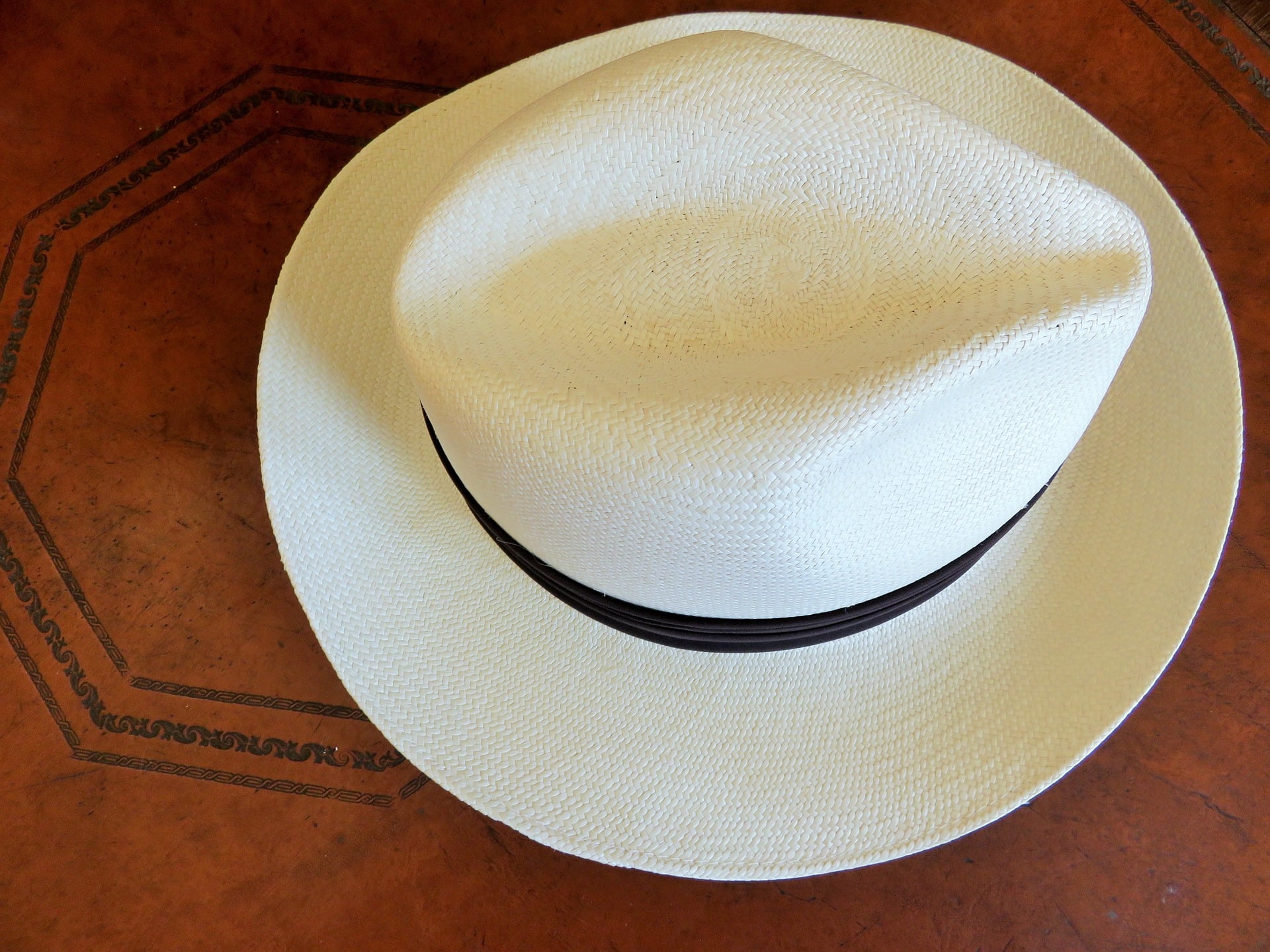
What Tourists Don’t Understand:
Many tourists assume Panama hats originate in Panama, but they actually come from Ecuador.
What to Do Instead:
Appreciate local crafts like molas (handmade textiles) from the Guna people instead.
If you want a genuine Panama hat, make sure it’s from Ecuador for authenticity.
14. Keep Conversations Low-Key in Public
What Tourists Don’t Understand:
Panamanians value calm and discreet behavior in public spaces. Loud conversations or boisterous behavior can attract unwanted attention.
What to Do Instead:
Speak in a moderate tone, especially on public transportation or in restaurants.
15. Be Mindful of Religious Customs
What Tourists Don’t Understand:
Catholicism plays a significant role in Panamanian culture, and religious events and holidays are observed with respect and reverence.
What to Do Instead:
Dress modestly when visiting churches or attending religious ceremonies.
Avoid loud or disruptive behavior near sacred spaces.
16. Avoid Comparing Panama to Costa Rica

What Tourists Don’t Understand:
Panama and Costa Rica are often compared by travelers, but Panamanians take pride in their distinct culture and history.
What to Do Instead:
Appreciate Panama for its unique qualities without drawing comparisons.
Highlight what you love about Panama when speaking to locals.
17. Public Displays of Affection Are Subtle
What Tourists Don’t Understand:
While holding hands or a light kiss is fine, excessive public displays of affection are considered inappropriate.
What to Do Instead:
Keep affection modest and respectful in public.
18. Don’t Assume Beach Areas Are Always Safe
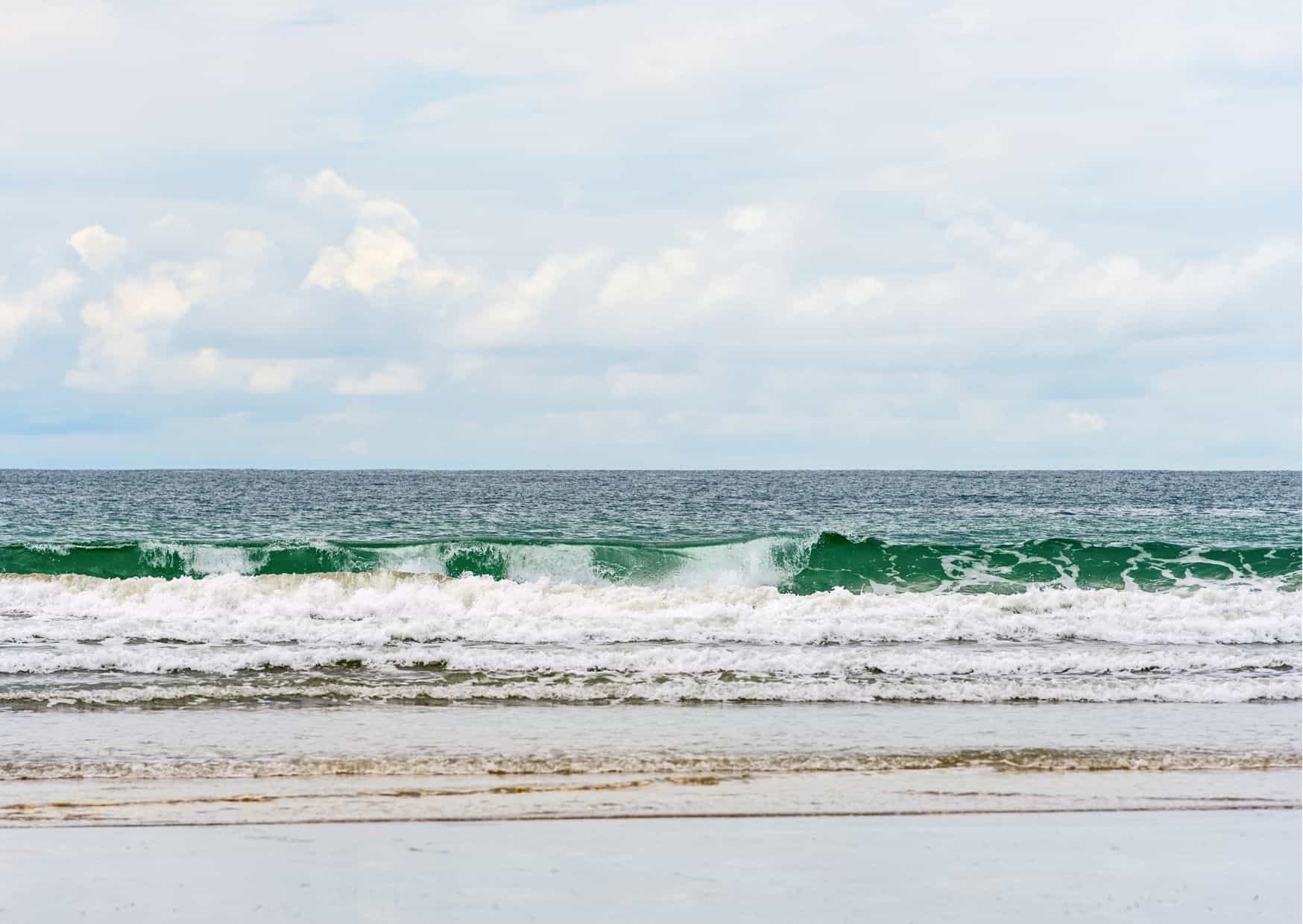
What Tourists Don’t Understand:
Certain beaches in Panama have strong currents, rip tides, or dangerous marine life, and locals may avoid swimming in some areas.
What to Do Instead:
Ask locals about swimming conditions before entering the water.
Pay attention to warning signs and lifeguard advice.
19. No Rushing Meals

What Tourists Don’t Understand:
Panamanians enjoy meals as a time to relax and connect, rather than rushing through eating like in many other cultures.
What to Do Instead:
Savor your meal and engage in conversation if dining with locals.
Avoid expecting quick service in restaurants—enjoy the slower pace.
20. Respect the Canal’s Significance

What Tourists Don’t Understand:
The Panama Canal is more than a tourist attraction—it’s a source of immense national pride and historical significance.
What to Do Instead:
Take the time to learn about the canal’s history and its role in global trade.
Visit the Miraflores Locks or take a guided tour to better appreciate its importance.
Final Thoughts
Panama’s unspoken rules aren’t meant to confuse visitors. They’re woven from history, community, and the country’s unique blend of cultures. Once you begin to see the patterns—how people greet each other, how they prioritize relationships, how they move through daily life—the entire country opens up in a new way. What once felt unfamiliar becomes part of the charm.
Tourists often miss the deeper layers because they stay focused on beaches, city life, and adventure. But real Panama lives in the quiet details: a neighbor’s greeting, a family’s invitation, the rhythm of a late-night gathering, or the way people always make room for you at the table. Those small moments are where the true culture lives, and understanding the unspoken rules makes those moments easier to connect with.
If you give yourself time to adjust, Panama rewards you with genuine warmth. Locals may not explain the rules, but they’re quick to welcome anyone who pays attention and respects the flow. Once you fall into step with the culture, you stop feeling like a tourist and start feeling like you belong. And that’s when Panama becomes unforgettable.

About the Author: Ruben, co-founder of Gamintraveler.com since 2014, is a seasoned traveler from Spain who has explored over 100 countries since 2009. Known for his extensive travel adventures across South America, Europe, the US, Australia, New Zealand, Asia, and Africa, Ruben combines his passion for adventurous yet sustainable living with his love for cycling, highlighted by his remarkable 5-month bicycle journey from Spain to Norway. He currently resides in Spain, where he continues sharing his travel experiences with his partner, Rachel, and their son, Han.