
For decades, Spain has ranked among the world’s most beloved travel destinations. Its stunning coastlines, vibrant culture, legendary cuisine, and historic cities have drawn millions of visitors each year. But in 2025, the story of Spain’s tourism is shifting. A growing number of travelers are starting to question whether now is the right time to visit. What was once a dream destination is becoming a point of global debate.
The reality on the ground looks different from the glossy postcards and curated Instagram feeds. Overtourism has reached critical levels in popular spots like Barcelona, Seville, and Mallorca. Locals are protesting, prices are climbing, and the pressure on infrastructure is growing. What was once a charming travel experience now comes with long lines, crowded streets, and rising frustration on both sides.
This doesn’t mean Spain has lost its magic. It means travelers need to understand the bigger picture behind what’s happening. Skipping Spain—or at least traveling more thoughtfully—might not just make your trip better; it could also help ease the growing strain on its cities and communities.
Read here best things to know before visiting Spain, Planning an Itinerary in Spain: 3 Days Madrid Itinerary and 4 Days Barcelona Itinerary
BOOK YOUR TRAVEL INSURANCE
Two of our favorite travel insurance: Heymondo Vs Safetwing cheapest travel Insurance. You can get for $135 USD your Heymondo Travel Insurance with Heymondo discount code valid for 90 days. Read our full comparison of Genki vs Safetywing Travel Insurance Review and the comparison Heymondo vs Genki
Quick, Easy Tips for Responsible Travel
Travel off-season: Avoid peak summer months to reduce overcrowding and get better prices.
Visit lesser-known areas: Explore smaller towns and rural regions instead of just major tourist hubs.
Support local businesses: Choose family-run accommodations and restaurants over large chains.
Be respectful: Learn a few basic Spanish phrases, follow local customs, and minimize noise and litter.
Limit short-term rentals: Consider hotels or official stays to avoid worsening housing shortages.
Travel light: Smaller groups and less impact make a big difference in crowded destinations.
The tourism boom in Spain has brought undeniable economic benefits, but it has also ignited serious tensions. Locals in major tourist hubs have grown increasingly vocal about rising rents, overwhelmed public spaces, and cultural erosion. Many argue that tourism is no longer just a seasonal rush; it has become an everyday force reshaping their neighborhoods.
However, not everyone agrees with the backlash. Businesses reliant on tourism stress that visitors keep local economies alive, especially in regions dependent on seasonal income. From hotels to restaurants to small shops, many livelihoods hinge on the continued flow of international travelers. Reducing tourism could mean economic setbacks for thousands.
The real controversy lies in finding balance. Should tourists simply stay away, or should the system be reformed to make tourism more sustainable? Some believe responsible travel—not boycotts—is the solution. Others argue that meaningful change won’t happen unless travelers make bold choices, including skipping overcrowded destinations altogether.
1. The Overtourism Backlash Has Arrived
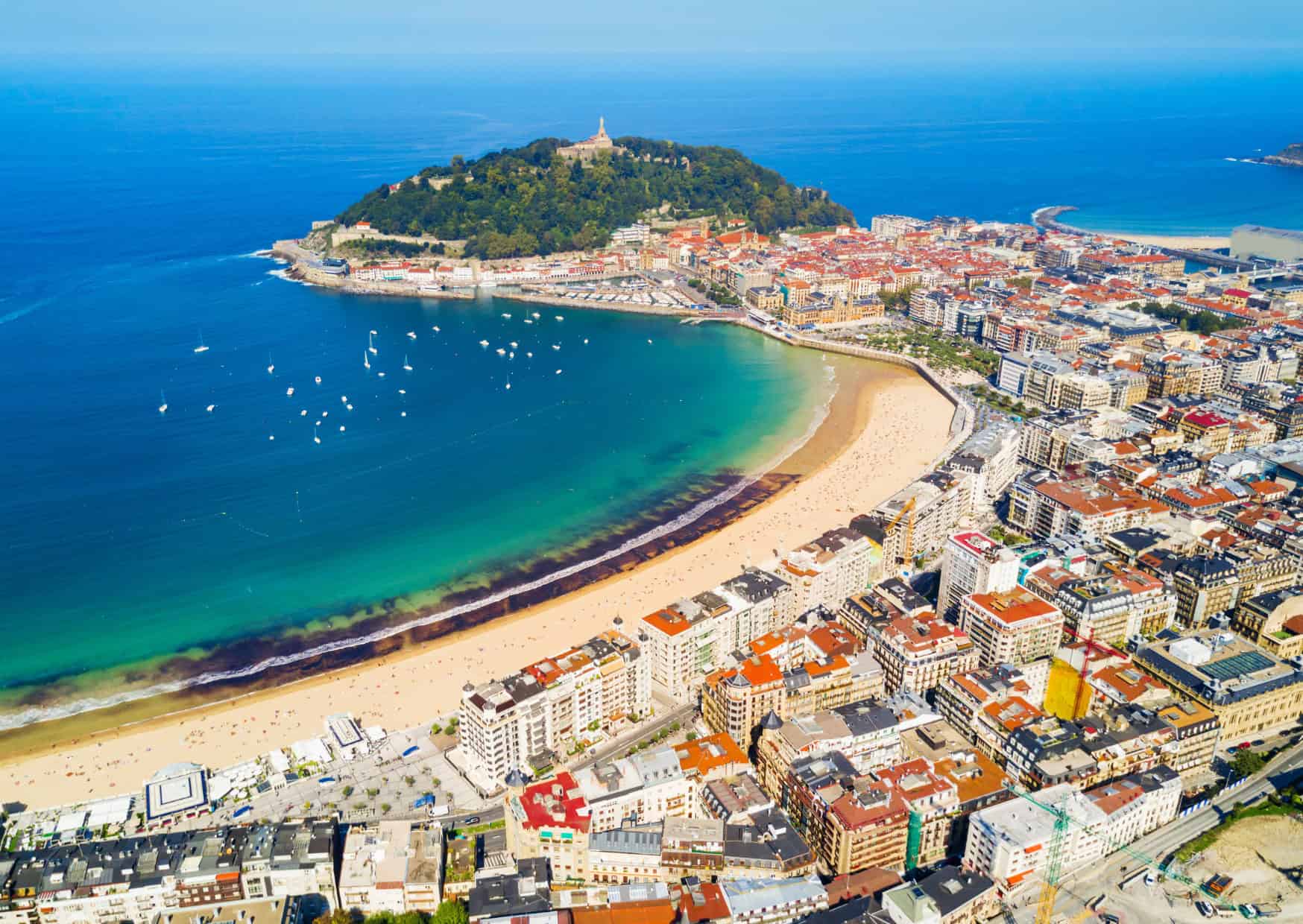
In June 2025, Spain’s hot spots erupted in protest. In Barcelona, Palma, San Sebastián, Granada, Ibiza, and even the Canary Islands, thousands of residents marched—not against tourists personally, but against overtourism.
Their message is hard-hitting and clear: tourism has overtaken daily life. Locals chanted slogans like “Your holidays, my misery” and staged symbolic water-gun attacks at cafés, hotels, and even airport terminals.
What may sound theatrical is driven by deeper frustrations: soaring rent prices, crowded transport and public services, environmental strain, and the gradual erasure of local communities from urban neighborhoods.
2. Housing Crisis: Tourists vs. Residents
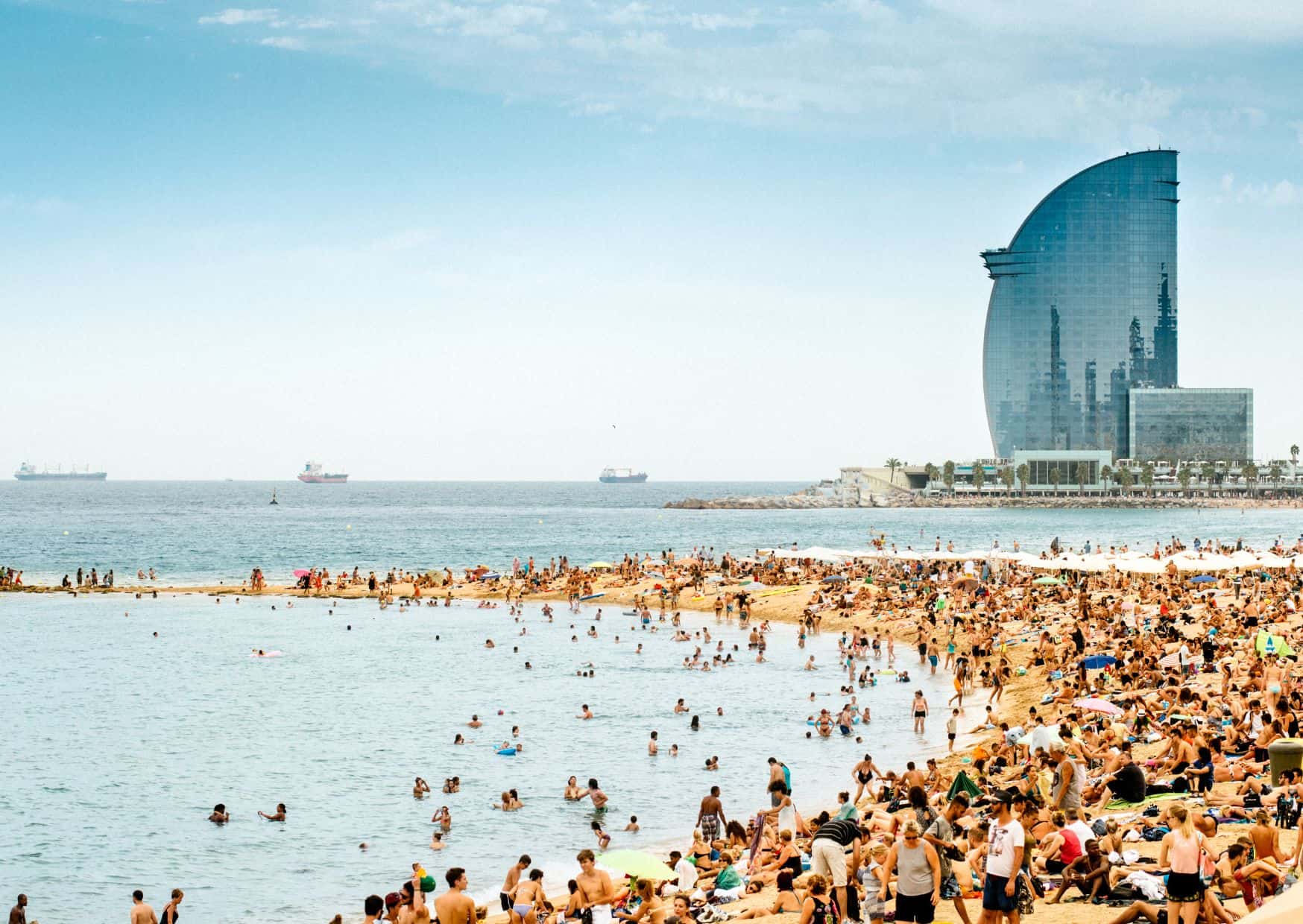
Tourism isn’t just about crowds—it’s about real estate. In Barcelona alone, a staggering 26 million visitors in 2024 overwhelmed a resident population of just 1.6 million. One by one, homes are being converted into short-term Airbnb rentals, pricing locals out of their own neighborhoods.
Spain’s Economy Minister confirmed projections of 100 million tourists this year, and voiced concern that the housing squeeze “poses challenges…for our own population”. Meanwhile, local movements demand more social housing and tighter Airbnb rules.
3. Local Resistance Turning Physical

This year’s protests have featured more direct action than in previous years. In Barcelona and Mallorca, protesters have used smoke bombs, taped shut hostels, slapped anti-tourist stickers on shops, and even squirted tourists with water guns, aiming to do more than just shout.
Their targets? Not travelers themselves—it’s the tourist industry infrastructure: cruise ships, budget airlines, and the relentless churn of cheap apartments.
Barcelona plans to revoke 10,000 short-term rental licenses by 2028. Palma and the Canary Islands are debating restrictions on property sales to foreigners—moves that signal a serious shift toward preserving livability.
4. Crowd Fatigue Eclipses Cultural Appeal

Spain’s appeal—rich history, flamenco nights, tapas crawls—is now rivaled by mounting frustration. Tourists arriving this summer should be ready for:
Crowded streets and transit—think lines at Gaudí sites, packed beaches, jammed historic alleyways.
Midday closures due to siesta culture, now overwhelmed by lack of enforcement.
Local burnout, meaning sometimes less warmth from overwhelmed staff.
Anti-tourist demonstrations, which can mean detours, delays, or scenes many visitors find unsettling.
Last summer’s protests were dismissed by some as outbursts, but 2025 marks something different: a systematic, organized rejection of unrestrained tourism. This isn’t resentment—it’s a plea for preservation.
5. Environmental and Cultural Costs Run Deep

Mass tourism bleeds beyond housing. Fragile areas—like the coves of Ibiza or coastal cliffs of Mallorca—are ecologically strained. On islands, water shortages, overflowing waste systems, and noise pollution are becoming common complaints.
Historic city centers once anchored by locals are now souvenir-shop-dominated zones with inflated prices—losing the character that once drew visitors in the first place.
For instance, in Granada’s UNESCO-listed Albaicín district, locals point to quarter of homes being tourist lets, and lament how their community feels vaporized.
6. Economy vs. Equity: A Rising Debate

Tourism contributes around 12% of Spain’s GDP, creates jobs, and supports entire coastal economies. But the distribution of that wealth is uneven. Many hospitality jobs are low-paid, seasonal, and offer little stability, adding to local disillusionment.
Spain’s government has already taken steps—removing 66,000 illegal Airbnb listings and promising enforcement. Barcelona has raised tourist taxes on short-stay cruise visitors, and the Balearic Islands are phasing out heavy reliance on social-media marketed “selfie tourism” to preserve environmental and cultural assets.
7. What This Means for You, Traveler
So—should you skip Spain this year? Maybe not—but you should be informed.
Know before you go:
Expect delays, detours, or even protests in key areas—especially Barcelona, Mallorca, Ibiza, San Sebastián, and Granada.
Be respectful: locals are not anti-tourist, but anti-overtourism. How you travel matters.
Support sustainable tourism: choose homestays, locally owned businesses, and public transport.
Book responsibly: avoid platforms that contribute to displacement. Pick eco-certified accommodations.
Be flexible: festivals, narrow streets, or heavy crowds can impact your plans—so plan loosely.
8. Alternative Payoffs of Responsible Travel
Yes, tourism currently feels invasive—but responsible travelers still empower cultural exchange:
Patronize family-owned restaurants, artisan shops, and local markets.
Attend community-run festivals, flamenco shows, or sustainable tours with guides who care.
Use public transport—or bikes—to reduce your carbon footprint and traffic congestion.
Spread awareness: share travel stories that respect, not exploit, local life.
Your visit, done thoughtfully, can help reaffirm Spain’s living culture rather than degrade it.
9. Spain Is Not Closing—but It Is Changing
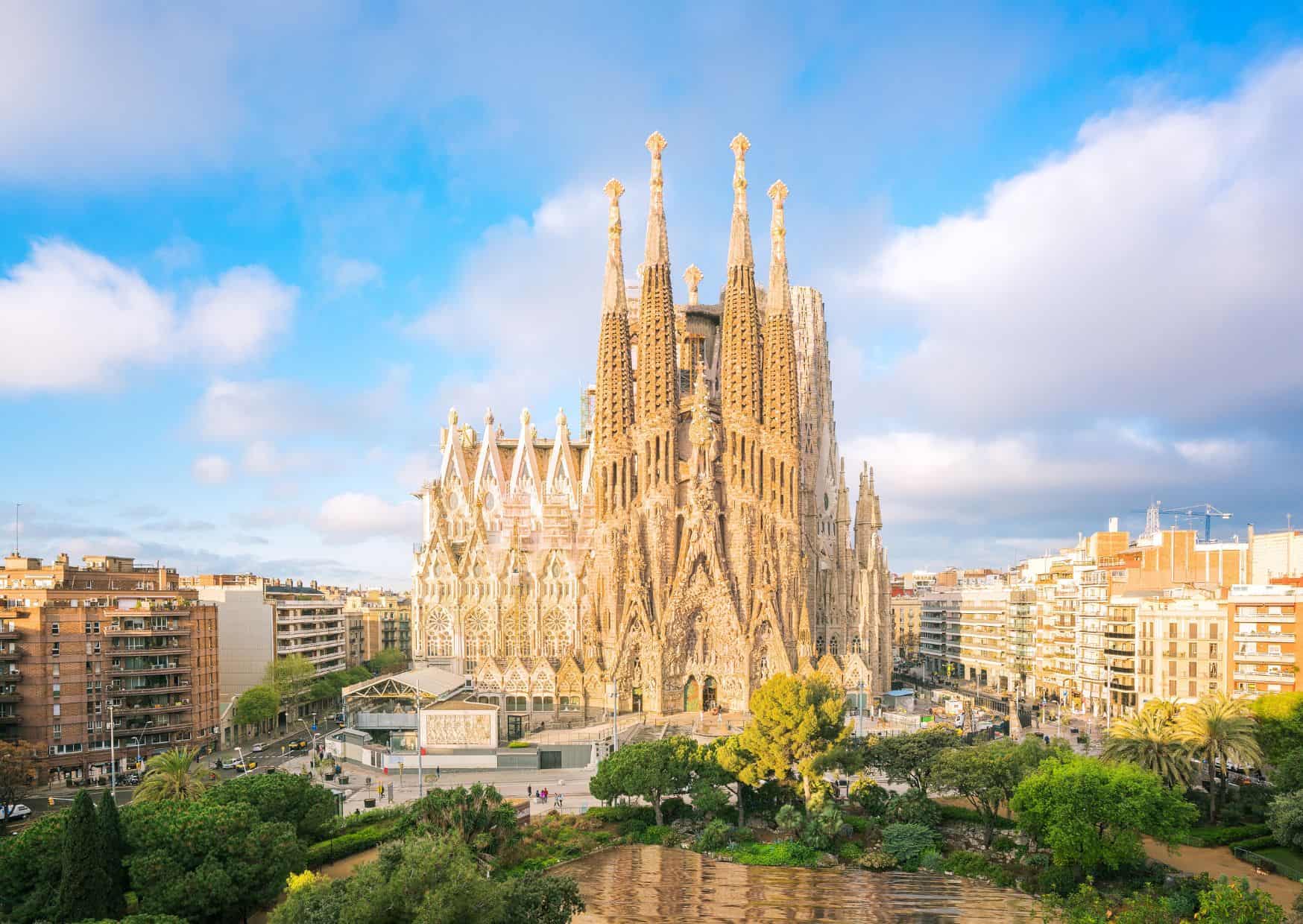
Between record tourism numbers—possible 100 million visitors in 2025—and rising activism, Spain is in the midst of a reckoning.
Cities are transitioning:
Barcelona plans to eliminate private short‑stay rentals by 2028.
Balearic and Canary Islands are limiting growth, rejecting influencer-driven promotions, banning mega-cruises, and clamping down on illegal listings .
Local networks in Palma, Granada, and San Sebastián are demanding affordable housing and civic rights for residents.
This isn’t anti-tourism—it’s about turning the spotlight inward. Spain isn’t shutting its doors; it’s trying to keep them open for its people first.
10. Skip It? Only If You’re Not Willing to Adapt
To skip Spain outright would be a loss—for your palate, your mind, and your spirit. But if you visit with eyes wide open, you can be part of a more balanced travel narrative.
With respect and intention, you can travel in a way that honors Spain’s soul—not exploits it.
Final Thoughts: Rethink the Journey
Spain’s overtourism crisis isn’t a call to stop traveling—it’s a wake‑up call for smarter travel. If you truly want to experience Spain’s tapas bars, cathedrals, sunlit plazas, and rich forests, do it in a way that uplifts, doesn’t erode, the country’s cultural and social fabric.
You can still fall in love with flamenco, wander Moorish palaces, and savor jamón ibérico. Just do it with humility, awareness, and a desire to be part of the solution—not the problem.
Because this year, Spain needs travelers who care—not casual tourists who don’t see what they’re taking away.
Have you felt Spain’s resistance to overtourism? Ways you helped or hurt local communities? Share your experience—and let’s keep this important conversation going.

About the Author: Ruben, co-founder of Gamintraveler.com since 2014, is a seasoned traveler from Spain who has explored over 100 countries since 2009. Known for his extensive travel adventures across South America, Europe, the US, Australia, New Zealand, Asia, and Africa, Ruben combines his passion for adventurous yet sustainable living with his love for cycling, highlighted by his remarkable 5-month bicycle journey from Spain to Norway. He currently resides in Spain, where he continues sharing his travel experiences with his partner, Rachel, and their son, Han.