
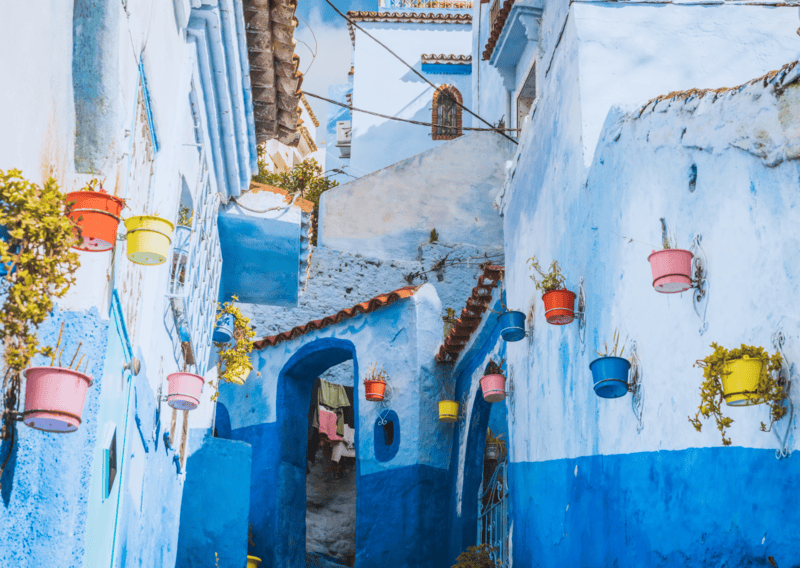
Morocco is a land of vibrant colors, ancient medinas, bustling souks, and unmatched hospitality. But while it’s an incredibly rewarding destination, many travelers underestimate the country’s deep-rooted cultural etiquette. What might seem like normal tourist behavior in Europe or the US can come across as disrespectful—or even offensive—in Morocco. The truth is, navigating Moroccan society as a visitor requires more than a guidebook and a few Arabic phrases.
Moroccan culture blends Arab, Berber, and Islamic traditions, which means there are layers of customs that aren’t always obvious to outsiders. From what you wear to how you greet people, small actions can carry big meanings. For example, snapping street photos without permission might feel harmless but can cause real tension, especially in conservative or rural areas.
Many tourists arrive with the best intentions but unintentionally make mistakes that hinder their experience—and their connection with locals. This blog post isn’t about scolding travelers. It’s about giving you insight into the unspoken rules of Moroccan life so you can explore the country with greater confidence, curiosity, and respect.
Read here 6 Days Morocco Itinerary and What to wear in Morocco
Read here the best Moroccan food, vegetarian food in Morocco, best Moroccan drinks and best breakfast in Morocco
BOOK YOUR TRAVEL INSURANCE
Two of our favorite travel insurance: Heymondo Vs Safetwing cheapest travel Insurance. You can get for $135 USD your Heymondo Travel Insurance with Heymondo discount code valid for 90 days. Read our full comparison of Genki vs Safetywing Travel Insurance Review and the comparison Heymondo vs Genki
Final Travel Tips for Morocco
Be Open-Minded: Embrace the cultural differences and immerse yourself in Moroccan traditions.
Respect the Environment: Avoid littering and support eco-friendly practices when visiting natural sites.
Ask Before You Act: When in doubt about a custom or situation, ask a local or guide for advice.
Ask permission before taking photos of people, especially women or elders.
Don’t drink or eat in public during Ramadan, as it’s considered deeply disrespectful.
Learn basic French or Arabic phrases—it goes a long way in earning trust and friendliness.
Many Westerners visit Morocco assuming it should accommodate their habits—but Moroccan society doesn’t bend easily to outside expectations. This is not just about tradition, but about identity. Tourists who ignore local norms often complain of being scammed, stared at, or overcharged—but rarely reflect on how their own behavior might be contributing to those interactions.
The tourism industry has also created a strange double standard in Morocco. In places like Marrakech, tourists wearing revealing clothes or engaging in loud, boisterous behavior may be tolerated for their money—but not necessarily respected. What tourists think is “authentic” Morocco is often a commercial performance, carefully packaged to appeal to foreign comfort zones while hiding deeper values.
Lastly, there’s growing resentment among locals about tourism’s impact on housing prices, over-tourism in sacred spaces, and the erosion of local culture. As travelers, it’s our responsibility to shift from a consumer mindset to a more mindful one. Morocco isn’t a theme park—it’s someone’s home. Treat it as such.
Things Not to Do in Morocco
1. Don’t Disrespect Islamic Customs
Why It’s Important:
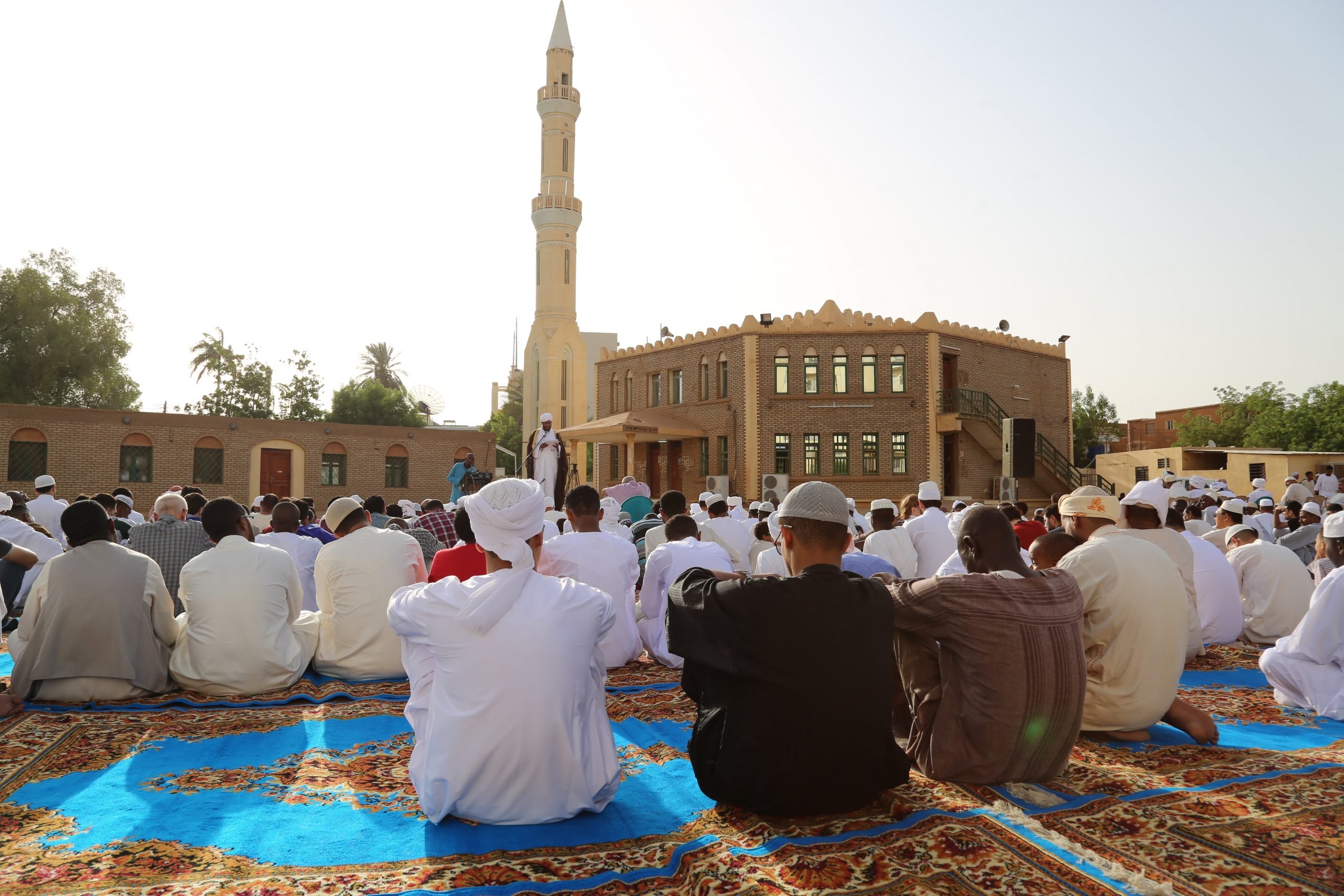
Morocco is a predominantly Muslim country, and respecting Islamic customs is crucial.
What to Avoid:
Eating, drinking, or smoking in public during Ramadan, especially in rural areas.
Wearing revealing clothing in conservative areas or near religious sites.
Tip:
During Ramadan, be discreet when eating or drinking in public, even if you’re not fasting. Dress modestly by covering your shoulders and knees, especially in rural areas and mosques.
2. Don’t Ignore Dress Codes

Why It’s Important:
While Morocco is relatively liberal in tourist areas, modest dress is still appreciated.
What to Avoid:
Wearing shorts, tank tops, or tight clothing in medinas, rural areas, or near religious sites.
Tip:
Opt for loose, breathable clothing that covers your shoulders and knees. A lightweight scarf can be handy for covering up when needed.
3. Don’t Show Public Displays of Affection
Why It’s Important:
Moroccans are conservative about relationships, and public displays of affection are considered inappropriate.
What to Avoid:
Kissing, hugging, or holding hands (unless you are a married couple) in public.
Tip:
Keep intimate gestures private to avoid unwanted attention or discomfort.
4. Don’t Take Photos Without Permission
Why It’s Important:
Many Moroccans are uncomfortable with having their photos taken, especially women.
What to Avoid:
Photographing people without asking for their consent.
Taking photos of government buildings, military facilities, or airports.
Tip:
Politely ask for permission before taking photos of locals or their property. Be prepared to offer a small tip if they agree.
5. Don’t Refuse Hospitality

Why It’s Important:
Hospitality is a cornerstone of Moroccan culture, and refusing an offer of tea or food can be seen as impolite.
What to Avoid:
Declining an invitation for tea or snacks in a Moroccan home or shop.
Tip:
Accept tea or small treats graciously, even if you don’t plan to buy anything or stay long.
6. Don’t Haggle Aggressively
Why It’s Important:
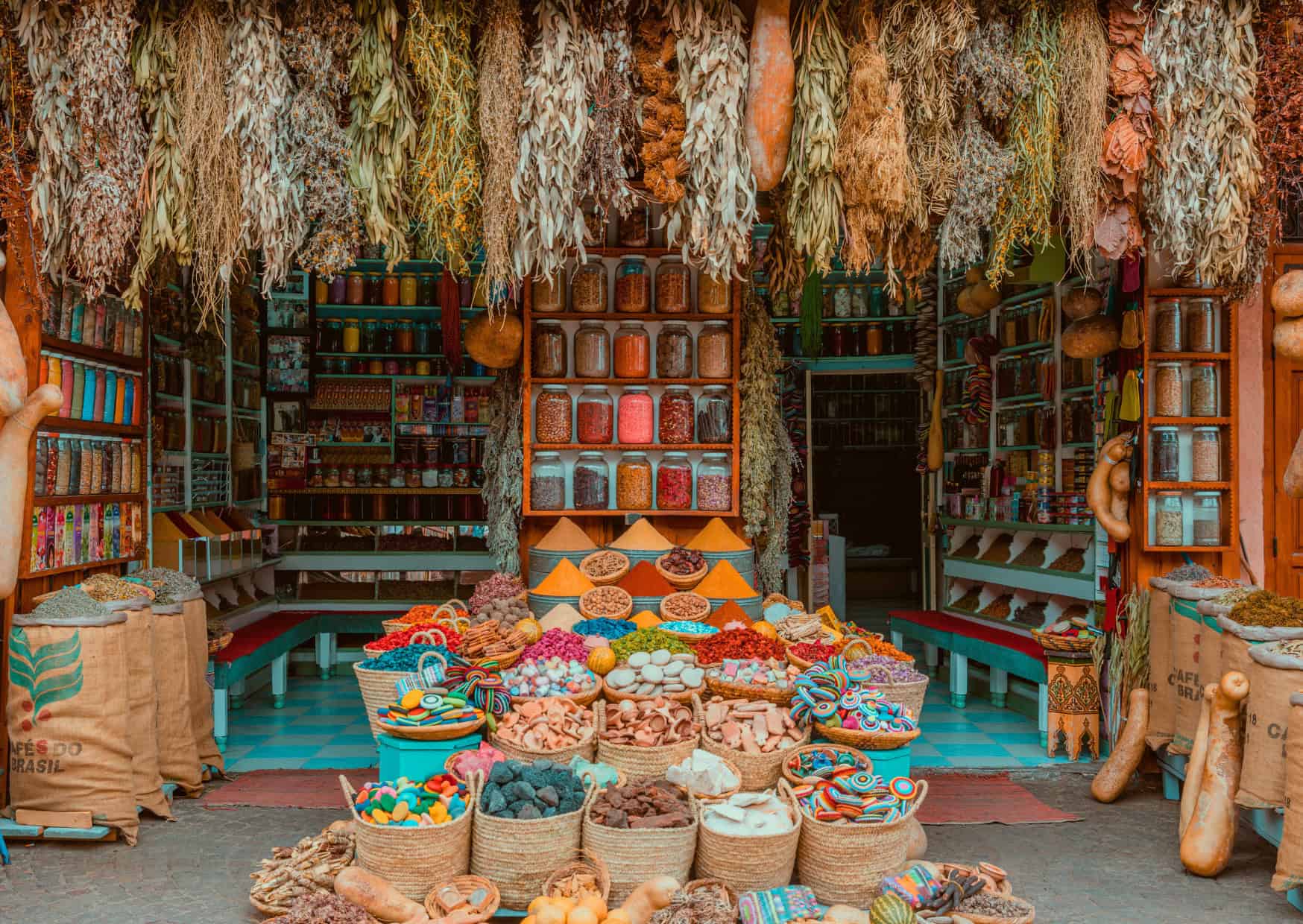
Bargaining is a normal part of shopping in Morocco, but it should be done respectfully.
What to Avoid:
Starting with an unreasonably low offer or walking away rudely during negotiations.
Tip:
Begin with half the quoted price and negotiate in good humor. Always be willing to walk away politely if the price doesn’t suit you.
7. Don’t Use Your Left Hand for Eating or Giving
Why It’s Important:
The left hand is traditionally considered unclean in Moroccan culture.
What to Avoid:
Using your left hand to eat, hand over money, or give gifts.
Tip:
Use your right hand or both hands for these actions.
8. Don’t Enter Mosques as a Non-Muslim
Why It’s Important:
Most mosques in Morocco are off-limits to non-Muslims unless explicitly permitted.
What to Avoid:
Attempting to enter mosques without permission or during prayer times.
Tip:
Visit the Hassan II Mosque in Casablanca, one of the few mosques open to non-Muslims, to admire Islamic architecture.
9. Don’t Expect Alcohol Everywhere

Why It’s Important:
Morocco is a Muslim country, and while alcohol is available, it is not widely consumed.
What to Avoid:
Drinking alcohol in public or in conservative areas.
Tip:
Alcohol is available in licensed hotels, bars, and restaurants. Be discreet if consuming it.
10. Don’t Forget to Haggle for Taxis
Why It’s Important:
Taxis in Morocco don’t always use meters, and fares often need to be negotiated in advance.
What to Avoid:
Agreeing to a ride without settling on a price first.
Tip:
Always negotiate the fare before starting your trip, or insist on the meter being used in cities like Marrakech or Casablanca.
11. Don’t Be Overly Rigid with Time
Why It’s Important:
Morocco operates on a more relaxed schedule, and strict adherence to time is not a priority.
What to Avoid:
Expecting punctuality for meetings, events, or transportation.
Tip:
Embrace the slower pace and plan for delays in your itinerary.
12. Don’t Handle Money Carelessly

Why It’s Important:
Moroccans are particular about handling money respectfully.
What to Avoid:
Tossing money on the counter or floor.
Tip:
Hand over cash directly to the person using your right hand, and be respectful when receiving change.
13. Don’t Assume Everyone Speaks English
Why It’s Important:
While many Moroccans speak French, Arabic, or Berber, English is less commonly spoken, especially outside tourist areas.
What to Avoid:
Speaking only in English and expecting everyone to understand.
Tip:
Learn a few basic phrases in Arabic or French, such as “Salam alaikum” (hello) and “Shukran” (thank you).
14. Don’t Forget to Tip
Why It’s Important:
Tipping is a common practice and appreciated in Morocco, especially in service industries.
What to Avoid:
Leaving without tipping in restaurants, taxis, or for guided tours.
Tip:
Leave 10–15% in restaurants, and give small tips to guides, drivers, and hotel staff.
15. Don’t Disrespect Local Markets

Why It’s Important:
Souks are central to Moroccan life, and disrupting the flow or being disrespectful is frowned upon.
What to Avoid:
Blocking narrow pathways or mishandling items on display.
Tip:
Walk calmly, stay aware of your surroundings, and handle goods carefully.
16. Don’t Assume Morocco is All Desert

Why It’s Important:
Morocco has diverse landscapes, from mountains to beaches and lush valleys.
What to Avoid:
Only visiting the Sahara Desert and skipping places like the Atlas Mountains or the Blue City of Chefchaouen.
Tip:
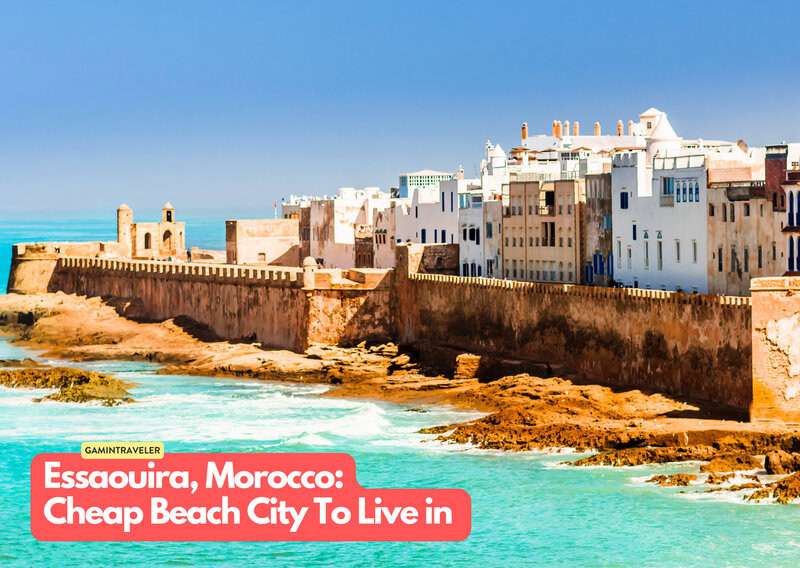
Explore the variety of Morocco’s geography, including coastal cities like Essaouira and mountain towns like Imlil.
17. Don’t Be Afraid to Say No
Why It’s Important:
Street vendors and touts can be persistent, especially in tourist-heavy areas.
What to Avoid:
Feeling pressured to buy something or accept services you don’t want.
Tip:
Politely but firmly say “No, thank you” (“La, shukran” in Arabic) and keep walking.
18. Don’t Ignore Safety in Crowded Areas
Why It’s Important:
Pickpocketing can occur in busy souks and crowded streets.
What to Avoid:
Carrying valuables in easily accessible bags or pockets.
Tip:
Use a secure crossbody bag or money belt and stay aware of your surroundings.
Final Thoughts
Traveling in Morocco isn’t difficult—but it does demand awareness. The more you understand the “why” behind Moroccan customs, the more enriching your visit becomes. Locals genuinely appreciate when tourists make the effort to adapt, and those small gestures often open the door to deeper, more authentic experiences. Be curious, ask questions, and be willing to shift your expectations.
By avoiding common missteps, you also protect Morocco’s rich heritage and local dignity. You won’t just have a better trip—you’ll leave a better impression. Whether it’s learning how to bargain respectfully or dressing with mindfulness, every adjustment you make shows appreciation for a culture that has welcomed travelers for centuries.
In the end, respecting local customs doesn’t limit your adventure—it enhances it. Morocco will still surprise and challenge you, but if you embrace its rhythm rather than resist it, the rewards are unforgettable.

About the Author: Ruben, co-founder of Gamintraveler.com since 2014, is a seasoned traveler from Spain who has explored over 100 countries since 2009. Known for his extensive travel adventures across South America, Europe, the US, Australia, New Zealand, Asia, and Africa, Ruben combines his passion for adventurous yet sustainable living with his love for cycling, highlighted by his remarkable 5-month bicycle journey from Spain to Norway. He currently resides in Spain, where he continues sharing his travel experiences with his partner, Rachel, and their son, Han.