
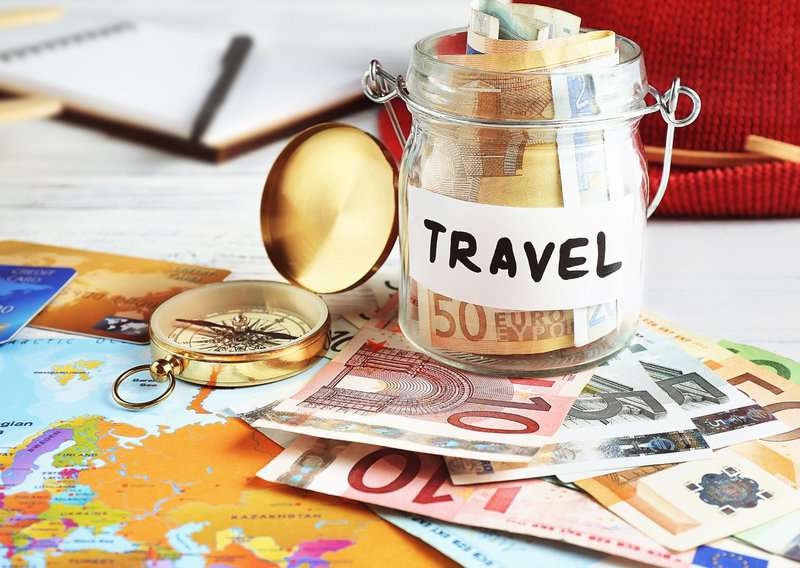
Travel is often marketed as a luxurious escape, but the truth is, it doesn’t have to drain your savings. Too many people assume that exploring the world requires five-star stays, expensive tours, and nonstop spending. The real secret? Most seasoned travelers don’t spend nearly as much as you think—and they still have unforgettable experiences. It’s all about knowing how to travel smarter, not richer.
The reality is, the travel industry thrives on your lack of information. From overpriced flights to hidden hotel fees and tourist traps designed to upsell you at every turn, there’s a system in place to make sure you pay more than necessary. But once you learn a few key strategies, you can cut your costs dramatically without sacrificing the quality of your trip.
Whether you’re planning a weekend getaway or a year-long digital nomad adventure, the following 10 travel tips will help you reduce your expenses, avoid common financial pitfalls, and make the most of your money. This isn’t about being cheap—it’s about being savvy, intentional, and in control of your budget.
Read here Best eSim for International Travel and Best Travel Insurance Comparison
Quick Easy Tips
Book flights 1-3 months in advance for domestic, 2-6 for international. Use price alert tools.
Travel in shoulder seasons (spring or fall) to save on everything from flights to lodging.
Use local transportation like trains, buses, or shared rides instead of taxis or Ubers.
Stay in guesthouses, hostels, or Airbnbs with kitchens to save on eating out.
Eat where locals eat, not where menus are translated into five languages.
Use cashback and points cards that reward travel-related purchases.
Avoid airport currency exchange counters—use ATMs or cards with no foreign transaction fees.
Limit souvenirs and impulse buys—you probably won’t want that novelty shot glass later.
Travel light to avoid baggage fees and give yourself flexibility with budget airlines.
Plan your itinerary based on free experiences—many cities offer amazing parks, street festivals, and museums with free days.
Many travelers overpay not because they have to—but because they equate spending with quality. There’s a false belief, especially among American tourists, that higher cost means a better experience. But in many countries, a five-dollar meal cooked by a local grandma can be far more satisfying than a Michelin-starred dish.
Another overlooked truth? Budget airlines and accommodations are often stigmatized as “low-class” when in reality, they offer just as much (or more) value if you know how to use them. The travel industry profits off shame—making people feel like they need to upgrade for respect. The result? People overspend just to feel like they’re “doing it right.”
And finally, social media plays a massive role. The pressure to book the most Instagrammable hotel or dine at trendy tourist spots leads to excessive spending that doesn’t actually enhance your trip. You’re paying to impress people you don’t even know, while missing out on authentic experiences that cost less—or nothing at all.
How To Avoid Spending So Much Money Traveling
1. Budget Planning
Set a Daily Limit: Allocate a specific amount per day for food, activities, and other expenses to keep your overall budget in check.
Research Costs: Investigate the average cost of accommodation, transportation, and activities in your destination beforehand.
Determine a reasonable daily spending limit and stick to it. Track your expenses using budgeting apps or a simple spreadsheet.Resist the temptation to buy things on impulse, especially souvenirs and luxury items. Think twice before purchasing to determine if it’s necessary.
2. Transportation

Flights: Use fare comparison tools and be flexible with dates and destinations to find cheaper flights. Consider budget airlines or alternative airports. If you pack light for your trip, you will avoid paying for your luggage in the flights.
Public Transit: Use local buses, subways, or trains instead of taxis and rideshares.
Car Rentals: If necessary, compare prices and book in advance. Opt for smaller vehicles to save on gas.
Data and Calls: Use local SIM cards or Wi-Fi-based calling and messaging apps instead of international roaming plans.
Click here to book online your transportation at the same price before your trip!
3. Accommodation
Alternative Lodging: Hostels, vacation rentals, or house-sitting can be significantly cheaper than hotels.
Stay Outside Tourist Areas: Accommodations outside city centers or tourist hotspots often offer lower rates.
You can rent an Airbnb and get public transportation and save 30-40% of the money in your accommodation and in the restaurants around the neighborhood that you are staying.
CLICK HERE TO BOOK YOUR ACCOMMODATION
4. Food and Drink

Street Food and Markets: Eat where locals eat. Street food and markets offer affordable, authentic cuisine.
Cook Your Own Meals: Choose accommodations with a kitchen and prepare your own meals using local ingredients.
Avoid Tourist Restaurants: Restaurants near major attractions often charge more for lower quality.
Dining out frequently can add up. Limit restaurant visits and avoid pricey tourist areas when you do eat out.
Especially if you are traveling to areas like South America, Southeast Asia and East Europe you will find many affordable places for street food and the quality can be great!
5. Activities and Sightseeing

Free Attractions: Take advantage of free museums, parks, walking tours, and local festivals.
Discount Passes: Research city passes that bundle multiple attractions at discounted rates.
Self-Guided Tours: Organize your own walking tours and excursions instead of paying for guided ones.
Many cities offer free walking tours, performances, or other activities—take advantage of these to enrich your experience without spending.
6. Currency and Banking
ATMs: Withdraw local currency from ATMs with minimal fees.
No-Fee Cards: Use credit or debit cards that don’t charge foreign transaction fees.
Monitor Exchange Rates: Exchange currency when rates are favorable.
7. Souvenirs and Shopping
Limit Purchases: Plan souvenir shopping thoughtfully to avoid impulsive buys.
Bargain Markets: Shop at local markets rather than tourist stores, and negotiate prices where appropriate.
8. Hidden Fees and Extras
Extra Baggage Fees: Travel with just a carry-on to avoid checked baggage fees.
Hotel Extras: Avoid hotel mini-bars, expensive laundry services, and other unnecessary amenities.
Tourist Traps: Steer clear of activities and attractions pushed by aggressive vendors or tour operators.
ATM Fees and Currency Exchange: Withdraw cash from ATMs in larger amounts to reduce transaction fees, and be wary of currency exchange booths with high fees.
9. Travel Insurance

Coverage: Choose travel insurance that includes health coverage, cancellations, and lost baggage to prevent unexpected financial losses.
Investing in travel insurance can save you a lot of money in the event of unexpected medical issues, trip cancellations, or lost luggage.
Two of our favorite travel insurance: Heymondo Vs Safetwing cheapest travel Insurance. You can get for $135 USD your Heymondo Travel Insurance with Heymondo discount code valid for 90 days. Read our full comparison of Genki vs Safetywing Travel Insurance Review and the comparison Heymondo vs Genki
10. Loyalty Programs
Points and Miles: Utilize travel credit cards, hotel, and airline loyalty programs to earn points towards future trips.
Final Thoughts
You don’t have to sacrifice joy, comfort, or culture to travel on a budget. In fact, when you cut out unnecessary expenses, you often find richer, more meaningful experiences. The key is to shift your mindset: you’re not limiting yourself—you’re freeing yourself from travel myths that only benefit big businesses.
The tips above aren’t just for the “cheap traveler”—they’re for the conscious one. By embracing smarter travel habits, you not only protect your wallet, but you also open yourself up to more authentic interactions, spontaneous adventures, and a sense of freedom that money alone can’t buy.
Travel doesn’t need to be expensive to be unforgettable. The best stories often come from the cheapest trips.

About the Author: Ruben, co-founder of Gamintraveler.com since 2014, is a seasoned traveler from Spain who has explored over 100 countries since 2009. Known for his extensive travel adventures across South America, Europe, the US, Australia, New Zealand, Asia, and Africa, Ruben combines his passion for adventurous yet sustainable living with his love for cycling, highlighted by his remarkable 5-month bicycle journey from Spain to Norway. He currently resides in Spain, where he continues sharing his travel experiences with his partner, Rachel, and their son, Han.