
American travelers often chase publicized bucket-list sites, packing rigid itineraries with tick-box efficiency and high-energy ambitions. While it’s exciting, this high-octane approach can lead to long lines, high costs, and missed local experiences.
There’s a growing trend among American tourists: rush to hit all the “must-see” attractions and then dash off, rarely slowing to breathe or connect. This has given Europe the reputation—and the opportunity—to show how a more intentional pace can reveal the true heart of a destination.
Europeans, conversely, tend to embrace a slower, more mindful style of travel. Whether strolling local markets, lingering over a simple lunch, or hopping off the main tourist trail to linger in lesser-known towns, their trips are shaped less by intensity and more by engagement.
The difference comes down to mindset. European travel isn’t just sightseeing—it’s a lifestyle. They celebrate everyday culture, link daily routines with the community, and allow travelers the space to wander off script. It’s a concept known as slow travel—a deliberate, conscious touring style that prioritizes local immersion over ticking off landmarks. For Americans thirsty for deeper cultural connection and restorative journeys, adopting some of these approaches could transform their vacations.
Read Here European Things that terrify Americans and American Habits that make Europeans Cringe
Read here how to pack for Europe and Best eSIM for Europe
BOOK YOUR TRAVEL INSURANCE
Two of our favorite travel insurance: Heymondo Vs Safetwing cheapest travel Insurance. You can get for $135 USD your Heymondo Travel Insurance with Heymondo discount code valid for 90 days. Read our full comparison of Genki vs Safetywing Travel Insurance Review and the comparison Heymondo vs Genki
Ways Americans Can Travel Better—The European Way
1. Embrace Slow Travel, Not Hokey-Pokey Trips

Mistake Americans Make: Trying to visit as many cities as possible in a short vacation, resulting in rushed, surface-level experiences.
European Insight: Slow travel focuses on quality over quantity—staying longer, exploring deeper, and becoming a part of daily life .
Tips to Avoid This Mistake:
Choose one region or city and plan to stay at least a week.
Allocate time for simple pleasures: markets, cafés, neighborhood walks.
Schedule one “free day” per week—no tours, no plans, just exploration.
Why It Matters: Spending more time in one place reduces travel stress, increases local connections, and results in more meaningful memories.
2. Slow Down Your Transport

Mistake Americans Make: Sprinting between destinations by plane or car, often chasing airline deals over convenience.
European Insight: Europeans often opt for slower, scenic routes—trains, ferries, and period buses that integrate travel into the experience
Tips to Avoid This Mistake:
Consider trains or ferries for regional travel—they’re scenic and more relaxed.
Plan travel days as part of your trip; read, sleep, or simply enjoy changing landscapes.
Book early to save on slow-route tickets or regional hops.
Why It Matters: Slower travel reduces stress and carbon impact, and offers more time to rest and reflect.
3. Do Less but See More
Mistake Americans Make: Over-scheduling—tourist packages, early morning starts, packed sightseeing days.
European Insight: European travel embraces downtime: long lunches, pauses between attractions, and evening walks.
Tips to Avoid This Mistake:
Opt for self-guided experiences instead of tightly scheduled tours.
Embrace leisurely meals, preferably local and unhurried.
Fit in quiet moments like sitting by a river or watching sunset.
Why It Matters: These moments create lasting memories and offer insight into the rhythm of daily life.
4. Blend With Everyday Life

Mistake Americans Make: Staying in tourist zones or chain hotels that resemble American suburbs abroad.
European Insight: Europeans stay in neighborhoods, shop at local markets, and dine at mom-and-pop shops.
Tips to Avoid This Mistake:
Choose accommodations in residential areas.
Visit marketplaces rather than supermarkets.
Dine in modest, local eateries—not tourist-heavy restaurants.
Why It Matters: Immersion brings satisfaction, cultural discovery, and a sense of authenticity.
5. Connect with People and Place

Mistake Americans Make: Relying solely on guidebooks, apps, or paid services for information.
European Insight: Europeans converse with neighbors, cafe owners, and shopkeepers for real recommendations
Tips to Avoid This Mistake:
Learn basic phrases in the local language—“hello,” “please,” “thank you.”
Ask neighbors or hotel staff for insider tips.
Visit local events or community gatherings to foster real connections.
Why It Matters: Locals know what’s authentic, accessible, and memorable—not what’s listed in guidebooks.
6. Let Flexibility, Not Fixed Plans, Guide You
Mistake Americans Make: Sticking rigidly to pre-booked plans or timelines.
European Insight: Flexibility is key. Plans can change, weather may shift, but the experience goes on.
Tips to Avoid This Mistake:
Book only what really matters—train tickets or must-see shows.
Leave most days open to spontaneous exploration.
Track cancellation policies but accept inevitable delays.
Why It Matters: Flexible travel leaves space for discovery and relaxation—even when life detours.
7. Adopt Seasonal Rhythms

Mistake Americans Make: Traveling around their own schedule, regardless of destination season.
European Insight: Europeans know when peak—and when off-season—destinations offer more charm and calm.
Tips to Avoid This Mistake:
Travel in shoulder seasons (spring/fall) to balance weather and crowds.
Accept weather changes—rain offers unique opportunities.
Monitor local season calendars and align trips accordingly.
Why It Matters: Travel becomes about experience—not just checking places off a list.
8. Spend on Experiences, Not Souvenirs

Mistake Americans Make: Buying low-quality, kitschy souvenirs that you never use.
European Insight: Slow travelers choose quality—like olive oil, wine, or artisan goods that reflect local culture.
Tips to Avoid This Mistake:
Buy only a few meaningful items with local value.
Bring small, reusable gifts—not mass-produced plastic.
Prioritize items you’ll use or treasure, not just display.
Why It Matters: Conscious purchases leave less waste and evoke stronger memories.
9. Let Travel Time Be Part of Your Journey

Mistake: Americans often opt for direct flights to squeeze in more activities, neglecting scenic routes.
European Approach: Europeans frequently choose trains, coaches, and ferries that integrate transportation into the experience
Tips:
Book scenic train rides over short flights.
10. Stay Local, Look Local
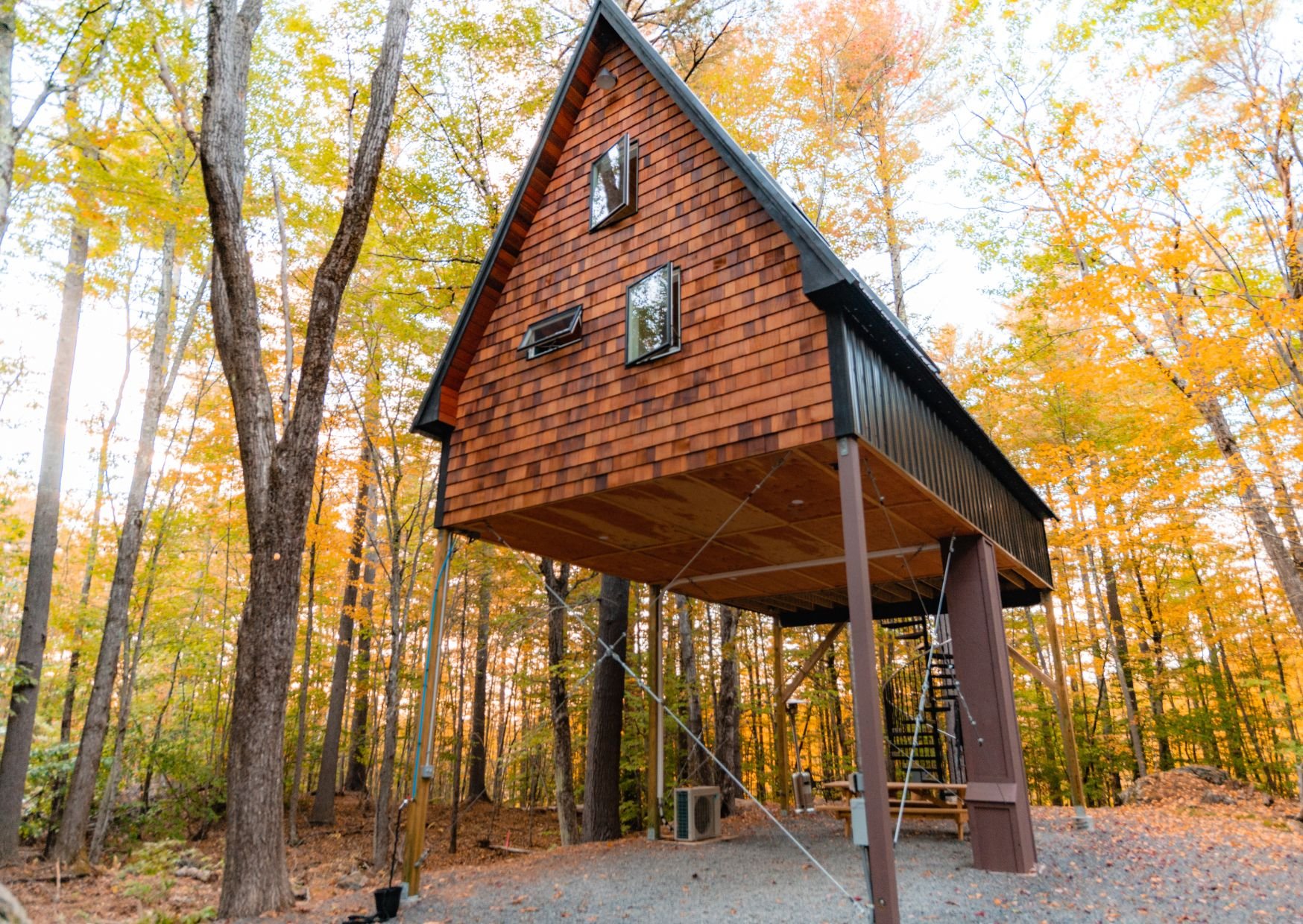
Mistake: Tourists often stay in central tels, isolating themselves from every. Opt for self-guided experiences instead of tightly scheduled tours. Embrace leisurely meals, preferably local and unhurried. Fit in quiet moments like sitting by a river or watching sunset.
Tips:
Choose small guesthouses or Airbnb apartments in residential areas.
Shop at grocery stores or markets rather than tourist shops.
Visit local services like laundries, tailors, or bakeries.
11. Talk to People, Not Trends

Mistake: Many rely on guidebooks or online listicles, missing authentic insight from locals.
European Approach: Europeans prioritize human connection. Choose accommodations in residential areas. Visit marketplaces rather than supermarkets. Dine in modest, local eateries—not tourist-heavy restaurants entering shops or cafés.
Ask locals for recommendations; they often point to hidden gems.
12. Leave Space for Serendipity

Mistake: Americans often micro-plan entire days: museums, tours, photo ops—every minute accounted for.
European Approach: Europeans embrace spontaneity with open schedules and unscripted exploration
Tips:
Ask neighbors or hotel staff for insider tips. Visit local events or community gatherings to foster real connections cancel or skip days when weather isn’t ideal—viewing rain or wind as ruin.
European Approach: Both weather and seasons are essential parts of travel—rain or shine offers atmosphere
Final Thoughts
American travel culture has long favored fast and efficient—a mindset rooted in limited vacation time and a hyper-scheduled lifestyle. But evolving trends show a desire for something deeper and more meaningful. Slow travel, homemade meals, local interactions, and relaxed discovery are becoming mainstream choices, especially among generations valuing sustainability and mental wellness
Your trip should feel like a lived experience, not a checklist. Break the mold: stay longer, choose local interactions, welcome change, and travel thoughtfully. In doing so, travel transforms. It stops being a series of Instagram-ready sites and becomes a window into life—rich, complex, uncertain, and utterly unforgettable.

About the Author: Ruben, co-founder of Gamintraveler.com since 2014, is a seasoned traveler from Spain who has explored over 100 countries since 2009. Known for his extensive travel adventures across South America, Europe, the US, Australia, New Zealand, Asia, and Africa, Ruben combines his passion for adventurous yet sustainable living with his love for cycling, highlighted by his remarkable 5-month bicycle journey from Spain to Norway. He currently resides in Spain, where he continues sharing his travel experiences with his partner, Rachel, and their son, Han.