
Traveling between the United States and Europe can sometimes feel like stepping into a parallel universe: everything looks kind of familiar—there are still cars, city lights, Starbucks here and there—but then you start interacting with people, and boom, you’re hit with all these little cultural quirks that make you go, “Wait, is this normal here?”
When it comes to etiquette, these differences can be charming, enlightening, confusing, and—let’s be real—sometimes embarrassing if you don’t see them coming. In this post, we’re diving into 10 key American vs. European etiquette differences that often spark culture shock. We’ll also give you practical tips on how to handle each one so you can feel more at home, whichever side of the Atlantic you’re on.
Read here Normal European Things and American Habbits that make Europeans cringe
Read here how to pack for Europe and Best eSIM for Europe
BOOK YOUR TRAVEL INSURANCE
Two of our favorite travel insurance: Heymondo Vs Safetwing cheapest travel Insurance. You can get for $135 USD your Heymondo Travel Insurance with Heymondo discount code valid for 90 days. Read our full comparison of Genki vs Safetywing Travel Insurance Review and the comparison Heymondo vs Genki
1. Greetings: Handshakes, Kisses, and Beyond

The American Side
In the U.S., greeting someone is usually pretty straightforward: a handshake for business or a first-time intro, maybe a quick hug for close friends or family, and that’s about it. Americans typically value a firm handshake—it’s seen as a sign of confidence and trustworthiness. Quick side note: Some Americans do hug people they’ve just met if the vibe is right, but that can vary by region and personal comfort level.
The European Side
Europe is incredibly diverse, so how people greet each other in Portugal can be different from how they do in Sweden or Italy. However, a few patterns pop up a lot:
- Cheek kisses: In countries like France, Spain, Portugal, and Italy, you might see people greet with one, two, or even three cheek kisses. And to complicate things, the number of kisses varies by region.
- Handshake or a nod: In more reserved cultures—say, Germany, the Netherlands, or Scandinavian countries—a handshake or a brief nod is common for first meetings. Hugs and kisses are generally reserved for very close friends or family.
- Personal space: Many Southern European cultures are more physically affectionate. Northern Europeans can be more reserved and prefer a bit more distance.
Tactical Tips
- Observe first: If you’re unsure, watch how locals greet each other. Jumping straight into a hug or a double cheek kiss might surprise someone who wasn’t expecting that level of closeness.
- Mirror the other person: If someone leans in for a cheek kiss, go with it (just be careful about which cheek first, to avoid awkward nose bumps).
- When in doubt, a handshake is almost always safe: It might seem formal in some places, but it’s rarely considered rude.
2. Tipping Culture: “Wait, Am I Overpaying or Underpaying?”
The American Side
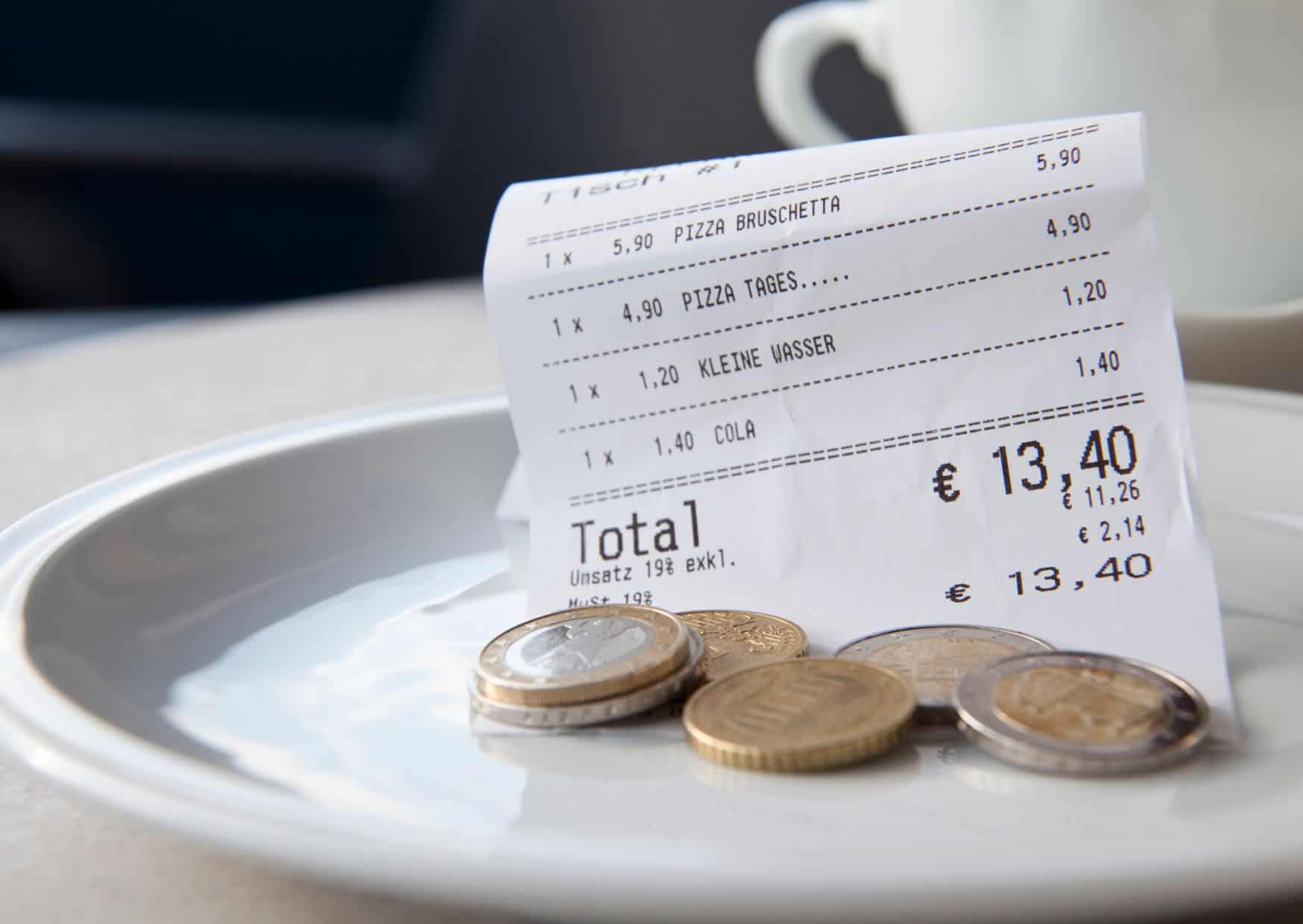
Americans are used to tipping in almost every service situation—restaurants, bars, taxis, hair salons, hotel housekeeping, you name it. The typical American tip hovers around 15–20% at restaurants, sometimes more if the service is outstanding. It’s such a norm that not tipping is considered a major faux pas.
The European Side
While tipping definitely exists in Europe, it’s usually not at the same level, especially in countries where service charges or “cover charges” are included in the bill. In many parts of Western Europe (like France, Italy, Spain, Germany), you might round up the bill or leave an extra euro or two if you had good service. In the UK, you’ll often see a 10–12.5% service charge automatically added. In Northern Europe (Scandinavia), tipping is often minimal or not expected at all, although some folks still round up to the nearest 10 or 20 krona.
Tactical Tips
- Check your bill: Look for language like “service compris” (service included in French) or “servizio incluso” (in Italian). If you see that, an additional tip is often optional.
- Ask a local: When in doubt, a quick chat with a local bartender or hotel receptionist can clarify what’s normal. They’ll often appreciate that you’re trying to do it right.
- Don’t feel guilty: In many European countries, servers receive higher base wages. Tipping less than 20% is usually fine.
3. Punctuality: Early Birds vs. “Fashionably Late”
The American Side
In the U.S., punctuality tends to be a virtue. Arriving 5–10 minutes early for a business meeting is seen as respectful. For social gatherings, showing up right on time (or maybe 15 minutes late if it’s casual) is normal. Americans might not appreciate someone being 30 minutes late without a heads-up.
The European Side
Again, it varies:
- Northern Europe (e.g., Germany, Switzerland, Scandinavian countries): Strict about punctuality. If a German friend says dinner is at 7 p.m., they actually mean 7 p.m. (or a touch earlier!).
- Southern Europe (e.g., Spain, Italy, Greece): The vibe is more relaxed. It’s not uncommon for social events to have a flexible start time. You might show up 15-30 minutes late, and nobody bats an eyelash.
- UK and Ireland: Generally appreciate punctuality, but for casual meetups, being 5-10 minutes late is no big deal.
Tactical Tips
- Know your region: If you’re in Stockholm, aim for on-time or even a bit early. If you’re in Rome, a slight delay for a social event might be okay—though you still don’t want to show up an hour late.
- Send a text if you’re running late: It’s just polite, no matter where you are.
- Err on the side of punctuality for business situations: Even in more laid-back cultures, business = be on time.
4. Dining Etiquette: Lingering vs. Quick Turnovers

The American Side
In the States, dining out often feels like a sprint rather than a marathon. Restaurants might bring the check as soon as you seem finished, partly because they rely on table turnover to make money. Grabbing coffee to-go is also a very American move—drive-thru coffee shops, big disposable cups, and sipping while you walk are common.
The European Side
- Long meals: In much of Europe—France, Spain, Italy, Greece—meals can stretch for hours, with multiple courses and plenty of time to chat and relax.
- No check until you ask: If you’re sitting in a Parisian café or an Italian trattoria, don’t expect the server to bring the bill unless you request it. They’re not ignoring you; they’re letting you enjoy your meal.
- Coffee culture: In countries like Italy, coffee is usually a quick espresso at the bar or a small cappuccino in the morning. Walking around with a giant iced latte is less common (though it’s starting to pop up here and there in bigger cities).
Tactical Tips
- Match the local flow: Linger over lunch in Spain or Portugal, enjoy the social aspect.
- Ask for the check: If you’re in a hurry, politely say, “Il conto, per favore” (in Italy) or “L’addition, s’il vous plaît” (in France).
- Embrace café culture: Try sipping your coffee at the café counter or sitting outside and people-watching. You might end up loving the slower pace.
5. Dress Codes: Sportswear vs. Smart Casual

The American Side
Americans are big on comfort. It’s not strange to see people wearing athletic shorts or yoga pants for errands, or wearing sneakers pretty much everywhere. Casual Friday is often every day if you work in a laid-back environment.
The European Side
While styles differ from Milan to London to Copenhagen, you generally see people opting for a bit more polish—think fitted jeans, nice boots or shoes, and layered outfits. Sportswear is mostly reserved for the gym or outdoor activities. In many European cities, you might feel underdressed if you show up in flip-flops, baggy shorts, or an oversized hoodie.
Tactical Tips
- Pack versatile items: A nice pair of jeans or trousers, comfortable but stylish shoes, and some layering pieces (e.g., a light jacket, scarf) can help you blend in better.
- Consider location: Barcelona beach vibes are different from a business lunch in Frankfurt. Plan accordingly.
- Check dress codes for churches: In Italy and other places, you often need to cover shoulders and knees to enter certain cathedrals or religious sites.
6. Direct vs. Indirect Communication
The American Side
Americans often pride themselves on being fairly direct. We say what we mean, ask straightforward questions, and might pepper in some small talk first—but overall, clarity is key. The flipside is that sometimes Americans use hyperbole (“This is the best burger ever!”) or lots of positivity (“Awesome!”) that can sound over-the-top to some Europeans.
The European Side
There’s a spectrum here:
- Northern Europeans (Germany, Netherlands, Scandinavia): Known for being quite direct, sometimes even more so than Americans—but often in a blunt, succinct way.
- Southern Europeans (Italy, Spain, Greece): Communication might involve more context, more emotion, and lots of back-and-forth. It’s not “indirect,” but it can be more roundabout.
- British & Irish: Tend to be polite, sometimes using understatement or softening phrases. They might say, “That’s not bad,” and actually mean it’s quite good.
Tactical Tips
- Pay attention to cues: If you’re in Germany, you can likely be very straightforward and get a straightforward response.
- In the UK or Ireland: Listen for polite hints. If someone says, “That might be a little tricky,” they may actually be saying, “No, that’s impossible.”
- Adjust your volume and emphasis: Superlatives like “awesome” or “amazing” might sound a bit much in places where people say “quite nice” to mean “really good.”
7. Personal Space: Hugs, Kisses, and Arm’s Length
The American Side
Americans typically keep an arm’s length distance in casual conversation, and hugging is common among friends—sometimes even upon first meeting if the vibe is right. However, we generally expect a decent amount of personal space in queues, on public transport, or in elevators.
The European Side
- Southern Europe: Personal space is smaller. People might stand closer in lines, speak closer, and engage in frequent physical contact (like a tap on the shoulder) during conversation.
- Northern Europe: More space, often in line with or even more than the American comfort zone.
- Crowded cities: In big tourist spots (think Paris Metro or London Tube at rush hour), you’ll inevitably be squished. People might not love it, but they’re used to it.
Tactical Tips
- Read the room: If people are standing close, you may need to get comfortable with that—politely stepping away every time could seem rude.
- Don’t assume hugging is universal: Wait for cues or offer a handshake first, especially in professional or semi-formal settings.
- Keep calm in crowds: Rubbing shoulders on the bus or train is just part of city life worldwide.
8. Work-Life Balance and “Out-of-Office” Culture

The American Side
In the U.S., there’s often an expectation of being reachable 24/7, especially with smartphones and email. Vacation time can be limited (10-15 days a year is common), and many Americans still check emails while on vacation. The hustle mentality is strong—long hours can be seen as a badge of honor.
The European Side
- More vacation days: It’s common to have 20-30 paid vacation days in many European countries, plus public holidays.
- Actual unplugging: In places like France, there’s even a “right to disconnect” policy, which discourages after-hours work emails.
- Long lunch breaks: In some Southern European countries, a leisurely lunch (or siesta in Spain) is part of the culture.
Tactical Tips
- Respect local hours: If you’re traveling for business, don’t expect a coworker in Italy to respond to your late-night email.
- Don’t be offended by slower email turnaround: People might actually be off work or taking the weekend seriously.
- Planning to move abroad? Learn the local labor laws—often you’ll have more vacation time, but also a more formal separation between work and personal life.
9. Standing in Line vs. Creative Queueing

The American Side
Americans generally like an orderly line (queue). We stand one behind the other, wait our turn, and might be polite enough to let someone cut if they have fewer items in the grocery store. But if someone blatantly skips the line, it’s definitely not cool.
The European Side
Queue culture can vary wildly:
- UK & Ireland: Perhaps even more queue-obsessed than Americans. People form neat lines for everything from bus stops to grocery checkouts. Cutting is practically a crime against humanity.
- France, Italy, Spain: Lines exist, but they can be a bit looser. People might bunch up near the counter, and you need to speak up for your turn sometimes.
- Germany & Scandinavia: Typically quite orderly, though you might see numbered ticket systems at bakeries or butcher shops.
Tactical Tips
- Observe how others queue: If everyone’s forming an orderly line, do the same. If it’s more of a crowd, be politely assertive about your turn.
- Grab a ticket: If you see a ticket dispenser at a bakery or deli, always take a number or risk being ignored.
- Don’t lose your cool: If you feel someone cut you off, maybe politely say, “I’m sorry, I was here first,” but keep it chill.
10. Politeness and Courtesy: “Thank You” Overload vs. Understatement

The American Side
Americans often say “please,” “thank you,” and “sorry” a lot. It’s considered normal politeness. We might even overdo it at times, apologizing when someone else bumps into us. Warm, friendly small talk is also widespread—like asking a cashier, “How’s your day going?”
The European Side
- UK & Ireland: Known for also saying “sorry” quite frequently.
- Germany: People can be polite but direct. They might not do excessive small talk, especially with strangers.
- Mediterranean countries: Politeness can come through in different ways—like offering you a coffee or inviting you for a meal—but they might not say “thank you” a million times.
- Nordic countries: Polite but reserved, minimal small talk with strangers.
Tactical Tips
- Adapt your small talk: In some countries, it’s totally normal to chat about the weather or weekend plans with store clerks. In others, it might feel intrusive.
- Keep basics at the ready: Always learn to say “hello,” “please,” and “thank you” in the local language. A small gesture can go a long way in bridging cultural gaps.
- Don’t be offended by “rude” service: Sometimes a curt response isn’t meant to be rude; it’s just a different communication style.
Bringing It All Together: Embrace the Differences
Whether you’re an American stepping foot in Europe for the first time, or you’re from across the pond getting ready to visit the U.S., understanding these etiquette differences can be a total game-changer. You’ll experience less confusion, avoid awkward moments, and feel more connected to the place you’re visiting.
Key Takeaways
- Do a little homework: Before you fly, learn the basics of local greetings, tipping, and dining norms. A two-minute online search can save you from cringe-worthy experiences.
- Observe, then adapt: Watch how locals act—whether they’re kissing cheeks or forming lines—and go with the flow.
- Stay open-minded: We all come from different cultural contexts. What seems “weird” to you might be totally normal somewhere else. Approach these differences with curiosity rather than judgment.
- Ask questions: Don’t be afraid to politely ask, “Is it normal to…?” People often appreciate your interest in their culture and will gladly explain.
- Balance authenticity and respect: You don’t have to fake an accent or pretend you’re not American (or European). It’s enough to demonstrate respect for local customs and show you’re genuinely trying.
Quick Real-World Example
Imagine you’re an American in Italy. You head into a café, expecting to grab a giant latte to-go. Instead, you see locals standing at the bar sipping tiny espressos. If you try to order a “large coffee with extra ice, please!” you might get a blank stare—or they’ll figure it out but look a bit amused. Take that as a cue: maybe you can try an espresso or cappuccino “al banco” (at the counter). You’ll pay less, feel more integrated in the local scene, and discover a new coffee ritual you might actually love.
Or, if you’re from Europe visiting New York, you might find the waitress checks on you every five minutes and refills your water endlessly without being asked. That’s not them rushing you out; it’s often considered good service in the U.S. They’re making sure you’re taken care of—and yes, they may be angling for that tip at the end, but that’s part of the culture.
The Bottom Line
Etiquette isn’t about a rigid set of rules; it’s about showing respect and understanding to the people and culture around you. There’s no need to feel stressed if you slip up or if you do something “too American” or “too European.” The best part of travel is learning firsthand, messing up a bit, and coming back with stories you’ll laugh about later.
So go ahead—buy that ticket, pack your suitcase, and get ready for some cross-cultural fun. Whether you’re navigating the bustling streets of New York City or the winding alleys of Barcelona, keep these etiquette insights in mind, stay flexible, and embrace the adventure. By doing so, you’ll gain not just new stamps in your passport, but new perspectives on how diverse and wonderful our global community really is.
Safe travels, and remember: a little empathy, a dash of curiosity, and a genuine smile can smooth over most cultural bumps in the road. Enjoy the ride!

About the Author: Ruben, co-founder of Gamintraveler.com since 2014, is a seasoned traveler from Spain who has explored over 100 countries since 2009. Known for his extensive travel adventures across South America, Europe, the US, Australia, New Zealand, Asia, and Africa, Ruben combines his passion for adventurous yet sustainable living with his love for cycling, highlighted by his remarkable 5-month bicycle journey from Spain to Norway. He currently resides in Spain, where he continues sharing his travel experiences with his partner, Rachel, and their son, Han.