
Spanish Breakfast – When having breakfast in Spain it’s hard to miss the traditional Spanish churros with cafe con leche or cafe cortado.
RELATED TRAVEL GUIDES:
- Vegetarian food in Spain and Vegan Food in Spain to Try
- Best Food in Spain to Try
- Things To Know Before Visiting Spain
- Spain sim card for tourist
- Biggest Mistakes when moving to Spain
BOOK YOUR TRAVEL INSURANCE
Two of our favorite travel insurance: Heymondo Vs Safetwing cheapest travel Insurance. You can get for $135 USD your Heymondo Travel Insurance with Heymondo discount code valid for 90 days. Read our full comparison of Genki vs Safetywing Travel Insurance Review and the comparison Heymondo vs Genki
What is a typical breakfast in Spain?
A typical Spanish breakfast includes coffee like cafe con leche or cafe cortado with sweet pastries like churros and croissants, Maria galletas (cookies), cakes and bizcochos, bocadillos or the Spanish omelette.
Another traditional Spanish breakfast food is a tostada, served either with butter (mantequilla) and jam (mermelada). Toasted bread for your breakfast in Spain can also be served with olive oil and tomato (con tomate y aceite).
One of the biggest surprises for visitors is how small Spanish breakfasts can feel. For travelers used to large portions, the simplicity may come across as insufficient or incomplete. However, this perception often comes from comparing different eating cultures rather than understanding the overall daily structure.
Another point of confusion is the lack of variety in some places. While there are many traditional options, everyday breakfast choices can seem repetitive. This consistency reflects routine rather than limitation, but it can feel restrictive to those expecting more diversity.
There’s also the expectation that breakfast should be the most important meal of the day. In Spain, that idea doesn’t always hold the same weight. Lunch tends to be the main meal, which shifts how breakfast is approached and valued.
Some visitors may also find the pace unusual. Even though breakfast is light, it isn’t always rushed. Sitting down for a coffee, even briefly, can feel slower than grabbing food on the go, which may not align with every traveler’s habits.
Finally, there’s the cultural gap around customization. In many places, breakfast is straightforward, and menus are not built around endless modifications. This can feel limiting, but it also reflects a focus on tradition and simplicity.
Let’s look at descriptions of common breakfast in Spain!
Churros con Chocolate

Churros are thin fried dough sticks served with a cup of hot chocolate for dipping. Usually enjoyed for breakfast or as a dessert.
Tortilla Española / Spanish Tortilla

A thicker Spanish potato omelette cooked with onions and sometimes other ingredients like peppers and ham.
Pan con Tomate
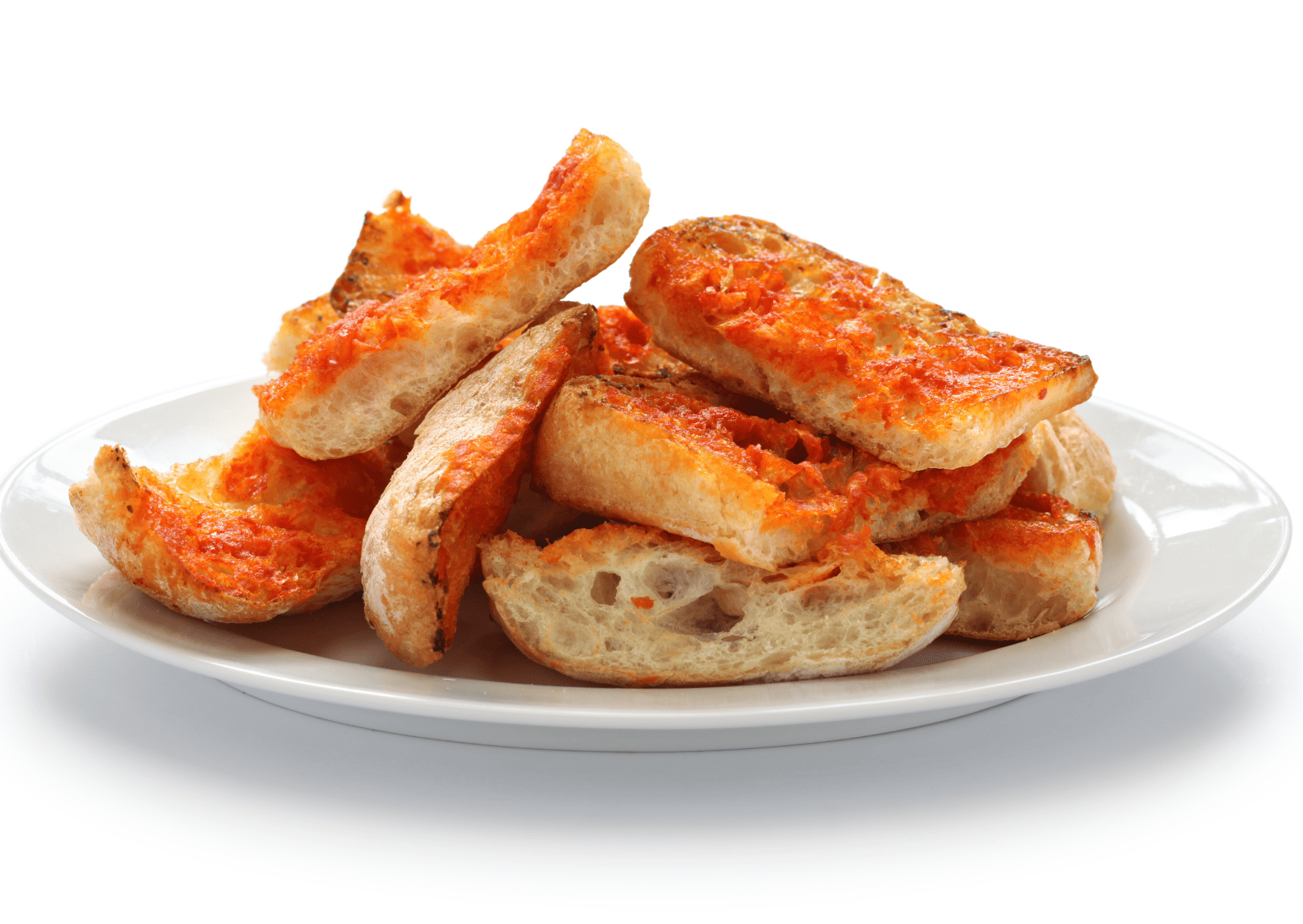
Pan con tomate is toast rubbed with ripe tomatoes, garlic, and olive oil, sprinkled with salt, and sometimes drizzled with extra virgin olive oil.
Bocadillo

Bocadillo is a sandwich made with a soft baguette filled with ingredients such as ham, cheese, tomato, and olive oil.
Desayuno Manchego
Desayuno Manchego is a traditional breakfast in the La Mancha region of Spain, which includes cheese, bread, olive oil, and cured ham.
Porridge
A hot cereal made from oats, milk, and sometimes other ingredients like nuts, fruits, and honey.
Croissant
A flaky, buttery pastry that is a staple of Spanish breakfast pastry shops.
Cafe con Leche and Cafe Cortado


Cafe con leche is a cup of strong coffee with steamed milk often enjoyed as a mid-morning or afternoon pick-me-up. This is still different from cafe cortado. Cafe cortado, with cortado translated directly as “cut”, this a small cup of espresso coffee but with less milk than your traditional Spanish cafe con leche.
Mantecadas

A type of sponge cake, made with flour, sugar, and lard, which is lightly dusted with powdered sugar.
Magdalenas

Cupcake-like treats made with flour, sugar, eggs, and olive oil. They can be plain or filled with fruit, chocolate, or other sweet flavors.
Salmorejo

A cold soup made from bread, tomatoes, garlic, olive oil, and vinegar, typically served as a first course in Andalusia.
Huevos a la Flamenca
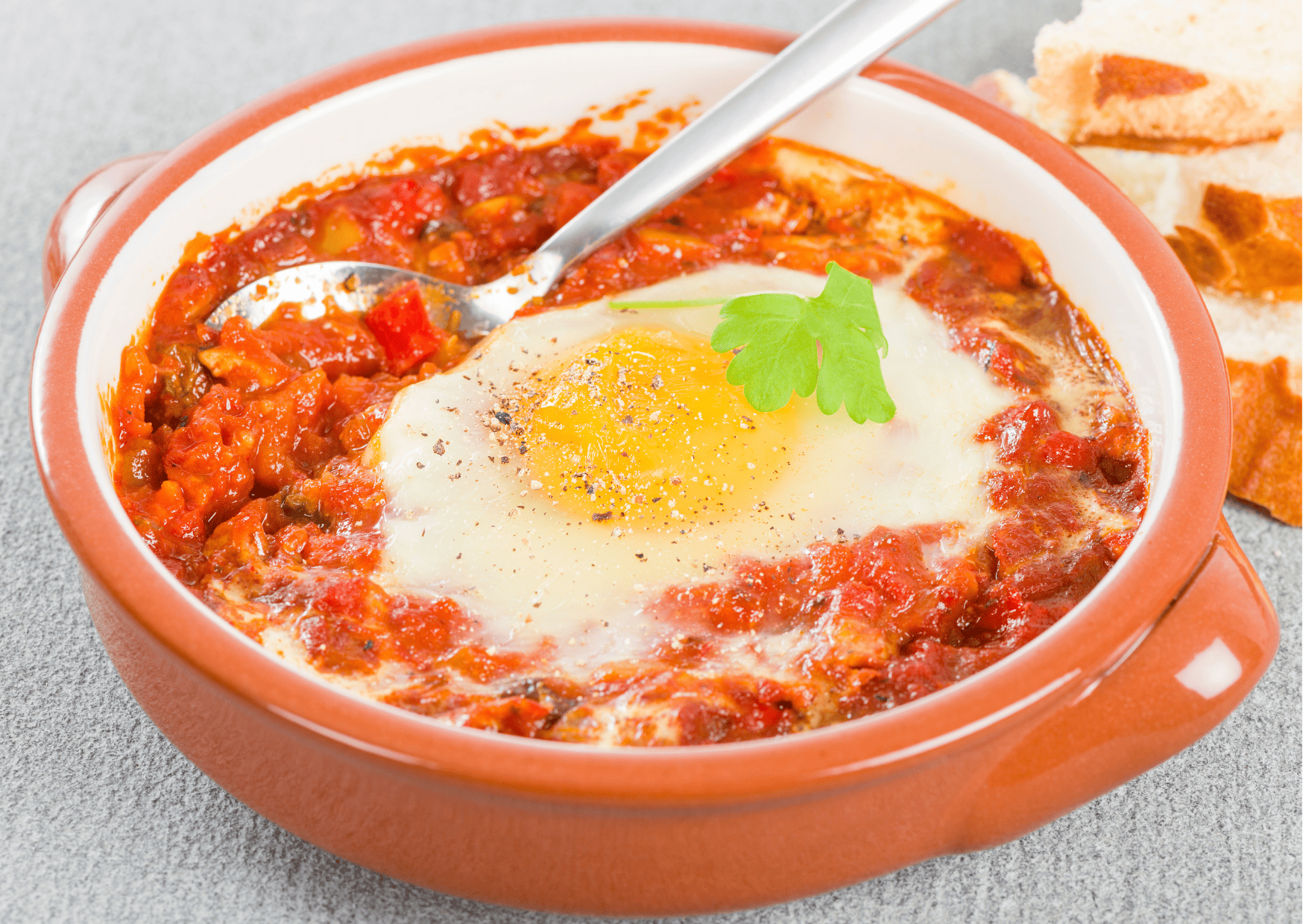
Scrambled eggs cooked with onions, red peppers, and tomatoes, topped with ham or chorizo sausage.
Pan y Mantequilla
A simple breakfast of bread and butter, sometimes with jam or honey.
Pa amb Tomaquet
Similar to pan con tomate, but made with rustic bread and rubbed with garlic and ripe tomato.
These are just a few of the many breakfast options available in Spain, each region has its own unique twist on traditional dishes, making Spanish breakfast an exciting and diverse meal to enjoy.
Breakfast in Spain per region
Spain has a lot of personality for each of its regions, some full of Spanish architecture, some with colder weather than others, and some surrounded by beaches. Let’s look at the common breakfast in Spain by region.
Catalonia – Spanish Breakfast
In Catalonia, a typical breakfast might consist of pa amb tomaquet, a soft cheese like requesón, and a cup of coffee with milk.
Madrid
In Madrid, churros con chocolate is a popular breakfast treat. People often enjoy them at one of the city’s many traditional churrerías, which serve crispy fried dough sticks with a cup of hot chocolate for dipping.
Andalusia
In Andalusia, salmorejo is a popular first course for breakfast, served cold and topped with boiled eggs and cured ham.
Basque Country
In the Basque Country, bizcocho is a sweet cake made with almond flour, served for breakfast with coffee or hot chocolate.
Galicia

In Galicia, tarta de Santiago is a traditional almond cake often served for breakfast, accompanied by a cup of coffee or milk. This is popular because of the Camino de Santiago.
La Mancha
In La Mancha, the traditional breakfast is a Desayuno Manchego, which includes cheese, bread, olive oil, and cured ham.
Balearic Islands
In the Balearic Islands, ensaïmada is a spiral-shaped pastry made with sweet dough and often served for breakfast or as a snack.
These are just a few examples, each region in Spain has its own unique breakfast traditions and dishes, reflecting the local cuisine and food culture.
Additional Spanish breakfast
Carajillo
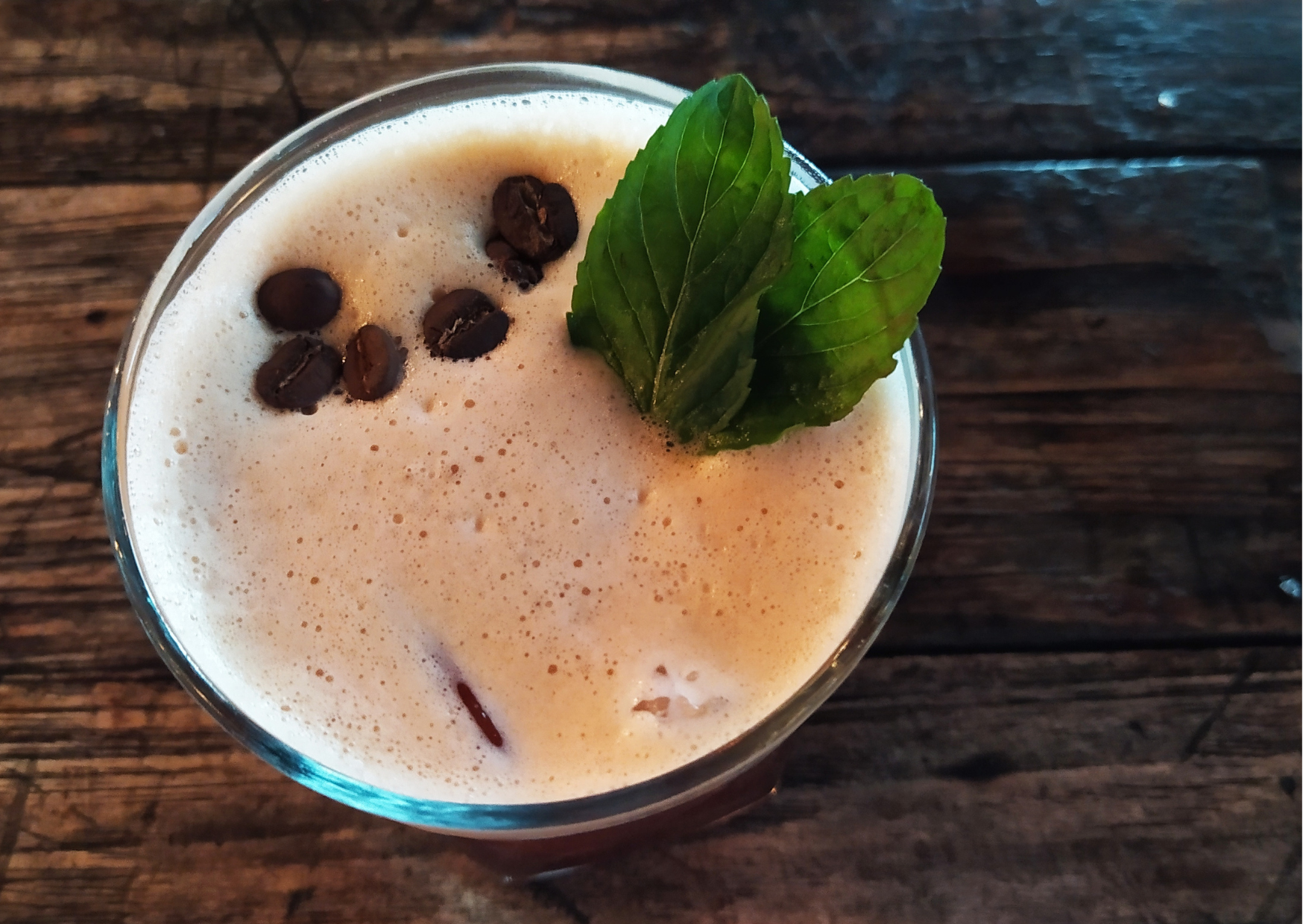
Want a much stronger breakfast in Spain? Carajillo is served in some areas and is a fun but strong breakfast drink for the Spanish people. It’s a coffee drink mixed with brandy. If you can’t have it in the morning, try it at another time of the day!
Why You Should Embrace Spanish Breakfast
Adopting a lighter breakfast can make your day feel more balanced. Instead of starting with a heavy meal, you ease into eating, which can feel more natural and comfortable for many people.
It also encourages you to engage with local culture. Trying traditional foods and routines helps you experience daily life in a more authentic way, rather than staying within familiar habits.
Spanish breakfast is also practical. It’s quick, affordable, and widely available, making it easy to fit into any travel schedule without much planning.
Another advantage is the quality of ingredients. Even simple items like bread, olive oil, or coffee are often prepared with care, which elevates the overall experience despite the simplicity.
Finally, it allows for flexibility later in the day. With a lighter start, you may have more room to enjoy larger meals and local specialties without feeling overly full too early.
Why You Might Struggle With Spanish Breakfast
If you’re used to a large, protein-heavy breakfast, the Spanish approach may feel unsatisfying at first. You might find yourself hungry sooner than expected, especially during busy travel days.
The limited variety in everyday options can also be challenging. If you prefer a wide range of choices in the morning, the simplicity may feel repetitive after a few days.
Timing can be another adjustment. Waiting for a second breakfast or a later, larger meal may not align with your usual eating schedule, which can take time to adapt to.
For travelers who rely on convenience, the café culture may feel less efficient. Sitting down, even briefly, may seem slower compared to grabbing food quickly and moving on.
Lastly, personal preference plays a role. Not everyone enjoys a light, simple breakfast, and that’s okay. Travel experiences are subjective, and what works well for one person may not suit another.
Final Thoughts
Spanish breakfast is often misunderstood by visitors who expect large, elaborate morning meals. In reality, mornings in Spain tend to start simple, light, and practical. Coffee, toast, and something small to eat are usually enough to begin the day, with bigger meals saved for later.
What stands out is how intentional this simplicity is. Instead of rushing through a heavy breakfast, many people focus on enjoying a quick but satisfying start. A piece of toasted bread with olive oil or tomato, paired with coffee, reflects a balance between flavor and ease rather than excess.
Another important aspect is timing. Breakfast in Spain doesn’t always happen in one sitting. Some people eat something small at home and then have a second breakfast later in the morning. This rhythm aligns with a lifestyle that spreads meals throughout the day instead of concentrating everything into one large portion early on.
Cafés also play a key role in the morning routine. Stopping for coffee and toast is not just about food, but about a brief social pause before the day fully begins. Even a short visit to a local café can feel like part of a daily ritual rather than a convenience.
Ultimately, understanding Spanish breakfast means letting go of expectations shaped by other cultures. It’s less about quantity and more about rhythm, quality, and consistency. Once you adjust to that mindset, the simplicity becomes part of the appeal.

About the Author: Ruben, co-founder of Gamintraveler.com since 2014, is a seasoned traveler from Spain who has explored over 100 countries since 2009. Known for his extensive travel adventures across South America, Europe, the US, Australia, New Zealand, Asia, and Africa, Ruben combines his passion for adventurous yet sustainable living with his love for cycling, highlighted by his remarkable 5-month bicycle journey from Spain to Norway. He currently resides in Spain, where he continues sharing his travel experiences with his partner, Rachel, and their son, Han.