
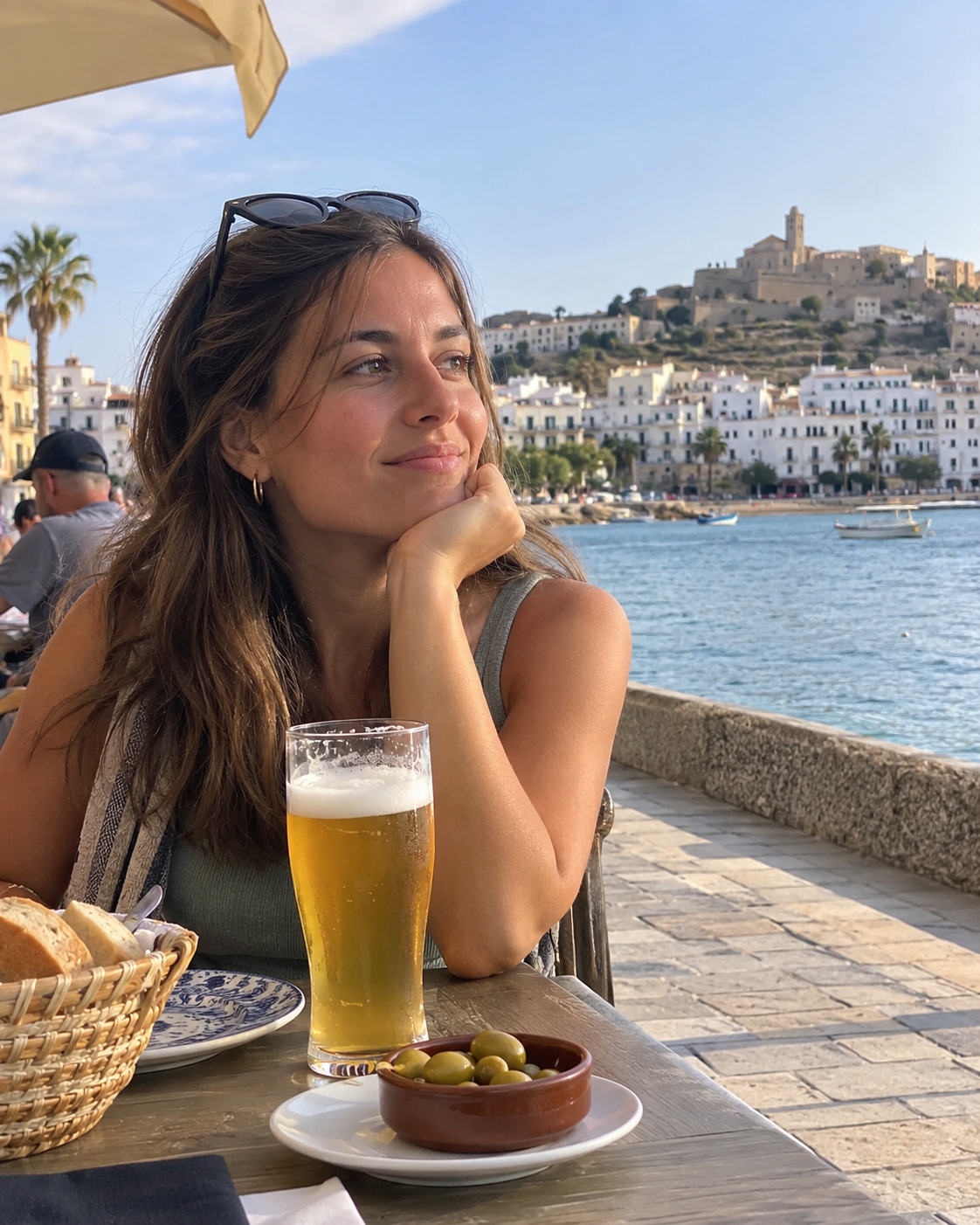
Sit on a Spanish terrace on a blazing summer afternoon and you will see people drinking beer with their lunch, glass after glass across the long, unhurried meal, and you will notice something surprising, which is that nobody around you is getting drunk. The secret is in the glass. Very often what looks like a beer is actually a clara, Spain’s beloved answer to hot-weather drinking, a mix of light beer and lemon soda that is lighter, more refreshing, and crucially far lower in alcohol than a straight beer. It is the drink that lets Spain enjoy a cold, beer-flavored glass in the sun through a long lunch and still walk home clear-headed, and it is exactly the sort of thing an American cookout in the heat could use. Once you know the clara, a full beer on a hot afternoon starts to seem like a rookie mistake.
What follows is what a clara actually is, why it beats a full beer in the heat, the quietly clever drinking culture it belongs to, and how to make one for your own hot afternoons. It is one of those small foreign habits that, once adopted, quietly improves every hot day you spend for the rest of your life.
What a Clara Actually Is
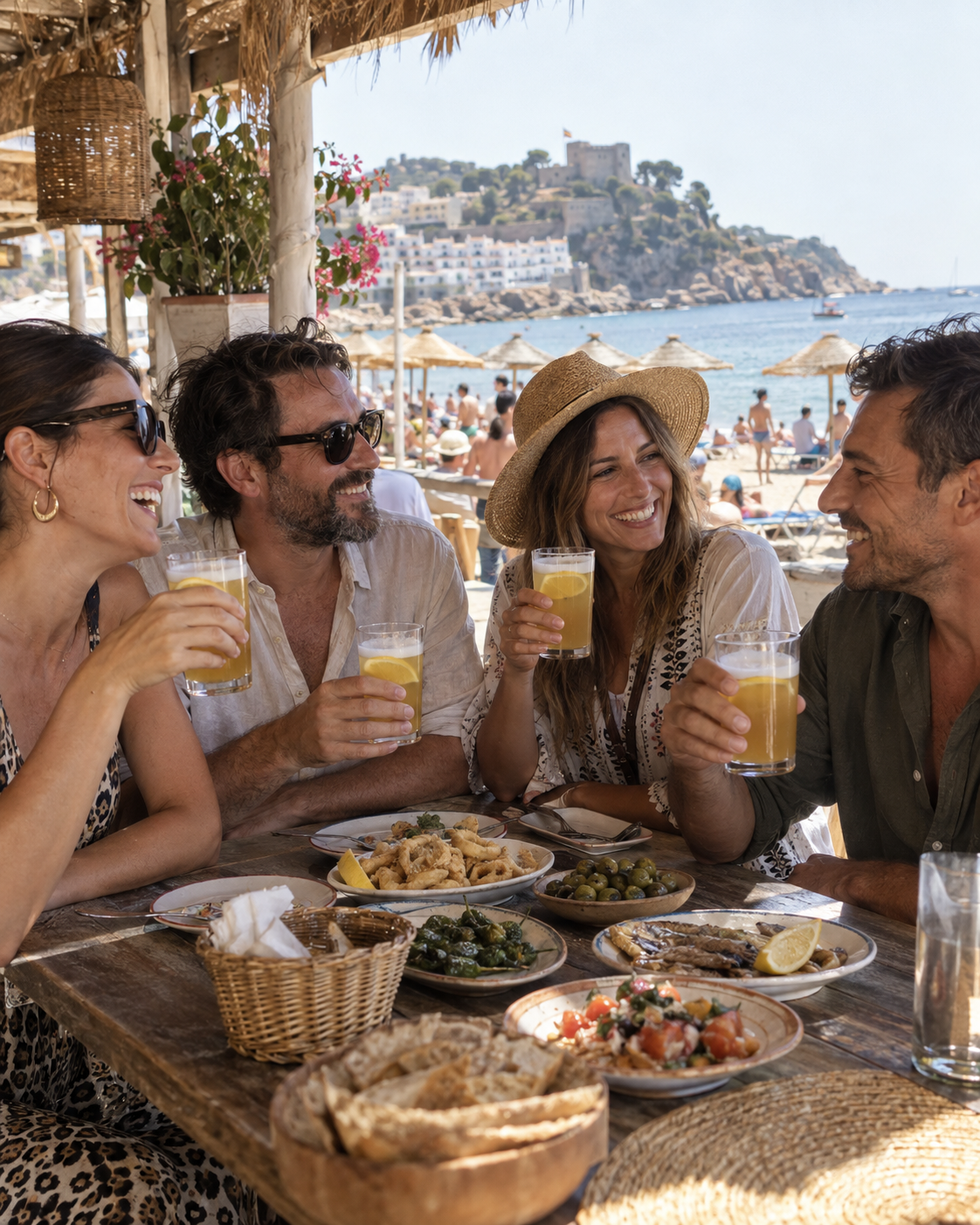
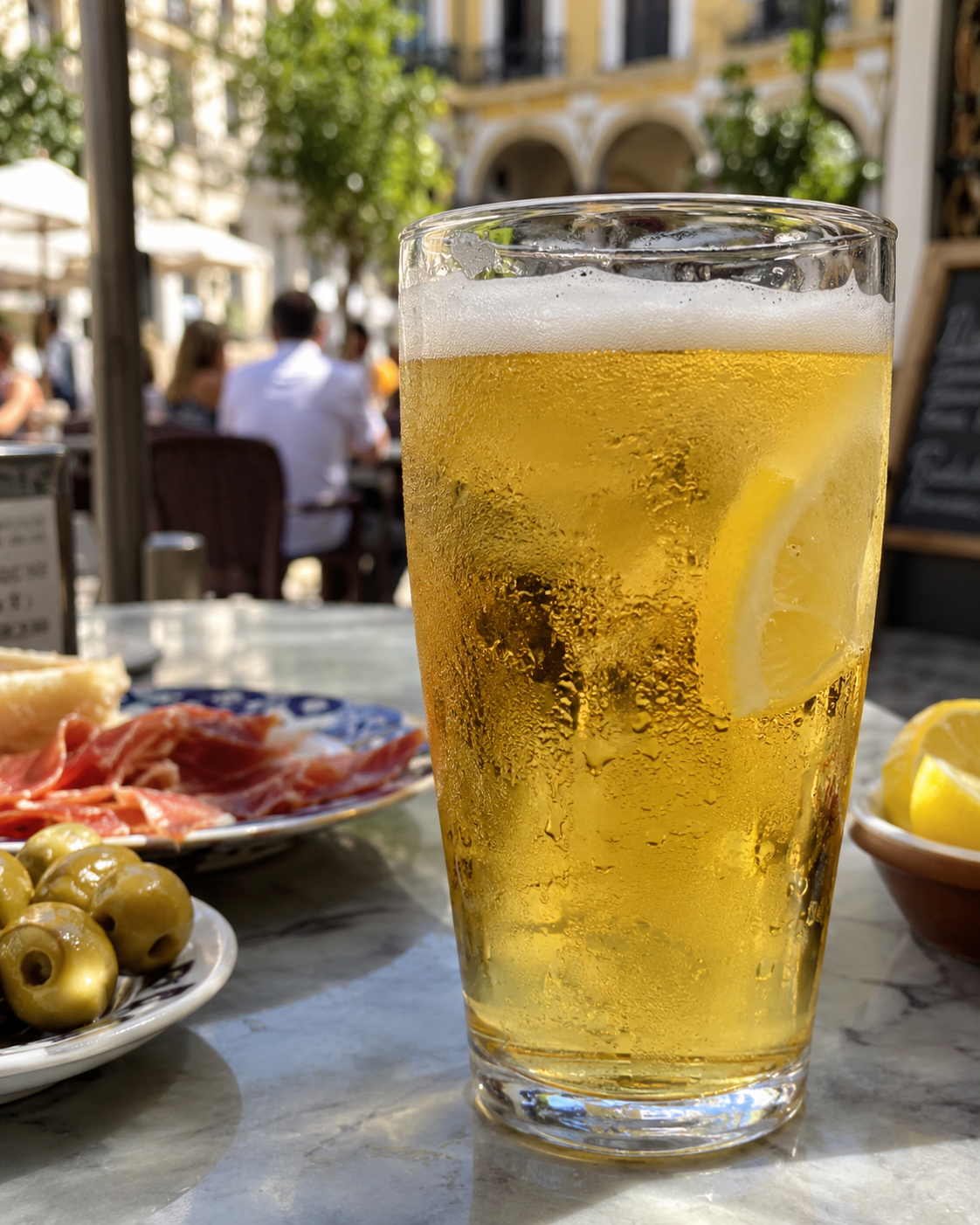
A clara is Spain’s version of what the British call a shandy and the Germans call a radler, which is simply beer cut with a fizzy lemon soft drink. You take a light, neutral lager, the kind of easy-drinking beer Spain makes so well, and you mix it, usually about half and half, with lemon soda, something like a Sprite, a 7-Up, or a Fanta Limon Limon. The result is a tall, icy, pale golden glass that still tastes of beer but is lighter, sweeter, fizzier, and far gentler than the real thing.
The name says it all, since clara means clear or light in Spanish, a nod to the way the soda lightens both the color and the character of the beer. What you get is not a cocktail in any complicated sense, just two ordinary ingredients combined into something greater than the sum of its parts, a drink that keeps all the cold, crisp, thirst-quenching pleasure of a beer while shedding the weight and much of the alcohol. It is genuinely one of the most refreshing things you can drink on a hot day, and it could not be simpler. There is a small magic in the way the lemon does not overpower the beer so much as brighten it, giving the whole glass a crisp, clean lift, so that even devoted beer drinkers who expect to dislike it are often quietly won over by their first cold clara in the sun.
Why a Full Beer Fails in the Heat
There is a real problem the clara solves, and anyone who has tried to drink beer in serious heat knows it well. A full beer on a genuinely hot day is a slightly self-defeating thing, because while it is delicious and cold going down, it is also heavy, filling, and dehydrating, and the alcohol adds up fast when you are drinking in the sun. Two or three proper beers over a long, hot lunch and you are not refreshed at all but sleepy, dehydrated, and quietly drunk, which is nobody’s idea of a good afternoon.
The clara fixes every part of this at once. By cutting the beer with fizzy soda, it becomes lighter and more genuinely thirst-quenching, the fizz and the citrus doing what a heavy beer cannot, which is to actually cool and refresh you. And by roughly halving the alcohol, it lets you drink several across a long lunch and stay comfortably clear-headed, so the drink keeps pace with the meal rather than ending it early. It is the difference between a drink that fights the heat with you and one that quietly sides with it, and on a hot afternoon that difference is everything. Anyone who has spent an afternoon in real Mediterranean heat learns this the hard way at least once, feeling wonderful after the first beer and distinctly less so after the third, and the clara is simply the accumulated wisdom of a whole country that learned the lesson generations ago.
The Genius of Low-Alcohol Day Drinking
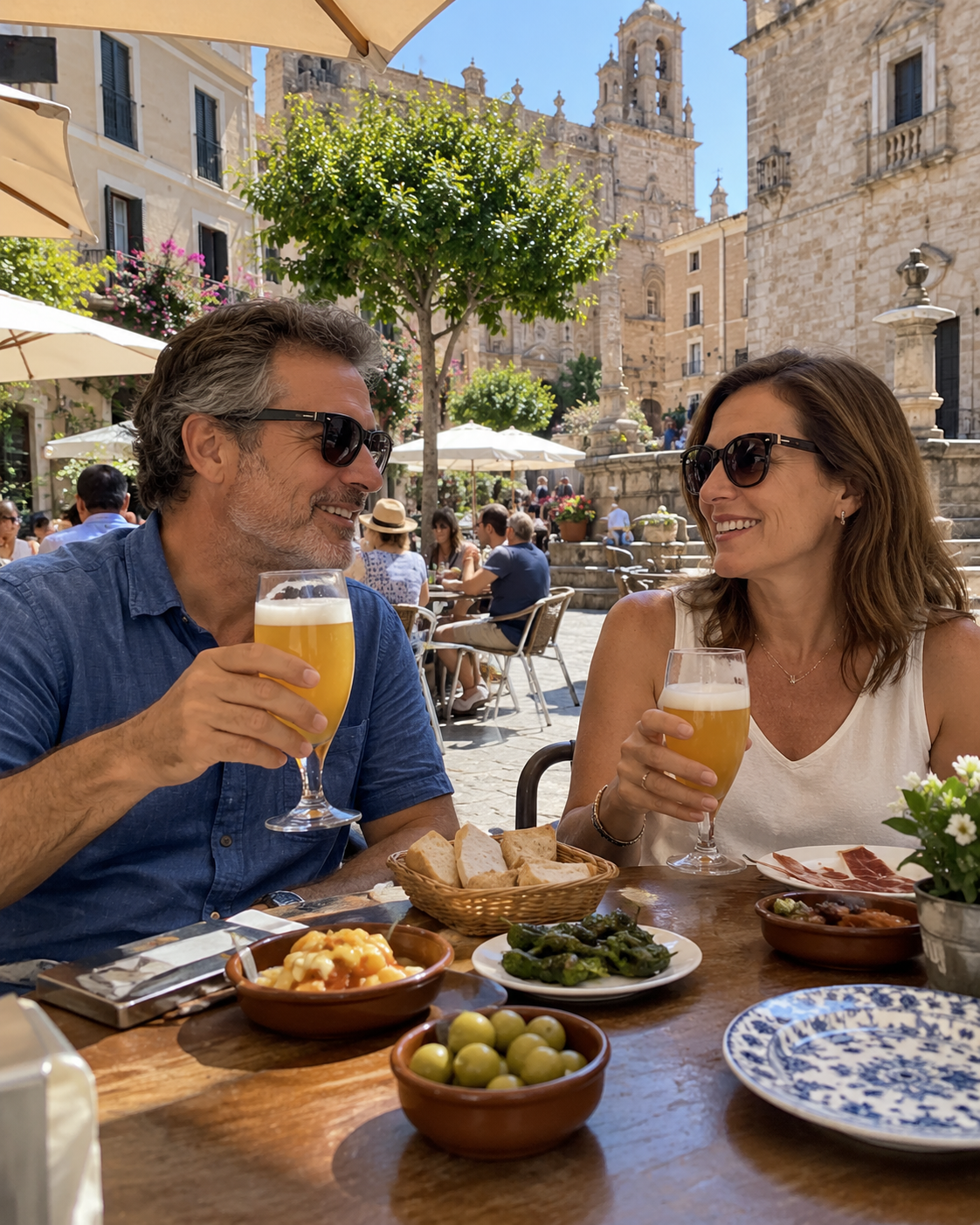
The clara points to something deeper and rather admirable about the way Spain drinks, which is that Spanish drinking culture is built around sociability and pleasure rather than intoxication. On a long Spanish lunch, the drink is there to accompany the food and the conversation, to be sipped slowly over hours, and the whole point is to stay in the pleasant, sociable, relaxed zone rather than to get drunk. A low-alcohol drink like the clara is perfect for exactly that, letting the good times stretch across a whole afternoon without the crash. It keeps the ritual of the drink, the cold glass, the toast, the shared table, while quietly turning down the one part of it that ends afternoons early, which is a small and elegant piece of cultural engineering hiding inside an ordinary glass of beer and soda.
This is the quiet wisdom that keeps a Spanish terrace full of people happily drinking at two in the afternoon and none of them a mess. The clara, along with its wine-based cousins, is a tool for enjoying alcohol the way the Mediterranean tends to, in moderation, slowly, alongside food, as one pleasant part of a long social meal rather than the main event. It is a genuinely healthier and more grown-up relationship with a drink than the all-or-nothing approach, and the clara is its most refreshing expression, proof that you can have the glass in your hand and the good afternoon both. It quietly rejects the false choice between abstaining entirely and overdoing it, offering a sensible, pleasurable middle path that keeps the social warmth of a shared drink without the price the body pays for excess.
The Two Kinds of Clara
If you order a clara in Spain, you may be asked to specify which kind you want, because there are two traditional versions and they are meaningfully different. The most common by far is the clara con limon, made with a lemon soda, which gives the drink a bright, sweet, citrusy lift and is the version most people mean when they say clara. It is the sunnier, more refreshing of the two, and the one to start with if you have never had one. Order it simply by asking for una clara, and in most of Spain you will get the lemon version without having to specify, which tells you just how thoroughly it has become the default hot-weather drink.
The other version is the clara con gaseosa, made with a plain, lightly sweetened clear soda called gaseosa rather than a flavored lemon one. This gives a subtler result, lightening and gently sweetening the beer without adding a strong citrus flavor, so it tastes more like a softer, fizzier version of the beer itself.
Whichever you choose, the one firm rule is the beer, which should be a light, crisp lager and never a hoppy IPA or a dark, roasty beer, since those strong flavors clash badly with the sweet fizz. Keep the beer simple and light, and either clara will be lovely. This is the one place a clara can go wrong, and it is worth stressing, because the whole appeal rests on a clean, crisp base beer that the soda can brighten rather than fight, so a cheap, light, uncomplicated lager is not a compromise here but exactly the right choice, the humble beer turning out to be the perfect one.
An Old Idea, Made Spanish
The instinct to cut beer with something fizzy and sweet is old and widespread, which is part of why the clara feels so natural, since nearly every beer-drinking culture in a hot climate seems to have arrived at some version of it. The German radler, whose name means cyclist, was supposedly invented to refresh thirsty bike riders without getting them tipsy on the road, and the British shandy has been a pub-garden staple for generations. Spain simply took the same sensible idea and made it its own, with its light lagers and its ever-present lemon sodas, and folded it into the rhythm of the long Mediterranean lunch.
What makes the Spanish version distinctive is less the recipe than the culture around it. In Spain the clara is not a slightly embarrassing drink for people who cannot handle a real beer, the way a shandy is sometimes teased in Britain, but a completely respectable, grown-up choice that even serious drinkers happily order in the heat. It carries no stigma, only good sense, and that easy acceptance of a lighter drink is itself part of the healthier relationship with alcohol that the Mediterranean is known for. The clara is an old idea worn comfortably, without apology, exactly as a good hot-weather drink should be.
Not Only a Summer Thing
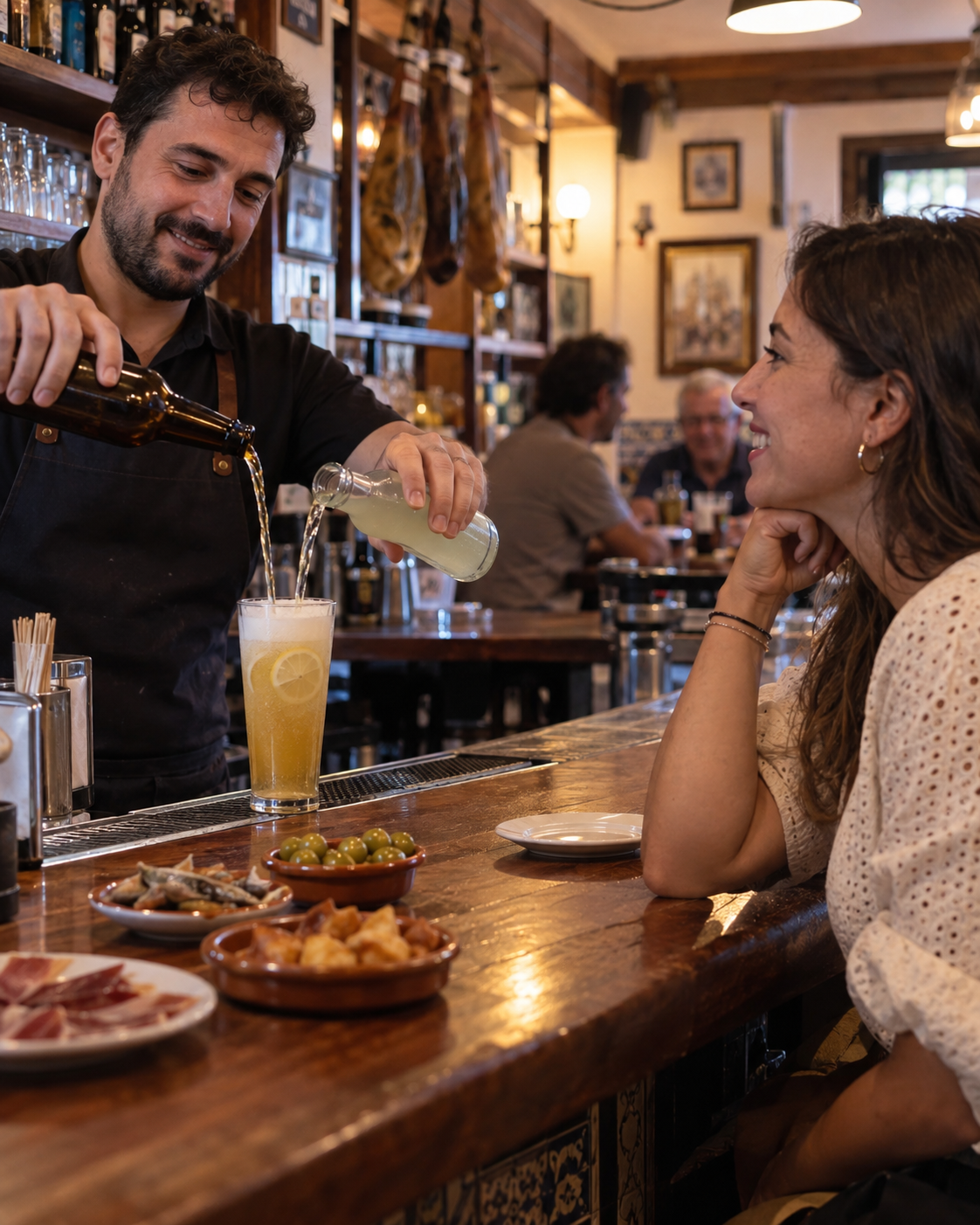
Though the clara is at its most obviously perfect in the summer heat, it has quietly become something more, a genuine everyday alternative to a full beer at any time of year for anyone who wants the taste without so much of the alcohol. Younger Spaniards in particular have embraced lighter and lower-alcohol drinks, part of a broader shift toward drinking a little less, and the clara fits that mood exactly, familiar and traditional yet perfectly suited to a moment when many people want to moderate without giving up the pleasure of a cold glass.
Spain has leaned into this in other ways too, with excellent alcohol-free beers, the cerveza sin, meaning simply a beer without, now available everywhere, so that the whole culture offers a graceful spectrum from full beer down to no alcohol at all, with the clara sitting comfortably in the sensible middle. This is worth noticing because it is the opposite of an all-or-nothing drinking culture, offering instead a range of gentle options that let people match their drink to the moment. The clara, in that light, is not just a summer refresher but a small emblem of a wiser way to drink, one that has plenty to teach a country reaching for a lighter glass.
Its Cousins on the Terrace
The clara does not drink alone, because it belongs to a whole happy family of light Spanish summer drinks built on the same idea, which is to make alcohol refreshing and gentle enough for the heat. Its closest relative is the tinto de verano, literally summer red wine, which does for wine exactly what the clara does for beer, mixing red wine with a fizzy lemon soda into a light, refreshing, lower-alcohol drink that is a Spanish summer staple and, many locals will tell you, far more sensible than sangria for everyday drinking.
Together these drinks define the Spanish terrace in summer, the long tables in the shade covered with tall, icy, pale glasses that people nurse across whole afternoons. There is a whole small vocabulary of them, from the kalimotxo of the north to regional favorites, but the clara and the tinto de verano are the two everyone knows. They are all variations on the same civilized theme, that the goal of a hot-afternoon drink is refreshment and sociability, not strength, and that a little dilution is not a compromise but an improvement. Learn the clara and the tinto de verano and you have the two keys to drinking like a Spaniard in the heat, which is to say lightly, slowly, and very happily. Both are cheap, both are simple, and both belong to the same generous, unhurried, sun-warmed way of spending an afternoon that makes the Spanish terrace such an enviable place to be.
How to Make One for Your Cookout

The best news of all is that you do not need to be in Spain to enjoy any of this, because a clara is very possibly the easiest good drink in the world to make. Chill a glass, and ideally the beer and the soda too, then simply pour them together in roughly equal parts, a light lager and a lemon soda, over ice if you like, and that is the entire recipe. Adjust the ratio to taste, more soda for a lighter, sweeter drink, more beer for a stronger one, and serve it cold in the shade. A common starting point is half and half, but many people prefer a touch more beer than soda so the drink still tastes clearly of beer, and the beauty of making it yourself is that you can dial it in exactly to your own idea of a perfect hot-afternoon glass.
For a hot-weather cookout, the clara is close to a perfect party drink. It is cheap, endlessly refreshing, dead simple to make in quantity, and low enough in alcohol that guests can enjoy several across a long afternoon without the gathering falling apart by dinnertime. Set out some light lager and some lemon soda alongside the grill, show people how to combine them, and you have brought a little of the Spanish terrace to your own backyard. Half the fun is watching skeptical guests take their first sip and immediately reach to make another. Your guests will stay cool, cheerful, and refreshed, which is exactly what the Spanish figured out long ago. And unlike most cocktails, which demand a bartender, measuring, and a shelf of ingredients, the clara asks for nothing but two cheap things from any supermarket and a cold glass, so it scales effortlessly from a drink for one to a drink for a crowd, which is precisely what a party needs.
Do enjoy the clara in the spirit it comes from, which is one of moderation and refreshment rather than excess, since even a lower-alcohol drink is still a drink, so pace yourself, keep water on the table alongside it, and treat it as the light, sociable, all-afternoon pleasure it was designed to be rather than a reason to drink more because each glass is weaker.

About the Author: Ruben, co-founder of Gamintraveler.com since 2014, is a seasoned traveler from Spain who has explored over 100 countries since 2009. Known for his extensive travel adventures across South America, Europe, the US, Australia, New Zealand, Asia, and Africa, Ruben combines his passion for adventurous yet sustainable living with his love for cycling, highlighted by his remarkable 5-month bicycle journey from Spain to Norway. He currently resides in Spain, where he continues sharing his travel experiences with his partner, Rachel, and their son, Han.