
This is a fight between two of the spiciest, most thrilling chicken dishes on earth, and it is worth saying up front that both are magnificent. Nashville hot chicken, the fiery cayenne-lacquered fried chicken of Tennessee, and Korean fire chicken, the searing buldak that has become a global byword for heat, are both built to make you sweat, both beloved, both genuinely punishing in the best way. But the title promises a winner, and after laying out what each is and how they differ, I am going to give you an honest verdict rather than a cowardly tie. First, though, the contenders deserve a fair hearing, because the choice is closer than the heat-seekers on either side will admit.
This is a comparison of Nashville hot chicken and Korean fire chicken, an honest look at what makes each its own brand of fiery brilliance, how they differ, which one actually wins and why, and how to make both at home. Both will hurt you wonderfully, but they hurt in different ways, and knowing those ways is the key to the verdict. Here is Nashville hot chicken versus Korean fire chicken, which spicy bird actually wins, and how to make them both.
What Nashville Hot Chicken Is
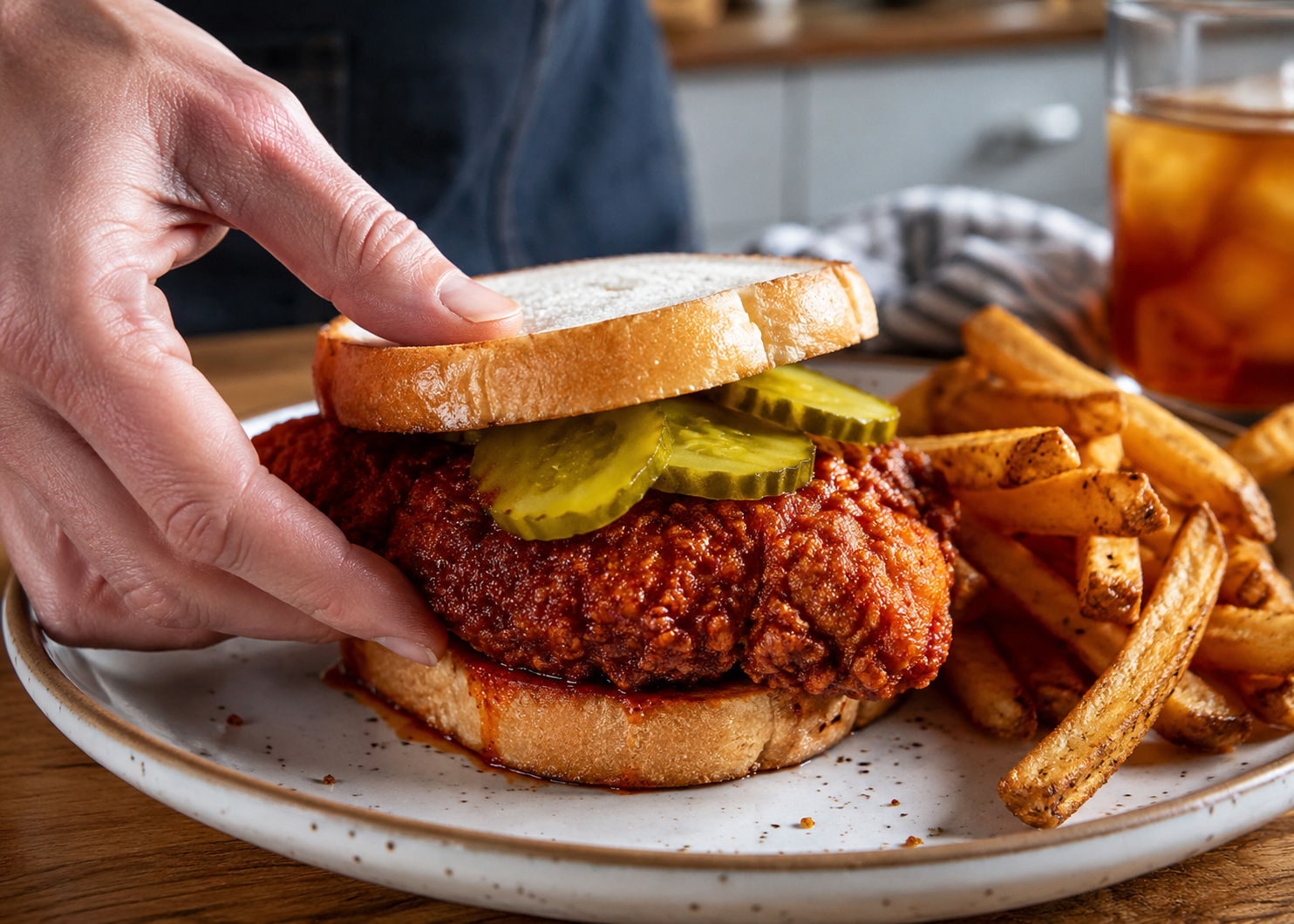
Start with the Nashville, since its particular fiery character defines one side of the fight.
Nashville hot chicken is fried chicken taken into the realm of serious heat through a cayenne-heavy paste, the classic technique being to fry the chicken in the Southern style and then coat it in a fiery paste of cayenne and other spices mixed with some of the hot frying oil or fat, which lacquers the crisp fried chicken in a red, oily, intensely spicy coating, the heat coming from cayenne and built to genuinely burn. The character is fiery, oily, deeply savory, the cayenne paste clinging to the crisp fried crust, the heat real and building, the whole thing a fried-chicken lover’s dream pushed into serious spice territory, fiery and rich and Southern. This is Nashville hot chicken, the cayenne-lacquered fiery fried bird, crisp and oily and seriously hot.
The technique that defines it is the frying plus the cayenne-oil paste, the chicken fried in the classic Southern seasoned-and-fried way, then brushed or coated with the fiery paste of cayenne and spices loosened with hot frying fat, often served on white bread with pickles, the paste being where the heat lives. The heat is in the cayenne paste over the fried crust, the dish a fried chicken made fiery by its spicy oily coating, so Nashville hot chicken is about the crisp fried chicken under the fiery cayenne-oil lacquer, a fiery Southern fried bird. Understanding Nashville hot chicken, its fried-chicken base and its fiery cayenne-oil paste, its crisp oily fiery character, is understanding one contender, the Southern fiery fried bird.
What Korean Fire Chicken Is
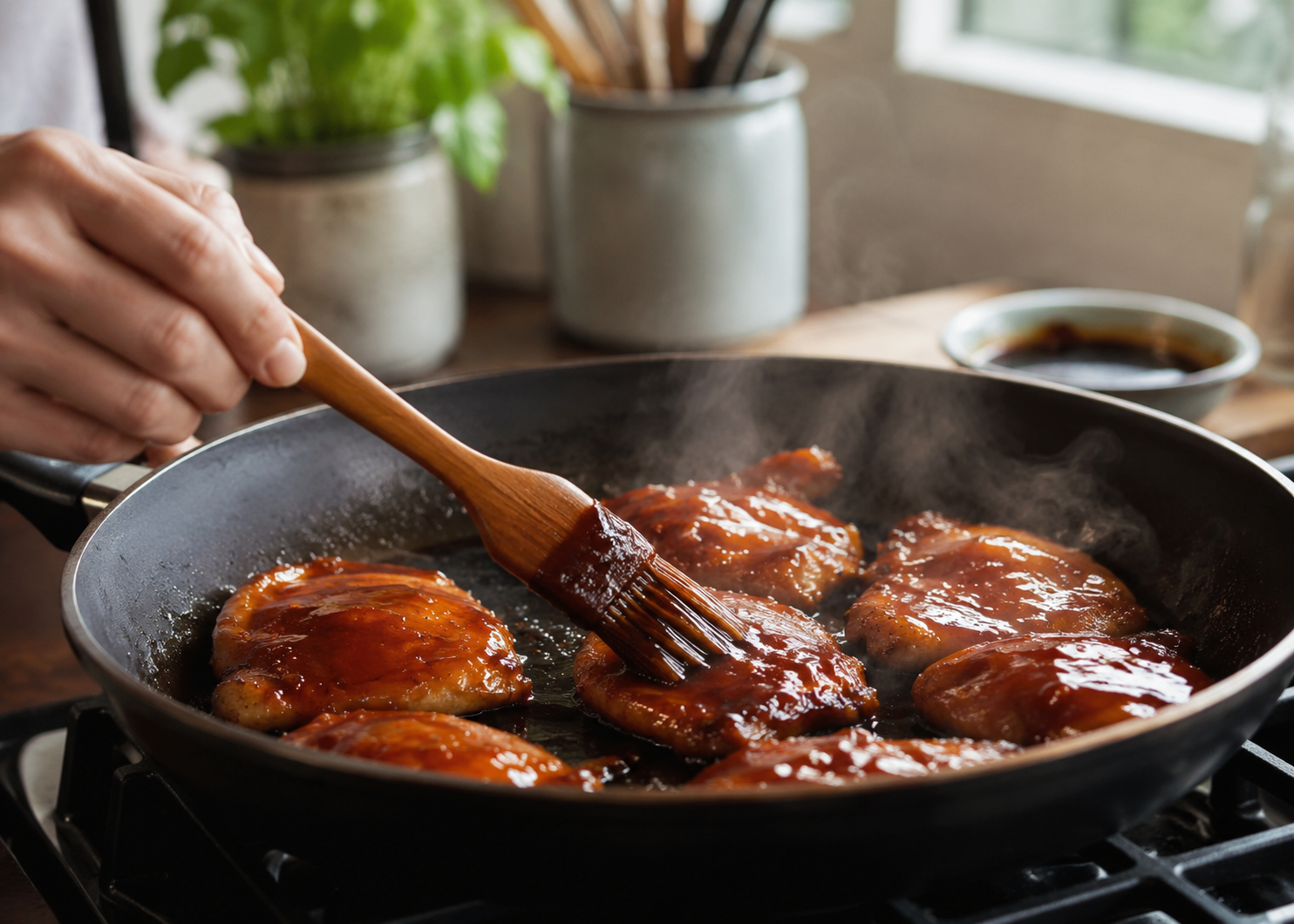
Now the Korean fire chicken, buldak, which brings its own searing brand of heat from a different direction.
Korean fire chicken, buldak, whose name means fire chicken, is built around an intensely spicy sauce based on gochugaru and gochujang, the Korean chili flake and chili paste, often with a notable sweetness alongside the heat, the chicken cooked and coated in this searing red sauce, sometimes topped with melted cheese to cut the heat, the result a searing, sweet-hot, glossy spicy chicken that has become a global symbol of extreme heat. The character is searing and sweet-hot, the gochugaru-gochujang sauce intensely spicy but with a Korean sweet-savory depth, glossy and red and punishing, sometimes tempered with cheese, the whole thing a different kind of fire from the Nashville, sweet-edged and saucy rather than oily and savory. This is Korean fire chicken, the searing sweet-hot gochujang-sauced bird, glossy and intensely spicy.
The technique that defines it is the searing chili sauce, the chicken cooked and then coated in or simmered with the intense gochugaru-gochujang sauce, sweet and savory and blazingly hot, often finished with cheese or served with rice to manage the heat, the sauce being the whole point. The heat is in the searing sweet-savory chili sauce, the dish a saucy chicken made fiery by its intense Korean chili coating, so Korean fire chicken is about the chicken in the searing sweet-hot gochujang sauce, a glossy intensely spicy Korean bird. Understanding Korean fire chicken, its searing gochugaru-gochujang sauce, its sweet-hot glossy character, sometimes tempered with cheese, is understanding the other contender, the searing sweet-hot Korean bird.
How They Differ, Oily Cayenne Versus Sweet-Hot Sauce
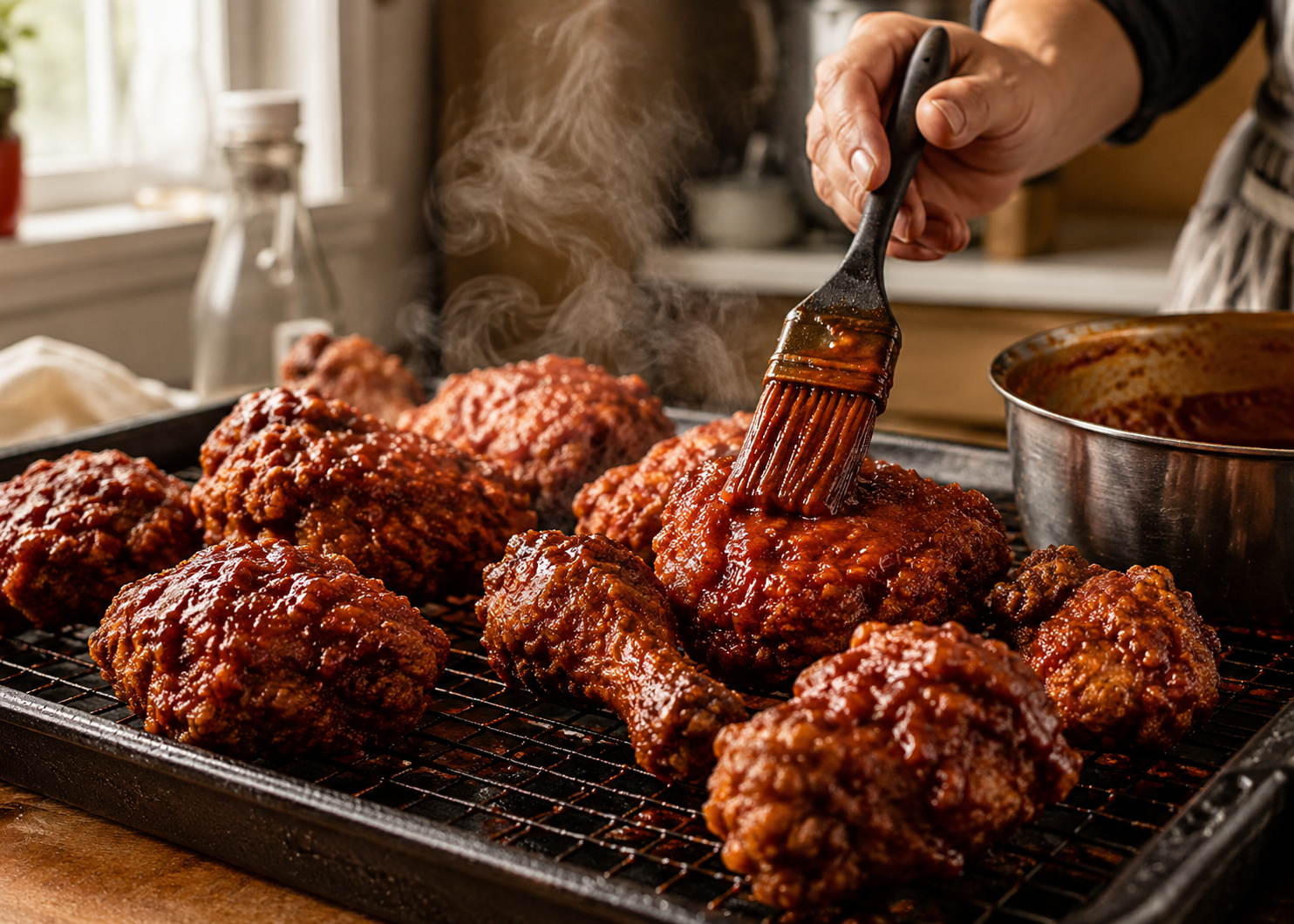
The heart of the fight is the difference between the Nashville’s oily cayenne heat and the Korean’s sweet-hot saucy heat, which shapes the whole comparison.
The two fire chickens differ most in the character of their heat and flavor, the Nashville being oily, savory, and cayenne-driven, the heat a pure fiery Southern burn over crisp fried chicken, savory and rich with no real sweetness, while the Korean is sweet-hot and saucy, the gochugaru-gochujang heat carrying a notable Korean sweetness and savory depth, glossy and sweet-edged rather than oily and purely savory. This is the core difference, the Nashville’s oily savory cayenne fire against the Korean’s sweet-hot glossy gochujang fire, the two delivering serious heat in quite different flavor packages, one Southern and oily and savory, the other Korean and sweet and saucy. The contrast in the heat’s character is the defining difference between the two.
The texture and format differ too, the Nashville being crisp fried chicken under a fiery oily paste, eaten as fried chicken made hot, while the Korean is often saucier, glossier, sometimes with cheese, eaten as a saucy spicy dish, so the eating experience differs beyond just the flavor, the crisp oily Nashville against the glossy saucy Korean. The Nashville keeps the fried-chicken format and adds fire, the Korean is more of a saucy spicy chicken dish, so they differ in texture and presentation as well as in the sweet-versus-savory character of the heat. Understanding how they differ, the oily savory cayenne Nashville versus the sweet-hot glossy gochujang Korean, in both flavor and format, is the key to judging between them, the two fires being genuinely different in kind.
The Heat, Honestly Compared
Since both are famous for heat, it is worth comparing the heat itself honestly, since this matters to the verdict.
On raw heat, both can be brutal, but they reach it differently and to different typical degrees, the Nashville’s heat being adjustable across a famous range from mild to the notorious extreme hot that is genuinely punishing, the cayenne paste scalable to whatever level is ordered, while the Korean buldak is characteristically very hot, the gochugaru-gochujang sauce intensely spicy, though the sweetness and the optional cheese can temper the perception somewhat. Both can be made searingly, painfully hot, so neither clearly out-burns the other at the extremes, the Nashville’s top end and the buldak’s intensity both being genuinely punishing, the heat a near-tie at the upper reaches though each is typically calibrated differently. On pure heat, the two are well matched, both capable of serious pain.
The quality of the heat differs, though, the Nashville’s cayenne heat being a sharp, building, oily Southern burn, while the Korean’s gochugaru heat is a deep, sweet-edged, lingering Korean heat, so even at similar intensity the two burns feel different, the sharp oily Nashville fire versus the deep sweet Korean one. This difference in the texture of the heat, beyond mere intensity, is part of what distinguishes them, the Nashville burn and the Korean burn being different experiences even when both are severe, the cayenne sharpness against the gochugaru depth. Understanding the heat honestly, both capable of brutal intensity but with differently textured burns, the sharp oily Nashville and the deep sweet Korean, is part of judging them, the heat itself being a near-tie of differently flavored fire.
The Verdict, And Why
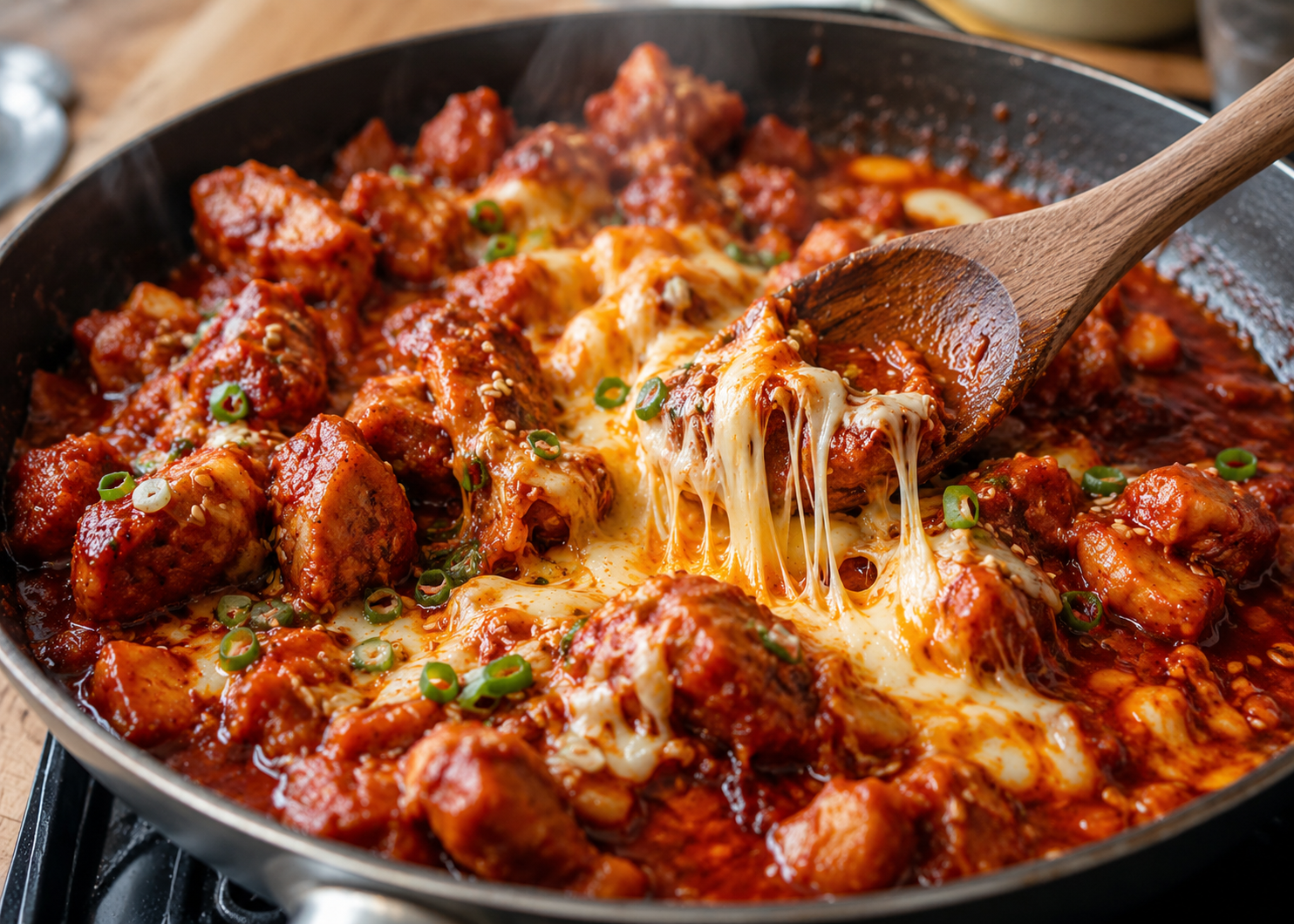
The title asks which actually wins, so here is my honest verdict, with reasons, while respecting that both are magnificent.
My honest verdict is that Korean fire chicken wins, narrowly, and for a specific reason, that its heat is more interesting. The Nashville is glorious, a perfect fiery fried chicken, but its heat, for all its intensity, is essentially one dimension, a pure cayenne burn over savory fried chicken, thrilling but relatively simple, while the Korean buldak delivers its heat with a complexity the Nashville lacks, the sweetness and the savory gochujang depth and the chili giving the fire a layered, sweet-hot, more dynamic character that keeps the palate more engaged than the single fiery note of the cayenne. The Korean wins because its heat is not just intense but complex, the sweet-savory-spicy interplay making it the more interesting fire, which for me edges out the magnificent but simpler Nashville burn.
I want to be fair to the Nashville, though, because the verdict is genuinely close and depends on what you value, since if you want the perfect marriage of crisp fried chicken and pure fiery heat, the Nashville may well win for you, its crisp oily fried-chicken-plus-fire being a glory the saucy Korean cannot match on the fried-chicken front. So the verdict is close and somewhat personal, the Korean winning on the complexity and interest of its heat, the Nashville winning if you prize the crisp fried-chicken format and the pure cayenne burn, the choice depending on whether you value complex sweet-hot fire or perfect fiery fried chicken. My pick is the Korean for its more interesting heat, but the Nashville is a worthy and close runner-up, and honest heat-lovers could reasonably disagree.
The Origins Of Each Fire
A little history rounds out the fight, since each fiery bird has a distinct origin story that shaped what it is.
Nashville hot chicken has a specific and storied origin in Nashville, Tennessee, in the African American community there, with the well-known legend tracing it to Thornton Prince, whose fiery chicken, supposedly created with extra heat by a scorned partner as revenge, proved so good it became a beloved dish and eventually a Nashville institution, the cayenne-paste fried chicken spreading from there into a national phenomenon. The dish carries this deep local and cultural history, born in Nashville’s Black community and refined over decades into the iconic fiery fried chicken, so Nashville hot chicken is a dish with real roots and a great story, the product of a particular American place and community. Understanding its Nashville origins is part of appreciating it, the storied fiery Tennessee bird.
Korean fire chicken, buldak, is much more recent, emerging in South Korea in the early two-thousands as an intensely spicy dish that rode and fueled a wave of enthusiasm for extreme heat, becoming wildly popular and then globally famous, especially through spicy instant-noodle versions and viral spicy-food challenges, the fire chicken becoming a worldwide byword for Korean heat. The dish reflects a modern Korean appetite for intense spice and the global spread of Korean food and culture, so buldak is a younger, vibrant, globally viral dish rather than an ancient tradition, its character the product of contemporary Korean food culture. Understanding its recent Korean origins is part of the picture, the modern globally famous Korean fire bird against the storied Nashville classic, two fiery birds with very different origin stories.
Recipe One, Korean Fire Chicken (Buldak)

Serves 4. Seriously hot, scale the gochugaru to taste. Cheese on top is traditional for taming it.
Ingredients
- 700g boneless chicken thighs, cut into chunks
- 2 tbsp gochugaru (Korean chili flakes), more for hotter
- 2 tbsp gochujang
- 2 tbsp soy sauce
- 2 tbsp honey or sugar
- 4 cloves garlic, minced
- 1 tbsp grated ginger
- 1 tbsp sesame oil
- Mozzarella for topping (optional), sesame seeds, scallions
Method
- Mix the gochugaru, gochujang, soy, honey, garlic, ginger, and sesame oil into a sauce.
- Toss the chicken in the sauce and marinate 30 minutes if you have time.
- Cook the chicken in a hot oiled pan or skillet over medium-high heat until cooked through and the sauce is glossy and caramelized, about 10 to 12 minutes.
- For the classic cheesy version, top with mozzarella, cover or grill until melted. Finish with sesame seeds and scallions, and serve with plenty of rice.
Recipe Two, Nashville Hot Chicken

Serves 4. The cayenne paste is the soul, scale it to your bravery. Serve on white bread with pickles.
Ingredients
- 8 pieces bone-in chicken, brined in buttermilk
- 2 cups flour, seasoned with salt and pepper
- Neutral oil for frying
For the hot paste
- 1/2 cup of the hot frying oil
- 2 to 4 tbsp cayenne (to taste)
- 1 tbsp brown sugar
- 1 tsp each paprika, garlic powder, salt
Method
- Soak the chicken in buttermilk for several hours, then dredge in seasoned flour.
- Fry at 165C/330F until deep golden and cooked through, about 12 to 15 minutes for bone-in pieces. Keep the hot oil.
- Whisk the cayenne, brown sugar, paprika, garlic powder, and salt, then carefully whisk in the half cup of hot frying oil until you have a fiery red paste.
- Brush the paste generously over the hot fried chicken. Serve on white bread with pickle chips, the classic way.
Serving And The Final Word
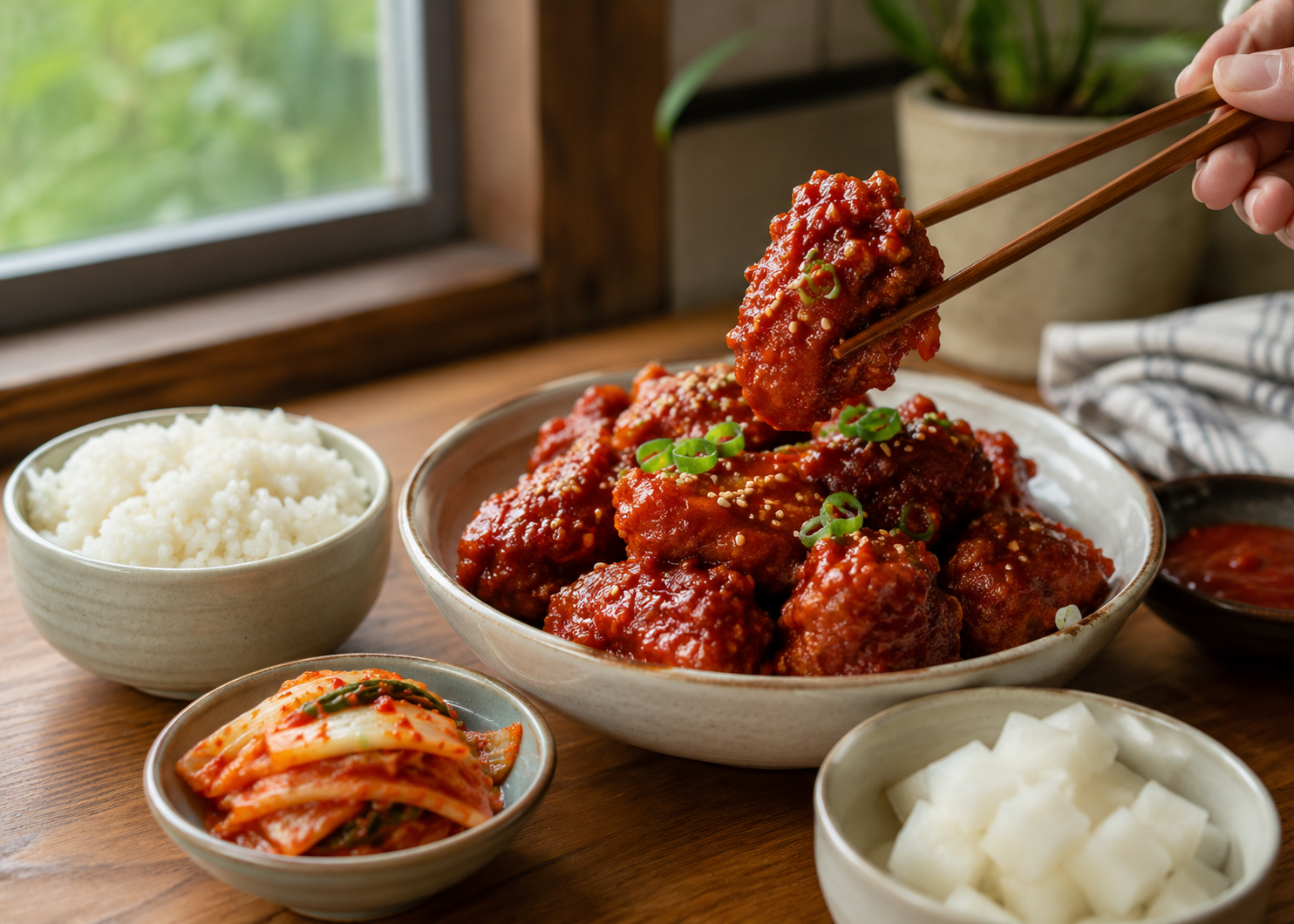
Both reward the right accompaniments, and a final word puts the verdict in perspective.
Serve the Korean buldak with steamed rice, which is essential to manage the heat, plus pickled radish and the optional cheese, the rice and dairy taming the searing sauce. Serve the Nashville on the traditional white bread with pickles, the bread soaking up the fiery oil and the pickles cutting the heat, the classic presentation being part of the experience. Each comes with its own heat-managing accompaniments, the rice and cheese for the Korean, the bread and pickles for the Nashville, which are part of how each is properly eaten.
As for the verdict, take it in the right spirit, that the Korean edges it on the complexity of its heat but that both are magnificent and the choice is close and personal, so the real recommendation is to make both and decide for yourself, since the fun of such a fiery rivalry is in the tasting. Cook the Korean for complex sweet-hot fire, the Nashville for perfect fiery fried chicken, and judge the contest with your own palate, the two greatest fire chickens being worth knowing intimately whichever you ultimately crown. My vote goes to the buldak, but the only way to settle it for yourself is to make both and feel the burn.

About the Author: Ruben, co-founder of Gamintraveler.com since 2014, is a seasoned traveler from Spain who has explored over 100 countries since 2009. Known for his extensive travel adventures across South America, Europe, the US, Australia, New Zealand, Asia, and Africa, Ruben combines his passion for adventurous yet sustainable living with his love for cycling, highlighted by his remarkable 5-month bicycle journey from Spain to Norway. He currently resides in Spain, where he continues sharing his travel experiences with his partner, Rachel, and their son, Han.