
Open a refrigerator in America and then one in Europe, and you will notice the differences immediately, not just in what is inside but in what is considered to belong there at all. A whole category of foods that Americans automatically refrigerate, Europeans leave happily on the counter or in the cupboard, sometimes to the genuine alarm of visiting Americans who fear for their safety, and sometimes the reverse. These differences are not random, they reflect real distinctions in how food is produced, processed, and understood, and the most famous of them, the egg, reveals a genuine and fascinating difference in food systems. Understanding what Europeans do not refrigerate, and why, is a small window into a different food culture.
This is a friendly tour of the foods Americans reflexively refrigerate that Europeans typically would not, with honest explanations of why, since in most cases there is a real and sensible reason rooted in how the food is made or treated. Some of these will surprise you, and the egg in particular has a genuinely interesting explanation. Here are nine things Americans refrigerate that Europeans never would, and the real reasons behind each.
Eggs, The Famous One
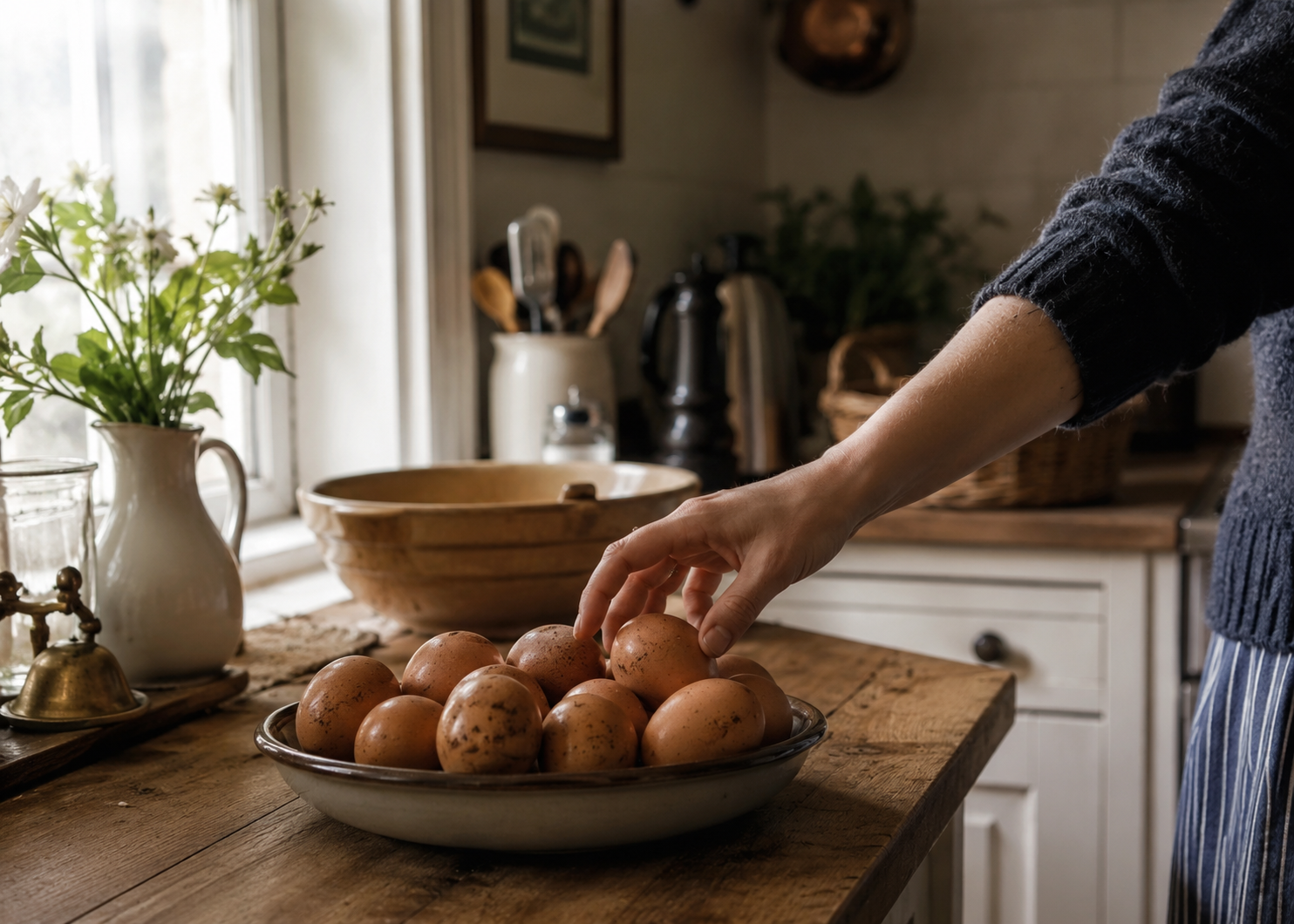
The most famous difference, and the one with the most genuinely interesting explanation, is eggs, which Europeans keep on the counter.
The classic difference is eggs, which Americans refrigerate without question and Europeans typically keep at room temperature on the counter or in the cupboard, and the reason is a genuine and fascinating difference in how eggs are treated in the two systems. In the United States, eggs are washed and sanitized after laying, a process that cleans them but also removes the natural protective coating on the shell called the cuticle or bloom, which means the washed American egg, having lost its natural protection, must be refrigerated to stay safe, while in much of Europe eggs are not washed in this way, retaining their natural protective cuticle, which allows them to be safely kept at room temperature. This is the real explanation, the washing that necessitates American refrigeration versus the unwashed European egg that keeps its natural protection.
There is more to it, since the European approach also involves vaccinating hens against salmonella in many countries, adding another layer of safety that supports room-temperature storage, while the American system relies on the washing and refrigeration approach instead, two different but internally coherent systems for egg safety. So the egg difference is not that one side is reckless but that the two systems handle egg safety differently, the American through washing and refrigeration, the European through leaving the protective cuticle intact and vaccinating hens, each system requiring its own storage approach. Understanding the egg, the washed refrigerated American egg versus the unwashed room-temperature European one, is understanding the most famous and most genuinely interesting of these refrigeration differences, a real window into different food systems.
Butter, Kept On The Counter
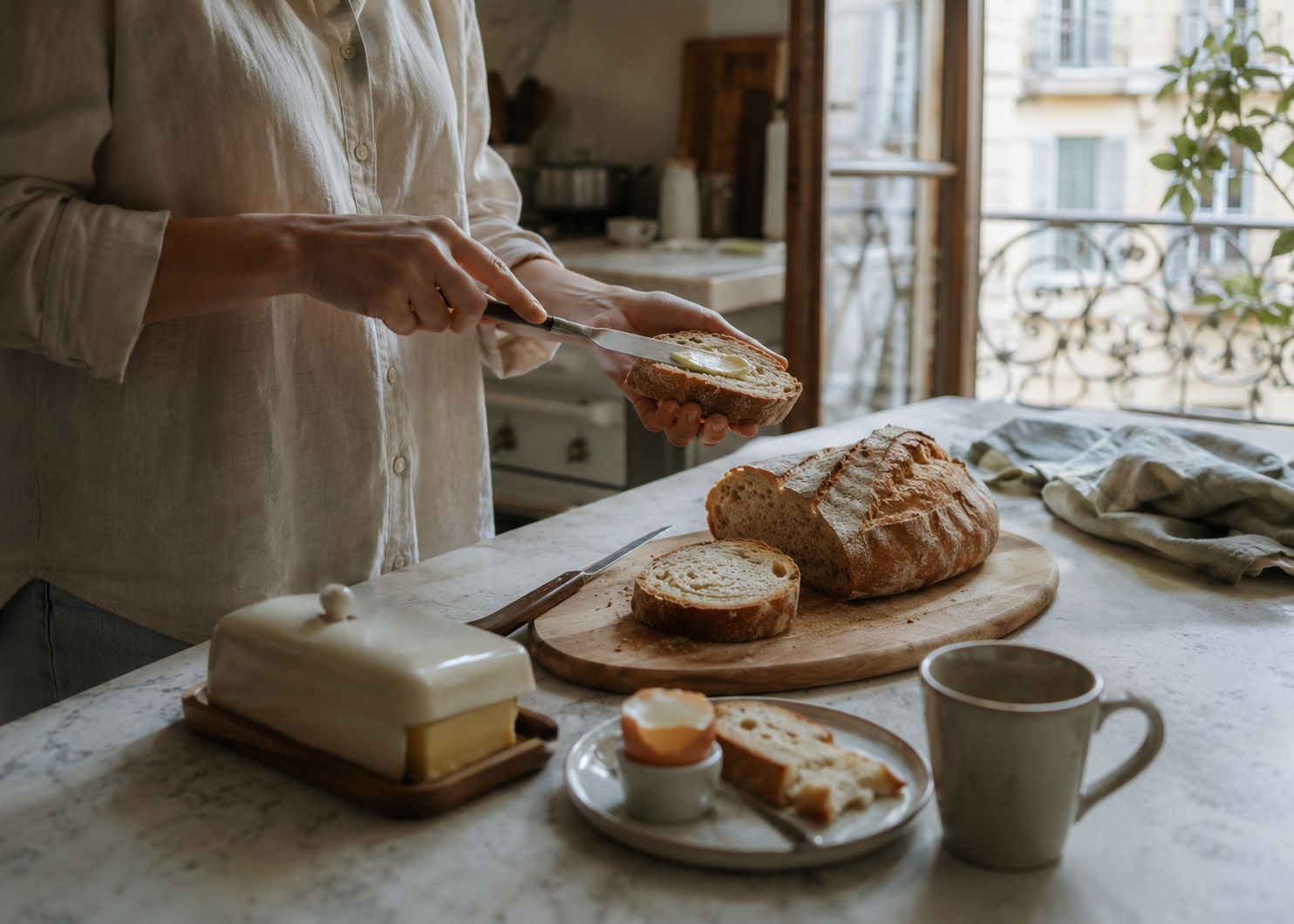
The second difference is butter, which many Europeans keep at room temperature for spreading.
Many Europeans keep butter at room temperature, in a covered butter dish on the counter, so that it stays soft and spreadable, while Americans more often refrigerate it hard, and the European approach is generally quite safe for butter in normal use. Butter is high in fat and low in water and, especially when salted, is relatively resistant to bacterial growth, so keeping it covered at room temperature for reasonable periods is generally fine, the European preference being for soft spreadable butter over the hard refrigerated kind. The butter difference is about the spreadability and the reasonable safety of room-temperature butter, the Europeans valuing the soft texture.
There are sensible caveats, since the room-temperature approach works best with salted butter, in a proper covered butter dish that protects it from light and air, in not-too-hot conditions, and for butter that is used within a reasonable time rather than left for weeks, so the European practice is sensible rather than reckless. Kept properly, covered and used within a reasonable period, counter butter is both safe enough and far more pleasant to spread, which is why Europeans favor it, a small sensible difference in approach. Understanding the butter difference, the soft room-temperature European butter versus the hard refrigerated American kind, with its sensible caveats, is understanding another of these refrigeration distinctions, rooted in the pleasure of spreadable butter and the reasonable safety of keeping it out.
Bread, Stored In The Cupboard
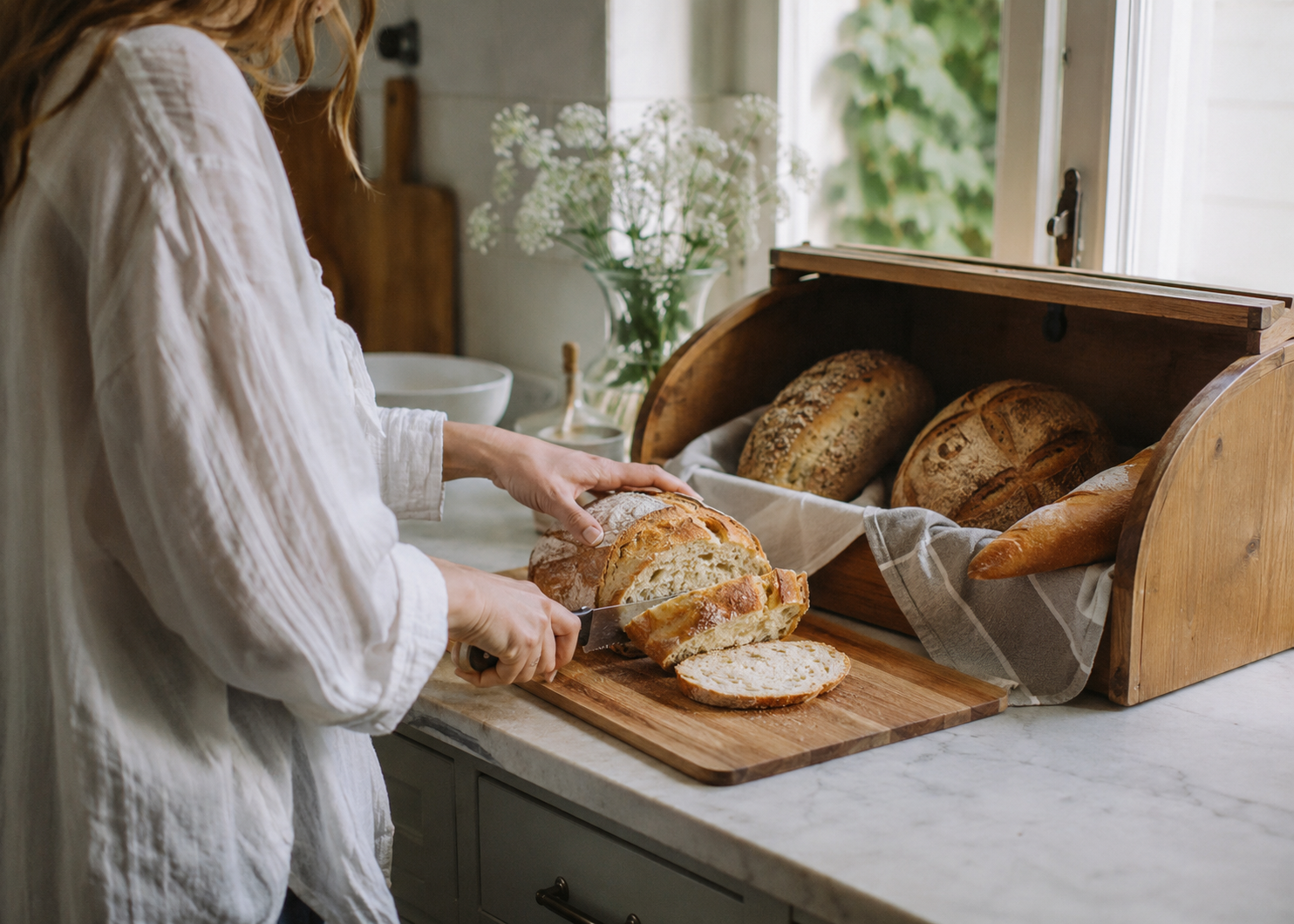
The third difference is bread, which Europeans keep at room temperature rather than in the fridge.
Many Americans refrigerate bread, believing it keeps it fresh longer, while Europeans almost never do, keeping bread at room temperature in a bread box or cupboard or simply out, and the European approach is actually the better one for bread quality. Refrigerating bread actually tends to make it go stale faster, since the cool temperature accelerates the staling process called retrogradation, so the refrigerated bread becomes dry and stale more quickly than bread kept at room temperature, making the American refrigeration counterproductive. The bread difference is one where the European approach is genuinely better, room-temperature storage keeping bread fresher than the fridge.
The European preference for fresh bread, often bought daily or every few days, also reduces the perceived need to refrigerate for long storage, the bread eaten while fresh rather than stored for ages, so the whole approach centers on fresh bread kept at room temperature and eaten promptly. For longer storage, freezing is far better than refrigerating, preserving the bread without the staling that refrigeration accelerates, so the sensible options are room temperature for the short term and freezing for the long, with refrigeration being the worst choice. Understanding the bread difference, the room-temperature European approach that keeps bread fresher versus the counterproductive American refrigeration, is understanding a case where the European way is simply better for the food.
Many Condiments And Sauces

The fourth difference is many condiments and sauces, which Europeans often keep in the cupboard.
Americans tend to refrigerate condiments and sauces almost reflexively after opening, while Europeans keep many of them in the cupboard at room temperature, since the high acidity, sugar, salt, or vinegar content of many condiments makes them naturally shelf-stable for reasonable periods. Things like certain mustards, some hot sauces, and various other acidic or preserved condiments are stable enough at room temperature that Europeans see no need to refrigerate them, the preservative qualities of the condiments themselves keeping them safe. The condiment difference is rooted in the natural shelf-stability of many acidic or preserved sauces, which Europeans take advantage of.
This varies by the specific condiment, of course, since some do benefit from refrigeration after opening while others are perfectly fine in the cupboard, so the European approach is discerning rather than blanket, keeping the genuinely shelf-stable ones out while refrigerating those that need it. The label often guides this, and the European habit reflects an understanding of which condiments are naturally stable, a sensible discrimination rather than a reflexive refrigeration of everything. Understanding the condiment difference, the European cupboard storage of naturally shelf-stable sauces versus the American reflexive refrigeration, is understanding another of these distinctions, rooted in the preservative qualities of the condiments themselves.
Ketchup, Specifically
The fifth difference, a specific and surprising one to many Americans, is ketchup, often kept in the cupboard in Europe.
Ketchup is a specific condiment worth singling out, since many Americans are surprised to learn that ketchup is often kept at room temperature in Europe and indeed in many restaurants and homes, the high acidity from vinegar and tomatoes and the sugar content making ketchup quite shelf-stable. The vinegar and sugar and tomato acidity act as preservatives, so ketchup can be kept in the cupboard for reasonable periods without harm, which is why it often sits on tables and in cupboards in Europe rather than always in the fridge. The ketchup difference surprises Americans but reflects the genuine shelf-stability of this acidic sugary condiment.
That said, refrigeration does keep opened ketchup at its best quality for longer, so the fridge is not wrong, but the point is that room-temperature ketchup is generally safe for reasonable periods thanks to its preservative ingredients, which is why Europeans often do not bother refrigerating it. It is a matter of quality preference and time rather than strict safety, the acidic sugary ketchup being stable enough to keep out, a small surprising difference in habit. Understanding the ketchup difference, the often-room-temperature European ketchup versus the always-refrigerated American kind, is understanding a specific and surprising example, rooted in the real shelf-stability of this preserved condiment.
Hard And Cured Cheeses

The sixth difference is certain hard and cured cheeses, which Europeans may keep cool but not refrigerated.
Europeans, especially in the great cheese cultures, often keep certain hard and cured cheeses at cool room temperature or in a cool larder rather than the cold refrigerator, since hard aged cheeses are relatively stable and are often considered to taste better when not fridge-cold. A hard aged cheese, with its low moisture and its natural preservation through aging, can be kept at cool room temperature for reasonable periods, and many Europeans believe, with reason, that such cheese tastes better at room temperature than straight from the cold fridge. The cheese difference is rooted in the stability of hard aged cheeses and the belief that they taste better not fridge-cold.
This applies most to the hard aged cheeses rather than fresh soft cheeses, which do need refrigeration, so again the European approach is discerning, keeping the stable hard cheeses cool but out while refrigerating the perishable fresh ones. The ideal is often a cool place rather than either the warm kitchen or the cold fridge, a traditional cheese larder or cool spot, reflecting a sophisticated understanding of cheese storage, so the difference reflects cheese expertise rather than carelessness. Understanding the cheese difference, the cool-room-temperature storage of hard cheeses for better flavor versus the American refrigeration, is understanding another distinction, rooted in the stability and the flavor of properly kept aged cheese.
Tomatoes, For Flavor

The seventh difference is tomatoes, which Europeans keep at room temperature for the sake of flavor.
Europeans typically keep tomatoes at room temperature rather than in the refrigerator, and this is genuinely the better practice for flavor, since refrigeration damages the texture and flavor of tomatoes, making them mealy and dulling their taste, so the room-temperature tomato is far more flavorful. Cold temperatures break down the texture and mute the flavor compounds of tomatoes, which is why a refrigerated tomato is so often disappointingly bland and mealy, while the room-temperature tomato retains its proper flavor and texture. The tomato difference is one where the European approach is clearly better, room temperature preserving the flavor that refrigeration destroys.
This is widely acknowledged even by food experts, that tomatoes should be kept at room temperature for the best flavor and texture, the fridge being genuinely bad for them, so the European habit is simply the correct one for this fruit. Only very ripe tomatoes that need to be held a little longer might briefly go in the fridge, but for normal use, room temperature is far better, preserving the flavor, so the European way wins clearly here. Understanding the tomato difference, the flavorful room-temperature European tomato versus the mealy refrigerated American one, is understanding another case where the European approach is simply better for the food itself.
Some Fruits And Vegetables

The eighth difference is various other fruits and vegetables that Europeans keep at room temperature.
Beyond tomatoes, Europeans keep various other fruits and vegetables at room temperature that Americans might refrigerate, including things like potatoes, onions, and garlic, which keep best in a cool dark place rather than the fridge, and various fruits that ripen and taste better at room temperature. Potatoes and onions and garlic actually fare poorly in the refrigerator, keeping far better in a cool dark cupboard, and many fruits ripen and develop their flavor best at room temperature, so the European habit of keeping these out is the sensible one. The produce difference is rooted in the fact that many fruits and vegetables genuinely keep or taste better outside the fridge.
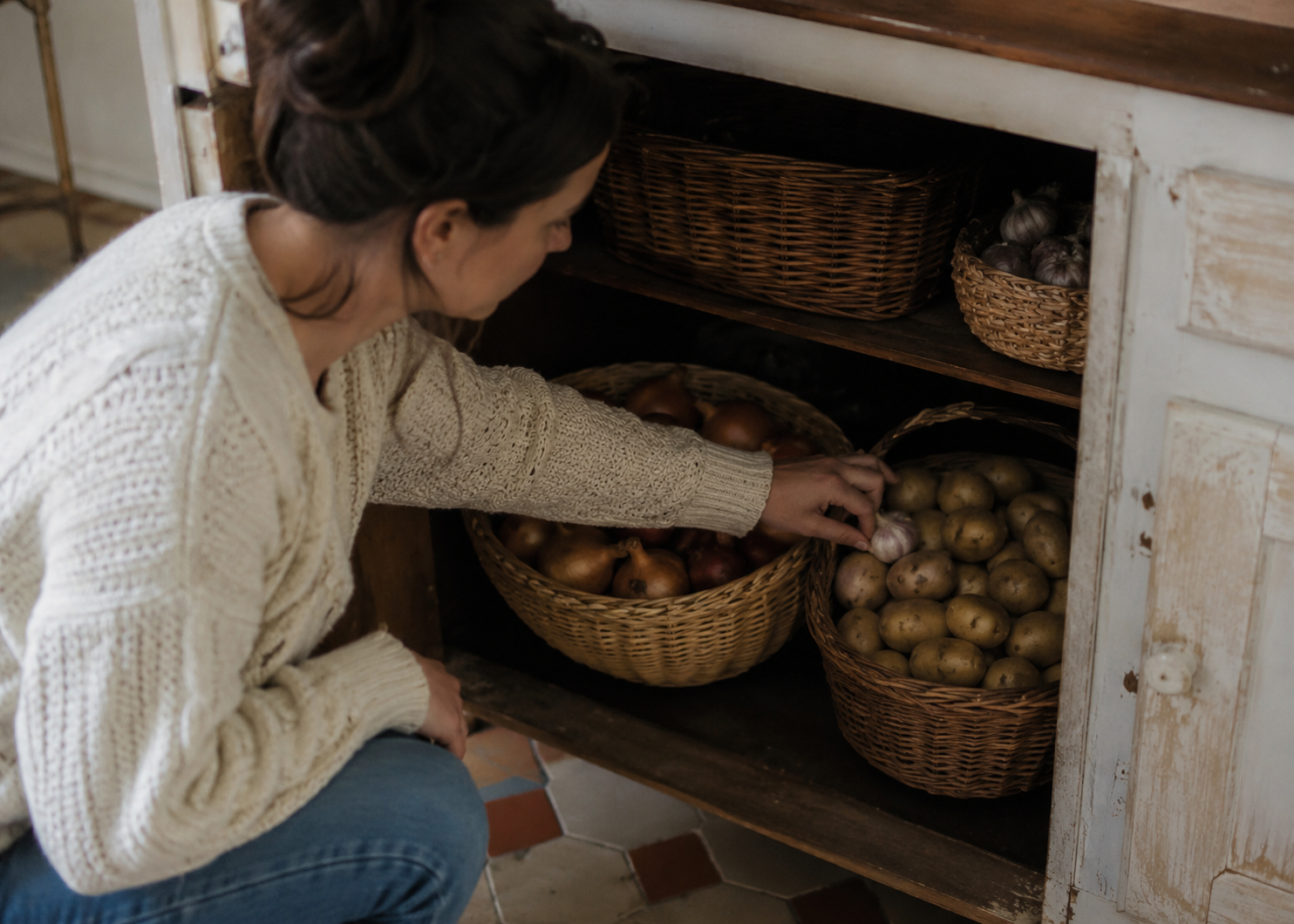
This reflects a general European tendency to keep produce in cool cupboards, larders, or on the counter rather than reflexively refrigerating everything, an approach that suits many fruits and vegetables better than the cold fridge. The cool dark cupboard for the roots and alliums, the counter for the ripening fruits and the tomatoes, is often the better storage, so the European way frequently serves the produce better than American refrigeration. Understanding the produce difference, the room-temperature or cool-cupboard European storage of many fruits and vegetables versus the American fridge, is understanding another distinction, rooted in what actually keeps produce at its best.
Certain Baked Goods And Pastries

The ninth difference is certain baked goods and pastries, which Europeans keep at room temperature.
Europeans typically keep cakes, pastries, and other baked goods at room temperature rather than refrigerating them, since refrigeration tends to dry out and stale baked goods just as it does bread, so the room-temperature pastry stays fresher and more pleasant. A cake or pastry kept at room temperature under a dome or in a tin stays moist and fresh far better than one in the drying cold of the fridge, so the European habit of keeping baked goods out is the better one for their quality. The baked goods difference is rooted in the fact that refrigeration dries and stales them, room temperature keeping them fresher.
This goes with the general European preference for fresh baked goods bought and eaten over a short period rather than stored long-term, the pastries enjoyed fresh at room temperature rather than refrigerated, so the whole approach centers on fresh baked goods kept out. Some baked goods with perishable fillings like cream do need refrigeration, but the everyday cakes and pastries keep better at room temperature, so the European way suits most baked goods better. Understanding the baked goods difference, the fresher room-temperature European pastries versus the dried-out refrigerated American ones, is understanding the last of these distinctions, rooted in keeping baked goods at their best.
The Real Lesson Behind The Differences
These differences finally reveal a thoughtful food culture, and that is the spirit in which to take them.
The real lesson behind these refrigeration differences is that the European approach often reflects a thoughtful understanding of what each food actually needs, sometimes a different but equally safe system as with the eggs, sometimes a genuinely better practice as with the bread and tomatoes, sometimes a sensible use of foods’ natural stability as with the condiments and cheeses. Rather than reflexively refrigerating everything, the European habit tends to consider what each food actually requires, which often means keeping things out for better flavor, freshness, or convenience, a discerning approach rooted in food knowledge. The lesson is the thoughtful, food-specific European approach to storage.
So take these nine differences not as proof that one side is right and the other wrong, but as a window into a more food-specific way of thinking about storage, one that you might learn from, keeping your bread and tomatoes and butter out for better results while refrigerating what genuinely needs it. The American instinct to refrigerate everything is safe but sometimes counterproductive, while the European approach, understood properly, often serves the food better, so there is real wisdom to borrow here. Understanding the real lesson, the thoughtful food-specific European approach to what belongs in the fridge and what does not, is the genuine value of these differences, a more considered way of storing food that you can happily adopt.

About the Author: Ruben, co-founder of Gamintraveler.com since 2014, is a seasoned traveler from Spain who has explored over 100 countries since 2009. Known for his extensive travel adventures across South America, Europe, the US, Australia, New Zealand, Asia, and Africa, Ruben combines his passion for adventurous yet sustainable living with his love for cycling, highlighted by his remarkable 5-month bicycle journey from Spain to Norway. He currently resides in Spain, where he continues sharing his travel experiences with his partner, Rachel, and their son, Han.