
Last updated on November 17th, 2026 at 01:22 pm
Travel safety is one of the hardest topics to discuss well because danger is rarely as simple as a city being either “safe” or “unsafe.” A destination can have high crime in certain districts, political instability in another area, and heavily visited neighborhoods where millions of tourists pass through without serious problems. That is why lists of the most dangerous cities in the world can be useful, but only if they are understood as starting points rather than absolute judgments. The real question is not simply whether a city is dangerous, but what kinds of risks exist, where they are concentrated, and how much a traveler’s behavior changes the situation.
Many travelers underestimate risk because popular destinations can feel normal on the surface. Restaurants are open, hotels are busy, people commute to work, and tourists take photographs in the same places every day. That everyday normality can create the impression that warnings are exaggerated. In reality, a city can function normally for residents while still presenting specific risks to visitors who do not understand the geography, transportation system, scams, or local security situation.
The opposite problem happens too. A dramatic crime statistic or frightening headline can make an entire city sound like a war zone when the reality is much more complicated. Crime is often highly concentrated, and visitors who stay in established areas, use reliable transportation, and follow current local guidance may experience the city very differently from what a national crime rate suggests. Statistics matter, but context matters just as much.
This is especially important because travelers are vulnerable in different ways from residents. Visitors are more likely to carry passports, phones, cameras, cash, and luggage, and they are more likely to look distracted or unfamiliar with their surroundings. They may also take risks they would never take at home, such as wandering unfamiliar neighborhoods late at night, accepting rides from strangers, flashing valuables, or following advice from people they just met.
The goal of understanding dangerous destinations should therefore be preparation rather than panic. Knowing the risks allows you to make smarter decisions about where to stay, how to move around, what to carry, and whether the trip makes sense for you at all. Good travel safety is not about assuming the worst. It is about removing avoidable surprises.
Read here Best eSim for International Travel and Best Travel Insurance Comparison
BOOK YOUR TRAVEL INSURANCE
Two of our favorite travel insurance: Heymondo Vs Safetwing cheapest travel Insurance. You can get for $135 USD your Heymondo Travel Insurance with Heymondo discount code valid for 90 days. Read our full comparison of Genki vs Safetywing Travel Insurance Review and the comparison Heymondo vs Genki
General Safety Tips for Dangerous Cities
Research Before Traveling: Learn about the city’s high-risk areas, safe accommodations, and reliable transportation options.
Avoid Flashing Wealth: Keep valuables like phones, cameras, and jewelry out of sight.
Blend In: Dress conservatively and avoid standing out as a tourist.
Stay Connected: Share your itinerary with friends or family and check in regularly.
Emergency Preparedness: Know the location of your country’s embassy or consulate.
Travel Insurance: Purchase comprehensive insurance that covers theft, medical emergencies, and trip disruptions.
One controversial truth is that some destinations really are riskier than others, and pretending otherwise does travelers no favors. There is a tendency in travel culture to dismiss safety concerns as paranoia or to insist that every city is fine if you simply “use common sense.” Common sense helps, but it cannot eliminate problems related to violent crime, political instability, weak infrastructure, or areas where travelers are specifically targeted.
At the same time, another uncomfortable truth is that dangerous-city rankings can be extremely misleading. A city may rank poorly because of violence concentrated in neighborhoods tourists are unlikely to visit, while another destination with a lower overall crime rate may have serious problems with theft or scams in major tourist zones. Travelers need to understand the type of risk rather than rely on a single number.
There is also a tendency to assume that expensive or famous destinations are automatically safer. Wealth, tourism infrastructure, and global reputation can create a false sense of security. Pickpocketing, robbery, scams, transportation risks, and nightlife-related incidents can happen in places that look polished and familiar. A city does not need to look dangerous to require caution.
Another controversial point is that travel influencers sometimes minimize danger because admitting risk can interfere with the image they are selling. A beautiful video rarely shows the security precautions taken before filming, the driver hired to avoid certain areas, or the neighborhoods intentionally excluded from the itinerary. Travelers should be careful about confusing curated travel content with a complete safety assessment.
The larger lesson is that neither fear nor bravado is useful. Saying a city is completely unsafe can be as misleading as saying warnings do not matter. The smartest approach is to accept that risk exists on a spectrum and make decisions based on current conditions, your experience level, and your personal tolerance for uncertainty.
Most Dangerous Cities to Visit in the World
1. Caracas, Venezuela

Why It’s Dangerous:
Caracas is often ranked as one of the most dangerous cities due to high crime rates, including violent crimes and kidnappings.
Travel Tips:
Avoid traveling at night and stay in secure, reputable accommodations.
Do not display wealth, including jewelry, cameras, or smartphones.
Use official transportation or trusted private drivers.
Mistakes to Avoid:
Walking alone in unfamiliar areas or slums.
Relying on public transportation or unofficial taxis.
2. Cape Town, South Africa

Why It’s Dangerous:
While Cape Town is stunning, it has high rates of theft, muggings, and gang-related violence, especially in certain neighborhoods.
Travel Tips:
Stick to tourist-friendly areas like the Waterfront and Table Mountain.
Avoid walking alone after dark.
Use licensed taxis or ride-hailing apps like Uber.
Mistakes to Avoid:
Exploring townships without a guide.
Leaving belongings unattended on beaches or public spaces.
3. Tijuana, Mexico

Why It’s Dangerous:
Tijuana experiences drug cartel activity, gang violence, and a high murder rate.
Travel Tips:
Stay in tourist areas near the U.S. border.
Avoid venturing out at night or into neighborhoods far from the main tourist hubs.
Do not engage in drug-related activities.
Mistakes to Avoid:
Accepting unsolicited offers for tours or services.
Traveling alone to isolated areas.
4. Rio de Janeiro, Brazil
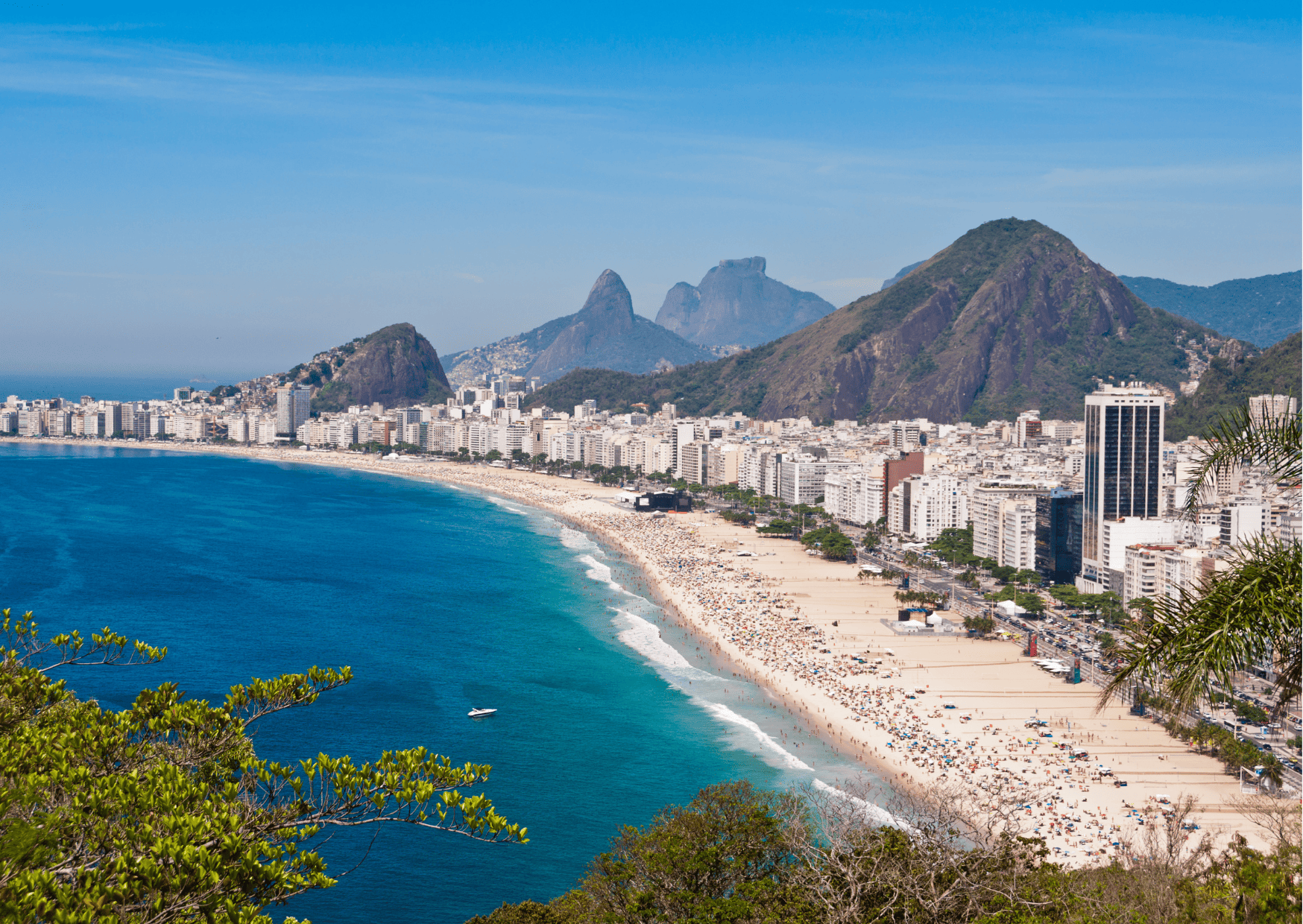
Why It’s Dangerous:
Rio is known for street crime, pickpocketing, and occasional armed robberies.
Travel Tips:
Avoid favelas unless on a guided tour.
Keep valuables out of sight and carry minimal cash.
Use hotel safes for passports and expensive items.
Mistakes to Avoid:
Visiting beaches at night.
Flashing expensive items like cameras or jewelry.
5. San Pedro Sula, Honduras

Why It’s Dangerous:
This city has one of the highest murder rates in the world due to gang violence and drug trafficking.
Travel Tips:
Avoid venturing outside tourist areas and traveling after dark.
Stay in secure accommodations with good reviews.
Use private, trusted transportation.
Mistakes to Avoid:
Ignoring local advice about safe and unsafe areas.
Taking unmarked taxis.
6. Kingston, Jamaica

Why It’s Dangerous:
Kingston faces issues with gang violence and high crime rates in certain neighborhoods.
Travel Tips:
Stick to tourist-friendly areas like Port Royal and New Kingston.
Travel with a local guide if visiting inner-city neighborhoods.
Avoid walking alone at night.
Mistakes to Avoid:
Wandering into neighborhoods like Trench Town or Tivoli Gardens without a guide.
Engaging in conversations with strangers offering deals.
7. St. Louis, Missouri, USA

Why It’s Dangerous:
St. Louis has a high violent crime rate, particularly in specific neighborhoods.
Travel Tips:
Avoid areas with high crime rates such as East St. Louis.
Stay in well-populated tourist areas like the Gateway Arch and Forest Park.
Avoid traveling alone at night.
Mistakes to Avoid:
Leaving belongings visible in cars.
Ignoring safety precautions in urban areas.
8. Karachi, Pakistan

Why It’s Dangerous:
Karachi has issues with political unrest, street crime, and terrorism.
Travel Tips:
Avoid political gatherings or demonstrations.
Stay in secure hotels with good reputations.
Use reputable car services for transportation.
Mistakes to Avoid:
Traveling without checking current political conditions.
Showing public displays of wealth.
9. Port Moresby, Papua New Guinea

Why It’s Dangerous:
The city has high rates of violent crime, including armed robberies and carjackings.
Travel Tips:
Use trusted guides or organized tours.
Avoid traveling alone, especially at night.
Stay in gated accommodations with security.
Mistakes to Avoid:
Ignoring local safety advice.
Walking in isolated areas.
10. Acapulco, Mexico

Why It’s Dangerous:
Acapulco has experienced increasing cartel-related violence and robberies in recent years.
Travel Tips:
Stick to the main tourist areas and well-reviewed hotels.
Avoid late-night outings or isolated beaches.
Use caution when withdrawing money from ATMs.
Mistakes to Avoid:
Driving on remote roads at night.
Associating with strangers offering deals or excursions.
11. Nairobi, Kenya

Why It’s Dangerous:
Known for petty crimes like pickpocketing and armed robberies.
Travel Tips:
Avoid slum areas like Kibera unless on a guided tour.
Use registered taxis or ride-hailing apps.
Keep valuables concealed and avoid public displays of wealth.
Mistakes to Avoid:
Walking alone at night in the city center.
Using unlicensed transport options.
12. Johannesburg, South Africa

Why It’s Dangerous:
High crime rates, including muggings and carjackings, particularly in certain neighborhoods.
Travel Tips:
Stick to tourist areas like Sandton and Melrose Arch.
Avoid public transportation and use ride-hailing apps or hotel transport services.
Be cautious in downtown Johannesburg after dark.
Mistakes to Avoid:
Walking alone in unfamiliar areas.
Leaving your car or valuables unsecured.
Why You Should Visit These “Dangerous” Cities
Many cities labeled as dangerous are also cultural powerhouses. They are often centers of music, art, food, and history that shaped entire regions. Their reputation for risk frequently overshadows their creative energy and deep-rooted traditions.
These cities tend to offer some of the most authentic travel experiences available. Because they are not always polished for tourism, daily life remains visible and unscripted. Travelers who value realism over perfection often find these destinations more meaningful than carefully curated resorts.
Cost is another major advantage. Destinations perceived as risky often have lower prices for housing, food, and transportation. This allows travelers to stay longer, explore more deeply, and support local businesses directly.
Visiting these cities can also challenge assumptions. Media coverage tends to focus on worst-case scenarios, ignoring ordinary life. Seeing how people work, socialize, and raise families in these environments builds empathy and global awareness.
Finally, these destinations reward preparation. Travelers who research neighborhoods, follow local advice, and stay alert often navigate safely. The sense of accomplishment that comes from traveling thoughtfully in complex places can be deeply satisfying.
Why You Might Want to Think Twice About Visiting
Safety concerns are not imaginary. In some cities, crime rates are genuinely higher, and risks can change quickly depending on location or time of day. Visitors who underestimate this reality may place themselves in vulnerable situations.
Infrastructure and emergency services may also be inconsistent. Healthcare access, transportation reliability, and law enforcement response times can vary widely. In serious situations, tourists may have limited support.
Stress is another factor. Constantly monitoring surroundings, avoiding certain areas, and managing uncertainty can be exhausting. Some travelers prefer destinations where relaxation comes more easily.
Cultural misunderstandings can increase risk. Tourists who appear unaware of local norms, display expensive belongings, or act carelessly may attract unwanted attention. Not everyone is comfortable adapting to these conditions.
Finally, ethical considerations matter. Tourism can sometimes worsen inequality or strain fragile communities. Visitors should consider whether their presence supports sustainable development or simply benefits outside businesses. For some travelers, choosing less volatile destinations feels more responsible.
Final Thoughts
The most dangerous cities in the world are not all dangerous in the same way. Some struggle with violent crime, others with theft, political instability, scams, transportation problems, or specific neighborhoods where visitors face greater risks. Treating them as one category can hide the differences that actually matter.
The smartest travelers do not rely on reputation alone. They look at current conditions, understand where problems are concentrated, choose accommodation carefully, and plan transportation before they arrive. Those decisions usually matter more than dramatic headlines.
It is also important to remember that danger and beauty can exist in the same place. A city can be culturally fascinating and still require serious caution. Recognizing one does not require denying the other.
Travel should challenge assumptions, but it should not require ignoring evidence. There is nothing adventurous about taking unnecessary risks simply to prove that warnings were exaggerated. Good judgment is not fear.
Ultimately, the best approach is informed confidence. Learn what the risks actually are, decide whether they fit your comfort level, and travel accordingly. If the conditions are acceptable, prepare well and enjoy the city. If they are not, there will always be another destination worth seeing.

About the Author: Ruben, co-founder of Gamintraveler.com since 2014, is a seasoned traveler from Spain who has explored over 100 countries since 2009. Known for his extensive travel adventures across South America, Europe, the US, Australia, New Zealand, Asia, and Africa, Ruben combines his passion for adventurous yet sustainable living with his love for cycling, highlighted by his remarkable 5-month bicycle journey from Spain to Norway. He currently resides in Spain, where he continues sharing his travel experiences with his partner, Rachel, and their son, Han.