
Walking is one of the simplest ways to explore a city, but not every destination makes it easy. Some cities are designed with cars in mind, leaving pedestrians to navigate unsafe streets, poor infrastructure, or overwhelming traffic. While a lack of walkability doesn’t always mean a city isn’t worth visiting, it does make getting around on foot far more challenging.
For travelers, walkability can shape the entire experience. A city that feels unsafe or inaccessible to pedestrians often pushes visitors toward expensive taxis or confusing public transport systems. Instead of discovering hidden corners on foot, tourists may find themselves stuck in traffic or limited to specific areas.
Highlighting the least walkable cities in the world isn’t about criticism alone it’s about awareness. By understanding the challenges these destinations face, travelers can prepare better, and city planners can hopefully work toward creating more inclusive, pedestrian-friendly spaces in the future.
Read here Best eSim for International Travel and Best Travel Insurance Comparison
BOOK YOUR TRAVEL INSURANCE
Two of our favorite travel insurance: Heymondo Vs Safetwing cheapest travel Insurance. You can get for $135 USD your Heymondo Travel Insurance with Heymondo discount code valid for 90 days. Read our full comparison of Genki vs Safetywing Travel Insurance Review and the comparison Heymondo vs Genki
Tips for Exploring These Cities
Plan Your Routes: Stick to pedestrian-friendly zones or neighborhoods where walking is safer and more enjoyable.
Use Public Transport: In cities with limited walkability, buses, metros, and ride-hailing apps can be your best bet.
Be Weather-Ready: Dress appropriately for extreme heat, humidity, or pollution.
Safety First: Avoid walking alone in unsafe areas, especially after dark. Use official taxis or trusted apps for secure transport.
The uncomfortable truth about modern travel is that some of the world’s most famous cities are surprisingly unpleasant to explore on foot. Travel influencers show beautiful skylines, impressive landmarks, and colorful neighborhoods, but rarely show the six-lane highways, missing sidewalks, dangerous intersections, or exhausting distances between attractions. A destination can look incredible on Instagram while being a nightmare for anyone who expects to walk everywhere. The problem is that many travelers confuse being an exciting city with being a walkable one.
One of the biggest controversies surrounding walkability is that cities built around cars often make pedestrians feel like second-class citizens. In places where highways dominate urban planning, crossing the street can become an obstacle course, and a restaurant that looks five minutes away on a map may require a twenty-minute detour. American travelers may recognize this problem from cities back home, but it can be especially frustrating when visiting unfamiliar destinations without a rental car. What looks like a convenient hotel location can suddenly become an expensive transportation mistake.
Another uncomfortable reality is that some cities prioritize tourism without making it easy for visitors to move around independently. Hotels advertise central locations, attractions promote nearby experiences, and travel guides suggest exploring neighborhoods, but the actual infrastructure may tell a different story. Visitors can find themselves walking beside fast-moving traffic, navigating poorly maintained sidewalks, or waiting for transportation simply to cross areas that seem close together. A destination can welcome millions of tourists while still offering an uncomfortable experience for pedestrians.
The debate becomes even more controversial when people argue that walkability is a luxury rather than a necessity. Some residents view driving as normal and consider walking long distances impractical, particularly in cities with extreme heat, heavy rain, steep terrain, or sprawling development. Others argue that safe sidewalks, reliable public transportation, and accessible streets should be basic requirements of urban life. The real issue is not whether everyone should walk everywhere, but whether people should have a realistic choice instead of being forced into a car for even the simplest journey.
Perhaps the biggest misconception is that a city with beautiful tourist areas must be walkable overall. A historic center, waterfront promenade, or pedestrian shopping district can create the illusion that the entire destination is easy to explore. Yet beyond those attractive pockets, the streets may become disconnected, uncomfortable, or unsafe for walking. Travelers need to understand that walkability is not a single characteristic shared by every neighborhood. The same city can offer a wonderful afternoon on foot and a completely frustrating experience just a few miles away.
Worst Walkable Cities In The World
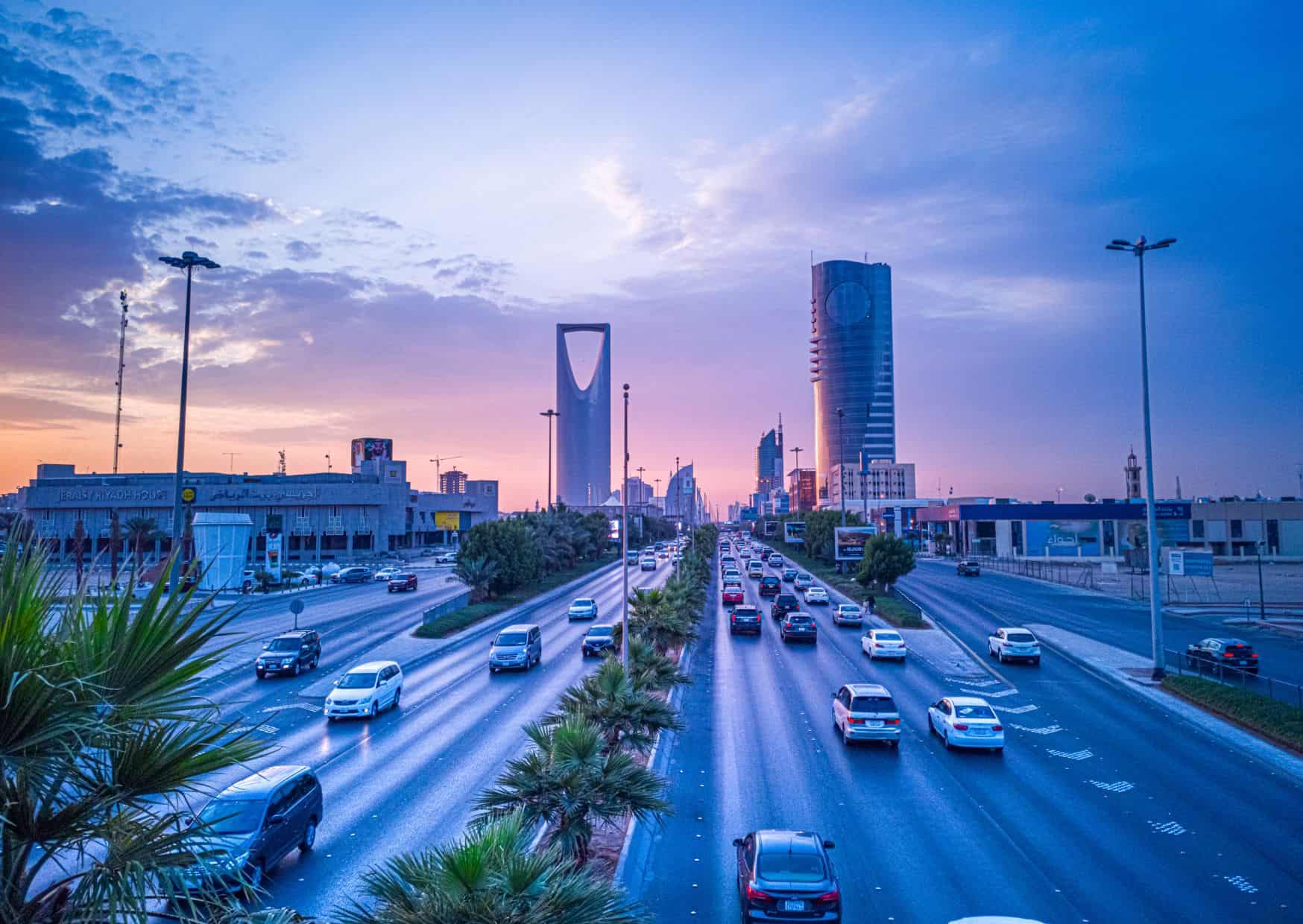
1. Riyadh, Saudi Arabia
Why It’s Not Walkable:
Riyadh is designed for cars, with wide highways and sprawling neighborhoods. Sidewalks are rare, and pedestrian crossings are minimal or unsafe.
Extreme heat, with summer temperatures often exceeding 40°C (104°F), makes walking impractical.
Travel Tip:
Rent a car or rely on rideshare apps like Uber. Stick to air-conditioned malls and indoor attractions during the hottest parts of the day.
2. Jakarta, Indonesia

The city suffers from chaotic traffic, poorly maintained sidewalks, and frequent flooding during the rainy season.
Sidewalks are often obstructed by street vendors or parked motorbikes.
Travel Tip:
Use the TransJakarta Bus Rapid Transit system or rideshare options like Gojek to navigate the city.
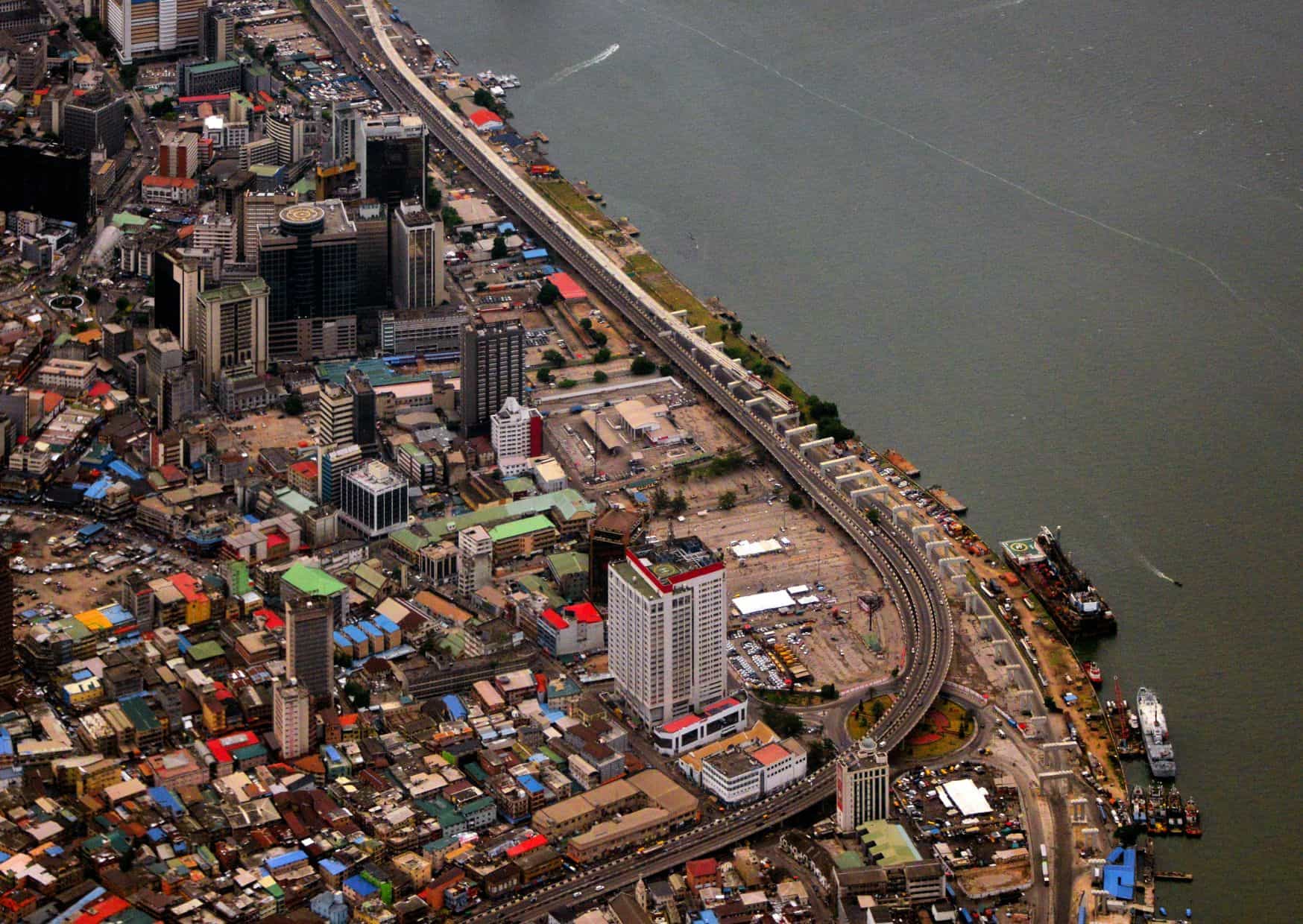
3. Lagos, Nigeria
Why It’s Not Walkable:
Pedestrian infrastructure is limited, and heavy traffic makes crossing streets dangerous.
Many roads lack sidewalks, and the city’s layout prioritizes vehicular travel.
Travel Tip:
Avoid walking during peak traffic hours. Opt for local guides or rideshare services to get around safely.
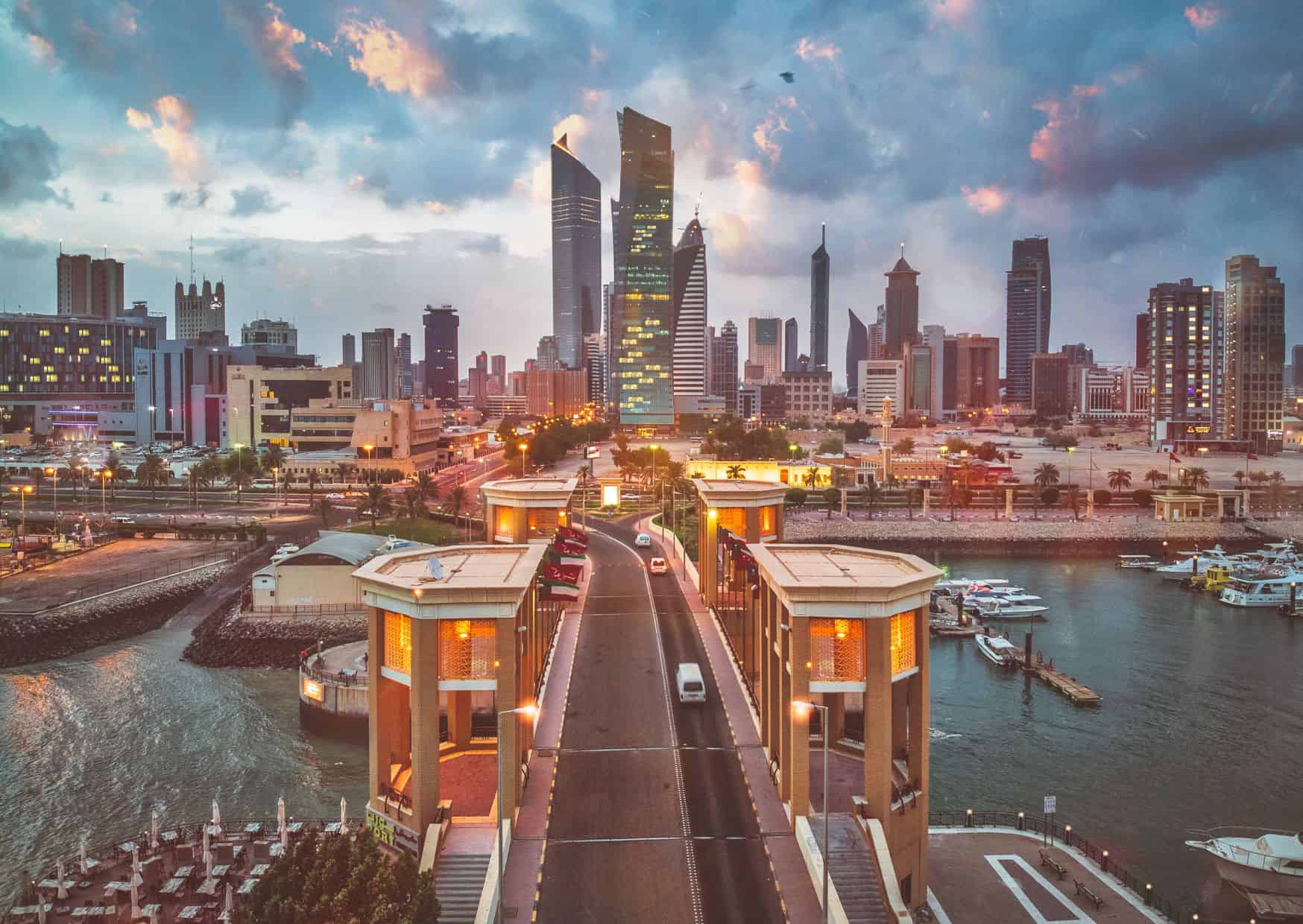
4. Kuwait City, Kuwait
Why It’s Not Walkable:
Designed primarily for vehicles, Kuwait City has few pedestrian-friendly zones.
Intense heat for much of the year makes walking uncomfortable.
Travel Tip:
Plan your itinerary to include indoor attractions and rely on taxis or rental cars for transportation.
5. Manila, Philippines
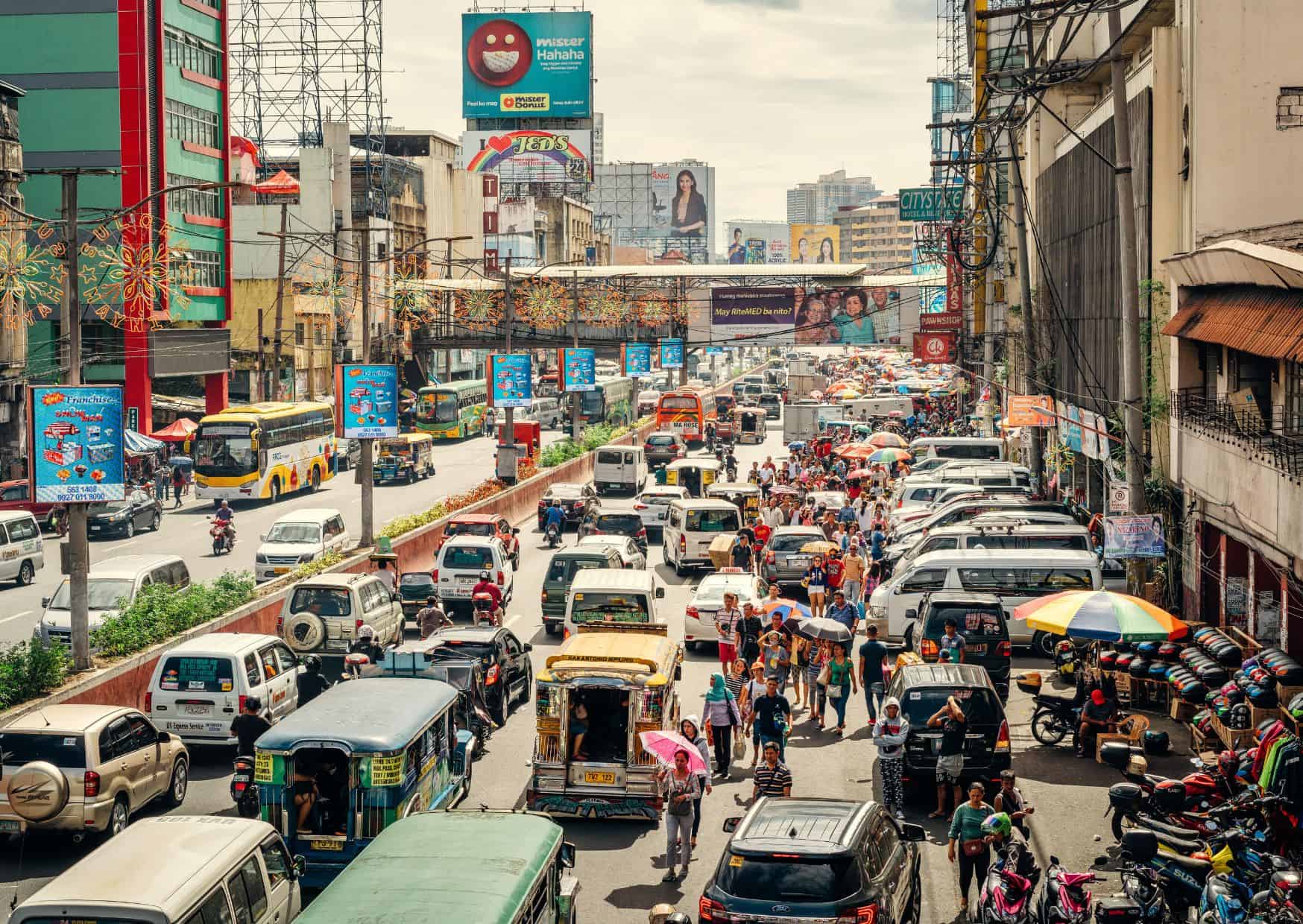
The city is plagued by narrow, uneven sidewalks that are often blocked by vendors or construction.
Traffic congestion and air pollution further deter walking.
Travel Tip:
Use public transportation like jeepneys or the MRT/LRT system, and wear comfortable, durable shoes if you must walk.
6. Cairo, Egypt

Many streets lack sidewalks, and pedestrian crossings are scarce. Traffic is chaotic, with little regard for pedestrians.
Dust and pollution add to the challenges of walking.
Travel Tip:
Walk only in tourist-heavy areas like Downtown Cairo or Zamalek. For longer distances, use Uber or hire a private driver.
7. Ho Chi Minh City, Vietnam

Why It’s Not Walkable Ho Chi Minh:
Motorbike traffic dominates the streets, and sidewalks are often used for parking or as extensions of shops.
Crossing the street can be daunting due to the constant flow of motorbikes.
Travel Tip:
Practice crossing streets slowly and confidently—traffic will weave around you. Consider guided walking tours for a safer experience.
8. Islamabad, Pakistan

Why It’s Not Walkable:
While clean and green, Islamabad is a car-centric city with large distances between attractions and limited pedestrian infrastructure.
Sidewalks are often absent outside the central areas.
Travel Tip:
Use taxis or ride-hailing apps like Careem to get around efficiently.
9. New Delhi, India

Why It’s Not Walkable:
Crowded streets, lack of sidewalks, and poor air quality make walking difficult.
Pedestrians often share roads with vehicles, carts, and animals, creating a chaotic environment.
Travel Tip:
Stick to specific tourist areas like Connaught Place or Lodhi Gardens for walking. Use metro services or tuk-tuks for longer distances.
10. Johannesburg, South Africa

Why It’s Not Walkable:
Safety concerns and a lack of continuous sidewalks make walking in many parts of Johannesburg impractical.
The city’s sprawling layout prioritizes driving over walking.
Travel Tip:
Avoid walking alone or after dark. Use private transport or guided tours to explore the city.
11. São Paulo, Brazil
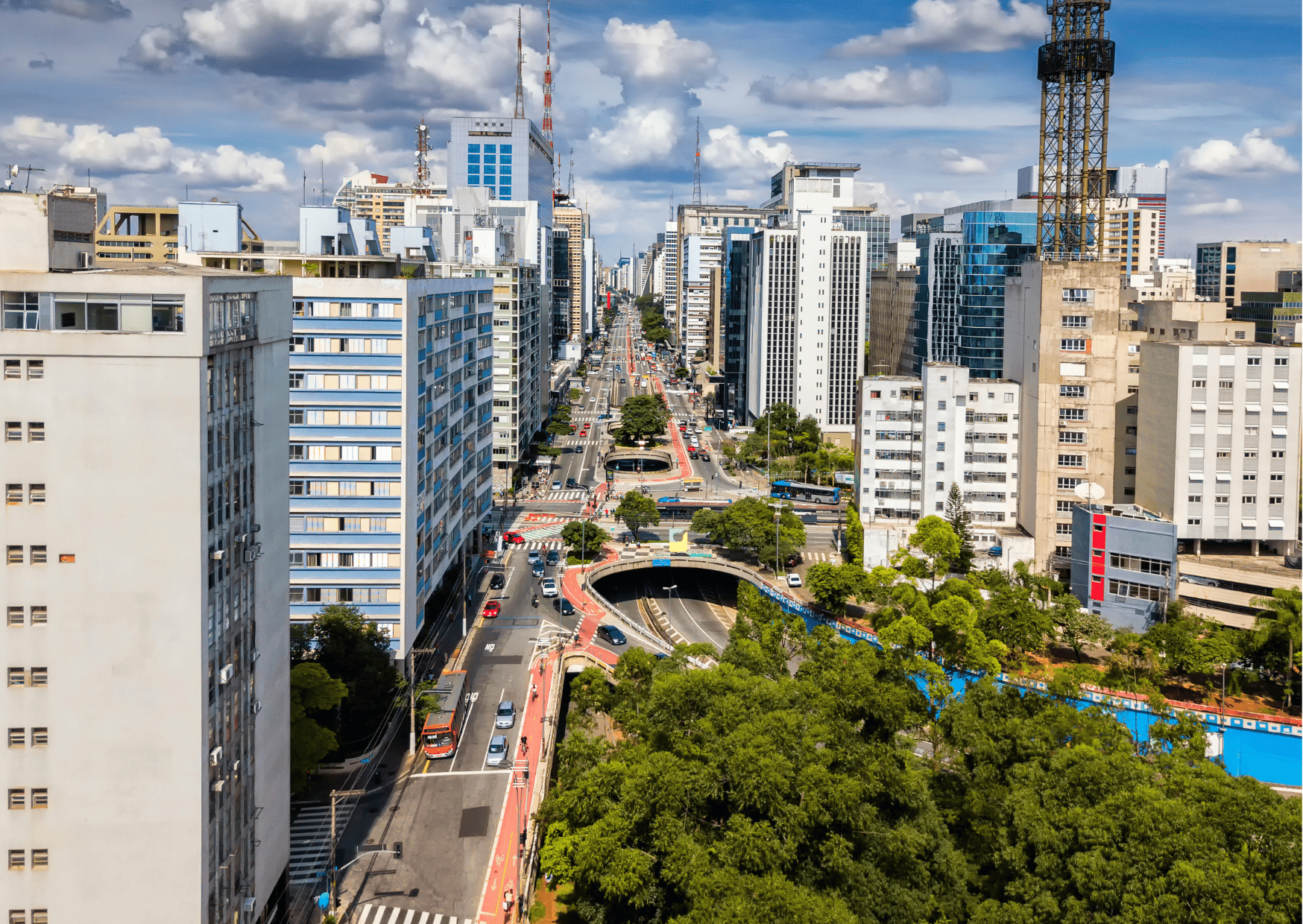
Why It’s Not Walkable Sao Paulo:
The city’s sprawling design, steep hills, and high traffic volume make walking challenging.
Sidewalks are often poorly maintained or blocked by vendors.
Travel Tip:
Stick to pedestrian-friendly areas like Avenida Paulista and Vila Madalena. Use the metro for efficient travel.
12. Doha, Qatar

Why It’s Not Walkable:
Extreme heat for much of the year discourages walking.
Pedestrian infrastructure is limited, and urban areas are designed with cars in mind.
Travel Tip:
Visit in the cooler months (November–February) and use taxis or the Doha Metro for getting around.
13. Mexico City, Mexico

Why It’s Not Walkable:
While some neighborhoods like Roma and Condesa are walkable, other parts of the city lack proper sidewalks and have heavy traffic.
Air pollution can make extended walks uncomfortable.
Travel Tip:
Walk in pedestrian-friendly zones and use the metro or buses for longer journeys.
14. Bangkok, Thailand

Why It’s Not Walkable:
Crowded streets, uneven sidewalks, and traffic make Bangkok challenging for pedestrians.
The heat and humidity add to the difficulty of walking long distances.
Travel Tip:
Explore walkable markets like Chatuchak or Asiatique, and use the BTS Skytrain for longer distances.
15. Nairobi, Kenya

Why It’s Not Walkable:
Nairobi lacks proper pedestrian infrastructure in many areas. Safety concerns and traffic congestion make walking a challenge.
Travel Tip:
Walk in safer, well-patrolled areas like Karura Forest or Nairobi Arboretum. Use taxis or rideshare services for city travel.
Why You Should Follow This Advice
You should take walkability warnings seriously because they can prevent one of the most frustrating travel mistakes: booking accommodation based on distance alone. A hotel may appear close to restaurants, beaches, or major attractions, but that does not mean you can reach them comfortably on foot. Busy roads, limited crossings, steep hills, and disconnected street networks can turn a short-looking journey into a daily inconvenience. Checking actual pedestrian routes before booking can save considerable time, money, and frustration.
Following this advice can also help protect your safety. Not every city has well-maintained sidewalks, clearly marked crossings, adequate street lighting, or drivers who consistently yield to pedestrians. Walking through unfamiliar areas at night or crossing major roads without proper pedestrian infrastructure can expose travelers to unnecessary risks. Understanding local conditions before setting out is not being overly cautious; it is being realistic about how different cities are designed.
Another important reason to pay attention is that transportation costs can destroy an otherwise affordable travel budget. Travelers sometimes book inexpensive hotels outside the main tourist areas, assuming they can walk everywhere and save money. Once they arrive, they discover that taxis, ride-hailing services, rental cars, or long public transportation journeys are necessary for nearly every outing. What appeared to be a bargain accommodation choice may end up costing more than staying somewhere better connected.
You should also follow this advice if you want to enjoy your vacation rather than spend it exhausted. Walking ten miles through charming European streets is very different from walking ten miles beside heavy traffic in extreme heat. The physical distance may be similar, but the experience is not. Planning transportation strategically allows you to save your energy for sightseeing, museums, food markets, beaches, and neighborhoods that are genuinely enjoyable to explore on foot.
Most importantly, understanding which cities are difficult to navigate on foot helps you choose destinations that match your travel preferences. Some travelers love road trips, rental cars, and sprawling cities with attractions spread across large areas. Others prefer compact historic centers where they can leave the hotel and spend the entire day exploring without transportation. Neither preference is wrong, but confusing the two can ruin a trip. Knowing what to expect allows you to plan a vacation around the experience you actually want.
Why You Shouldn’t Follow This Advice Blindly
You should not automatically avoid a city simply because it appears on a list of the world’s least walkable destinations. Walkability rankings often measure entire metropolitan areas, while tourists may spend most of their time in a relatively compact collection of neighborhoods. A sprawling city can still have beautiful pedestrian districts, lively waterfronts, excellent parks, and areas where walking is the best way to explore. Dismissing the entire destination because of its overall layout could mean missing some extraordinary experiences.
Another reason to be skeptical is that poor walkability does not necessarily make a destination bad for tourism. Cities known for impressive architecture, world-class museums, beautiful beaches, nightlife, and distinctive food cultures may still be worth visiting even when they require transportation between attractions. A city does not need to resemble Paris, Florence, or Amsterdam to offer an unforgettable vacation. Sometimes its appeal comes from places spread across a wider area rather than concentrated in one historic center.
Travelers should also remember that public transportation can compensate for limited walkability. Some destinations have extensive metro systems, buses, trams, or other transportation options that make getting around convenient without driving. A city may be difficult to cross entirely on foot while still being easy to experience using a combination of transit and short walks. Calling such a place impossible to explore without a car would be misleading. The important question is not simply whether a city is walkable, but whether its transportation options work for your itinerary.
It is also unfair to judge every city by the same standards. Geography, climate, population growth, historical development, and urban planning all influence how streets are designed. A city in a desert climate may encourage different daily routines than one in northern Europe, while a mountainous destination faces challenges that a flat city does not. These differences do not excuse dangerous pedestrian conditions, but they do help explain why walking is not equally practical everywhere. Travelers should distinguish between genuinely unsafe infrastructure and destinations that simply require a different approach.
Finally, do not let the idea of walkability become the only factor determining where you travel. Some of the world’s most memorable experiences involve taking a train into the mountains, driving along dramatic coastlines, exploring distant neighborhoods, or visiting attractions outside a city center. If you insist on walking everywhere, you may accidentally limit your travel experiences. The smartest approach is to recognize when walking makes a destination better and when other forms of transportation open up opportunities you would otherwise miss. A city does not have to be perfectly walkable to deserve a place on your travel list.
Final Thoughts
Walkability isn’t just about convenience it reflects how a city values its people. The worst walkable cities often reveal gaps in planning, safety, and inclusivity that can shape both daily life for residents and the experiences of visitors.
Still, even in car-dominated cities, there are ways to adapt. With preparation and flexibility, travelers can navigate challenges and still enjoy the cultural richness, food, and history these destinations have to offer. Sometimes, embracing the unexpected can even become part of the adventure.
In the end, identifying the least walkable cities isn’t about discouraging travel—it’s about promoting awareness. The more we talk about walkability, the more cities may feel pressure to improve. After all, a truly great city is one where everyone, resident or visitor, can explore freely and safely on foot.

About the Author: Ruben, co-founder of Gamintraveler.com since 2014, is a seasoned traveler from Spain who has explored over 100 countries since 2009. Known for his extensive travel adventures across South America, Europe, the US, Australia, New Zealand, Asia, and Africa, Ruben combines his passion for adventurous yet sustainable living with his love for cycling, highlighted by his remarkable 5-month bicycle journey from Spain to Norway. He currently resides in Spain, where he continues sharing his travel experiences with his partner, Rachel, and their son, Han.