
Cruises are sold as one of the easiest ways to see the world. You unpack once, wake up in a new destination, eat whenever you want, and let someone else handle the logistics. On paper, that sounds almost perfect. But the convenience comes with a trade-off that many travelers do not think about until they are already onboard: you are not really traveling through a place so much as moving between controlled, time-limited versions of it.
For travelers who value independence, spontaneity, and deeper cultural experiences, cruises can feel surprisingly restrictive. Port stops are often short, transportation is organized around the ship’s schedule, and entire days can revolve around boarding times rather than the destination itself. You may technically visit several countries in one week, but spend only a few hours in each one.
There is also the question of how much of the trip is designed around the destination versus the ship. Modern cruise ships increasingly function like floating resorts, complete with restaurants, shows, pools, casinos, shopping, and entertainment. For some travelers, that is exactly the appeal. For others, it can feel like the destination has become secondary to the onboard experience.
Cruises can also create a very specific kind of travel bubble. You eat with other passengers, join excursions with other passengers, and often arrive at ports at the same time as thousands of other people. That can make it harder to experience a place at its normal rhythm, especially in small coastal towns where a single ship can dramatically change the atmosphere for a few hours.
That does not mean cruises are objectively terrible. They can be convenient, social, and accessible for certain travelers. But if your idea of travel is about staying longer, wandering without a schedule, finding local restaurants, and letting a place unfold slowly, cruising may be one of the least satisfying ways to do it.
Read Here European Things that terrify Americans and American Habits that make Europeans Cringe
Read here how to pack for Europe and Best eSIM for Europe
BOOK YOUR TRAVEL INSURANCE
Two of our favorite travel insurance: Heymondo Vs Safetwing cheapest travel Insurance. You can get for $135 USD your Heymondo Travel Insurance with Heymondo discount code valid for 90 days. Read our full comparison of Genki vs Safetywing Travel Insurance Review and the comparison Heymondo vs Genki
Quick Easy Tips
Want convenience? Consider slow travel by train or multi-day small group tours where you actually explore destinations in depth.
Worried about cost? Cruises look cheap upfront but hide expenses (gratuities, excursions, drinks). Instead, try budget-friendly travel in countries like Portugal, Vietnam, or Mexico where your money goes farther.
Concerned about logistics? Use travel apps for seamless planning. Platforms like Rome2Rio, Google Flights, and Hostelworld make DIY travel easier than ever.
One controversial truth is that cruises can create the illusion of seeing a lot while actually experiencing very little. Visiting five countries in seven days sounds impressive, but a few hours in a port is not the same as spending time in a destination. You may see the highlights, but you often miss the ordinary parts of life that make a place feel real.
Another uncomfortable point is that cruise travel can encourage checklist tourism. Passengers may rush from one famous attraction to another, take photos, buy souvenirs, and return to the ship before dinner. There is nothing inherently wrong with that, but it can turn travel into collection rather than immersion.
There is also a tendency to call cruises “stress-free” when much of the stress has simply been transferred elsewhere. Instead of planning hotels and trains, you deal with embarkation, disembarkation, excursion timing, crowding, and the constant need to be back onboard before departure. The structure removes some decisions, but it also removes flexibility.
Another controversial point is that many cruise destinations are shaped around cruise traffic itself. Ports may fill with souvenir shops, standardized excursions, and businesses designed to process large numbers of short-stay visitors. That can make the experience feel less local and more commercial than travelers expect.
The bigger issue is that cruises often prioritize efficiency over depth. You see more places, but understand fewer of them. For travelers who value variety over immersion, that may be a fair trade. For travelers who want to know a destination rather than simply pass through it, it can feel deeply unsatisfying.
Reasons Why Cruises Are the Worst Way to Travel
1. Overcrowded and Overpriced

The Problem:
Modern cruise ships carry thousands of passengers, leading to long lines for dining, pools, and entertainment.
Hidden fees—including gratuities, WiFi, drinks, and specialty dining—can double the cost of your trip.
Overbooked excursions mean you’re often rushed through attractions.
What to Do Instead: Independent Island-Hopping or Road Trips
Explore Greece, Croatia, or Thailand by ferry at your own pace.
Take a Scenic Road Trip along coastal destinations (like California’s Pacific Coast Highway).
2. Minimal Time in Destinations
The Problem:
You typically spend only 5-8 hours in port, barely scratching the surface of each location.
Cruise stops are designed to keep tourists close to port shopping areas rather than letting them explore the real culture.
Most passengers don’t have time to experience authentic local life before heading back on board.
What to Do Instead: Slow Travel & City Stays
Stay at least a few days per destination to fully experience local culture.
Rent a local Airbnb or stay in a guesthouse to immerse yourself in daily life.
3. Overpriced Excursions and Fake ‘Cultural’ Experiences

The Problem:
Cruise lines inflate the price of excursions, sometimes 200-300% more than if booked independently.
Many “local experiences” are staged for tourists, missing authenticity.
You’re often rushed through major sites without time to explore properly.
What to Do Instead: DIY Excursions & Local Guides
Book tours directly with local operators for cheaper, more authentic experiences.
Use public transport or rent a bike to explore on your own schedule.
4. Environmental Disaster
The Problem:
Cruise ships dump sewage and waste into the ocean, harming marine life.
A single large cruise ship produces as much CO2 as 1 million cars per day.
Ports struggle with pollution, especially in destinations like Venice and the Caribbean.
What to Do Instead: Eco-Friendly Travel
Travel by train, sailboat, or electric car to reduce your carbon footprint.
Choose eco-lodges and sustainable hotels over massive floating hotels.
5. Risk of Illness and Disease

The Problem:
Cruises are notorious for outbreaks of norovirus and other stomach bugs due to close quarters.
COVID-19 highlighted how quickly illnesses spread on board.
Sanitation issues on mega-ships lead to health risks.
What to Do Instead: Outdoor Adventure Travel
Hiking trips, safaris, and beach vacations offer more fresh air and space.
Boutique hotels and remote lodges reduce the risk of mass illness exposure.
6. Mass Tourism & Cultural Exploitation
The Problem:
Cruise ships flood small towns with thousands of tourists at once, overwhelming local economies.
Locals rarely benefit from cruise tourism most money goes to the cruise company.
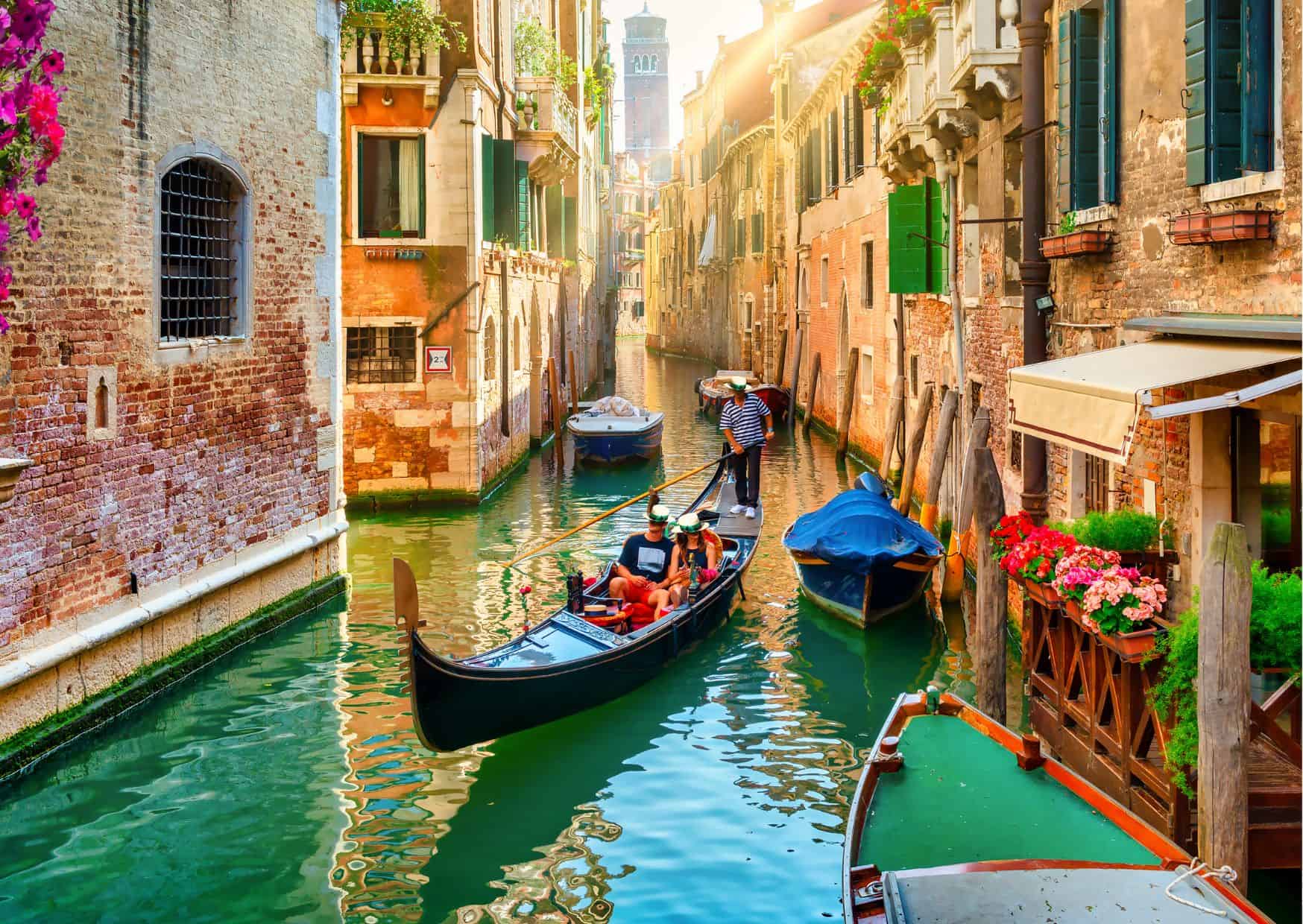
Some destinations, like Venice and Key West, have even banned or restricted cruises due to overtourism.
What to Do Instead: Travel Responsibly
Visit destinations in the off-season to support sustainable tourism.
Stay in locally owned hotels and eat at independent restaurants.
7. Limited Food Choices (and Questionable Quality)

The Problem:
Most cruise food is mass-produced and lacks authenticity.
Buffets lead to waste and excessive food consumption.
Even “fine dining” options on ships are rarely as good as local restaurants.
What to Do Instead: Culinary Travel Experiences
Take cooking classes with locals instead of eating cruise food.
Visit local street markets and family-run restaurants.
8. You’re Trapped on the Ship
The Problem:
If you don’t like the experience, you can’t leave until the cruise is over.
Days at sea can feel repetitive and boring.
Limited medical services make emergencies difficult to handle.
What to Do Instead: Flexible Land-Based Travel
Choose road trips, train journeys, or backpacking for freedom and variety.
Travel at your own pace if you don’t like a place, move on!
9. Hidden Fees and Upselling Everywhere

The Problem:
Cruises charge for everything WiFi, premium dining, alcohol, excursions, and gratuities.
What seems like a “cheap” cruise often ends up costing thousands.
Onboard casinos and shops push overpriced items onto tourists.
What to Do Instead: All-Inclusive Resorts or Boutique Hotels
Stay at an all-inclusive resort where food, drinks, and entertainment are included.
Book with transparent pricing so you know the total cost upfront.
10. Safety & Security Issues
The Problem:
Cruise ships are not well-monitored passenger-on-passenger crimes sometimes go unreported.
Poor emergency response if something happens at sea, help is far away.
Theft and scam risks in cruise ports are higher due to mass tourism.
What to Do Instead: Safer, Well-Monitored Destinations
Travel to well-regulated places with strong security policies.
Choose destinations with walkable, safe environments for independent travel.
Why You Should Care and Follow
You should care about these criticisms because cruise marketing can make the experience sound more flexible than it really is. Understanding the limitations before booking helps you decide whether the travel style actually matches your personality. If you hate schedules, crowds, or being rushed, that matters.
You should also care because your time in each destination is one of the most valuable parts of the trip. A port stop that lasts six or eight hours may look generous until you subtract the time needed to disembark, travel into town, return to the port, and board again. The usable time can shrink quickly.
There is also a financial reason to pay attention. The advertised fare may not reflect the full cost once gratuities, drinks, specialty dining, excursions, Wi-Fi, transportation, and other extras are added. Comparing the final price with an independent trip can produce a very different picture than comparing the base fare alone.
Following this advice can also lead to better destination experiences. If you choose to spend more time in fewer places, you can stay overnight, eat where locals eat, explore neighborhoods after day-trippers leave, and experience the destination at different times of day.
Most importantly, thinking critically about cruises helps you define what you actually want from travel. If the goal is rest, entertainment, and convenience, a cruise may work well. If the goal is discovery, flexibility, and deeper cultural immersion, another travel style may fit better.
Why You Should Not Care and Follow Too Much
At the same time, you should not reject cruises simply because they are not the deepest form of travel. Not every trip needs to be immersive. Sometimes people want to relax, enjoy good food, spend time with family, and see several destinations without dealing with constant logistics.
Cruises can also be practical for travelers with specific needs. Older travelers, multigenerational families, or people who prefer predictable transportation and accommodation may find cruising easier than moving between hotels, trains, and airports.
You should also avoid assuming that every cruise experience is identical. Smaller ships, expedition cruises, river cruises, and longer port stays can feel very different from massive resort-style vessels. Some itineraries offer much more time and access than others.
It is also possible to travel independently within a cruise itinerary. You do not always need to join organized excursions. With careful planning, you can sometimes explore on your own, eat locally, and avoid the most commercialized options.
Ultimately, the criticism should help you choose more carefully, not force you into one travel philosophy. If you understand the trade-offs and still prefer cruising, there is nothing wrong with that.
Final Thoughts
Cruises are not automatically the worst way to travel, but they can be the wrong way to travel for people who value depth, flexibility, and independence. The convenience is real, but so are the limitations.
The biggest trade-off is time. You may visit more destinations, but you usually experience each one in a narrow window. That can make the trip feel efficient while still leaving you with only a surface-level impression.
For some travelers, that is enough. They want variety, comfort, and an easy vacation. For others, the short port stops and structured schedule will always feel too restrictive.
The smartest approach is to stop asking whether cruises are good or bad and start asking what kind of traveler you are. If you want the ship to be part of the destination, cruising can be enjoyable. If you want the destination itself to be the focus, you may be happier traveling independently.
Ultimately, the best travel style is the one that matches your priorities. Cruises offer convenience, predictability, and entertainment. Independent travel offers freedom, depth, and spontaneity. Knowing which of those matters more to you is far more useful than following anyone else’s definition of the “right” way to travel.

About the Author: Ruben, co-founder of Gamintraveler.com since 2014, is a seasoned traveler from Spain who has explored over 100 countries since 2009. Known for his extensive travel adventures across South America, Europe, the US, Australia, New Zealand, Asia, and Africa, Ruben combines his passion for adventurous yet sustainable living with his love for cycling, highlighted by his remarkable 5-month bicycle journey from Spain to Norway. He currently resides in Spain, where he continues sharing his travel experiences with his partner, Rachel, and their son, Han.