
France can feel easy to understand from the outside because so much of its culture is familiar through movies, food, fashion, and travel. But daily life often runs on a set of unwritten social rules that visitors only notice after they accidentally break one. These rules are rarely posted on signs, yet they shape how people greet each other, behave in shops, interact in restaurants, use public spaces, and decide when formality is appropriate.
One of the biggest surprises for Americans is that French politeness does not always look like American friendliness. In the United States, warmth is often expressed through casual conversation, quick familiarity, smiling, and direct service. In France, courtesy may begin with a proper greeting, a more restrained tone, and a greater respect for social distance. If you skip those signals, an interaction can feel colder than expected even when nobody intends to be rude.
The rules also extend far beyond greetings. Meal times, table manners, dress, noise levels, personal space, shopping etiquette, and even the way people ask for help can carry social meaning. Someone who understands these rhythms may move through France almost effortlessly, while someone who ignores them may constantly feel that people are reacting strangely.
This is what makes French life so interesting. The rules are not necessarily strict in the legal sense, but they are powerful because they are reinforced socially. People notice when someone skips a greeting, speaks too loudly, rushes a meal, or treats every interaction as purely transactional. These small details can influence how welcome or awkward a visitor feels.
The goal is not to memorize France like an etiquette manual. It is to recognize that daily life operates according to a different social rhythm. Once you understand the broad patterns, many interactions that once seemed confusing begin to make much more sense.
Read here Common Mistakes to avoid in France, France Sim Card for Tourists and 28 Things to Know Before Visiting France
BOOK YOUR TRAVEL INSURANCE
Two of our favorite travel insurance: Heymondo Vs Safetwing cheapest travel Insurance. You can get for $135 USD your Heymondo Travel Insurance with Heymondo discount code valid for 90 days. Read our full comparison of Genki vs Safetywing Travel Insurance Review and the comparison Heymondo vs Genki
Tips for Navigating French Life
Learn Basic Phrases: A little French goes a long way greet people with “Bonjour” and thank them with “Merci.”
Be Observant: Watch how locals behave and adapt accordingly.
Embrace the Culture: Slow down, enjoy the food, and savor the unique French way of life.
Respect Personal Space: Don’t interpret reserved behavior as unfriendliness it’s just the French way.
Always greet shopkeepers with “Bonjour” before saying anything else it’s considered rude not to.
Don’t smile at strangers on the street. Unlike in the U.S., it’s not a cultural norm and may be misinterpreted.
Dress neatly, especially in Paris. Casual outfits can mark you instantly as a tourist.
Avoid discussing money or asking what someone does for a living it’s considered impolite.
Eat quietly in public. Loud conversations or eating on the go are generally frowned upon.
One controversial truth is that French people are often labeled rude when they may simply be following a different model of politeness. Americans sometimes expect enthusiasm, constant smiling, and immediate friendliness from service staff or strangers. French interactions can be more formal and restrained, especially at the beginning. What one culture sees as coldness, another may see as appropriate distance.
Another uncomfortable point is that tourists often expect France to adapt to them because the country is so accustomed to international visitors. But heavy tourism does not erase local expectations. A shopkeeper may still expect a greeting, a waiter may still follow a slower service rhythm, and a local may still consider loud public behavior intrusive even if tourists do it constantly.
There is also a tendency to interpret unwritten rules as unnecessary snobbery. Some travelers see formality around greetings, dress, or dining as pretentious. But these habits often function as social shorthand. They tell people how to acknowledge one another, how much familiarity is appropriate, and how to move through shared spaces without creating unnecessary friction.
Another controversial point is that many Americans value efficiency more than ritual. They want quick service, direct answers, and minimal ceremony. French social life can sometimes place more value on the interaction itself. A greeting, a meal, or a conversation may take longer because the process matters, not just the result. That difference can feel inefficient if you are used to treating time as something that should always be optimized.
The bigger lesson is that unwritten rules are not uniquely French. Every culture has them. Americans have their own expectations about tipping, personal space, customer service, punctuality, and casual friendliness. The only reason French rules feel more noticeable is that visitors are stepping outside the system they already know.
Unspoken Rules of French Life
1. Always Greet with a “Bonjour”

What to Know:
Saying “Bonjour” (or “Bonsoir” in the evening) before starting a conversation is essential, whether you’re entering a shop or addressing a stranger.
Why Tourists Don’t Get It:
Visitors may jump straight into a question or request without greeting, which can come across as rude in France.
2. Don’t Smile at Strangers
What to Know:
Smiling at strangers in France is reserved for specific contexts. A smile can sometimes be interpreted as flirtation or insincerity.
Why Tourists Don’t Get It:
In cultures where smiling at strangers is a norm, the French reserved demeanor might seem cold.
3. Meals Are Sacred and Long

What to Know:
Meals, especially lunch and dinner, are leisurely affairs. People take their time to enjoy food and conversation.
Why Tourists Don’t Get It:
Visitors expecting quick service might misinterpret the relaxed pace as inattentiveness.
4. Don’t Ask for Tap Water Without Saying “Carafe d’Eau”

What to Know:
Free tap water is available, but you must explicitly ask for a “carafe d’eau.” Bottled water is often the default.
Why Tourists Don’t Get It:
Tourists might feel pressured to pay for water when they could easily request a carafe for free.
5. Tipping Is Minimal

What to Know:
Service is included in restaurant bills, so tipping is optional and typically small (1–2 euros or rounding up).
Why Tourists Don’t Get It:
Tourists from tipping cultures may over-tip, which is unnecessary in France.
6. Quiet Is Respected
What to Know:
Loud behavior in public spaces, especially on public transport, is frowned upon. Quiet conversation is the norm.
Why Tourists Don’t Get It:
Visitors from noisier cultures may inadvertently draw unwanted attention by speaking loudly.
7. The Customer Isn’t Always Right
What to Know:
In France, customer service focuses on mutual respect rather than the “customer is always right” approach.
Why Tourists Don’t Get It:
Tourists may feel the service is brusque or unhelpful, but directness is a cultural norm.
8. Cheek Kisses Are a Thing

What to Know:
The French often greet close acquaintances with cheek kisses (bises). The number varies by region (usually two or three).
Why Tourists Don’t Get It:
Visitors might feel unsure whether to shake hands, kiss, or simply wave, leading to awkward greetings.
9. Public Displays of Affection Are Normal
What to Know:
Couples openly kiss and embrace in public, even in busy urban areas.
Why Tourists Don’t Get It:
Some tourists might find this level of intimacy surprising or uncomfortable.
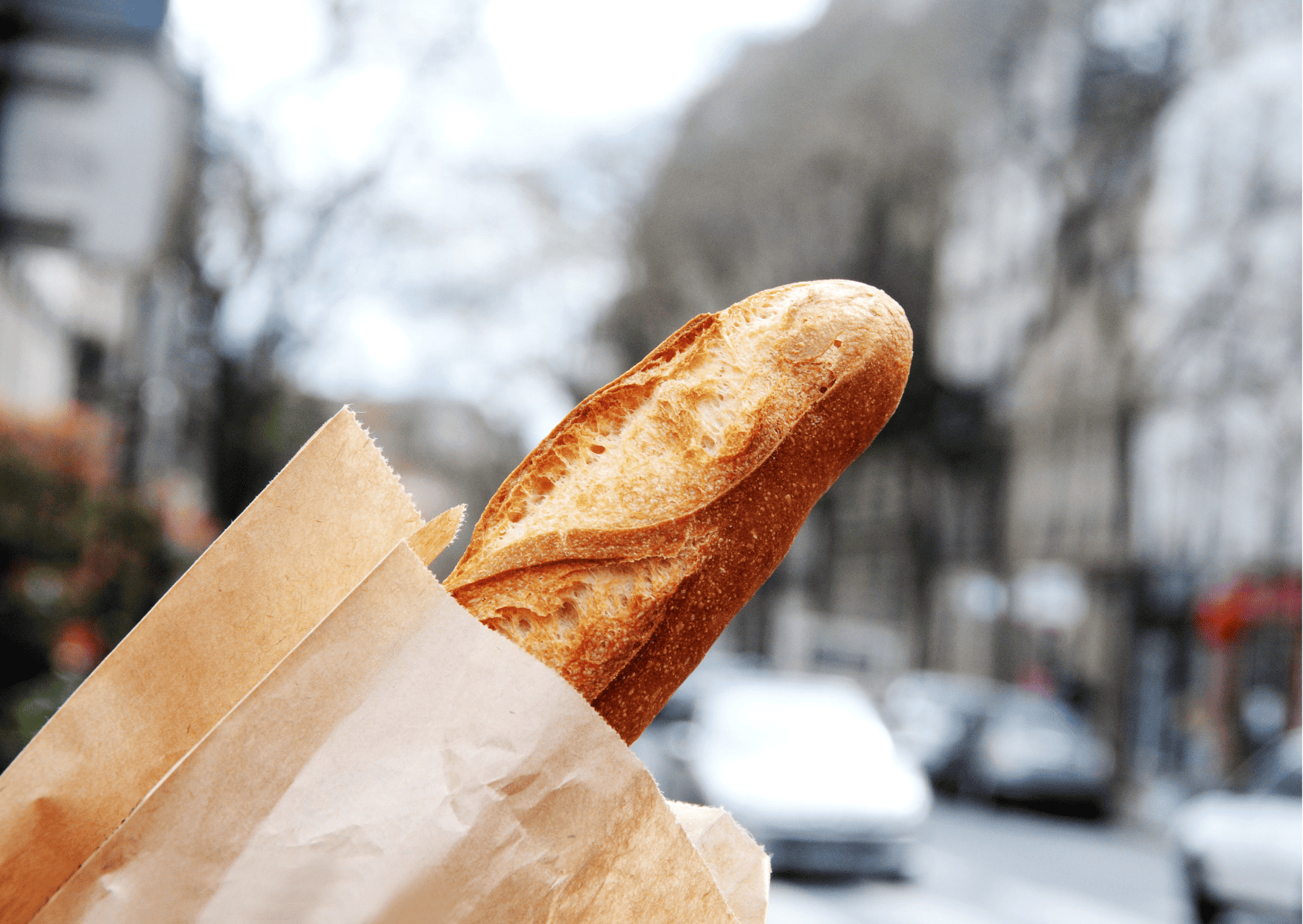
10. Bread Is Essential but Has Its Rules
What to Know:
Bread accompanies meals but is not meant to be eaten as an appetizer. It’s used to complement the main course or mop up sauces.
Why Tourists Don’t Get It:
Visitors might eat the bread as a starter, which is uncommon in France.
11. Sundays Are for Relaxation
What to Know:
Most shops and businesses are closed on Sundays, and the day is often spent with family or leisurely activities.
Why Tourists Don’t Get It:
Tourists expecting bustling cities on Sundays may be surprised by the quiet streets.
12. Dressing Well Is a Form of Politeness

What to Know:
Appearance matters in France, and dressing well shows respect for others.
Why Tourists Don’t Get It:
Tourists in overly casual attire (like gym clothes or flip-flops) may feel out of place.
13. Don’t Rush Through a Market
What to Know:
At markets, customers are expected to greet vendors, browse thoughtfully, and wait their turn.
Why Tourists Don’t Get It:
Visitors might treat markets like supermarkets, grabbing items quickly without engaging with the vendors.
14. Avoid Small Talk with Strangers
What to Know:
Casual conversations with strangers are uncommon, except in specific situations like social gatherings.
Why Tourists Don’t Get It:
Visitors from small-talk-heavy cultures might find the French reserved or distant.
15. Time Is Flexible, Except When It’s Not
What to Know:
Social events and personal plans often have a relaxed approach to time, but punctuality is crucial for business or formal appointments.
Why Tourists Don’t Get It:
Tourists might arrive late to a meeting or too early for a casual gathering, misunderstanding the context of time.
Why You Should Care and Follow
You should care because following a few basic French social rules can noticeably improve your interactions. Starting with a greeting, using a polite tone, and acknowledging the person before asking for something can make everyday exchanges feel much smoother. These small habits show that you understand you are interacting with a person, not just completing a transaction.
You should also care because following local etiquette can prevent misunderstandings. If you know that restaurant service may be less intrusive, you are less likely to assume the waiter is ignoring you. If you know that people may speak more quietly in public, you can adjust without feeling criticized. Understanding the pattern reduces frustration.
There is also a practical benefit. Travelers who adapt to local rhythms often find shops, restaurants, hotels, and neighborhood interactions easier to navigate. The rules are not guarantees of special treatment, but they help remove the social friction that comes from mismatched expectations.
Following these habits can also deepen your experience of France. Instead of observing the country only through landmarks and food, you begin to understand how daily life actually works. The way people greet, eat, dress, and communicate reveals just as much about the culture as museums or monuments.
Most importantly, caring about these rules shows respect. You do not need to agree with every custom or adopt it permanently, but making an effort says that you recognize you are entering someone else’s social environment. That attitude generally travels well anywhere.
Why You Should Not Care and Follow Too Much
At the same time, you should not become obsessed with performing French etiquette perfectly. Most people understand that visitors come from different cultural backgrounds, and small mistakes are normal. A forgotten greeting or awkward phrase is rarely a disaster if your overall attitude is respectful.
You should also remember that France is not culturally uniform. Behavior varies by region, generation, personality, profession, and social setting. What feels formal in Paris may feel different in a smaller town, and what older people expect may not match how younger people interact. Broad rules are helpful, but they are not absolute.
It is also important not to follow a rule simply because someone online claims “the French always do this.” Cultural advice can easily become exaggerated. Some habits are common, some are regional, and some are stereotypes repeated so often that they start sounding like laws.
You should not suppress your own personality either. Adapting does not mean becoming stiff or artificial. You can remain warm, friendly, and direct while respecting the local style. The goal is awareness, not imitation.
Ultimately, follow the rules that help interactions feel respectful and natural, but do not turn them into a source of anxiety. Good judgment matters more than perfect performance. If you are polite, observant, and willing to adjust, you are already doing most of what matters.
Final Thoughts
The unspoken rules of French life are interesting because they reveal how much culture exists beneath the surface. A simple greeting, a quieter voice, a slower meal, or a more formal opening can communicate things that visitors may not immediately notice.
Once you understand those signals, France often feels less mysterious. Interactions that once seemed cold or confusing begin to look more structured. What initially felt like unnecessary formality starts to make sense as part of the social rhythm.
The key is to avoid judging everything by American standards. French life is not trying to reproduce American service, communication, or convenience. It has its own priorities, and understanding them makes the experience richer.
At the same time, there is no need to romanticize every rule. Some habits will appeal to you, others will feel unnecessary, and a few may never make sense. That is normal. Cultural understanding does not require agreement.
Ultimately, the best way to navigate French life is to observe, greet people properly, respect the setting, and stay flexible. You do not need to become French. You only need to understand enough of the unwritten rules to stop fighting the culture and start enjoying it.

About the Author: Ruben, co-founder of Gamintraveler.com since 2014, is a seasoned traveler from Spain who has explored over 100 countries since 2009. Known for his extensive travel adventures across South America, Europe, the US, Australia, New Zealand, Asia, and Africa, Ruben combines his passion for adventurous yet sustainable living with his love for cycling, highlighted by his remarkable 5-month bicycle journey from Spain to Norway. He currently resides in Spain, where he continues sharing his travel experiences with his partner, Rachel, and their son, Han.