
(And Why That Willingness Might Explain a Lot About Lifestyle, Resilience, and Priorities)
One of the biggest culture shocks Americans experience in Europe has nothing to do with language, food, or etiquette. It is physical comfort. Many Americans are used to air-conditioned homes, elevators, large cars, dryers, wide roads, spacious bathrooms, soft mattresses, and an everyday environment designed to reduce inconvenience wherever possible. In many parts of Europe, people are much more accustomed to walking farther, climbing stairs, carrying groceries, tolerating warmer indoor temperatures, and accepting that not every aspect of daily life needs to be optimized for maximum comfort.
That difference can feel surprisingly intense when you first arrive. A hotel room without strong air conditioning, a fifth-floor apartment with no elevator, a long walk from the train station, or an old building with narrow stairs can quickly become frustrating if you are not used to it. Europeans may barely notice the inconvenience because it is built into normal life, while American visitors can experience the same situation as something that needs to be fixed immediately.
The contrast is partly about infrastructure. Many European cities developed long before cars, central air conditioning, and modern conveniences became standard. Historic neighborhoods were built for walking, older buildings were not designed around elevators, and small apartments often prioritize location over space. Over time, residents adapt to those conditions and build routines around them rather than expecting every environment to eliminate physical effort.
There is also a cultural element. In the United States, convenience is often treated as a sign of progress. Faster service, easier parking, climate-controlled spaces, drive-through options, and technology that removes effort are usually seen as improvements. In Europe, convenience matters too, but there is often more tolerance for inconvenience if it comes with other benefits such as walkable neighborhoods, historic architecture, public transportation, or lower reliance on cars.
None of this means Europeans enjoy discomfort or Americans are weak. The real difference is often what each culture considers normal enough not to complain about. That gap becomes very obvious when people travel, because the physical routines they never questioned at home suddenly feel completely different.
Want More Deep Dives into Everyday European Culture?
– Why Europeans Walk Everywhere (And Americans Should Too)
– How Europeans Actually Afford Living in Cities Without Six-Figure Salaries
– 9 ‘Luxury’ Items in America That Europeans Consider Basic Necessities
One controversial truth is that modern American life is unusually optimized for comfort. Many people can move from an air-conditioned house to an air-conditioned car, work in an air-conditioned office, shop in climate-controlled stores, and return home without spending much time outside. That level of environmental control is convenient, but it also means relatively small discomforts can feel more noticeable when travelers encounter them abroad.
Another uncomfortable point is that some European lifestyles naturally include more low-level physical activity. Walking to shops, carrying groceries, climbing stairs, standing on public transportation, and navigating old city streets may not be viewed as exercise because they are simply part of the day. Americans often separate physical activity into a scheduled workout, while Europeans in walkable places may accumulate movement without thinking about it in the same way.
There is also a tendency to assume that eliminating discomfort is always better. Sometimes it is. Air conditioning can be essential during dangerous heat, elevators improve accessibility, and modern infrastructure can make life easier for older adults and people with disabilities. But not every inconvenience is automatically a problem. Walking an extra kilometer, carrying a bag, or taking the stairs can simply be part of daily movement rather than something that needs to be engineered away.
Another controversial point is that tourists often criticize European infrastructure without considering what they gain in exchange. A historic apartment without an elevator may be inconvenient, but it may place you in the center of a neighborhood where almost everything is within walking distance. A small bathroom may feel cramped, but the surrounding city may be designed so well that you barely need a car. Comfort and convenience are not always distributed in the same way.
The bigger lesson is that comfort is cultural. People adapt to the environment they know, and what feels unacceptable in one place can feel routine somewhere else. Once you recognize that, the Europe-America divide becomes less about who has the better system and more about what each society chooses to prioritize.
1. No Air Conditioning in Summer
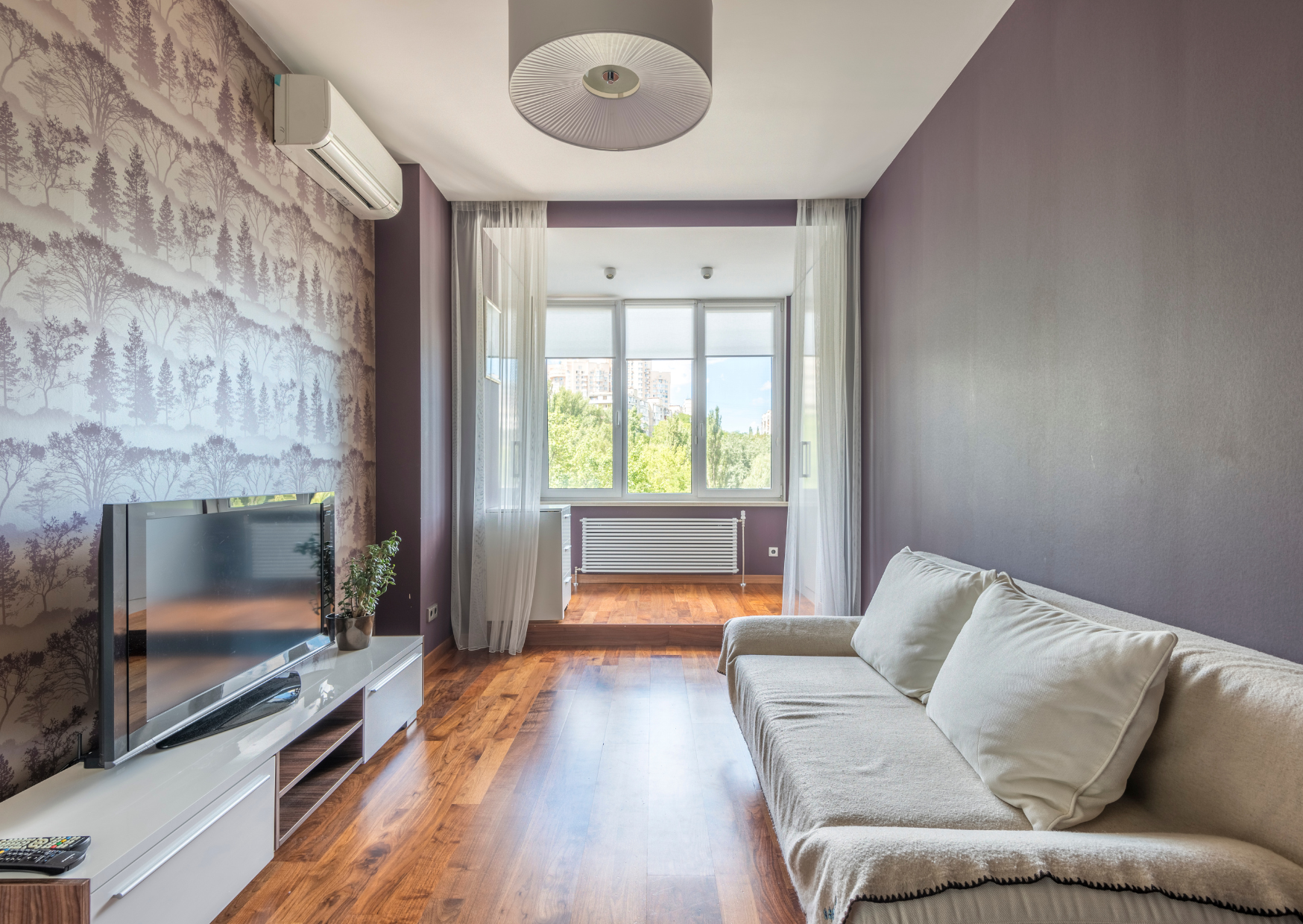
In much of Europe, air conditioning is either rare, inefficient, or absent altogether. Even during brutal August heatwaves, many locals endure it with fans, shutters, and cold water.
- Older buildings were not designed for central air, and many towns restrict exterior units for aesthetic reasons.
- Locals rely on time-tested techniques: closing blinds at midday, airing out homes at dawn, and adjusting their routines.
- People nap, slow down, and sweat—without turning every room into a meat locker.
While Americans blast AC to create a constant 70-degree environment, Europeans accept seasonal discomfort. It is not enjoyable but it is normal.
2. Icy Apartments in Winter

Likewise, in the colder months, European homes can feel chilly compared to American standards.
- Central heating is often controlled by the building, not the individual.
- Rooms are heated sparingly to save energy.
- Rather than heating large spaces, Europeans layer up indoor sweaters, thick socks, and thermal underlayers are common.
It is not unusual for a living room to feel brisk until evening, or for a bathroom to be cold in the morning. Comfort comes from adaptation, not constant temperature control.
3. Hard Beds and Thin Pillows
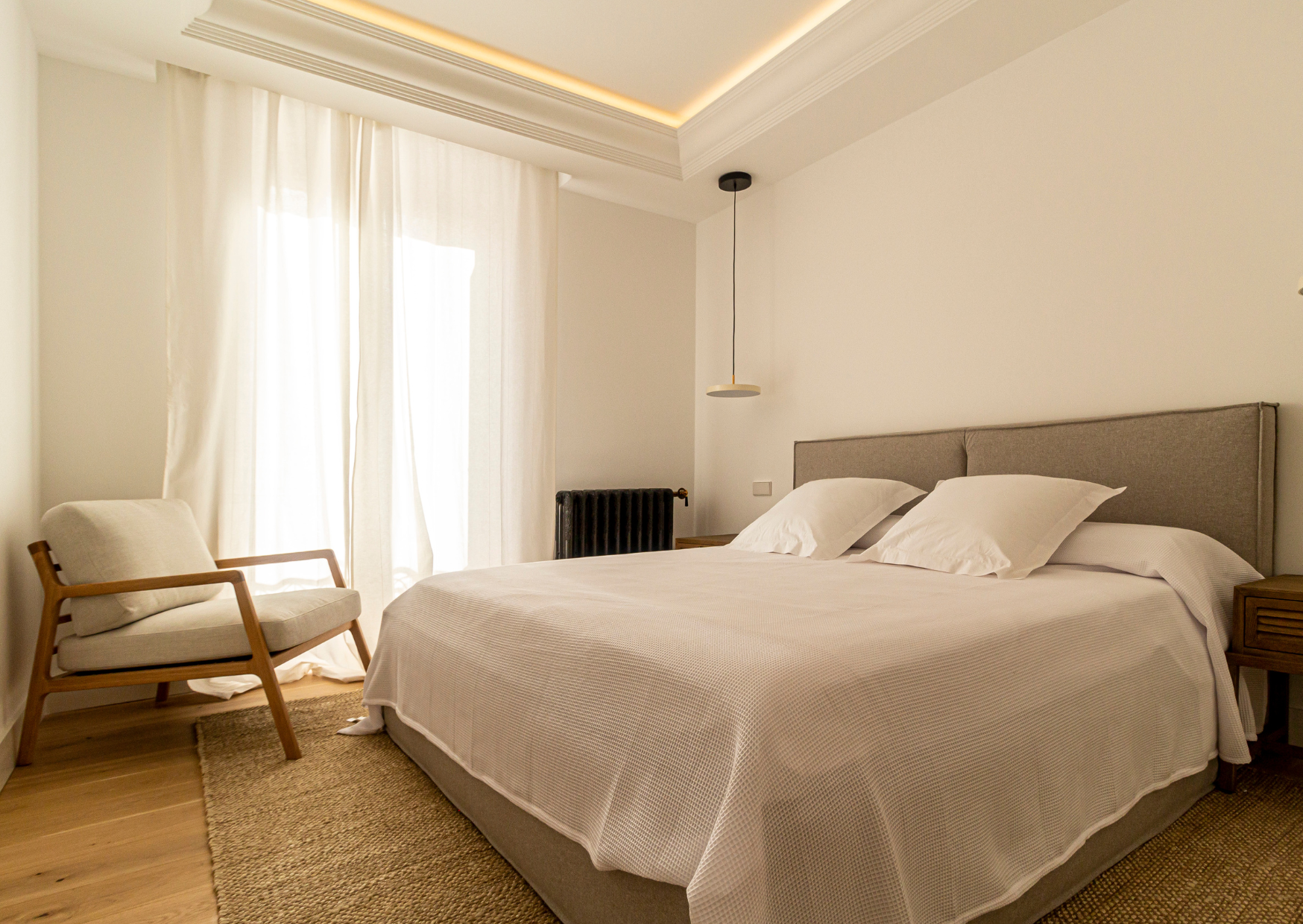
Many Americans prize soft, plush bedding. Memory foam. Pillow-top mattresses. Multiple pillows. The European bed, in contrast, is often described by visitors as “firm,” “minimal,” or simply “unforgiving.”
- Mattresses are firmer and often less thick.
- One pillow per person is the standard.
- Duvets provide warmth, but the sleeping surface itself is designed for posture, not indulgence.
This is not neglect it is preference. Comfort, in this case, is understood as functional, not luxurious. For Europeans, sleep quality often comes from silence, darkness, and routine not softness.
4. Long Walks Everywhere
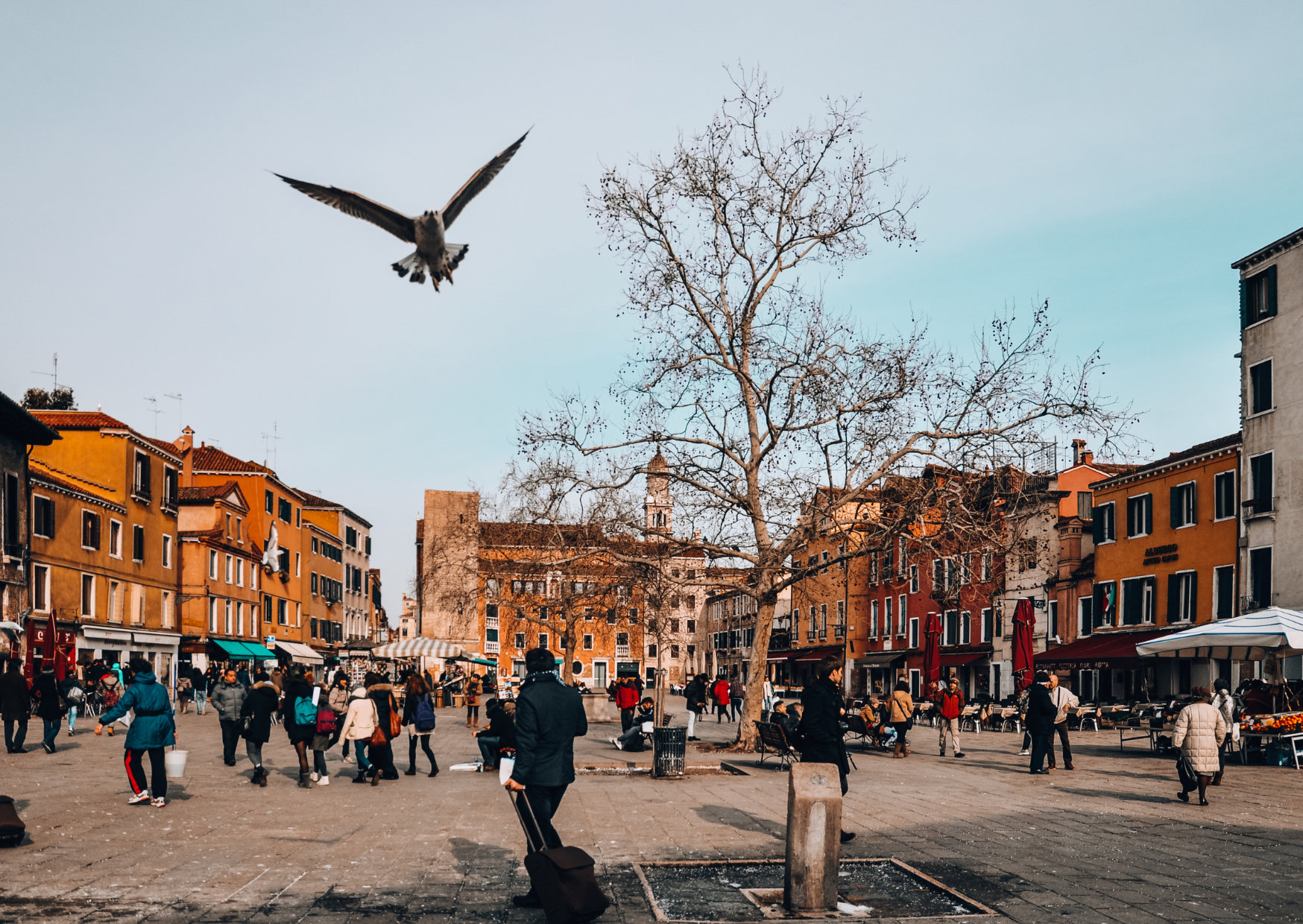
Walking is not just tolerated in European cities it is expected.
- Grocery shopping involves walking home with bags.
- Public transport often includes walking 10 to 15 minutes on each end.
- Elevators are rare in older buildings. Stairs are standard.
Americans may see this as exhausting or inefficient. Europeans see it as normal movement. It is baked into daily life, reducing the need for scheduled workouts. You do not walk for fitness. You walk because it is how the city works.
5. No To-Go Mentality

Getting food or drink “to-go” is less common in Europe, and sometimes even frowned upon. Coffee is enjoyed at the counter. Lunch is eaten sitting down. Meals are not rushed, nor are they portable.
- Many cafés will not offer to-go cups unless asked.
- Taking food on the street can look sloppy or impatient.
- Even ice cream is meant to be enjoyed on a bench, not in the car.
For Americans, the inability to “grab and go” feels inefficient. For Europeans, the act of slowing down is part of the pleasure even if it means being slightly late or slightly hungry.
6. Shared Personal Space
Europeans tolerate less physical space than Americans are used to.
- Sidewalks are narrower. Trains are crowded. Cafés are packed with closely spaced tables.
- Personal space bubbles are smaller. Brushing shoulders or sharing a bench with a stranger is not alarming.
- Elevators are tiny. Bathrooms are smaller. Hallways are tighter.
It is not that space is unavailable. It is that space is not expected. Sharing tight spaces is seen as part of city life not a problem that needs fixing with bigger infrastructure.
7. Basic Bathrooms
Bathrooms in Europe can feel spartan by American standards.
- Showers are often small, with low water pressure.
- Bathtubs without curtains are common.
- Public restrooms may lack toilet seats, soap, or even paper.
- Bidets are present in many homes but absent from hotels, or vice versa.
The surprise comes from the contrast. A beautiful home may still have a humble bathroom. Hotels may invest in charm, not deluxe plumbing. For many Europeans, the bathroom is a place for function, not luxury.
8. Waiting Without Entertainment

Europeans wait for the bus, for a doctor, for a restaurant table often without constant digital distraction.
- You will see people sitting quietly, staring into space, reading, or chatting.
- Public spaces are not filled with TVs or entertainment.
- Time is passed, not filled. Silence is not feared.
This willingness to wait without stimulation is not just about tolerance. It reflects a culture that still values presence and patience even when the moment is mildly uncomfortable.
9. Minimal Climate Control in Public Transport
Public transport in Europe is not always air conditioned, especially in older metros or buses.
- Trains may feel stuffy in summer or cold in winter.
- Windows may not open. Heating may be uneven.
- Riders adapt. They dress in layers. They endure the journey.
While Americans expect climate-controlled commutes, Europeans focus on the practicality of getting somewhere. The train may be hot, but it is affordable, efficient, and avoids traffic. That trade-off is worth it.
Why You Should Care
You should care because these differences can affect how much you enjoy a trip or a move abroad. If you arrive expecting European cities to offer the same level of physical convenience you are used to at home, you may spend a lot of time frustrated. Knowing in advance that you may walk more, climb more stairs, deal with smaller spaces, or encounter weaker air conditioning helps you prepare mentally and practically.
You should also care because your packing choices matter. Comfortable shoes, lighter luggage, breathable clothing, and fewer unnecessary items can make a huge difference when you are navigating train stations, cobblestones, and older buildings. Travelers who pack as if they will move from taxi to hotel to restaurant often learn quickly that Europe can require much more physical movement than expected.
There is also value in noticing how your own comfort habits shape your daily life. Travel can reveal how often you avoid walking, how dependent you are on climate control, or how much convenience you expect without ever thinking about it. You may decide you prefer your routines exactly as they are, but simply becoming aware of them can change the way you think about movement and everyday comfort.
Caring about these differences can also make you more patient with local infrastructure. Instead of asking why every building has not been modernized to match your expectations, you begin to see the trade-offs. Historic preservation, dense urban design, public transportation, and walkable neighborhoods often come with practical limitations. Understanding that can make the inconveniences feel less arbitrary.
Most importantly, adapting to a little discomfort can sometimes make travel more rewarding. Walking more often can lead you into neighborhoods you would never see from a car, climbing stairs may give you access to older buildings with character, and tolerating a slower pace can help you experience a place more like a resident than a visitor.
Why You Should Not Care Too Much
At the same time, you should not romanticize discomfort. There is nothing noble about being overheated, exhausted, in pain, or physically unable to access a building. Some inconveniences are harmless, but others can be serious. Extreme heat, inadequate ventilation, poor accessibility, or unsafe infrastructure should not be dismissed as charming cultural differences.
You should also avoid assuming that all Europeans accept the same level of discomfort. Europe is extremely diverse, and standards vary enormously by country, city, household, age, and income. Many Europeans love air conditioning, drive everywhere, use elevators, and avoid inconvenience whenever possible. Broad cultural comparisons are useful for understanding patterns, but they are never universal.
It is also important not to turn tolerance for discomfort into a moral judgment. Walking more does not automatically make someone healthier or more disciplined, and preferring convenience does not make someone lazy. People have different physical abilities, schedules, responsibilities, and environments. What works well for one person may be unrealistic for another.
You should not force yourself to endure something simply because locals do. If you need air conditioning, book accommodation with reliable air conditioning. If stairs are difficult, choose a hotel with an elevator. If long walks are not realistic, use public transportation or taxis. Cultural adaptation should make travel easier, not become a test of toughness.
Ultimately, the point is awareness, not suffering. Understand that certain inconveniences may be normal, prepare for them, and decide which ones you are comfortable accepting. You do not need to adopt every European habit to appreciate why it exists.
Final Thoughts
It is not that Europeans do not want comfort. Many do. But culturally, comfort is not the default priority. These daily discomforts are accepted because:
- Tradition matters. Old buildings are preserved, even if it means no elevator or drafty windows.
- Energy conservation is valued. People tolerate fluctuations in temperature to reduce waste.
- Convenience is not always king. Slowness, waiting, and effort are seen as part of a meaningful life.
- Frugality is normalized. Small discomforts are accepted if they save money, space, or resources.
- Cultural habits are strong. People live the way their parents did. You adapt to the system, not the other way around.
Discomfort is not always a sign that something is wrong. Sometimes it is a sign that something is real, lived-in, or more sustainable.
Europeans do not fear sweat, stairs, or slow service. They accept them. And in doing so, they often build more resilient bodies, more flexible routines, and a higher tolerance for unpredictability.
The next time a European shrugs off a lukewarm coffee or a slightly too-warm train ride, remember they are not being passive. They are practicing a kind of cultural resilience. One that quietly says: you do not need everything to be perfect to enjoy your life.
The physical differences between daily life in Europe and the United States can reveal more about culture than many travelers expect. Walking, stairs, heat, small spaces, public transportation, and limited convenience may seem like minor details, but together they shape the rhythm of everyday life in a noticeable way.
For many Americans, the surprise is not that Europe lacks comfort. It is that comfort is prioritized differently. A city may offer less parking but better public transportation, smaller homes but more walkable neighborhoods, or older buildings with fewer modern conveniences but extraordinary locations. What feels like a disadvantage in one category may come with an advantage somewhere else.
Spending time in Europe can also change your personal definition of inconvenience. A twenty-minute walk may stop feeling long. Carrying groceries may become routine. Taking the stairs may become something you barely notice. Small adjustments can happen surprisingly quickly once your environment changes.
That does not mean every European habit is better or that Americans should abandon convenience. Modern comfort exists for good reasons, and many improvements make life safer and more accessible. The useful lesson is simply that not every inconvenience needs to be eliminated immediately.
Ultimately, what Americans call uncomfortable and Europeans often treat as normal comes down to habit, infrastructure, and expectations. Travel makes those differences visible. Once you stop assuming your own comfort standards are universal, you start seeing everyday life in another culture much more clearly.

About the Author: Ruben, co-founder of Gamintraveler.com since 2014, is a seasoned traveler from Spain who has explored over 100 countries since 2009. Known for his extensive travel adventures across South America, Europe, the US, Australia, New Zealand, Asia, and Africa, Ruben combines his passion for adventurous yet sustainable living with his love for cycling, highlighted by his remarkable 5-month bicycle journey from Spain to Norway. He currently resides in Spain, where he continues sharing his travel experiences with his partner, Rachel, and their son, Han.