
Why Bother Talking About Walking?
In many parts of the United States, daily life is built around cars. You drive to work, drive to pick up groceries, maybe drive to the park. Americans often joke that if something is more than a few yards away, they’ll hop in their vehicle. Meanwhile, across the Atlantic, a typical European’s routine might involve walking to the store, walking to the train station, or strolling to a friend’s house. What’s behind this cultural difference—and why does it matter?
Observing how Europeans incorporate walking into their lives can yield practical lessons for Americans curious about improving health, urban design, and community connection. Below, we’ll explore 7 reasons why Europeans walk seemingly everywhere, plus insights on how Americans can adapt these habits for a richer, healthier lifestyle. Whether you’re dreaming of a more walkable neighborhood or just want to reduce your dependence on your car, this article offers inspiration to get you stepping out the door.
Looking for More Travel & Culture Reads?
– They Don’t Work 24/7: 5 Vacation Customs in Europe That Drive Americans Crazy
– 7 Dress Code Shocks Americans Face in Italy
– 9 European Beach Habits That Shock First-Time Tourists
– 7 Beach Behaviors That Make Locals Avoid You in Italy
1. Historical Urban Design Encourages Pedestrians

Medieval Streets and Compact Towns
One big reason Europeans walk is urban layout. Many European towns and cities date back centuries, with narrow lanes and compact centers that predate the automobile era. Because these streets were built for people and horse carts, they’re naturally pedestrian-friendly:
- Short Distances: Schools, markets, churches, and homes cluster together. You can get errands done on foot easily.
- Limited Parking: Older quarters often have scarce or cramped parking, incentivizing walking or public transport.
Meanwhile, in the U.S., the post-World War II boom led to suburban sprawl with wide roads, large lots, and zoning that separates residential zones from commercial zones. That means a simple trip to buy milk might be a multi-mile drive. Europe’s older city designs keep essential services close at hand, making walking the easiest, most natural choice.
Takeaway: Europe’s centuries-old cityscapes inherently favor foot traffic over vehicles. Americans living in car-centric suburbs can still emulate this by supporting mixed-use development and seeking out neighborhoods that offer walkable amenities.
2. Public Transit Complements Walking

Efficient Networks That Integrate Feet
Even if Europeans don’t walk the entire trip, they frequently walk to the bus stop or the train station, then walk again from the station to their destination. This synergy is crucial:
- Frequent Stations: Many European metros, trams, and buses have stops within a few blocks of major residences or businesses. You rarely need a car for the final stretch.
- Dense Coverage: In big European cities—Paris, Vienna, Barcelona—the public transport grid is robust, meaning most places can be reached by combining short walks with a metro ride.
By contrast, many American cities lack extensive public transport outside downtown cores. Where it exists, stations might be spaced far apart or require a car to reach in the first place. The result: Americans rely heavily on personal vehicles, limiting daily walking time.
Takeaway: The presence of integrated public transportation fosters walking culture. Advocating for better, more frequent bus or rail service in U.S. regions can reduce car dependence and promote foot-based commutes.
3. Walking Is a Social Ritual
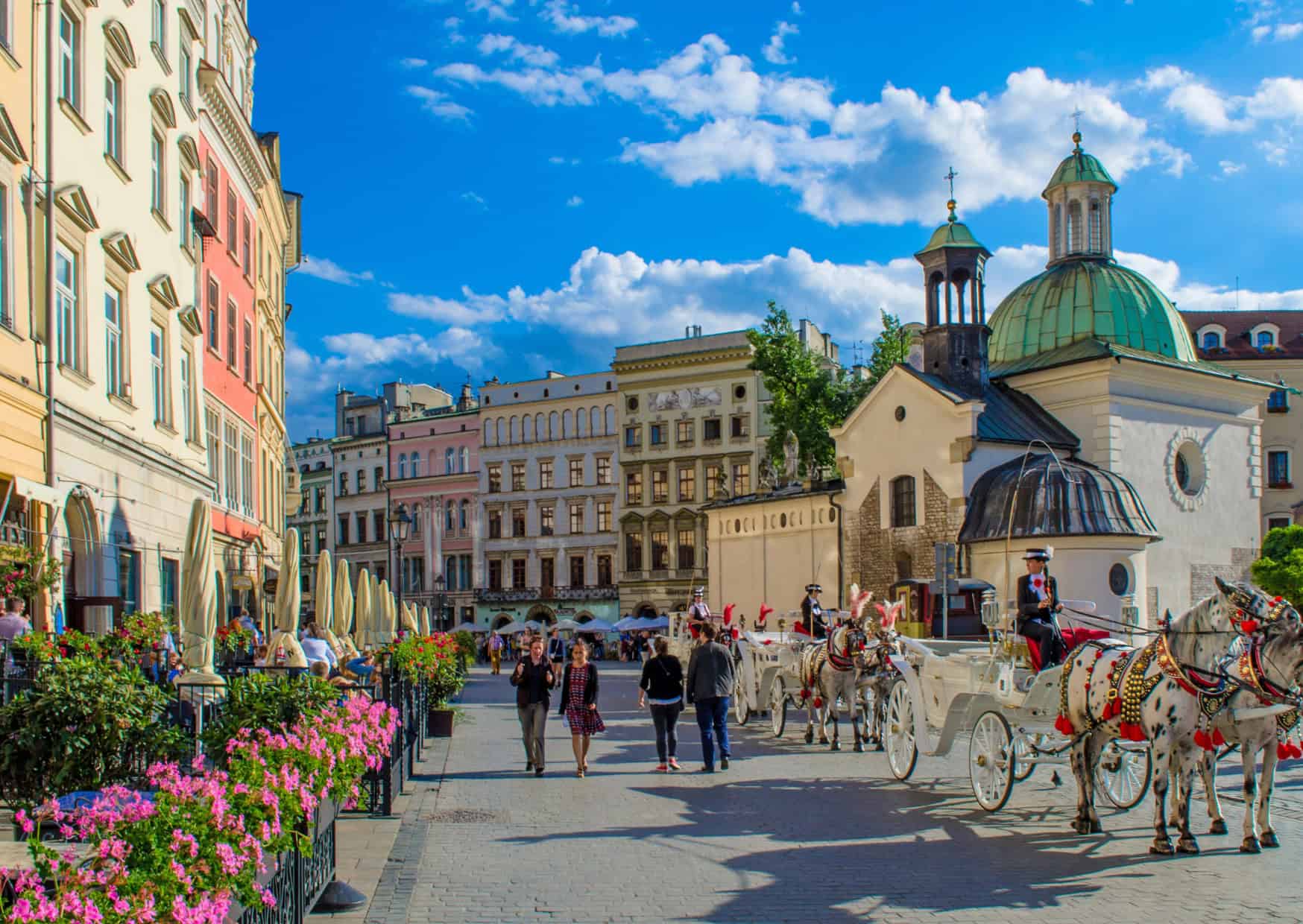
Sidewalk Cafés and Communal Life
It’s not just about necessity; Europeans also enjoy walking as a social, pleasurable activity. Strolling through a piazza, sitting in a sidewalk café, window-shopping along a pedestrian street—these experiences highlight:
- Slower Pace: People in many European cities linger outdoors, meeting friends or running into acquaintances in lively squares. Walking is part of that public social life.
- Promenades & Passeggiata: In Italy, for example, the passeggiata is an evening ritual where families and friends stroll through town squares, dressed up, chatting, and people-watching. In Spain, an evening paseo might serve the same purpose.
In the U.S., car culture often means you drive from one indoor space to another, limiting spontaneous street-level interactions. This can reduce the sense of community. Walking fosters organic connections—you greet neighbors, admire street musicians, pop into local shops.
Takeaway: If you’re American, try scheduling mini strolls with friends—like an evening walk downtown, a “coffee walk” instead of a coffee drive. You’ll soon realize how it transforms social life, turning chores into enjoyable outings.
4. Health Benefits Are Tangible
Lower Obesity Rates, Higher Fitness
Frequent walking directly correlates with better health—from cardiovascular fitness to reduced obesity. It’s no secret that many European countries boast lower obesity rates than the U.S. While diet and portion sizes also play major roles, daily walking is a key piece:
- Incremental Movement: Even short walks—to the store, to the office—accumulate, burning calories and strengthening muscles.
- Less Sedentary: If your environment requires less driving, you’re automatically more active. It’s not about hitting the gym daily; it’s integrated movement.
Some Americans rely on structured exercise like going to a fitness center. But combining that with day-to-day strolling can amplify health gains. Walking is free, low-impact, and can be folded into one’s routine.
Takeaway: Integrate small walks—parking farther from a store, strolling during lunch breaks, or “walk and talk” phone calls—so it becomes a seamless part of daily life, akin to how Europeans inadvertently log thousands of steps just living.
5. Environmental Consciousness Runs Deep

Reduced Carbon Footprint
Europe has historically had higher fuel taxes and robust environmental campaigns, making people more aware of climate impact. Walking over driving is seen as a straightforward way to minimize carbon emissions. For them, it’s not just about personal convenience; it’s also a civic duty to reduce pollution in their picturesque, historic cities.
In the U.S., where gasoline is cheaper (though this is changing in some states), and distances between amenities are large, the impetus to walk can feel weaker. But with growing environmental concerns, adopting walking (when feasible) is an obvious step to living greener.
Takeaway: If you care about sustainability, consider walking as a small but meaningful contribution. Americans can replicate Europe’s environmentally minded approach by choosing feet over fuel for short trips.
6. Cultural Tradition of Living “Close to the Center”
Compact Livelihood
Europe’s emphasis on living in or near the urban core fosters easy accessibility to workplaces, schools, and entertainment. It’s common for professionals in many European cities to live within walking distance of their workplace or within a short metro ride. As a result, daily errands become strolls rather than extended drives.
In the U.S., suburban sprawl often distances residents from city centers. Commuting by car is standard, and large suburban subdivisions lack walkable sidewalks or corner shops. Even urban dwellers in some American cities might find themselves in “food deserts,” needing a car or ride-share to shop.
Takeaway: If you want a walk-centered lifestyle, you could choose neighborhoods near your job or city center, or advocate for multi-use zoning that encourages local groceries and amenities. Americans can replicate Europe’s “live-work-play” proximity in emerging walkable districts.
7. Personal Freedom & Emotional Health
Stress Relief on Foot
Walking is not merely practical—it’s also therapeutic. Europeans often mention how an evening stroll or weekend hike helps them decompress. It’s a chance to clear the mind, observe nature or architecture, and enjoy a sense of independence from the constraints of traffic jams and parking lots.
Some Americans see driving as essential for independence. Yet ironically, always relying on a car can add financial burdens (insurance, fuel, maintenance) and stress from congested roads. Meanwhile, a walkable area provides freedom to move around spontaneously, no gas or car insurance required.
Takeaway: Reframing walking as a stress-reducing activity can be transformative. Even if you can’t fully ditch your car, consider short daily walks for mental clarity. Over time, you might find deeper appreciation for the slow lane—both physically and emotionally.
8. Encouraging a More Vibrant Street Culture
Lively Urban Life
European city centers frequently feature pedestrian-only zones, brimming with cafés, street performers, local vendors. Tourists and locals alike stroll these areas, creating a vibrant street life that fosters an intimate city-human relationship. Shops flourish because foot traffic is constant, not just passers-by in cars.
In many American cities, main streets are overshadowed by big-box malls or highways. Without foot traffic, local businesses struggle to maintain a lively scene. When cities invest in walkable neighborhoods, people linger, businesses get more customers, and a sense of community develops.
Takeaway: If you yearn for more “European vibe” in your town, champion pedestrian-friendly initiatives—like sidewalk expansions, slow traffic zones, or “parklets.” Over time, you’ll see intangible benefits: a more welcoming downtown, safer roads, and communal pride.
9. A Contrasting Approach to Time and Convenience
Time Is Lived, Not Raced
America’s “time is money” attitude often fosters the notion that driving is always faster. A short drive might indeed be quicker than a 15-minute walk, but the European mindset focuses on the journey itself. Strolling can be a pleasurable break, offering intangible rewards. The “convenience” of a fast drive might overshadow potential calm found in a quiet walk.
Quality Over Quantity
Europeans often value the quality of experiences—even daily chores. If it takes 10 more minutes to walk to the bakery instead of driving, that’s 10 minutes of fresh air and maybe a spontaneous chat with a neighbor. Over a lifetime, these small differences accumulate, building a life that feels more integrated and less hurried.
Takeaway: Re-evaluate convenience. Sure, you might “save time” driving, but at what cost to well-being, environment, or neighborly connection? Accept that walking can be an investment in yourself—physically and mentally.
How Americans Can Embrace Walking
1. Start Small in Suburbs
If you live in a sprawling suburb, pick a local errand you can do on foot: the nearest corner store, a weekend farmers’ market, or a friend’s house if it’s within a mile. Over time, expand your walking radius.
2. Advocate for Walkability
Join local community boards, push for better sidewalks, safer crosswalks, or downtown revitalization. Even small improvements can encourage more residents to walk, changing the local culture gradually.
3. Combine Transit + Walking
Use the bus or rail for part of your commute if possible, finishing the rest on foot. This cuts down on parking hassles and merges the best of both worlds.
4. Track Steps & Gamify It
Some find motivation in step-counting apps or fitness trackers. Challenge yourself to hit daily step goals. Celebrate incremental improvements.
5. Plan Leisurely Walks
Organize weekend city strolls, nature hikes, or walking tours as part of your leisure routine. If you do travel to Europe, pay attention to how they incorporate walking seamlessly into daily life—then bring those insights back home.
Conclusion: Walking as a Bridge Between Cultures
Europeans’ preference for walking is no fluke—it’s woven into their towns, their public transit, their sense of community, and their approach to daily life. Americans often see the car as a symbol of freedom and efficiency, but that reliance can eclipse the simple joy and benefits of traveling by foot.
By acknowledging these differences, we might find that Americans who opt to walk more often—where feasible—gain health perks, reduce stress, and foster deeper ties to their neighborhood. The side benefit? Less fuel consumption, less time in traffic, and more mindful living.
Whether you’re an American intrigued by the “European walking lifestyle,” or a European used to sidewalks everywhere, understanding the cultural layers behind daily mobility can expand our horizons. Maybe next time you head out for a short errand, you’ll consider skipping the car keys and hitting the pavement. Your body, your neighbors—and perhaps the planet—will thank you.
Buon cammino, bon chemin, and happy walking wherever you roam!
Pro Tip: If you plan a Europe trip, embrace local habits. Walk from your hotel to the market, meander through hidden alleys, or join a free walking tour. Notice how your perception of the city evolves with each step. You might return home newly convinced that your daily life could use more walking—and less hurried driving. Enjoy the journey!

About the Author: Ruben, co-founder of Gamintraveler.com since 2014, is a seasoned traveler from Spain who has explored over 100 countries since 2009. Known for his extensive travel adventures across South America, Europe, the US, Australia, New Zealand, Asia, and Africa, Ruben combines his passion for adventurous yet sustainable living with his love for cycling, highlighted by his remarkable 5-month bicycle journey from Spain to Norway. He currently resides in Spain, where he continues sharing his travel experiences with his partner, Rachel, and their son, Han.