
Even the most seasoned travelers aren’t immune to making mistakes. From simple oversights to costly errors, travel mishaps can turn a dream vacation into a logistical nightmare. Whether it’s booking the wrong airport, underestimating cultural norms, or trusting misleading reviews, these common blunders cost more than money they cost time, comfort, and sometimes your entire trip.
What’s most surprising is that many travelers repeat the same mistakes over and over, unaware that a few small changes could prevent hours of stress. Often, these errors stem from rushing through planning or relying too heavily on assumptions based on past experiences. The truth is, travel today changes fast new rules, scams, and cultural nuances require travelers to stay informed and flexible.
This post breaks down the 13 most common (and often overlooked) travel mistakes from packing errors to financial missteps and gives you clear ways to avoid them. You don’t have to learn the hard way. With these tips, you’ll not only save money and time, but also improve the quality of every trip moving forward.
Read here Best eSim for International Travel and Best Travel Insurance Comparison
Two of our favorite travel insurance: Heymondo Vs Safetwing cheapest travel Insurance. You can get for $135 USD your Heymondo Travel Insurance with Heymondo discount code valid for 90 days. Read our full comparison of Genki vs Safetywing Travel Insurance Review and the comparison Heymondo vs Genki
Quick Easy Tips
Triple-check your airport codes before booking. Don’t confuse London Stansted (STN) with Heathrow (LHR).
Always carry photocopies of your passport and travel documents, just in case.
Avoid overpacking you probably won’t wear half of what you bring.
Pre-book airport transfers in unfamiliar cities to avoid getting scammed or stranded.
Don’t skip travel insurance even if you think you won’t need it.
Learn a few local phrases especially greetings and “thank you.”
Never exchange money at airport kiosks the rates are usually terrible.
Read reviews beyond the first page that’s where the honest ones often hide.
The controversial truth is that many travel mistakes are not caused by lack of experience. They happen because travelers assume that what works at home will work everywhere else. That includes everything from airport timing and tipping habits to public transportation, payment methods, and basic etiquette.
Another uncomfortable reality is that overplanning can be just as damaging as underplanning. Travelers sometimes build itineraries so tightly that one delayed train, long meal, or unexpected closure throws the entire trip into chaos. A perfect schedule can look impressive on paper and still create a miserable vacation.
There is also a tendency to believe that spending more money automatically protects you from problems. Expensive hotels, premium tours, and upgraded flights can improve comfort, but they do not replace basic preparation. Travelers can still miss passport rules, insurance exclusions, airport transfers, and local scams no matter how much they spend.
Social media has made some mistakes worse. People now travel with a checklist of places they feel they must photograph, eat at, or post from, which can turn a vacation into a race. In trying to copy someone else’s perfect trip, travelers sometimes stop paying attention to whether they are actually enjoying their own.
The biggest misconception is that good travelers never make mistakes. Experienced travelers still miss trains, choose bad restaurants, overpay occasionally, and pack the wrong thing. The difference is that they recover faster, stay calmer, and learn which mistakes are worth avoiding next time.
Worst Mistakes Travelers Make
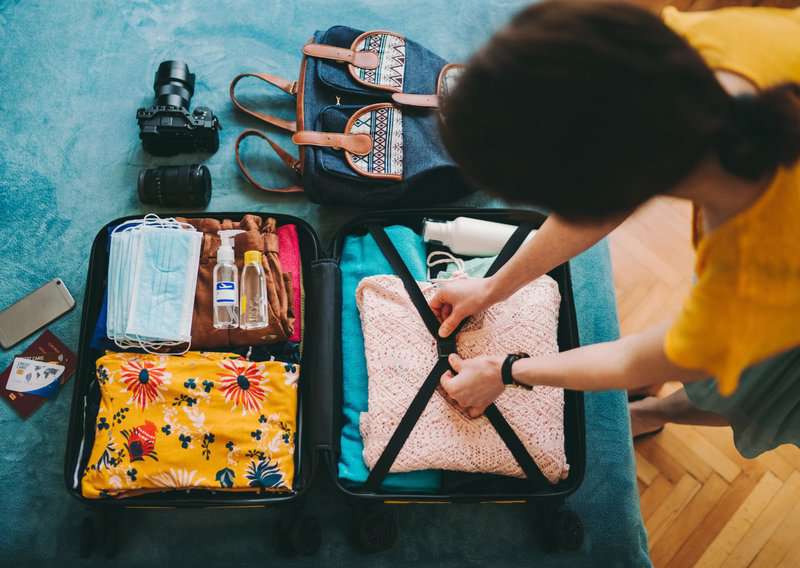
1. Overpacking
Bringing too much luggage can lead to unnecessary stress, higher baggage fees, and difficulty moving around. Pack light by choosing versatile clothing items, and remember that you can often do laundry on the road. Aim to pack only what you truly need.
2. Not Checking Visa Requirements
Each country has different visa requirements, and failing to check them can result in being denied entry. Always research the visa policies of your destination well in advance, and ensure you have the necessary documentation before you travel.
3. Ignoring Travel Insurance
Skipping travel insurance to save money can be a costly mistake. Travel insurance covers unexpected events such as medical emergencies, trip cancellations, and lost luggage. It provides peace of mind and financial protection against unforeseen circumstances.
Two of our favorite travel insurance: Heymondo Vs Safetwing cheapest travel Insurance. You can get for $135 USD your Heymondo Travel Insurance with Heymondo discount code valid for 90 days. Read our full comparison of Genki vs Safetywing Travel Insurance Review and the comparison Heymondo vs Genki
4. Overplanning

While having an itinerary is good, overplanning can make your trip feel rushed and stressful. Leave some flexibility in your schedule to explore, relax, and take in spontaneous opportunities. Sometimes the best experiences are unplanned.
5. Not Researching Local Customs and Etiquette

Every country has its own customs and etiquette. Not researching these can lead to embarrassing or offensive situations. Learn about local traditions, dress codes, and social norms to show respect and avoid misunderstandings.
6. Using the Wrong Currency
Relying on your home currency or not understanding the exchange rate can lead to overpaying for goods and services. Always use the local currency, and consider using a credit card with no foreign transaction fees. Familiarize yourself with the exchange rate before you go.
7. Neglecting to Notify Your Bank
Failing to inform your bank of your travel plans can result in your credit or debit card being blocked for suspected fraud. Notify your bank before you leave to ensure you have access to your funds. It’s also wise to carry a backup card.
8. Skipping the Medical Kit

Even in well-developed destinations, it can be difficult to find familiar medications or first-aid supplies. Bring a basic medical kit with essentials like pain relievers, band-aids, antiseptic wipes, and any prescription medications you may need.
9. Relying Solely on Guidebooks
While guidebooks provide valuable information, relying solely on them can limit your experience. Use them as a reference but also explore beyond the typical tourist spots. Talk to locals, seek out hidden gems, and embrace unexpected discoveries.
10. Not Backing Up Important Documents
Losing important documents like your passport, tickets, or travel itinerary can be disastrous. Make digital copies and store them in a secure cloud service. Carry physical copies in a separate bag from the originals for added security.
11. Forgetting to Adapt to Local Time
Immediately adjusting to the local time at your destination helps combat jet lag and makes your trip more enjoyable. Avoid the temptation to nap upon arrival; instead, try to stay awake until a reasonable bedtime in the local time zone.
12. Underestimating Travel Time
Travel time between destinations can be longer than expected. Always factor in time for transportation, layovers, and possible delays. Rushing from place to place can diminish your travel experience and leave you exhausted.
13. Overindulging in Street Food Without Caution

While trying local street food is part of the adventure, eating from unsanitary vendors can lead to food poisoning. Choose vendors that are busy and have a high turnover of food, and avoid items that have been sitting out for long periods.
Why You Should Pay Attention to This Cultural Habit
Observing how different cultures approach personal presence can be surprisingly educational. Many visitors notice that Italian women often emphasize confidence, posture, and intentional style rather than dramatic trends. Studying these habits can offer practical inspiration that goes beyond fashion.
There is also value in the mindset behind the habit. In Italy, presentation is often viewed as a form of self-respect and social awareness, not vanity. Adopting even part of this perspective can help people become more deliberate about how they carry themselves in everyday life.
Another benefit is simplicity. The appeal many visitors notice is not usually about expensive clothing but about fit, grooming, and consistency. This makes the habit accessible to most people without major spending.
Paying attention to these cultural cues can also improve social confidence. Small adjustments in body language, eye contact, and composure often have a stronger impact than dramatic changes in wardrobe.
Finally, exposure to different standards broadens perspective. What feels striking at first often reflects a different set of priorities rather than a universal rule about attractiveness.
Why You Should Be Careful Not to Overgeneralize
It is important not to treat any country’s women as a single stereotype. Italy, like the United States, contains wide regional, generational, and personal differences. What a visitor notices in one city may not represent the entire culture.
There is also a risk of romanticizing everyday behavior. Short visits often highlight polished public settings rather than ordinary daily routines. Comparing idealized travel impressions to normal life back home can create unrealistic expectations.
Cultural habits also exist within broader social systems. Work schedules, walking culture, climate, and urban design all influence how people dress and present themselves. Copying surface details without understanding context may not produce the same effect.
Personal comfort matters as well. Not everyone wants to adopt a more appearance-focused routine, and that choice is valid. Lifestyle changes should support confidence, not create pressure.
Most importantly, attraction is highly subjective. While visitors may notice certain patterns, there is no single formula that works universally. The most useful takeaway is awareness and inspiration, not imitation or comparison.
Final Thoughts
The worst travel mistakes are rarely dramatic enough to destroy an entire trip on their own. More often, they are small decisions that create unnecessary stress, wasted money, or lost time.
The easiest way to travel better is to prepare for the problems that happen repeatedly. Check entry requirements, understand transportation, confirm important reservations, know how you will pay, and leave enough flexibility for things to go wrong.
At the same time, do not try to eliminate every possible inconvenience. Travel is unpredictable by nature, and some of the best experiences happen because plans change.
A good traveler is not someone who follows every rule perfectly. It is someone who knows when to prepare carefully, when to adapt, and when to stop worrying about a mistake that no longer matters.
In the end, travel becomes easier when you stop trying to control every detail. Avoid the expensive mistakes, learn from the small ones, and leave enough room for the trip to surprise you.

About the Author: Ruben, co-founder of Gamintraveler.com since 2014, is a seasoned traveler from Spain who has explored over 100 countries since 2009. Known for his extensive travel adventures across South America, Europe, the US, Australia, New Zealand, Asia, and Africa, Ruben combines his passion for adventurous yet sustainable living with his love for cycling, highlighted by his remarkable 5-month bicycle journey from Spain to Norway. He currently resides in Spain, where he continues sharing his travel experiences with his partner, Rachel, and their son, Han.