
Walkable cities tend to feel different almost immediately. Instead of planning every movement around a car, travelers can step outside a hotel, cross a few streets, find a café, visit a museum, stop at a market, and continue exploring without constantly thinking about transportation.
That convenience can completely change the experience of a destination. Walking gives you access to details that disappear from a taxi window: small bakeries, neighborhood parks, side streets, architecture, public squares, and local businesses you may never have planned to visit.
Walkability also makes travel simpler. You spend less time figuring out parking, navigating unfamiliar roads, paying for taxis, or waiting for transportation. In the best-designed cities, walking becomes part of the sightseeing rather than merely a way to get from one attraction to another.
But being walkable is about more than short distances. Sidewalk quality, street safety, shade, crossings, traffic, public transportation, and how neighborhoods connect all affect whether a city genuinely feels comfortable on foot.
That is why lists of the world’s most walkable cities can be useful, but they should not be treated as absolute rankings. A city that feels effortless for one traveler may feel exhausting for another depending on weather, mobility, hills, crowds, and where they are staying.
Read here Best eSim for International Travel and Best Travel Insurance Comparison
BOOK YOUR TRAVEL INSURANCE
Two of our favorite travel insurance: Heymondo Vs Safetwing cheapest travel Insurance. You can get for $135 USD your Heymondo Travel Insurance with Heymondo discount code valid for 90 days. Read our full comparison of Genki vs Safetywing Travel Insurance Review and the comparison Heymondo vs Genki
Tips for Enjoying Walkable Cities
Wear Comfortable Shoes — A sturdy, well-cushioned pair of shoes can make all the difference on long walking days.
Download Offline Maps — Apps like Google Maps or Maps.me help you navigate without burning data or getting lost.
Explore Early in the Morning — Enjoy quieter streets, cooler temperatures, and a more authentic local vibe.
Take Breaks in Local Cafes or Parks — Part of the charm of walking is stopping to soak in the atmosphere along the way.
Stay in Central Areas — Booking accommodations in the heart of the city saves time and keeps everything within easy walking distance.
The controversial truth is that some cities celebrated as highly walkable are only truly convenient in their central neighborhoods. Tourists may spend several days walking happily through the historic core while residents living farther out still depend heavily on cars, buses, or trains.
Another uncomfortable reality is that walkability often becomes a luxury selling point. Neighborhoods with attractive streets, cafés, transit, parks, and everyday services can become some of the most expensive parts of a city, making the very lifestyle people praise increasingly difficult for ordinary residents to afford.
There is also a tendency to assume that walkable automatically means healthier, happier, or more environmentally responsible. A pedestrian-friendly city can certainly encourage movement and reduce some car trips, but those outcomes depend on housing patterns, public transportation, affordability, climate, and many other factors.
Travelers can also romanticize European-style walking without acknowledging the inconveniences. Cobblestones, steep hills, limited accessibility, extreme summer heat, rain, and crowded sidewalks can make famous walking cities much less effortless than photographs suggest.
The biggest misconception is that car-free living is automatically superior for everyone. Walkability is incredibly valuable, but families with small children, people with disabilities, older residents, workers carrying equipment, and people living far from city centers may have very different transportation needs.
Most Walkable Cities In The World
1. Paris, France

Paris boasts wide boulevards, charming cobblestone streets, and an efficient layout of neighborhoods (arrondissements).
Iconic landmarks like the Eiffel Tower, Louvre, and Notre-Dame Cathedral are within walking distance of each other.
Highlights:
Stroll along the Seine River and explore the Latin Quarter.
Wander through artistic Montmartre or luxurious Le Marais.
Travel Tip:
Wear comfortable shoes for cobblestone streets and make use of public benches and cafes for breaks.
2. Kyoto, Japan

Kyoto’s compact layout, scenic temples, and peaceful streets make it a walker’s paradise.
Many attractions, like the Kiyomizu-dera Temple and Gion District, are connected by pedestrian-friendly paths.
Highlights:
Walk the Philosopher’s Path during cherry blossom season.
Explore the Arashiyama Bamboo Grove and nearby temples.
Travel Tip:
Visit early in the morning to avoid crowds at popular sites.
3. Florence, Italy
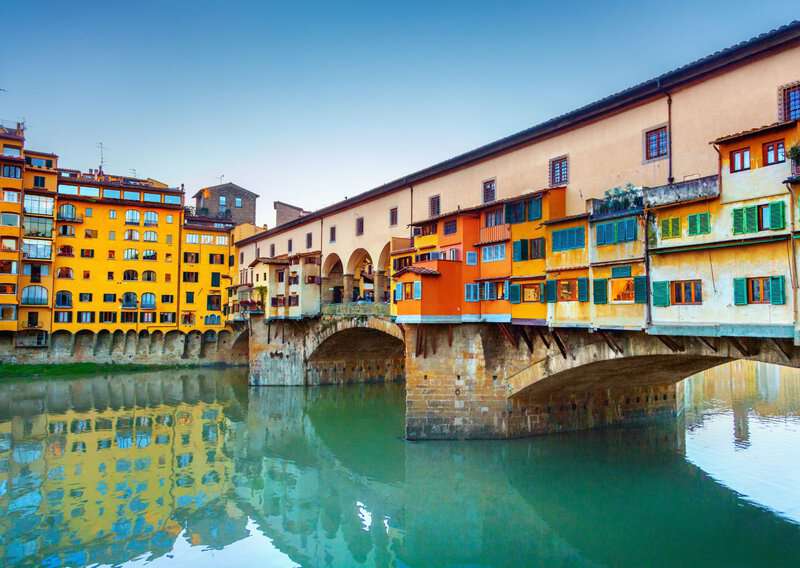
Why It’s Walkable in Florence:
Florence’s historic center is compact and largely car-free, making it perfect for exploring on foot.
Highlights:
Cross the Ponte Vecchio and visit landmarks like the Uffizi Gallery and Florence Cathedral (Duomo).
Enjoy the open-air art and architecture in Piazza della Signoria.
Travel Tip:
Use the city’s pedestrian-only areas to your advantage and plan for plenty of gelato stops.
4. Amsterdam, Netherlands
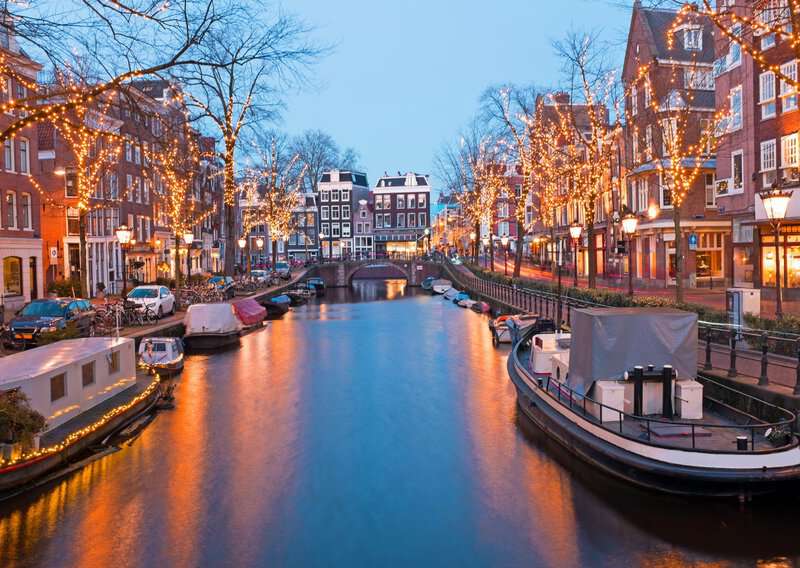
Amsterdam’s canals and narrow streets are ideal for leisurely strolls, with many attractions located close together.
Highlights:
Wander through the Jordaan neighborhood and along the Nine Streets.
Visit Vondelpark or explore the Museumplein area.
Travel Tip:
Watch out for bicycles when crossing streets or walking near bike lanes.
5. Prague, Czech Republic

Prague’s fairy-tale streets, compact Old Town, and pedestrian bridges make it a dream for walkers.
Highlights:
Walk across the Charles Bridge to reach Prague Castle.
Explore the winding streets of the Old Town Square and visit the Astronomical Clock.
Travel Tip:
Wear sturdy shoes for cobblestones, and climb to Petrin Hill for stunning city views.
6. New York City, USA
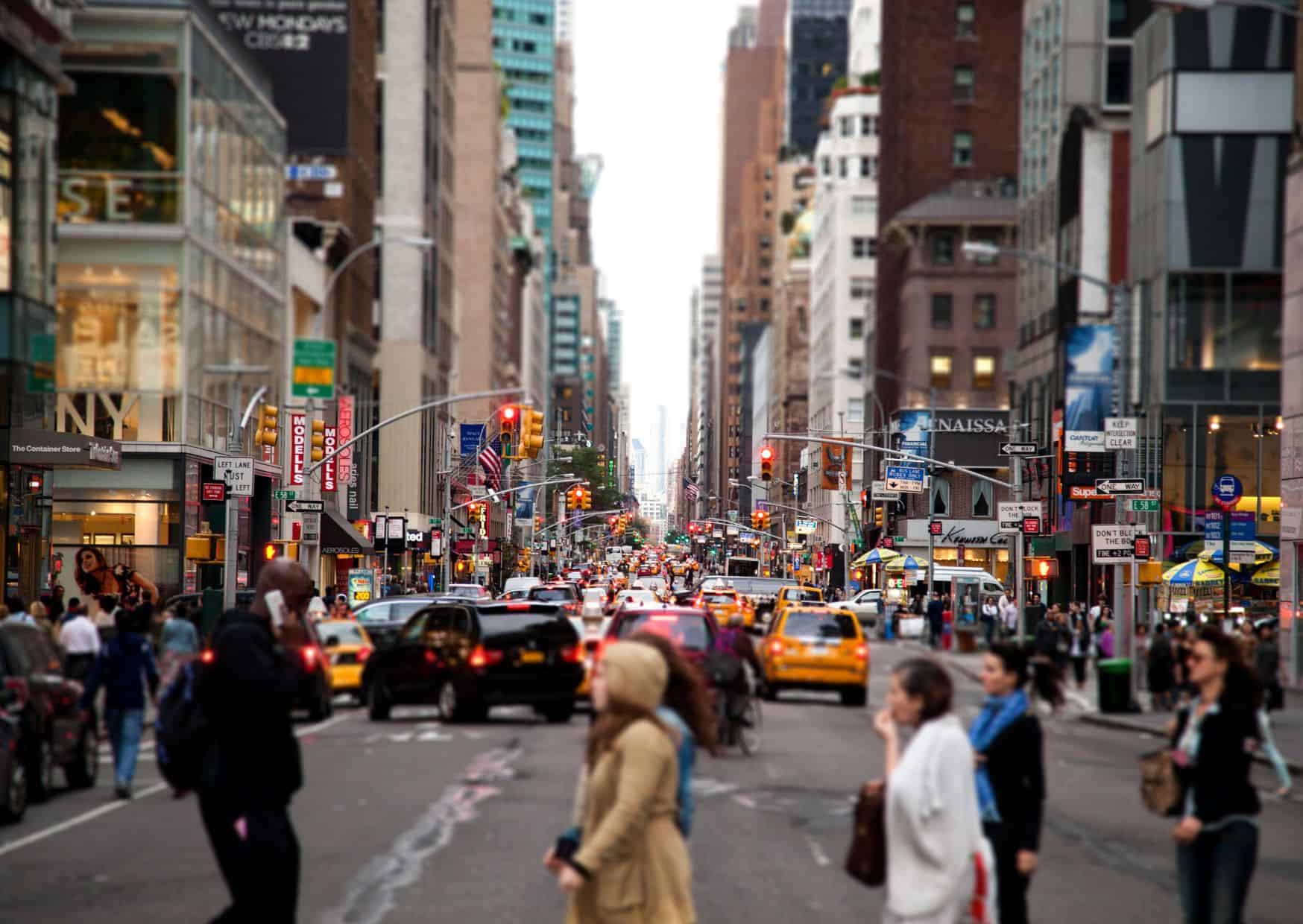
Why It’s Walkable:
NYC’s grid system and well-maintained sidewalks make navigating its neighborhoods on foot a breeze.
Highlights:
Walk through Central Park or the High Line, a scenic elevated walkway.
Stroll around Greenwich Village and SoHo for boutique shopping and dining.
Travel Tip:
Use the subway to cover longer distances and then explore each neighborhood on foot.
7. Barcelona, Spain

Barcelona’s flat terrain, wide sidewalks, and lively streets make it pedestrian-friendly.
Highlights:
Wander down La Rambla and visit the Gothic Quarter.
Explore the Park Güell and admire Gaudí’s architecture.
Travel Tip:
Carry a map or use a navigation app to avoid getting lost in the Gothic Quarter’s maze-like streets.
8. Dubrovnik, Croatia
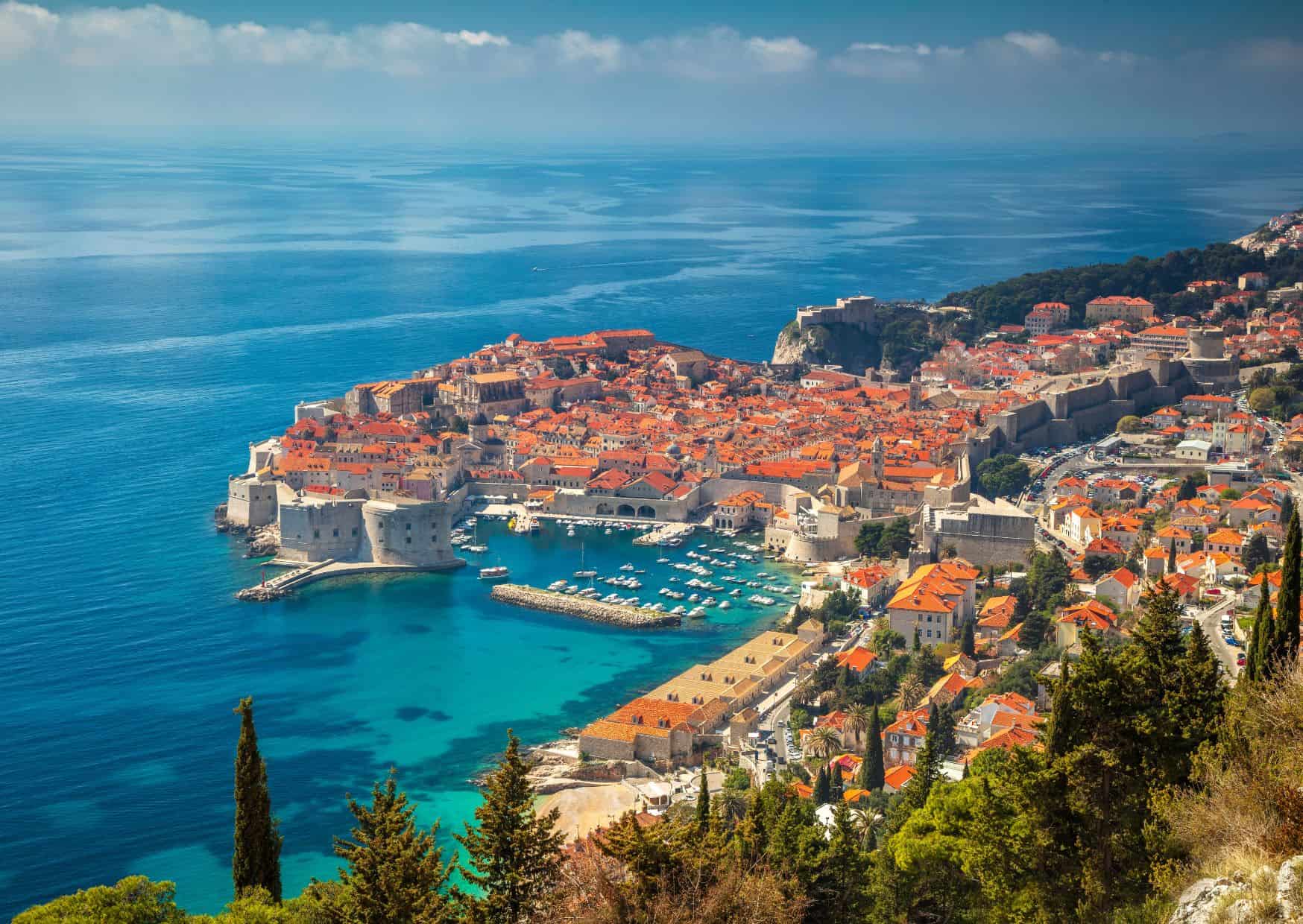
Why It’s Walkable:
Dubrovnik’s Old Town is a pedestrian-only zone, with its historic walls offering stunning views of the Adriatic Sea.
Highlights:
Walk along the City Walls and explore Stradun, the main street.
Discover hidden alleys and small squares filled with cafes.
Travel Tip:
Visit early in the morning or late afternoon to avoid the peak tourist crowds.
9. Edinburgh, Scotland

Why It’s Walkable:
Edinburgh’s Old and New Towns are compact and brimming with history, perfect for a walking tour.
Highlights:
Climb Arthur’s Seat for panoramic views or stroll along the Royal Mile.
Explore Princes Street Gardens and the charming Dean Village.
Travel Tip:
Be prepared for hills and uneven terrain; dress in layers for Scotland’s changing weather.
10. Buenos Aires, Argentina

Why It’s Walkable:
Buenos Aires combines European-style boulevards with vibrant neighborhoods ideal for exploring on foot.
Highlights:
Walk through the colorful streets of La Boca and the elegant Recoleta district.
Visit San Telmo for its antique markets and tango performances.
Travel Tip:
Avoid walking late at night in less populated areas and stick to well-lit streets.
11. Stockholm, Sweden

Why It’s Walkable:
Stockholm’s islands are connected by scenic bridges, with many pedestrian-friendly areas.
Highlights:
Explore the medieval streets of Gamla Stan (Old Town).
Walk along the waterfront at Djurgården or through Södermalm.
Travel Tip:
Dress warmly during colder months and take advantage of ferries to explore other parts of the city.
12. Singapore

Singapore’s clean, well-maintained streets and covered walkways make walking comfortable even in tropical weather.
Highlights:
Stroll through Marina Bay Sands and the Gardens by the Bay.
Explore Chinatown, Little India, and Haji Lane for cultural immersion.
Travel Tip:
Carry water and sunscreen for humid days, and enjoy the city’s efficient public transport for longer journeys.
13. Vienna, Austria

Vienna’s elegant streets and historic squares are perfect for a leisurely exploration.
Highlights:
Stroll through Stephansplatz and visit Schönbrunn Palace gardens.
Walk along the Ringstrasse, a grand boulevard encircling the city center.
Travel Tip:
Use public transport to reach outer areas and explore the historic center on foot.
14. Rome, Italy

Rome’s ancient landmarks and piazzas are best experienced on foot.
Highlights:
Wander through the Roman Forum, the Colosseum, and Piazza Navona.
Toss a coin into the Trevi Fountain and climb the Spanish Steps.
Travel Tip:
Carry a reusable water bottle to refill at Rome’s many public fountains.
15. Quebec City, Canada
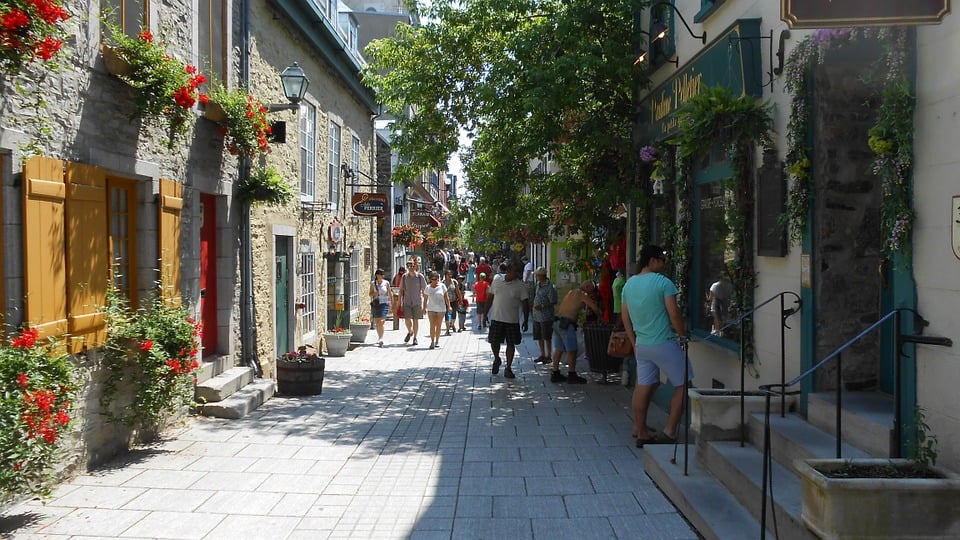
Why It’s Walkable:
With its Old World charm, Quebec City is compact and pedestrian-friendly.
Highlights:
Explore the historic Old Quebec, a UNESCO World Heritage Site.
Walk along the Dufferin Terrace with views of the St. Lawrence River.
Travel Tip:
Dress warmly in winter and wear comfortable shoes for cobblestone streets.
Why You Should Follow Walkable City Recommendations
Choosing a walkable destination can make a short trip dramatically easier. When major attractions, restaurants, neighborhoods, and public spaces are close together, you can fit more into the day without spending hours moving between places.
Walking also gives you more freedom to change your plans. Instead of committing to a route or transportation schedule, you can stop when something looks interesting, change direction, or spend longer in a neighborhood you unexpectedly enjoy.
There can also be meaningful financial savings. Taxis, rental cars, parking, fuel, and ride-hailing services add up quickly, especially over several days. A city that lets you handle most journeys on foot can reduce those costs considerably.
Walkability often pairs well with strong public transportation. The best destinations are not necessarily places where you literally walk everywhere, but places where walking and transit work together so naturally that renting a car becomes unnecessary.
Most importantly, walking can make a destination feel more memorable. You begin to understand how neighborhoods connect, notice changes in architecture and atmosphere, and develop a stronger sense of place than you might when traveling almost entirely by vehicle.
Why You Should Not Care So Much
You should not choose a destination solely because it ranks highly for walkability. A city can be wonderful to explore on foot and still be the wrong choice for your budget, interests, weather preferences, or travel style.
You also should not assume that walking everywhere is the goal. Public transportation exists for a reason, and using a metro, tram, bus, or occasional taxi can make a trip far more comfortable without somehow making the experience less authentic.
Weather can change everything. A city that is delightful to walk through in spring may feel completely different during a heat wave, heavy rain, winter wind, or extreme humidity.
Physical ability matters too. Long sightseeing days can involve far more walking than daily life, and travelers should not feel pressured to hit a certain step count just because a destination is famous for being pedestrian-friendly.
Finally, walkability rankings are inherently imperfect. They often emphasize central districts, tourist infrastructure, or measurable distances while overlooking factors such as accessibility, sidewalk conditions, personal safety perceptions, and how pleasant those walks actually feel.
Final Thoughts
The best walkable cities make movement feel natural. You do not constantly think about how to reach the next place because the streets, neighborhoods, and transportation system work together in a way that encourages exploration.
For travelers, that can be one of the greatest luxuries a city offers. Being able to leave your hotel and simply start walking creates a sense of freedom that is difficult to reproduce in destinations built almost entirely around cars.
Still, walkability should be viewed as an advantage rather than a competition. A city does not need to be completely car-free or perfectly pedestrianized to offer an excellent travel experience.
The smartest approach is to look at where you will actually stay and what you want to do. A well-located hotel in a moderately walkable city can sometimes produce a much easier trip than staying far outside the center of a city famous for walkability.
In the end, the most walkable cities are memorable not because travelers accumulate thousands of steps, but because walking allows them to experience more of everyday life between the famous attractions. That space between destinations is often where a city becomes most interesting.

About the Author: Ruben, co-founder of Gamintraveler.com since 2014, is a seasoned traveler from Spain who has explored over 100 countries since 2009. Known for his extensive travel adventures across South America, Europe, the US, Australia, New Zealand, Asia, and Africa, Ruben combines his passion for adventurous yet sustainable living with his love for cycling, highlighted by his remarkable 5-month bicycle journey from Spain to Norway. He currently resides in Spain, where he continues sharing his travel experiences with his partner, Rachel, and their son, Han.