
And what it reveals about cultural priorities, practicality, and the quiet value of what lasts over what looks new
Walk into a newly renovated apartment in Paris, Madrid, Lisbon, or Rome, and you’re likely to find something still intact that would have been the first thing ripped out in an American remodel the bidet, the ceiling-dangling clothesline, the tile floor in the living room, the original wooden shutters, or most often of all: the built-in wall intercom with a handset.
Americans visiting or moving into European apartments often pause when they see it. What is that old phone on the wall? Is it connected to anything? Why does it look like it belongs in a Cold War spy movie?
And if given the chance during a renovation, most Americans would rip it out without a second thought. They’d also remove:
- The weird bathroom window that opens into a stairwell
- The drying rack attached to the ceiling
- The shutters you have to close manually
- The deep ceramic sink in the laundry room
- The light switches outside the bathroom door
- The narrow galley kitchens without islands
- The intercom buzzer with a crackly speaker
All of it seems outdated, inconvenient, or unnecessary.
But to Europeans, these features are not eyesores they’re practical, smart, durable, and meant to last.
Here’s why European apartments keep the very features that Americans immediately remove and what that reveals about two very different definitions of “home comfort.”
Want More Deep Dives into Everyday European Culture?
– Why Europeans Walk Everywhere (And Americans Should Too)
– How Europeans Actually Afford Living in Cities Without Six-Figure Salaries
– 9 ‘Luxury’ Items in America That Europeans Consider Basic Necessities
Quick Easy Tips
Before remodeling, ask locals or property managers why a feature exists there may be cultural or climate-related reasons it’s still valued.
If you’re renting or buying abroad, live with the feature first many expats end up appreciating it over time.
Avoid assuming “modern” means better European standards of comfort, efficiency, and aesthetics can differ dramatically from American ones.
The controversial truth is that American renovation culture often treats anything old as a problem waiting to be replaced. Radiators, shutters, drying racks, tile floors, compact kitchens, and analog intercoms can look dated compared with glossy renovated interiors, but many of these features remain because they still solve everyday problems surprisingly well.
Another uncomfortable reality is that “modern” does not automatically mean more practical. Smart thermostats, automated blinds, oversized appliances, and complicated home systems can add convenience, but they also create more components that can fail, require maintenance, or become obsolete within a few years. A manual shutter can function for decades with almost nothing to repair.
There is also a tendency for Americans to judge European apartments through suburban American expectations. Large laundry rooms, open-plan kitchens, central air conditioning, dryers, and enormous refrigerators make sense in one housing environment. They are not necessarily the ideal solution inside a centuries-old apartment building in a dense European city.
Energy costs also change the equation. Features that seem inconvenient can make more sense when electricity, heating, or cooling is expensive. Drying clothes naturally, closing exterior shutters against summer heat, or heating individual rooms can reduce energy consumption without requiring expensive technology.
The bigger controversy is that renovation is not always about making a home function better. Sometimes it is about making it look newer. A perfectly useful feature may be demolished because it does not fit the desired aesthetic, only for the replacement to solve exactly the same problem at a much higher cost.
1. The Intercom Isn’t Ugly It’s the Key to Community Life
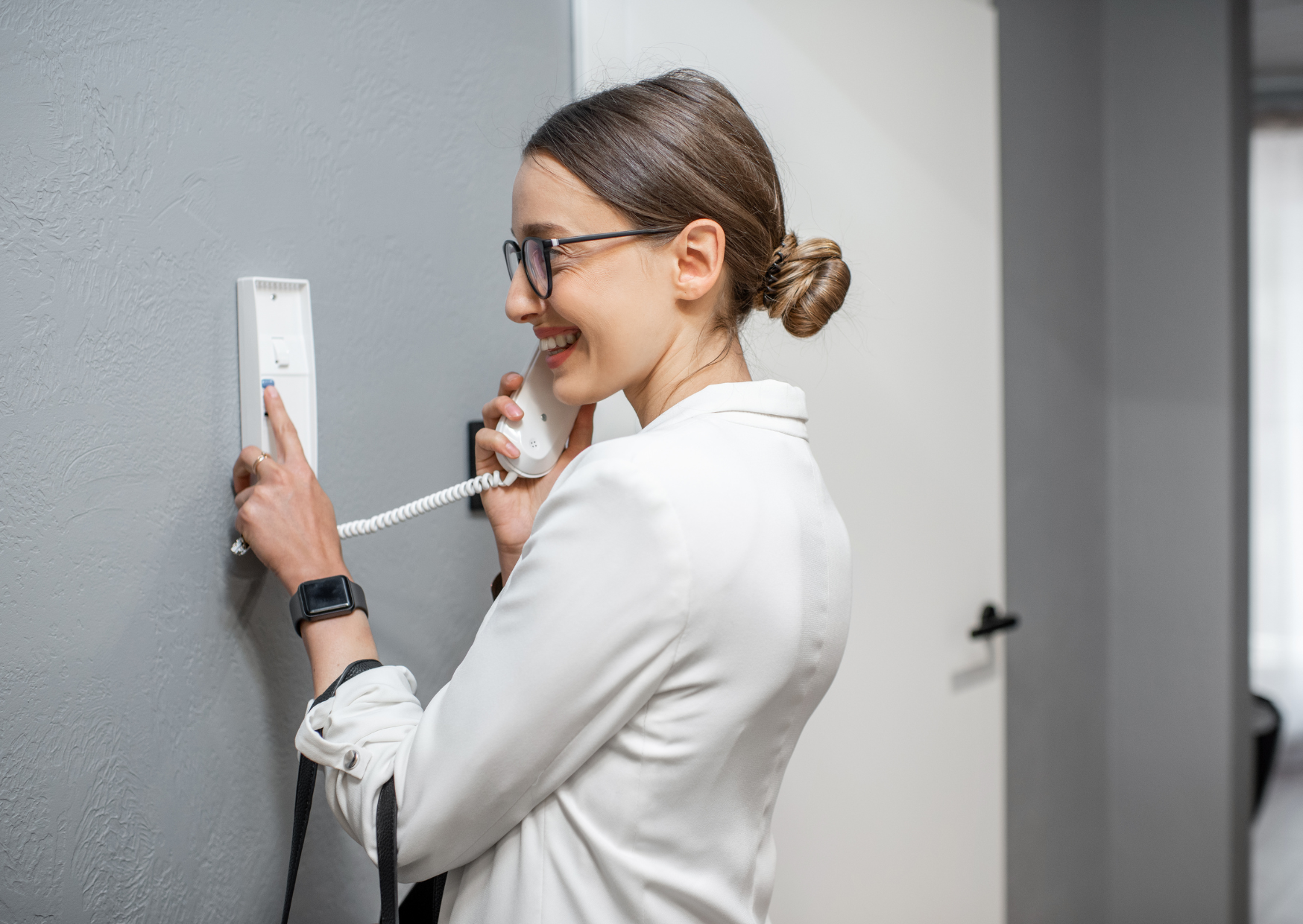
In most European apartment buildings, there’s a wall-mounted phone-style intercom system, sometimes with a cracked receiver and a single button labeled “Portero” or “Puerta.” You pick it up when someone buzzes from downstairs. You can speak. You press a button, and you let them in.
In the U.S., many apartment dwellers are used to video systems, smart locks, apps, or nothing at all. If there’s a buzzer, it’s often ugly and outdated and most landlords replace it.
In Europe, the analog intercom is functional, cheap to repair, and built to last decades. It’s not meant to be beautiful. It’s meant to work.
Most Europeans wouldn’t dream of ripping it out. It’s part of the infrastructure. And it works every time the pizza delivery guy arrives no Wi-Fi needed.
2. The Ceiling Drying Rack Isn’t an Eyesore It’s Your Dryer
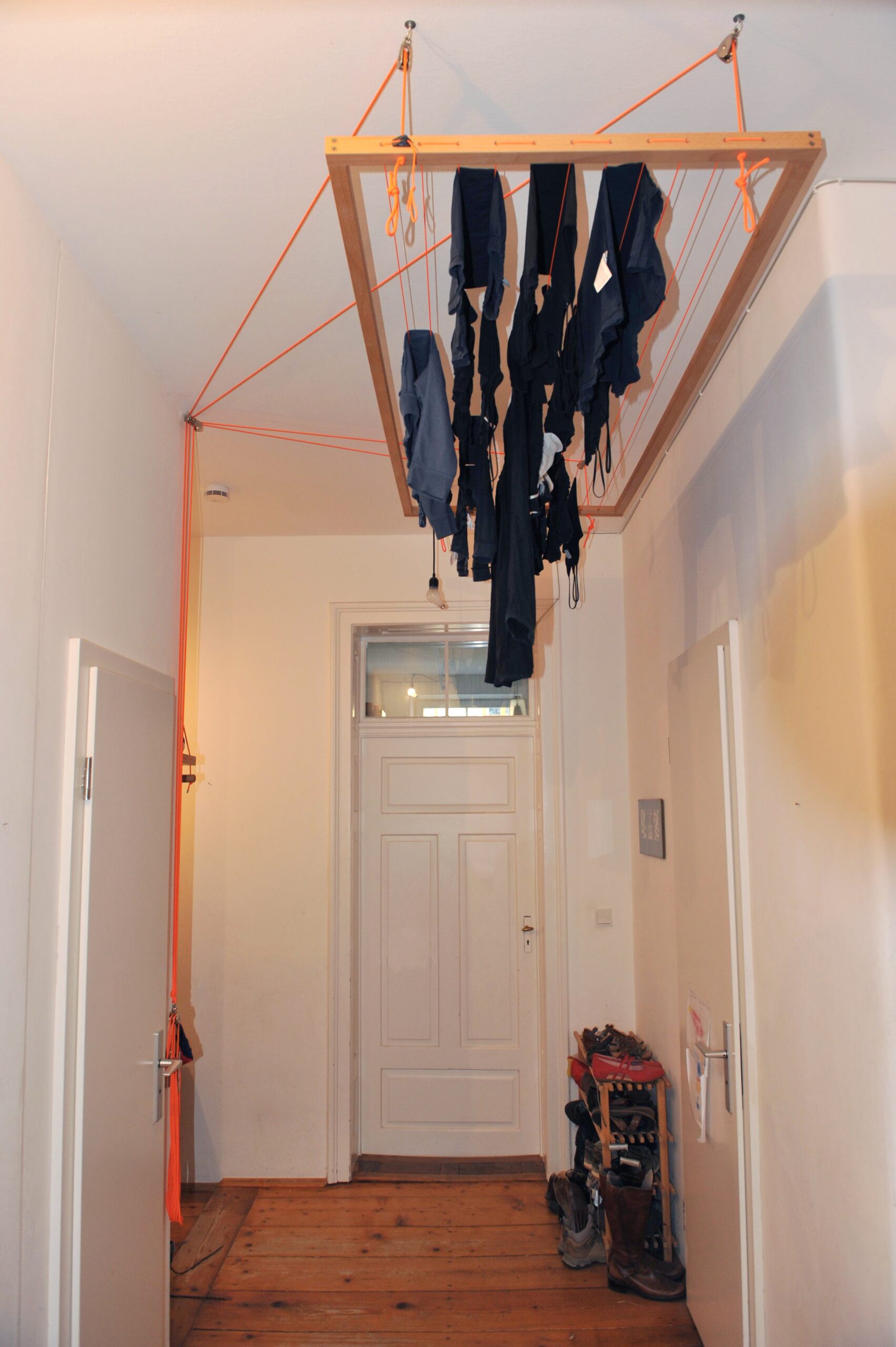
In older European apartments, especially in Italy, Portugal, and Spain, you’ll often find a pulley-operated drying rack installed just below the bathroom ceiling or in the laundry area.
Americans are baffled. It looks clunky. It makes the room feel crowded. It’s clearly not modern.
But to Europeans, it’s brilliant: you hang your wet clothes, pull the rack up to the ceiling, and they dry naturally no energy, no noise, no appliance repair.
Why would you remove something that works perfectly?
To an American remodeler, it’s dated. To a European, it’s common sense
3. Wall-Mounted Radiators Are Not Outdated They’re Targeted Heat
In the U.S., central heating dominates. Americans expect vents in every room and a single thermostat to manage the whole house.
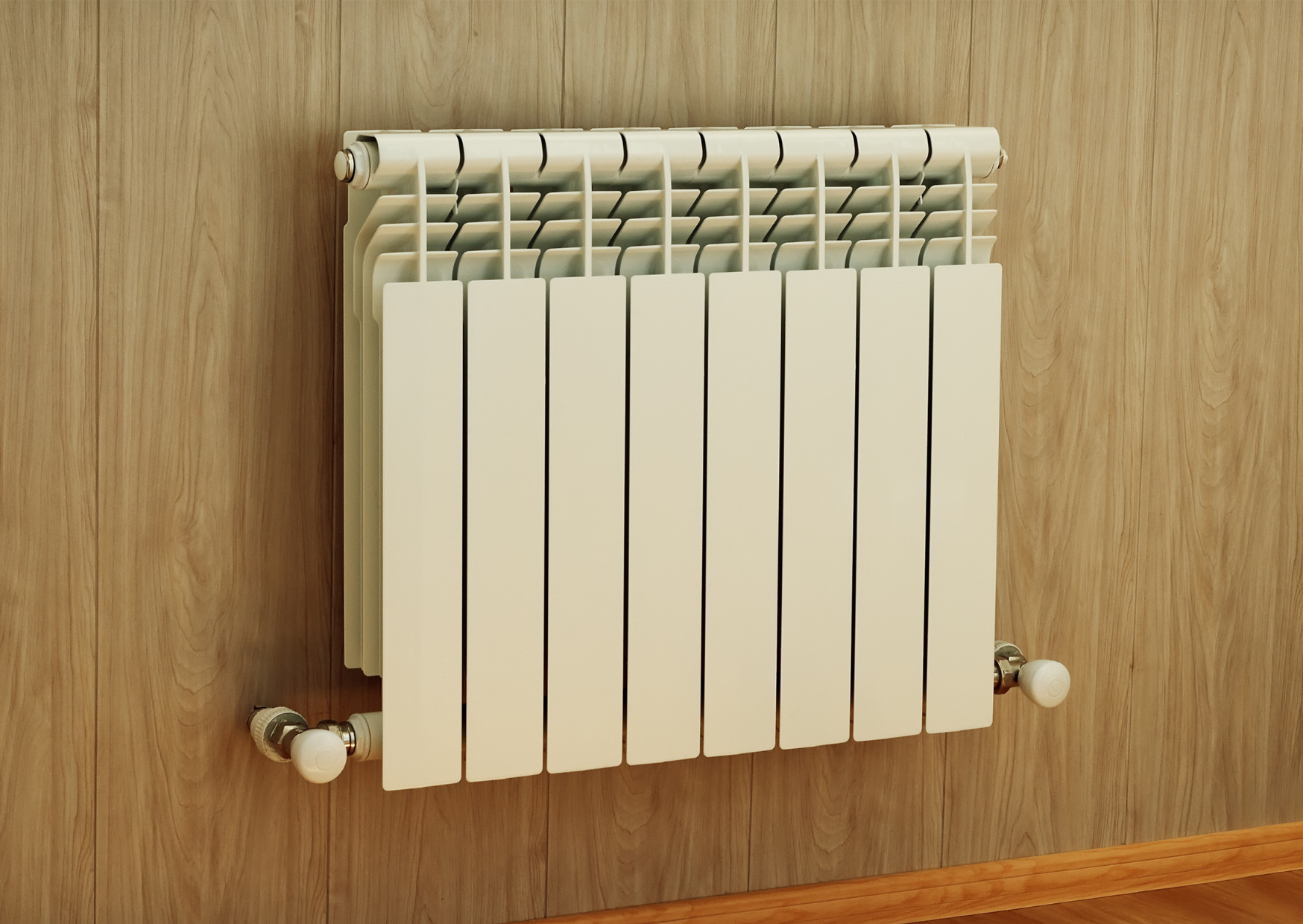
In Europe, heating is often room-by-room, and done with wall-mounted radiators, sometimes electric, sometimes water-based.
They’re seen by Americans as old-fashioned. But they let you heat only the room you’re using, saving money and energy. Many Europeans actually prefer them.
Sure, they don’t match minimalist decor. But they keep your toes warm and your electric bill low.
4. Manual Shutters Are Better Than Blackout Curtains
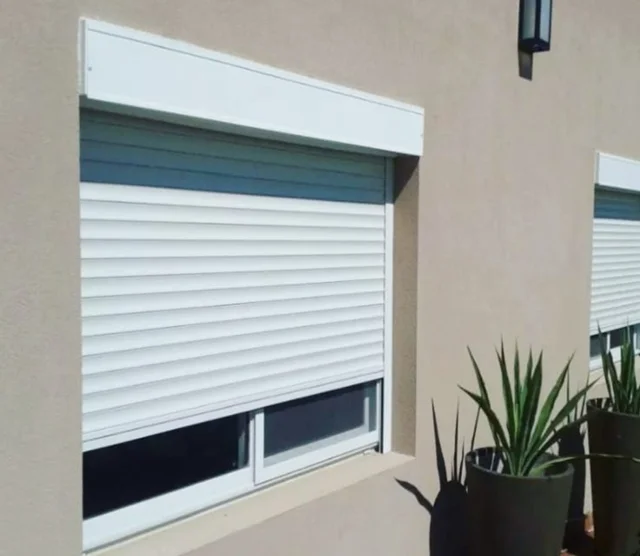
Many American homes rely on blackout curtains to block light. In Europe, especially in southern countries, homes come with built-in rolling shutters called persianas or tapparelle.
You lower them manually with a strap or crank. They make the room pitch-black. They help with insulation. They keep noise out. And when fully closed, they’re virtually impenetrable from the outside.
Americans often remove them, thinking they’re too bulky or clunky. But then they wonder why their room is noisy and hot.
Ask any Spaniard: there’s no better nap than a siesta under closed shutters.
5. The Kitchen May Be Small But It’s Efficient
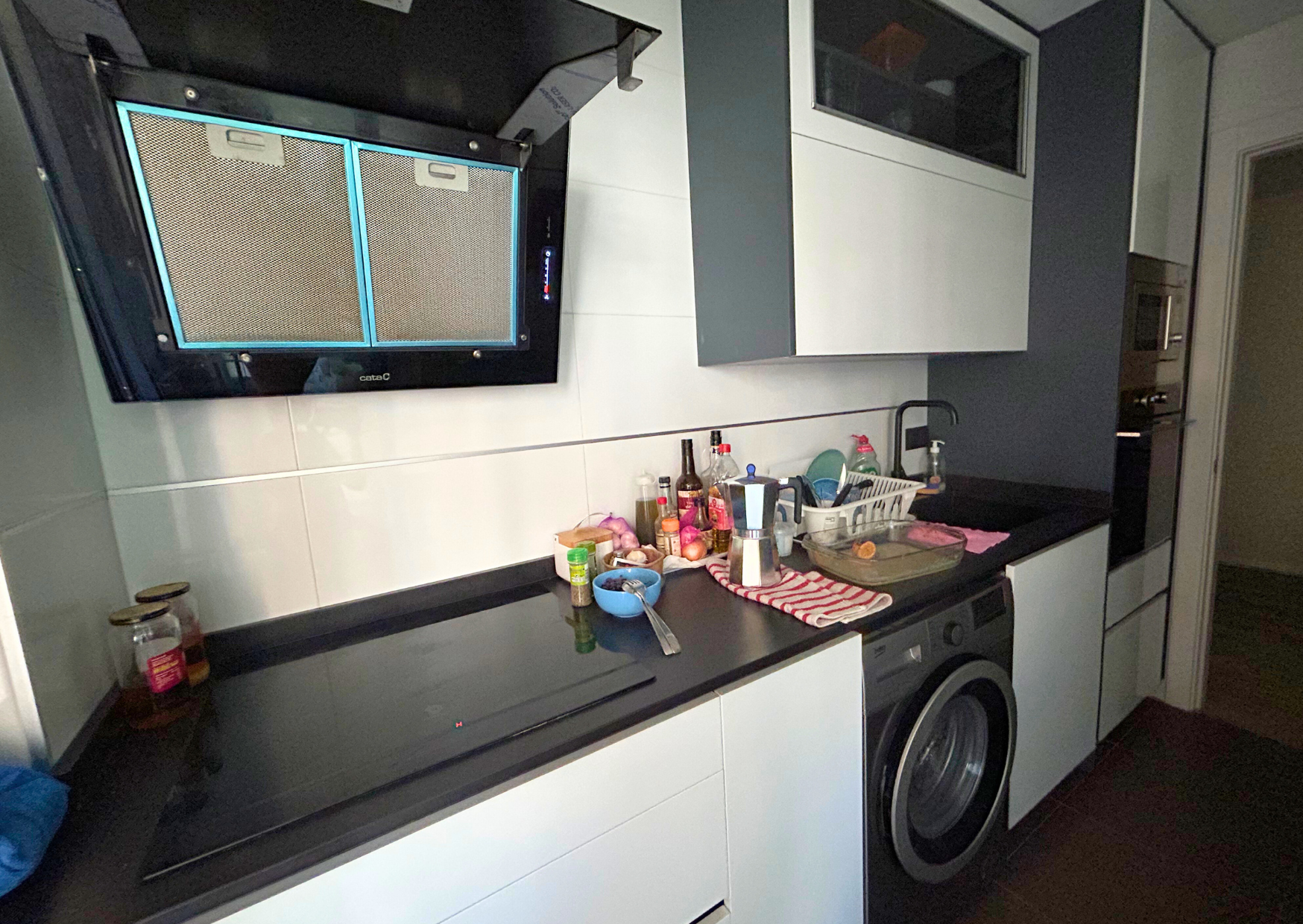
Many European kitchens don’t have islands. They don’t have double-door fridges. They don’t have pantries or garbage disposals.
They have compact stoves, wall-mounted racks for utensils, dish drying shelves above the sink, and just enough space to cook without wasting steps.
American renovators often see these kitchens and want to rip everything out. But to Europeans, a kitchen should be easy to clean, easy to use, and part of daily life not a showpiece.
Form follows function. And if you’re not baking 12 dozen cookies or filming a cooking vlog, it works just fine.
6. Deep Utility Sinks Are a Lifesaver Not a Design Flaw

In the U.S., laundry rooms are sleek. Stackable washers and dryers. White subway tile. Maybe a folding table and a tiny sink.
In European homes, especially older ones, you’ll often find a deep, freestanding ceramic utility sink, sometimes with visible pipes and stains.
It’s not pretty. But you can soak laundry, hand-wash delicates, clean muddy shoes, or fill a mop bucket easily.
Americans might rip it out during a remodel. Europeans just nod and say, “You’ll be glad you have it one day.”
7. Tiles in the Living Room Aren’t Cold They’re Strategic
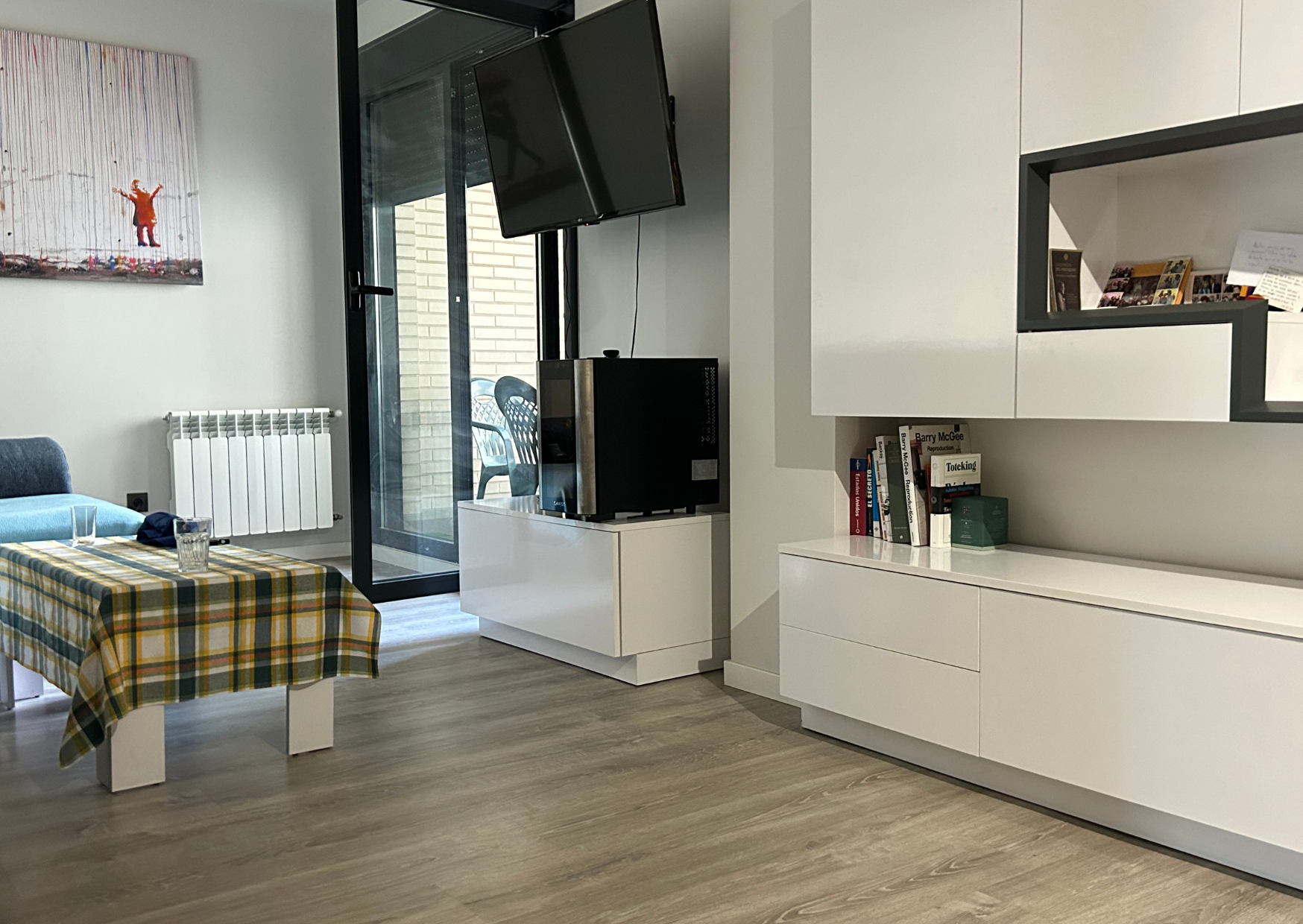
American living rooms almost always have hardwood, carpet, or engineered flooring. Tiles are for bathrooms, kitchens, and patios.
But in Spain, Portugal, and parts of southern France and Italy, it’s common to find full-tile flooring throughout the entire home even in the living room and bedrooms.
Why? Because tile stays cool in summer, it’s easy to clean, and it’s durable for decades.
Americans may see it as cold or uncomfortable. Europeans throw down a rug or two and enjoy the breezy, effortless floor underfoot.
8. Light Switches Outside the Bathroom Aren’t Mistakes They’re Intentional
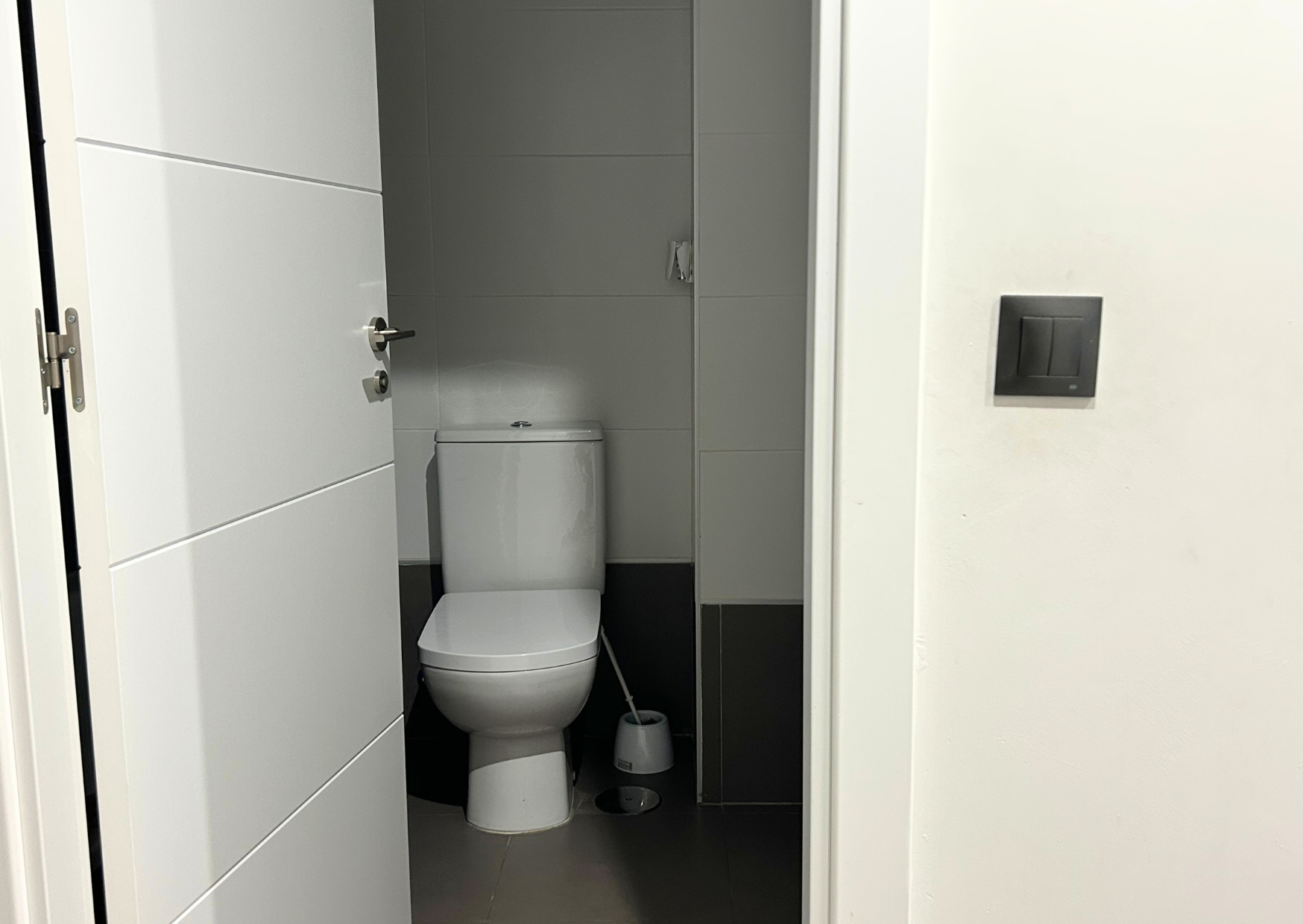
This one never fails to confuse Americans: Why is the bathroom light switch outside the bathroom?
It feels awkward. Like an error in construction. Surely this should be corrected.
But in many European countries, especially Spain and France, this is intentional. It’s a holdover from older electrical codes meant to keep moisture away from switches, especially in bathrooms without full ventilation.
It’s not broken. It’s safer. And everyone gets used to it.
Even if it means occasionally getting pranked by someone flipping the lights off mid-shower.
9. The Features Aren’t Pretty But They’re Built to Last
Many American remodels are driven by aesthetics. Features are updated every 5–10 years. Counters are swapped, sinks replaced, finishes refreshed.
In European apartments, the mentality is different. You don’t renovate unless something is broken. And many things from ceramic sinks to marble window sills to old intercoms last for 30, 40, even 70 years.
It’s not about chasing trends. It’s about using what works, maintaining what matters, and not obsessing over making every room look like a showroom.
Why You Should Follow This Approach
You should consider keeping useful older features because they may save money. Removing radiators, replacing shutters, installing dryers, or redesigning a compact kitchen can quickly turn a simple renovation into an expensive project.
Traditional features can also be extremely efficient. Exterior shutters can block sunlight before it heats the interior, ceiling drying racks make use of otherwise wasted space, and tile floors can be practical in hot climates.
Living with a feature before removing it is particularly smart. What looks inconvenient during a property viewing may make much more sense after you experience the building through an entire summer or winter.
Keeping original details can also preserve character. Part of the appeal of living in an older European apartment is that it does not feel like a newly built condominium anywhere else in the world.
Most importantly, following the existing design forces you to understand why the apartment works the way it does. Before removing something, ask what problem it was designed to solve and whether your replacement will genuinely solve that problem better.
Why You Should Not Follow It Blindly
You should not keep something simply because it is old or traditionally European. Some systems really are inefficient, unreliable, unsafe, or inconvenient and deserve to be upgraded.
Heating is a good example. An old radiator system may work, but improved insulation, modern controls, or a more efficient heating system could dramatically increase comfort while reducing energy use.
Older apartments can also have serious problems hidden behind their charm. Outdated wiring, poor ventilation, moisture issues, deteriorating plumbing, or inadequate insulation are not cultural traditions worth preserving.
Your own lifestyle matters too. Someone working from home, raising children, or dealing with mobility limitations may need a completely different layout or set of appliances than the original residents did decades ago.
The smartest approach is therefore selective preservation. Keep what remains useful and replace what genuinely makes the home worse. Tradition should influence a renovation, not control it.
One Apartment, Two Philosophies
To Americans, these features look like flaws.
To Europeans, they look like solutions.
Americans often rip out and rebuild to make space more beautiful.
Europeans keep what works even if it’s quirky because it makes life easier.
You don’t need smart locks when the intercom works.
You don’t need an island when the countertop is well-placed.
You don’t need a dryer when the ceiling rack dries clothes for free.
So before you renovate that charming apartment in Barcelona, Lisbon, or Florence, pause.
The thing you’re about to rip out might be the smartest part of the whole home.
European apartments are a reminder that old-fashioned and obsolete are not the same thing. Some features survive for generations because they continue to perform their job remarkably well.
For Americans moving into European homes, the biggest mistake may be renovating too quickly. Living in the space for several months can reveal why certain features exist and whether they actually deserve to disappear.
At the same time, romanticizing everything old can be just as misguided as ripping everything out. Homes need to evolve, especially when modern technology can improve safety, efficiency, accessibility, or comfort.
The best renovations often combine both worlds. Keep the shutters that block summer heat, upgrade the wiring behind them. Preserve the character of the tile floor, but improve the insulation beneath it when necessary.
In the end, a successful home is not the one that looks newest. It is the one where every feature earns its place. Before ripping something out because it looks outdated, make sure you understand what you are giving up.

About the Author: Ruben, co-founder of Gamintraveler.com since 2014, is a seasoned traveler from Spain who has explored over 100 countries since 2009. Known for his extensive travel adventures across South America, Europe, the US, Australia, New Zealand, Asia, and Africa, Ruben combines his passion for adventurous yet sustainable living with his love for cycling, highlighted by his remarkable 5-month bicycle journey from Spain to Norway. He currently resides in Spain, where he continues sharing his travel experiences with his partner, Rachel, and their son, Han.