
Italy is one of the easiest countries in Europe to romanticize, but that can also make travelers assume they already understand how everything works. The food feels familiar, the cities are famous, and Italian culture is constantly represented in movies, restaurants, and social media. Then you arrive and realize that everyday behavior can be very different from what you expected.
Most mistakes tourists make in Italy are not dramatic. They usually involve small things: ordering food at the wrong time, ignoring dress expectations in religious sites, standing in the wrong place, treating meals too casually, or assuming customer service should work exactly as it does in the United States.
These details matter because Italy is a country where routines, traditions, and local habits can carry more weight than visitors realize. A behavior that seems harmless to a tourist may immediately signal that they do not understand the context around them.
At the same time, Italy is not a giant rulebook. Italians are used to visitors, especially in major cities and heavily touristed regions. Nobody expects you to know every unwritten custom before you arrive.
The goal is not to become nervous about doing something wrong. It is to learn enough that you can move through the country with more awareness, fewer awkward moments, and a much better understanding of why Italians do certain things the way they do.
Read Here Things to know before visiting Italy and how to buy a sim card in Italy
BOOK YOUR TRAVEL INSURANCE
Two of our favorite travel insurance: Heymondo Vs Safetwing cheapest travel Insurance. You can get for $135 USD your Heymondo Travel Insurance with Heymondo discount code valid for 90 days. Read our full comparison of Genki vs Safetywing Travel Insurance Review and the comparison Heymondo vs Genki
Quick & Easy Tips
Don’t ask for substitutions in restaurants – Italians see their dishes as perfected and changing them can be offensive to the chef.
Never touch produce at markets – Always let the vendor pick fruit or vegetables for you.
Don’t rush your meals – Dining in Italy is a social ritual; eat slowly and savor each course without asking for the check too quickly.
The controversial truth is that some tourists arrive in Italy expecting the country to adapt to them. They want earlier dinners, faster service, customized food, large coffees, air conditioning set exactly the way they like it, and the same level of convenience they are used to at home. When that does not happen, they blame Italy instead of questioning the expectation.
Another uncomfortable reality is that tourists sometimes treat Italian food traditions as suggestions rather than part of the culture. Asking for substitutions, changing classic dishes, or expecting every restaurant to serve familiar Italian-American combinations can create confusion because what Americans call Italian food is not always what Italians recognize as traditional.
There is also a tendency to think relaxed means careless. Italy can feel informal and spontaneous, but that does not mean there are no standards around clothing, greetings, public behavior, or respect for historic and religious spaces.
At the same time, Italians can be just as inconsistent as anyone else. Locals break rules, argue about traditions, eat differently by region, and disagree about what is proper. That is why tourists should be careful not to treat every viral “Italian rule” as something carved in stone.
The real controversy is that many complaints about Italy come from travelers who wanted Italy to feel exactly like home but prettier. Once you accept that the country has its own rhythm, many of the things that seemed inconvenient start to make more sense.
Things not to do in Italy
1. Don’t Rush Through Meals

Why: Meals in Italy are social, leisurely experiences meant to be enjoyed. Rushing through a meal is seen as disrespectful to the food and the tradition.
Tip: Embrace the Italian pace and enjoy each course. Italians typically linger over their meals, and waiters won’t bring the check until you ask for it (“Il conto, per favore”).
Read here the best Italian Food
2. Don’t Order Cappuccino After 11:00 AM

Why: Cappuccino is considered a breakfast drink in Italy. Italians believe milk-based drinks are harder to digest after a meal.
Tip: Order an espresso after lunch or dinner if you want coffee. Italians typically drink espresso at all times of day, especially after meals.
3. Don’t Expect Italian-Style Pasta and Pizza in Tourist Traps

Why: In tourist-heavy areas, some restaurants cater to visitors with dishes that are less authentic.
Tip: Seek out trattorias or osterias where locals eat. Avoid restaurants with menus in multiple languages or overly enthusiastic staff trying to draw you in from the street.
Read here vegetarian food in Italy, best drinks in Italy and best breakfast in Italy
4. Don’t Touch Produce at Markets
Why: In Italian markets, it’s considered rude for customers to touch produce. Vendors prefer to pick it for you to ensure quality.
Tip: Tell the vendor what you need and how much, and they’ll select it for you. This is especially true for fruits, vegetables, and other perishables.
5. Don’t Expect Fast Service
Why: Italian service is intentionally unhurried, especially during meals, as Italians value quality time and don’t rush dining.
Tip: Be patient and enjoy the relaxed pace. You may need to call over the waiter if you need something, as they typically won’t hover around tables.
6. Don’t Dress Too Casually at Churches and Religious Sites
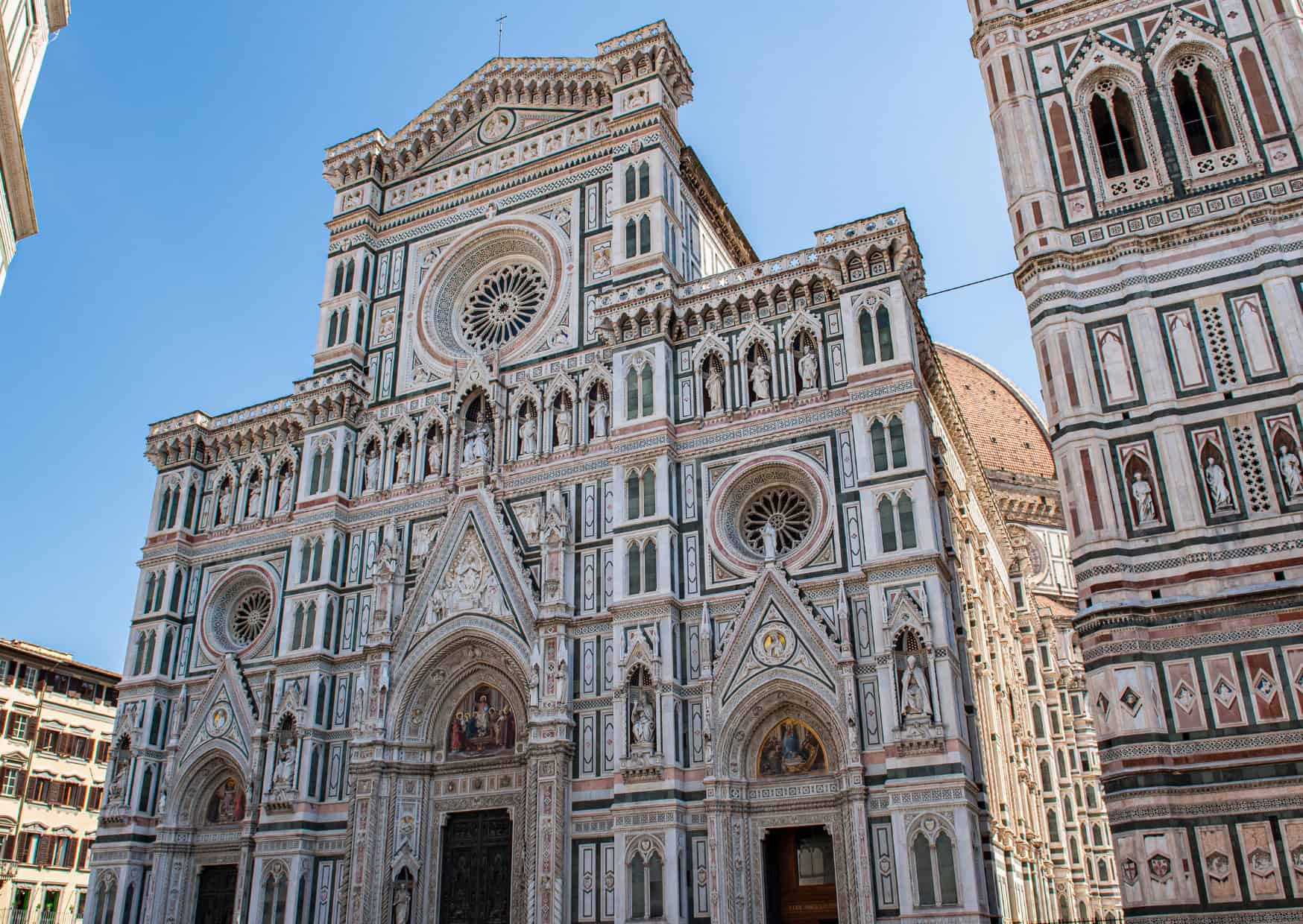
Why: Many churches and religious sites in Italy require modest dress, particularly in significant sites like the Vatican.
Tip: Cover your shoulders and knees when visiting churches. Bring a shawl or scarf if you’re wearing sleeveless attire.
7. Don’t Assume You’ll Get Tap Water
Why: In Italy, restaurants generally serve bottled water, either still (acqua naturale) or sparkling (acqua frizzante).
Tip: Politely ask for “acqua del rubinetto” if you prefer tap water, but don’t be surprised if bottled water is standard.
8. Don’t Tip Like in the U.S.
Why: Tipping is not customary in Italy as service charges are often included, and large tips may be considered unusual.
Tip: Rounding up the bill or leaving a small amount for exceptional service is common. If there’s a “coperto” (cover charge) on your bill, tipping is unnecessary.
9. Don’t Expect Dinner Before 8:00 PM

Why: Italians eat dinner later than in many other countries. Restaurants often open for dinner around 7:30 or 8:00 PM.
Tip: Adjust to the Italian dining schedule, and enjoy an aperitivo (pre-dinner drink) with snacks if you’re hungry earlier.
10. Don’t Assume All Italian Cuisine is the Same

Why: Italy has diverse regional cuisines, and dishes vary significantly by region.
Tip: Try local specialties specific to the area you’re visiting. For example, try risotto in Milan, pasta alla Norma in Sicily, or bistecca alla Fiorentina in Florence.
11. Don’t Overuse Condiments (Especially Ketchup)
Why: Italians value the flavors of their food and rarely use condiments like ketchup, especially on pizza or pasta.
Tip: Avoid adding extra condiments, and enjoy the dish as it’s served. Asking for ketchup with pizza, for example, might raise eyebrows.
12. Don’t Expect to Split the Bill Equally
Why: Italians often pay individually rather than splitting the bill equally, and some restaurants may not offer separate checks.
Tip: If you’re dining with a group, be prepared to pay your portion. You can ask for “conto separato” (separate bills) if the restaurant allows it.
13. Don’t Walk Around in Beachwear Away from the Beach

Why: Walking around in swimwear or with a bare torso outside beach areas is generally seen as inappropriate, even in coastal towns.
Tip: Dress appropriately once you leave the beach, and cover up when visiting restaurants or other public places.
14. Don’t Misinterpret Italian Hand Gestures

Why: Italians are expressive with their hands, and certain gestures convey specific meanings that may differ from other cultures.
Tip: Observe and try to understand gestures before using them yourself, as some can have strong meanings.
15. Don’t Criticize Italian Football (Soccer)

Why: Football is a passion for Italians, and many are highly devoted to their teams.
Tip: If you discuss Italian football, keep comments respectful and light-hearted. Avoid comparing Italian teams negatively to others, as Italians are proud of their clubs.
16. Don’t Overpack Your Itinerary
Why: Italy is a country to be savored, and packing too much into each day can lead to burnout.
Tip: Slow down and allow time to enjoy each place. Italians believe in living “la dolce vita” (the sweet life), so take your time and savor the experience.
17. Don’t Expect to Find Big Breakfasts

Why: Italians typically have a light breakfast, often a coffee with a pastry.
Tip: If you’re a breakfast person, consider staying in a hotel that serves a more substantial breakfast or enjoy a larger lunch later in the day.
18. Don’t Ignore the Importance of Personal Space
Why: Italians are friendly, but they value personal space in public places.
Tip: Avoid standing too close to strangers, especially in lines or on public transport. Italians appreciate personal space, even in crowded settings.
19. Don’t Try to Enter Museums or Churches Without a Ticket

Why: Many museums, historic sites, and churches in Italy require tickets, and some have long lines.
Tip: Book tickets in advance, especially for popular sites like the Vatican Museums and the Colosseum, to avoid waiting and secure your entry.
20. Don’t Assume Everyone Drinks Wine with Every Meal
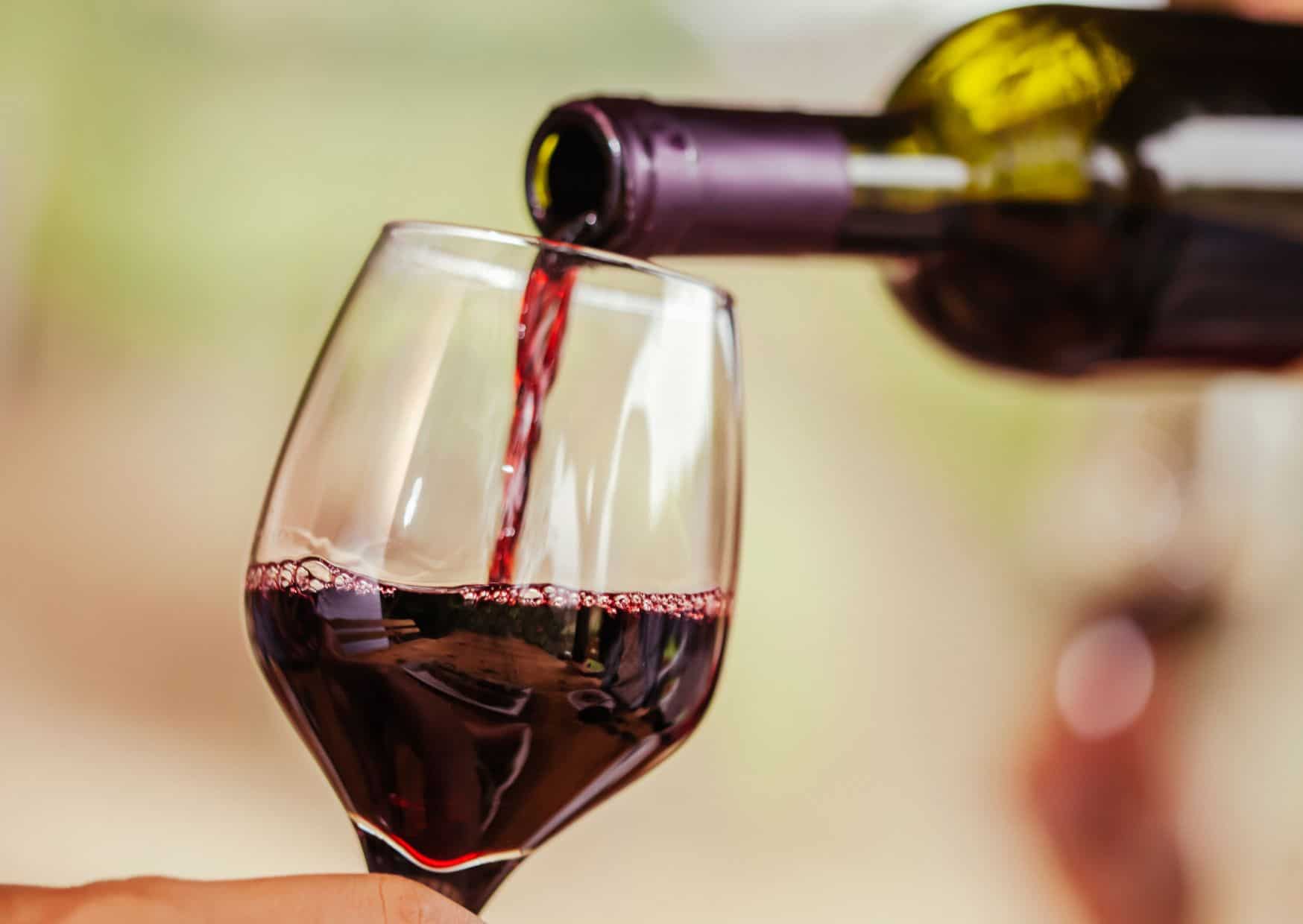
Why: While Italians love wine, they don’t always drink it with every meal, especially lunch.
Tip: Try different Italian wines when offered, but don’t feel obligated to have wine with every meal.
Why You Should Follow These Rules
You should follow basic Italian etiquette because it makes travel easier. Dressing appropriately in churches, greeting people politely, respecting meal times, and understanding how restaurants work can prevent unnecessary friction.
Following local habits also helps you get better experiences. When you stop trying to force familiar routines onto the trip, you are more likely to discover how people actually eat, socialize, and move through their day.
It is especially useful to respect food customs. You do not need to become a purist, but understanding what dishes belong to a region and how they are usually served can lead to much better meals than ordering only what looks familiar.
You should also pay attention to public behavior. Italy is social and expressive, but that does not mean every setting is casual. Churches, small shops, residential neighborhoods, and family-run businesses often come with expectations that are easy to respect once you notice them.
Most importantly, following local customs signals that you are paying attention. People are usually more patient and welcoming when they feel that a visitor is making a genuine effort rather than treating the country like a theme park.
Why You Should Not Care Too Much
You should not worry about every tiny mistake. Italians know tourists come from different backgrounds, and most small misunderstandings will not become a serious problem.
You also do not need to follow every food rule like a religious commandment. If you want a cappuccino later in the day or prefer something prepared differently, that does not make you a terrible traveler. Context and politeness matter more than perfection.
There is no reason to imitate Italians so aggressively that you stop being yourself. Learning a few customs is useful, but forced behavior can feel more awkward than simply being respectful and curious.
You should also remember that Italy is highly regional. Advice that feels accurate in Rome may not apply exactly the same way in Milan, Naples, Sicily, or a small village in Tuscany.
Finally, do not let etiquette content turn your trip into a list of potential offenses. The point is to make travel smoother, not to make you afraid to speak, order food, or ask questions.
Final Thoughts
Italy is more enjoyable when you understand that many of its habits are tied to history, region, food culture, religion, and social rhythm. What looks like an arbitrary rule often has a reason behind it.
The best travelers are not the ones who know every custom in advance. They are the ones who observe, adjust, and stay curious when something works differently from what they expected.
You will probably make at least one small mistake, and that is completely normal. A polite correction, a quick apology, or simply paying attention next time is usually enough.
The biggest mistake is not ordering the wrong coffee or wearing the wrong thing. It is refusing to adapt because you believe your own way should be the default everywhere.
In the end, Italy does not require perfection from visitors. Learn the important rules, respect the culture, stay flexible, and enjoy the differences instead of fighting them. That is usually enough to make the trip far better.

About the Author: Ruben, co-founder of Gamintraveler.com since 2014, is a seasoned traveler from Spain who has explored over 100 countries since 2009. Known for his extensive travel adventures across South America, Europe, the US, Australia, New Zealand, Asia, and Africa, Ruben combines his passion for adventurous yet sustainable living with his love for cycling, highlighted by his remarkable 5-month bicycle journey from Spain to Norway. He currently resides in Spain, where he continues sharing his travel experiences with his partner, Rachel, and their son, Han.
Treven
Monday 21st of April 2025
#18 is complete opposite. Please remove “Don’t “. Because I live here. Italians will get right up on you. Especially when boarding airplanes.