
European cooking can feel surprisingly different to Americans even when the ingredients look familiar. The biggest differences are often not about recipes at all, but about habits: how ingredients are handled, when meals are prepared, how much is measured, and what cooks consider essential versus unnecessary.
Many Americans grow up with convenience, consistency, and speed built into the kitchen. In parts of Europe, cooking can feel more intuitive, seasonal, and tied to repetition. People often learn by watching family members rather than following exact written instructions.
That can make some European cooking habits look strange at first. Using fewer ingredients, refusing certain substitutions, eating later, buying smaller quantities more often, or treating leftovers differently may seem inefficient to someone used to another system.
But these rules usually make more sense when you understand the culture behind them. A habit that looks overly traditional may be designed around ingredient quality, local shopping patterns, family routines, or generations of experience.
The interesting part is not deciding which side cooks “better.” It is noticing how different assumptions shape the kitchen. Once you see that, European cooking starts to feel less confusing and more intentional.
Read Here European Things that terrify Americans and American Habits that make Europeans Cringe
Read here how to pack for Europe and Best eSIM for Europe
BOOK YOUR TRAVEL INSURANCE
Two of our favorite travel insurance: Heymondo Vs Safetwing cheapest travel Insurance. You can get for $135 USD your Heymondo Travel Insurance with Heymondo discount code valid for 90 days. Read our full comparison of Genki vs Safetywing Travel Insurance Review and the comparison Heymondo vs Genki
Quick Easy Tips
When cooking European recipes, follow the rules at least once before adapting them you’ll learn why they exist.
Don’t skip high-quality ingredients; European dishes often rely on simplicity and freshness.
Remember that timing is key whether it’s resting dough or simmering sauces, patience is part of the recipe.
The controversial truth is that Americans often assume more ingredients, more equipment, and more precision automatically produce better food. Many European home cooks would disagree. Simplicity is often treated as a skill rather than a shortcut.
Another uncomfortable reality is that convenience has changed American cooking more aggressively than many people realize. Pre-cut ingredients, bottled sauces, large refrigerators, meal-prep systems, and packaged shortcuts solve real problems, but they can also create distance from basic technique.
There is also a tendency to call European cooking “traditional” when what people really mean is less standardized. Recipes can vary from family to family, and people may rely on texture, smell, or experience instead of exact timing and measurements.
At the same time, Europeans can be just as rigid as Americans in different ways. Food traditions sometimes come with strong opinions about what counts as authentic, which ingredients belong, and which substitutions are unacceptable. That can be frustrating for people who simply want dinner to work.
The real controversy is that both sides sometimes mistake habit for correctness. A method may feel obviously right only because it is what you grew up seeing. Travel and cooking become more interesting when you stop asking which system is superior and start asking what each one is trying to achieve.
1. No Measuring Cups Use a Scale Instead

Why It’s Confusing:
Americans use cups, tablespoons, and teaspoons, while Europeans prefer grams and milliliters.
A recipe might call for 250 grams of flour or 500 milliliters of milk, leaving Americans scrambling to convert measurements.
Why Europeans Do It:
More accuracy weighing ingredients ensures consistency in baking.
Cups can vary in size, but grams are universal.
Tip: If cooking from a European recipe, invest in a kitchen scale to avoid measurement issues.
2. Butter is Sold in Blocks, Not Sticks
Why It’s Confusing:
In the U.S., butter is conveniently divided into sticks with tablespoon markings.
In Europe, butter comes in 250-gram or 500-gram blocks, requiring you to cut and measure it manually.
Why Europeans Do It:
More natural and less processed many European butters contain fewer preservatives.
Richer taste European butter has higher butterfat content (82% vs. 80% in the U.S.), making it creamier and more flavorful.
Tip: 1 U.S. butter stick = 113 grams or ½ cup.
3. Room Temperature Eggs for Baking

Why It’s Confusing:
Americans often store all eggs in the fridge and use them cold for baking.
European recipes often call for room-temperature eggs.
Why Europeans Do It:
Room-temperature eggs mix better into batters and doughs, leading to lighter textures.
In Europe, eggs are often not refrigerated due to different processing methods (they aren’t washed like in the U.S.).
Tip: To warm up refrigerated eggs quickly, place them in warm water for 5 minutes before using.
4. No Pre-Shredded Cheese Always Grate Fresh

Why It’s Confusing:
In the U.S., pre-shredded cheese is widely available and saves time.
In Europe, it’s frowned upon, and most people grate cheese fresh.
Why Europeans Do It:
Pre-shredded cheese contains anti-caking agents like potato starch, which affects texture and melting quality.
Better flavor freshly grated cheese has a richer taste and melts more smoothly.
Tip: If a recipe calls for grated cheese, use a block of cheese and grate it yourself for a more authentic taste.
5. Cooking Pasta: No Rinsing & Save the Water

Why It’s Confusing:
Americans often rinse cooked pasta under cold water to stop it from sticking.
Europeans never rinse pasta and often save some of the pasta water.
Why Europeans Do It:
Rinsing pasta removes the starchy coating, which helps sauce cling better.
Pasta water is liquid gold adding a splash to the sauce creates a silkier texture.
Tip: Before draining pasta, save about ½ cup of pasta water and mix it into your sauce for a creamy consistency.
6. The Oven Settings Are Different (No Fahrenheit!)
Why It’s Confusing:
U.S. ovens use Fahrenheit (°F), while European ovens use Celsius (°C).
Most European ovens also have symbols instead of “bake” and “broil” settings, leaving Americans guessing.
Why Europeans Do It:
Celsius is the standard in most countries.
European ovens often use fan-assisted (convection) baking, which cooks food faster and more evenly.
Tip: Use this quick conversion:
350°F = 175°C
400°F = 200°C
425°F = 220°C
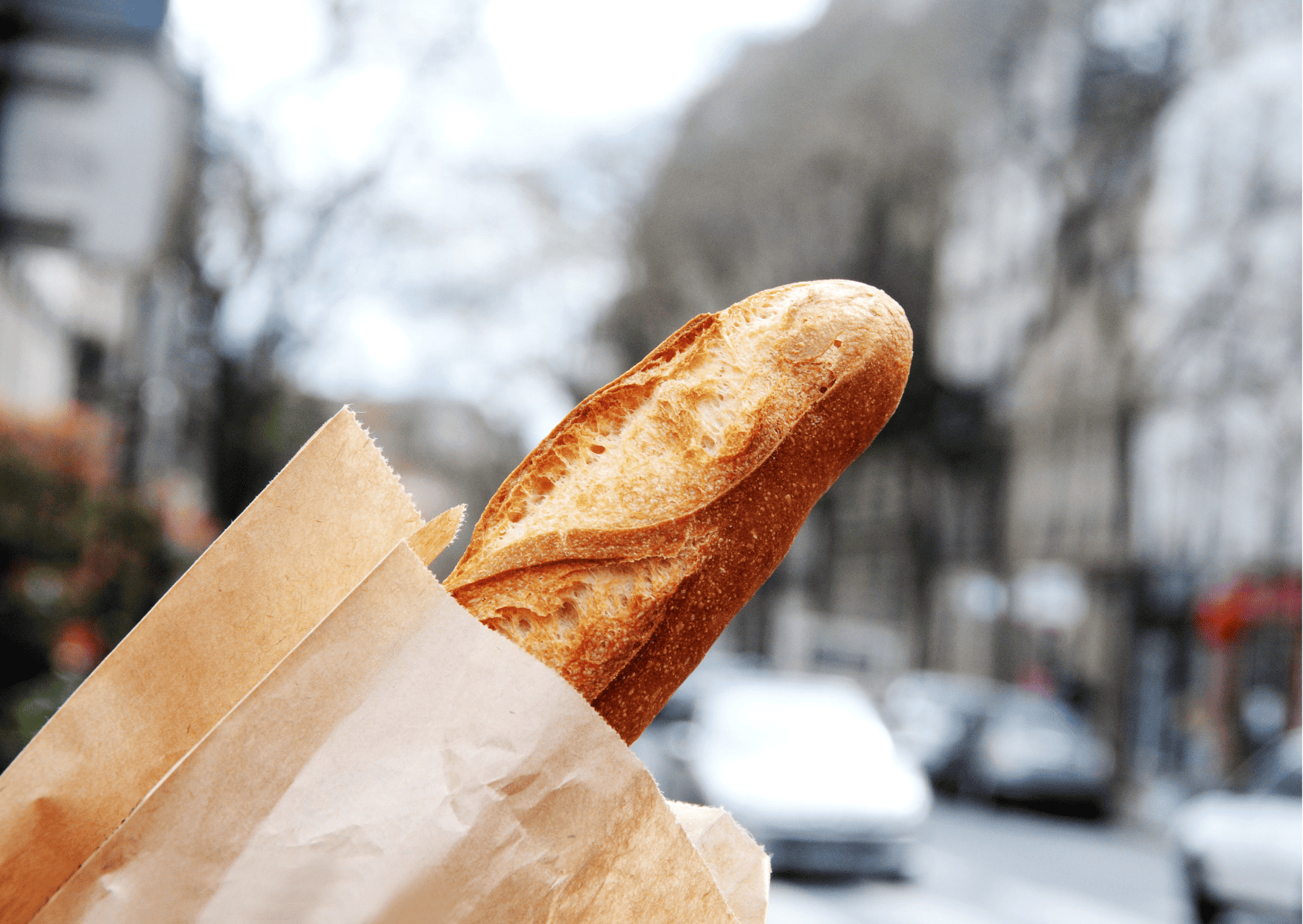
7. Bread is Sacred No Pre-Sliced Loaves
Why It’s Confusing:
In the U.S., most people buy pre-sliced, packaged bread.
In Europe, bread is often baked fresh daily and comes whole, requiring you to slice it yourself.
Why Europeans Do It:
Freshly baked bread has no preservatives, so it tastes better and lasts shorter.
Slicing bread just before eating keeps it fresher longer.
Tip: If buying bread in Europe, ask for a “demi-baguette” if you only want half a loaf.
8. No Giant Fridges or Freezers

Why It’s Confusing:
American kitchens often have huge refrigerators stocked with weeks’ worth of groceries.
European kitchens have smaller fridges and freezers, requiring more frequent shopping trips.
Why Europeans Do It:
Fresher ingredients Europeans prefer to buy smaller portions more often.
Less food waste smaller fridges prevent overbuying.
Tip: If staying in Europe, expect to shop for fresh ingredients every 1–2 days.
9. Olive Oil is Used for Cooking Not Just for Salads

Why It’s Confusing:
Many Americans use butter or vegetable oil for cooking, saving olive oil for salads.
Europeans cook almost everything with olive oil, even frying eggs.
Why Europeans Do It:
Health benefits olive oil is rich in healthy fats and antioxidants.
Better flavor it enhances the taste of vegetables, meats, and pasta.
Tip: Use extra virgin olive oil for finishing and regular olive oil for cooking.
10. Coffee is an Art No Drip Coffee Machines

Why It’s Confusing:
Many Americans rely on drip coffee machines or Keurigs.
In Europe, coffee is stronger, smaller, and made using espresso machines, moka pots, or French presses.
Why Europeans Do It:
Espresso-based coffee has a richer, stronger taste.
Coffee culture is more about quality than quantity no giant to-go cups.
Tip: If in Italy, never order a cappuccino after 11 AM locals only drink it in the morning.
Why You Should Follow These Rules
You should follow some European cooking habits because they can improve your attention to ingredients. When a recipe uses fewer components, each one matters more, which encourages better choices and more careful seasoning.
Cooking more intuitively can also make you more confident. Learning to judge doneness by texture, aroma, or appearance instead of relying entirely on a timer helps you become less dependent on rigid instructions.
Shopping more frequently and buying smaller quantities can reduce waste for some households. It can also make meals feel more connected to what is fresh and available rather than what has been sitting in storage for weeks.
Following traditional techniques can teach you why certain dishes work. Browning properly, letting dough rest, using pasta water, or cooking something slowly may seem like unnecessary extra steps until you taste the difference.
Most importantly, trying another culture’s kitchen habits can make you a more flexible cook. Even if you do not adopt every rule permanently, understanding the logic behind them gives you more options.
Why You Should Not Care Too Much
You should not treat every European cooking habit as automatically superior. A tradition can be meaningful without being the best solution for your schedule, budget, or kitchen.
You also do not need to reject convenience to cook well. Frozen vegetables, quality shortcuts, modern appliances, and prepared ingredients can save time without ruining a meal.
There is no reason to feel guilty if you measure ingredients, use substitutions, or change a recipe to suit your household. Food traditions survive partly because people adapt them.
You should also avoid romanticizing European kitchens as places where everyone cooks from scratch every day. Europeans use supermarkets, packaged foods, appliances, and shortcuts too. The reality is more mixed than the stereotype.
Finally, cooking should fit your life. If a traditional method takes three hours and you have twenty minutes, using a faster approach does not make you a worse cook.
Final Thoughts
European cooking rules are interesting because they reveal how much culture lives inside ordinary kitchen habits. The way people shop, season, serve, and prepare food often reflects values that go far beyond the recipe itself.
For Americans, the biggest lesson may be that cooking does not always need to be optimized. Some methods are slower because the process matters, not because nobody discovered a faster way.
At the same time, there is no need to replace every American habit with a European one. The most useful approach is to borrow what improves your food and ignore what does not fit your life.
Trying different methods can also make familiar dishes feel new again. A small change in technique, timing, or ingredient choice can completely change the final result.
In the end, the best cooking rule is the one that helps you make food you actually enjoy. Learn from tradition, stay curious, and do not be afraid to break the rules once you understand why they exist.

About the Author: Ruben, co-founder of Gamintraveler.com since 2014, is a seasoned traveler from Spain who has explored over 100 countries since 2009. Known for his extensive travel adventures across South America, Europe, the US, Australia, New Zealand, Asia, and Africa, Ruben combines his passion for adventurous yet sustainable living with his love for cycling, highlighted by his remarkable 5-month bicycle journey from Spain to Norway. He currently resides in Spain, where he continues sharing his travel experiences with his partner, Rachel, and their son, Han.