
More Americans are looking beyond the United States for places where they can live longer, spend less, slow down, or simply build a different kind of life. The appeal is easy to understand. Some countries offer lower housing costs, warmer weather, better public transportation, or residency paths that can feel more attainable than people expect.
But moving abroad is very different from taking a long vacation. Once you stay beyond a short tourist period, practical issues become far more important: visas, taxes, healthcare, banking, housing, language, and whether you can legally work or remain in the country long term.
That is why lists of countries where Americans can live are useful only when they go beyond scenery and cost of living. A beautiful place is not automatically an easy place to relocate, and an affordable destination is not automatically a good fit for every lifestyle.
The best countries for Americans are usually the ones that combine several things at once: a realistic legal pathway, manageable everyday costs, acceptable healthcare, stable infrastructure, and a lifestyle that still works after the novelty disappears.
The key is understanding that “Americans can live here” does not mean the process is automatic. Each country has its own rules, financial thresholds, paperwork, timelines, and expectations, and those details matter far more than a viral headline.
Read Here European Things that terrify Americans and American Habits that make Europeans Cringe
Read here how to pack for Europe and Best eSIM for Europe
BOOK YOUR TRAVEL INSURANCE
Two of our favorite travel insurance: Heymondo Vs Safetwing cheapest travel Insurance. You can get for $135 USD your Heymondo Travel Insurance with Heymondo discount code valid for 90 days. Read our full comparison of Genki vs Safetywing Travel Insurance Review and the comparison Heymondo vs Genki
Quick Easy Tips
Research visa requirements thoroughly before committing to a move. Some countries make it easy to stay long-term, while others require frequent renewals.
Learn the basics of the local language to integrate faster and avoid relying on costly expat-only services.
Stick to local markets, public transportation, and neighborhood eateries to stretch your budget while experiencing authentic culture.
The controversial truth is that many Americans assume moving abroad is either impossibly complicated or ridiculously easy. The reality sits somewhere in the middle. Some countries do offer accessible residency routes, but almost none work by simply arriving and deciding to stay.
Another uncomfortable reality is that low cost of living can be misleading. A country may look cheap based on rent and restaurants, while private healthcare, imported goods, international schooling, taxes, or frequent flights home make the real budget much higher.
There is also a tendency to believe that leaving the United States means leaving American financial obligations behind. Depending on your situation, taxes, reporting requirements, banking rules, and retirement planning can still follow you across borders.
Some expats also underestimate how important language and social integration become over time. Living somewhere where you cannot easily handle bureaucracy, medical appointments, or everyday conversations can feel very different after a year than it did during the first month.
The real controversy is that moving abroad is not automatically an escape from problems. It replaces one set of problems with another. The move works best when you prefer the new trade-offs rather than imagining that there will be no trade-offs at all.
Countries Where Americans Can Live And Retire
1. Portugal – Best for European Charm & Safety

Cost of Living: ~$1,500–$2,200/month
Why Retire Here?
Safe, affordable, and sunny climate (especially in the Algarve).
Great healthcare and a strong expat community.
Mild winters and beautiful beaches.
Visa & Residency:
D7 Visa (for retirees) requires ~$2,000/month income.
Path to permanent residency after 5 years.
Best City: Algarve (beach town with a large expat community).
2. Mexico – Best for Proximity & Affordable Healthcare

Cost of Living: ~$1,500–$2,000/month
Close to the U.S., easy to fly home when needed.
Low-cost healthcare and private insurance options.
Vibrant culture, beaches, mountains, and colonial cities.
Visa & Residency:
Temporary Resident Visa requires ~$2,600/month income or $43,000 in savings.
Can apply for permanent residency after 4 years.
Best Cities: Mérida (safe, colonial charm), Puerto Vallarta (beach life), San Miguel de Allende (arts & culture).
3. Ecuador – Best for Low Cost of Living & Nature

Cost of Living: ~$1,200–$1,800/month
Why Retire Here?
One of the cheapest expat-friendly countries in South America.
Mild climate (in the highlands) and stunning nature.
Great public healthcare (free for residents).
Visa & Residency:
Retirement Visa requires ~$1,350/month passive income.
Best Cities: Cuenca (mild weather, colonial charm), Loja (small-town feel, even cheaper).
4. Thailand – Best for Tropical Climate & Healthcare

Cost of Living: ~$1,300–$1,800/month
World-class healthcare for a fraction of U.S. costs.
Exotic beaches, mountains, and rich culture.
Expats live luxuriously for less—great food & cheap services.
Visa & Residency:
Retirement Visa (O-A Visa) requires ~$2,000/month income & health insurance.
Best Cities: Chiang Mai (cheap & cultural), Hua Hin (beach town, expat-friendly).
5. Colombia – Best for Urban Living & Low Costs

Cost of Living: ~$1,400–$2,000/month
Why Retire Here?
Affordable, modern cities with great food & culture.
Mild climate year-round in Medellín.
Good public transportation & walkable cities.
Visa & Residency:
Retirement Visa requires ~$800/month pension income.
Best Cities: Medellín (spring-like climate), Pereira (cheaper & quieter).
6. Vietnam – Best for Budget-Friendly Tropical Living

Cost of Living: ~$1,200–$1,800/month
Why Retire Here?
Extremely affordable food, rent, and healthcare.
Exotic culture and friendly locals.
Tropical weather & beach towns.
Visa & Residency:
No retirement visa, but long-term tourist visas are possible with extensions.
Best Cities: Da Nang (beach life), Hoi An (charming, quiet).
7. Spain – Best for Culture & Quality of Life
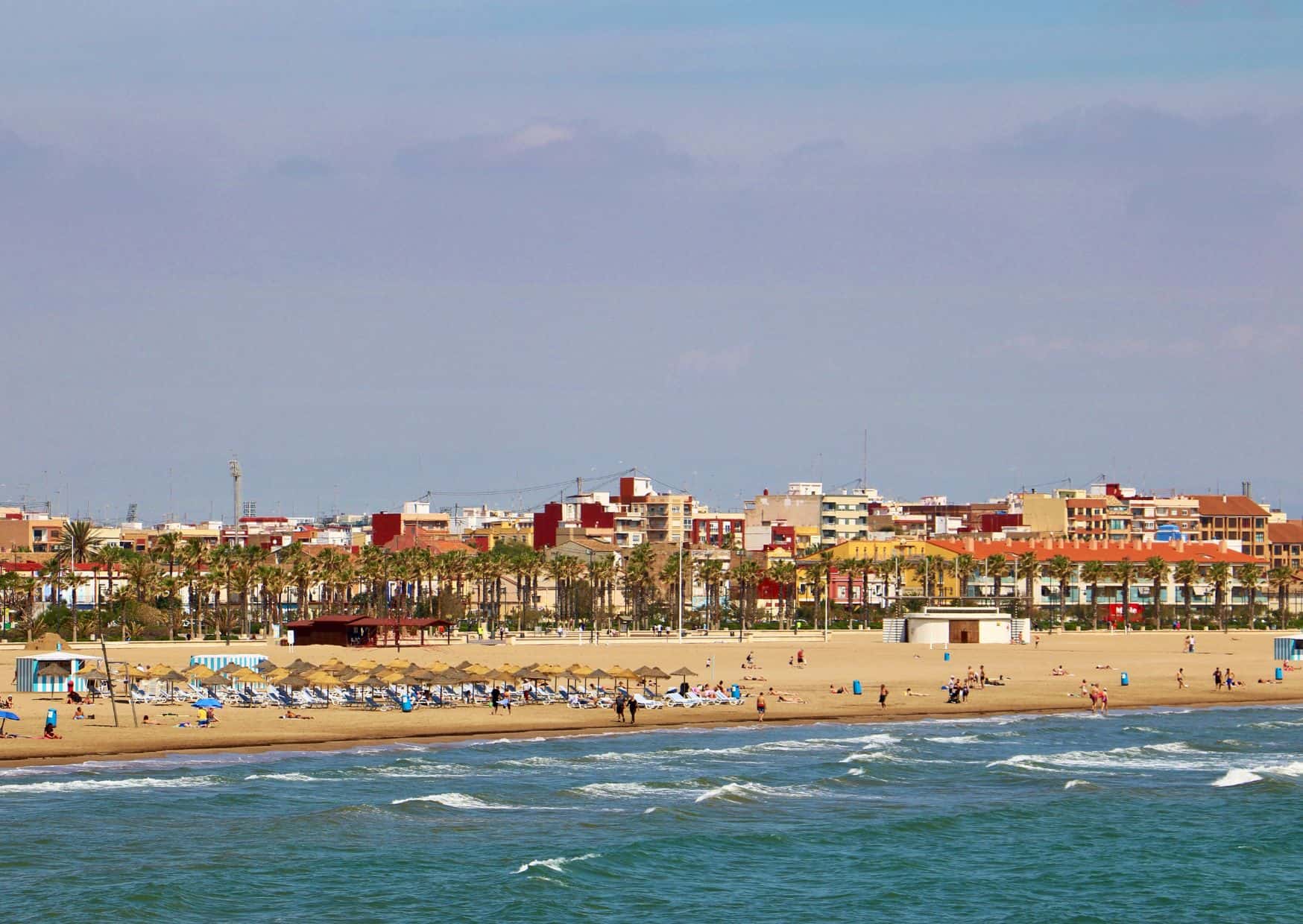
Cost of Living: ~$1,800–$2,300/month
Why Retire Here?
Beautiful cities, world-class healthcare, and laid-back lifestyle.
Low-cost wine, food, and public transport.
Warmer, cheaper regions in the south.
Visa & Residency:
Non-Lucrative Visa requires ~$2,500/month income.
Best Cities: Valencia (affordable beach city), Granada (low cost, rich culture).
8. Panama – Best for Easy Residency & Tax Benefits

Cost of Living: ~$1,500–$2,000/month
Why Retire Here?
Low taxes for expats, stable economy.
Tropical climate, beaches, and mountains.
Pensionado Visa offers discounts for retirees.
Visa & Residency:
Pensionado Visa requires $1,000/month pension income.
Best Cities: Boquete (cool climate, expat-friendly), Coronado (beachside living).
9. Nicaragua – Best for Ultra-Low Cost & Adventure
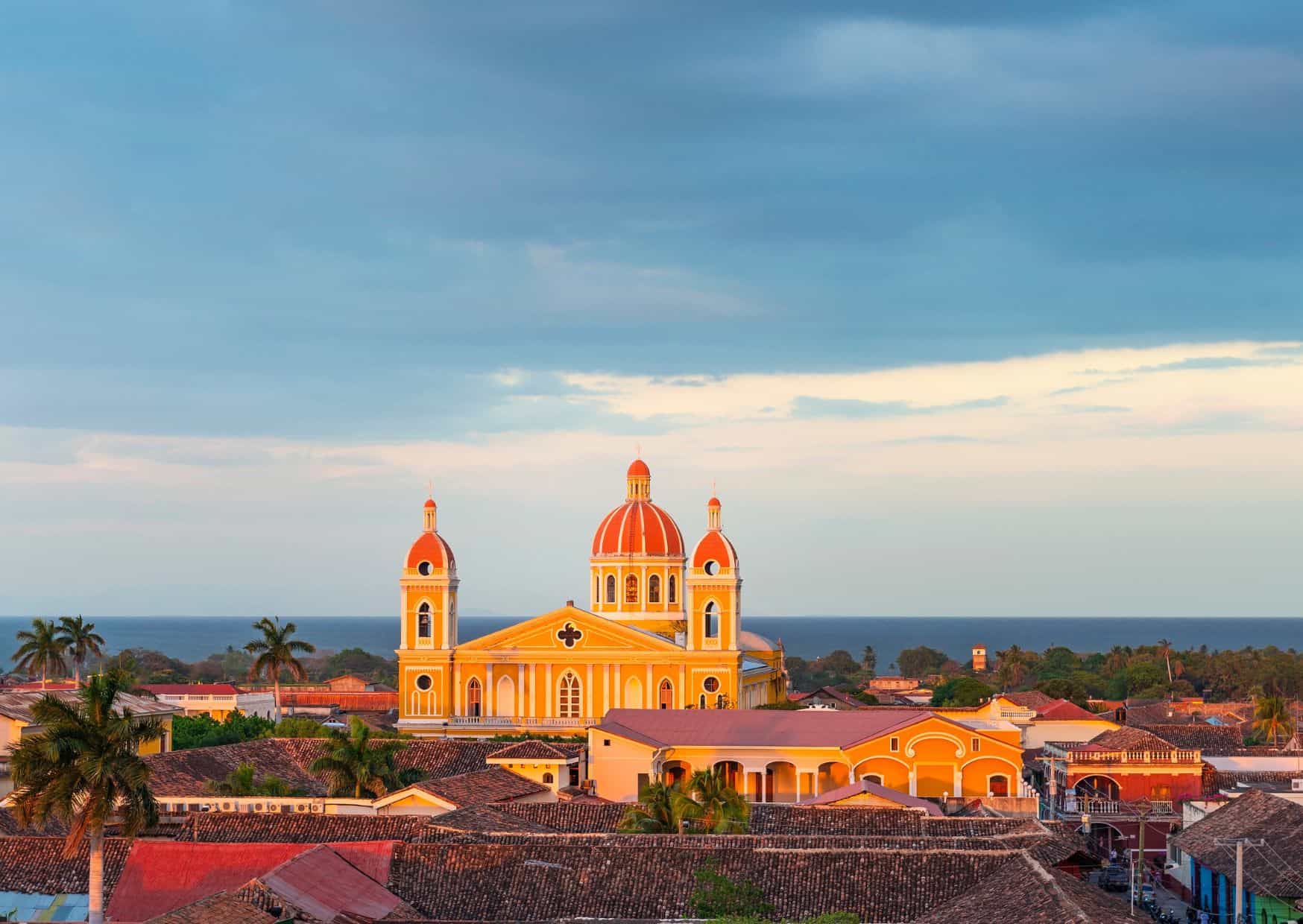
Cost of Living: ~$1,000–$1,600/month
Cheapest country on this list.
Beautiful beaches, volcanoes, and colonial cities.
Low healthcare costs.
Visa & Residency:
Retirement Visa requires ~$600/month pension income.
Best Cities: Granada (colonial charm), San Juan del Sur (beach & surf town).
10. Malaysia – Best for Modern, Affordable Living

Cost of Living: ~$1,500–$2,000/month
Affordable healthcare, modern cities, and tropical beaches.
English is widely spoken.
Great mix of beach towns, mountains, and urban life.
Visa & Residency:
MM2H (Malaysia My Second Home) Visa requires $10,000/month income.
Best Cities: Penang (island living), Kuala Lumpur (urban lifestyle).
Final Thoughts: Best Country for You?
For a European retirement: Portugal and Spain
For tropical beach life:Mexico, Panama and Thailand
For ultra-low cost of living: Ecuador, Nicaragua and Vietnam
For modern city life: Colombia and Malaysia
Why You Should Consider These Countries
You should consider countries with realistic residency pathways because legal certainty matters. Knowing there is a clear route to stay long term makes it much easier to plan housing, finances, healthcare, and everyday life.
Lower living costs can also make a major difference, especially for retirees, remote workers, or people living on savings. A budget that feels tight in one country may provide much more flexibility somewhere else.
Living abroad can also offer lifestyle benefits that are difficult to measure on a spreadsheet. Walkable neighborhoods, public transportation, access to nature, slower routines, and more time outside can change how daily life feels.
Some countries also offer strong international communities, which can make the transition easier. Having access to other newcomers, English-speaking services, and established expat networks can reduce the isolation that sometimes comes with moving overseas.
Most importantly, living abroad can give you a different perspective on what you actually value. Once you experience another system, you may realize that convenience, space, income, time, healthcare, community, or mobility matter differently than you thought.
Why You Should Not Care Too Much About Rankings
You should not assume that the country ranked number one is automatically the best place for you. A destination that works perfectly for a retiree may be frustrating for a family, entrepreneur, or remote worker.
You also should not choose a country only because it is cheap. Affordability matters, but so do safety, healthcare, infrastructure, language, climate, and whether you genuinely enjoy the culture.
There is no reason to chase the easiest visa if the destination itself does not fit your lifestyle. A simple residency process is not much of an advantage if you dislike the weather, pace, or daily environment once you arrive.
You should also be careful with expat hype. Places become fashionable quickly, and recommendations can lag behind changes in rent, bureaucracy, taxes, or local attitudes toward foreign residents.
Finally, moving abroad should not become a race to find the perfect country. There is no perfect destination. Every place asks you to compromise somewhere, and the smartest decision is usually the one where those compromises feel acceptable.
Final Thoughts
The best countries for Americans to live in are not necessarily the cheapest or the easiest to enter. They are the places where legal access, cost, lifestyle, and long-term practicality fit together.
The smartest approach is to separate the dream from the logistics. Research visas, taxes, healthcare, housing, and local costs before falling in love with the idea of a destination.
It is also worth spending meaningful time in a place before committing. A month or two in a residential neighborhood can reveal far more about daily life than a short vacation ever will.
You may discover that the country you expected to love does not fit you at all, while somewhere you barely considered feels surprisingly easy to live in. That is why flexibility matters.
In the end, moving abroad works best when it is not an escape fantasy but a deliberate trade. You give up some familiar comforts and gain new ones. The right country is the one where that trade still feels worth making after the excitement wears off.

About the Author: Ruben, co-founder of Gamintraveler.com since 2014, is a seasoned traveler from Spain who has explored over 100 countries since 2009. Known for his extensive travel adventures across South America, Europe, the US, Australia, New Zealand, Asia, and Africa, Ruben combines his passion for adventurous yet sustainable living with his love for cycling, highlighted by his remarkable 5-month bicycle journey from Spain to Norway. He currently resides in Spain, where he continues sharing his travel experiences with his partner, Rachel, and their son, Han.
Iskandar Hack
Sunday 16th of February 2025
Please update the income requirements for MM2H, it's now RM40000 per month (close to $10,000 USD) and I believe that there's a new requirement to purchase property and have a deposit in a Malaysian bank.