
Barcelona is one of Europe’s most vibrant and visited cities, famous for its stunning architecture, golden beaches, buzzing nightlife, and mouthwatering tapas. But while it’s easy to get swept up in the beauty and excitement, there are certain behaviors and mistakes that will instantly mark you as a clueless tourist.
From dining at the wrong times to underestimating local pickpocket tricks, many visitors unknowingly ignore the unspoken rules of Barcelona. These slip-ups can ruin your trip, waste your money, or worse, land you in an awkward cultural faux pas with locals.
Understanding what not to do is just as important as knowing where to go. By avoiding these common blunders, you can experience Barcelona like a savvy traveler respecting the culture, blending in more easily, and making the most of your time in Catalonia’s capital.
Read here 4 Days Barcelona Itinerary and Sim Card Barcelona Airport
BOOK YOUR TRAVEL INSURANCE
Two of our favorite travel insurance: Heymondo Vs Safetwing cheapest travel Insurance. You can get for $135 USD your Heymondo Travel Insurance with Heymondo discount code valid for 90 days. Read our full comparison of Genki vs Safetywing Travel Insurance Review and the comparison Heymondo vs Genki
Tips for Enjoying Barcelona
Respect the Culture: Understand and appreciate Catalonia’s distinct identity within Spain.
Use Public Transport: Barcelona’s metro and buses are efficient and affordable.
Plan Ahead: Popular attractions like La Sagrada Família often sell out, so book tickets in advance.
Stay Hydrated: Summers can be hot carry water with you, especially when exploring.
The uncomfortable truth about Barcelona is that the city does not hate tourists nearly as much as it hates what mass tourism has become. Millions of visitors arrive expecting Barcelona to function like an enormous Mediterranean playground, while residents still need to commute, sleep, shop for groceries, raise families, and afford housing in the same neighborhoods. The conflict begins when travelers forget that Barcelona is somebody’s home before it is somebody else’s vacation.
The controversy becomes sharper because tourism is also enormously important to the city. Restaurants, hotels, attractions, tour companies, and thousands of workers depend on visitors. Barcelona cannot simply turn tourism off, nor would most residents necessarily want that. The real argument is over what kind of tourism the city should tolerate: travelers who contribute to local life or mass tourism that consumes the city without respecting it.
Housing makes the debate even more emotional. Visitors love staying in picturesque residential neighborhoods because they feel more authentic than hotel districts. Residents may see the same phenomenon very differently when apartments increasingly serve temporary visitors instead of long-term neighbors. A tourist can enjoy a beautiful apartment for four nights without ever seeing the housing pressures that locals associate with short-term tourism.
Another uncomfortable issue is that behavior considered harmless on vacation can become unbearable when millions of people repeat it. One drunken group shouting beneath an apartment at 2 a.m. might seem like a minor incident. Multiply that behavior across busy neighborhoods night after night and residents experience something very different. The tourist sees one weekend of fun; the resident hears the same weekend every week.
The biggest misunderstanding is believing that Barcelona’s tourism backlash means travelers are no longer welcome. What many residents appear to be rejecting is entitlement. Visitors who treat public spaces, beaches, churches, markets, and residential streets with basic respect are very different from travelers who behave as though buying a plane ticket temporarily suspends local rules. Barcelona can still be an extraordinary destination, but increasingly, being a good visitor matters as much as deciding what attractions to see.
Things Not to Do in Barcelona
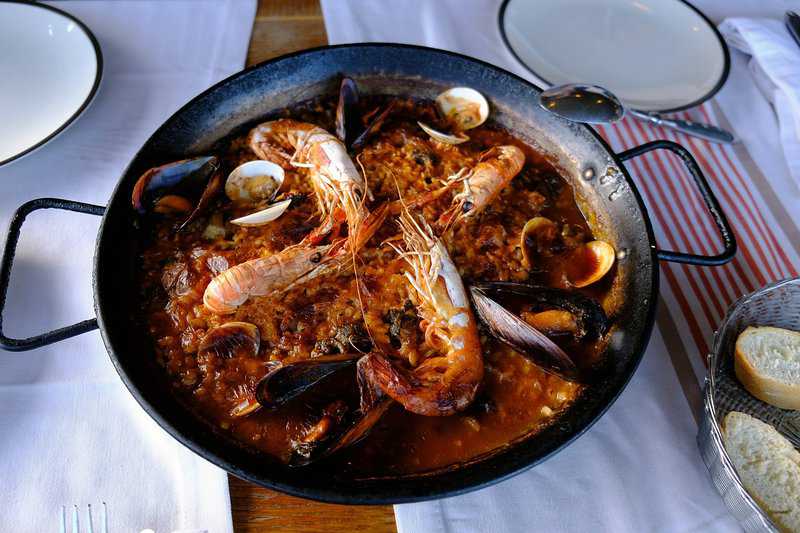
1. Don’t Expect Dinner Before 8 PM
Why:
Dinner in Spain is a late affair, typically starting around 9 PM or later. Many restaurants won’t even open before 7:30 PM.
Tip:
Adjust your meal schedule and try a late afternoon snack (merienda) to tide you over.
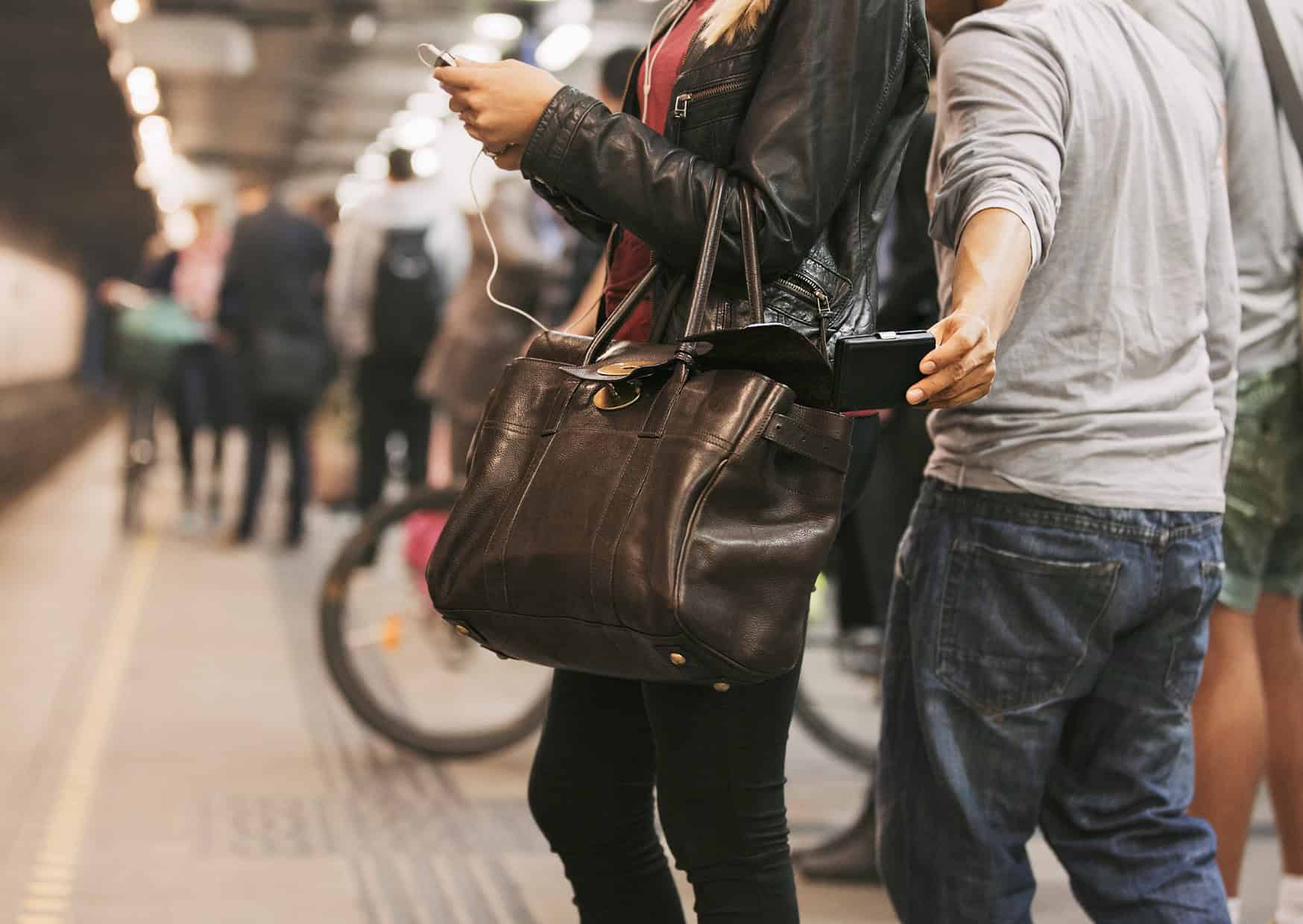
2. Don’t Overlook Pickpocketing Risks
Why:
Barcelona is infamous for pickpockets, especially in crowded areas like La Rambla and public transport.
Tip:
Keep your valuables secure, use anti-theft bags, and avoid carrying passports or large amounts of cash.
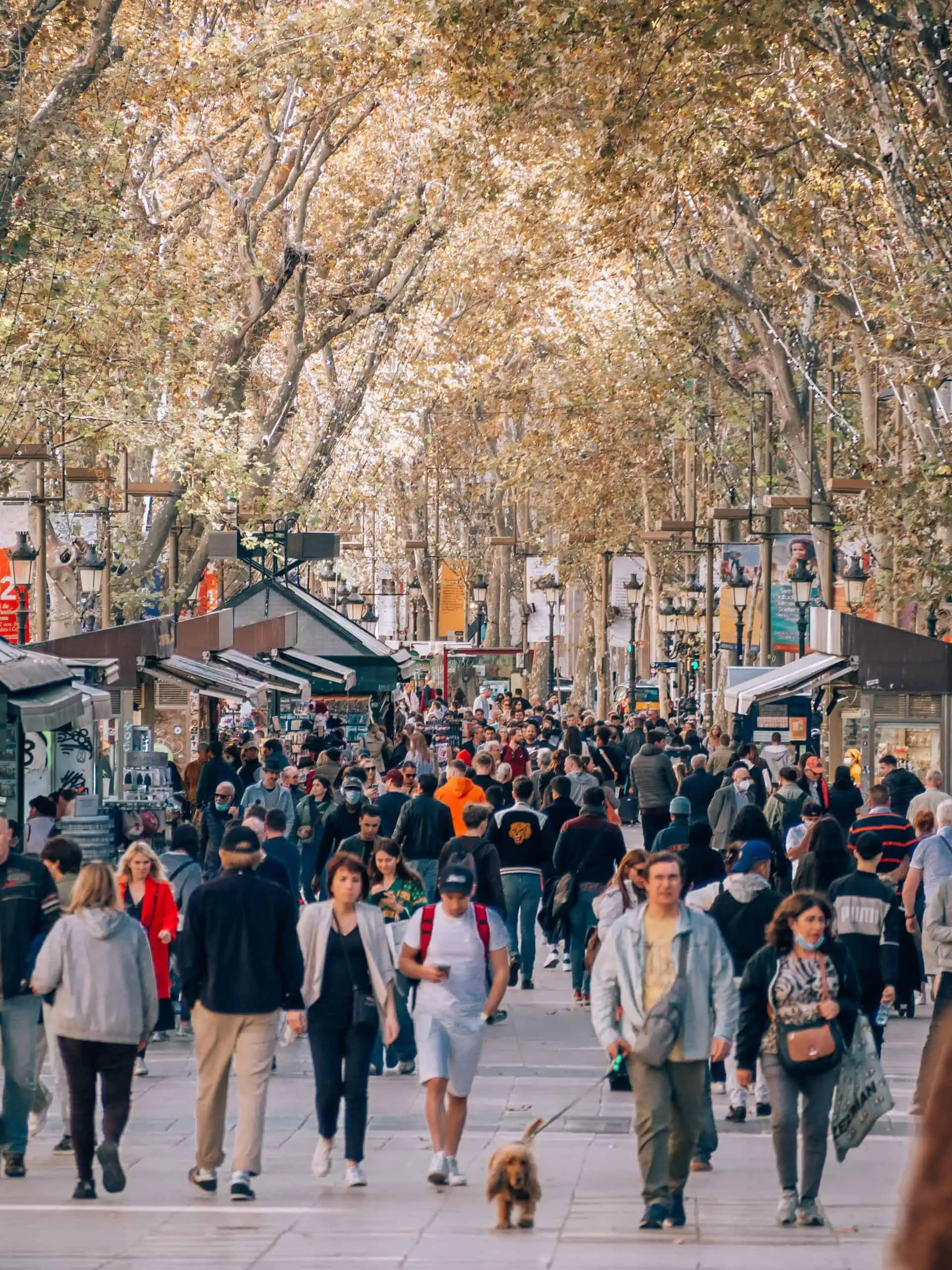
3. Don’t Stick Only to La Rambla
Why:
While iconic, La Rambla is overly touristy and can feel inauthentic compared to other parts of the city.
Tip:
Explore neighborhoods like El Born, Gràcia, and Poblenou for a more authentic experience.
4. Don’t Assume Flamenco Is a Barcelona Thing

Why:
Flamenco is more typical of southern Spain (Andalusia) than Catalonia, where traditional dances like sardana are more common.
Tip:
If you want an authentic Flamenco experience, do your research and choose a reputable venue.
5. Don’t Wear Beachwear Away From the Beach

Why:
Walking around the city in swimsuits or beachwear is frowned upon and considered disrespectful.
Tip:
Dress appropriately for the city, even if you’re heading to or from the beach.
6. Don’t Forget to Learn a Few Catalan Words
Why:
Barcelona is in Catalonia, where Catalan is widely spoken alongside Spanish. Locals appreciate visitors acknowledging their regional language.
Tip:
Learn basic phrases like “Bon dia” (Good morning) or “Gràcies” (Thank you).
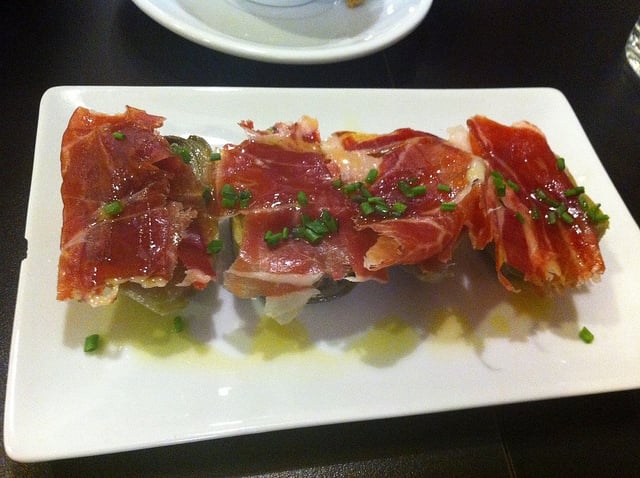
7. Don’t Expect Free Tapas
Why:
Unlike in other parts of Spain, free tapas with drinks are not common in Barcelona.
Tip:
Budget for your tapas or opt for set menus at local bars and restaurants.
8. Don’t Assume Sangria Is the Only Drink

Why:
While popular, locals often prefer cava (sparkling wine) or vermut (vermouth).
Tip:
Try vermut at a traditional vermutería for an authentic Catalan experience.
9. Don’t Buy from Street Vendors

Why:
Street vendors selling souvenirs, sunglasses, or drinks often sell counterfeit goods and may not have permits.
Tip:
Support local artisans by shopping at markets like Mercat de Sant Josep de la Boqueria or smaller boutique stores.
10. Don’t Ignore Restaurant Timings
Why:
Many restaurants close between lunch (around 3 PM) and dinner (around 8 PM).
Tip:
Plan your meals accordingly or opt for all-day dining spots.
11. Don’t Touch the Castellers (Human Towers)

Why:
During festivals, the castellers (human tower performers) practice an important tradition that demands respect and focus.
Tip:
Watch from a respectful distance and enjoy the spectacle.
12. Don’t Forget to Validate Metro Tickets
Why:
Using public transport without validating your ticket can lead to hefty fines.
Tip:
Always validate your ticket before boarding trains or buses.
13. Don’t Skip Casa Milà and Casa Batlló

Why:
While many tourists flock to La Sagrada Família, Gaudí’s other masterpieces, like Casa Milà and Casa Batlló, are equally breathtaking.
Tip:
Book tickets online in advance to skip long queues.
14. Don’t Assume All Paella Is Good

Why:
Tourist traps often serve mediocre paella at inflated prices.
Tip:
Seek out restaurants with fresh ingredients and reviews from locals, or try other Catalan dishes like fideuà (noodle-based seafood dish).
15. Don’t Forget Siesta Hours
Why:
Many shops and smaller businesses close in the afternoon for siesta, typically from 2 PM to 5 PM.
Tip:
Visit larger stores or tourist attractions during these hours, or use the time to relax like a local.
Why You Should Follow These Rules
Following Barcelona’s unwritten and written rules makes your trip noticeably better because you stop fighting against the way the city actually functions. Eating at local times, understanding pedestrian etiquette, respecting residential areas, and behaving appropriately in restaurants and markets can make interactions considerably smoother. Instead of constantly feeling that locals are impatient with you, you begin moving through the city with greater awareness.
Respectful behavior also helps protect the neighborhoods travelers claim to love. Visitors frequently say they want authentic Barcelona, yet authenticity disappears when local businesses and residents are pushed out by an economy built entirely around tourists. Spending money at independent restaurants, neighborhood cafés, markets, and locally owned businesses gives tourism a better chance of benefiting the people who actually live there.
Following local expectations can also save you embarrassment. Walking through the city dressed as though you never left the beach, blocking narrow sidewalks, being excessively loud late at night, or treating La Boqueria like a photography set may instantly identify you as an inconsiderate visitor. None of these behaviors will ruin civilization, but avoiding them requires almost no effort.
You may also discover a better Barcelona by avoiding the behaviors associated with mass tourism. Instead of spending every minute between Las Ramblas, the Gothic Quarter, Park Güell, and the Sagrada Família, venture into neighborhoods and nearby areas where daily life continues. Slowing down often produces better meals, quieter streets, and conversations you would never experience while racing between attractions.
Most importantly, following these rules acknowledges that travel is an exchange rather than a purchase. Paying for a hotel does not buy ownership of the city for a weekend. Barcelona gives visitors architecture, beaches, food, nightlife, history, and an extraordinary urban culture. In return, asking travelers to keep the noise down, respect neighborhoods, and behave like guests is hardly unreasonable.
Why You Shouldn’t Follow Everything Blindly
You should not become so frightened of offending Barcelona residents that you stop enjoying Barcelona. Tourism criticism can sometimes make responsible travelers feel as though merely visiting the city is unethical. That goes too far. Barcelona remains an international destination, and visitors who behave respectfully should not feel guilty for wanting to see Gaudí, eat tapas, walk through the Gothic Quarter, or spend an afternoon at the beach.
Not every complaint about tourists is automatically reasonable either. Cities change, businesses depend on visitors, and popular destinations have always had to balance residents with outsiders. Some frustrations blamed entirely on tourism are connected to larger housing, economic, regulatory, and urban-planning problems. Individual tourists should behave responsibly, but they cannot personally solve every structural problem Barcelona faces.
You also should not become obsessed with acting like a local. You are a tourist, and there is nothing inherently wrong with that. Locals know you did not fly across the Atlantic to do laundry and commute to an office. Visit famous landmarks, take photographs, buy souvenirs, and order dishes you have never tried. Respectful tourism does not require pretending you live there.
Be careful with sweeping statements about what “Barcelona locals” supposedly hate. Barcelona is a large, diverse city, and residents do not share one opinion about tourists. Some are furious about overtourism, some make their living from tourism, some barely think about visitors, and many probably hold complicated views somewhere in between. Treating every local as hostile can be just as simplistic as ignoring local frustration altogether.
Finally, do not let etiquette lists turn travel into an anxiety exercise. The purpose of understanding Barcelona’s tourism tensions is not to spend your vacation terrified of committing a minor cultural mistake. Most problems come down to basic judgment: do not treat residential neighborhoods like amusement parks, do not make unnecessary noise, do not assume everything exists for tourists, and remember that people actually live here. Follow that principle and you can enjoy Barcelona without becoming the kind of visitor the city is increasingly pushing back against.
Final Thoughts
Barcelona rewards those who approach it with curiosity, respect, and a willingness to adapt to local customs. While it’s tempting to treat it like just another Mediterranean beach city, it’s also a place with deep traditions, strong Catalan identity, and its own rhythm of life.
By steering clear of the classic tourist mistakes, you’re not just avoiding embarrassment you’re opening the door to a richer, more authentic travel experience. Locals are far more likely to engage with visitors who show they’ve done their homework.
In the end, Barcelona is best enjoyed when you slow down, observe, and immerse yourself in its unique way of living. The more you blend in, the more memorable your trip will be.

About the Author: Ruben, co-founder of Gamintraveler.com since 2014, is a seasoned traveler from Spain who has explored over 100 countries since 2009. Known for his extensive travel adventures across South America, Europe, the US, Australia, New Zealand, Asia, and Africa, Ruben combines his passion for adventurous yet sustainable living with his love for cycling, highlighted by his remarkable 5-month bicycle journey from Spain to Norway. He currently resides in Spain, where he continues sharing his travel experiences with his partner, Rachel, and their son, Han.