
An American arriving in Germany for the first time on a Sunday is often in for a jolt, because the shops are shut. Not some of them, not for a few hours, but nearly all of them, all day, by law. The supermarkets are dark, the clothing stores are locked, the whole apparatus of retail that runs seven days a week back home has simply stopped, and the streets are quiet in a way that can feel either serene or alarming depending on how badly you needed groceries. This is not an accident or a holiday, it is Sunday working exactly as much of Europe still insists it should, a protected day of rest that America mostly abandoned decades ago. The contrast between the two is one of the most revealing small differences between the continents.
What follows is where the closed European Sunday comes from, which countries still hold to it, why America went the other way, and what the whole quiet argument is really about. It is a small thing, a locked shop door, that turns out to say a surprising amount about how a society chooses to live.
The Country That Takes It Most Seriously
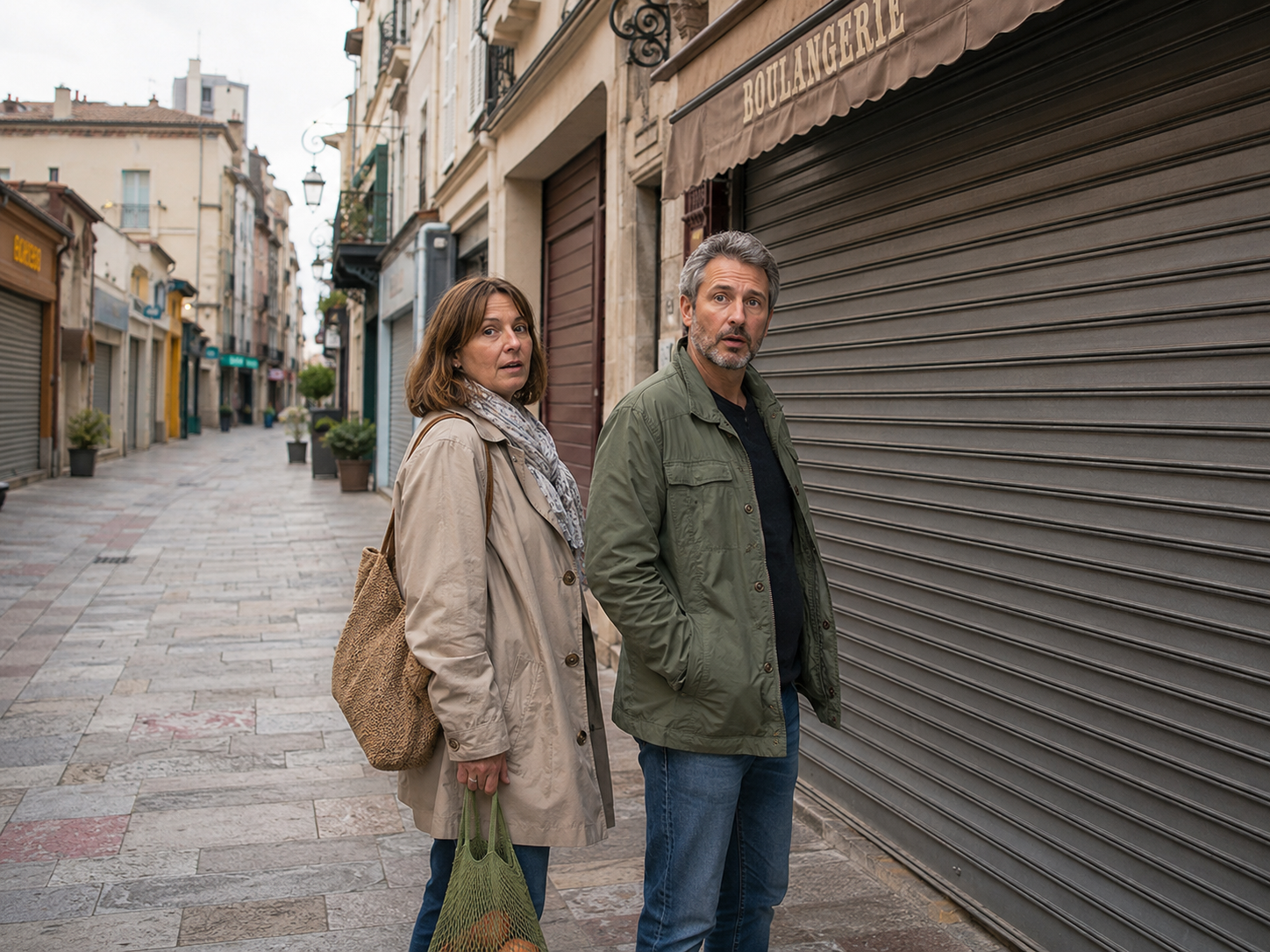
If any country is the standard-bearer for the closed Sunday, it is Germany, where the tradition is written into federal and state law under the wonderful name Ladenschlussgesetz, the shop-closing act. Under these rules, retail stores must remain closed to the public on Sundays and public holidays, with only narrow exceptions for things like bakeries at limited hours, petrol stations, and shops inside train stations and airports. The German Sunday is not a matter of individual store owners choosing to close, it is a legal requirement that applies across the board.
The seriousness of it runs deep. Germany’s constitution itself protects Sundays and public holidays as days of rest, and the courts have upheld the principle firmly, even in odd modern cases. When one German supermarket chain tried to sidestep the ban by opening an unmanned, employee-free store on Sundays, reasoning that with no workers there was no worker to protect, a court shut it down anyway, ruling that Sunday rest was not only about employees but about preserving an essential cultural asset. In Germany, in other words, the quiet Sunday is treated as something worth protecting for its own sake, not merely as a labor regulation. To an outsider that unmanned-store ruling can seem almost absurdly rigid, but it captures something the German system genuinely believes, that a day of collective quiet is a shared good that unravels the moment anyone is allowed to opt out of it, so the rule has to hold for everyone or it holds for no one.
It Is Not Just Germany
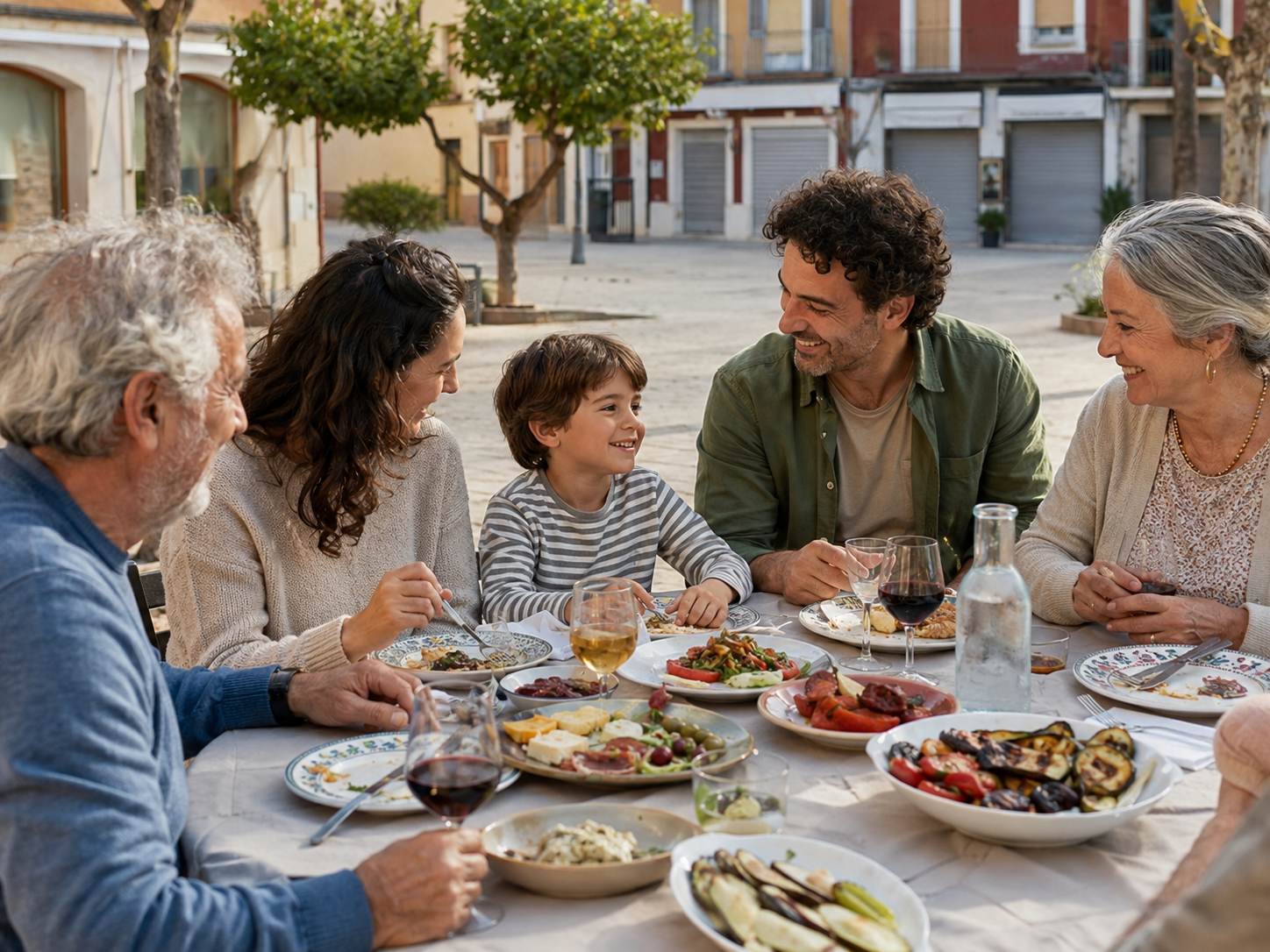
Germany may be the strictest, but it is far from alone, and a good swath of Europe still keeps Sunday closed or heavily restricted. Austria and Switzerland maintain rules much like Germany’s, with most shops shut on Sundays, and Norway holds to its own version of the tradition. Perhaps most strikingly, Poland moved in the opposite direction from the general modern trend, introducing one of Europe’s strictest Sunday shopping bans in 2018, closing nearly all stores on the day.
Beyond the strict cases, a whole range of European countries limit Sunday trading to one degree or another. Retail has traditionally been closed or curtailed on Sundays across Belgium, Denmark, Greece, and Italy, and in France the default has long been that most shops do not open on Sundays, even as the rules there have loosened somewhat in recent years. The picture across the continent is a patchwork, with some countries tightening and others relaxing, but the underlying idea, that Sunday is not simply another shopping day, remains widespread and durable in a way that surprises many visitors. Roughly half of Europe, in one form or another, still treats Sunday as a day set apart, which is why an American who assumes the shops will be open across the continent is so reliably caught out, again and again, in country after country.
Where the Closed Sunday Comes From
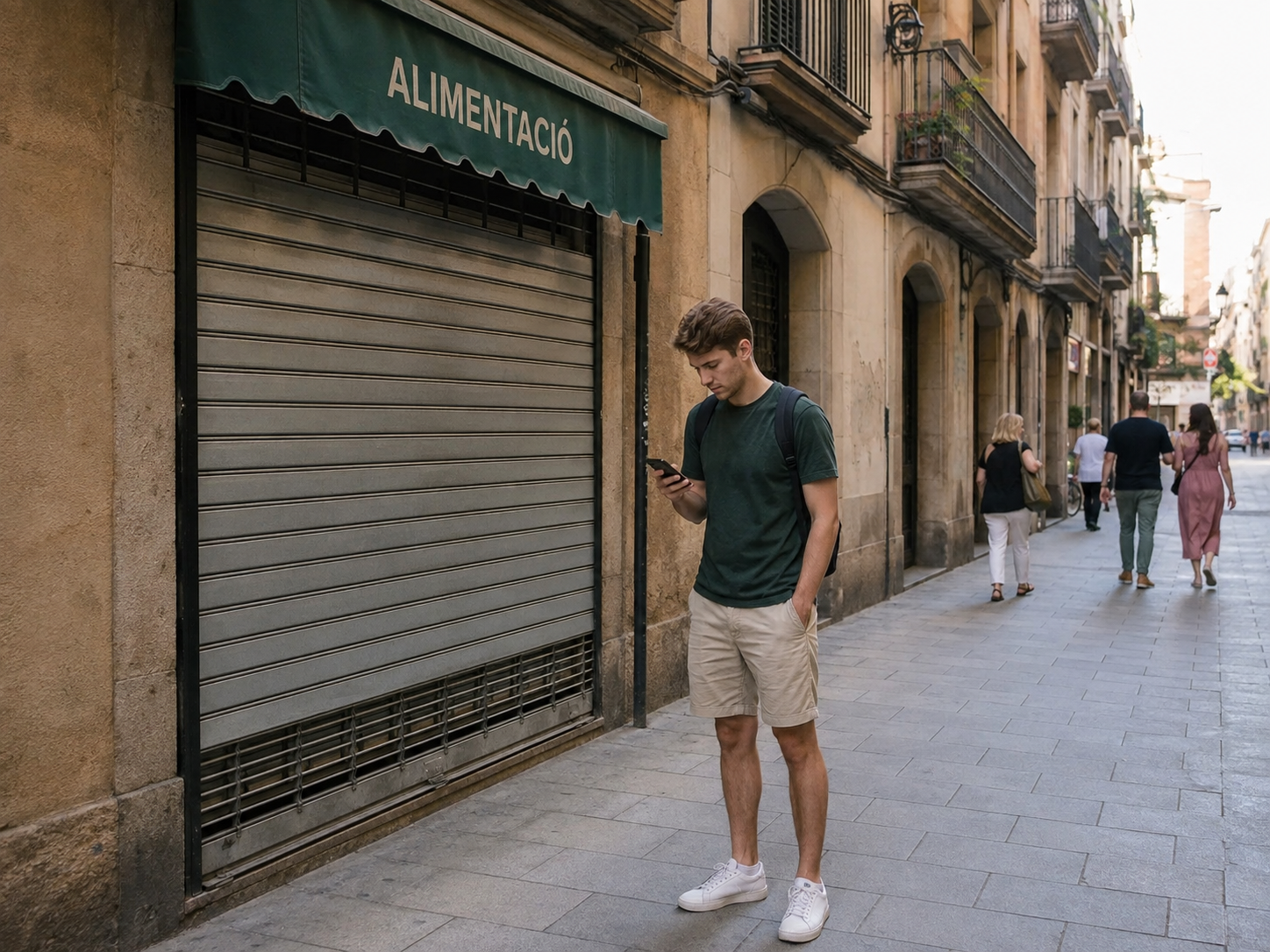
The tradition is very old, and it began, as these things usually do, with religion. The Christian observance of Sunday as a day of rest and worship goes back to the earliest centuries of the faith, and the idea of forbidding labor on that day is ancient indeed, with the Roman emperor Constantine issuing one of the first known orders closing workshops on the day of the sun as far back as the fourth century. For most of European history, the closed Sunday was fundamentally a religious institution, a day set apart for church and rest as a matter of Christian duty.
But the roots have shifted over time, and this is the interesting part, because the religious rationale has quietly given way to secular ones even as the laws remain. As church attendance across Europe has fallen and societies have grown more secular, the justification for keeping Sunday closed has migrated from faith to other grounds, chiefly the protection of workers from being made to work unsociable hours, the preservation of a shared day for family and community life, and the shielding of small shops from round-the-clock competition with the giants. The day stayed closed, but the reasons for closing it were quietly rewritten for a less religious age. This is a common pattern in how old institutions survive, that the original justification fades but the thing itself proves useful for new reasons, so a rule born of faith is kept alive by an argument about labor and family, and the closed Sunday endures precisely because it turned out to serve purposes its founders never had in mind.
Why America Went the Other Way
America once had its own version of all this, in the form of the blue laws, which restricted or banned commerce on Sundays across much of the country and shared the same religious origins as their European cousins. For a long stretch of American history, the Sunday shops were closed here too, and the idea of a quiet, commerce-free day of rest was as familiar in the United States as in Germany. The America of round-the-clock shopping is a relatively recent creation, not an eternal fact. Within living memory, the American Sunday was hushed too, the shops dark and the day reserved, which means the two continents were far more alike a lifetime ago than they are now.
But over the twentieth century, most of those American blue laws were repealed or fell into disuse, and the country embraced Sunday commerce with enthusiasm. A combination of consumer demand, competitive pressure, a stronger cultural emphasis on convenience and choice, and a firmer separation of commerce from religion pushed the shops open, first on Sunday afternoons and eventually around the clock. Today the American Sunday is, for retail purposes, indistinguishable from any other day, a prime time for errands, big-box stores, and online orders that never sleep. Where Europe protected the day, America monetized it, and neither outcome was inevitable. It is easy to assume the American way is simply the modern default and the European one a quaint holdover, but the history says otherwise, since both continents started from the same closed, religious Sunday and made different choices about what to do with it, so each present-day Sunday is the result of a path taken, not a law of nature.
What It Means If You Are Visiting
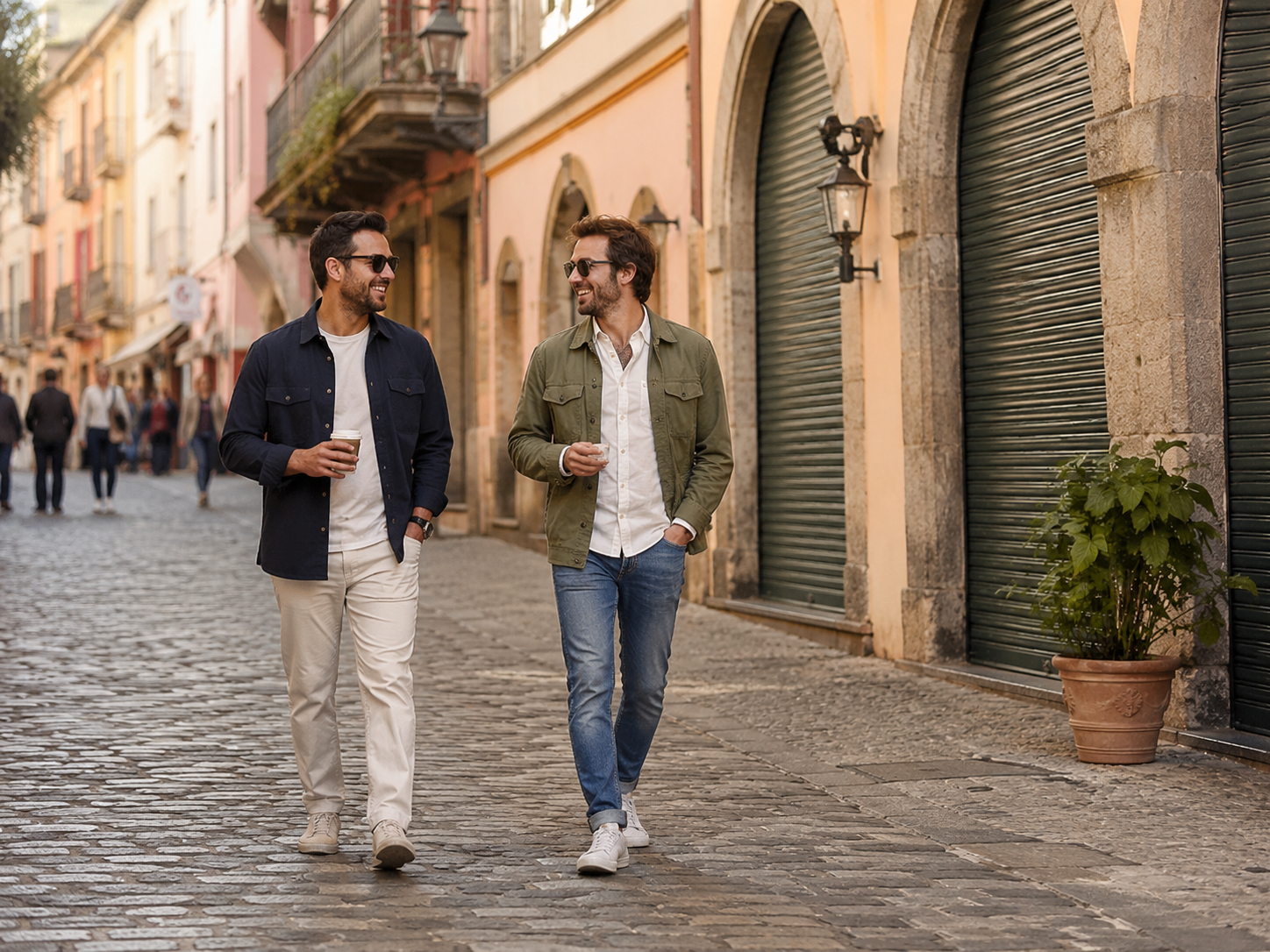
For an American traveling in Europe, the closed Sunday is worth planning around, because being caught out by it is a genuine and common tourist mishap. If you are in Germany, Austria, Switzerland, or another of the strict countries, the practical rule is simple: do your shopping by Saturday, because Sunday will leave you stranded if you have run out of groceries, forgotten a charger, or need anything from an ordinary store. Locals stock up on Saturday as a matter of course, and a visitor who learns to do the same avoids the whole problem.
The good news is that not everything shuts. Restaurants, cafes, bakeries with limited hours, museums, pharmacies on rotation, and public transport all keep running, so a European Sunday is far from lifeless, it simply steers you away from shopping and toward everything else. Shops in train stations and airports stay open too, which is often a traveler’s lifeline for a forgotten essential. In truth, the closed Sunday can be one of the loveliest days to be a tourist, since the cities are calm, the locals are out strolling and lunching rather than running errands, and you get to experience a place at its most relaxed. Once you stop fighting the quiet and start joining it, the enforced pause becomes a feature rather than a bug. Many travelers who arrive annoyed to find everything shut leave having discovered that a slow, shopless Sunday, a long lunch and an aimless walk through calm streets, is one of the more restful things a trip can offer, and they carry a little of that rhythm home with them.
A Rhythm That Keeps Bending
None of this is frozen, and the closed Sunday has been slowly negotiated and renegotiated across Europe for decades, which is part of what makes it such a live and interesting subject. Some countries have loosened their rules, with places like Denmark, Finland, and Hungary lifting Sunday restrictions in recent years, and England long ago allowing large shops to open for a limited stretch on the day. The pressure to relax comes from retailers worried about lost sales, from shoppers who want the convenience, and increasingly from online commerce that never closes at all.
Yet the striking thing is how durable the tradition has proven, resisting the tide even as online shopping reshapes everything else. Poland tightened its rules dramatically rather than loosening them, Switzerland’s regions keep debating and mostly holding the line, and Germany’s protections have survived every clever attempt to circumvent them. The reasons the laws exist, protecting workers, preserving a shared day, defending small shops, still carry real political weight, so the closed Sunday is not a fading relic on its way out but a genuinely contested idea that a large part of Europe keeps choosing to keep. The rhythm bends, but in much of the continent it has not broken. If anything, in an age when work has crept into every hour through the phone in everyone’s pocket, some Europeans defend the closed Sunday more fiercely than ever, seeing it as one of the last firm walls left standing between life and labor, a single guaranteed day the market is not allowed to touch.
The Two Sundays, Side by Side
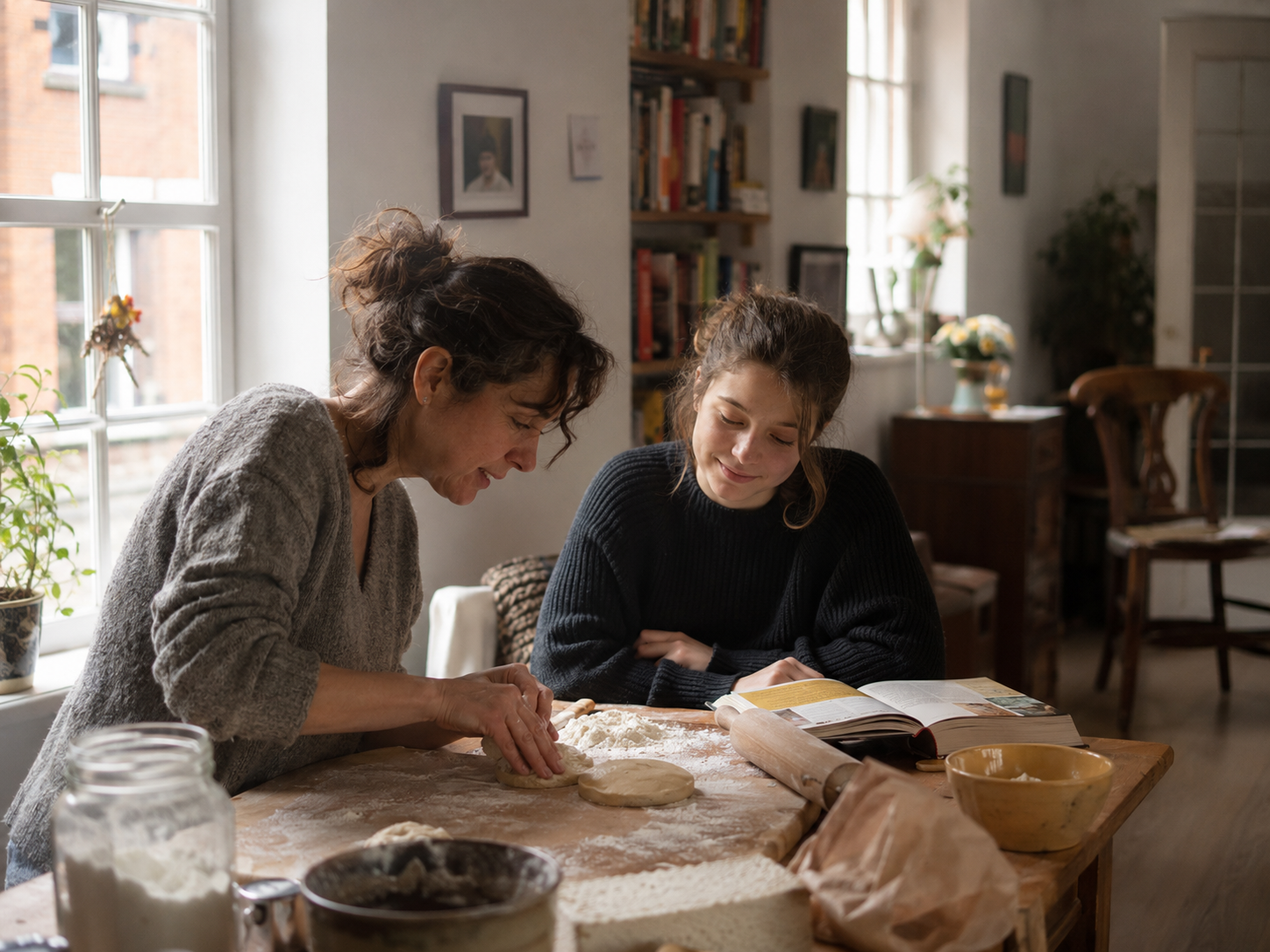
The result is two genuinely different experiences of the same day, each with its own logic and its own appeal. The European Sunday, at its most traditional, is quiet and slow, the shops shut, the streets calm, the day given over to a long lunch, a walk, time with family, or simply rest, with the enforced absence of shopping nudging people toward the other things a day can hold. To its defenders, this is not a deprivation but a gift, a weekly island of calm carved out and protected against the tide of commerce that would otherwise flood every hour.
The American Sunday, by contrast, is open and busy and convenient, a day when you can buy anything you need at any hour, run every errand, and never be caught short of groceries or hardware or whatever a Sunday project demands. To its defenders, this too is a gift, the freedom to organize your own time and meet your own needs without the state deciding that the shops must be shut, and a boon especially to the many people whose only free time to shop falls on the weekend. Each Sunday suits the country it belongs to, and each looks slightly strange from the other side. The German visiting America may find the endless Sunday shopping faintly frantic, a day that never lets up, while the American in Germany may find the shuttered streets faintly oppressive, a day that will not let them do what they want, and both reactions are simply the sound of one set of assumptions bumping into another.
What the Quiet Argument Is Really About
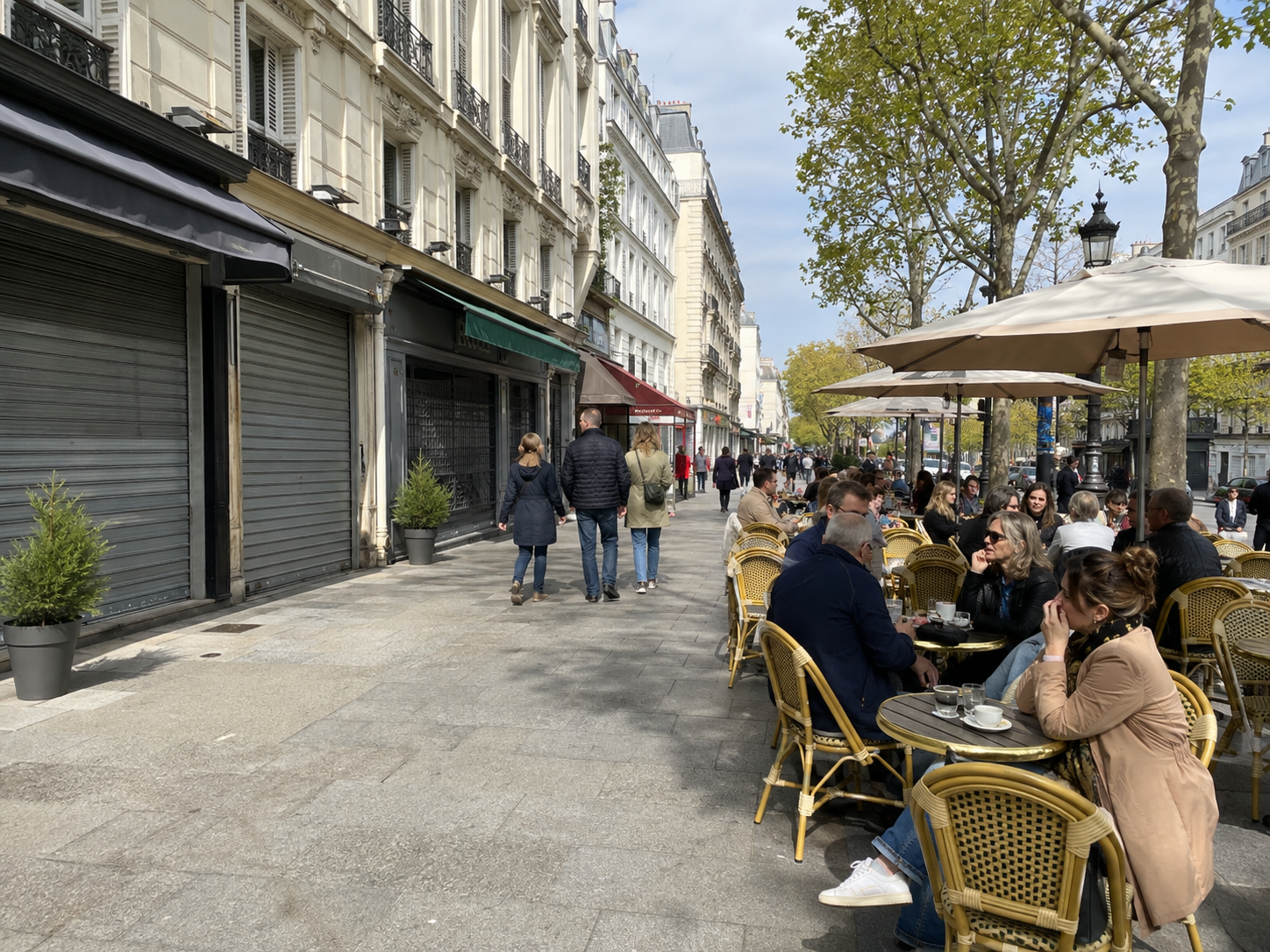
Underneath the practical question of whether the shops are open lies a deeper one about what a society values, and that is what makes this small difference so telling. The closed Sunday is, in the end, a collective decision to place rest and family and quiet above commerce and convenience for one day a week, and to enforce that choice on everyone so that no one is left working while others rest, a genuinely communal idea about how time should be shared. The open Sunday is a collective decision the other way, to place freedom, choice, and convenience above the enforced pause, trusting individuals to arrange their own rest rather than legislating it.
Neither is simply right, and reasonable people land firmly on both sides. The closed Sunday protects a shared rhythm and the workers who would otherwise lose their weekends, but it also inconveniences the many people for whom Sunday is the only day to get things done, and it tells adults when they may and may not shop.
The open Sunday maximizes freedom and convenience, but it also erodes the shared day off, quietly pressures workers into weekend shifts, and lets commerce colonize the last stretch of unhurried time. The difference between the quiet German Sunday and the bustling American one is, at bottom, a difference of values, and knowing that turns an inconvenient closed shop into a small window onto how another society has chosen to live. There is something clarifying about seeing your own assumptions from the outside this way, since most Americans never question that shops should be open on Sunday any more than most Germans question that they should be closed, and each side is quietly certain its own answer is just common sense. Traveling into the other country’s Sunday is a gentle reminder that even the most ordinary features of daily life were chosen, and could have been chosen differently.

About the Author: Ruben, co-founder of Gamintraveler.com since 2014, is a seasoned traveler from Spain who has explored over 100 countries since 2009. Known for his extensive travel adventures across South America, Europe, the US, Australia, New Zealand, Asia, and Africa, Ruben combines his passion for adventurous yet sustainable living with his love for cycling, highlighted by his remarkable 5-month bicycle journey from Spain to Norway. He currently resides in Spain, where he continues sharing his travel experiences with his partner, Rachel, and their son, Han.