
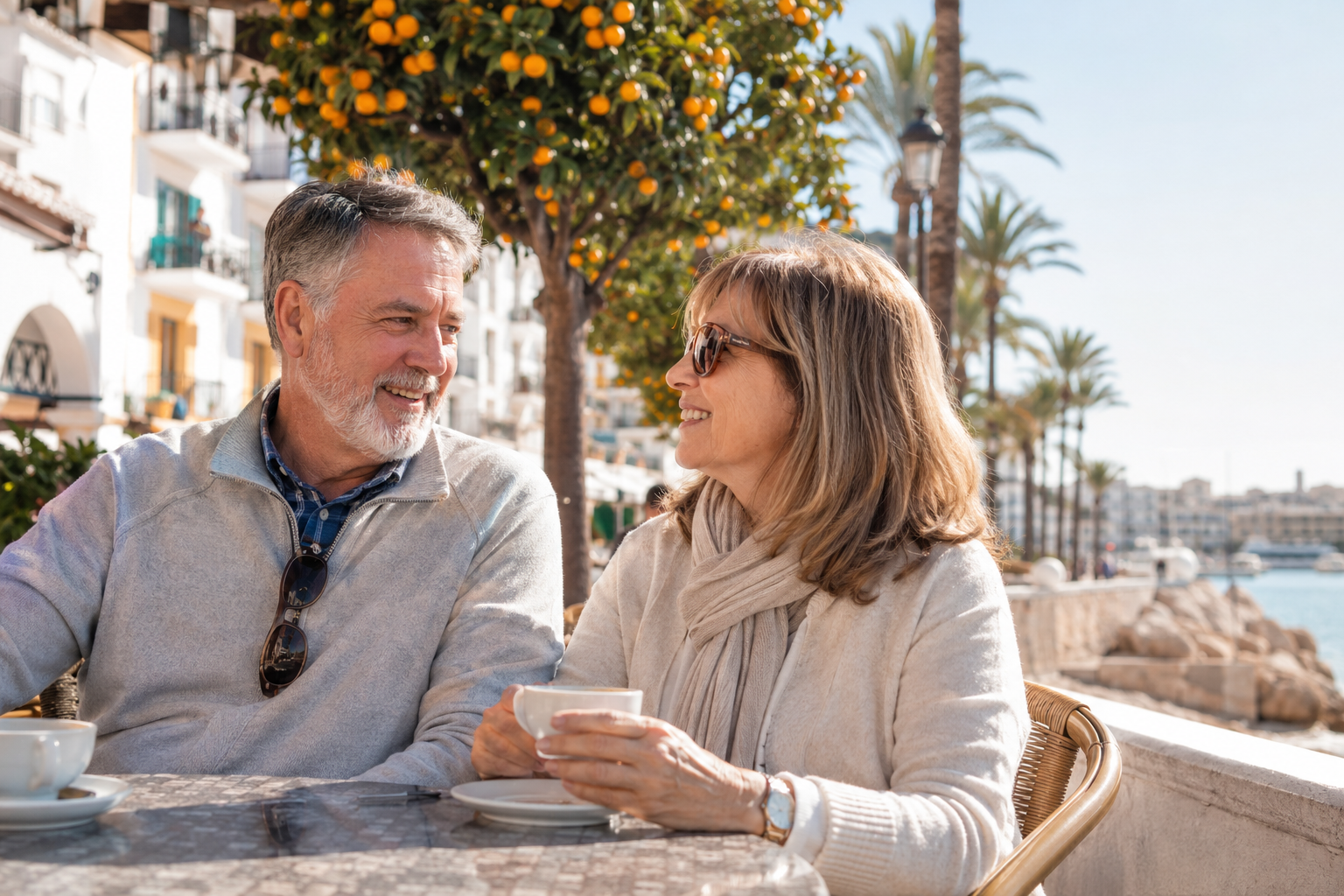
They had done their homework, or so they thought. A couple from Kentucky, tired of gray winters and rising costs, had fallen for Spain’s orange coast, where the groves run down toward a sun-soaked Mediterranean. They visited in summer, felt the warmth on their skin, ran the numbers on their savings, and made the leap, arriving with a hundred and seventy-five thousand dollars and a heart full of Mediterranean dreams. The first months were everything they had hoped. And then came winter, the season no brochure had prepared them for, and their new life faced a test that no amount of summer research had anticipated. This is the story of that first real winter, what it revealed about the gap between a vacation and a life, and how a hopeful couple learned that the Mediterranean dream comes bundled with a season almost nobody ever talks about. They are a representative composite drawn from the common experiences of Americans who retire to Spain’s coast, not a specific couple, and their first winter holds lessons for anyone tempted to judge a place by its summer.
What makes their story worth telling is that they fell into the most common and understandable trap of all, choosing a home by how it felt on a perfect summer visit, not by how it would feel year-round. A place in July and the same place in January can be two very different homes, and the difference is easy to miss until you are living through it. Their first winter did not break their dream, but it tested it fairly, exposing the parts of Mediterranean life that only reveal themselves once the tourists finally leave and the temperature drops. Understanding what they learned can spare others the same surprise.
Here is the honest account of their first winter on Spain’s orange coast, the lovely days and the freezing nights, the shock of a house built for summer, the season nobody warned them about, and how they came through it. This is an illustrative overview rather than financial or relocation advice, and I am not a financial advisor, so their experience is one story rather than a guarantee, but it may help anyone dreaming of a warm retirement understand what winter there is really like.
The Dream They Moved For

To understand the shock that awaited them, it helps to see the dream that drew them, the vision of endless Mediterranean warmth that pulled them across an ocean. Their picture of Spain was a summer picture.
They came for the sun. Escaping the cold, damp winters of home, they were drawn above all by the promise of year-round Mediterranean sunshine, so their whole vision of Spain was built on warmth and light. Their image was of a place where winter simply did not bite the way it did in Kentucky, an eternal mild spring by the sea.
Summer sealed the decision. Their visits had all been in the warm months, when the coast is at its most seductive, so they made a life-changing choice on the strength of the place at its most seductive best. They had never once seen their new home in the depths of January, a gap in their knowledge that would soon make itself sharply felt in ways they had not imagined.
The Days Were Everything They Hoped
When winter came, the first surprise was a pleasant one, because the daytime was, much of the time, exactly the gentle warmth they had dreamed of. The sun did not abandon them.
Winter afternoons were often lovely. Even in the coldest months, the coast often served up bright, sunny days, warm enough at midday to sit outside, so the postcard promise was, in daylight, largely kept. They could still walk the beach, sip coffee on a sunny terrace, and feel the winter sun, exactly as they had hoped.
The sunshine was real, not a myth. Compared to the bleak, sunless winters they had left behind, the mild bright days felt like a genuine gift, so on this count their dream held up. The Mediterranean winter sun was every bit as restorative as they had imagined, and on a clear January afternoon it was easy to feel they had made the right choice. This was the cruel trick of it, in a way, because the daytime beauty lulled them into thinking the season would be entirely kind. They would spend a glorious sunlit afternoon on the terrace, convinced the warnings they had half-heard about Spanish winters were overblown, only to be reminded otherwise the moment the sun dipped below the horizon and the real character of the season revealed itself indoors.
The House Was the Real Shock
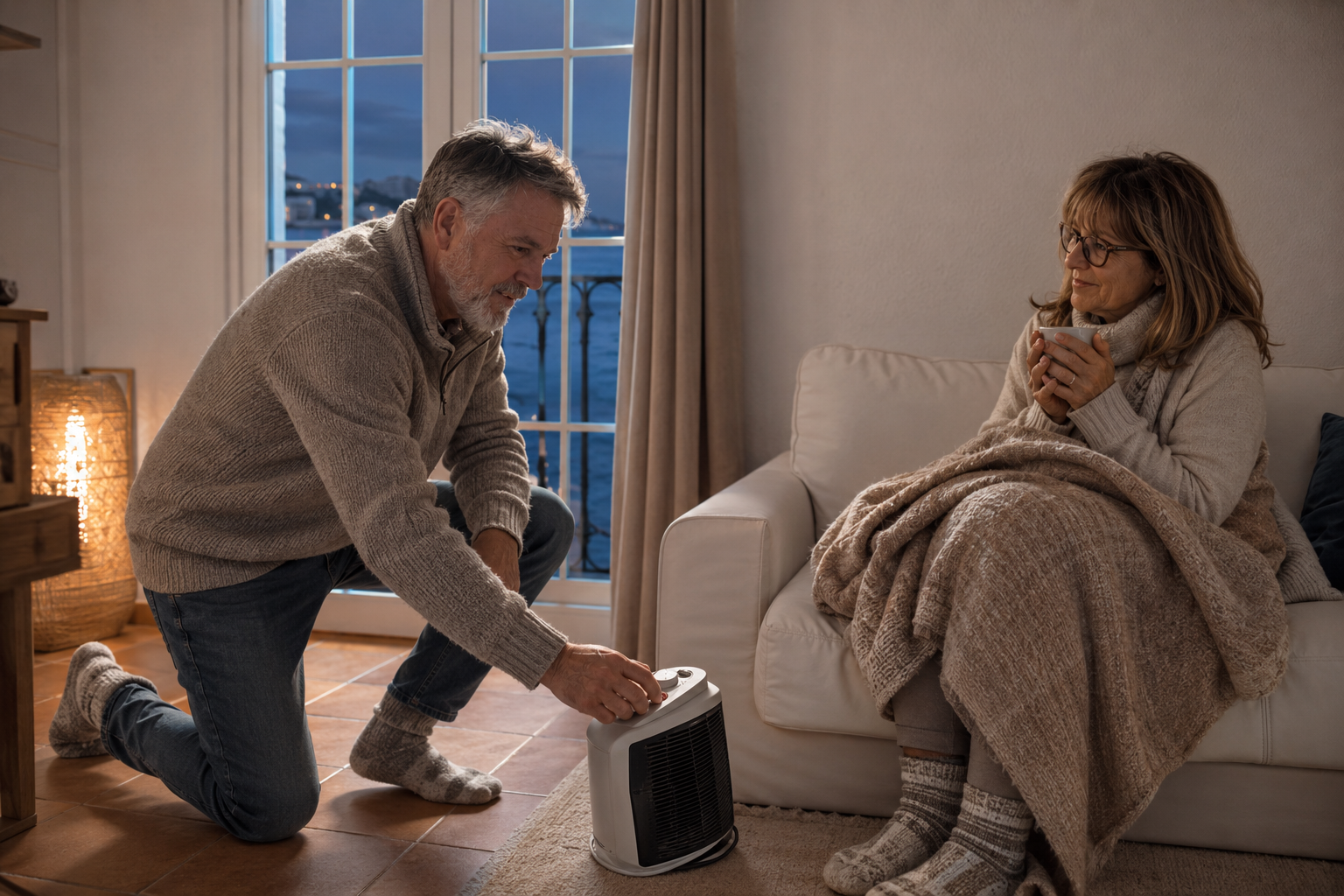
The trouble began the moment the sun went down, because the thing no one warned them about was not the outdoor weather but the indoor cold, and the surprising misery of a house built entirely for summer. Their home betrayed them after dark.
Spanish coastal homes are built to stay cool. Like most houses on the coast, theirs was built for hot summers, with tiled floors, thin walls, little insulation, and often no real heating, so it was designed to keep heat out rather than in. What made the house blissfully cool in August made it bone-chillingly cold in winter.
Indoors felt colder than out. As soon as the sun set and the damp coastal air settled in, the temperature inside their uninsulated home dropped sharply, often feeling colder indoors than outside, shivering in the very place meant to be their refuge. They learned the strange local truth that people step outside into the sun to warm up, and a Mediterranean house in winter can be truly cold. It was a disorienting reversal of everything they knew. Back in Kentucky, however brutal the outdoor cold, home had always meant warmth, a well-insulated refuge with central heating humming in the walls. Here the logic flipped. The outdoors, bathed in winter sun, was often the warmest place to be, while the house, with its cool tiles and uninsulated walls, held the night’s chill long into the day like a stone cellar.
The Bills Nobody Warned Them About

Hand in hand with the cold came an expense they had never factored into their careful budget, because heating a house that was never designed to be heated turned out to be surprisingly costly. Their Mediterranean savings had a winter leak.
Heating was expensive and inefficient. With no central heating, they relied on electric heaters that devoured power while struggling to warm rooms that leaked heat everywhere, so their power bills climbed alarmingly in the cold months. The cheap sunny life they had budgeted for came with a winter surcharge no one mentioned.
The budget needed a winter line. They learned to heat one room at a time, wrap up indoors, and accept a costlier few months to stay comfortable, so their tidy financial plan had to make room for a season it had ignored. It was a manageable cost once they understood it, but it was a real one, and a genuine surprise to a couple who had come for cheap warmth. They had built their whole budget around a place where the sun did the heating for free, and for eight or nine months of the year that was true. But for a few cold months the sums looked different, and the electricity meter spun in a way that would have been familiar back home. The lesson was not that the coast was expensive, but that a warm-climate retirement still has a winter, and a winter still has a bill.
The Season Nobody Warned Them About

Beyond the cold and the bills, there was a subtler adjustment, the change in the whole rhythm of the coast once the summer crowds departed and the quiet season settled in. The place itself felt different in winter.
The tourist buzz faded. With the visitors gone, the beaches emptied, seasonal businesses closed, and the holiday buzz gave way to quiet, so the coast in winter was a calmer, sleepier place than the one they had chosen. For a couple who had known only the summer version, the hush took some getting used to. The town they had chosen for its buzzing terraces and crowded beaches became, in the off months, a quieter place of shuttered beach bars and half-empty promenades. At first the emptiness felt faintly melancholy, as though the party had ended and they had been left behind. It took time to see the quiet not as absence but as a different presence, the town returned to the people who actually lived in it, going about their lives at a gentler pace.
But local life carried on. Away from the tourist froth, they discovered the resident community that keeps the coast alive all year, the markets, the festivals, and the almond trees blossoming in the valleys at winter’s end, so the quiet season had a rich, authentic life of its own. What they lost in summer buzz they gained in a deeper connection to the place and its people. In summer they had been tourists among tourists, indistinguishable from the crowds passing through. In winter, as two of the relatively few foreigners who stayed, they became known, the couple at the market, the faces the café owner greeted by name. The Three Kings parade in January, the almond blossom in the valleys at winter’s end, the small local festivals with barely a tourist in sight, all of it gave them a sense of belonging to a real place rather than a holiday backdrop, which no perfect summer had ever offered them.
How They Came Through It
Faced with a winter that challenged their expectations, they did what adaptable people do, which was adjust their home, their habits, and their outlook until the season became not a trial but simply another part of the year. They met the test rather than fleeing it.
They warmed the home and themselves. They added better heating in the rooms they used, rugs and warm furnishings, and dressed for the indoor chill, and learned the local art of staying cozy through the cool months, so the house that had shocked them became livable and even snug. A few practical changes transformed their experience of winter from miserable to manageable. They discovered what long-time residents already knew, that the trick was not to heat the whole house but to make one or two rooms genuinely warm and comfortable, and to dress as though indoors were merely a milder version of outdoors. A good heater in the living room, thick socks and a warm layer, a blanket on the sofa in the evenings, and the winter that had ambushed them in their first weeks became something they could handle with ease. The problem, they realized, had never been the climate. It had been their unpreparedness for it.
They embraced the winter they had. Rather than mourning summer, they leaned into the mild sunny days, the quiet, the festivities, and the slower pace, so they came to appreciate a season they had not known they were signing up for. By the end of that first winter, they no longer felt ambushed by it, but understood it as the true other half of the life they had chosen. The summer had shown them why they came. The winter showed them what it would really take to stay, and having met it once, they knew they could meet it again. When the almond trees bloomed and the days lengthened toward another Mediterranean summer, they felt not relief that the ordeal was over but a quiet pride that they had come through it, wiser about their home and surer that it was truly theirs.
What the First Winter Really Proved
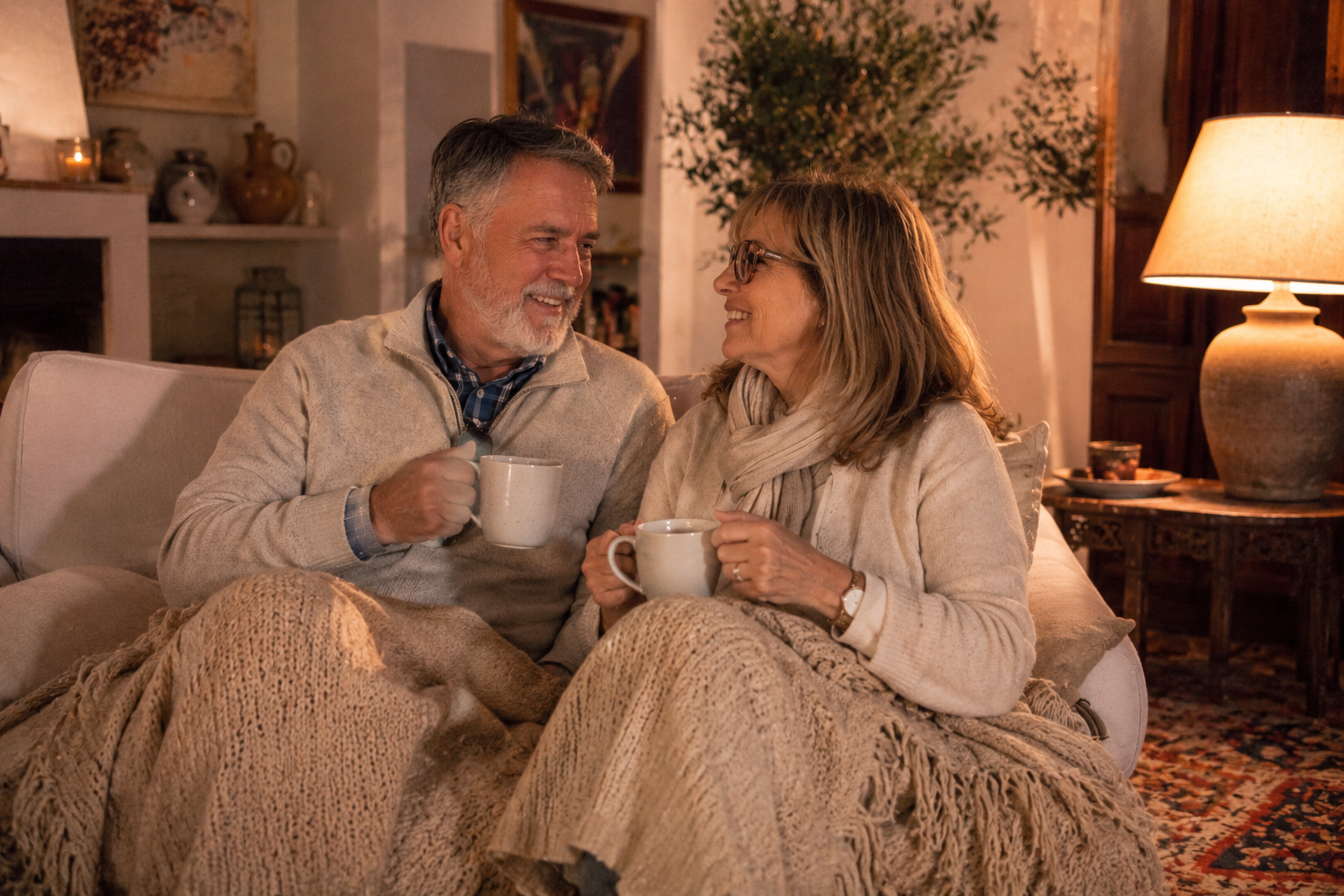
The lasting lesson of their first winter is that a place must be judged by all its seasons, not just its best one, and that the true test of a retirement dream is not how it feels on a perfect summer visit but how it holds up on a cold, damp evening in January. Their dream survived the test, but only because they were willing to see their new home clearly and adapt to the whole of it.
What makes their story so useful is the simple wisdom it points to, that anyone moving for the weather should live a full winter before committing, since the season that a place quietly hides from its summer visitors is exactly the one that will test whether they can truly live there. Winter is the most honest time to know a place, revealing the true quality of a house and the real rhythm of a town in ways a July visit never can. A summer week shows you the fantasy. A cold January evening shows you the reality, and it is the reality you will be living in for several months of every single year.
So if you are dreaming of trading gray winters for Mediterranean sun, take this particular Kentucky couple’s first winter not as a warning against the dream at all but as a call to enter it with fully open eyes. The sunshine is entirely real and the days can be truly glorious, but the nights are cold, the houses were built for summer, and the season has a quieter, deeper character all its own. Learn all of that before you leap, prepare properly for the winter as well as the summer, and you may well find, as they eventually did, that a Mediterranean life is worth having in every season, once you know what every season truly holds.

About the Author: Ruben, co-founder of Gamintraveler.com since 2014, is a seasoned traveler from Spain who has explored over 100 countries since 2009. Known for his extensive travel adventures across South America, Europe, the US, Australia, New Zealand, Asia, and Africa, Ruben combines his passion for adventurous yet sustainable living with his love for cycling, highlighted by his remarkable 5-month bicycle journey from Spain to Norway. He currently resides in Spain, where he continues sharing his travel experiences with his partner, Rachel, and their son, Han.