
An invitation to dinner at a European home is a lovely thing, and also a small minefield for the unprepared visitor. What you carry through the door says a great deal about you, and the codes governing the humble host gift are older, stricter and more full of hidden meaning than most newcomers imagine. Bring the wrong flowers and you may accidentally wish your hosts a solemn bereavement. Bring a careless bottle of wine and you may quietly fail a test you did not know you were taking. None of this is meant to intimidate you in the slightest, because the underlying principle beneath it all is simple, warm generosity, but the particular ways that this generosity is expected to take its shape vary from country to country and carry real, surprising weight. Get it right and you signal warmth, respect and a pleasing worldliness. Get it wrong and you commit a gaffe your hosts will be far too polite to mention and far too observant to forget. Here are nine rules for arriving at a European dinner table with exactly the right thing in your hands.
The reassuring news is that none of these rules is difficult once you know it, and together they amount to a small, learnable grammar of good manners. The point is not to memorize a hundred regional quirks but to grasp the handful of principles that will keep you safe almost anywhere on the continent. A little knowledge here goes a remarkably long way, turning a potential blunder into a moment of genuine grace. Master these nine simple rules, and you need never again hesitate nervously on a European doorstep wondering whether your gift says what you hope it does.
1. Never Arrive Empty-Handed
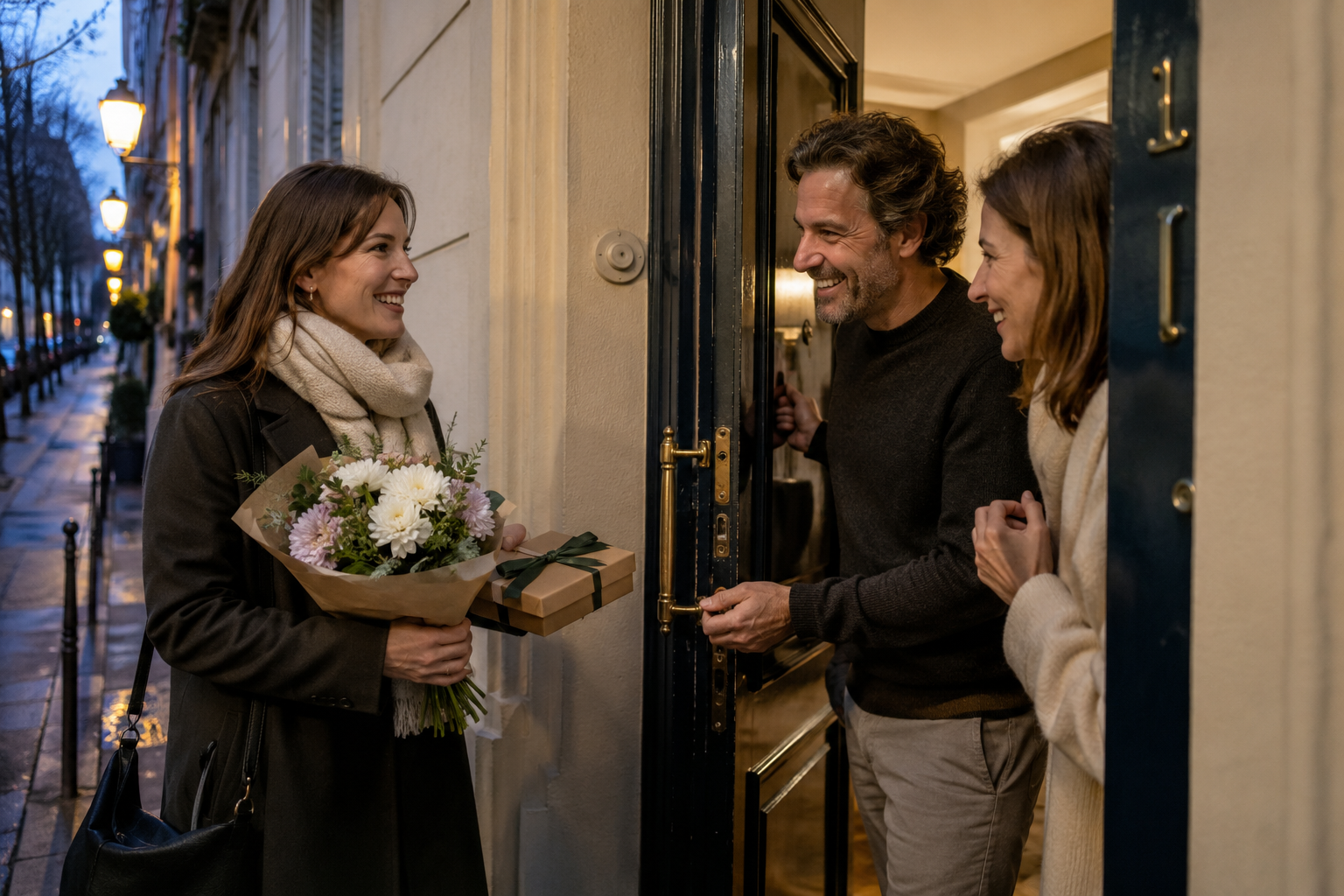
The first and most universal rule across Europe is that you simply do not turn up to someone’s home for dinner with nothing in your hands, as arriving empty-handed reads as thoughtless almost everywhere. A small gift is the price of admission.
Something is always expected. Whether it is wine, chocolates, a dessert, or flowers, bringing a modest token for your hosts is a near-universal expectation, a way of acknowledging the effort they have made to feed and welcome you. The gift need not be lavish, but its absence will be noticed, so something thoughtful in hand is essential.
Modest and thoughtful beats expensive. The goal is not to impress with extravagance but to show appreciation with care, so a well-chosen small gift always outshines a showy or costly one. What matters is the gesture and the thought behind it, not the price tag, and a humble, well-judged offering is exactly right. In fact, an overly expensive gift can create its own awkwardness, seeming to place a burden of reciprocation on the host or to show off rather than to thank. The ideal host gift sits in a comfortable middle, generous enough to show you cared and modest enough to feel like a warm gesture rather than a grand statement. A nice bottle, a good box of chocolates, a cheerful bouquet, all of these hit that mark perfectly.
2. Wine Is a Test
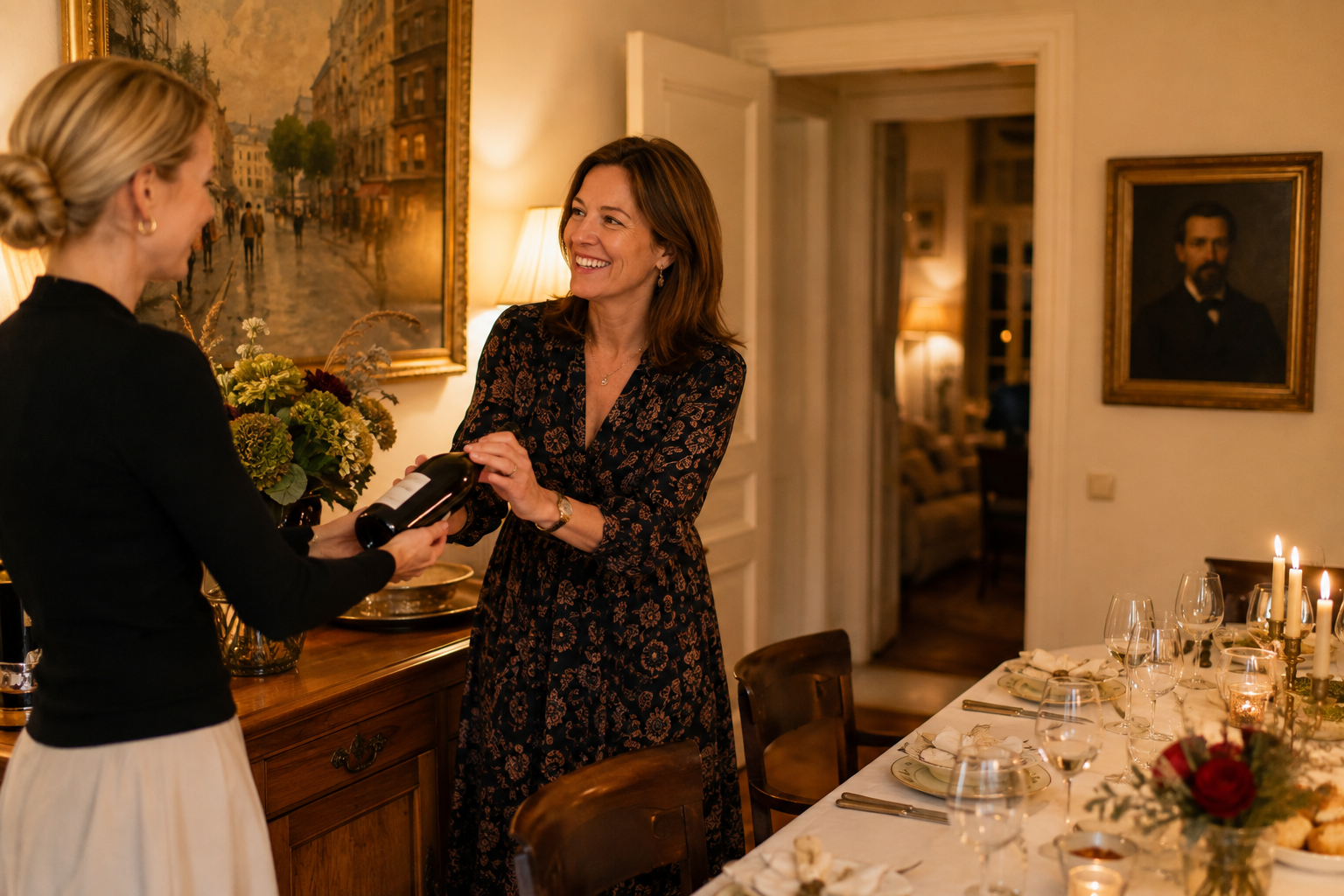
Wine is one of the classic European host gifts, but it comes with a subtle catch that trips up many visitors, which is that the bottle you bring is a gift for your hosts, not a contribution to that evening’s meal. Understanding this is the whole test.
The bottle is theirs to keep. When you present a bottle of wine, your hosts may well set it aside rather than open it, because they have chosen the wines to pair with their meal in advance, and yours is a gift for their cellar to enjoy whenever they please. Do not be offended if it is not served, and never pointedly expect it to be, which is exactly the error the test is designed to catch.
Quality quietly speaks. Because the wine reflects your taste and the regard in which you hold your hosts, a thoughtful, decent bottle matters far more than an expensive or careless one. Bring something you would be proud to drink yourself, and in wine-loving countries especially, a well-chosen bottle signals real respect without a word being said. In places like France, Italy, and Spain, where wine is woven deep into the culture, your hosts will notice the care you took, and a bottle chosen with a little knowledge speaks volumes about your regard for them. You need not spend a fortune or be a connoisseur. You need only choose thoughtfully rather than grabbing whatever sits nearest the till, because the difference between the two is precisely what the test measures.
3. Never Bring Chrysanthemums
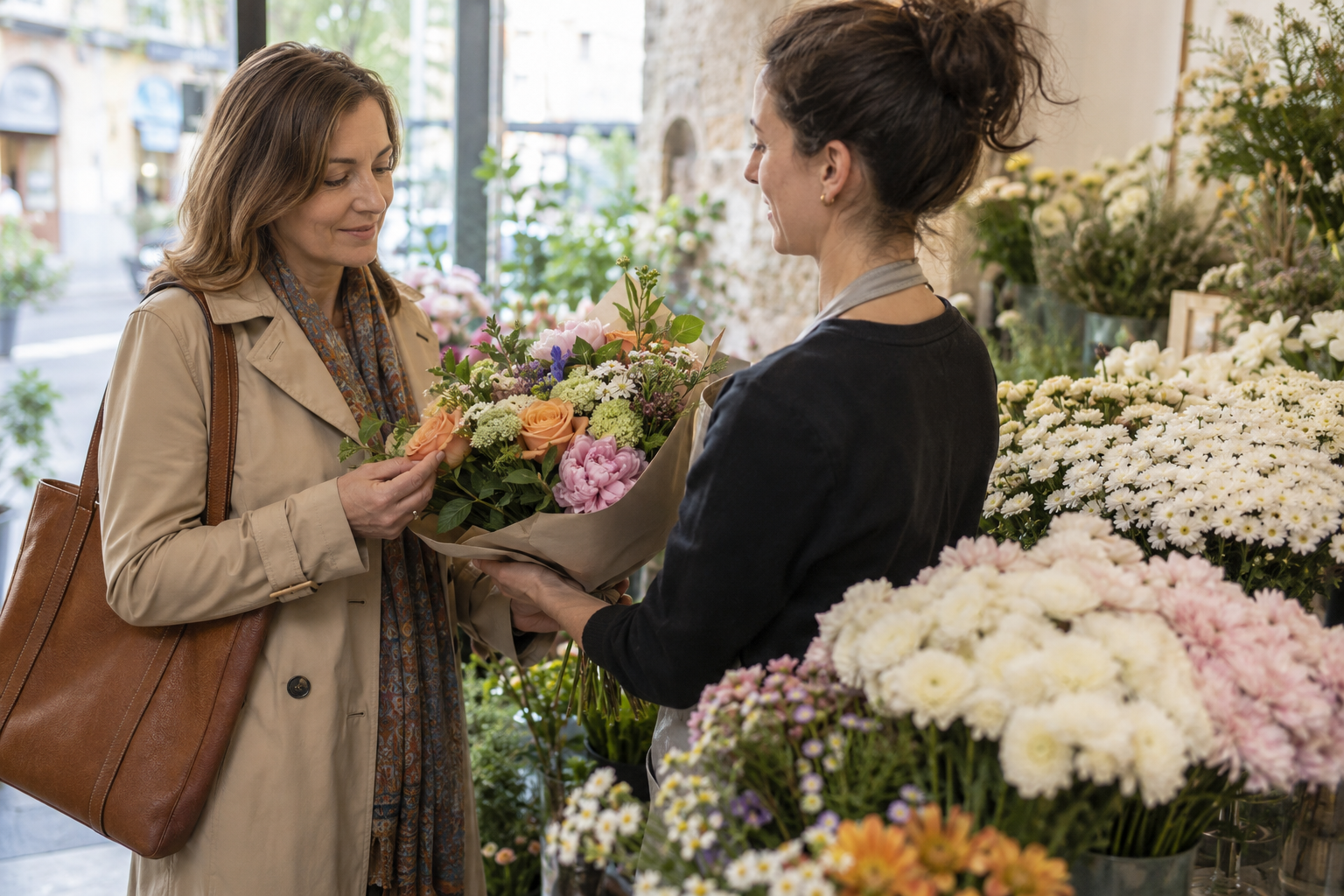
Of all the flower blunders a visitor can make, this is the most notorious and the most avoidable, because across much of Europe chrysanthemums are the flower of death, reserved for funerals and graves. To give them casually is a genuine gaffe.
They belong to mourning. In France and many other European countries, chrysanthemums are tied to funerals and to All Saints’ Day in early November, when people lay them on the graves of the dead, so presenting them to a living host carries an unmistakably grim message. It is often cited as the single most common flower mistake foreigners make.
When in doubt, choose almost anything else. Because the association with death is so strong across so much of the continent, the safest course is simply to avoid chrysanthemums entirely as a host gift, whatever their particular color or arrangement might happen to be. There are countless cheerful alternatives, so there is never any need to risk this particular misstep. The mistake is so common precisely because chrysanthemums are lovely, widely sold, and entirely innocent-seeming to someone who does not know the code. A visitor sees a bright, hardy autumn bloom and thinks nothing of it, while the European host sees the flower they last placed on a grandparent’s grave. Once you know this, the flower loses its innocence, and you will never again reach for it on the way to a dinner party.
4. Give an Odd Number of Flowers
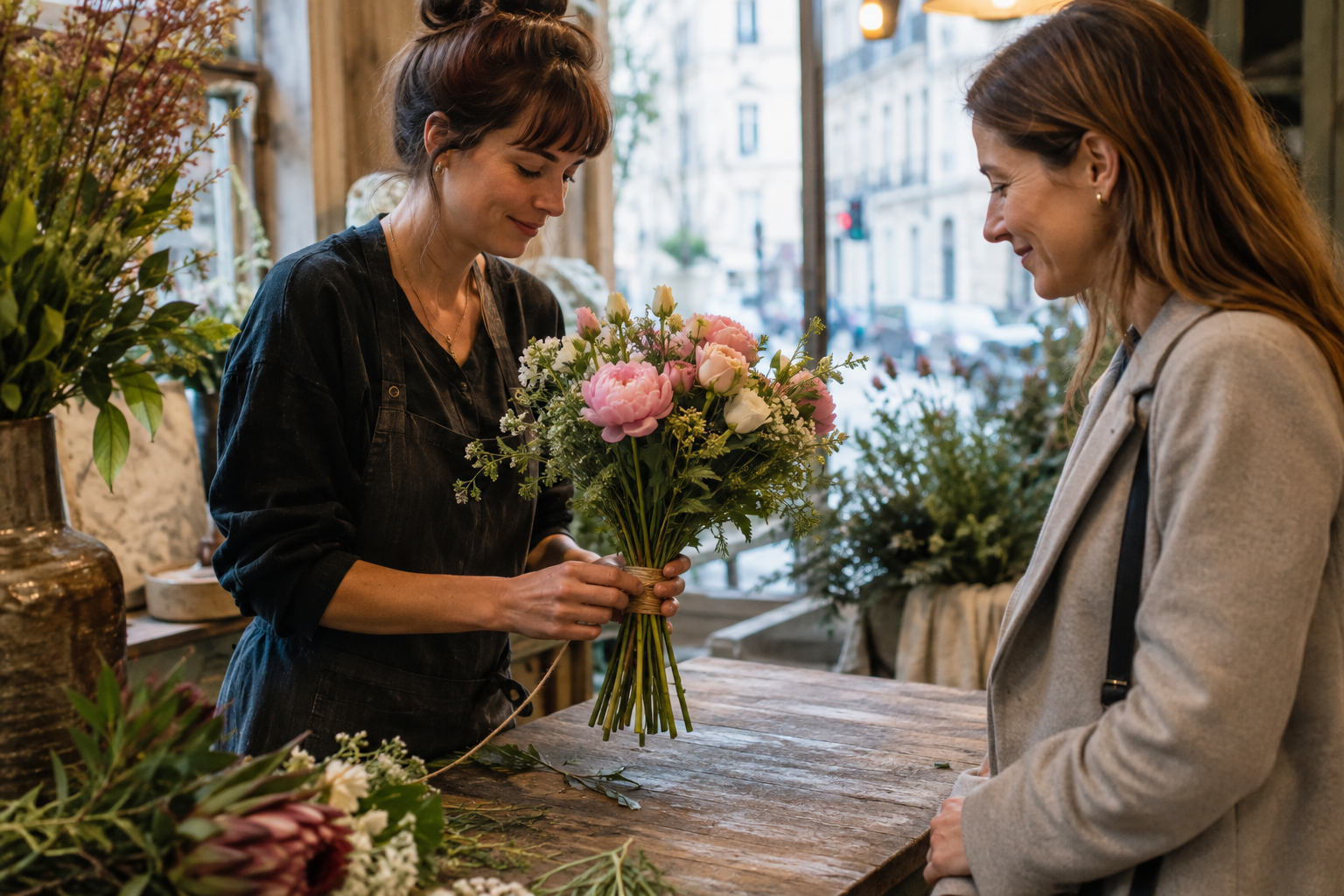
If you do bring flowers, the number of stems matters more than most visitors would ever guess, because throughout much of Europe an even-numbered bouquet is associated with mourning and funerals. Odd numbers are for the living.
Even is for the grave. The convention across a great deal of Europe holds that even-numbered bunches belong to funerals, while odd-numbered bouquets suit happy occasions, so counting your stems is a small but meaningful courtesy. An odd number signals celebration rather than condolence. The logic, where anyone bothers to explain it, tends to involve the idea that even numbers form neat, closed pairs suited to the solemn symmetry of a funeral, while odd numbers carry a livelier, open energy fit for the living. Whatever its origins, the rule is widely felt, and a florist in much of Europe will often build a bouquet in odd numbers by default. When in doubt, simply ask for an odd count, and you will have quietly observed a custom your hosts may not even consciously notice but would certainly have registered had you got it wrong.
Avoid thirteen as well. The one exception is thirteen, which carries its own burden of bad luck across much of the continent and should be skipped despite being odd. Aim for a cheerful odd number below that, such as seven, nine, or eleven, and you will be on safe ground.
5. Red Roses Say the Wrong Thing
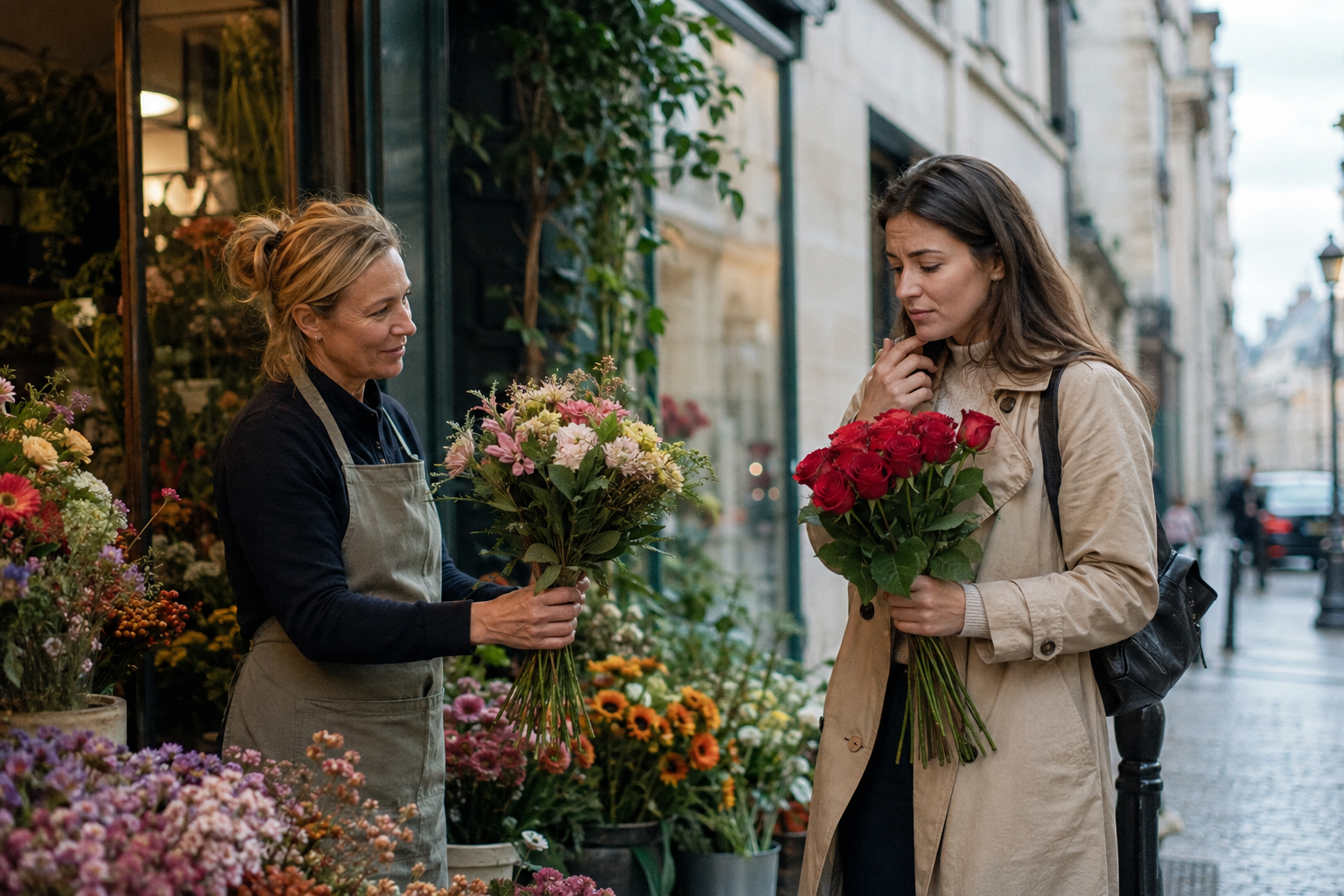
Among the most quietly awkward mistakes is bringing red roses to a host, because in Europe as elsewhere, red roses carry an unmistakable message of romantic love. To a dinner host, that message misfires badly.
Roses declare romance. A bunch of red roses is universally understood as a statement of passion and courtship, so offering them to friends or a couple who invited you to dinner sends a signal you do not intend. The romantic charge of the red rose makes it entirely wrong for an ordinary host gift.
Keep passion out of the hallway. Unless you are truly bringing flowers to a romantic partner, steer well clear of red roses for any host, and choose blooms with no such loaded meaning instead. A mixed seasonal bouquet or another cheerful flower conveys warmth without accidentally proposing romance to your dinner hosts. This is one of those rules whose violation is more comic than catastrophic, but the flush of embarrassment when a host’s spouse raises an eyebrow at your roses is one worth avoiding. Save the red roses for the person you truly mean to woo, and let your dinner hosts receive something friendly and unambiguous instead.
6. Mind the Color Code
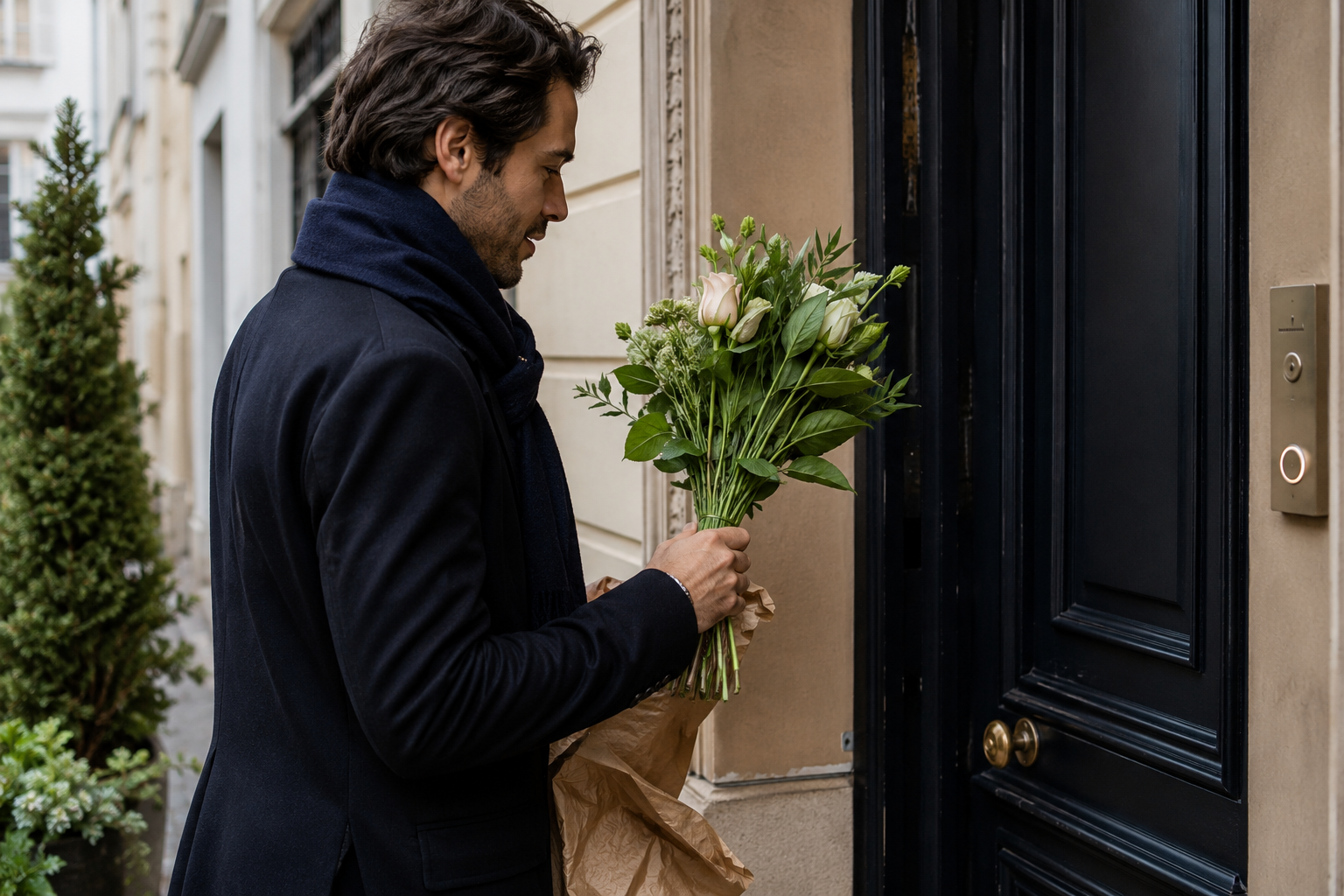
Beyond chrysanthemums and red roses, the colors of flowers carry their own quiet meanings in various European countries, and a little awareness of them prevents an unintended message. Color speaks its own language here.
White can mean mourning. In much of Europe, all-white arrangements, and white lilies especially, are strongly linked to funerals, so a pure white bouquet risks the same grim misreading as chrysanthemums. For a happy occasion, colorful blooms are the safer and warmer choice by far.
Yellow can carry a sting. In some countries, yellow flowers, and yellow roses especially, can signal jealousy or unfaithfulness, so in those places a yellow bouquet can accidentally imply something unkind about the household. Where you are unsure of the local meaning, a mix of cheerful colors sidesteps the danger entirely.
7. Present Flowers Unwrapped
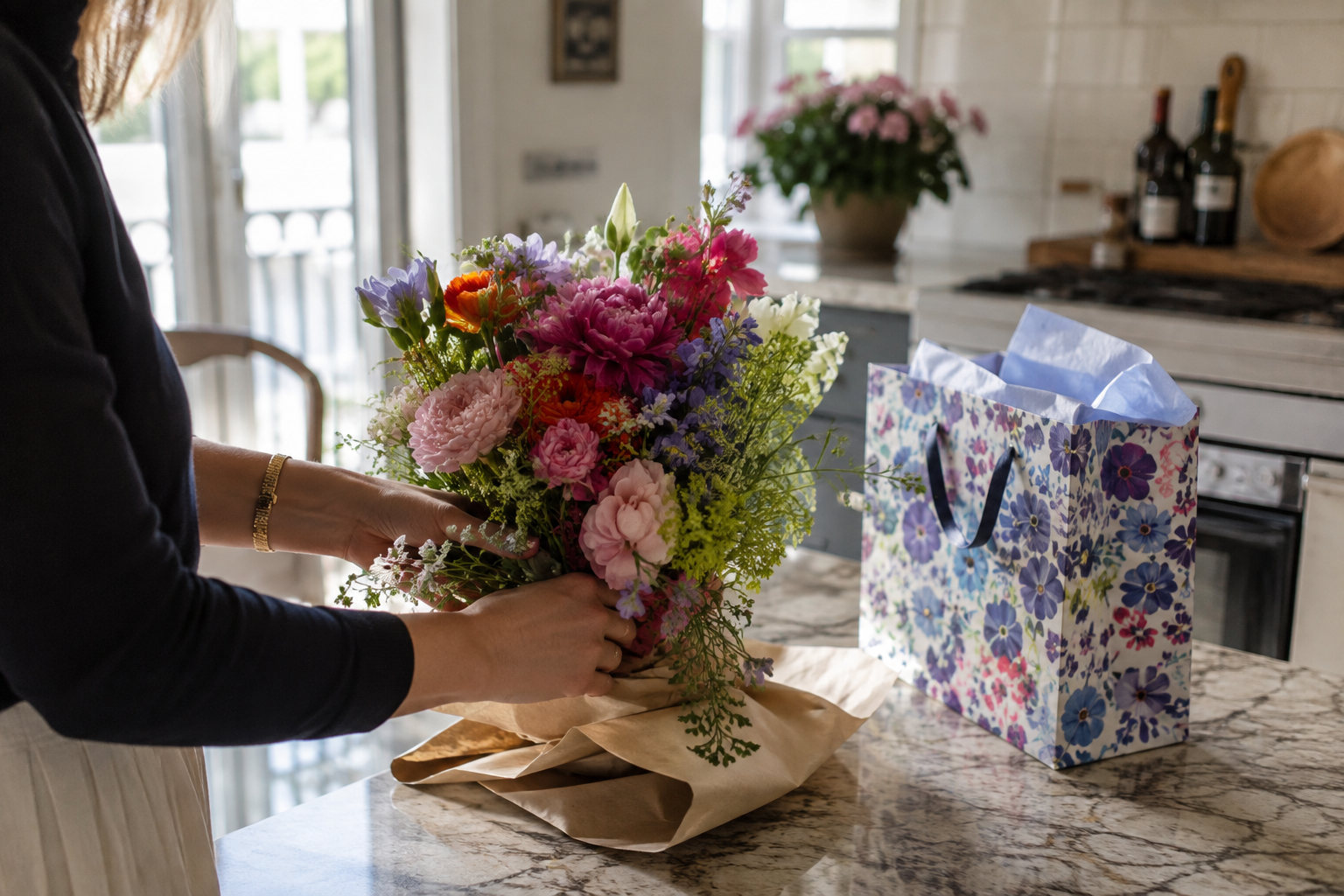
A small but telling piece of etiquette concerns how you physically hand over the flowers, because in much of Europe the convention is to remove the wrapping and present the blooms themselves, not a cellophane package. The bare bouquet is the polite form.
Take off the wrapping first. In Austria and across many European countries, it is customary to strip away the paper or cellophane before offering flowers, since handing over a wrapped bundle can feel like presenting an unopened parcel rather than a finished gift. Unwrapping them shows care and completes the gesture.
The gesture should feel finished. Presenting flowers bare says that you have prepared them thoughtfully for your host rather than simply passing along whatever the shop handed you, so the small act of unwrapping carries a surprising amount of meaning. It is a tiny detail that marks you as someone who knows the customs.
8. Chocolates and Sweets Are the Safe Bet
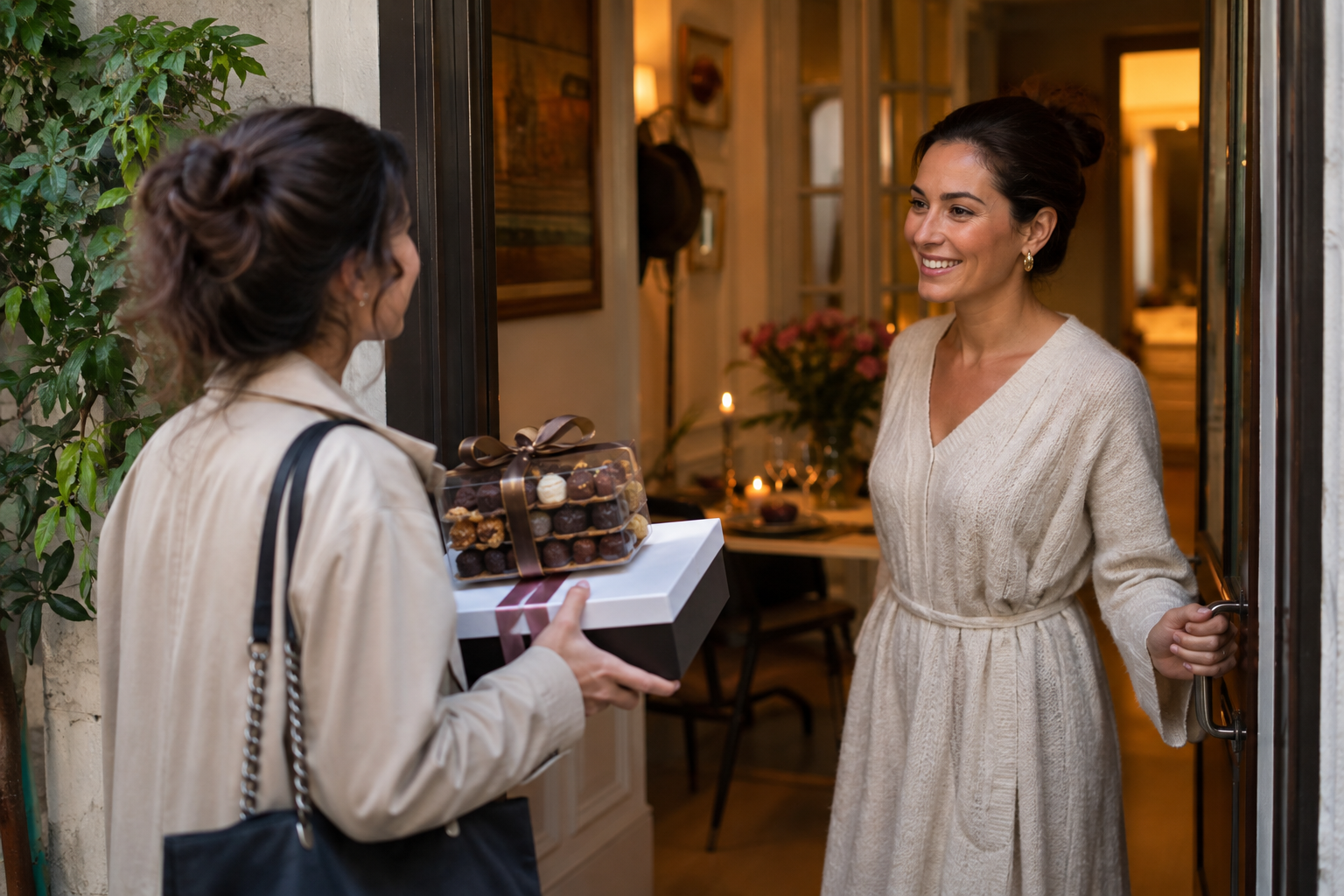
For anyone anxious about the many pitfalls of flowers, there is a wonderfully reliable alternative, because a good box of chocolates or a fine dessert is welcomed almost everywhere, with no hidden traps. Sweetness rarely offends.
They carry no dark meanings. Unlike flowers, chocolates and pastries carry none of the funereal or romantic associations that make blooms perilous, so they are among the safest host gifts you can possibly bring. A quality box of chocolates or a lovely cake or tart is a reliably warm and welcome offering.
They shine where flowers falter. In some countries, notably France, flowers are in fact a less common hostess gift than newcomers assume, and a beautiful dessert or fine chocolates is more genuinely appreciated. When in doubt anywhere on the continent, good sweets are a graceful and worry-free choice. There is also something universally pleasing about arriving with a treat the whole table can share, since chocolates and desserts fold naturally into the evening in a way a bouquet, once admired, does not. The gift becomes part of the meal rather than a thing to be found a vase for, which many a busy host quietly appreciates as they finish putting dinner together.
9. The Rules Shift by Country, So Go Small and Thoughtful
The final rule is really a rule about all the others, which is that these customs vary from one European country to the next, so the wisest approach is to keep your gift modest, thoughtful and safe rather than gambling on a risky choice. Humility travels well.
Local customs differ, so play it safe. Because a flower or gesture that delights in one country may misfire in the next, the surest strategy is to lean on the universally welcome gifts, good wine, fine chocolates, or a safe mixed bouquet, unless you know the local codes well. A modest, well-judged gift is almost impossible to get wrong anywhere.
A card and good manners finish the job. Whatever you bring, a short handwritten note elevates it, and small courtesies matter too, such as waiting in Spain for the first toast before you drink, and toasting only with alcohol. Attention to these final touches turns a correct gift into a truly gracious one.
The Grammar of a Good Gift
Taken together, these nine rules reveal that the European host gift is a small language of its own, one in which flowers, wine and sweets all carry meanings that go well beyond their obvious charm. None of the rules is hard to follow, and all of them flow from the same courteous impulse, the wish to honor a host who has opened their home to you.
What unites every rule is the idea that a gift is a message as much as an object, and a thoughtful guest sends the right one. Bring a decent bottle as a gift and not a demand, choose flowers that speak of celebration rather than sorrow, count your stems, mind your colors, and when in doubt reach for chocolates and a handwritten card. Do that, and your small offering will say exactly what you mean it to.
So the next time an invitation to a European dinner arrives, do not stand paralyzed before the florist’s chrysanthemums or grab the nearest bottle in a panic. Remember that the gift in your hands is a quiet sentence about your respect and your care, choose it carefully and accordingly, and then present it warmly with a genuine smile. Get it just right, and before you have even sat yourself down to eat, you will already have told your hosts nearly everything they hoped to know about the kind of guest they have invited in.

About the Author: Ruben, co-founder of Gamintraveler.com since 2014, is a seasoned traveler from Spain who has explored over 100 countries since 2009. Known for his extensive travel adventures across South America, Europe, the US, Australia, New Zealand, Asia, and Africa, Ruben combines his passion for adventurous yet sustainable living with his love for cycling, highlighted by his remarkable 5-month bicycle journey from Spain to Norway. He currently resides in Spain, where he continues sharing his travel experiences with his partner, Rachel, and their son, Han.