
Cut into a loaf of pan de cristal and it does something no ordinary bread does. The crust does not yield with a soft crunch but shatters into shards under the knife with an almost audible crack, which is exactly how this Barcelona bread earned its name. Pan de cristal means glass bread, and the name is doubly earned, both for that shattering, paper-thin crust and for the astonishing interior it protects, a crumb so wildly open and translucent it looks like a web of spun glass, all holes and glossy strands with almost nothing solid in between. It is one of the most extraordinary breads in Spain, a marvel of extreme technique, and, fittingly for something this singular, it is a bread that Spaniards cannot quite agree about.
That last part is a good deal of the fun. For all its beauty, pan de cristal is surrounded by argument, about where it came from, how old it really is, what belongs in the dough, and how far you should push the technique that makes it so glassy. It is a bread that invites strong opinions precisely because it is so extreme, sitting right at the edge of what dough can be made to do, and bakers and eaters alike love to debate exactly where that edge lies. To make it is to step into a small, delicious controversy.
Here is what pan de cristal really is, why its crust shatters like glass, the arguments that swirl around it, and how to attempt this remarkable bread at home. There is a real recipe below, based on the traditional high-hydration method, so you can try your hand at the glassiest bread in Spain. Be warned that it is a challenge, but one that rewards your courage with a loaf unlike anything else you will bake, and with a strong opinion of your own to add to the argument.
The Bread That Breaks Like Glass
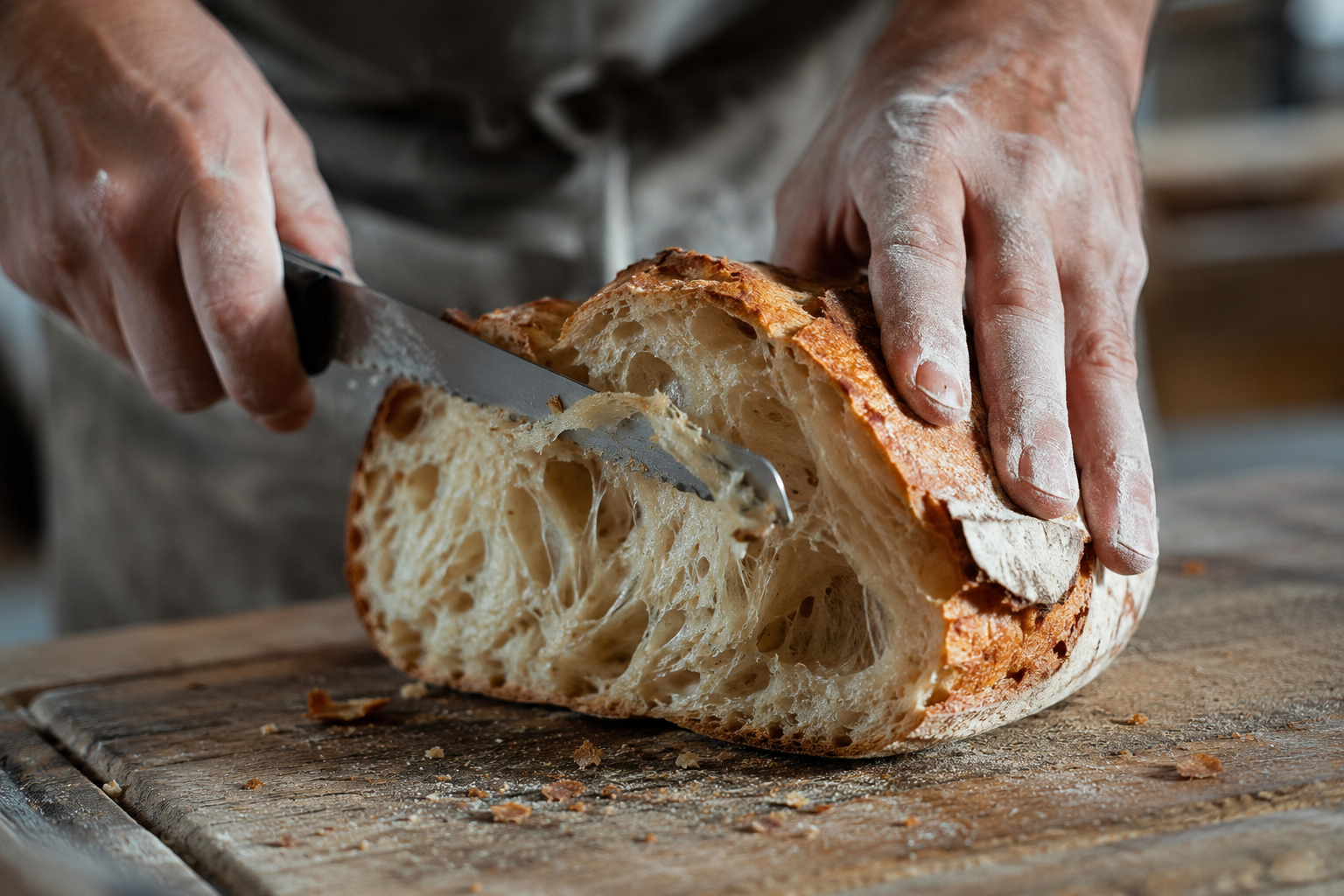
To understand pan de cristal, you have to understand that it is defined entirely by two features working together, the shattering crust and the near-empty crumb, and that both come from a single extreme choice in how it is made. This is bread pushed to a limit.
The defining feature is its texture. Pan de cristal has an incredibly thin, crisp crust that fractures like glass, and an interior that is almost all holes, a translucent honeycomb of glossy gluten strands, so the whole loaf is more air and crackle than bread. Where most breads are prized for a tender, substantial interior, this one is prized for having almost none at all, a wispy lattice you can nearly see through.
This makes it a close but distinct cousin of ciabatta. Like ciabatta, pan de cristal is an open, airy bread, but it takes the idea much further, with a thinner and crisper crust and a crumb that is even more open and delicate, so it reads as a kind of extreme version of the more familiar Italian loaf. It is what happens when you take the airy, holey bread idea and push it almost to the point of collapse, and then bake it so hot the crust turns to glass. The comparison to ciabatta is useful mostly because it gives newcomers a familiar starting point, but anyone who has eaten a proper pan de cristal knows the two are not really the same experience. A ciabatta is still, recognizably, bread you can sink your teeth into. A pan de cristal is more like eating crisp air, a structure so light and so hollow that it seems to disappear against the tomato and oil piled on top of it, leaving only crackle and flavor behind.
Why the Crust Shatters
The secret behind that glassy crust and hollow crumb is water, and lots of it, because pan de cristal is defined above all by being an extremely high-hydration dough. This is the single choice from which everything else follows.
The numbers are startling to anyone used to ordinary bread. Where a normal loaf might use water at somewhere around two-thirds the weight of the flour, pan de cristal uses far more, often approaching or even exceeding the weight of the flour itself, a hydration so high that the dough begins as something closer to a batter than a conventional dough, so wet it seems impossible it could ever become bread. That flood of water is what creates the huge, open holes and the crisp, thin crust once it bakes.
Getting from batter to bread is where the craft lies. Through long resting, careful folding, and a strong high-protein flour, that impossibly wet mixture is gradually developed into a dough with enough structure to hold its shape and trap the great bubbles of gas that give the finished loaf its glassy interior, so the whole method is really about taming an unruly amount of water. It is a high-wire act of bread-making, which is exactly why it fascinates bakers.
The Argument Over Where It Came From
Now for the first and liveliest of the arguments that surround this bread, which is the simple question of how old it really is. You might assume a bread this iconic must be ancient, but its history is truly disputed.
The most credible story is a surprisingly recent one. By many accounts, pan de cristal as we know it is a modern invention, created in Barcelona in the early 2000s by a baker seeking to make a loaf with almost no crumb, reportedly out of a wish to counter the idea that the soft interior of bread was fattening, so he engineered a bread that was nearly all crust and air. On this telling, the glassiest bread in Spain is barely older than the smartphone.
But not everyone accepts that. Some insist the bread, or something very like it, is far older, with claims tracing versions back centuries, and there are competing tales about its origins, including the perennial baker’s legend of a happy accident with too much water, so the true age of pan de cristal is a matter of genuine dispute. Whether it is a clever modern creation or an old bread newly famous is exactly the sort of thing people enjoy arguing about, and the truth is murkier than either camp admits.
The Argument Over What Goes In It
The second great debate concerns the recipe itself, and specifically whether the true pan de cristal is a bare, minimal thing or something enriched with a couple of extra ingredients. This is where purists and pragmatists part ways.
At its most stripped-down, the bread is almost nothing. In its simplest form, pan de cristal is made from just flour, water, yeast and salt, the four elemental ingredients of bread, plus a generous amount of olive oil used mainly to handle the impossibly sticky dough, so by this account it is elemental simplicity taken to an extreme. Many home bakers make it exactly this way and get beautiful results.
Others insist the real thing needs more. A common claim is that the authentic version contains not just olive oil but also a little sugar, both of which are said to make the crust thinner and crisper, with some regional versions even adding a share of other fats, so purists argue that a truly glassy crust depends on these additions. Whether oil and sugar are essential to a proper pan de cristal or mere refinements is a debate with committed defenders on both sides, and part of why no two bakers quite agree on the definitive recipe.
The Argument Over How Far to Push It
The third argument is the most technical, and it goes to the very heart of the method, asking how high the hydration really needs to be to achieve that glassy result. Here the debate is among the bakers themselves.
The instinct is to push ever higher. Because the openness and crispness come from water, there is a temptation to raise the hydration as far as possible, and some bakers take the dough to extraordinary levels, well beyond the weight of the flour, in pursuit of the ultimate glassy crumb, treating the whole thing as a test of nerve. The wetter the dough, the more heroic the baker feels wrestling it into a loaf.
But whether it truly helps is contested. Some experienced bakers argue that beyond a certain point, all that extra water makes the dough far harder to handle without producing a noticeably glassier result, and that a more moderate high hydration can give just as beautiful a loaf with far less struggle, so the race to the highest possible hydration may be more about bravado than better bread. Where exactly the point of diminishing returns lies is a question bakers happily argue over, each convinced their own preferred number is the sweet spot. What all of these arguments share, and what makes them so enjoyable, is that they are arguments about a bread almost everyone agrees is wonderful. No one is disputing whether pan de cristal is good, only how best to arrive at it, which is the happiest kind of culinary debate. The disagreements are a form of affection, the sort of passionate quibbling that only attaches itself to something people truly care about, and pan de cristal, for all its youth or age, is clearly something Spain cares about a great deal.
The Recipe
Here is a home version of pan de cristal, using yeast and a very high hydration. It is a real challenge, mostly because the dough is so wet, but folding and patience do the work. This makes two small loaves. Do not be alarmed by how wet the dough is.
Pan de Cristal (Spanish Glass Bread)
makes two loaves, plus a long rest
Ingredients:
- Strong bread flour, high in protein, three and a half cups
- Water, about one and a half cups, or a little more for higher hydration
- Instant yeast, half a teaspoon
- Salt, one and a half teaspoons
- Olive oil, three tablespoons, plus more for the container
- Sugar, one teaspoon, optional
Method:
- Mix the flour with most of the water and let it rest, covered, for an hour or two, which begins developing the dough with no effort.
- Add the yeast, salt, sugar if using, and the rest of the water, mixing until combined, then work in the olive oil. The dough will be extremely wet and slack, almost like a batter.
- Transfer the dough to a generously oiled container.
- Over the next few hours, perform a series of folds, wetting your hands and lifting and folding the dough over itself every thirty minutes or so, which gradually builds strength and structure.
- Let the dough rise slowly until well risen and full of bubbles, ideally with a long, cool fermentation, such as overnight in the refrigerator, for the best flavor and structure.
- Gently turn the risen dough out onto a well-floured surface, taking care not to deflate it, and cut it into rectangular loaves with a minimum of handling.
- Bake in a very hot oven, around 475 degrees Fahrenheit or higher, with steam for the first several minutes to help it rise and open, then finish baking dry until the crust is deep golden and crisp.
- Cool completely before cutting, and listen for the crust to shatter.
That is the method, a wet and adventurous one, that turns an almost liquid dough into the glassiest bread you will ever make.
Getting It Right
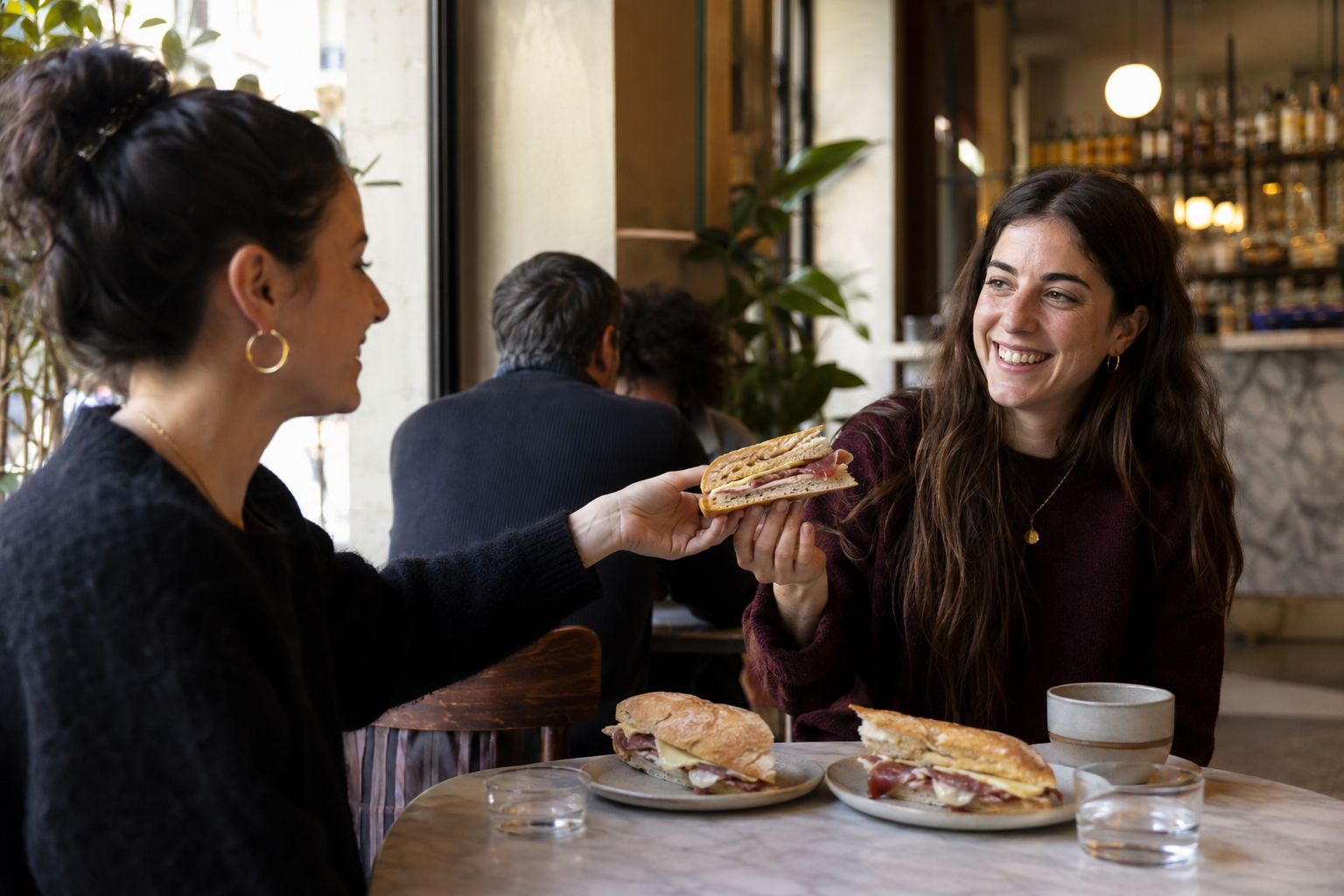
A few things are essential to success with this demanding bread, and honoring them makes the difference between a glassy triumph and a dense disappointment. The most important is the flour, so use a strong, high-protein bread flour, because only plenty of gluten can develop the structure needed to hold all that water and trap the big bubbles.
Handling and heat are the other keys. Handle the risen dough as gently as you possibly can, since the whole point is to preserve those big air pockets and rough deflating would collapse the very holes you are after, and bake it in the hottest oven you can manage with steam at the start, because fierce heat and moisture are what give the loaf its dramatic rise and its thin, crisp crust. A timid oven produces a pale, tough loaf rather than shattering glass.
Patience finishes the job in two places. Give the dough its long, slow fermentation rather than rushing it, since time is what builds both flavor and structure in such a wet dough, and once baked, let the loaf cool fully before cutting, because the crust crisps as it cools and cutting too soon gives you a soft, disappointing result instead of that signature shatter. With good flour, a hot oven, gentle hands, and patience, the glass will form.
The Bread Worth Arguing Over
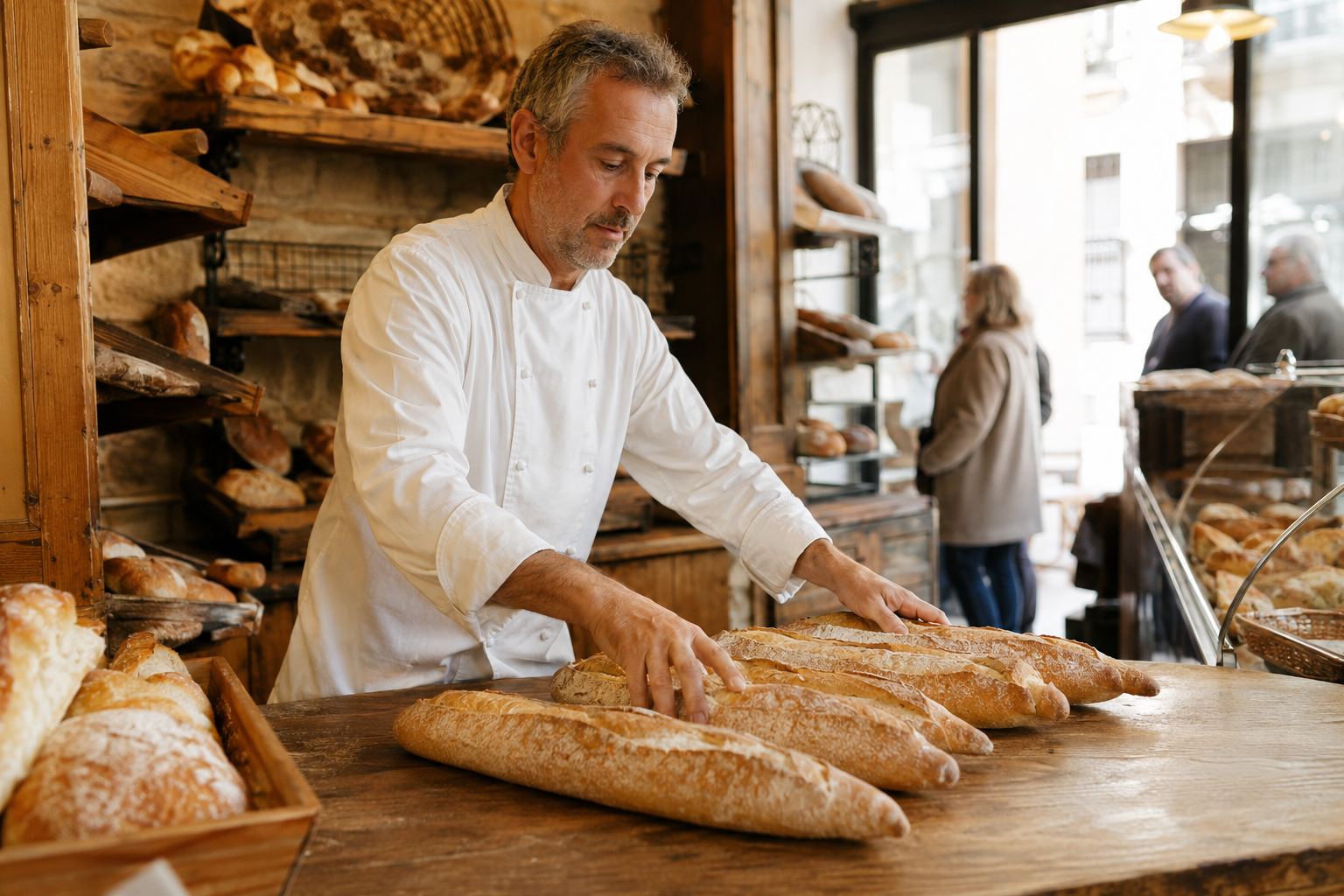
The lasting appeal of pan de cristal is that it is simultaneously one of the most beautiful breads you can make and one of the most contested, a loaf whose shattering crust and glassy crumb are matched only by the enthusiasm with which people argue over its history, its ingredients, and its technique. It is a bread that rewards both the baking and the bickering.
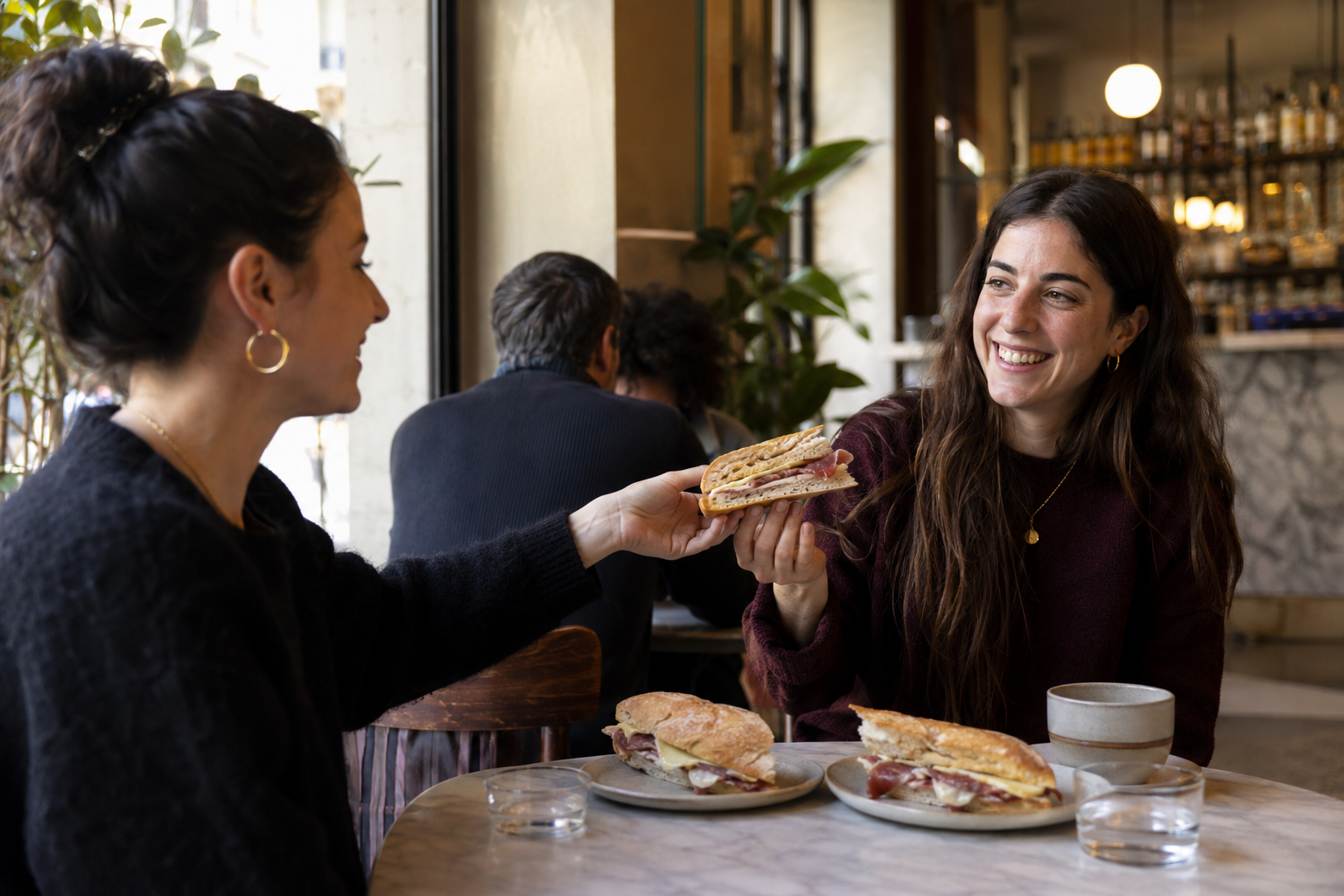
What makes it worth the considerable effort is that there is genuinely nothing else like it, no other loaf that delivers quite that combination of a crust like breaking glass and an interior of translucent, airy lace. Between the technical thrill of taming such a wet dough and the pleasure of the finished bread, ideal for piling with tomato or building into a sandwich, pan de cristal offers a real baking adventure with a spectacular reward, and once you have made your own, you will have earned a place in the argument.
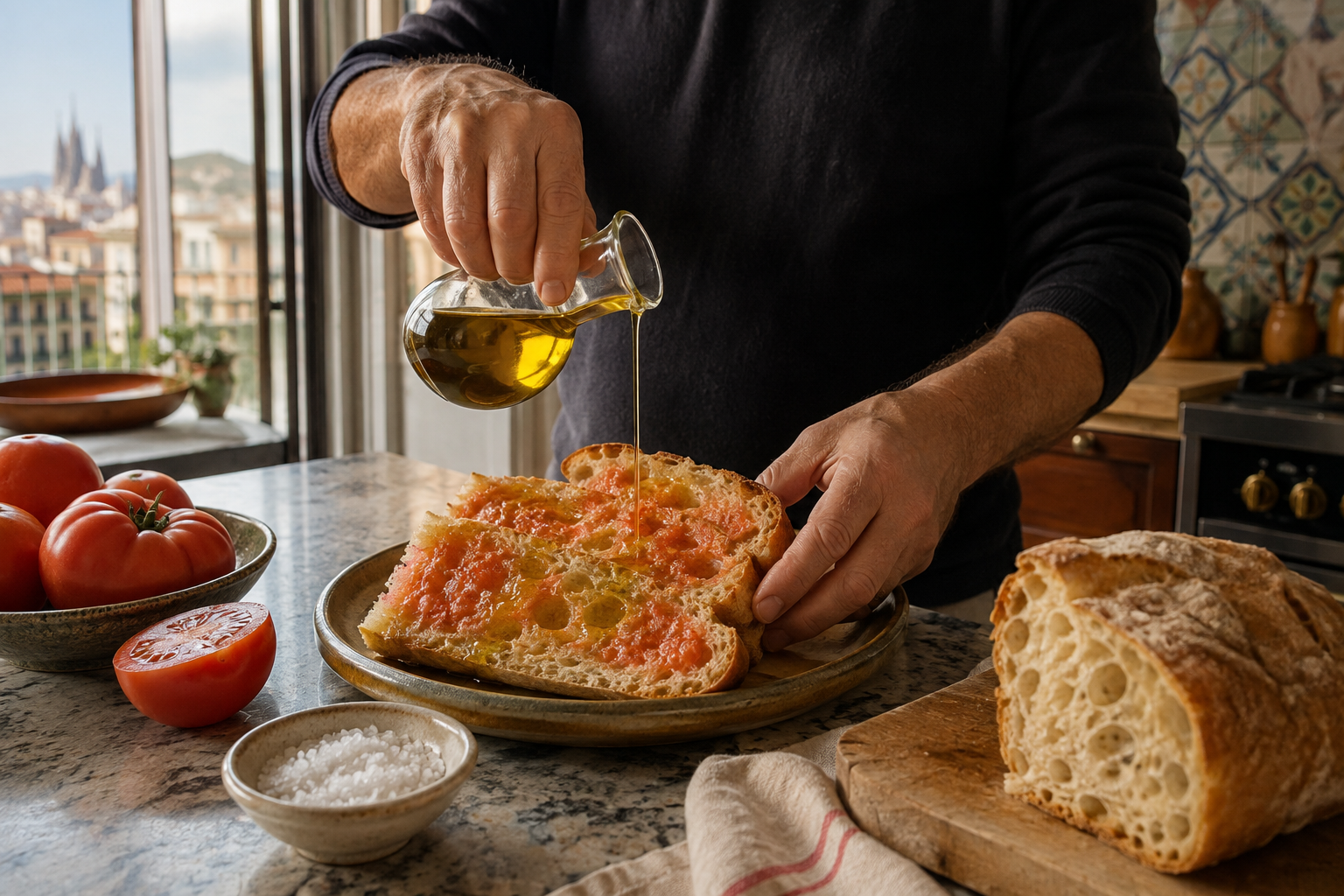
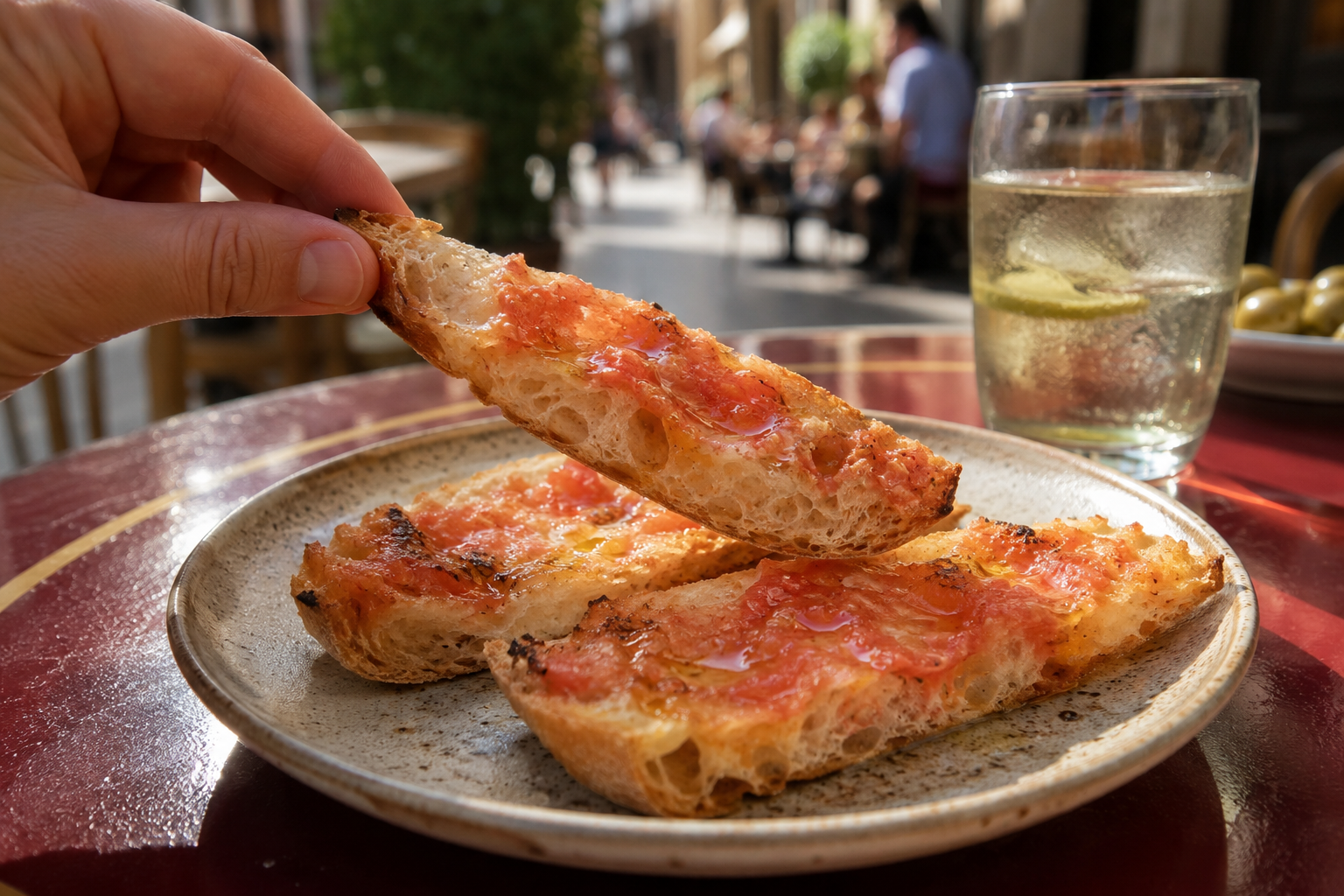
So the next time you feel like a proper baking challenge, mix up a batter-like dough, fold it patiently into strength, and bake it fierce and hot into the glassiest loaf you have ever seen. Listen for that shatter as the knife goes in, admire the web of glossy holes within, and pile it high with tomato and oil in the Catalan way. You will be making a bread that all of Spain admires and half of Spain argues about, and once you taste that crackling, airy marvel, you will happily join the debate over exactly how it should be done.

About the Author: Ruben, co-founder of Gamintraveler.com since 2014, is a seasoned traveler from Spain who has explored over 100 countries since 2009. Known for his extensive travel adventures across South America, Europe, the US, Australia, New Zealand, Asia, and Africa, Ruben combines his passion for adventurous yet sustainable living with his love for cycling, highlighted by his remarkable 5-month bicycle journey from Spain to Norway. He currently resides in Spain, where he continues sharing his travel experiences with his partner, Rachel, and their son, Han.