
For many Americans, the thought of walking into a restaurant alone and asking for a table for one produces a small flicker of dread. It feels exposed, somehow, as though everyone will notice and wonder what is wrong, whether you have been stood up or have no friends, and so a great many people who would love to travel or dine on their own hold back, imagining a room full of pitying stares. Here is the reassuring truth that anyone who has spent time in Europe will confirm: eating alone in Europe is completely normal, nobody stares, and the solo table is simply another way people enjoy a meal. The dread is real and widely shared, but the thing it fears mostly does not exist at all.
This matters enormously, because the fear of eating alone quietly keeps people from experiences they would deeply treasure and remember, from the solo traveler who eats sad sandwiches in a hotel room rather than face a restaurant, to the widow or widower who stops going out because a table for one feels too conspicuous, to anyone whose life has left them dining solo more often than they expected. The good news is that Europe, in particular, has a relaxed and welcoming culture around solo dining that can dissolve that anxiety entirely, and understanding it can give people back the simple pleasure of a good meal out, alone and perfectly at ease.
Here is why eating alone in Europe is so normal, why nobody really stares, how to feel comfortable at the solo table, and how to make the most of it. This is a look at dining culture and a bit of gentle encouragement rather than any kind of rule, and everyone’s comfort is their own, but the reassurance at its heart is genuine and worth hearing for anyone who has ever hesitated at the door of a restaurant because they were on their own.
The Fear and the Reality
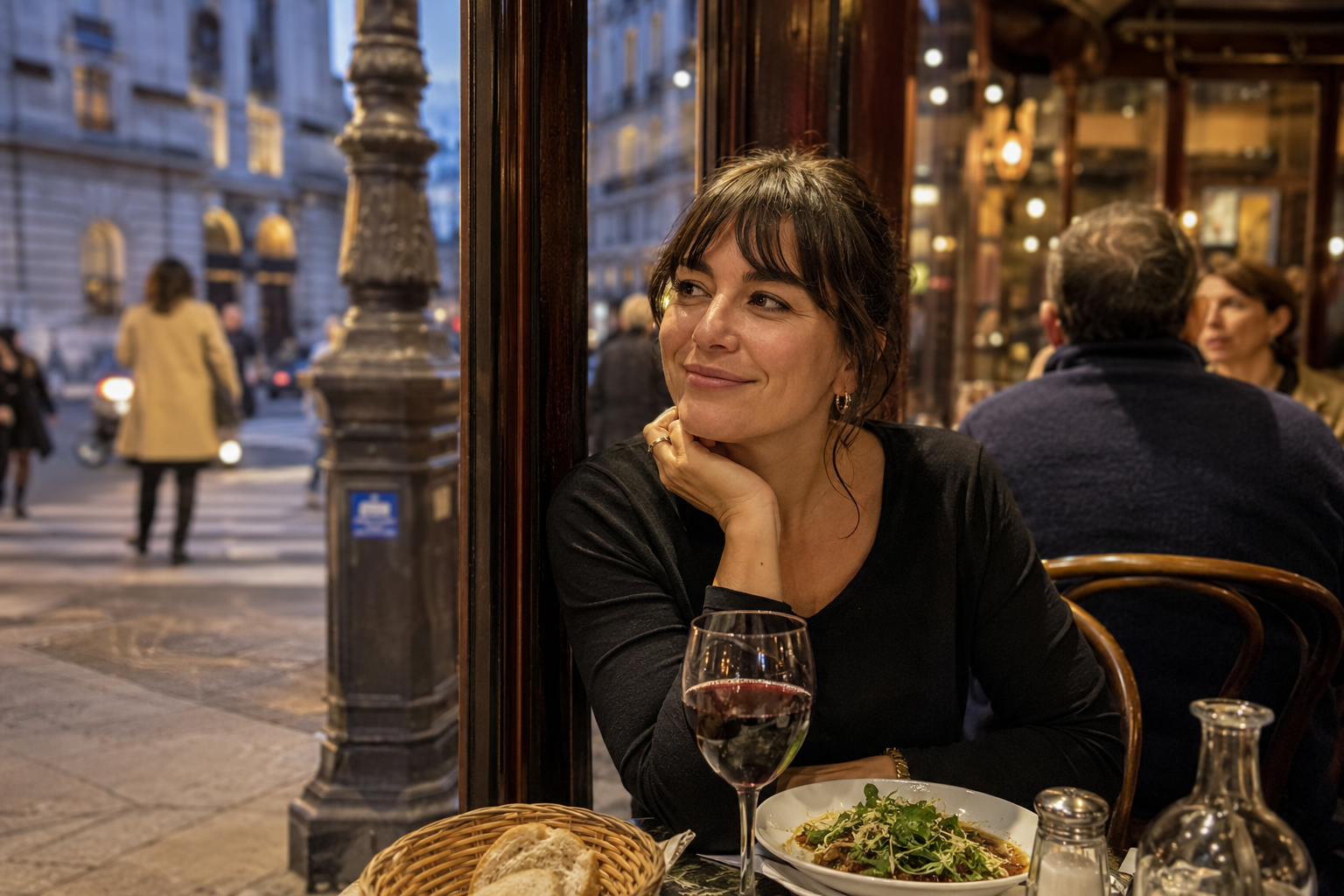
The anxiety about eating alone is extremely common, and it usually takes a particular shape, the conviction that a solo diner is a spectacle, an object of curiosity or pity, visible to a whole room of people silently wondering why they are by themselves. This fear feels vivid and specific, and it stops countless people from ever trying, so it is worth confronting directly.
The reality is almost the exact opposite of the fear. In practice, other diners are absorbed in their own meals and pay a solo diner little or no attention at all, because people are far more focused on themselves than on a stranger at another table, and the imagined room full of staring, judging faces simply is not there. What feels like a spotlight to the person sitting alone is, to everyone else, an unremarkable and barely noticed sight. Think of your own experience as a diner, and the point becomes obvious. When you eat out, how much attention do you really pay to the other tables, and how long do you spend wondering about the circumstances of a stranger sitting alone across the room? Almost none, and none at all, because you are busy with your own evening. Everyone else in the room is exactly the same, which means the scrutiny you dread is something no one is really supplying.
This gap has even been given a name by psychologists, the spotlight effect, the tendency to overestimate how much others notice and judge us. We each feel ourselves to be the center of attention we are not, imagining observers who are in fact preoccupied with their own lives, so the solo diner’s sense of being watched is a trick of the mind rather than a description of the room. Understanding this one idea alone can take much of the sting out of the whole prospect.
Why Europe Makes It Easy
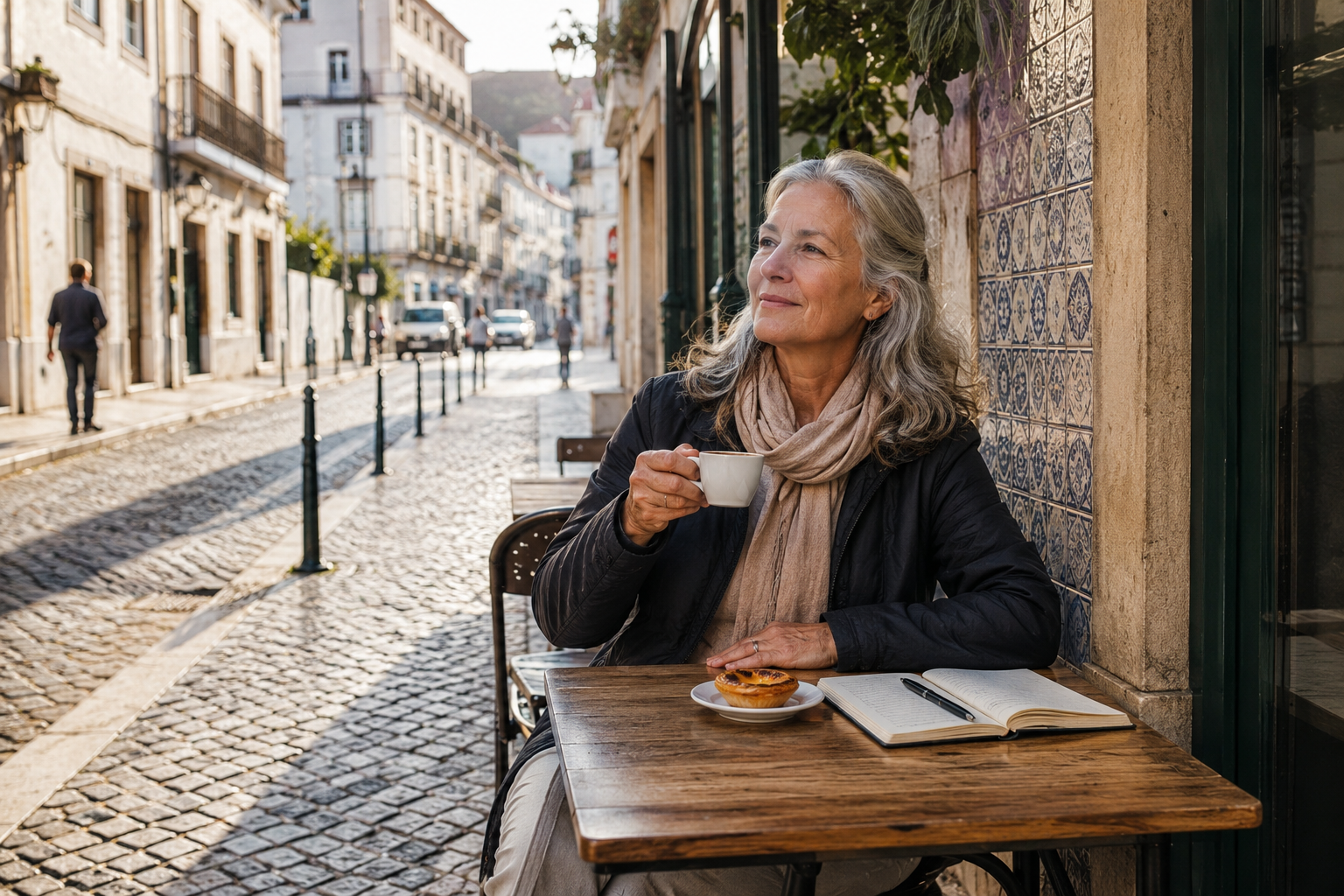
While solo dining is fine almost anywhere, Europe has a particular culture around eating and cafes that makes it especially comfortable, and understanding that culture helps explain why the solo table feels so natural there. Much of it comes down to the deeply rooted tradition of the cafe and the unhurried meal as ordinary parts of daily life.
In much of Europe, lingering alone over a coffee, a glass of wine, or a meal is a thoroughly established way to spend time. The cafe culture of France, Italy and Spain has long embraced the solitary patron reading, watching the street, or simply enjoying their own company over a drink or a plate of food, so a person sitting alone is a familiar and accepted part of the scenery rather than an oddity. Sitting by yourself with a coffee for an hour is not strange there but normal, even cherished.
There is also a broader cultural ease about it. In many European settings, dining is treated as a relaxed, individual pleasure as much as a social event, and there is little of the assumption that eating out must be a group activity, so tables for one raise no eyebrows and waiters are entirely accustomed to serving them. The whole rhythm of European eating, with its long lunches and late, leisurely dinners, leaves ample room for the person who has come simply to enjoy a meal on their own terms. This is worth understanding as a cultural difference rather than merely a personal reassurance. In places where a meal is expected to take two hours and where sitting over an empty coffee cup is a respectable way to pass an afternoon, there is simply no social pressure to be constantly accompanied or to eat and leave quickly. The solo diner slots into that unhurried rhythm without friction, because the culture already makes room for people who want to take their time, alone or otherwise.
Nobody Is Really Watching
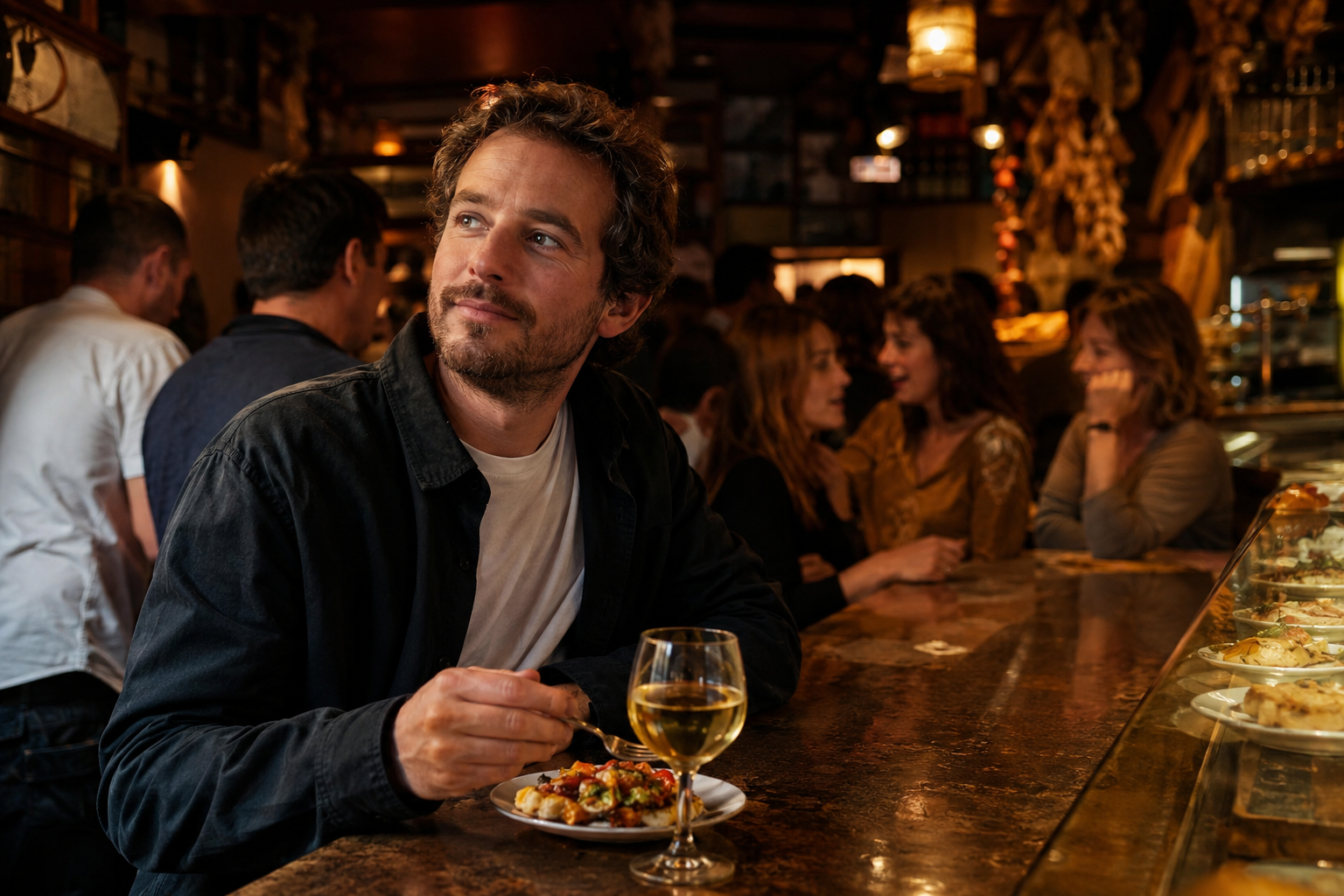
It is worth dwelling on the single most reassuring fact for the nervous solo diner, which is that the other people in the restaurant are truly not paying attention to you. This is not a polite fiction but a simple truth about how people behave, and internalizing it fully is the key that unlocks comfortable, relaxed solo dining.
Consider what everyone else is really doing. The other diners are wrapped up in their own conversations, their own food, their own evenings, glancing around only idly if at all, and a person eating alone registers, if it registers at all, as a completely ordinary thing they forget a moment later. No one is tracking how long you have been there, wondering about your circumstances, or judging you for being by yourself, because they simply have no reason to and their attention is elsewhere entirely.
The staff, too, are on your side. Waiters serve solo diners all the time and think nothing of it, and a good server will treat a table for one with exactly the same warmth as any other, so there is no need to feel like an inconvenience or an unusual request. Far from being a burden, a pleasant solo diner is a perfectly welcome guest, and the sooner you believe that, the sooner the whole experience relaxes into something easy.
How to Feel at Ease
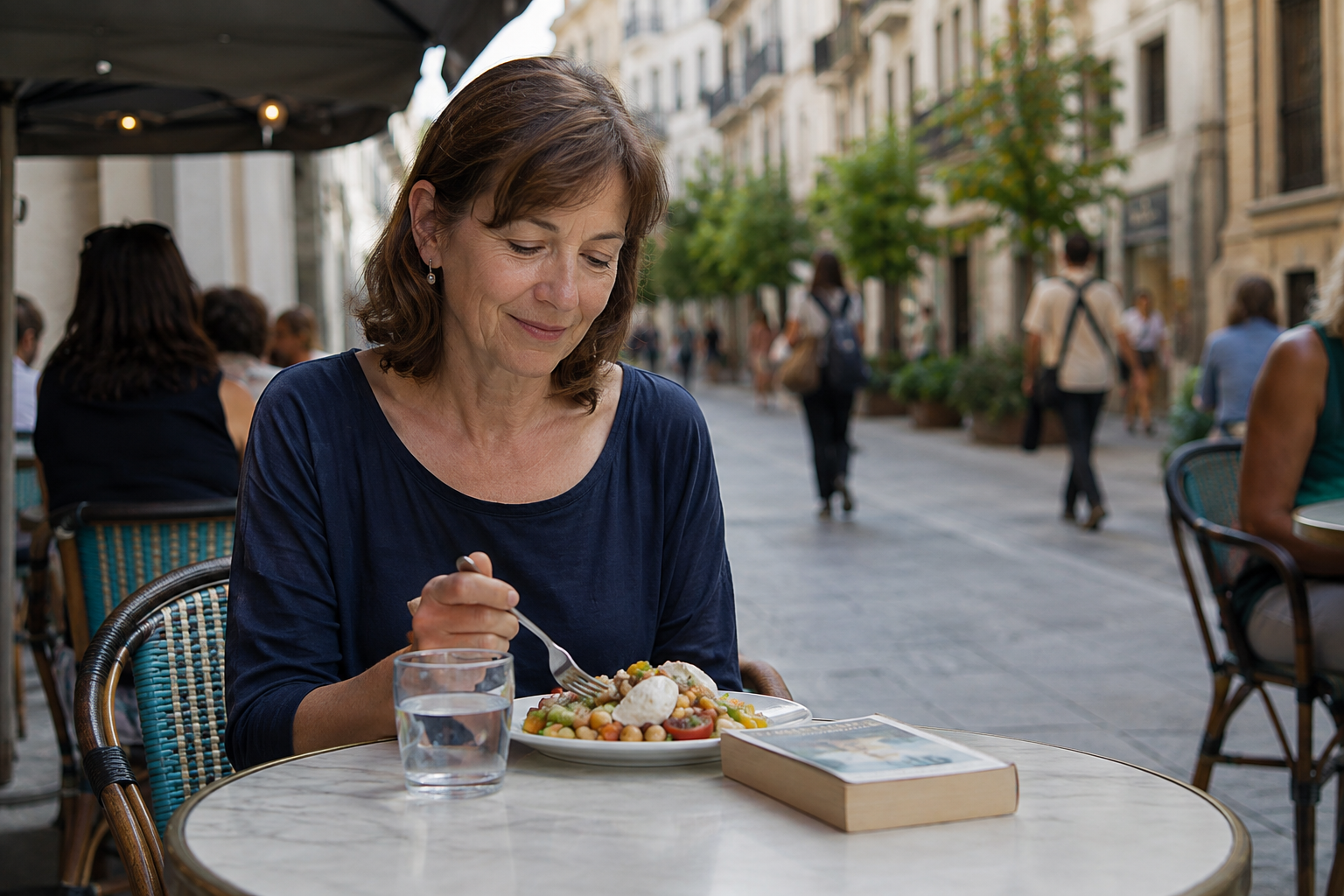
For those who want a little practical help crossing from anxiety to comfort, there are simple things that make solo dining feel natural, and they work by giving you something to settle into rather than sitting exposed with nothing to do. The classic companion is something to read, whether a book, a newspaper, or your phone, which occupies the mind and hands and provides an easy anchor for your attention.
The setting can help too. Choosing a spot that suits solo dining, such as a seat at the bar or a table by the window where you can watch the world go by, or a relaxed cafe rather than a formal dining room, can make sitting alone feel more comfortable and natural, since these places are designed for exactly this kind of easy, unpressured presence. A window seat in particular turns your solitude into a pleasure, giving you a whole street to watch.
Timing and attitude matter as well. Going a little earlier or later than the peak rush can mean a calmer room and more attentive service, and approaching the meal as a treat you are giving yourself rather than a test reframes the whole experience, so that you arrive expecting to enjoy your own company rather than to survive an ordeal. The mindset you bring shapes the meal as much as anything the restaurant does.
The Quiet Pleasures of the Solo Table
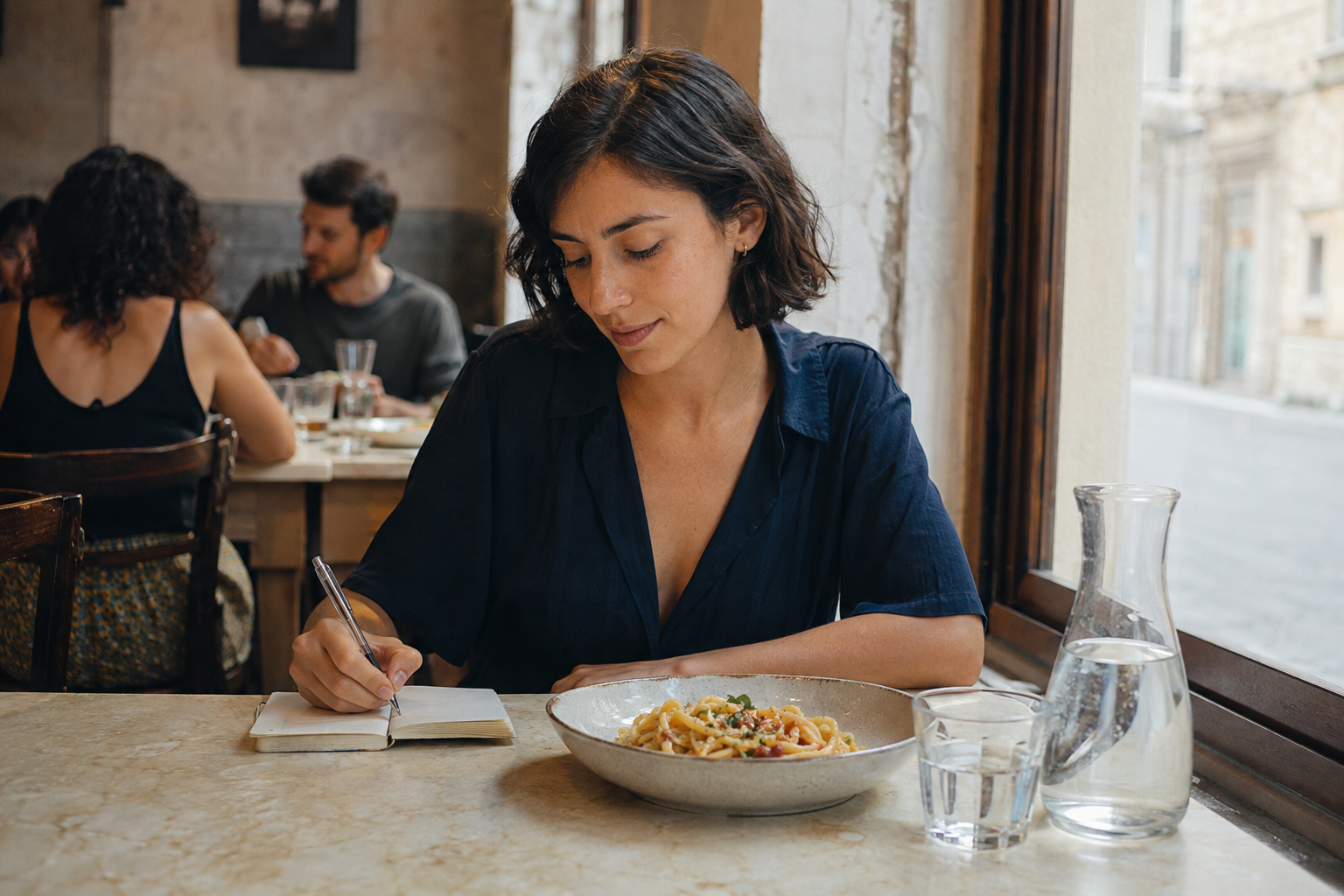
Beyond simply not being unpleasant, eating alone turns out to have real pleasures of its own, ones that people who master it come to truly love, and recognizing these can transform solo dining from something endured into something sought out. The most obvious is freedom, the complete liberty to eat exactly what you want, where you want, at whatever pace you please, answering to no one.
That freedom runs deep. Dining alone means no compromising, no waiting for anyone, no managing conversation when you would rather be quiet, just the pure enjoyment of the food and the setting on your own terms, which is a genuine luxury that group dining, for all its warmth, cannot offer. You can linger for hours or eat quickly, order three desserts or just a bowl of soup, and the whole experience bends entirely to your own wishes. This is a freedom that seasoned solo diners come to prize rather than merely tolerate. There is no negotiation over where to go and no accommodating anyone else’s appetite or timetable, only the clean simplicity of pleasing yourself. For people whose lives are full of compromise and care for others, a meal that answers to no one but themselves can feel less like loneliness and more like a small, restorative act of independence.
There is also a particular richness to it. Eating alone can be a chance to savor a meal with full attention, to notice flavors and surroundings more keenly without the distraction of conversation, and to enjoy a rare kind of unhurried presence, so the solo meal becomes a small act of self-care and quiet pleasure rather than a lonely necessity. Many people who overcome the initial fear find they come to treasure these solo meals as some of the most peaceful and satisfying of their travels or their week.
For Those Who Dine Alone Now
Some people come to solo dining not by choice but through circumstance, and for them this reassurance carries a special weight, so it deserves saying plainly. For anyone who finds themselves eating alone more than they once did, whether through the loss of a partner, a life change, or simply the shape their days have taken, the solo table is not a mark of anything sad but a doorway back to a pleasure that is fully theirs.
There is real encouragement here worth taking to heart. Going out to eat alone can be a gentle and affirming way to stay engaged with the world, to keep enjoying good food and pleasant surroundings and the quiet company of a public place, and it need never be surrendered simply because one is on one’s own, so the person dining solo can hold their head up and enjoy their meal fully. Reclaiming the restaurant as a place you can still go and enjoy is a small but meaningful act of living well.
None of this is to romanticize solitude for those who would rather have company, and missing a companion at the table is a real and tender thing. But the point stands that eating alone need not be avoided or endured in embarrassment, that the world will not stare, and that a good meal enjoyed in one’s own company remains one of life’s reliable pleasures, available to anyone willing to walk through the door. That availability is quietly precious, and worth claiming. It is the kind of small freedom that is easy to surrender without noticing and surprisingly restoring to take back. A person who decides that a table for one is theirs to occupy has reclaimed a whole category of ordinary pleasure, the lunch out, the coffee in a nice cafe, the dinner somewhere they always wanted to try, none of which require anyone’s permission or company. That reclaiming tends to spill over into a broader confidence about moving through the world on one’s own.
Walking Through the Door
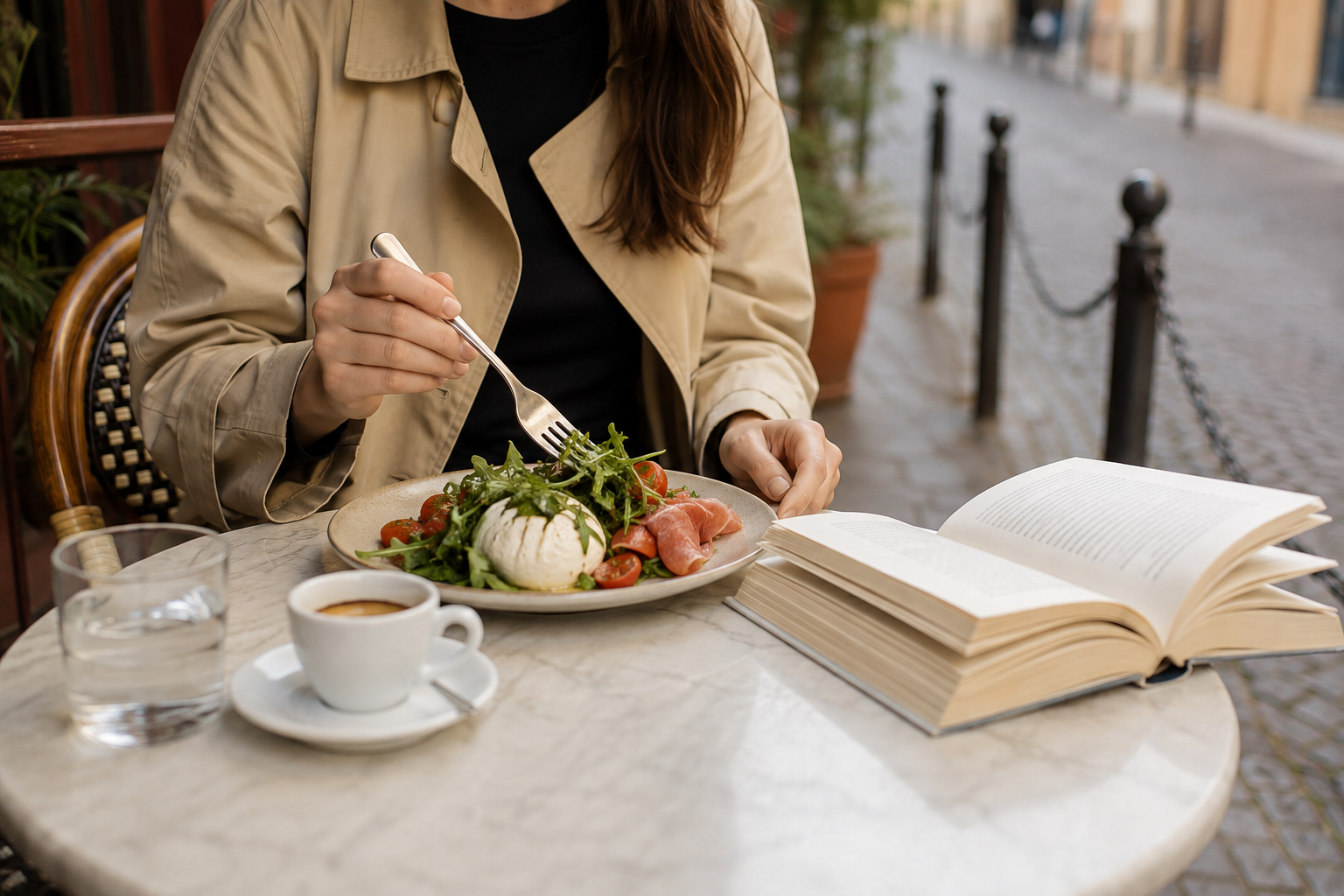
The lasting message about eating alone in Europe, and truly anywhere, is that the fear that keeps so many people from it is largely a phantom, an imagined audience that is not truly watching, and that the solo table is a normal, accepted and often delightful way to enjoy a meal. Nobody stares, the staff are glad to serve you, and the room full of judging faces exists only in the anxious imagination.
What makes this worth truly absorbing is how much it can give back. Freed from the fear of dining alone, a person gains access to countless pleasures otherwise forfeited, the great restaurants of a solo trip, the neighborhood cafe on a quiet evening, the simple joy of a good meal on one’s own terms, and in Europe especially, a culture that makes all of it feel entirely natural. The door that seemed so daunting turns out to open onto something easy and good.
So the next time you find yourself wanting a meal out but without company, whether traveling solo, newly on your own, or simply in the mood for your own company, walk in and ask for a table for one without a single shred of hesitation. Order exactly what you like, take your time, watch the street or read your book, and notice that the stares you feared never come. Eating alone in Europe is completely normal, nobody is watching, and the solo table, once you claim it, may become one of the quiet pleasures you would not give up for anything.

About the Author: Ruben, co-founder of Gamintraveler.com since 2014, is a seasoned traveler from Spain who has explored over 100 countries since 2009. Known for his extensive travel adventures across South America, Europe, the US, Australia, New Zealand, Asia, and Africa, Ruben combines his passion for adventurous yet sustainable living with his love for cycling, highlighted by his remarkable 5-month bicycle journey from Spain to Norway. He currently resides in Spain, where he continues sharing his travel experiences with his partner, Rachel, and their son, Han.