
Limoncello is one of the simplest things you can make in a kitchen, and one of the hardest to rush. It has only four ingredients, lemons, alcohol, sugar, and water, and not one of them is difficult to find. What it asks for instead is time. The bright yellow liqueur they serve ice cold after dinner along the Amalfi Coast is not the product of a clever technique or a secret recipe. It is the product of patience, of leaving good ingredients alone long enough to become something greater than themselves.
That is the whole trick, and it is why so much homemade limoncello disappoints. People treat it as a quick infusion, steep the lemon peel for a few days, sweeten it, and drink it, and they end up with something thin, harsh, or sharply bitter. The real thing, the smooth, intense, almost velvety liqueur of Sorrento and Capri, is made over weeks and then rested over more weeks, and the waiting is not a formality. It is the recipe.
Here is how to make limoncello the way it is made on the coast where it belongs, from choosing the lemons to the long, unhurried rest that turns raw spirit into liquid sunshine.
The Four Ingredients
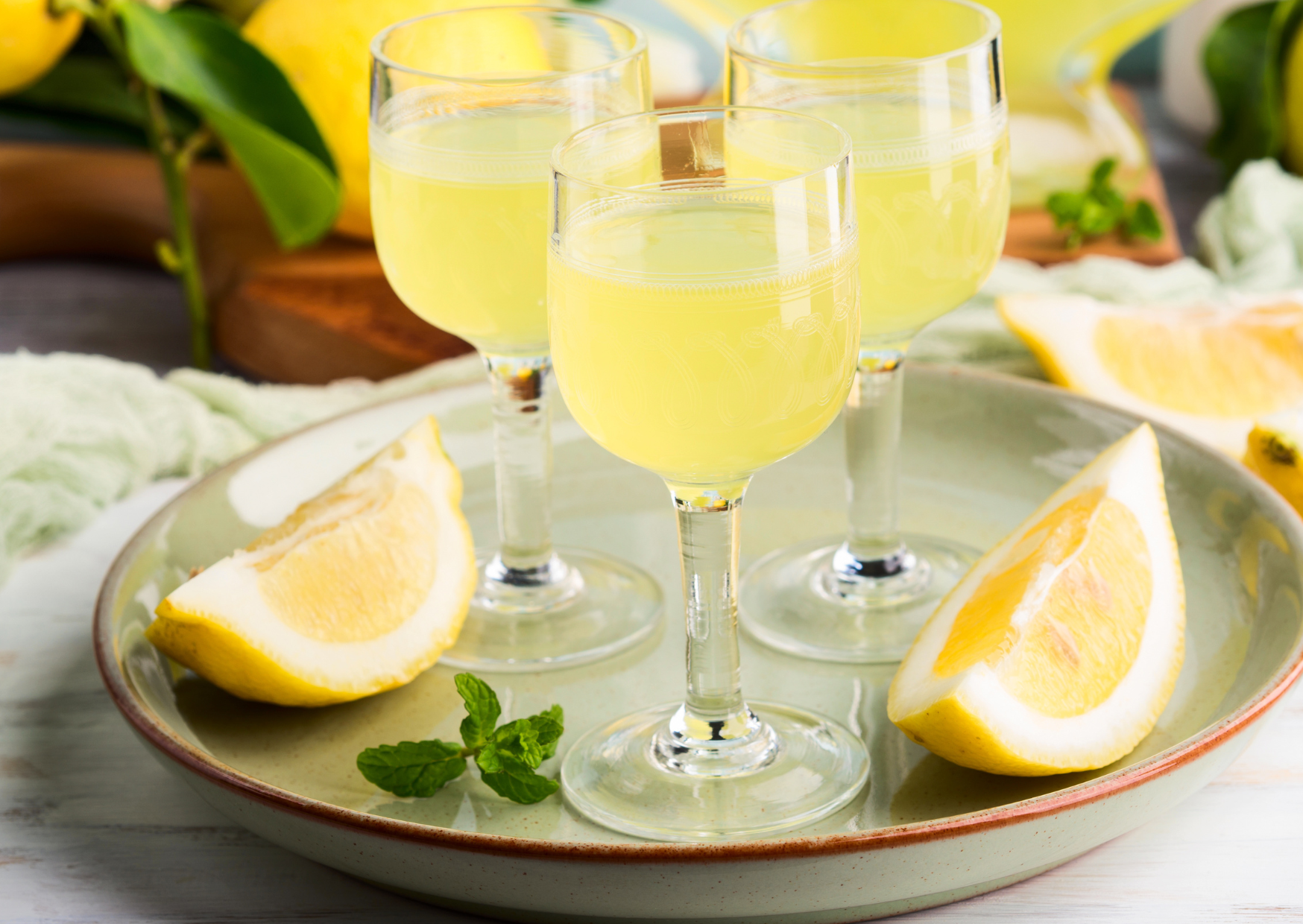
Everything in limoncello is one of four things, so the quality of each one matters enormously. The lemons come first and count for the most. Traditional limoncello is made from the great southern Italian varieties, the Sfusato Amalfitano of the Amalfi Coast and the Ovale di Sorrento of the Sorrento Peninsula, both prized for thick, fragrant, oil-rich skins. You will almost certainly not have those, and that is fine. What you need is the best, most aromatic, unwaxed lemons you can find, because every drop of flavor in the finished liqueur comes from their peel.
The alcohol is the second pillar, and here Italians are firm. Real limoncello uses a neutral, high-proof grain alcohol, the kind sold in the United States as Everclear at ninety-five percent, or alcool puro in Italy. Its job is to extract the lemon oils cleanly and carry nothing of its own, and nothing does that better than a very high-proof, flavorless spirit. You can make a lemon liqueur with vodka, and many people do, but it will be a lemon vodka rather than true limoncello, and an Italian would gently tell you so.
The last two ingredients are the simplest. Sugar sweetens the liqueur and gives it body, that faintly syrupy weight that clings to a chilled glass. Water lengthens it and sets the final strength, turning a fierce infused spirit into something you can comfortably sip. Between the four, the lemons and the alcohol do the flavor work, and the sugar and water tune it into a drink.
The water does more than lengthen it, though. It sets the final alcohol strength, and a good limoncello lands somewhere between twenty-five and thirty-two percent, strong enough to keep in the freezer without freezing solid, gentle enough to sip after a meal. More water makes it lighter and less fiery, less water keeps it potent, and the ratio you settle on quietly becomes your own house style, the thing that makes your limoncello recognizably yours.
The Zest Is Everything
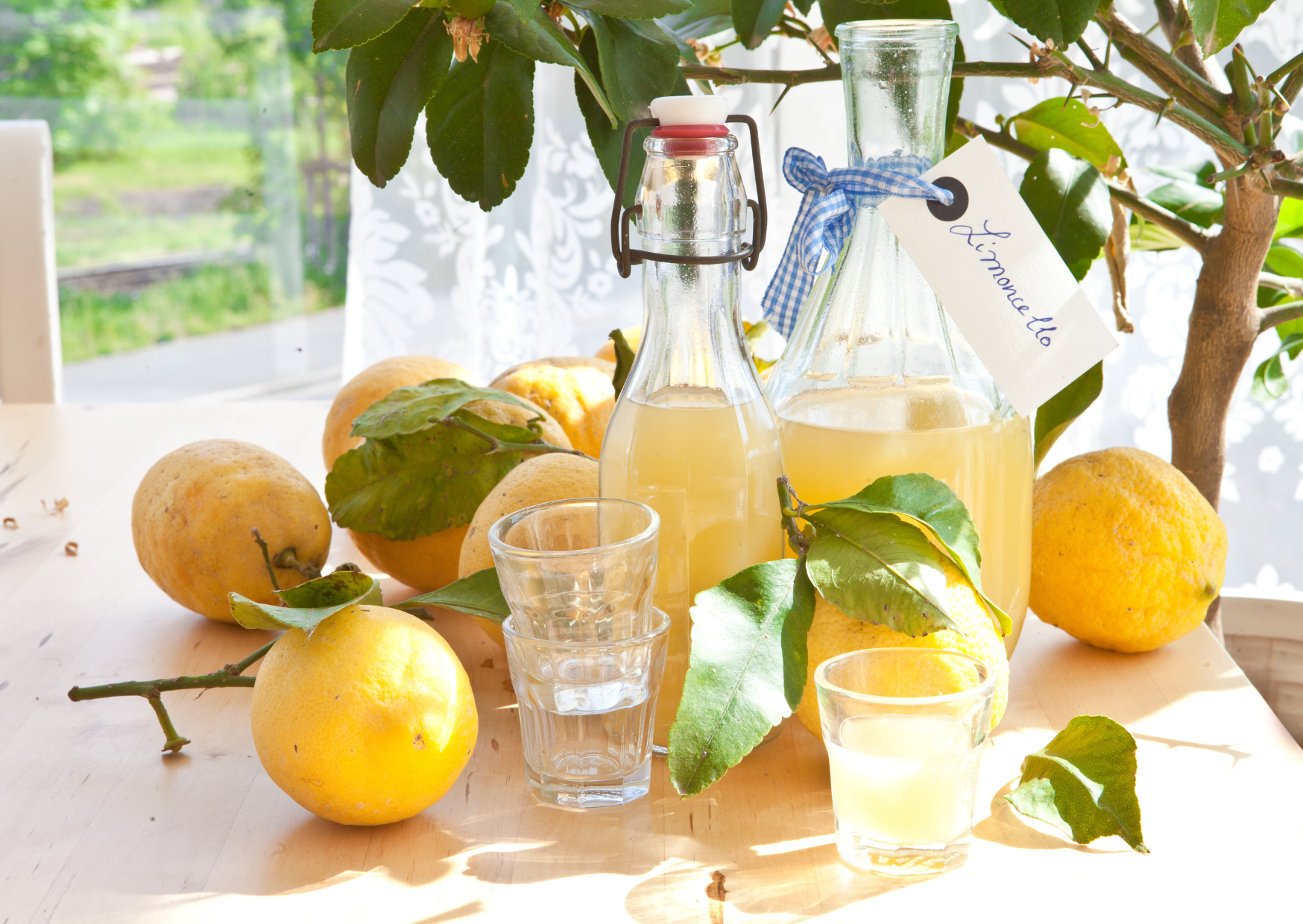
If there is one make-or-break step in limoncello, it is the peeling, because the flavor lives entirely in the outermost layer of the lemon skin and the bitterness lives just beneath it. You want only the bright yellow zest, the thin colored surface where the fragrant oils sit, and none of the white layer underneath.
That white layer, the pith, is the enemy of good limoncello. It is intensely bitter, and any of it that ends up steeping in the alcohol will pull that bitterness straight into the finished liqueur, no matter how good everything else is. This single mistake, taking too much of the peel, is the most common reason a homemade batch turns out harsh, and it is entirely avoidable with a little care.
Use a vegetable peeler rather than a grater or a knife, and take long, shallow strips, aiming to lift off the yellow while leaving the white behind on the fruit. If a strip comes away with pith clinging to its back, lay it flat and scrape the white off with a small knife before it goes into the jar. It is slow, meditative work, and it is the part of the process where care pays the largest dividends later.
Because you are using the skins and steeping them for a long time, clean and unwaxed fruit, preferably organic, matters more than usual. The wax and any residue on a conventional lemon would steep straight into your alcohol along with the oils, so scrub the fruit well, or better, seek out untreated lemons. Once the fruit is peeled, keep the naked lemons for their juice, which has a hundred uses, and turn your attention to the zest, which is where limoncello begins.
The Long Steep
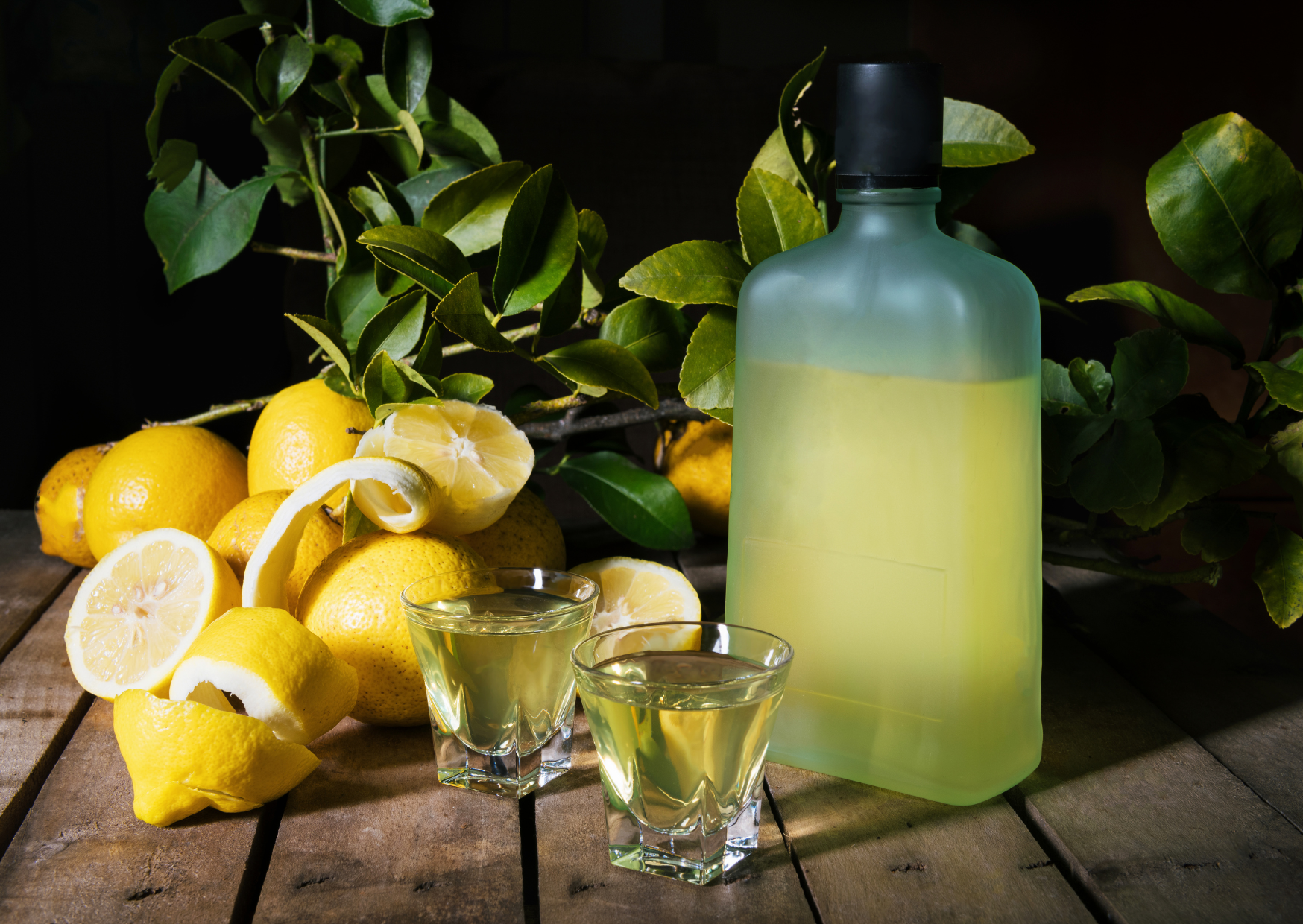
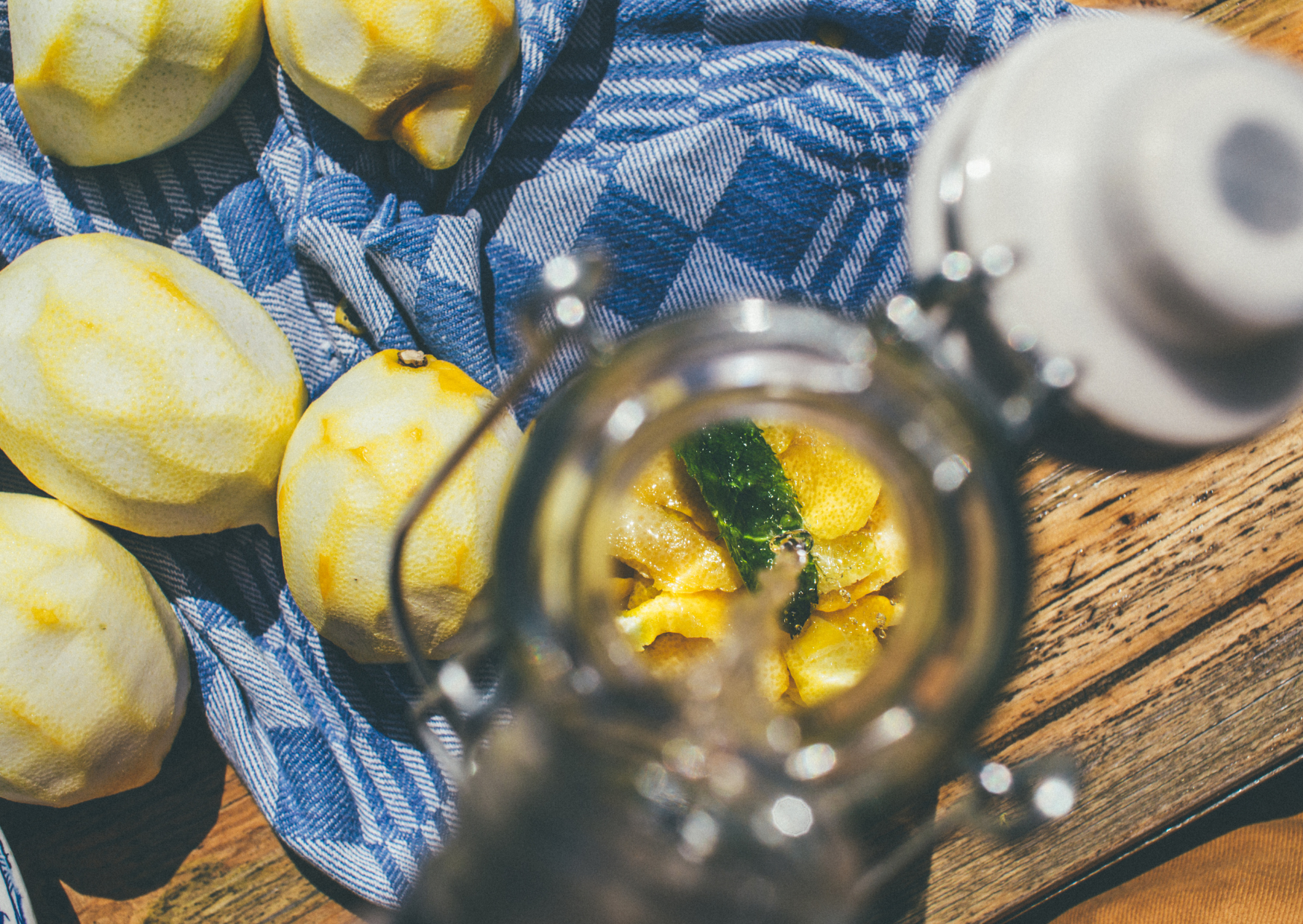
Now the patience starts. Pack the lemon zest into a clean glass jar, pour the grain alcohol over it until the peels are fully submerged, and seal the jar tightly. Within a day the alcohol will already have begun pulling color from the peel, turning a pale, brilliant yellow. Set the jar somewhere cool and dark, a cupboard is perfect, and leave it.
The length of the steep is where recipes disagree and where the Amalfi way makes its case. You can drink a limoncello steeped for only a week or two, and it will be pleasant enough, but a longer infusion is what separates the good from the extraordinary. Over several weeks, and traditionally up to a couple of months, the alcohol slowly draws every last aromatic oil out of the peel, and the liqueur grows deeper in color, richer in aroma, and rounder on the tongue. The patient version, steeped for many weeks, is a different and better drink than the impatient one.
Give the jar a gentle shake every day or two through the steeping, which keeps the peels moving and the extraction even. This matters less with pure grain alcohol, which is an aggressive solvent, and more if you have used vodka, but the small ritual is worth keeping either way. It is also the only work the steep requires of you, a few seconds of attention every couple of days while time does everything else.
What is happening inside the jar is a slow, patient extraction. The high-proof alcohol works as a solvent, drawing the essential oils out of the peel a little at a time, and there is no way to hurry it that does not cost you flavor. Heat would speed it along but scorch the oils in the process. Only time does the job cleanly, which is the whole reason the coast simply waits rather than reaching for a shortcut.
You will know the steep is well along when the peels have faded from bright yellow to pale, almost white, and the alcohol has turned a deep, saturated lemon color. The peels have given up their oils to the spirit, which is exactly what you wanted. At that point the infusion is ready to become a liqueur, which is where the second ingredient of patience, the syrup, comes in.
The Syrup, and the One Rule
The sugar goes in as a syrup rather than as sugar, and making it is simple. Dissolve sugar in water over gentle heat, stirring until the liquid is clear, and simmer it briefly to bring the two together into a smooth syrup. The exact ratio is a matter of taste and controls both the sweetness and the final strength, but a roughly equal measure of sugar and water is a sound starting point, adjusted sweeter or lighter once you have made a batch or two.
Here is the one rule that must not be broken, the mistake that ruins more limoncello than any other after the pith. The syrup must be completely cool before it meets the infused alcohol. Pour hot or even warm syrup into your lemon infusion and the heat will scorch the delicate lemon oils and drive off some of the alcohol, leaving the liqueur flat and harsh, robbed of the very aromas you spent weeks extracting. Let the syrup cool all the way to room temperature, or chill it in the fridge, and only then combine the two.
When you do combine them, pour the cooled syrup into the strained lemon-infused alcohol and stir. Something slightly magical happens at this moment. The clear, bright liquid turns instantly cloudy, almost milky, as the lemon oils emulsify with the sugar and water. This cloudiness, the louche, alarms first-time makers, but it is a sign of success rather than failure. It means your infusion was rich with oil, and it is exactly what gives good limoncello its silky texture and its soft, glowing color.
The Marriage and the Rest
You are close now, but not finished, because limoncello asks for one more stretch of patience after the ingredients are combined. First, filter it. Strain the liquid through a fine sieve to catch the peels, and then, for a cleaner, glossier liqueur, pass it a second time through a coffee filter or a double layer of cheesecloth, which removes the fine sediment that can leave a young limoncello tasting slightly dusty or sharp. This second filtering takes time and testing your patience yet again, but the clarity and smoothness it buys are worth it.
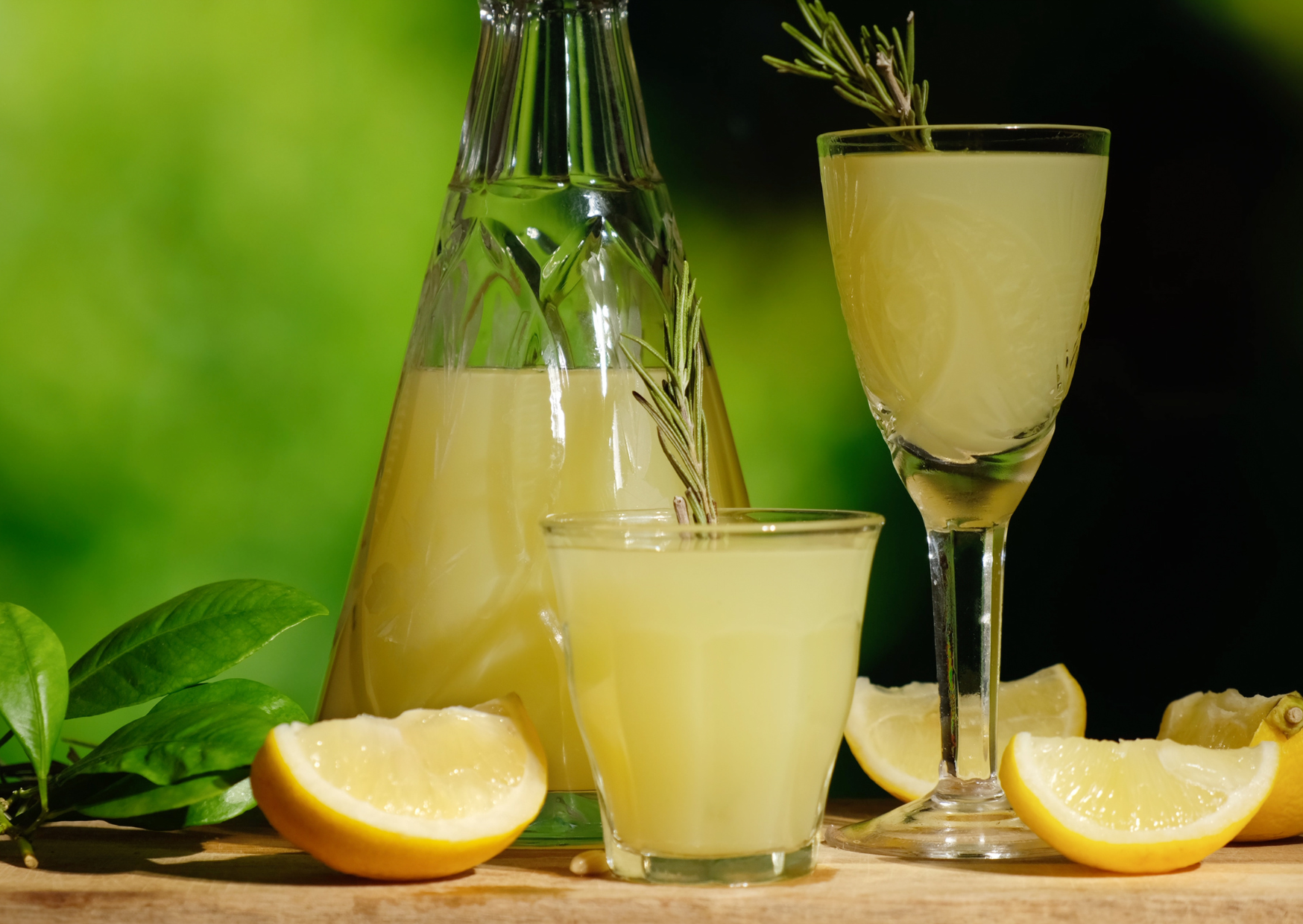
Then bottle it, and here is the final wait. A freshly made limoncello is technically drinkable, but it is young and disjointed, the alcohol still a little raw and the flavors not yet settled into one another. Left to rest in the bottle for a few more weeks, and ideally longer, the spirit mellows, the harsh edge softens, and the sweetness and oil and spirit marry into the smooth, rounded liqueur that limoncello is meant to be. This resting is where the ninety days of patience truly lands, the long steep and the long rest together turning good ingredients into something memorable.
Store the resting bottles somewhere cool and out of the light. When the wait is finally over, move them to the freezer, because limoncello is served extremely cold and its high sugar and alcohol keep it from freezing solid. A bottle kept in the freezer pours thick and frosty and cold, which is exactly how it should arrive at the table. The temptation at every one of these stages is to hurry, and limoncello punishes hurry without fail. Filter it too fast and you leave grit behind, and cut the rest short and you drink a raw spirit that never quite softens.
Limoncello
Makes about 1.5 liters
Ingredients:
- 10 unwaxed lemons (Amalfi or Sorrento if you can find them)
- 1 liter neutral grain alcohol, 95%, such as Everclear
- 800g sugar
- 1 liter water
Method:
- Scrub the lemons well, then peel off only the yellow zest with a vegetable peeler, leaving all the white pith behind. Scrape off any pith clinging to the strips.
- Pack the zest into a large clean glass jar, pour the grain alcohol over it until the peels are submerged, and seal tightly.
- Store in a cool dark place and leave to steep for at least several weeks, ideally up to two months, shaking the jar every day or two.
- When the peels have paled and the alcohol has turned deep yellow, make the syrup. Dissolve the sugar in the water over gentle heat, then let the syrup cool completely to room temperature.
- Strain the zest out of the alcohol, then stir the fully cooled syrup into the infused alcohol. It will turn cloudy, which is exactly what you want.
- Filter the liqueur through a fine sieve, then again through a coffee filter or a double layer of cheesecloth for clarity.
- Bottle it and rest it somewhere cool and dark for at least two more weeks to mellow.
- Store in the freezer and serve ice cold in chilled glasses.
Beyond the Classic
Once you have the method, the same technique opens onto a whole family of infused liqueurs. The most beloved variation is crema di limoncello, a creamy version made by combining the lemon infusion with a milk-and-sugar base instead of a simple syrup, producing something richer and paler, like a lemon custard you can pour. It is dangerously easy to drink, keeps for a shorter time than the clear version because of the dairy, and is worth making at least once for the way it folds dessert and digestivo into a single glass.
The citrus cousins follow the identical logic with a different fruit. Swap the lemons for oranges and you make arancello, deep and sweet and faintly Christmassy. Use grapefruit and you get pompelmocello, sharper and more bracing on the tongue. Mandarins and bergamot and the huge knobbly citron of the south all take the same treatment, and each makes a liqueur worth the wait. The one rule that carries across every one of them is the rule about the pith, which turns bitter in every citrus fruit there is.
There is a geographic cousin worth knowing, too. In the north of Italy, around the Cinque Terre, the same drink is called limoncino, made from the same ingredients but usually steeped for a shorter stretch, which gives a lighter, fresher, less intense result. It is neither better nor worse than the southern limoncello, simply a different expression of one idea, and it shows how far a single technique can travel across a single country.
None of these strays from the core principle. Good fruit, clean high-proof alcohol, the patience to steep and then to rest, and above all no pith, and you can turn almost any fragrant citrus into a liqueur that tastes of the place and the season it came from.
Pour It Like the Coast Does
On the Amalfi Coast, limoncello is a digestivo, the small glass that closes a long meal and settles a full stomach, poured icy from the freezer into little chilled glasses kept beside it. That is the way to serve your own. Keep the glasses in the freezer alongside the bottle so the liqueur stays frigid to the last drop, pour small measures, and drink it slowly after dinner rather than treating it as a cocktail. It reaches beyond the after-dinner glass, too. A splash over lemon sorbet makes a sgroppino-style dessert, and a little poured into a flute of prosecco brightens an aperitivo, while a spoonful lifts a plain pound cake or a bowl of strawberries.
Homemade limoncello also makes one of the finest gifts a kitchen can produce. A bottle of it, made with your own hands over a season of patience, says something a bought present cannot, which is why families along the coast have given it to one another for generations. Bottle some in smaller flasks, and you have thoughtful gifts waiting whenever you need one.
That is limoncello the Amalfi way. Four humble ingredients, a little care with the peel, and above all the willingness to wait, first through the long steep and then through the long rest, without rushing either. The recipe could not be simpler, and the patience could not be more important, and once you have tasted the difference the waiting makes, you will never again be tempted to hurry a batch. It is, in the end, the most rewarding kind of cooking there is, the sort where you do very little and time does the rest, and the reward is a bottle of pure Amalfi summer.

About the Author: Ruben, co-founder of Gamintraveler.com since 2014, is a seasoned traveler from Spain who has explored over 100 countries since 2009. Known for his extensive travel adventures across South America, Europe, the US, Australia, New Zealand, Asia, and Africa, Ruben combines his passion for adventurous yet sustainable living with his love for cycling, highlighted by his remarkable 5-month bicycle journey from Spain to Norway. He currently resides in Spain, where he continues sharing his travel experiences with his partner, Rachel, and their son, Han.