
Ciabatta looks like it has been made in Italian villages for a thousand years. The rough, floury, slipper-shaped loaf with its open, holey crumb has the air of something ancient and rustic, a peasant bread handed down through generations. It is one of the most convincing pieces of edible theater in the world, because ciabatta is younger than the pop charts. It was invented in 1982, by a race-car driver, specifically to fight off the French baguette.
That is the great secret of ciabatta. This most Italian-seeming of breads is a modern invention, born of wounded national pride and a shrewd eye for a market, and it conquered the world’s sandwich shelves faster than almost any food in living memory. Understanding where it really came from does not diminish it. It makes it more interesting, and it explains exactly why the bread is built the way it is.
Here is the true story of ciabatta, what makes it different from every bread around it, and how to make a proper open-crumbed loaf at home.
The Rally Driver Who Invented It
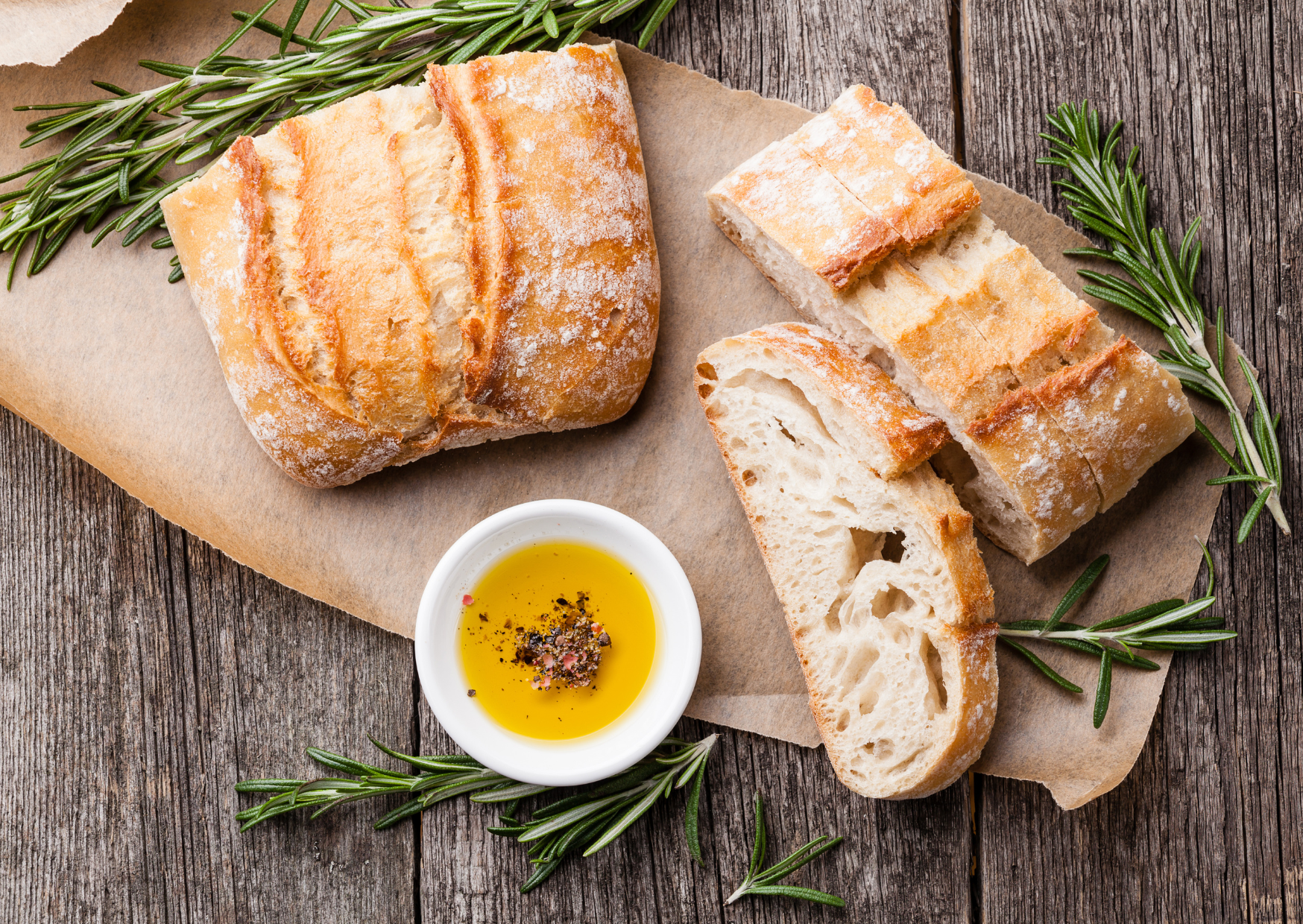
The man behind ciabatta was Arnaldo Cavallari, and before he was a baker he was a four-time Italian rally champion, a serious racing driver from the town of Adria in the Veneto, not far from Venice. His family owned a flour mill, and when his racing days wound down in the early 1980s he came home to the mill with an obsessive, experimental streak and a specific grievance.
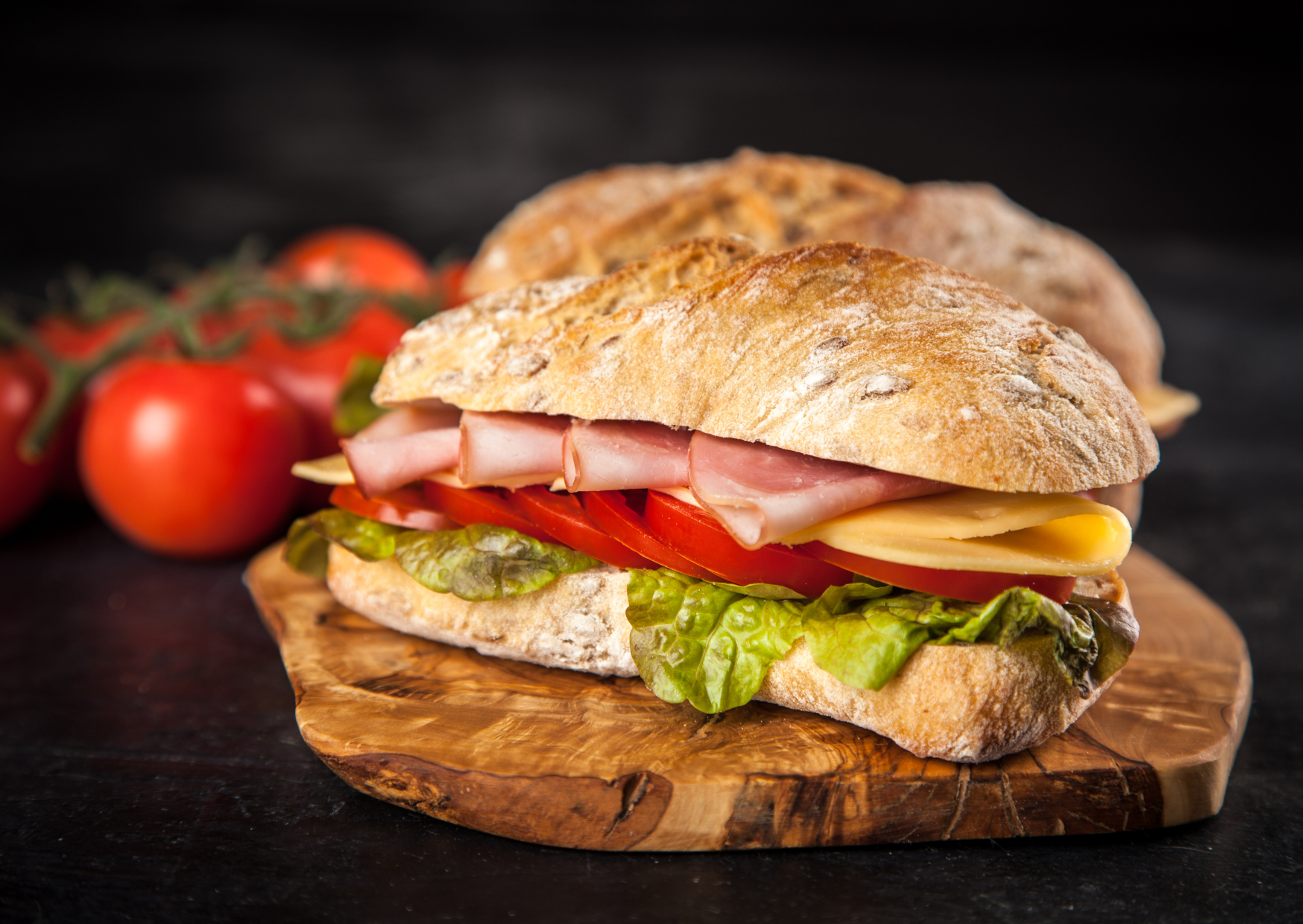
The grievance was the baguette. Through the seventies and into the eighties, the French baguette had been steadily taking over Italy’s enormous sandwich market, the panini that Italians eat by the million, and to Cavallari and his fellow bakers this was close to a national humiliation. The French, they felt, had no business feeding Italy its lunch. Cavallari set out to invent an Italian bread that could win the sandwich business back, and he worked at it for weeks in his mill, testing hydration levels and proving times late into the night.
What he arrived at was a wide, flat, rather shapeless loaf with a wonderfully open interior, which he named ciabatta, the Italian word for slipper, because its slouchy, broken-in shape reminded him of exactly that. He registered it in September of 1982 and set about selling it to the world with the same energy he had once brought to racing, traveling from country to country to teach bakers his recipe and license his flour.
He first called it ciabatta polesana, after Polesine, the low country around Adria where he lived, and licensed it through his company, Molini Adriesi. The loaf reached British supermarket shelves by the mid-1980s and spread from there across Europe and on to America, Australia, and beyond, in one of the fastest culinary expansions the modern food world has ever seen.
It worked spectacularly. Within a few years ciabatta was on supermarket shelves in Britain, and by the end of the century Cavallari had licensed the recipe to bakers in eleven countries. A bread that did not exist before 1982 became, within a couple of decades, one of the most familiar loaves on earth, and most of the people eating it had no idea it was younger than they were.
What Makes Ciabatta Ciabatta
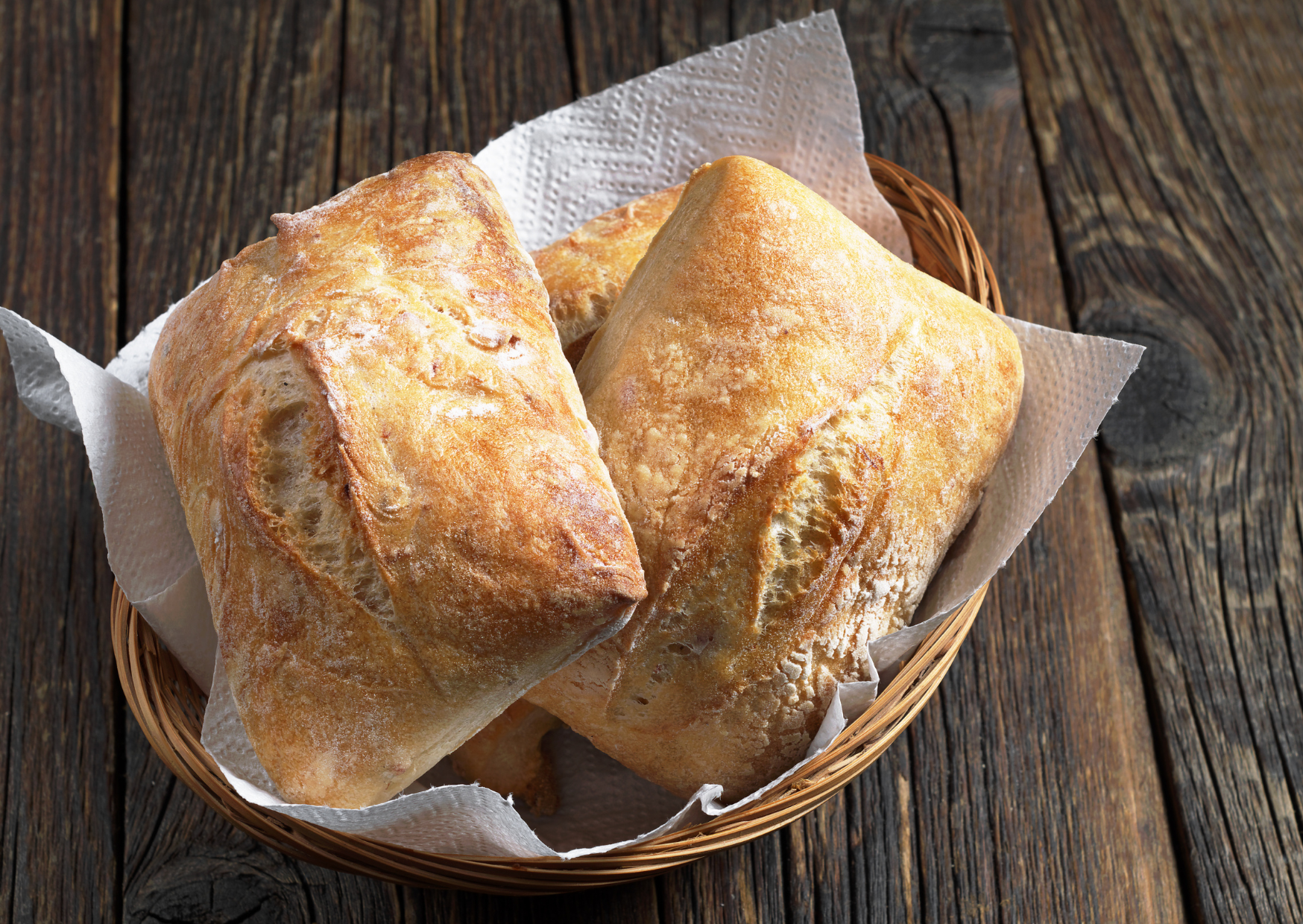
The thing that sets ciabatta apart, and the thing Cavallari engineered so carefully, is water. Ciabatta is made from an extremely wet dough, far wetter than most breads, often around eighty percent hydration or more, meaning nearly as much water by weight as flour. That flood of water is what creates the bread’s signature interior, the open, irregular crumb full of large, glossy, asymmetric holes that bakers call an alveolar structure.
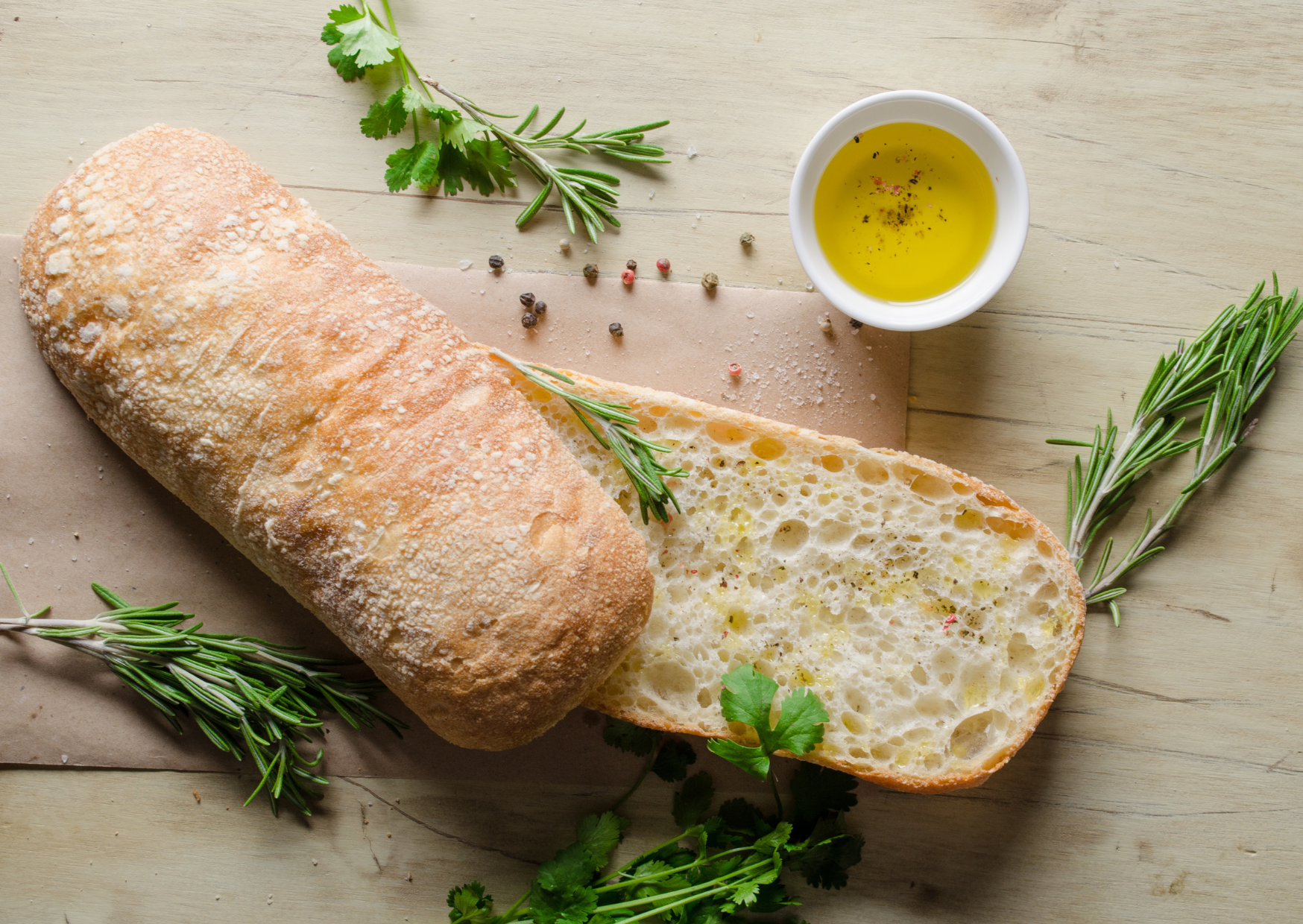
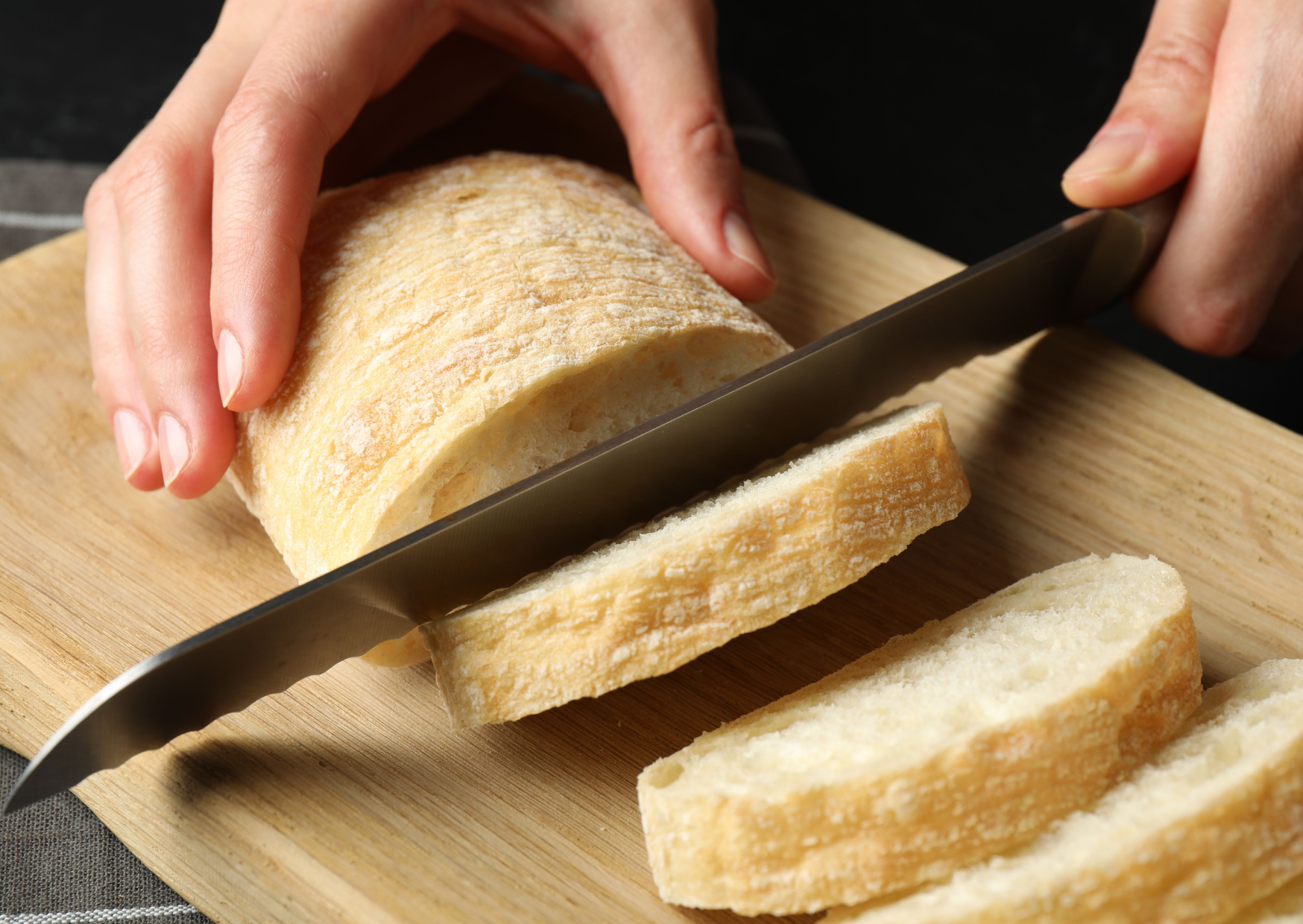
Those holes are the whole point. A good ciabatta, torn open, looks like a cross-section of coral, all uneven caverns and thin translucent walls, and that structure is what makes it such a good sandwich and dipping bread, since it traps oil and fillings in its pockets. The crust, by contrast, is thin and crackly and dusted with flour, shattering slightly when you cut it, quite unlike the soft crust of most Italian breads.
To hold all that water together, Cavallari did two things. He used a strong, high-gluten flour that could form enough structure to trap the gas, and he added a little olive oil to keep the slack dough elastic enough to stretch without tearing. The result is a dough that is barely a dough at all, closer to a thick batter, that somehow bakes into a light, airy, structured loaf.
Cavallari was chasing something beyond the crumb, too. He wanted a cleaner, less processed bread than the industrial loaves creeping into Italian shops, and he built his ciabatta on a flour milled from several wheats with as little treatment as possible, a small quiet rebellion against the direction bread was heading even as he invented a bread destined for supermarkets everywhere.
It is worth seeing ciabatta clearly against its rival to understand it. The baguette uses far less water, is shaped long and lean, and bakes to a fine, even crumb inside a hard shattering crust. Ciabatta uses much more water, is left in a rough free-form shape, and bakes to that wild open crumb inside a thin, crisp shell. Cavallari built a bread that could do everything the baguette did for a sandwich, while being unmistakably, defiantly Italian.
The Wet Dough
Making ciabatta at home comes down to accepting that the dough is supposed to be alarmingly wet, and resisting every instinct to fix it with flour. For a couple of loaves, you want a strong bread flour, ideally a high-protein one, along with water, instant yeast, and salt, plus a spoonful of olive oil. A workable starting point is around five hundred grams of bread flour to roughly four hundred milliliters of cold water, which gives the high hydration ciabatta needs, plus a teaspoon or so of yeast, a couple of teaspoons of salt, and a tablespoon of oil.
Combine the flour, water, yeast, and salt in a big bowl and mix until there is no dry flour left, which you can do with a wooden spoon or a stand mixer, because kneading this by hand in the usual way is close to impossible. The dough will be sticky and slack and shaggy, and that is exactly right. Let it rest for a few minutes so the flour drinks in the water, then work in the olive oil, mixing until the dough smooths out a little while staying soft and tacky.
Do not, under any circumstances, add extra flour to make the dough easier to handle. The wetness is not a mistake to be corrected but the entire source of the open crumb, and a drier ciabatta dough gives a tighter, more ordinary bread with none of the character. If it feels unmanageable, that is normal, and the technique from here is built around handling a very wet dough with wet or oiled hands rather than dry, floured ones.
This wet, slack dough is the single biggest difference between ciabatta and easier breads, and it is where beginners lose their nerve. Trust it. The looseness that feels wrong in the bowl is what becomes the airy magic in the finished loaf.
The Long Ferment
Ciabatta gets its flavor and much of its structure from a long, slow fermentation, and rushing this is the surest way to a dull, dense loaf. After mixing, the dough goes through a bulk rise of several hours, during which the yeast works slowly and the gluten develops, and you help it along with a technique called stretching and folding rather than kneading.
Every half hour or so through the first part of the rise, with a wet hand, reach under one side of the dough, stretch it up, and fold it over onto itself, turning the bowl and repeating on each side. This gentle building of strength, done a handful of times, develops the structure the dough needs to hold its big bubbles, without knocking the air out the way vigorous kneading would. After a few rounds of folds, you leave the dough alone to finish rising, puffed and full of bubbles.
For the best flavor and the most dramatic holes, give the dough a long, cool rise, ideally overnight in the refrigerator. A slow cold fermentation deepens the taste, turning the bread from bland to deeply flavorful, and it makes the wet dough firmer and easier to handle when the time comes to shape it. Bakers who are serious about ciabatta almost always ferment it slow and cold, because the difference in both flavor and crumb is large.
You will know the dough is ready when it has grown airy and domed and is visibly full of gas bubbles, wobbling like something alive when you move the bowl. That liveliness is the whole aim, since every one of those bubbles becomes a hole in the finished bread, and a dough this full of air is a dough about to become a beautiful ciabatta.
Shaping and Baking
Shaping ciabatta is less shaping than gently persuading, because the goal is to lose as little of that hard-won air as possible. Tip the risen dough out onto a well-floured surface, trying not to deflate it, and use a dough scraper and floured hands to coax it into a rough rectangle, then cut it into two or three slipper-shaped pieces. There is no tight forming, no pulling into a taut ball, only a light handling that preserves the bubbles. The rough, uneven, slouchy look is correct and is where the name came from.
The oven has to be very hot, and heat is the other half of a good ciabatta. Preheat it as high as it goes with a baking stone or a heavy inverted tray inside, ideally to around 230°C, or 450°F, so the loaves hit fierce heat the moment they land. Slide the shaped loaves onto the hot stone, and introduce steam for the first part of the bake, either with a tray of hot water in the oven or a few ice cubes thrown onto a hot pan below, because the steam is what lets the crust stay thin and crisp rather than thick and hard.
Bake until the loaves are deep golden and sound hollow when tapped on the base, usually twenty to thirty minutes. Resist cutting into them straight away, however good they smell, because a ciabatta needs to finish setting its crumb as it cools, and slicing it hot leaves the interior gummy. Let it cool on a rack until just warm, then tear or cut it open and admire the open, holey crumb you built.
Ciabatta
Makes 2 loaves
Ingredients:
- 500g strong bread flour, high-protein
- 400ml cold water
- 1 tsp instant yeast
- 2 tsp salt
- 1 tbsp olive oil
Method:
- Combine the flour, water, yeast and salt in a large bowl and mix until no dry flour remains. The dough will be very sticky and slack, which is correct.
- Rest for a few minutes, then work in the olive oil until the dough smooths out a little while staying soft and tacky. Do not add extra flour.
- Every 30 minutes or so, with a wet hand, stretch one side of the dough up and fold it over itself, turning the bowl and repeating on each side. Do this a handful of times through the first part of the rise.
- Leave to rise until airy and full of bubbles, ideally overnight in the refrigerator for the best flavor and the most open crumb.
- Tip the risen dough onto a well-floured surface, trying not to deflate it, and coax it into a rough rectangle with a dough scraper and floured hands.
- Cut it into two slipper-shaped pieces, handling the dough as little as possible.
- Heat the oven as high as it will go, around 230°C, or 450°F, with a baking stone or a heavy tray inside.
- Slide the loaves onto the hot stone and add steam with a tray of hot water or a few ice cubes thrown onto a hot pan below.
- Bake for 20 to 30 minutes, until deep golden and hollow-sounding when tapped on the base.
- Cool on a rack until just warm before cutting into it.
Where Home Bakers Go Wrong
Ciabatta has a reputation as a difficult bread, and almost all of the difficulty comes down to a handful of avoidable errors. The first and most common is adding flour to the wet dough. It feels wrong to work with something so sticky, and the urge to firm it up is enormous, but every spoonful of extra flour trades away the open crumb that makes ciabatta what it is. Keep your hands and your surface wet or oiled instead, and let the dough stay as loose as the recipe intends it to be.
The second mistake is rushing the ferment. A ciabatta hurried through a short, warm rise comes out pale in flavor and tight in crumb, closer to a plain white loaf than to the real thing. The long, slow, ideally cold fermentation is not a luxury but the source of both the taste and the holes, and a batch given an overnight rise in the fridge is a truly different bread from one rushed in two hours on the counter.
A cool oven is the third culprit. Ciabatta needs fierce, immediate heat to spring open and set its thin crust, and an oven that is not properly preheated, or that has no stone or heavy tray to hold the heat, gives a flat, pale, heavy loaf. Get the oven as hot as it will go, preheat the stone thoroughly, and add steam, and the same dough that would have slumped in a weak oven leaps into a proper airy ciabatta.
The last error is handling the shaped dough too much. Every extra fold and press and pat knocks out the bubbles you spent hours building, so the shaping has to be quick and light, more a matter of guiding the dough than working it. Beginners tend to fuss, tidying the rough shape into something neat, when the whole art is to leave it well alone. A good ciabatta should look a little wild, and the bakers who make peace with that get the best crumb.
The Bread That Beat the Baguette
There is a lovely irony in making ciabatta once you know its history. You are baking a bread that dresses itself as ancient tradition while being, in truth, a clever modern product of the early 1980s, dreamed up by a racing driver to reclaim a market from the French. Every rustic, floury, open-crumbed loaf is a small monument to one man’s stubbornness and marketing genius.
That history is also your instruction manual. The reason ciabatta is so wet, so open, so crisp-crusted and slipper-shaped, is that Cavallari built it that way on purpose to beat the baguette at the sandwich game, and every rule of making it well, the high hydration, the long ferment, the gentle shaping, the fierce oven, traces straight back to that design. Bake it with those goals in mind and it comes out exactly the way it was meant to, all wild open crumb and thin crackling crust.
So make your ciabatta, wet dough and all, and enjoy the small pleasure of knowing what you are really holding. It is not a thousand-year-old peasant loaf. It is a brilliant piece of edible engineering, barely forty years old, that fooled the whole world into thinking it was ancient, and that beat the baguette so thoroughly it now sits on every shelf the baguette once threatened to own. Not a bad legacy for a bread dreamed up by a man who, given the choice, would probably rather have been out driving something very fast.

About the Author: Ruben, co-founder of Gamintraveler.com since 2014, is a seasoned traveler from Spain who has explored over 100 countries since 2009. Known for his extensive travel adventures across South America, Europe, the US, Australia, New Zealand, Asia, and Africa, Ruben combines his passion for adventurous yet sustainable living with his love for cycling, highlighted by his remarkable 5-month bicycle journey from Spain to Norway. He currently resides in Spain, where he continues sharing his travel experiences with his partner, Rachel, and their son, Han.