
For a growing number of American retirees, the reason for leaving is not the weather or the food or the romance of Europe. It is the healthcare. After a working life spent fearing medical bills, and facing retirement with Medicare premiums, supplement plans, deductibles and the ever-present dread of a catastrophic diagnosis, many older Americans look across the Atlantic and see something that seems almost unreal: comprehensive health coverage for less than the cost of a phone plan.
It is not a fantasy. Across much of Europe, a legally resident retiree can access excellent public healthcare, or buy into it, for well under €200 a month, roughly $230, often far less. The systems differ from country to country, and the details matter, but the basic fact holds across the continent. The thing that terrifies Americans most about growing old is, in Europe, a solved and affordable problem.
Here are six European countries where retiree health coverage costs under €200 a month, how each system works, and the caveats that go with the numbers. This is a factual overview and not medical or financial advice, the figures cover public-access or basic private coverage rather than every situation, and anyone making a move should verify the current rules for their own case.
Spain

Spain runs one of the most admired health systems in the world, consistently ranked among the best, and it offers non-EU retirees a remarkably cheap way in. The scheme is called the Convenio Especial, a public pay-in agreement for residents who are not covered through work or a pension arrangement, and it grants full access to the public system for a flat monthly fee.
That fee is set nationally and does not depend on income, which makes it wonderfully predictable. In 2026 it costs €60 a month for those under sixty-five and €157 a month for those sixty-five and over, and in exchange the retiree uses Spanish public hospitals, doctors and specialists on the same terms as any citizen. Even at the higher, older rate, it sits comfortably under €200.
The catch worth knowing is that the Convenio Especial usually becomes available only after a period of legal residency, so new arrivals typically hold private insurance first, which for a retiree runs somewhat higher but is still modest by American standards. Many people end up keeping a small private policy for faster specialist access alongside the public cover, a common and affordable hybrid. Between the two, the Spanish healthcare terror that haunts American retirement simply lifts.
The scale of the saving is hard to overstate. A retired American couple might pay well over a thousand dollars a month for private cover at home and still face deductibles and co-pays on top, while in Spain the same couple can hold full public access for a combined sum a fraction of that, with no deductible and heavily subsidized prescriptions. Spain also covers pre-existing conditions from the moment of enrollment in the public scheme, with none of the exclusions that plague private American plans, which for a retiree managing a chronic condition can be the single most important fact of all.
Portugal

Portugal has drawn a large community of foreign retirees, and its healthcare is a major part of the appeal. The country’s public system, the Serviço Nacional de Saúde, or SNS, is open to legal residents, and once a retiree has registered as a resident with the local health center, access to it is either free or carries only small nominal charges for services.
That is the headline that surprises Americans most. For a registered resident retiree, the baseline public coverage costs essentially nothing per month, funded through the general system rather than through premiums. A retiree still pays modest fees for some visits and treatments, but the crushing monthly premium of the American model simply does not exist.
Most foreign retirees in Portugal do carry a private policy as well, both for faster access and for English-speaking care, and here too the numbers are gentle, with private plans commonly running somewhere around €50 to €100 a month depending on age and cover. Even the retiree who wants the reassurance of private insurance on top of the free public system pays a fraction of what the same peace of mind would cost in the United States, and the combined bill stays far under €200.
Access does depend on residency, which for a non-EU retiree typically means arriving on a long-stay visa such as the well-known D7, registering as a resident, and obtaining the tax number and proof of address the health center requires. Once that is done, the public door opens. Portugal’s long popularity with retirees means the practical path is well trodden and the expat communities in places like the Algarve and around Lisbon are full of people who have walked it, which makes navigating the system far less daunting than starting from scratch in a country with no English-speaking network to lean on.
Italy
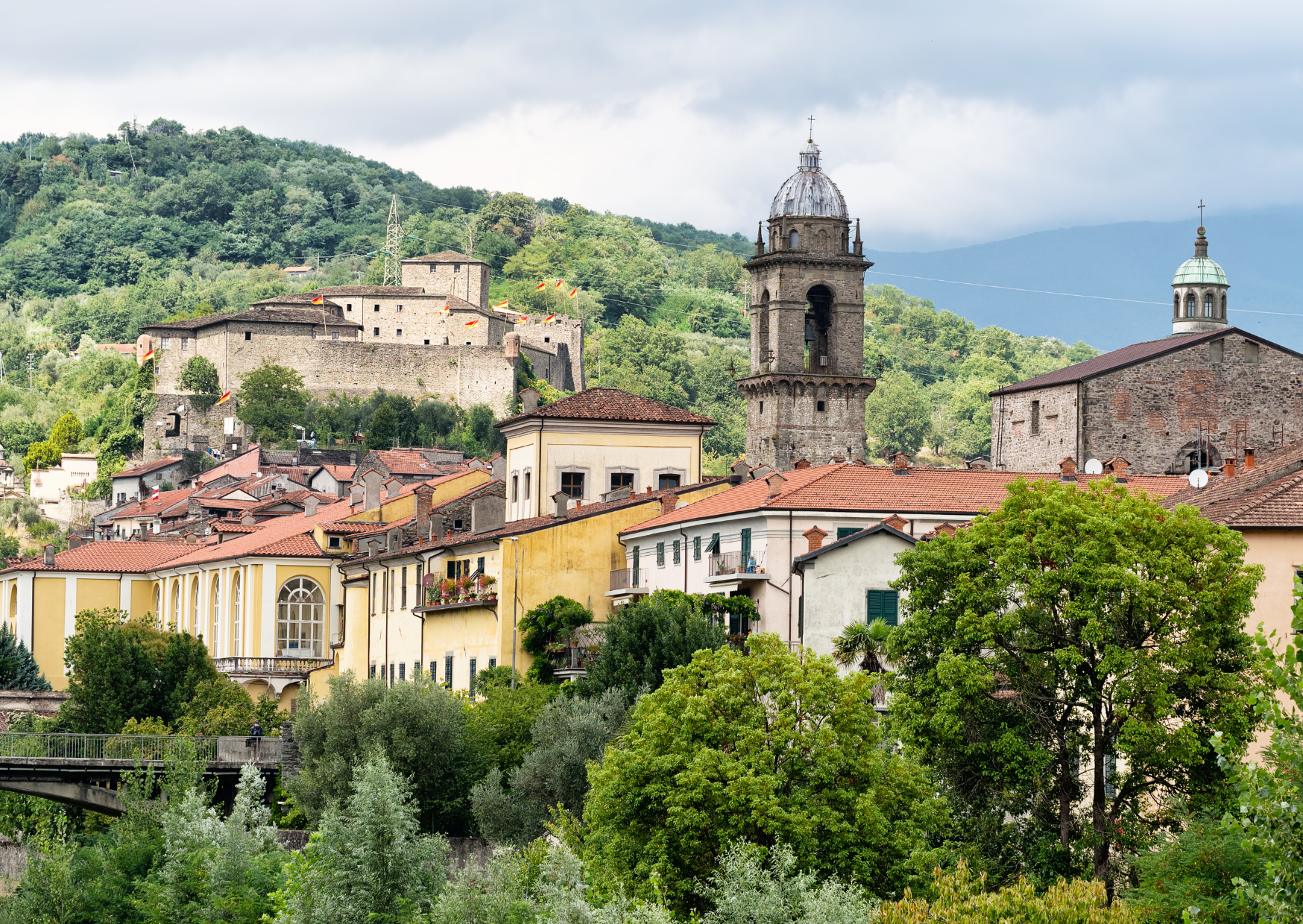
Italy’s public health service, the Servizio Sanitario Nazionale, delivers universal care that regularly ranks among the world’s best, and non-EU retirees can join it through a voluntary annual contribution. This is the route most elective-residence retirees take once their residency is settled, and it buys the same coverage an Italian citizen receives.
The cost changed sharply in recent years and is worth stating carefully. The voluntary contribution is now income-based, calculated as a percentage of worldwide income with a floor, and the minimum sits at around €2,000 a year, which works out to roughly €167 a month. Higher incomes pay more, up to a capped ceiling, but for a retiree of modest means the minimum applies, keeping the monthly figure under €200.
Once enrolled, an Italian retiree gets a family doctor, specialist care, and hospital treatment, with only small co-payments called ticket for certain services. Many add a private policy for speed and comfort, typically a further modest sum, but it is not required. The one thing to plan around is the recent increase in the voluntary fee, which rose steeply and is higher than the old figures some guides still quote, so it belongs in any careful budget.
Italian healthcare quality is very high, though it varies by region, with the northern and central systems generally rated above those of the deep south. For a retiree that argues for choosing a base where the regional service is strong, which happily overlaps with many of the towns foreigners find most livable. It is also worth knowing that the voluntary contribution, like the public systems elsewhere, covers pre-existing conditions with no exclusions once you are enrolled, and that the annual fee is paid as a single lump sum rather than monthly, a quirk of the Italian system that catches some newcomers by surprise but changes none of the underlying value.
France
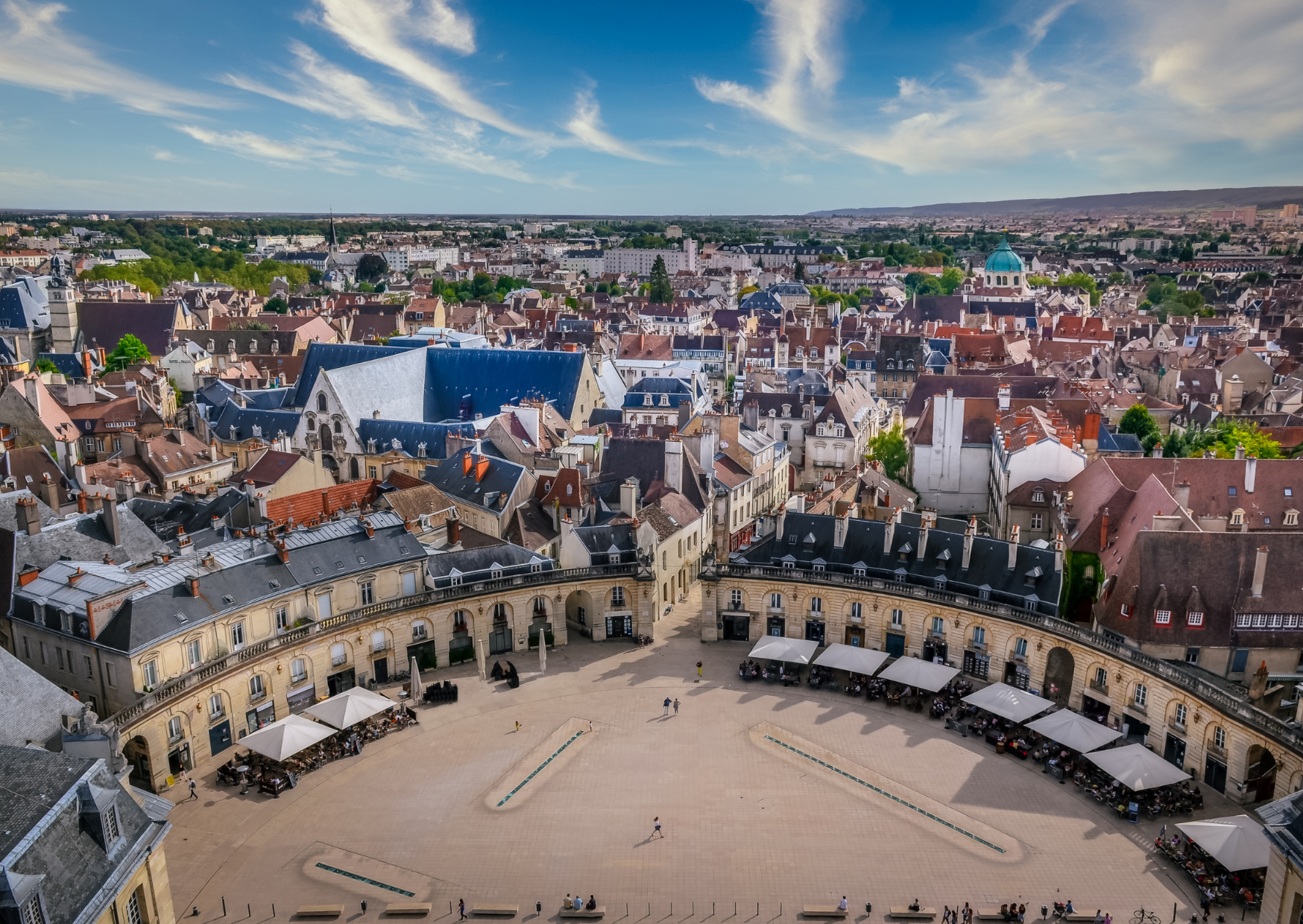
France is often said to have the finest healthcare system in the world for its combination of quality and universality, and it is open to retirees who establish stable legal residence. After a few months of residency, foreign residents can enroll in the public system, known as PUMA, which then covers the great majority of their medical costs.
The cost structure is income-based rather than a flat premium, which is the key thing to understand. For a retiree living on a modest pension, the required contribution is low or in some cases nil, since the charge is calculated on income above certain thresholds, so many pensioners pay very little to be covered. Higher earners pay a percentage of their income, but for the typical retiree the public cost stays small.
The one near-universal add-on is a mutuelle, a top-up policy that covers the portion of costs the public system does not, and these run commonly around €50 to €100 a month. With a mutuelle in place, a French retiree often finds nearly all their healthcare effectively free at the point of use, chronic and serious conditions included, for a total monthly outlay that stays under €200 for most people. Doctor visits are inexpensive to begin with, and much of what you pay comes back as a reimbursement.
France’s treatment of serious illness is the detail that wins many retirees over. For a recognized long-term condition such as cancer, diabetes, or heart disease, the state covers the treatment fully, removing the co-payment entirely, so the diagnosis that would bankrupt an under-insured American becomes, in France, a medical matter rather than a financial catastrophe. The system is dense with paperwork and the enrollment process takes patience, and the language barrier is real outside the big cities, but once a retiree is inside it, the combination of quality and near-total coverage is difficult for any other country to match.
Greece

Greece has quietly become one of Europe’s best-value retirement destinations, and affordable healthcare is part of the draw. Legal residents can access the Greek public health system through registration and a social security number, and the cost of that public access is low, funded largely through the general system rather than through heavy personal premiums.
For a retiree, the practical result is inexpensive coverage. Public access carries modest costs, and many foreign retirees supplement it with private insurance for faster and more comfortable care, which in Greece is notably cheap, with private plans commonly running somewhere around €50 to €150 a month depending on age and the level of cover chosen. Either way, the monthly figure stays well under €200.
Greek healthcare quality varies more by location than in some of the wealthier countries here, with the best facilities in the larger cities, so many retirees settle where good hospitals are within reach and lean on private cover for specialists. Even so, the combination of low public cost and cheap private insurance means a retiree in Greece secures solid healthcare for a small monthly sum, in a country where the wider cost of living is among the lowest in Western Europe.
Access runs through residency and a Greek social security registration, the AMKA number that unlocks the public system, obtained once a retiree has established legal residence. Greece has actively courted retirees in recent years, notably with a flat tax rate on foreign pension income designed to attract them, and the healthcare piece fits that welcome. The islands and smaller towns can be thin on advanced medical facilities, which is the real thing to weigh, so the sensible retiree pairs a home near a decent hospital with an affordable private policy, and in return enjoys some of the lowest all-in living and healthcare costs anywhere in the eurozone.
Cyprus

Cyprus rounds out the six with its national health system, known as GESY, introduced in recent years to provide universal coverage across the island. It is funded through income-based contributions, and for a retiree the cost is tied to their income rather than charged as a fixed premium, which keeps it low for those on modest pensions.
The contribution rate for pension and other income runs at a small percentage, with an overall annual cap, so even a comfortably-off retiree cannot be charged without limit. For someone living on a typical foreign pension, the monthly cost of GESY coverage works out to a modest figure, comfortably within the under-€200 range, and often well below it. In return the retiree gets access to doctors, specialists and hospitals across the system.
Cyprus carries an extra appeal for many English-speaking retirees, since English is very widely spoken across the island, a legacy of its history, which removes the language barrier that complicates healthcare in much of the rest of Europe. Some retirees still add private cover for the fastest specialist access, at modest cost, but the public system now provides a genuine safety net that did not fully exist a decade ago, at a price tied gently to what each person can afford.
GESY is genuinely new, rolled out only at the end of the last decade, and it transformed a Cypriot system that had previously left many residents relying on private care. The contribution is capped at a fixed annual ceiling, so the cost cannot run away even for a wealthier retiree, and for someone on a normal foreign pension it lands at a small monthly figure. Combined with the island’s low taxes on foreign pension income and its warm, English-speaking, EU-member setting, the arrival of affordable universal healthcare has turned Cyprus into one of the most quietly attractive retirement bases in the whole of Europe.
The Real Lesson for American Retirees
Six countries, six different systems, and one striking common thread. In each of them, a legally resident retiree can secure real, comprehensive healthcare for under €200 a month, and in several for far less, in nations whose health systems routinely outrank the American one on quality and outcomes. The contrast with the United States, where a retired couple can pay many hundreds of dollars a month and still fear the bill from a serious illness, is what pulls so many Americans across the ocean.
A few honest qualifications belong alongside the numbers. These figures cover public buy-in or basic coverage, and comprehensive private insurance, especially at advanced ages or with serious pre-existing conditions, costs more. Several of the systems are income-based, so a wealthier retiree pays more than the minimums quoted here. Access everywhere depends on establishing legal residency first, which brings its own visa requirements and usually a period on private insurance before the public route opens. And none of this removes the need to keep track of one’s own situation and the current rules, which shift.
Even with all those caveats, the underlying truth is plain enough. The fear of medical costs that shadows so much of American retirement is, across much of Europe, simply not a feature of growing old. For the retiree who can manage the move and the residency, healthcare stops being the thing that keeps them awake at night and becomes, for a modest and predictable monthly sum, a solved problem. That, more than the sunshine or the scenery, is why so many of them never look back, and why healthcare, once the great barrier to retiring abroad, has quietly become one of the strongest reasons to do it.

About the Author: Ruben, co-founder of Gamintraveler.com since 2014, is a seasoned traveler from Spain who has explored over 100 countries since 2009. Known for his extensive travel adventures across South America, Europe, the US, Australia, New Zealand, Asia, and Africa, Ruben combines his passion for adventurous yet sustainable living with his love for cycling, highlighted by his remarkable 5-month bicycle journey from Spain to Norway. He currently resides in Spain, where he continues sharing his travel experiences with his partner, Rachel, and their son, Han.